
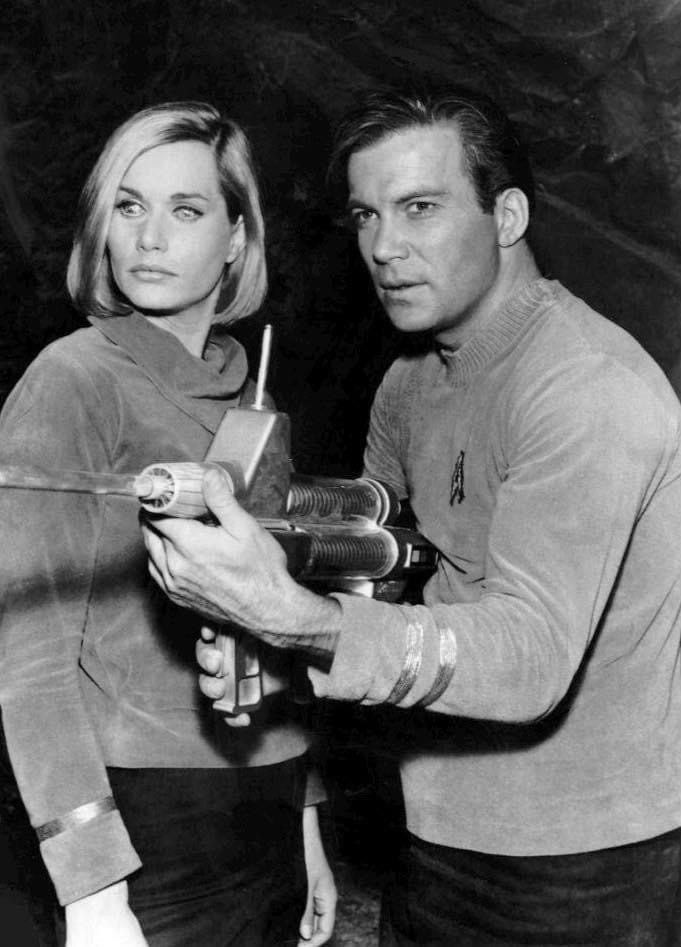
On September 8, 1966, Star Trek premiered on NBC, beginning the science-fiction franchise that would reshape American popular culture. Created by writer and producer Gene Roddenberry, the series followed the crew of the USS Enterprise on a five-year mission: to explore strange new worlds, seek out new life and new civilizations, and boldly go where no one had gone before.
NBC introduced U.S. viewers to the series with “The Man Trap,” the first episode broadcast, rather than with either pilot episode. The program’s first U.S. broadcast came two days after CTV had aired the episode in Canada. From the outset, Star Trek used a distant-future setting for stories that were often cerebral, philosophical, and engaged with contemporary concerns. Its episodes addressed issues associated with the Cold War era, including civil rights, war and militarism, environmental pressures, prejudice, and diplomacy.
The series also presented a notably multiethnic ensemble cast at a time when television roles were still heavily limited by racial and cultural stereotypes. Its bridge crew included Nichelle Nichols as communications officer Uhura and George Takei as helmsman Hikaru Sulu, helping make the Enterprise a vision of a more inclusive future.
The original series was not a ratings leader during its network run and NBC canceled it after three seasons in 1969. Yet syndication transformed Star Trek into a major cultural phenomenon, bringing it a larger audience and establishing its status as a cult classic. The 1966 debut laid the foundation for an enduring franchise of feature films, later television series, novels, comics, games, and other tie-ins.
More than a new television program, Star Trek helped demonstrate that mainstream entertainment could use speculative fiction to engage seriously with social questions. Its debut marked the start of a lasting cultural legacy—one rooted in the idea that exploration, curiosity, and cooperation could shape humanity’s future.
Image: William Shatner as Captain Kirk and Sally Kellerman as Dr. Elizabeth Dehner in “Where No Man Has Gone Before,” broadcast later in September 1966. Via Wikimedia Commons; public domain.
