
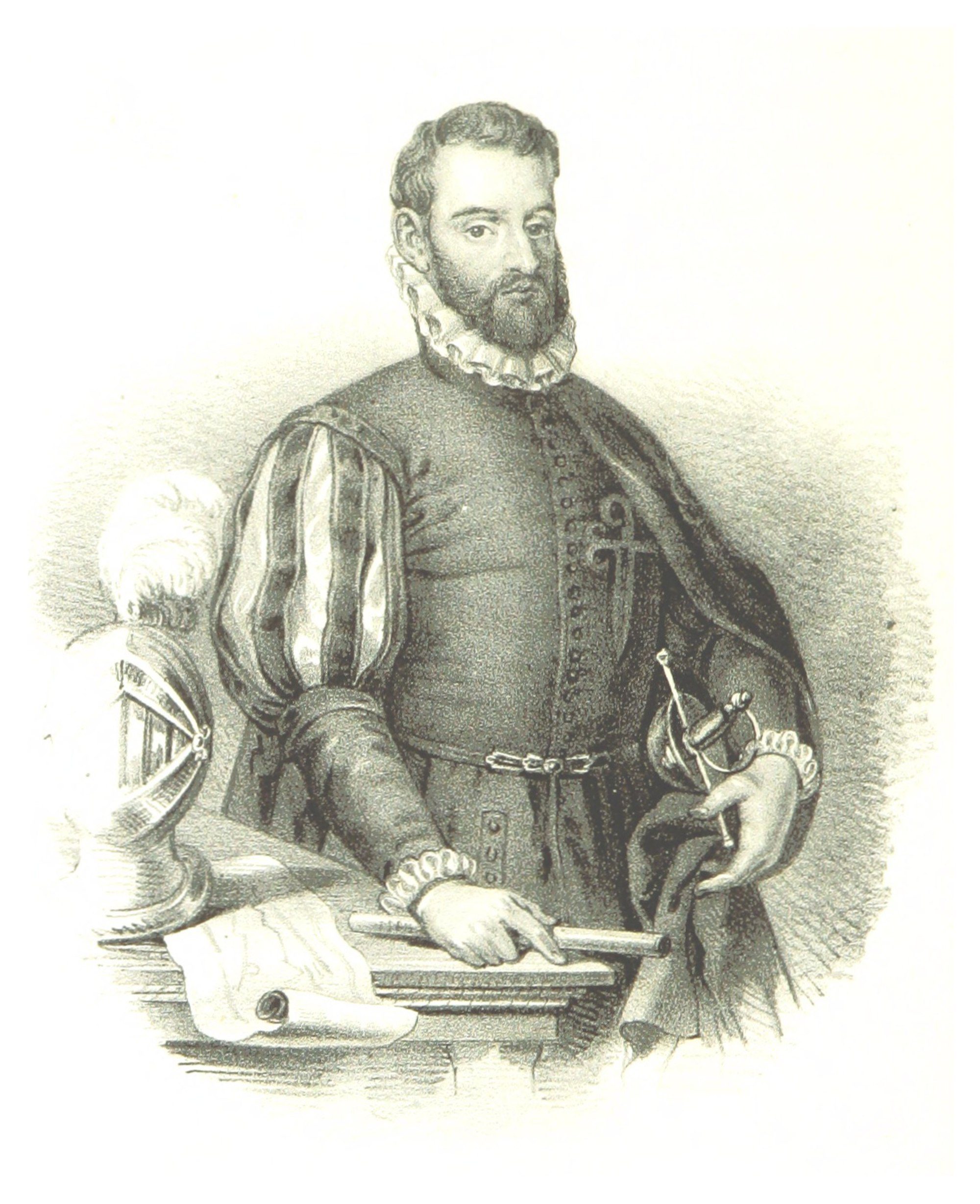
On September 8, 1565, Spanish admiral and explorer Pedro Menéndez de Avilés formally established St. Augustine on Florida’s Atlantic coast. The settlement is widely recognized as the oldest continuously occupied European-established settlement in the continental United States. Acting under the authority of King Philip II, Menéndez was charged with securing Spain’s claim to La Florida, advancing Catholic missionary efforts among Indigenous peoples, and establishing a strategic base along the route traveled by Spanish shipping between the Caribbean and Europe.
The founding came amid an urgent imperial confrontation. Spain sought to eliminate Fort Caroline, a nearby French Huguenot outpost whose presence challenged Spanish claims in the region. After coming ashore near the Timucua town of Seloy, Menéndez formally claimed Florida on September 8. His party established its initial base at Seloy and used the community’s council house as its first fortification—a reminder that St. Augustine’s origins were inseparable from the displacement and coercion experienced by the region’s Indigenous peoples. Spanish forces captured Fort Caroline less than two weeks later, on September 20, 1565.
St. Augustine’s later military landscape is symbolized by Castillo de San Marcos, the great coquina fortress constructed between 1672 and 1695 to replace earlier wooden defenses. Built amid growing threats from English privateers and rival colonies, the Castillo became a durable emblem of Spanish Florida; its porous coquina walls could absorb cannon fire rather than shatter under impact.
Menéndez’s arrival inaugurated more than two centuries of Spanish colonial rule in Florida. Spanish institutions, Catholic missions, defensive architecture, place names, and legal traditions left a lasting imprint on the region long before the expansion of Anglo-American settlement.
Image via Wikimedia Commons, public domain
