
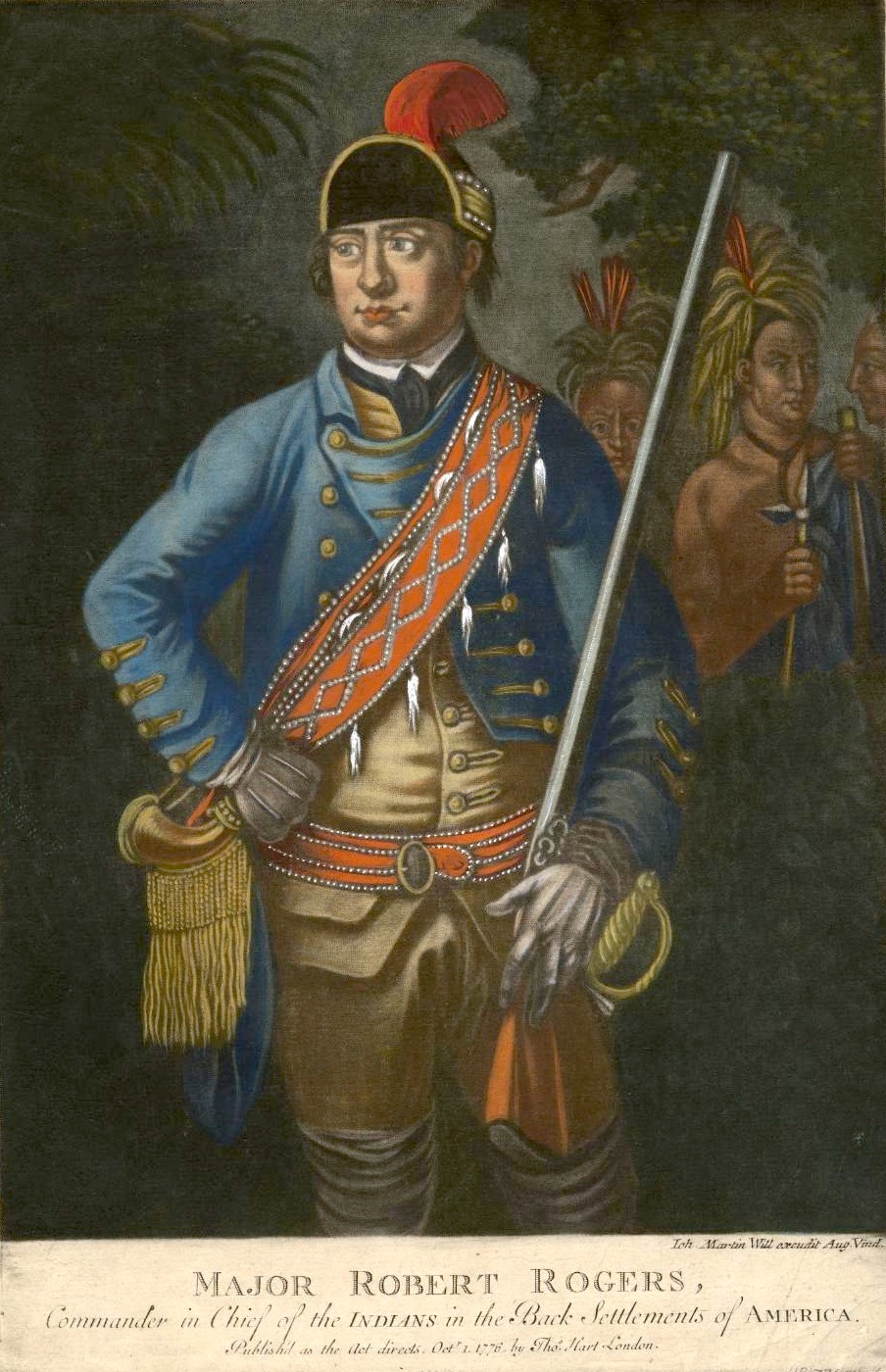
On June 27, 1776, as Congress debated liberty and drafted the words that would soon reshape a continent, George Washington confronted a quieter crisis of shadows and suspicion. That morning he wrote to John Hancock, President of the Continental Congress, explaining why he had ordered the detention of Major Robert Rogers, once the famed commander of Rogers’ Rangers during the French and Indian War. Rogers claimed he wished to serve the American cause, but Washington found his route odd, his company questionable, and his sudden reappearance—just days before independence—far too convenient. Lacking firm evidence and bound by the limits of military authority, Washington allowed Rogers to continue to Philadelphia under escort, warning Congress but refusing to violate the liberties the Revolution sought to defend.
Washington’s instinct proved right. Rejected by the Patriot leadership, Rogers soon joined the British and raised the Queen’s Rangers, the Loyalist unit that would later capture American spy Nathan Hale. Yet his own fortunes collapsed. Alcoholism, illness, and erratic behavior consumed him, and by war’s end he was a shadow of his former self—penniless in London, dead by 1795. The encounter on June 27 was not merely a matter of espionage; it was a moment when Washington had to weigh caution, principle, and the fragile foundation of a cause barely born.
A lesser‑known layer to this story is the complicated past between the two men. During the French and Indian War, Rogers was everything Washington longed to be: a celebrated frontier commander whose daring exploits earned him admiration from British officers. Washington, by contrast, spent those same years fighting for recognition from an imperial establishment that dismissed him as a provincial amateur. When Rogers walked into Washington’s headquarters claiming loyalty, Washington wasn’t just evaluating a potential spy—he was confronting a living reminder of his own humiliations under British rule. Rejecting Rogers was, in its own quiet way, Washington’s declaration that the new Continental Army would be built not on chaotic frontier heroics, but on discipline, order, and a break from the hierarchy that had once kept him in its shadow.
