
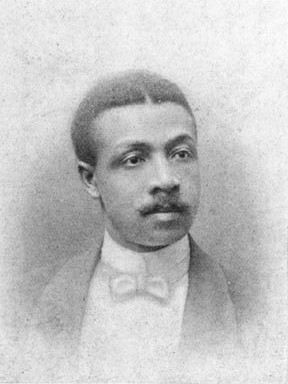
On September 8, 1868, composer and instrumentalist Silas Seth Weeks was born in Vermont, Illinois. A performer on violin, banjo, guitar, and mandolin, he ultimately concentrated professionally on the mandolin. In 1900, he wrote what is credited as the first concerto for mandolin by an American composer.
Weeks holds a distinctive place in the history of the instrument. During the late-nineteenth- and early-twentieth-century “Golden Age of the Mandolin,” U.S. players were largely of Italian descent or Jewish background; Weeks is believed to have been the only Black musician to sustain a career as a mandolin soloist in that era. Through his performing and composing, he helped raise the mandolin’s profile as a serious solo instrument.
A key part of that achievement was his mastery of “duo style,” in which one player combines melody, counter-melody, and harmony on a single mandolin. This virtuoso approach moved the instrument beyond the simple ensemble roles it had often occupied and demonstrated its soloistic range.
Weeks taught, composed, toured, and recorded widely. He led a mandolin and guitar orchestra in Tacoma, Washington, performed in major U.S. cities and in Europe, and recorded for Edison in London and Berliner Gramophone in Berlin. Discographical sources also document recordings issued through Pioneer, Columbia, Edison Bell, and other labels or imprints; many are now lost or difficult to locate.
His dozens of published works, international touring, and technically ambitious performances made him an important figure in the mandolin’s emergence as a concert instrument—and an unusually significant Black classical and popular-music artist of his period.
Image: Portrait of composer and mandolin virtuoso Seth Weeks in 1900. Wikimedia Commons; public domain