
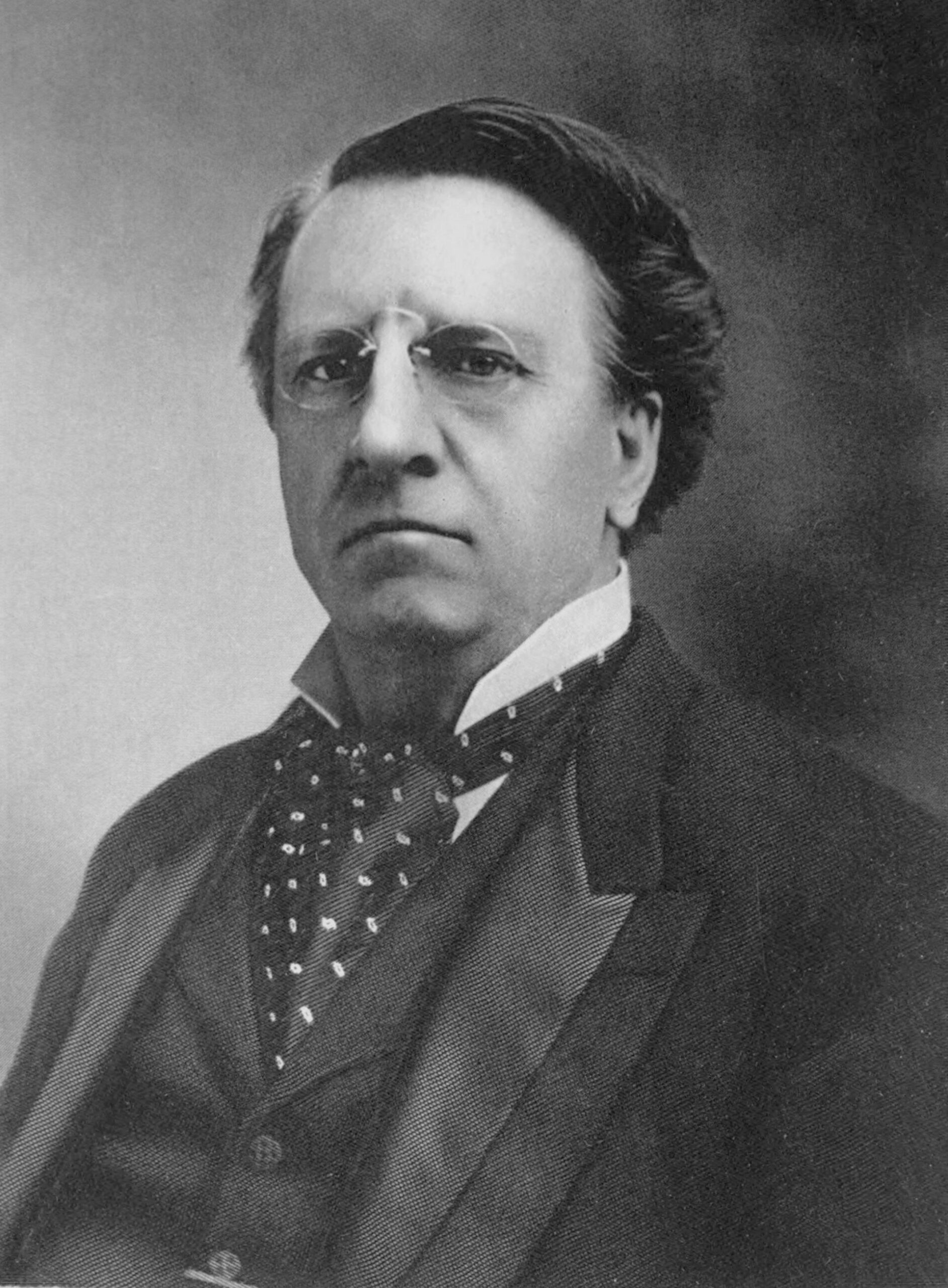
A monumental shift in global trade and American ambition occurred on June 28, 1902, when the United States Congress officially enacted the Spooner Act. Authored by Senator John Coit Spooner (shown), the act empowered the federal government to purchase the assets of the failed French canal company and authorized the president to negotiate a treaty for a canal zone across the Isthmus of Panama. Crucially, the law built in a dramatic contingency: if those foreign negotiations stalled, the administration was legally required to pivot toward an entirely different route through Nicaragua, setting off a high-stakes geopolitical race to determine where the United States would carve a passage between the seas.
The human story that followed was immense. By making Panama the nation’s first choice—and Nicaragua the mandated fallback—the legislative action taken on this day triggered the chain of events that ultimately anchored America to the Panamanian route. In the years that followed, thousands of laborers from the West Indies, Europe, and the United States descended into a sweltering, disease‑ridden landscape. They battled malaria, yellow fever, crushing heat, and catastrophic mudslides as they carved through jungle and mountain. This initial congressional decision transformed a long‑imagined engineering dream into a gritty, years‑long human struggle that finally united the Atlantic and Pacific Oceans, forever altering the flow of world commerce.
