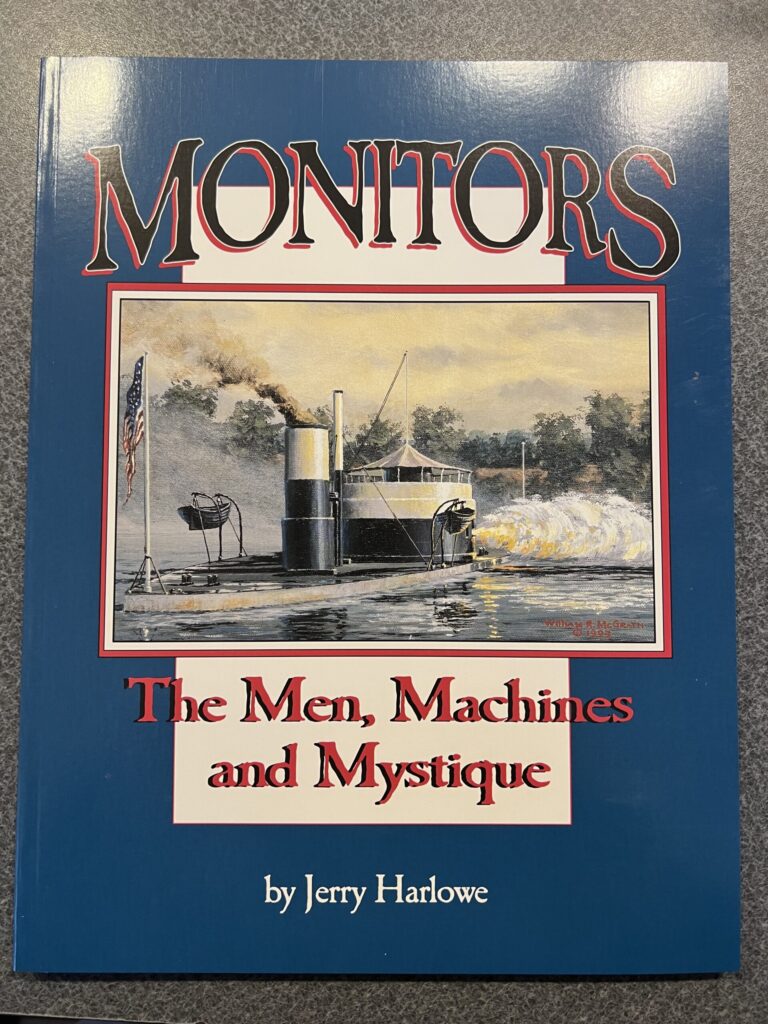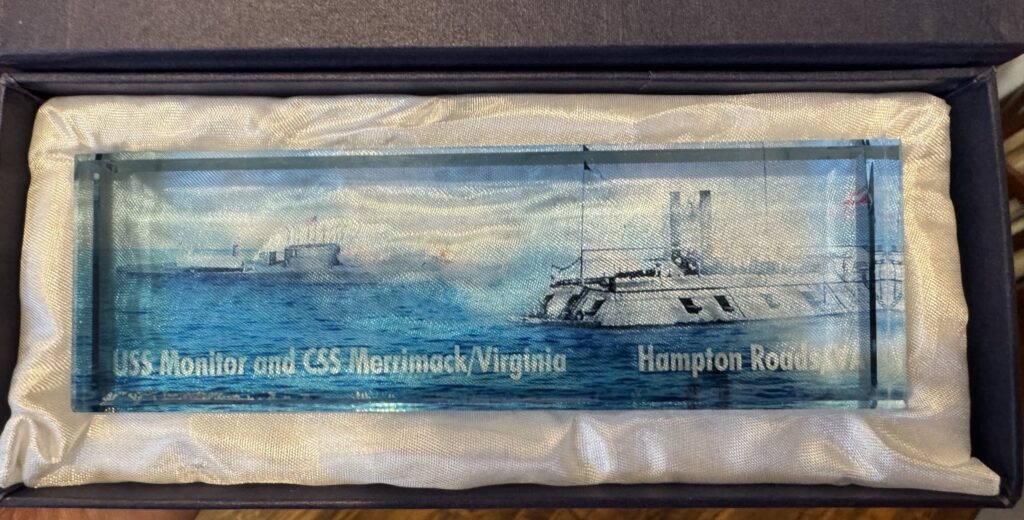
The future of naval warfare changed permanently on October 4, 1861, when the United States Navy awarded Swedish-American inventor John Ericsson the prime contract to build an experimental ironclad warship. Spurred by reports that the Confederacy was converting the scuttled former frigate USS Merrimack into the armored CSS Virginia, the Union needed a counterweight capable of protecting its blockade and wooden fleet. The contract gave Ericsson just 100 days to deliver an ironclad “shot-proof steam battery,” reflecting both the urgency of the moment and the Navy’s uncertainty about his radical design.
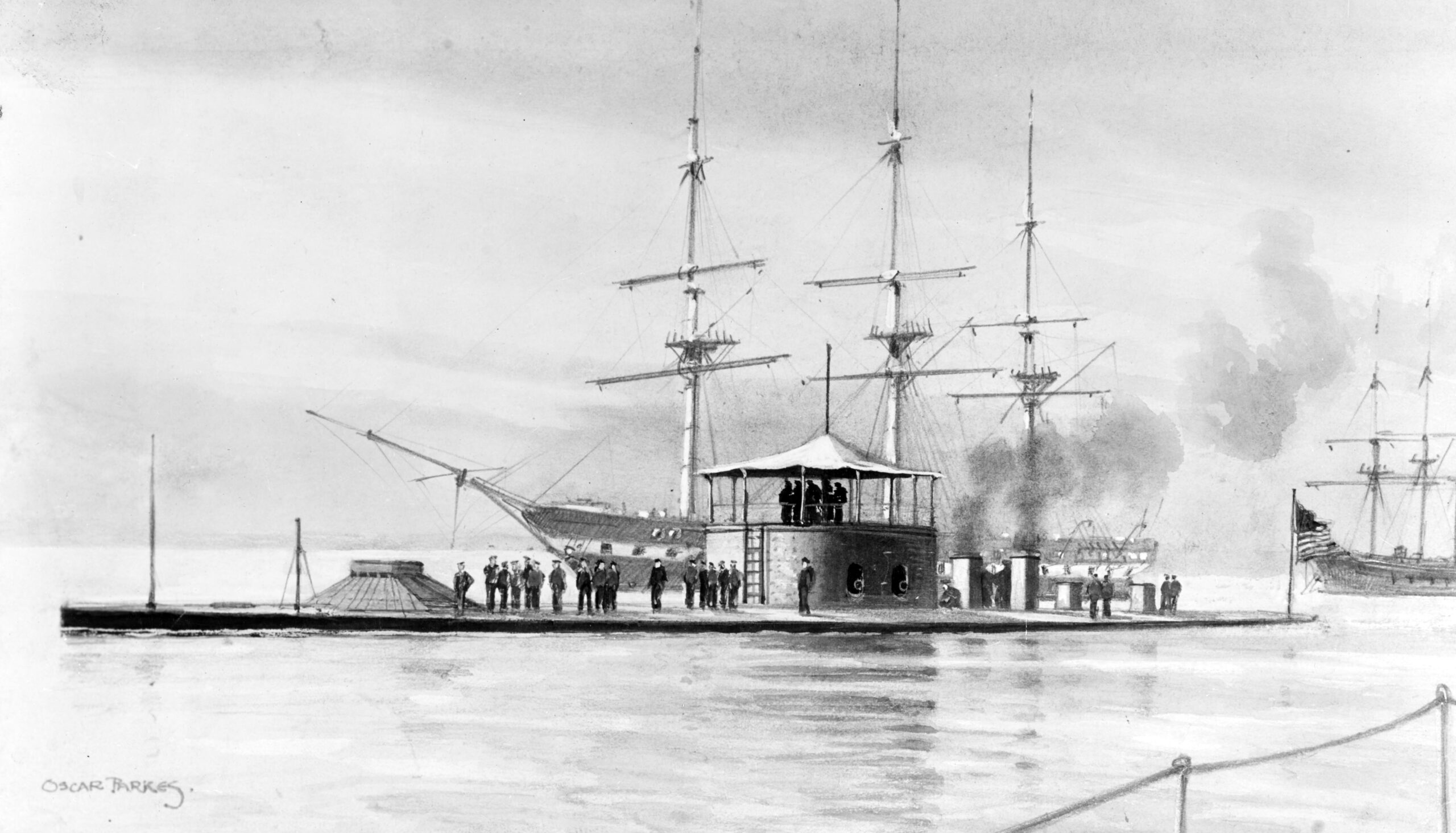
Ericsson’s vessel was unlike anything afloat: a low-freeboard ship with an armored hull, an unusual raftlike form, and a cylindrical rotating turret powered by steam. The turret carried two 11-inch Dahlgren smoothbore guns, allowing the ship to fire in nearly any direction without turning the entire vessel. Built through the coordinated work of several New York firms, Monitor reached completion in a little more than 100 days.
On March 9, 1862, Monitor met CSS Virginia at the Battle of Hampton Roads. The engagement ended without a decisive tactical winner, but its strategic and technological meaning was unmistakable: wooden warships could no longer be assumed capable of withstanding armored naval vessels. The clash accelerated the global transition from wood and sail toward iron, steam, armor, and turreted guns—and helped redefine the future of naval architecture.