
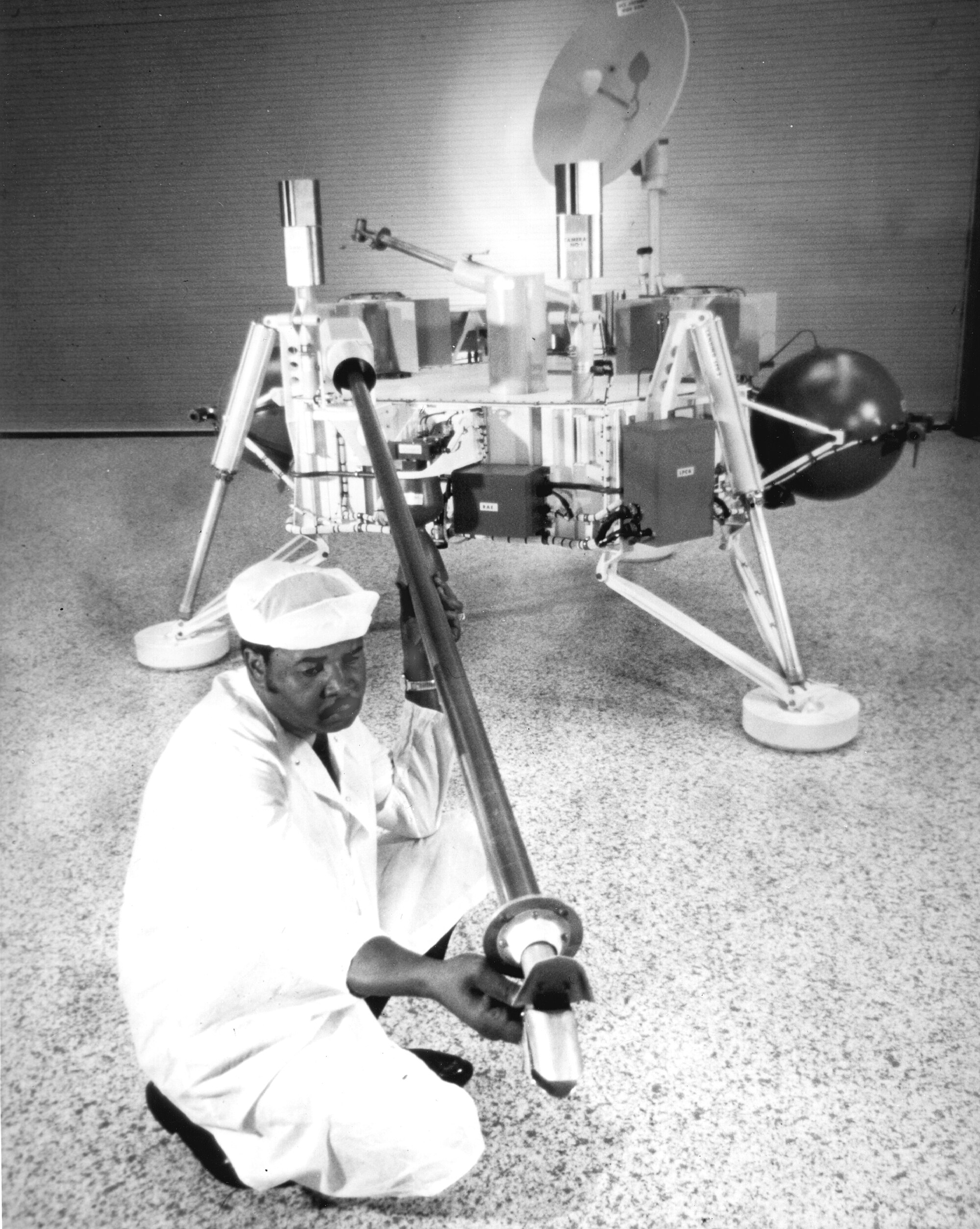
NASA’s Viking 1 spacecraft made history when it safely touched down on the surface of Mars on July 20, 1976. The successful arrival of the lander allowed scientists to deploy a state‑of‑the‑art robotic arm and soil sampler, returning the first high‑resolution color images of the rocky, rust‑colored Martian landscape and conducting the earliest automated experiments designed to detect signs of extraterrestrial life.
The timing of the landing carried immense symbolic weight, as NASA intentionally rescheduled the descent to serve as a high‑tech tribute to the American Bicentennial. The original plan called for a Fourth of July touchdown, but once the spacecraft entered Martian orbit, engineers discovered that the primary landing site was far more rugged and cratered than expected. Choosing safety over spectacle, controllers delayed the descent until they identified a smooth plain — a decision that inadvertently aligned the historic landing with the seventh anniversary of Apollo 11’s first steps on the Moon.
Image via Wikimedia Commons, public domain
