
Mortality
Ashes to ashes, dust unto dust;
What of his loving, what of his lust?
What of his passion, what of his pain?
What of his poverty, what of his pride?
Earth, the great mother, has called him again:
Deeply he sleeps, the world’s verdict defied.
Shall he be tried again? Shall he go free?
Who shall the court convene? Where shall it be?
No answer on the land, none from the sea.
Only we know that as he did, we must:
You with your theories, you with your trust,—
Ashes to ashes, dust unto dust!
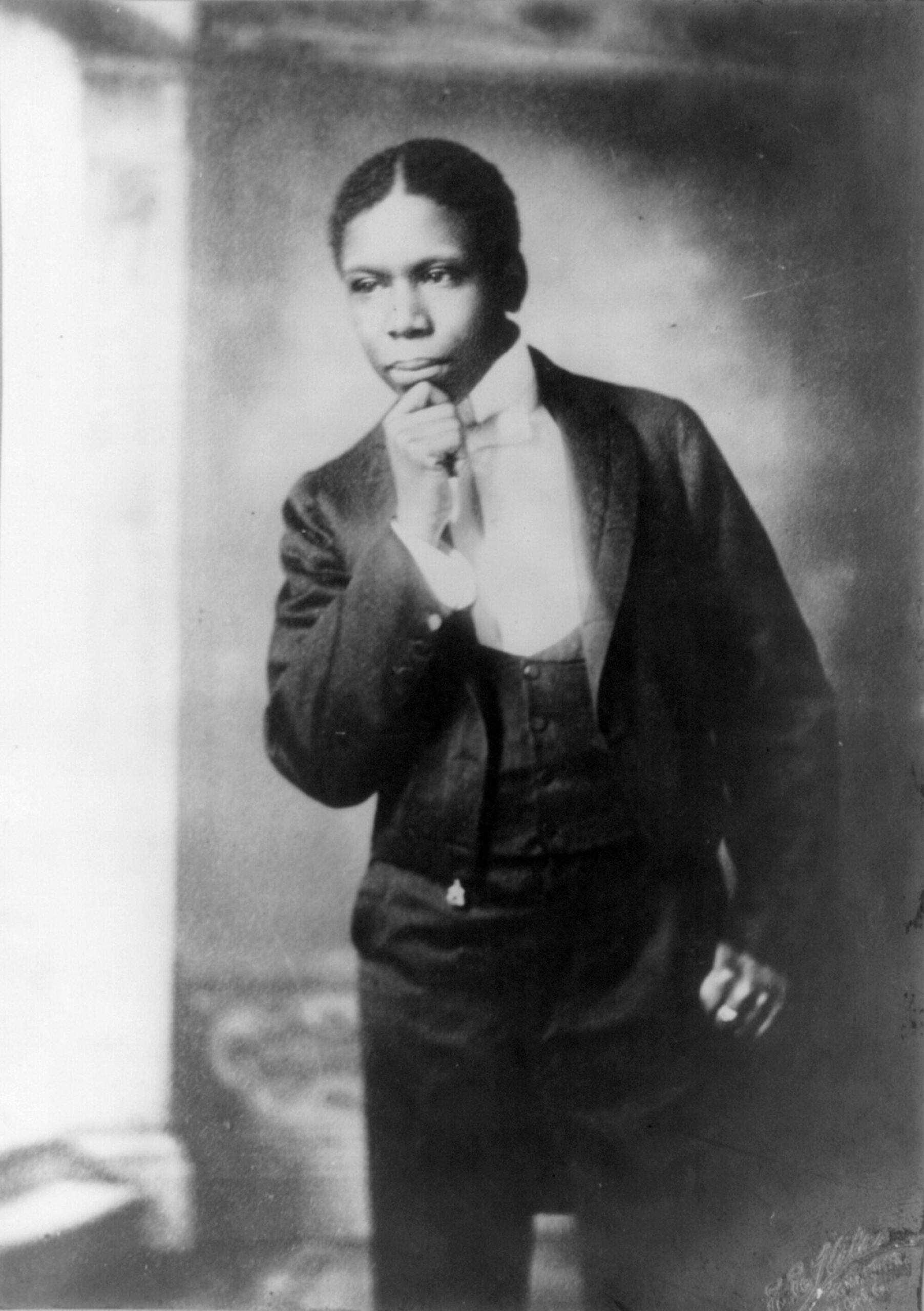
Born on this day in 1872, Paul Laurence Dunbar rose from the son of formerly enslaved parents in Dayton, Ohio, to become one of America’s most brilliant and influential literary voices. Before the world knew his name, he worked as an elevator operator, selling his first book of poems to passengers for a dollar — a young Black writer lifting himself upward one floor at a time.
“Mortality,” printed above, is one of Dunbar’s most haunting meditations on the fate that binds us all. In it, he asks what becomes of a person’s love, pride, pain, and struggle once the earth calls them home. He imagines humanity standing before unanswerable questions:
Who judges a life? Where is the court? Who decides what a person was worth?
Dunbar wrote these lines while fighting tuberculosis, a disease that would claim him at just thirty‑three. Doctors prescribed whiskey as medicine — a tragic remedy that fed an addiction he could never escape. Yet even as illness closed in, he wrote with astonishing urgency from his sickbed, leaving behind a body of work that reshaped American literature.
