
 Mystery March Is Here!
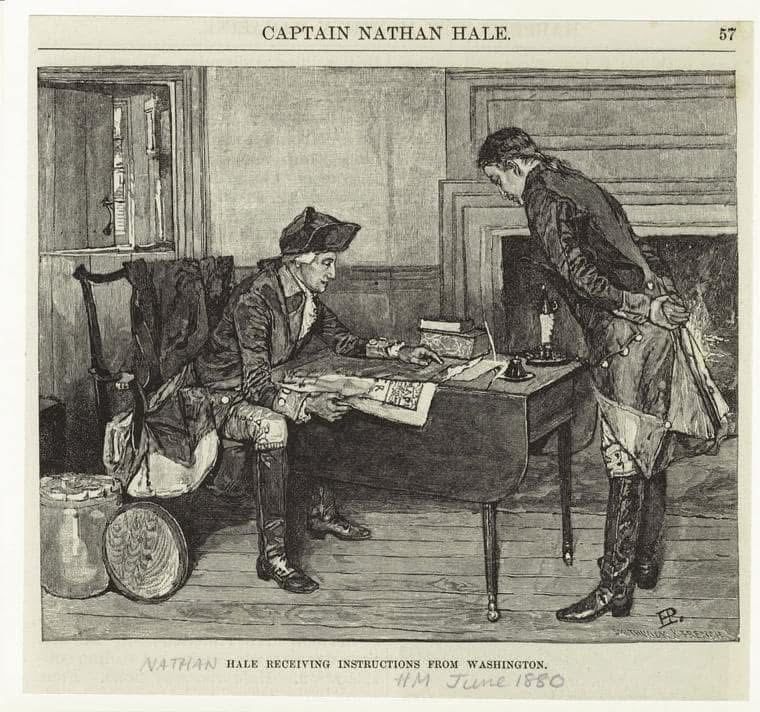
Captain Nathan Hale volunteered for a perilous mission on September 8, 1776. Hale consented to cross enemy lines and collect intelligence in British-occupied New York at General George Washington’s request. A teacher who became a soldier, he was taken prisoner on September 21 and put to death the following day. His exact last words are unknown, but according to tradition, he said, “I only regret that I have but one life to lose for my country”—a quote from the well-known play Cato—reflecting the bravery and conviction that characterized his short, valiant life. Image: Hale receiving instructions from Washington via NYPL Digital Collections, no known restrictions
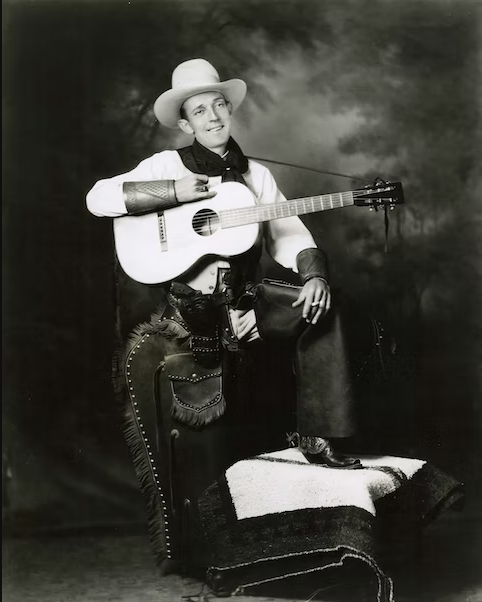
Born in Meridian, Mississippi on September 8, 1897, Jimmie Rodgers lost his mother to tuberculosis at age four and later worked the railroads under his father’s watchful eye. When the same disease claimed his own health, he turned pain into poetry—recording through breathless days and sleepless nights. Crowned the Father of Country Music, Rodgers gave America its voice: aching, defiant, unforgettable. Image via Wikimedia Commons, public domain
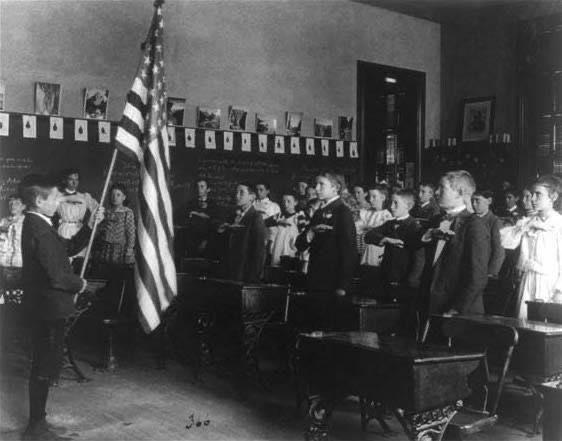
On September 8, 1892 the first version of The Pledge of Allegiance was published in the Youth’s Companion. Image: Students pledging the flag in 1899 by Frances Benjamin Johnston via Wikimedia Commons, public domain
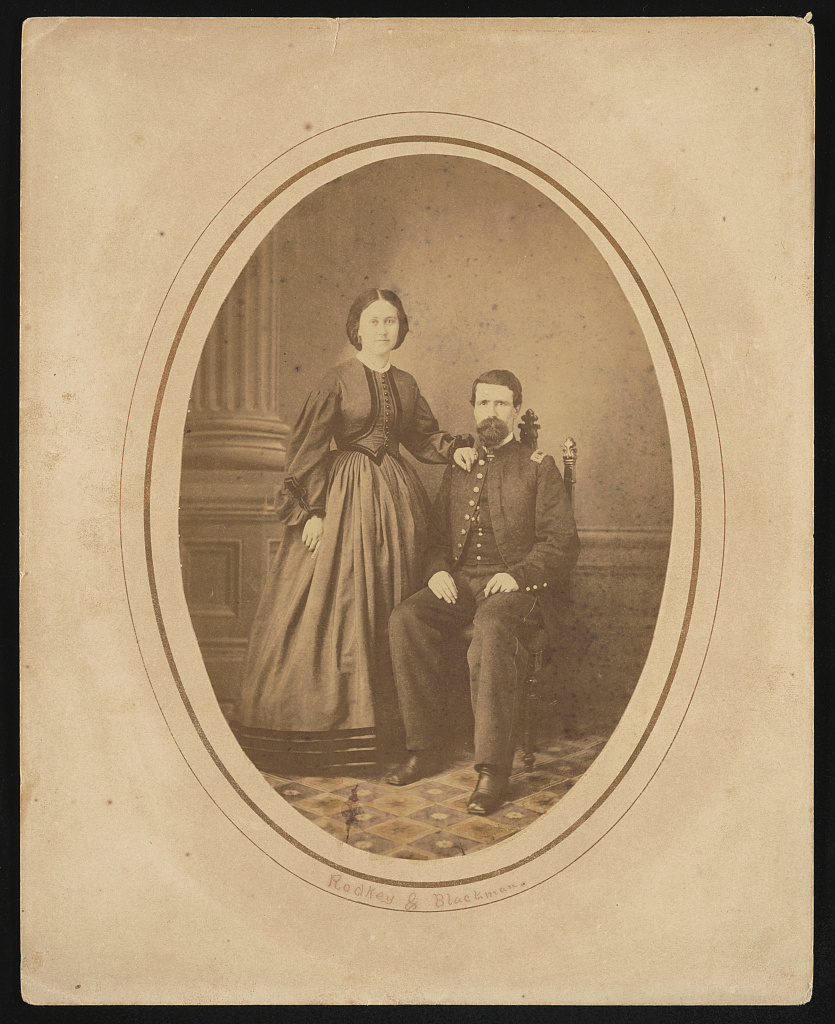
Captured on September 8, 1863 in Tennessee, Captain Leonard B. Blinn was held captive in three Confederate prisons, Libby, Columbia, and Camp Oglethorpe, before breaking out of each one in turn. He chronicled a journey of perseverance, devotion, and defiance in his letters to Caroline, his wife and emotional pillar. Image: Captain Leonard B. Blinn, of Co. C, 21st Ohio Infantry Regiment and Co. A, 100th Ohio Infantry Regiment in uniform with his wife Caroline M. (Seabert) Blinn] / Rodkey & Blackmanvia LOC, no known restrictions
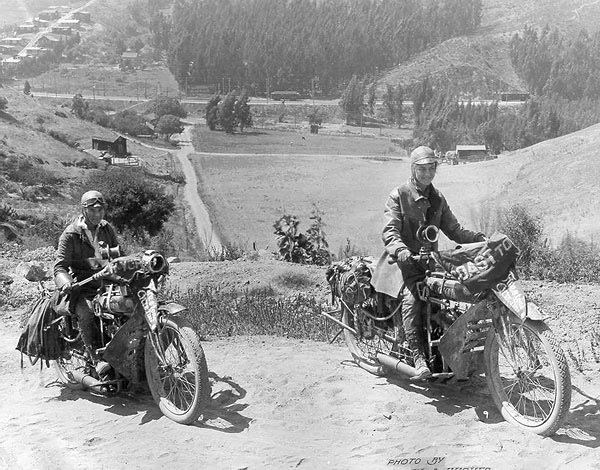
On September 8, 1916 Augusta and Adeline Van Buren rode their Indian motorcycles into Los Angeles, completing a 60 day cross-country trip that originated Brooklyn. Gussie, 32 and Addie, 27, were trying to prove that women could serve as military dispatch riders in wartime. The Army declined their services in WW1, however. Image via Wikimedia Commons, public domain in the US.
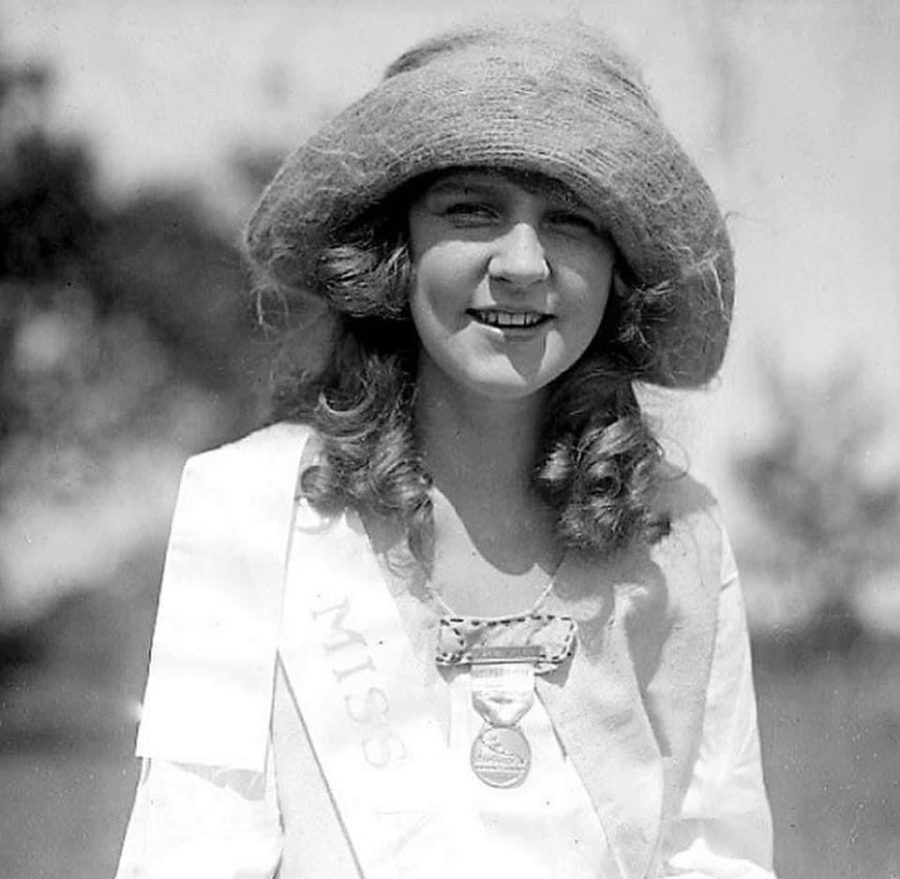
On September 8, 1921 Margaret Gorman (Miss Washington D.C.) became the first Miss America and received $100 and the Golden Mermaid trophy. Image of Margaret Gorman from 1921 via Wikimedia Commons, public domain
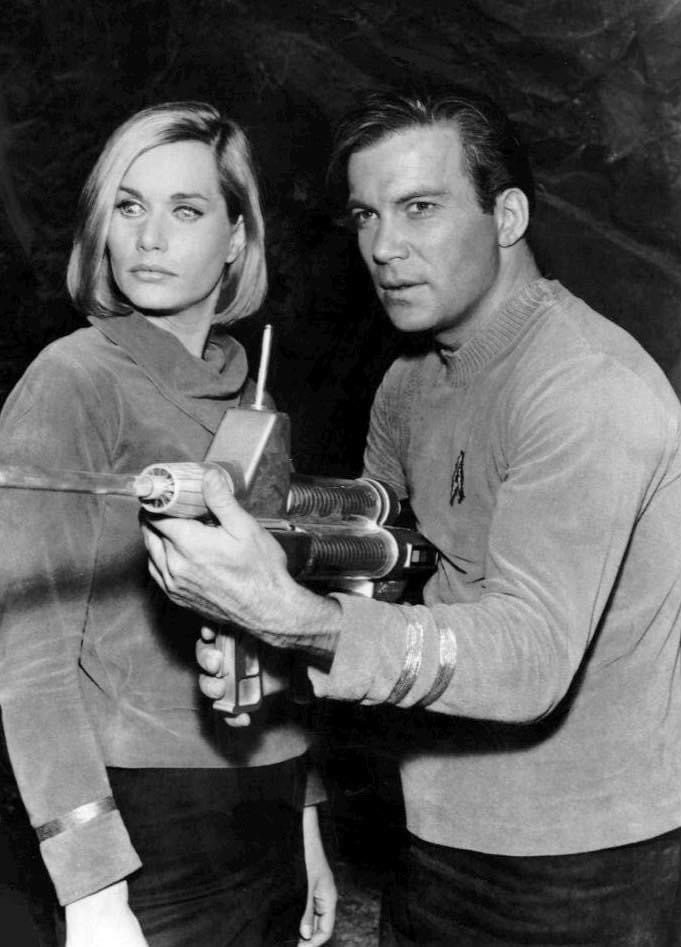
On September 8, 1966 the first season of Star Trek began on NBC Television. Image: William Shatner and Sally Kellerman in episode 3 “Where No Man Has Gone Before” that aired later September 1966 via Wikimedia Commons, public domain
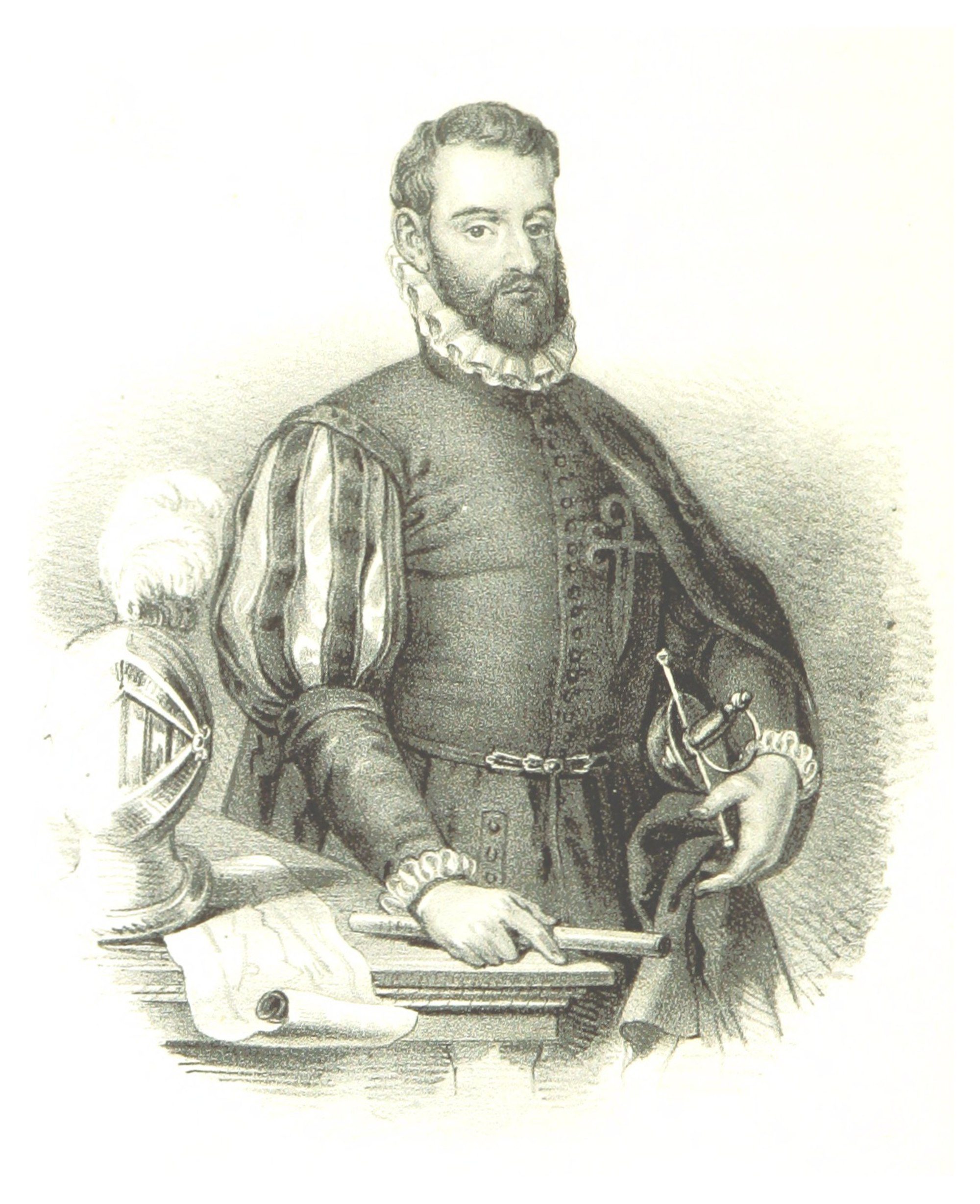
460 years ago today on September 8, 1565 St. Augustine, Florida was founded by Pedro Menendez de Aviles of Spain. Image via Wikimedia Commons, public domain
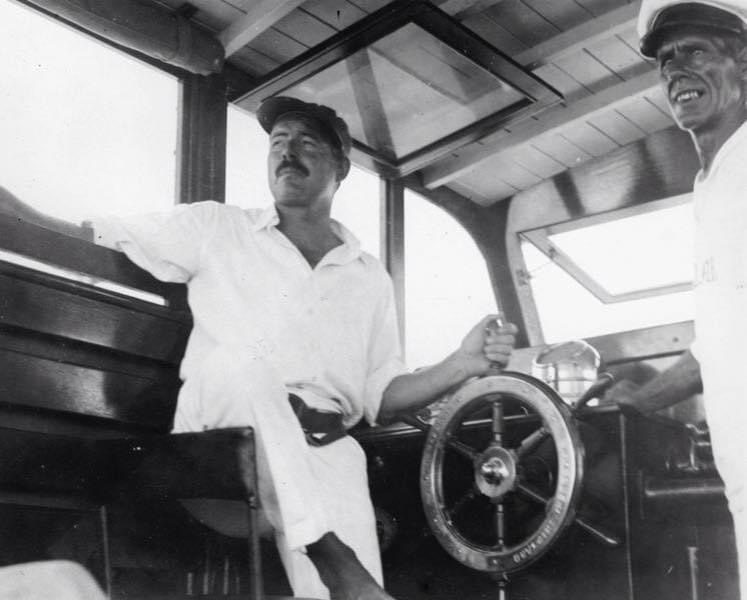
On today’s date September 8, 1952 “The Old Man and the Sea,” the famous novel by Ernest Hemingway, was published in book form. It first appeared in Life Magazine a week earlier. Photo: Ernest Hemingway and Carlos Gutierrez aboard Pilar, Key West, 1934. John F. Kennedy Library: Public domain
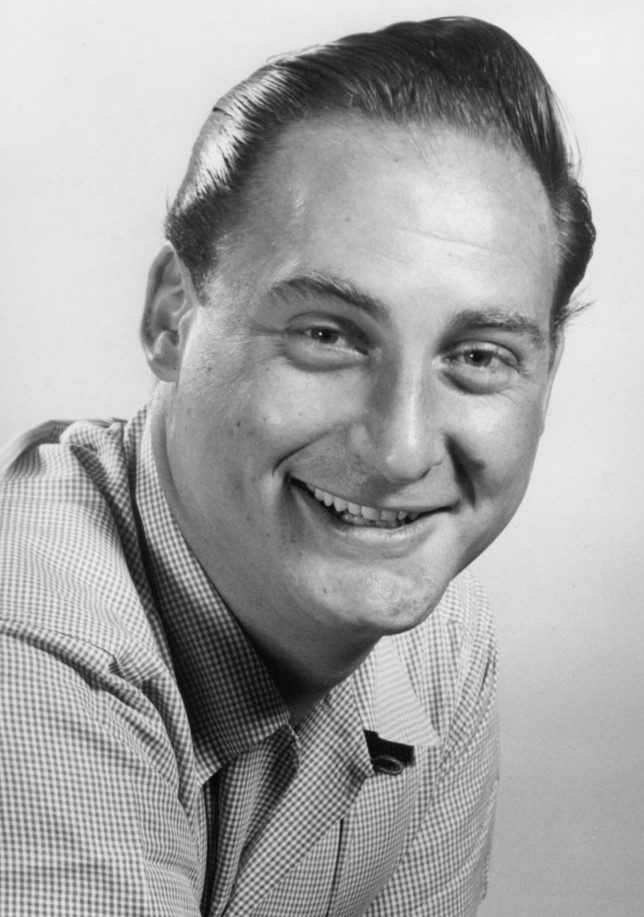
On September 8, 1922 American actor and comedian Sid Caesar was born in Yonkers, New York. As a child, Sid observed the patrons who dined at his parent’s luncheonette and would mimic their voices and expressions. Later in life these characteristics became part of his comedy routine. Image of Sid Caesar in 1959 via Wikimedia Commons, public domain

Born September 8, 1924 author Grace Metalious produced several works, but none as successful as her first novel, the bestselling, controversial “Peyton Place.” A film and TV series followed, both greatly toned-down. To critics, Grace replied “If I’m a lousy writer, then an awful lot of people have lousy taste.” Image by Simon & Schuster via Wikimedia Commons, ineligible for copyright
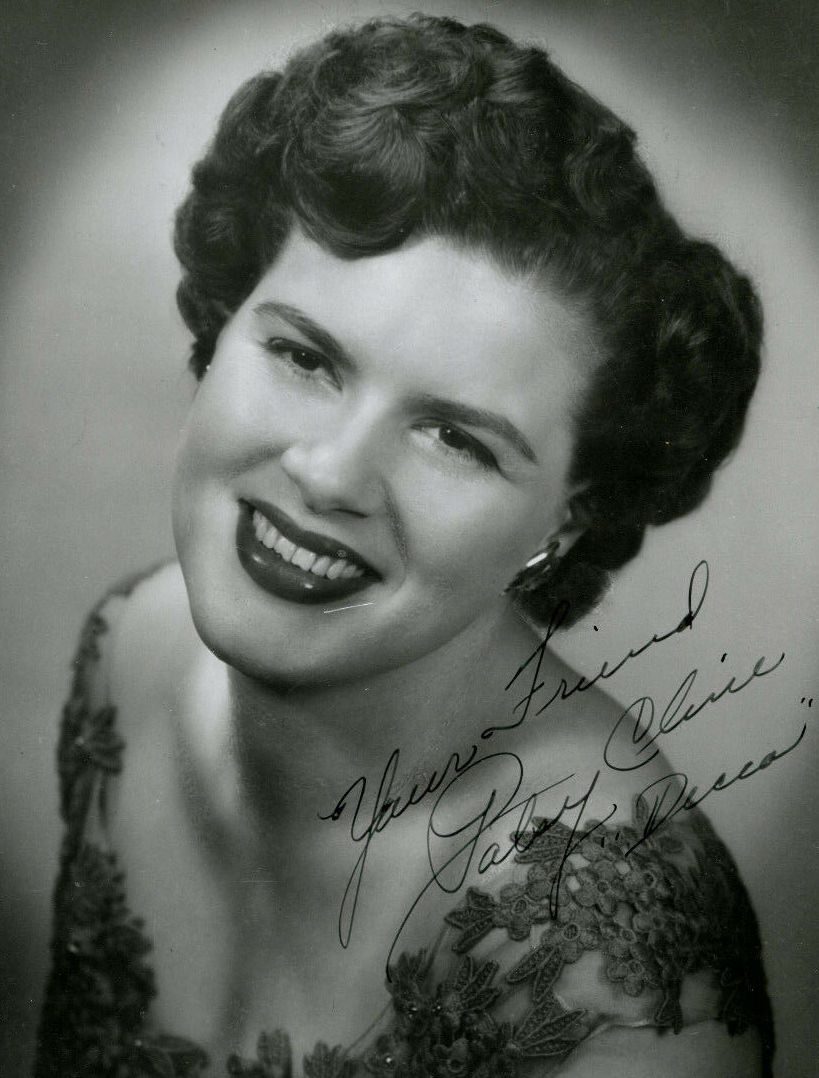
American singer Patsy Cline, known for hits such as “Crazy,” “Walkin’ After Midnight” and “I Fall to Pieces” was born on September 8, 1932 in Winchester, Virginia. Image via Wikimedia Commons, public domain in the US
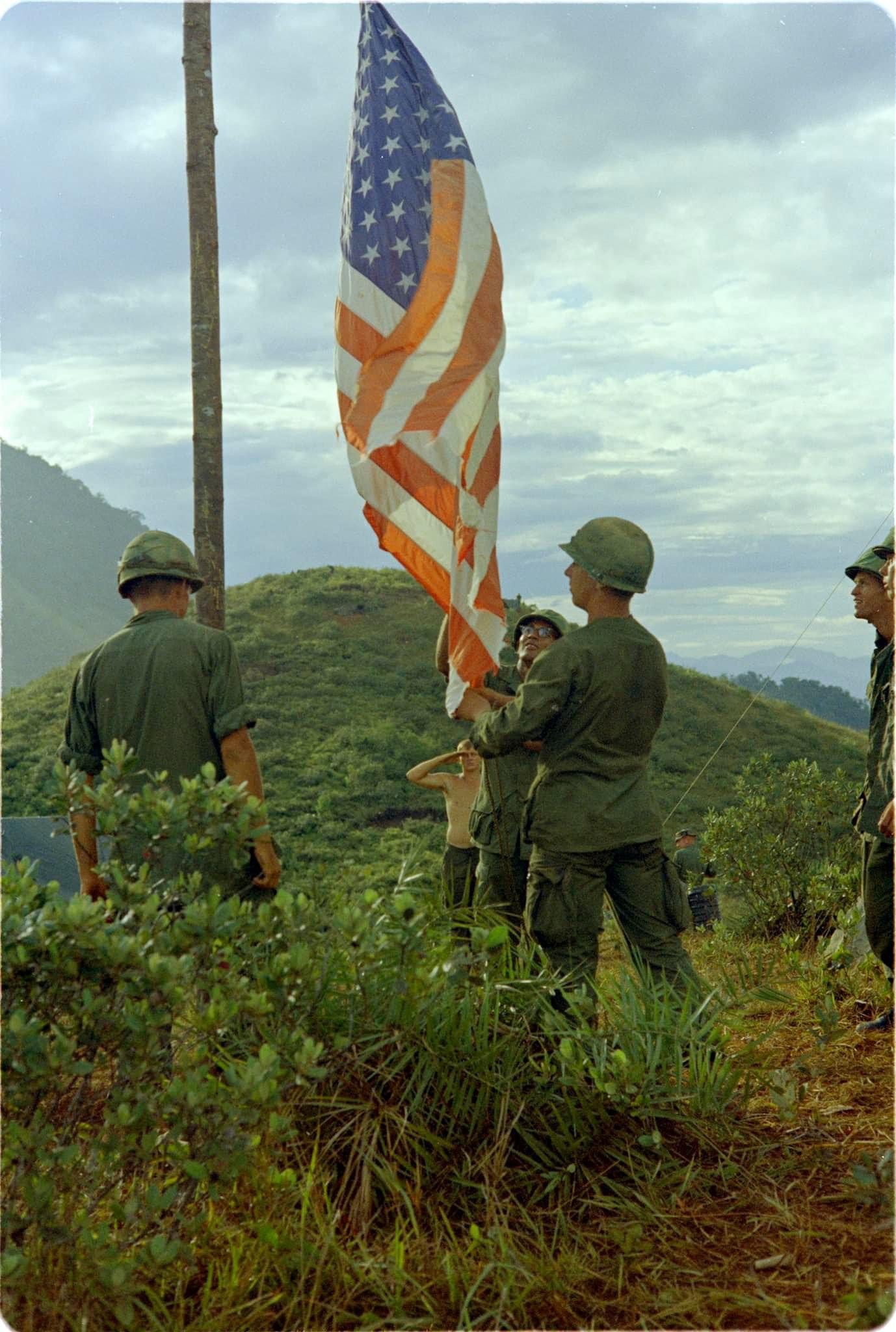
Soldiers from 101st Airborne Division raising the American flag on “Ranger Hill” in Vietnam – September 8, 1967 via Wikimedia Commons, public domain
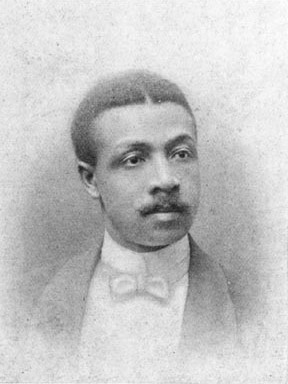
Seth Weeks, a virtuoso who played various stringed instruments but focused on the mandolin, was born on September 8, 1868 in Vermont, Illinois. He was the first American known to compose a mandolin concerto.
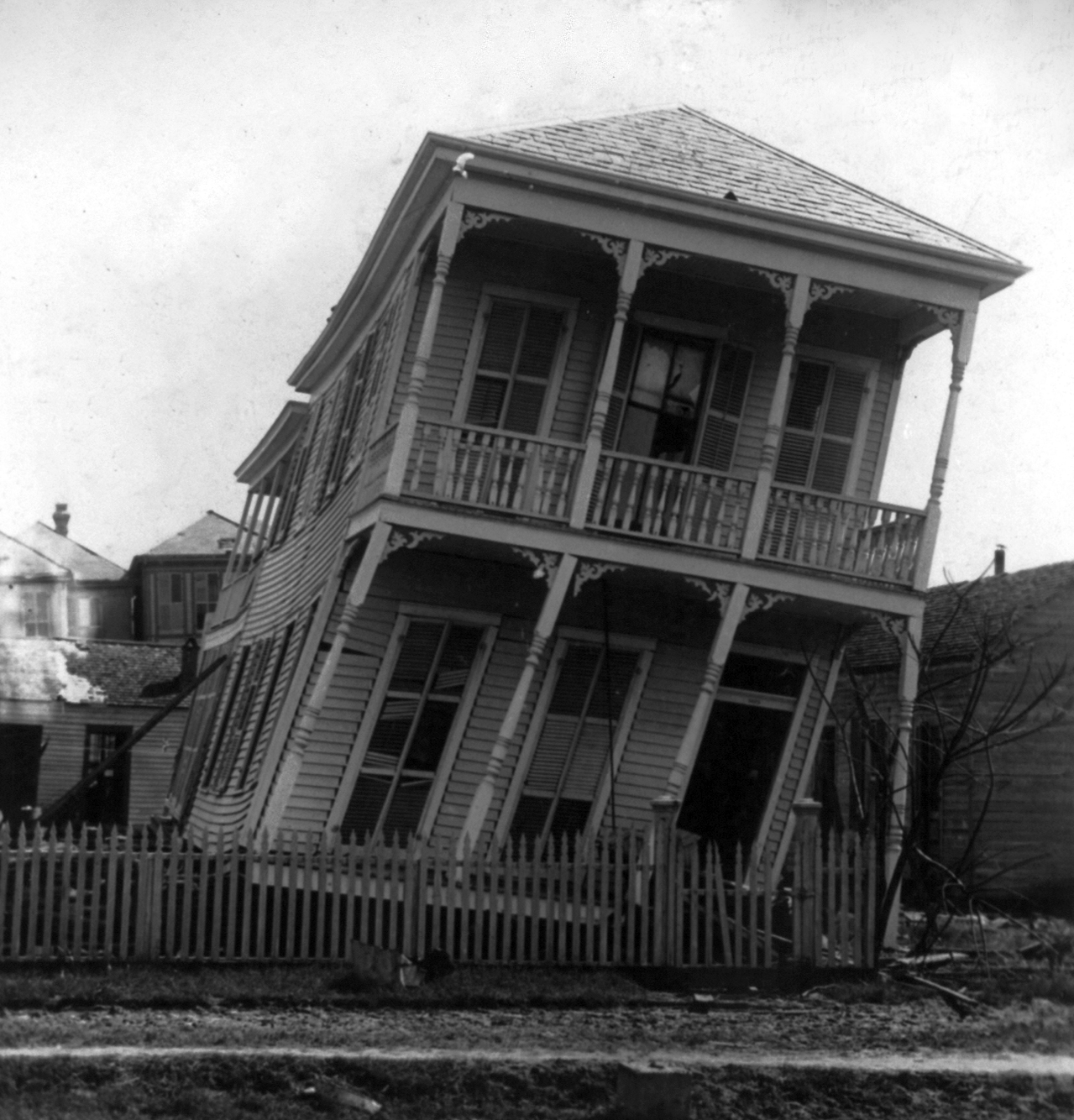
At 8pm on September 8, 1900, a hurricane with maximum sustained winds of 145 miles per hour made landfall to the south of Houston, Texas. The Galveston Hurricane of 1900 was the deadliest hurricane in American history. Image of a twisted house caused by the Galveston Hurricane of 1900 via Wikimedia Commons, public domain in the US
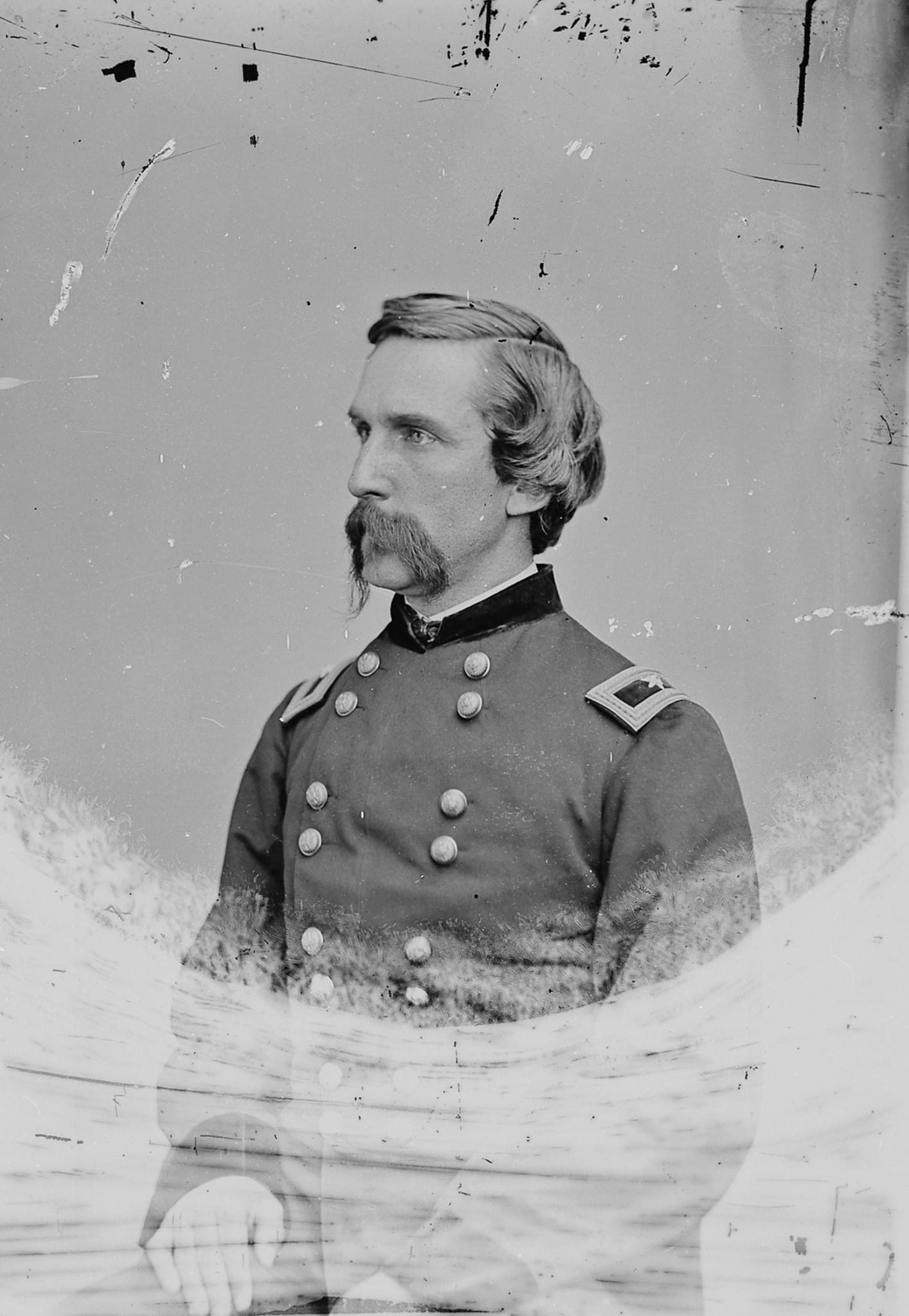
On September 8, 1828 Joshua Chamberlain was born in Brewer, Maine. “In 1861, he was elected Professor of Modern Languages, and in July, 1862, was granted leave of absence for two years for the purpose of pursuing studies in Europe. The need at this time of the Republic for all its able-bodied citizens caused him, however, to give up the European trip and to offer his services for action in the field. In August, 1862, he went to the front as Lieutenant-Colonel of the Twentieth Regiment of Maine Volunteers. In May, he received commission as Colonel, the duty of which post he had been fulfilling for some months. His regiment was included with the Fifth Corps, and at Gettysburg on the second of July, 1863, it held the extreme left of the Union line. Colonel Chamberlain’s conduct in the memorable defense of Little Round Top (a position which with admirable judgment had been seized by General Warren) was recognized by the Government in the bestowal of the Medal of Honor for “conspicuous personal gallantry and distinguished service.” After Gettysburg, Colonel Chamberlain was placed in command of the “Light Brigade,” which he handled with marked skill in the action at Rappahannock Station. The wounds received in that battle made necessary retirement for a time to the Georgetown Hospital, but during his convalescence he gave valuable service as member of a Court-Martial. He returned to the front in May, 1864, when General Warren, at that time in command of the Fifth Corps then stationed at Spotsylvania, made Colonel Chamberlain the commander of a “forlorn hope” of nine regiments which had been selected to make a night assault on the enemy’s works. The position was gained, but Chamberlain found his line outflanked, and was compelled to withdraw under heavy fire. Shortly after the action at Cold Harbor, while still holding the rank of Colonel, he was placed in charge of six regiments, consolidated as a veteran brigade. With this brigade, he made a charge on the enemy’s main works at Petersburg, as a result of which action he was promoted on the field by General Grant to the rank of Brigadier-General “for gallant conduct in leading his brigade against the superior force of the enemy and for meritorious service” throughout the campaign. Such promotion on the field was most exceptional, and there is possibly no other instance during the war. In this charge General Chamberlain was seriously wounded, and his death was in fact announced. His life was saved through the activity of his brother Thomas, late Colonel of the Twentieth Maine, and the skill and tireless fidelity of the regimental surgeon Dr. Shaw. During the last campaign of the war, General Chamberlain, with two brigades, led the advance of the infantry with Sheridan, and in the fight on the Quaker Road he was twice wounded and his horse was shot under him. For his “conspicuous gallantry” in this action, he was promoted to the brevet rank of Major-General. In the fight at White Oak Road, March 31st, although seriously disabled by wounds. General Chamberlain distinguished himself by recovering a lost field; while in the battle of Five Forks, of April 1st, his promptitude and skillful handling of troops received again official commendation. In the final action near Appomattox Court House on the ninth of April, Chamberlain was called by General Sheridan to replace the leading division of cavalry, and the first flag of truce from Longstreet came to Chamberlain’s headquarters. His Corps Commander says in an official report: “In the final action. General Chamberlain had the advance, and at the time the announcement of the surrender was made he was driving the enemy rapidly before him.” At the surrender of Lee’s army. General Chamberlain was designated to command the parade, and it was characteristic of his refined nature that he received the surrendering army with a salute of honor. At the final grand review in Washington, Chamberlain’s division was placed at the head of the column of the Army of the Potomac. The General was mustered out of military service on the sixteenth of January, 1866, having declined the offer of a Colonelcy in the regular army. In his service of three-and-a-half years, he had participated in twenty hard-fought battles and a long series of minor engagements, and he had been struck six times by bullet and shell.” From: The passing of the armies: an account of the final campaign of the Army of the Potomac, based upon personal reminiscences of the Fifth army corps, published in 1915 https://archive.org/details/passingofarmiesa00cham/page/n12/mode/1up Source says not in copyright Image: Gen. Joshua L. Chamberlain via Wikimedia Commons, public domain
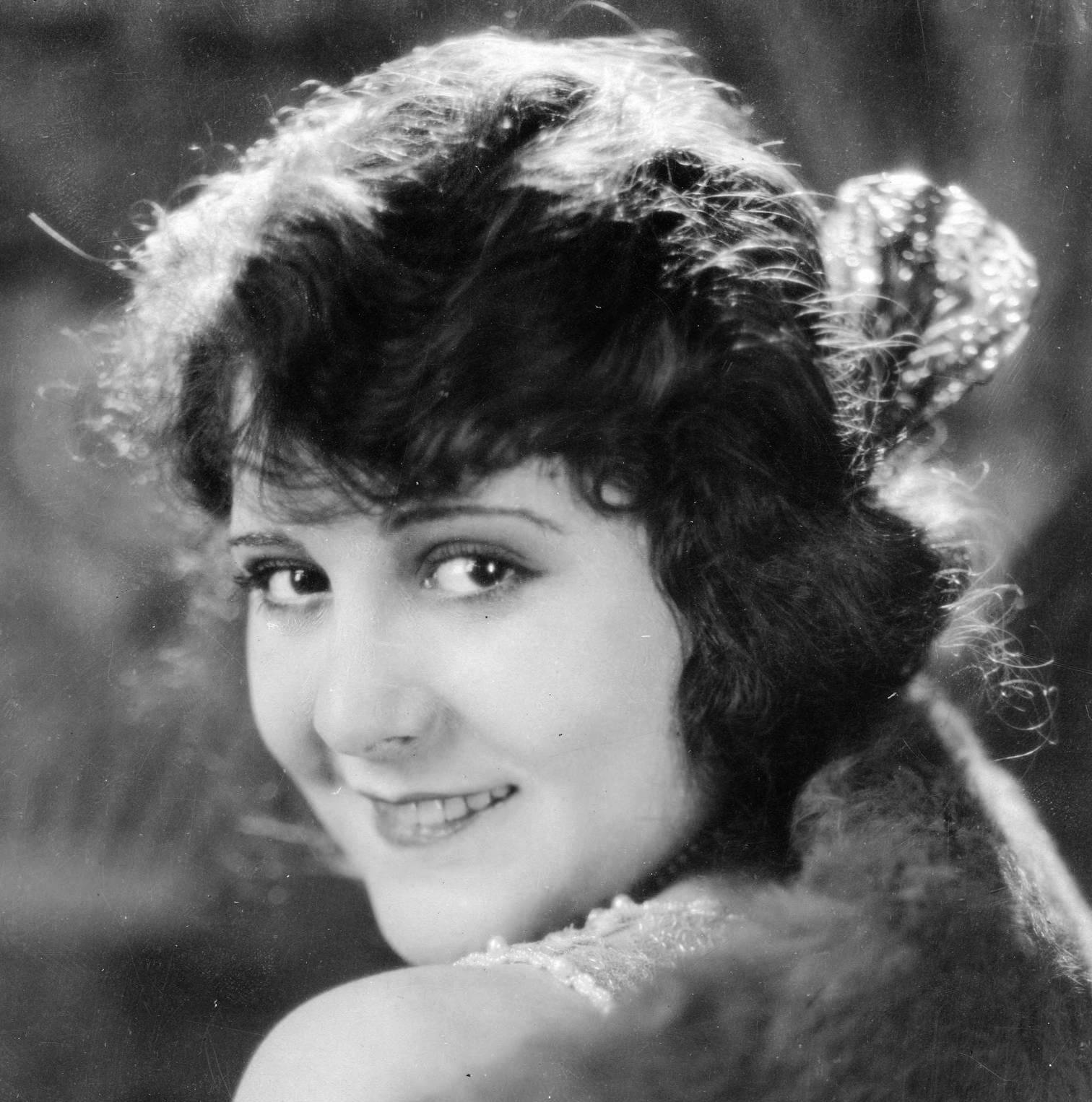
– A Golden Hour in Hollywood: September 8, 1929 On this day in history, silent film star Patsy Ruth Miller, famed for her role as Esmeralda in The Hunchback of Notre Dame, married director Tay Garnett in Los Angeles. She was a rising icon of grace and wit; he was a Navy veteran turned screenwriter who would go on to direct noir classics. Their brief but luminous marriage unfolded as cinema transitioned from silent musing to the audacious voice of sound. It captured a moment of cinematic change rather than establishing a lasting legacy. With no children and no lengthy history together, their romance remained just a flicker in the reel of history. Image of Patsy Ruth Miller via Wikimedia Commons, public domain
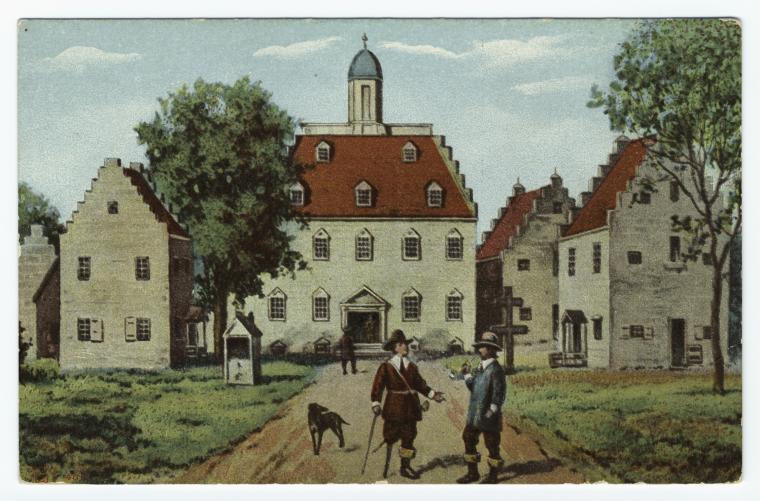
“New York City Hall when occupied by the English” A postcard from the early 1900s that says: “In 1664, New Amsterdam was besieged by four English ships carrying 450 soldiers and captured, after all attempts of Stuyvesant to induce his people to defend their position had failed. The name was then changed to New York, in honor of the Duke of York, brother of Charles II, King of England.” On the morning of September 8, 1664 New Amsterdam became New York. Image via NYPL Digital Collections, public domain
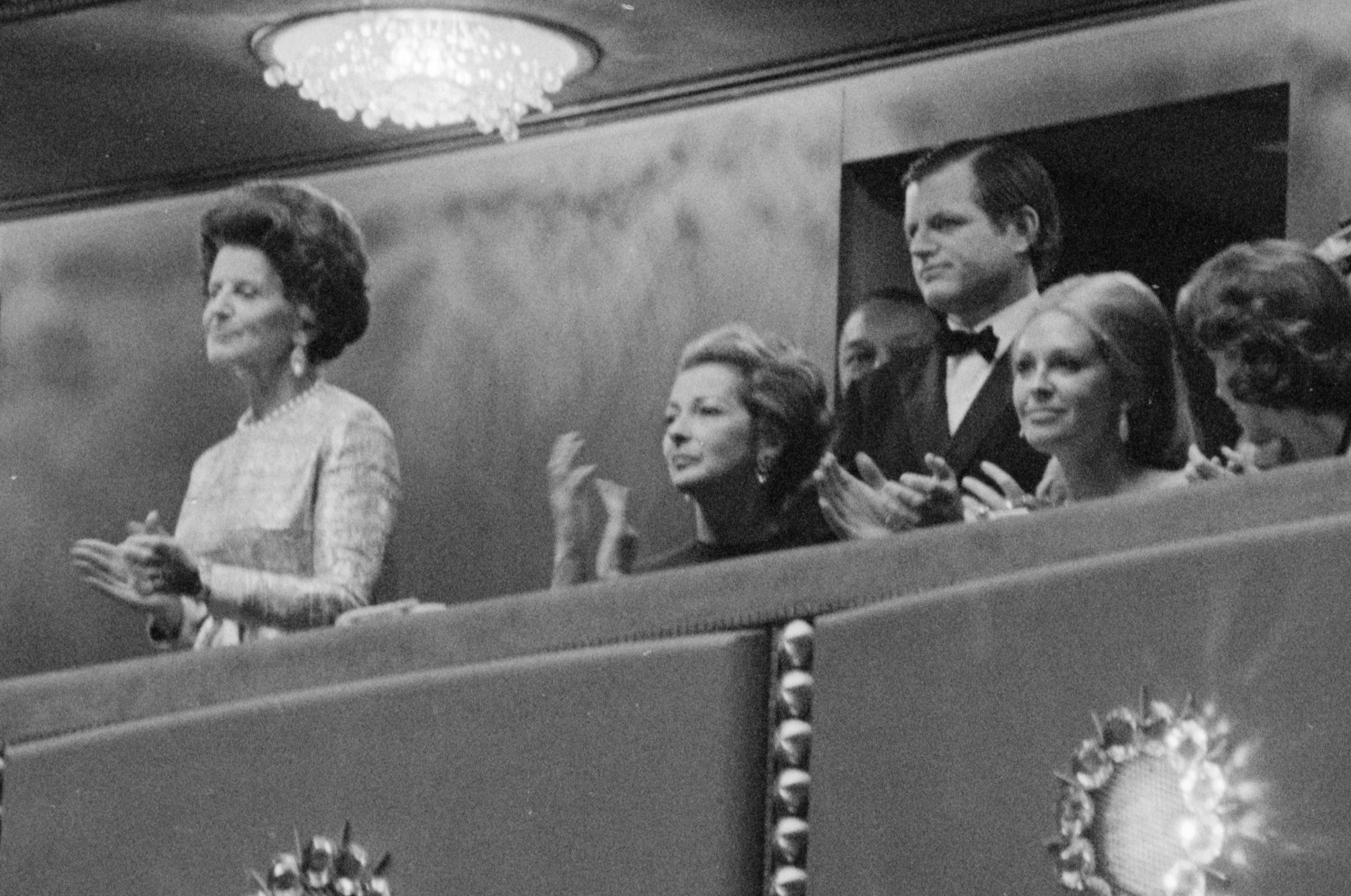
Rose Kennedy in the Presidential Box – September 8, 1971 At the dedication of the John F. Kennedy Center for the Performing Arts in Washington, D.C., Rose Kennedy, matriarch of the Kennedy family, stood in tribute to her son’s legacy. Flanked by Senator Edward Kennedy and Joan Kennedy, she received a standing ovation from the audience. Though Jacqueline Kennedy Onassis, whose vision helped shape the Center, was not present, Rose’s presence anchored the evening in memory, dignity, and enduring grace. Image via Wikimedia Commons, public domain
