
 Mystery March Is Here!
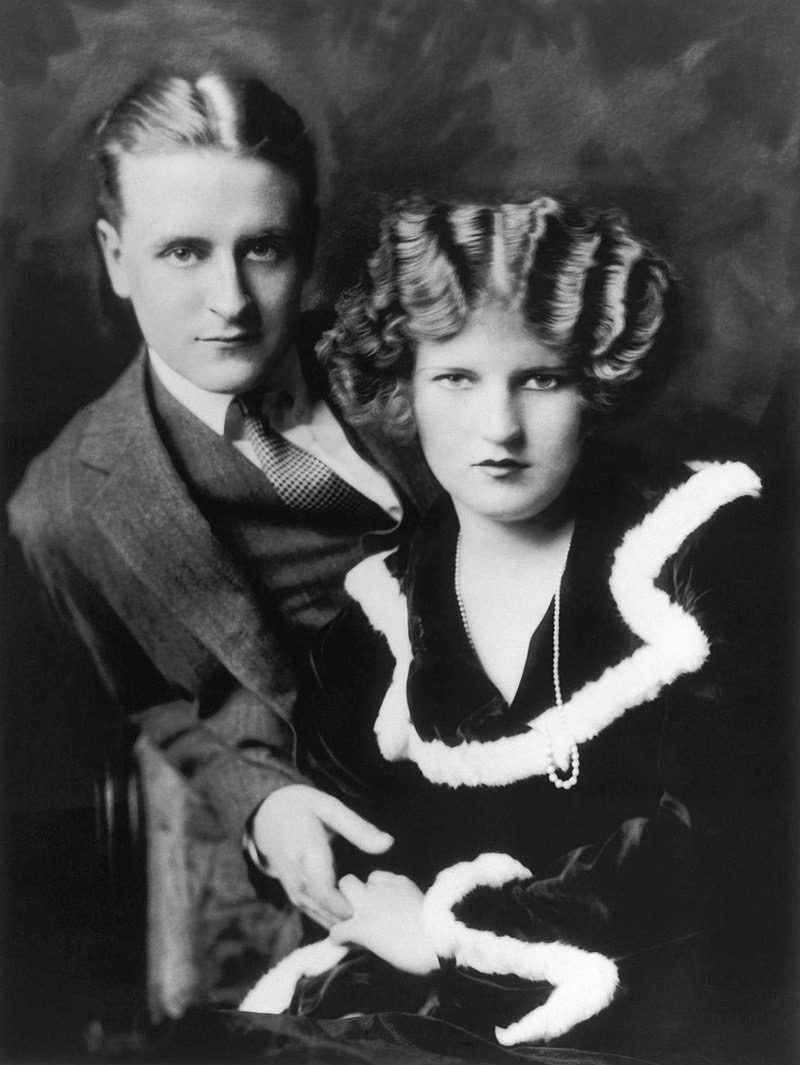
Born September 24, 1896 F. Scott Fitzgerald’s novels and stories chronicled the Jazz Age. He’s shown here in 1923 with his wife, Zelda Sayre Fitzgerald. Writer Dorothy Parker said of them “They did both look as though they had just stepped out of the sun . . . everyone wanted to meet him.” Image via Wikimedia Commons, public domain in the US
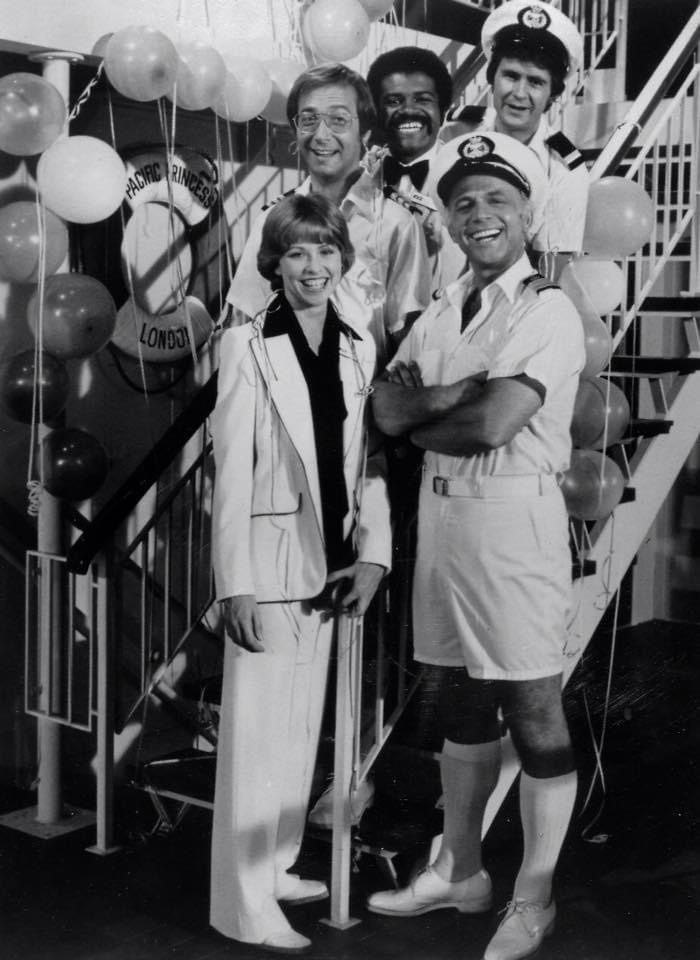
On today’s date September 24, 1977 – “The Love Boat” debuted on network television. Photo via Wikimedia Commons, public domain
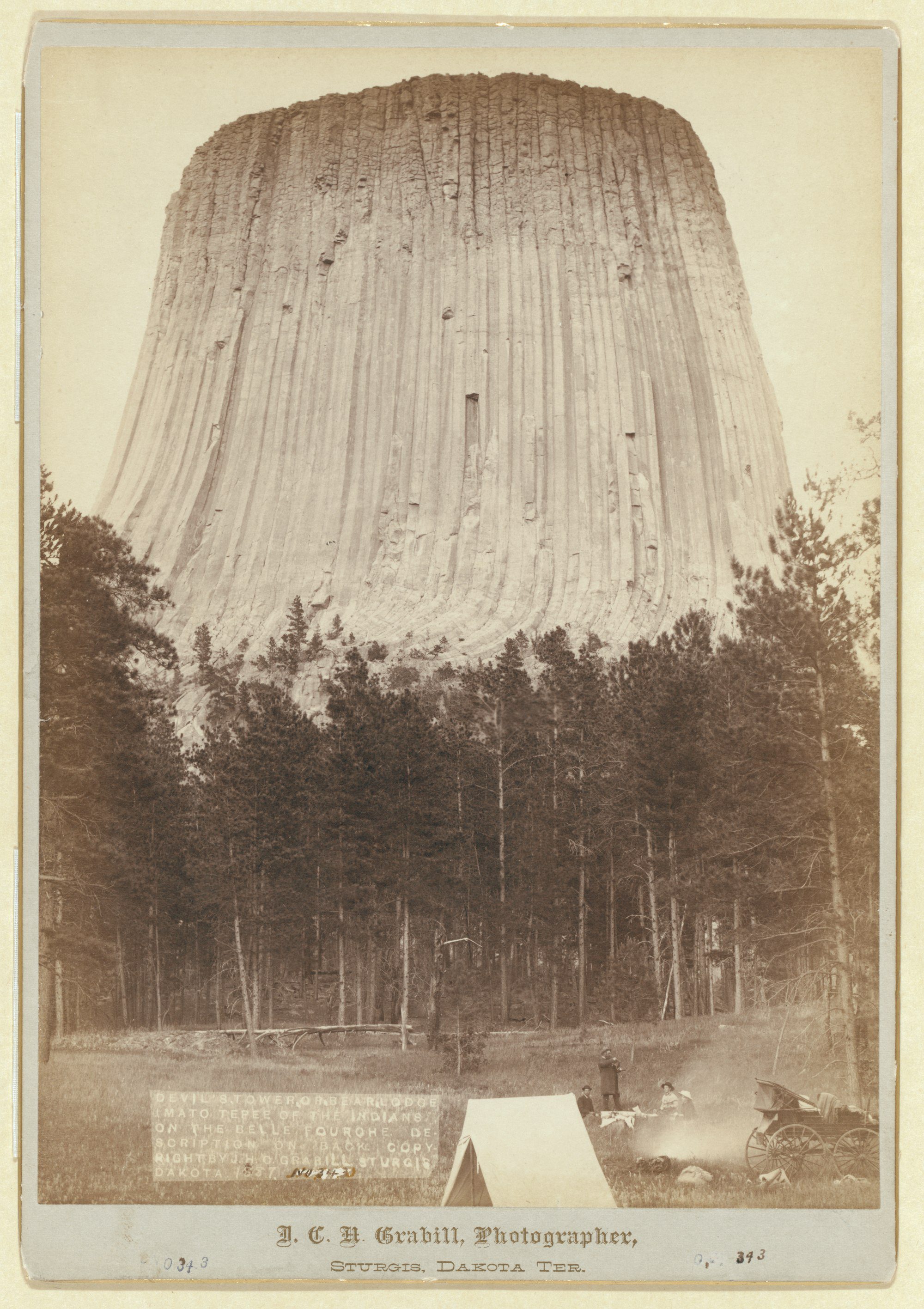
On September 24, 1906 Theodore Roosevelt proclaimed Wyoming’s Devils Tower as the first national monument in the US. Several Native American tribes – Lakota, Cheyenne, and Kiowa – consider the area sacred and call it “Bear’s Lodge” or “Brown Buffalo Horn.” Image: Devil’s Tower or Bear’s Lodge in 1887 J.C.H. Grabill, photographer via Wikimedia Commons, public domain
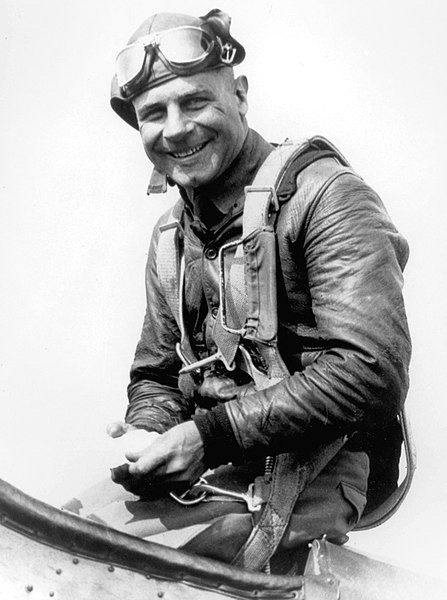
Aviation pioneer Jimmy Doolittle, on September 24, 1929, became the first pilot to take off, fly, and land an airplane only on instruments. Using the directional gyroscope and artificial horizon Doolittle trained others to fly in darkness, fog, and through clouds making all-weather flight operations possible. Image via Wikimedia Commons, public domain in the US.
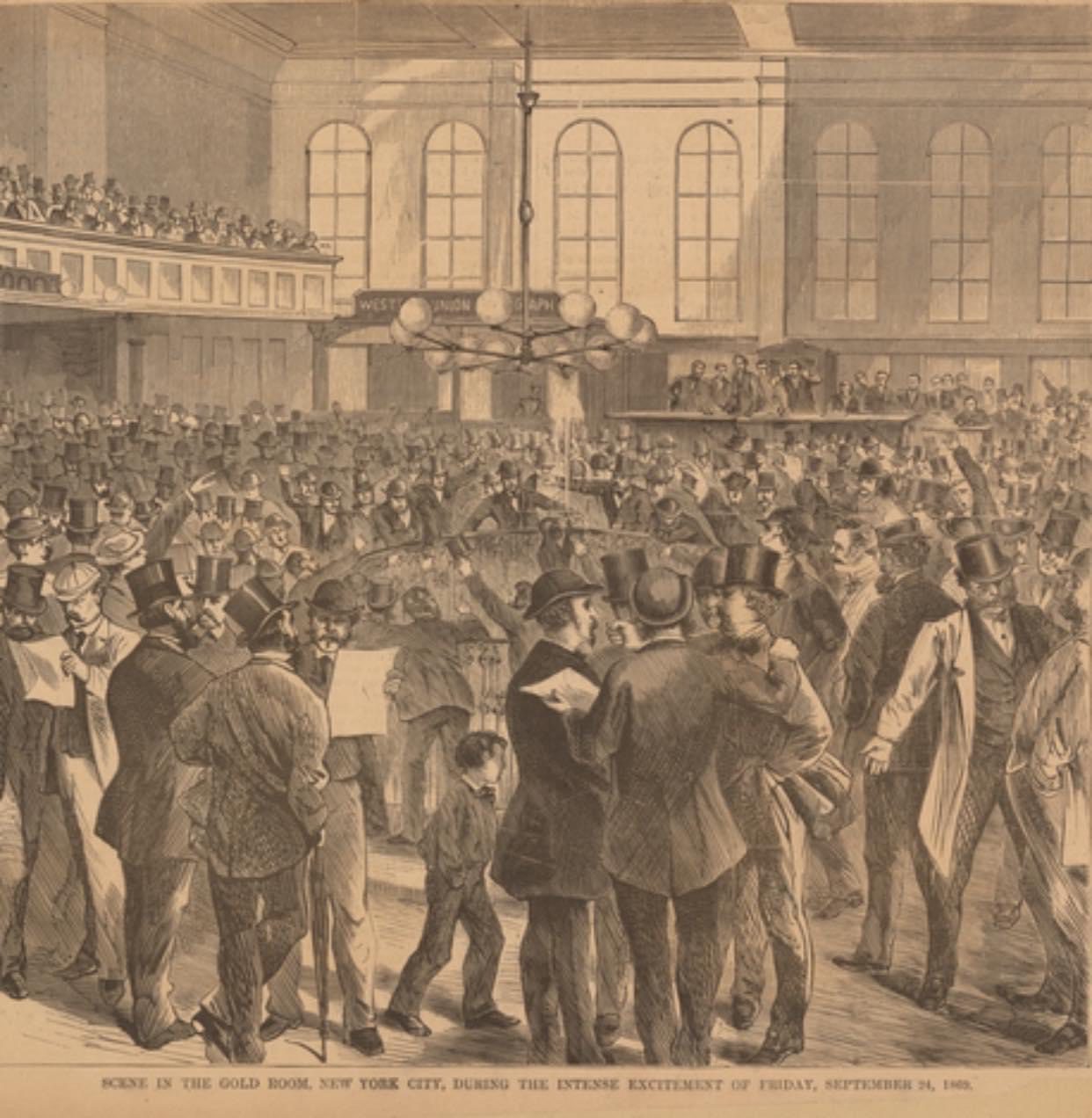
On September 24, 1869 two speculators named James Fisk and Jay Gould triggered a gold panic that broke investors and devastated the U.S. economy for months. Image: “Scene in the Gold room, New York City, during the intense excitement of Friday, September 24, 1869 via NYPL Digital Collections, no known restrictions”
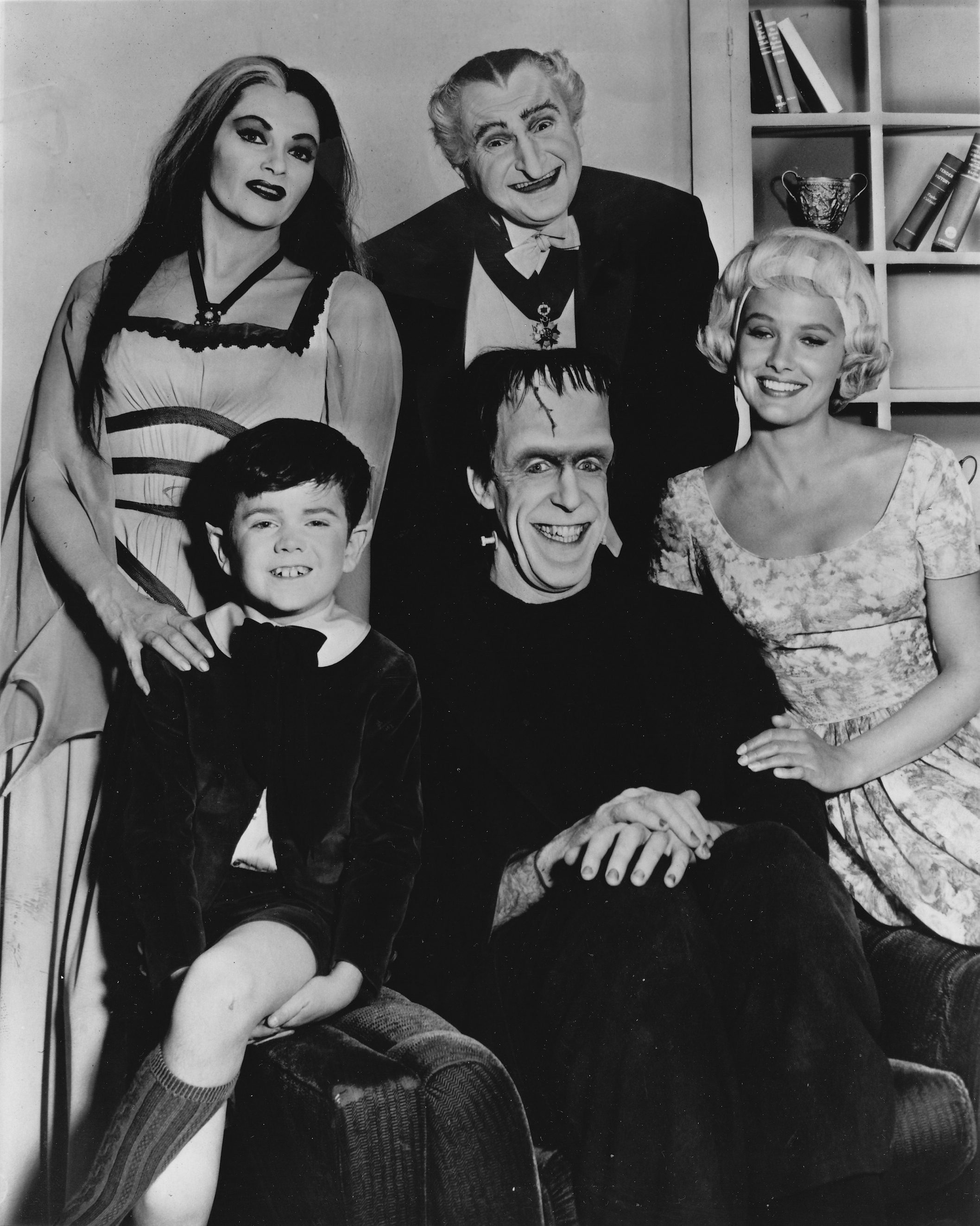
On September 24, 1964, The Munsters premiered on network TV. A few months later, Fred Gwynne as Herman Munster and Al Lewis as Grandpa were seen riding in their Munster Koach during the Macy’s Thanksgiving Day Parade in New York City. Image via Wikimedia Commons, public domain
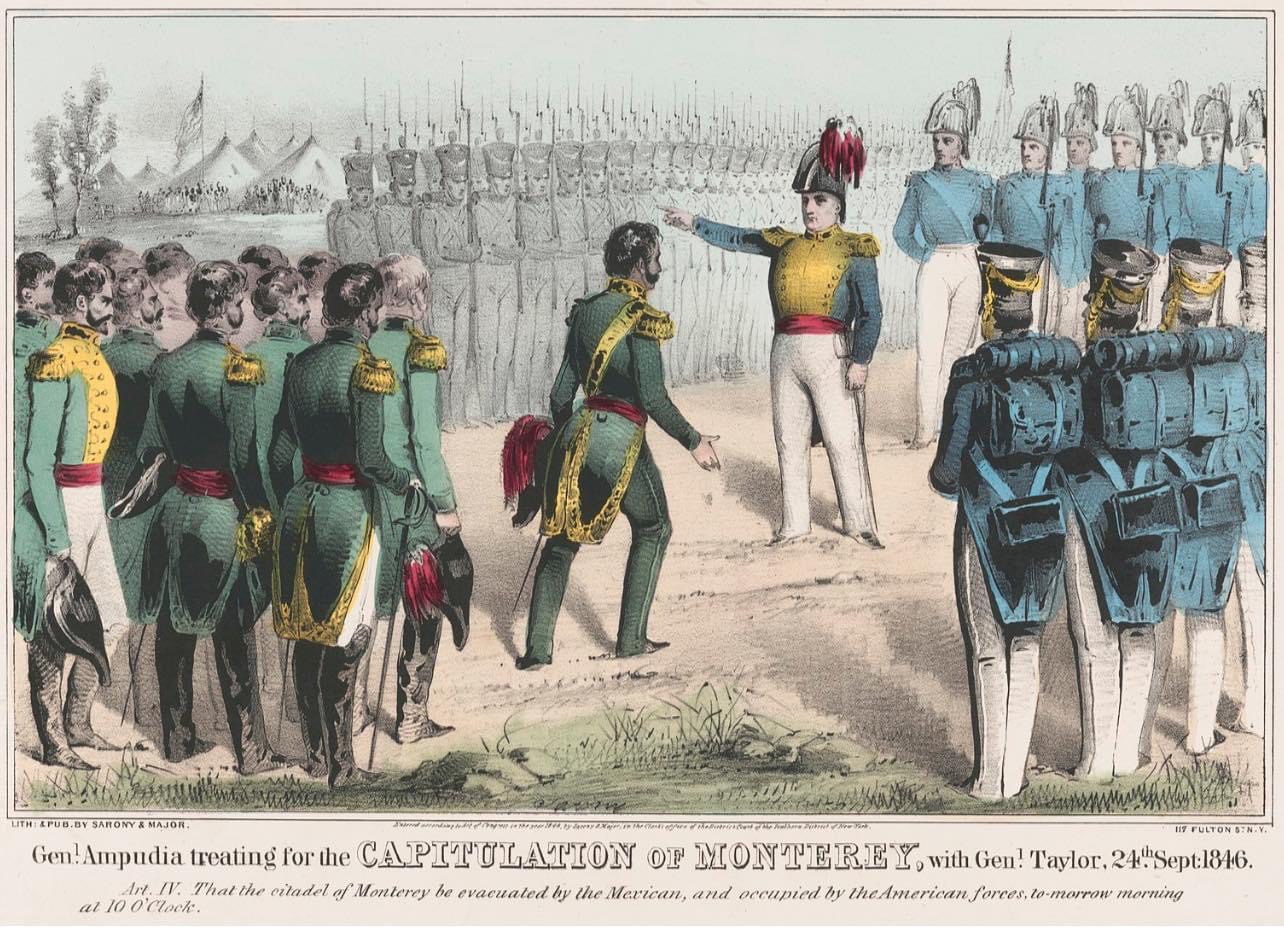
“Accordingly, long before the expiration of the time appointed by the American general for receiving an answer, he desired a personal interview at a house named by himself. This was agreed to by General Taylor, and at the appointed time and place the two commanders met, [September 24th,] each attended by several officers. After the usual preliminaries, Ampudia announced, as official information, that commissioners from the United States had been received by the government of Mexico, and that a revolution had taken place in his country, since his assuming command of Monterey, which virtually nullified the orders to defend that place. A conversation followed, during which General Taylor became convinced that Ampudia’s object was merely to gain time, and consequently he arose to end the conference. One of the Mexican officers then suggested the appointment of several commissioners from each army, with power to negotiate terms of capitulation. Ampudia as Generals Worth and Henderson, and Colonel Jefferson Davis were named on the part of the Americans, and General J. La Ortega, General P. Requena and Senor M. La Llano, governor of the province, on that of the Mexicans. To these six individuals the negotiations for the fate of Monterey were intrusted. They possessed, in an eminent degree, the confidence of their respective commanders; and both parties were gratified at the prospect of a speedy termination of active hostilities. General Taylor gave verbal instructions to his commissioners, on which they afterwards based the following articles. I. As the legitimate result of the operations before this place, and the present condition of the contending armies, we demand the surrender of the town, the arms and munitions of war, and all other public property within the place. II. That the Mexican armed force retire beyond the Rinconada, Linares, and San Fernando on the coast. III. The commanding general of the army of the United States agrees that the Mexican officers reserve their side arms and private baggage; and the troops be allowed to retire under their officers without parole, a reasonable time being allowed to withdraw their forces. IV. The immediate delivery of the main work now occupied to the army of the United States. V. To avoid collisions, and for mutual convenience, the troops of the United States shall not occupy the town until the Mexican forces have been withdrawn, except for hospital purposes, Xc. VI. The commanding general of the United States agrees not to advance beyond the line specified in the second section before the expiration of eight weeks, or until the respective governments can be heard from.” From: Pictorial history of Mexico and the Mexican War : comprising an account of the ancient Aztec empire, the conquest by Cortes, Mexico under the Spaniards, the Mexican revolution, the republic, the Texan war, and the recent war with the United States by John Frost, published in 1862. https://archive.org/details/pichistmexico00frosrich/page/n328/mode/1up source says not in copyright Image: Genl. Ampudia treating for the capitulation of Monterey, with Genl. Taylor, 24th Sept. 1846 via Wikimedia Commons, public domain
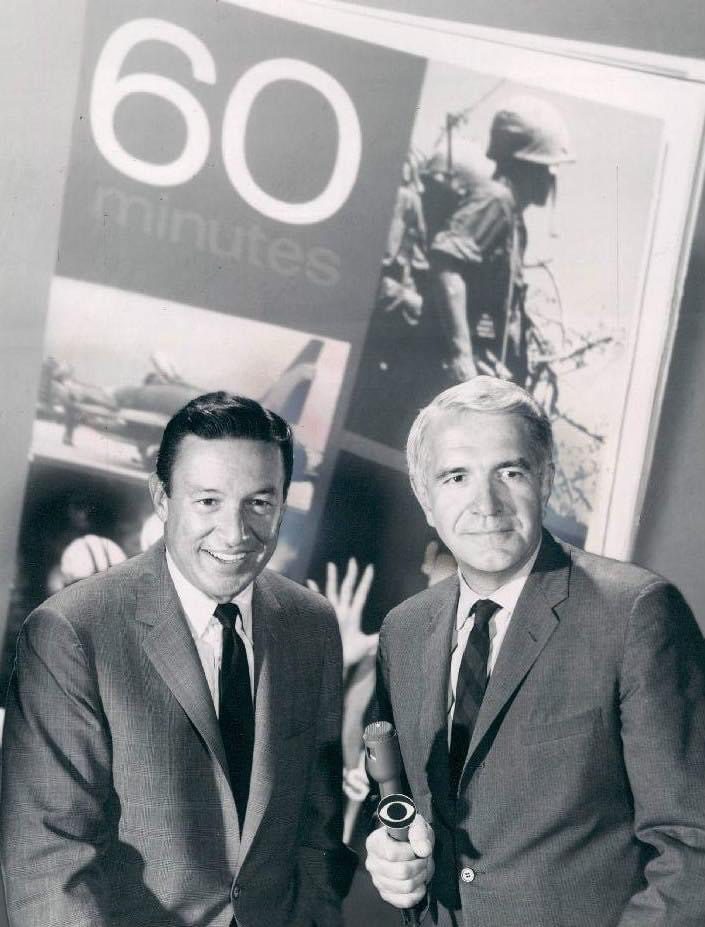
On September 24, 1968 60 Minutes premiered on CBS Television Network Image: Publicity photo of Mike Wallace and Harry Reasoner for the first broadcast of 60 Minutes in 1968 by CBS Television via Wikimedia Commons, public domain
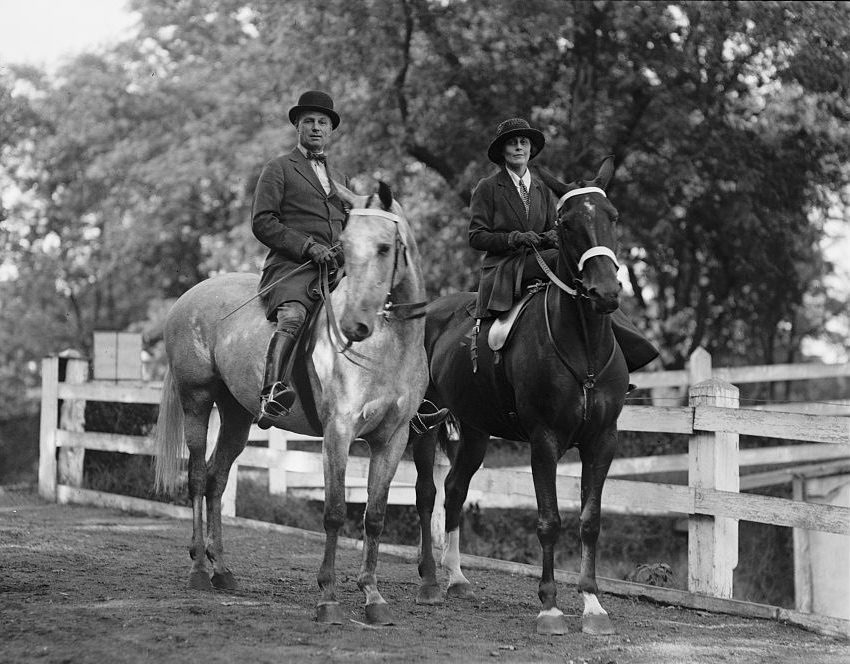
Brig. General & Mrs. William Mitchell riding horses on September 24, 1924 via Library of Congress, no known restrictions
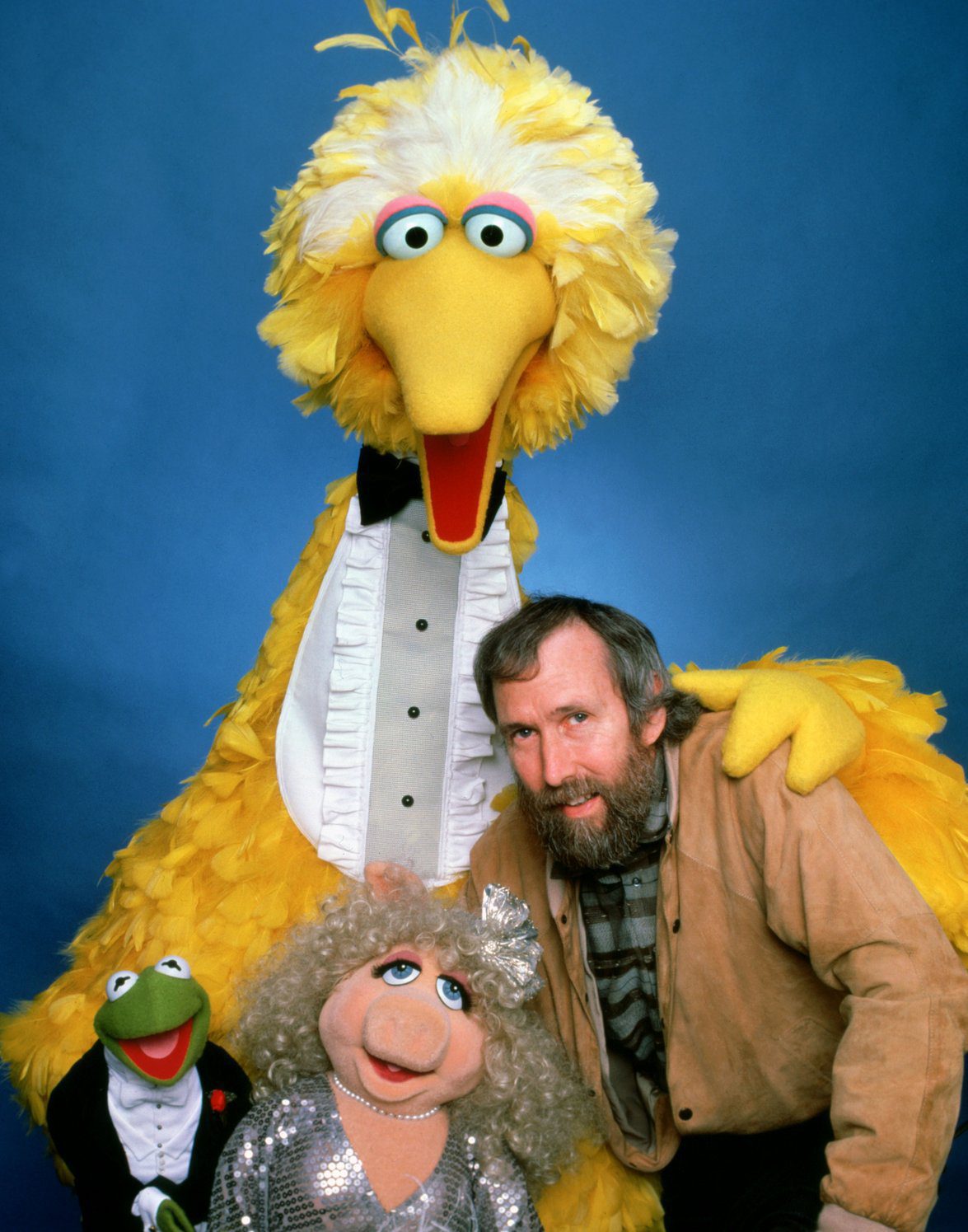
American puppeteer, Jim Henson, was born on September 24, 1936 in Greenville, Mississippi. Image via Alamy
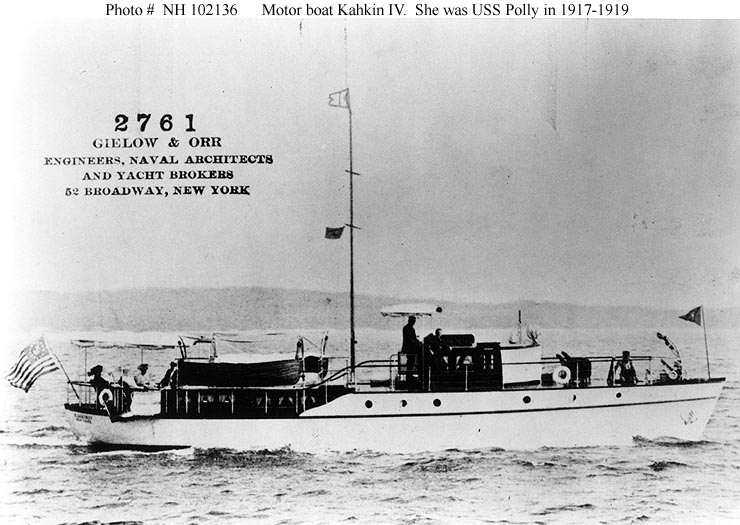
A private motorboat known as the Kahkin IV which later became the USS Polly and then USFS Curlew 100 years ago today on September 24, 1923, the U.S. Bureau of Fisheries vessel, USFS Curlew rescued nearly 60 people who were aboard the Canadian vessel Waubic after the ferry boat ran aground off Lake Ontario. Image via Wikimedia Commons, public domain
