
 Mystery March Is Here!
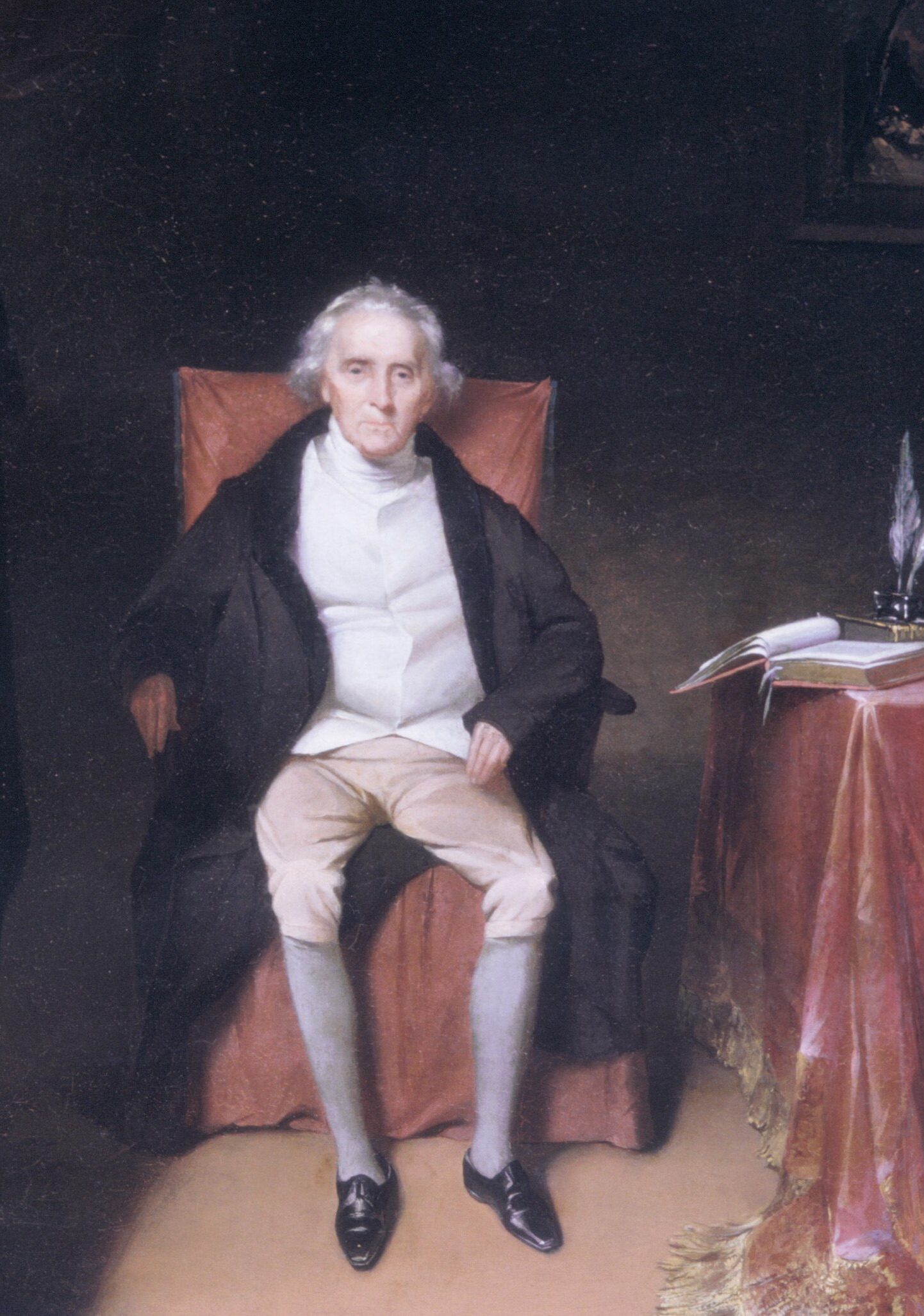
Founding Father of the United States and longest living signatory of The Declaration of Independence, Charles Carroll of Carrollton, was born in Annapolis, Maryland on September 19, 1737. He spoke 5 languages. Image via Wikimedia Commons, public domain
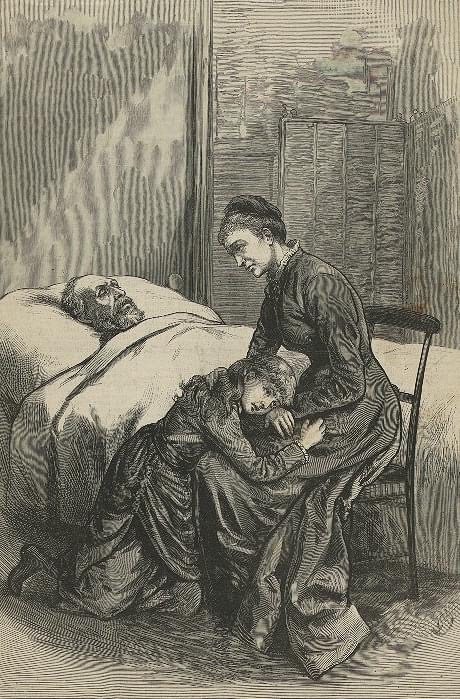
On September 19, 1881, 20th President of The United States James Garfield died after receiving gunshot wounds inflicted by Charles Guiteau months prior in Washington D.C. Garfield was only 49 years old. Image via New York Public Library Digital Collections, no known restrictions
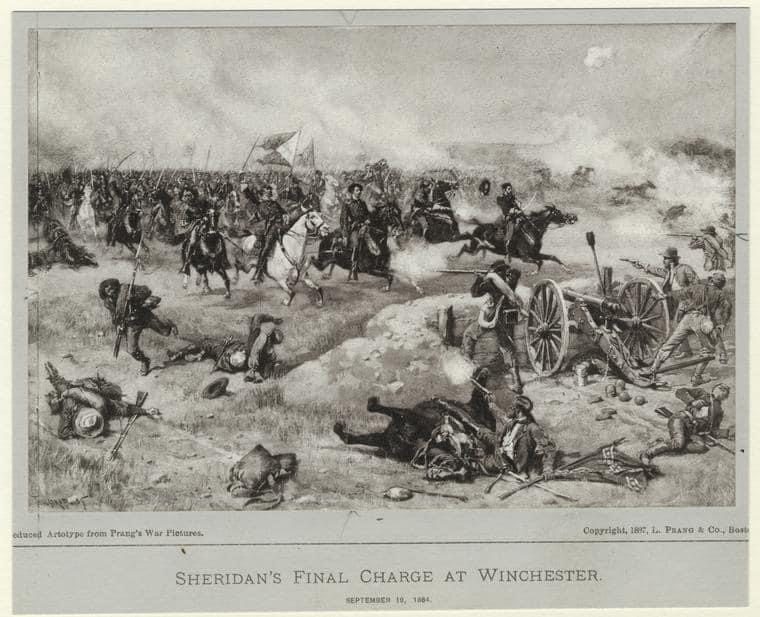
“On September 19, 1864, the peaceful valley of the Shenandoah echoed with the boom of cannon; the crack of the rifle; and the cheers of the soldiers, as the Union troops advanced against the lines of Confederate veterans, two miles east of Winchester. It was a sanguinary contest and it raged all day; but, as the sun sank behind the dark thunder clouds; Sheridan had won, and the troops in gray retreated through the town to take up another strong defensive position near Fisher’s Hill. Here they threw up formidable earth-works and awaited, with eagerness, the attack which they knew would shortly come. The restless and relentless Sheridan did not long leave them in peace, for he believed in following up one severe blow, with another; and that as soon as he was able to administer it. He therefore reformed his army with alacrity and sent his disabled and crippled soldiers to the rear. The troops were ordered to march at once upon the enemy, and, after two days of maneuvering, faced the Confederate entrenchments on the plateau of Fisher’s Hill, where rows of well-planted artillery made it evident that an attack in front would be as foolhardy as the advance of the British troops up Bunker Hill. So Sheridan determined to out-flank the position at once, and, with this end in view, ordered General Crook’s command to defile up the western side of the valley — through some dense woods — and to attack the rear of Early’s troops at the break of day, if they could get in position without being discovered.” From: Famous cavalry leaders : through the ages with the heroes of sabre, spur, and saddle; with faithful accounts of their forced marches, dashing raids, and glorious charges by Charles Haven Ladd Johnston https://archive.org/details/famouscavalrylea00john/page/339/mode/2up?q=Shenendoa Source says not in copyright Image: Sheridan’s final charge at Winchester, September 19, 1864 via NYPL Digital Collections, no known restrictions
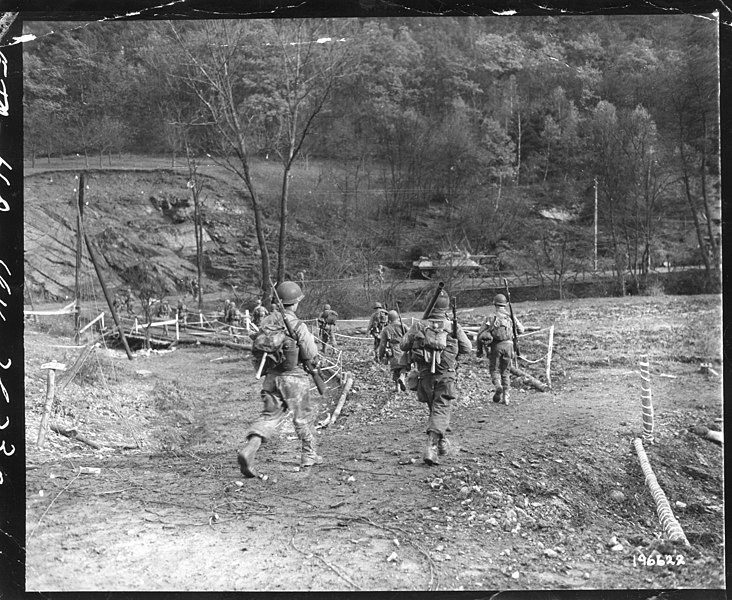
On September 19, 1944 G.I.’s from several US divisions entered the Hürtgen Forest on the Belgian-German border. The fighting there raged for three months, through forbidding terrain and often-inclement weather with heavy casualties suffered by American and German forces. Image from NARA via Wikimedia Commons, public domain in the US
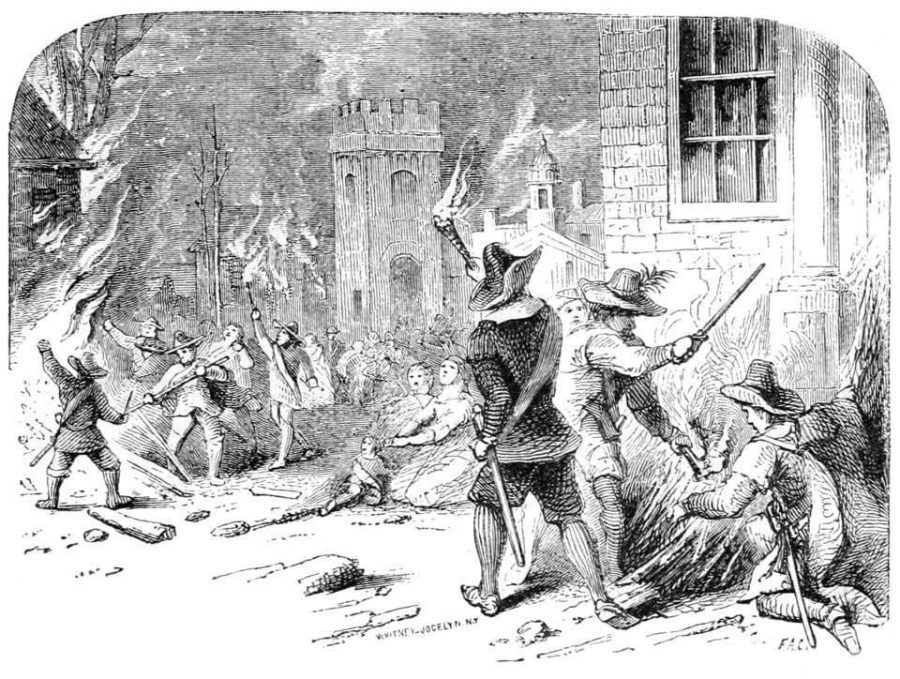
On September 19, 1676 Nathaniel Bacon and his forces burn Jamestown, Virginia to the ground… “Peace was thus restored, but only for a short time. Bacon and his adherents were still resolved on obtaining the commission which Berkeley had promised but seemed determined to withhold. At last the republican leader appeared before Jamestown with nearly 500 followers, and obtained the governor’s signature by force. But no sooner had he marched with his little army against the Indians, than Berkeley, dissolving the legislature, again raised his standard, and proclaimed Bacon a rebel. This proceeding gave general offence. Bacon returned and appealed to the Virginians to overthrow a tyrannical government. The people rose in a body to support their leader, and Berkeley was compelled to flee beyond the Chesapeake. During the temporary absence of Bacon on an expedition against the Indians, Berkeley once more got possession of Jamestown, but was a second time driven out. To prevent it from again falling into his hands, Bacon, before retiring, burned it to the ground. Several of the patriots applied the torch to their own dwellings. A new state-house and the oldest church in the Dominion were consumed by the flames. The people of Virginia seemed now to have gained the object for which they had struggled, — a liberal and efficient government, — when their worthy leader was seized with an illness which put an end at once to his life and their hopes. Though denounced as a traitor in his life-time by the opponents of popular rights. Bacon has been regarded by posterity as a true friend of the people, a fearless champion of humanity, justice, and liberty.” From: Illustrated school history of the United States and the adjacent parts of America : from the earliest discoveries to the present time … by G.P. Quackenbos, published in 1857 https://archive.org/details/illustratedschoo00quac/page/116 Source says not in copyright Image: “The Burning of Jamestown” during Bacon’s Rebellion in 1676 via Wikimedia Commons, public domain
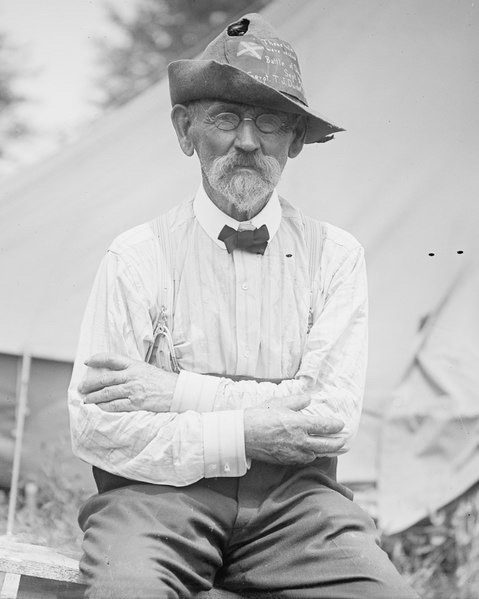
Fighting between the Blue and the Gray continued at Chickamauga, Georgia on the morning of September 19, 1863. 50 years later T.J. Duckett, who’d been a sergeant in the 3rd South Carolina Volunteers, displayed the bullet-pierced hat he’d worn in that battle. Duckett might have considered it his lucky hat. Image from LOC via Wikimedia Commons, public domain in the US
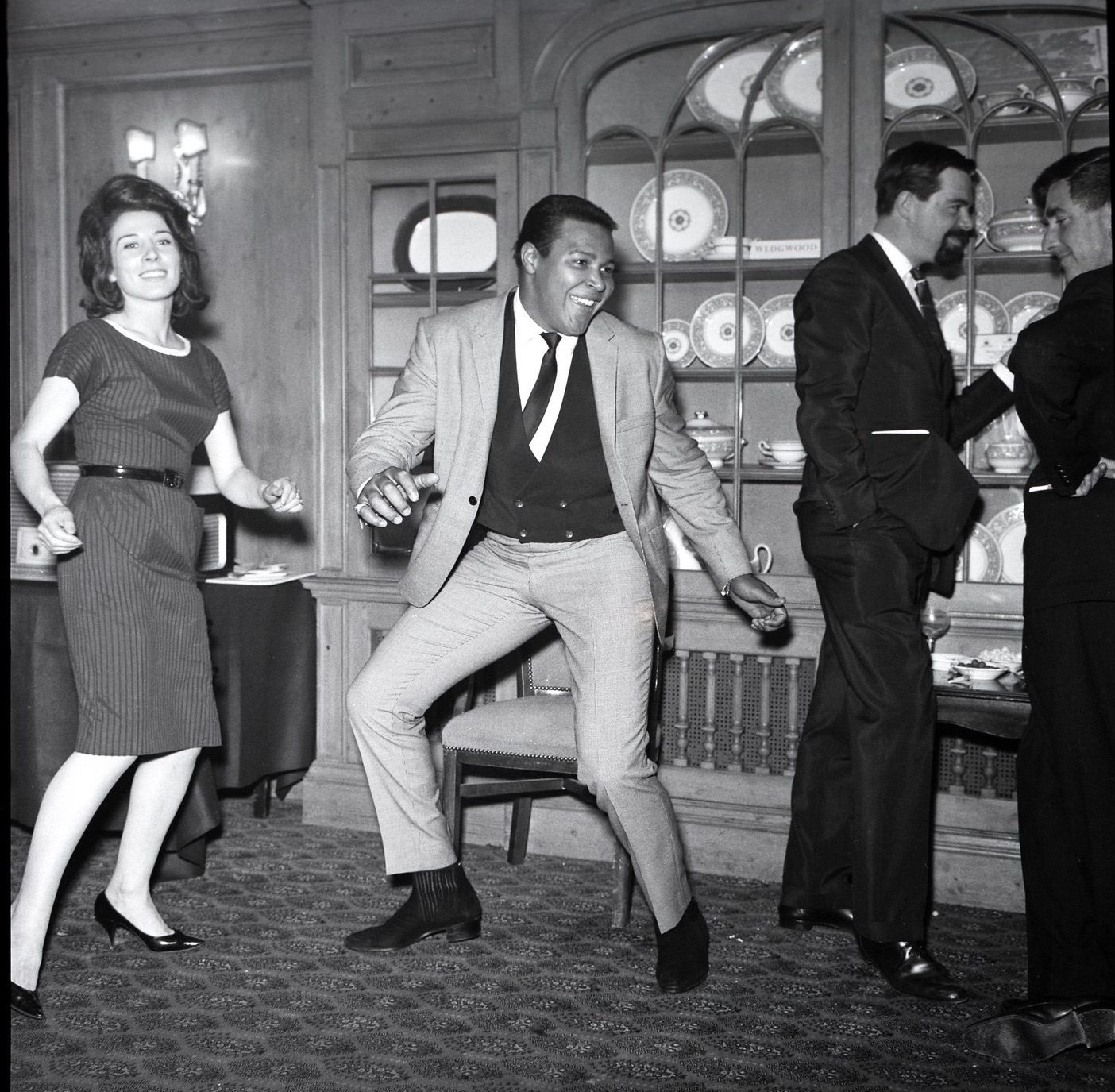
On September 19, 1960 Chubby Checker’s “The Twist” became the #1 pop song in America. Image of Chubby Checker doing the twist in the 1960s via Alamy
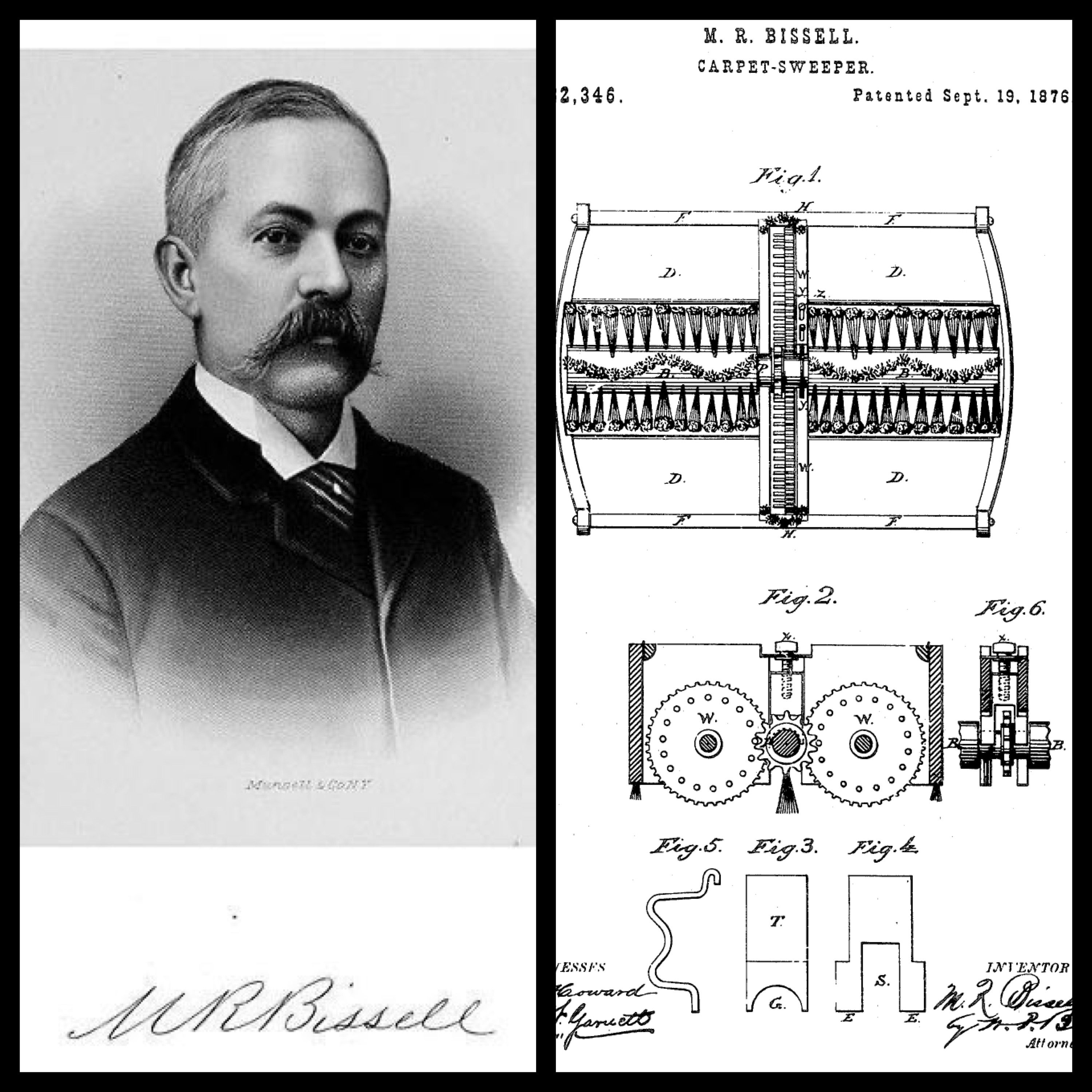
American inventor, Melville R. Bissell, received a patent for his carpet sweeper on September 19, 1876. Images via Wikimedia Commons, public domain
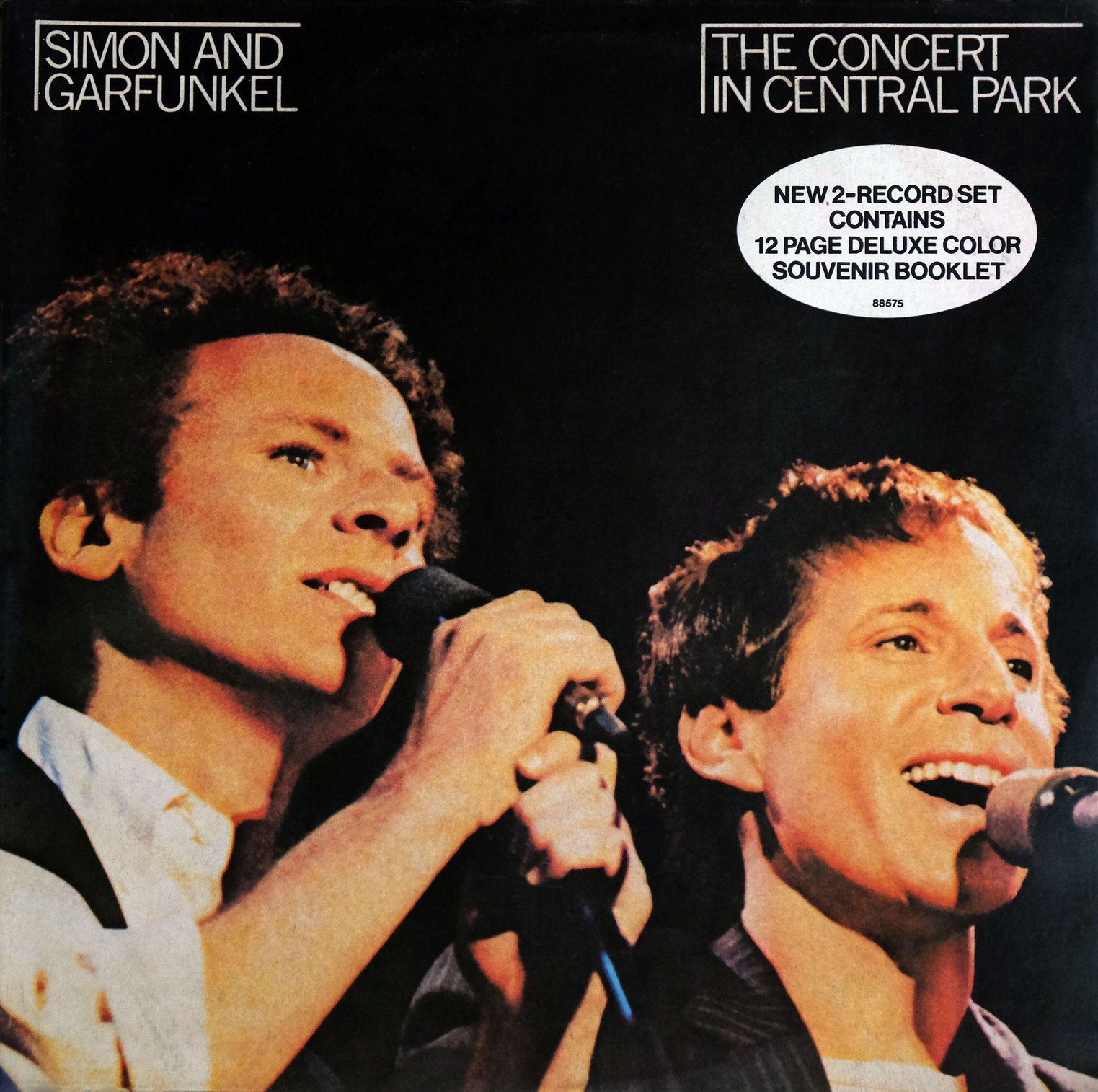
On September 19, 1981, a Simon and Garfunkel reunion concert was held on the Great Lawn of Central Park in New York City for about half a million people. Image via Alamy
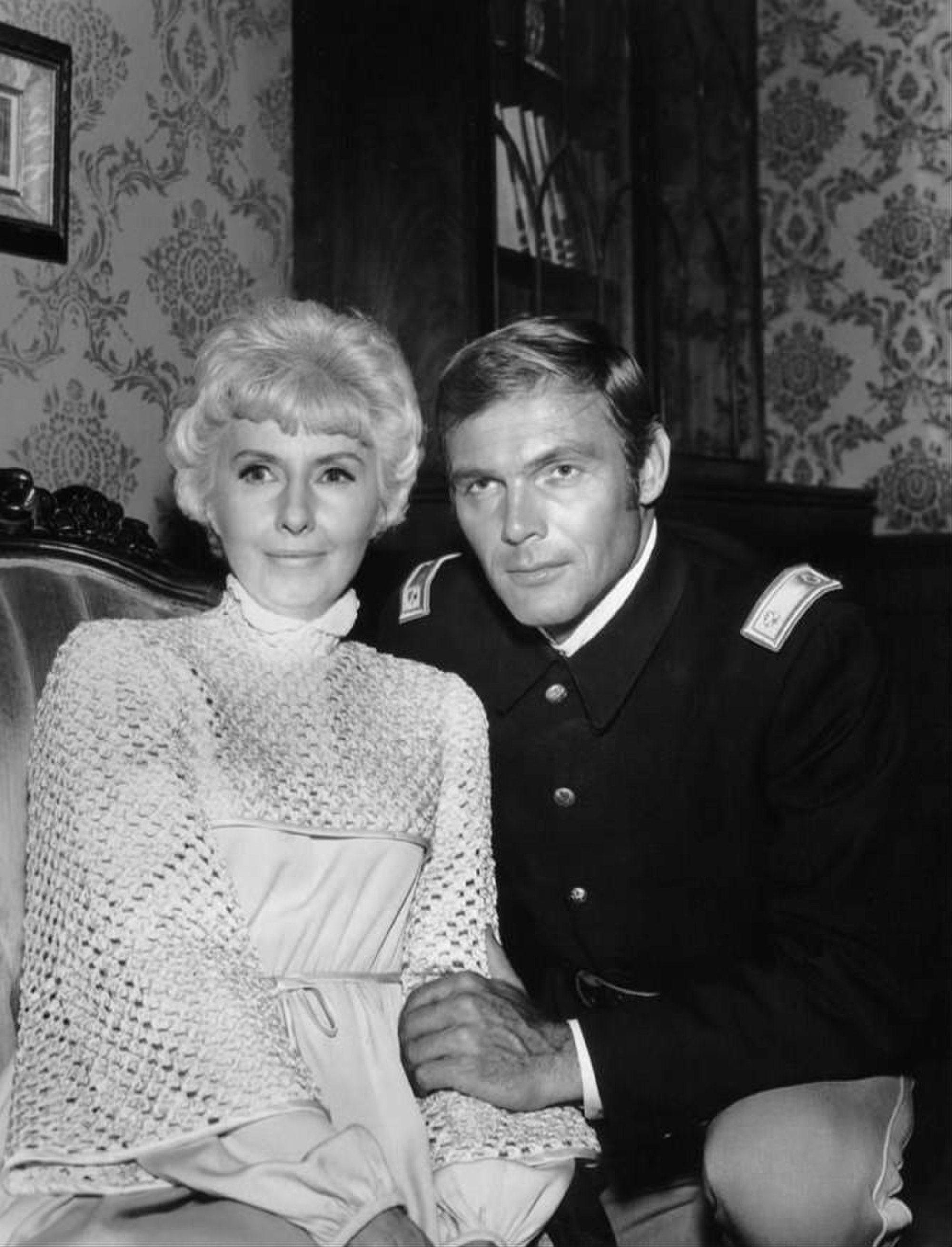
American actor Adam West was born on September 19, 1928 in Walla Walla, Washington. Barbara Stanwyck and guest star Adam West from the TV show, The Big Valley in 1968 Image via Wikimedia Commons, public domain
