
 Mystery March Is Here!

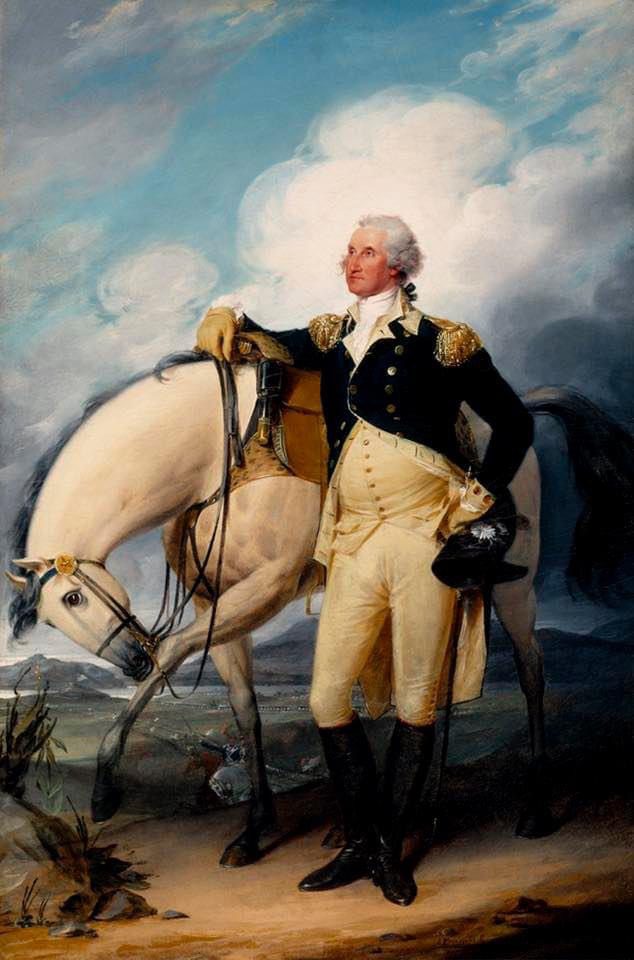
An idealized painting of George Washington at Verplanck’s Point on the Hudson River in N.Y. on September 14, 1782. If you look closely between the horse’s legs you can faintly see French & Continental soldiers being reviewed by Washington after defeating the British almost a year prior at Yorktown Painting by John Trumbull who gave it to Martha Washington as a gift
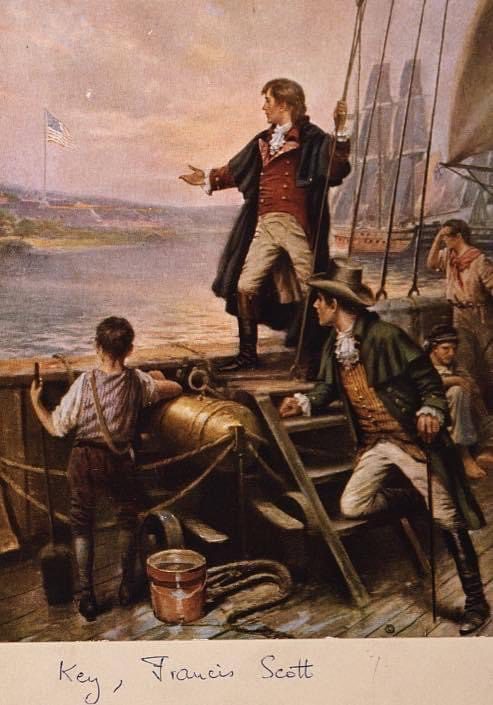
September 14, 1814 … Francis Scott Key wrote the poem “Defence of Fort M’Henry,” the lyrics of the Star Spangled Banner which officially became the national anthem of The United States in 1931. Image: “By Dawn’s Early Light” by Edward Percy Moran via Wikimedia Commons, public domain
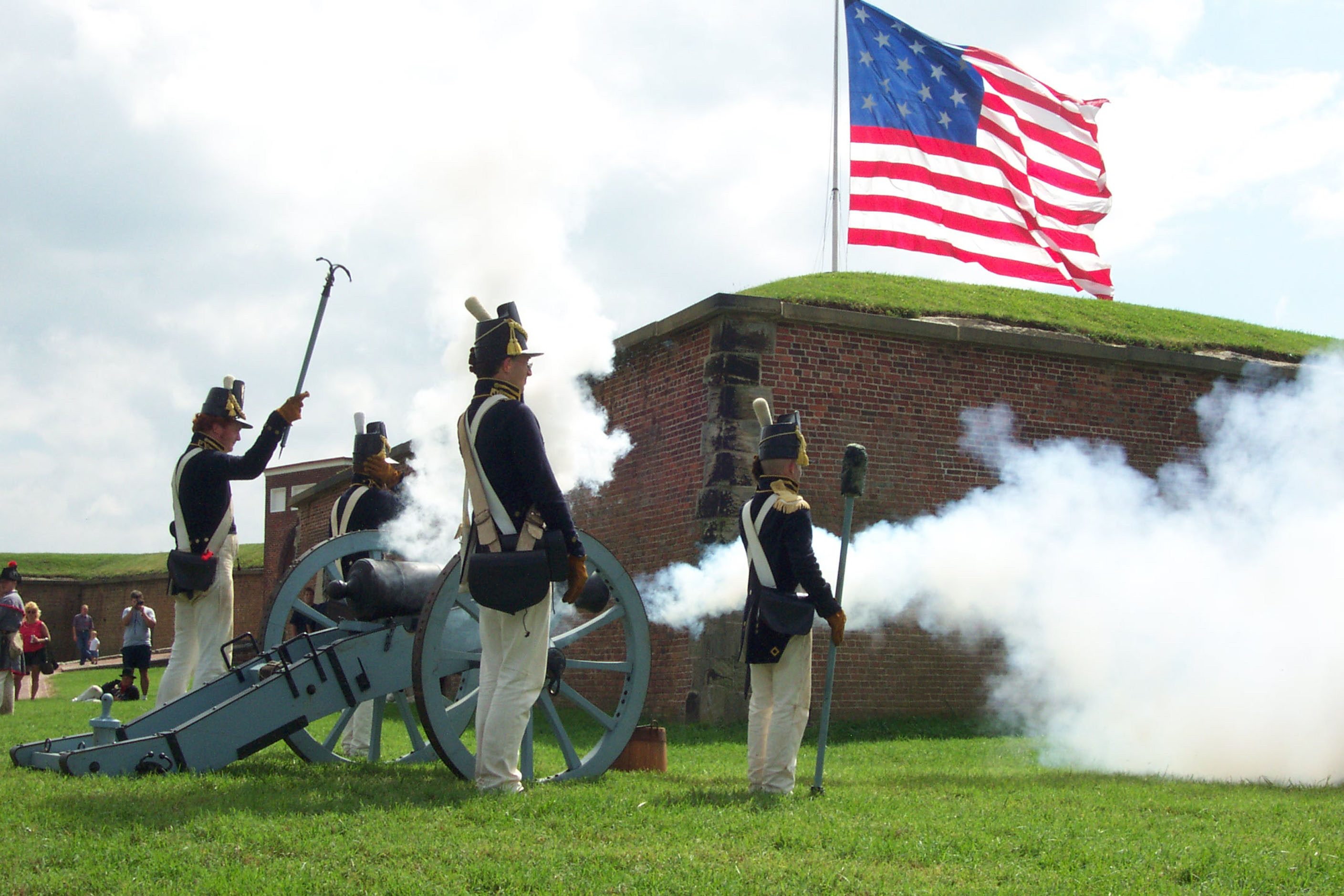
The 15-star, 15-stripe Star Spangled Banner that was raised over Fort McHenry on September 14, 1814 inspired Francis Scott Key to write our National Anthem. The fort’s defenders had withstood a 25-hour bombardment by a British fleet. The original 30 by 42 foot flag is now preserved at the Smithsonian Institution. Image via NPS, CCA 2.0 Generic via Wikimedia Commons.
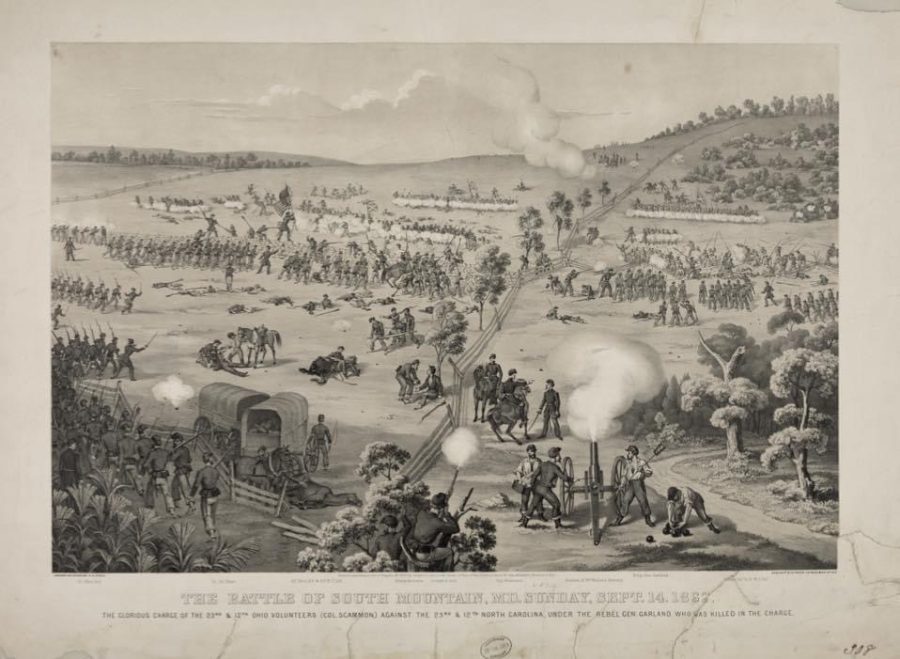
A depiction of The Battle of South Mountain, Maryland – September 14, 1862 “The Twenty-third Ohio Regiment was under the command of Lieut.-Col. Rutherford B. Hayes. Strangely enough, the little commissary sergeant (William McKinley) and the acting colonel were drawn toward each other as by a kinship of destiny. They had occasion to meet each other constantly, and each found something sympathetic in the heart and conduct of the other. They became brothers in heart by an invisible kinship. The boy sergeant came to love his colonel. Well he might, for Colonel Hayes was a clear-cut gentleman of culture, conscience, and high purpose. Persons gravitate toward those who have like aims, and like aims make a like destiny. The Twenty-third Ohio Regiment was ordered to Washington to participate in the impending struggles at South Mountain and Antietam to prevent General Lee from invading the North. It soon faced fire at South Mountain. Colonel Hayes was among the first to be wounded, and continued to fight while bleeding. Three bayonet charges were made by the regiment, and it lost two hundred men. The colors of the regiment were riddled. From: The young McKinley; or, School-days in Ohio; a tale of old times on the Western Reserve by Hezekiah Butterworth, published in 1905 https://archive.org/details/youngmckinleyors00butt/page/239 Image via Wikimedia Commons, public domain
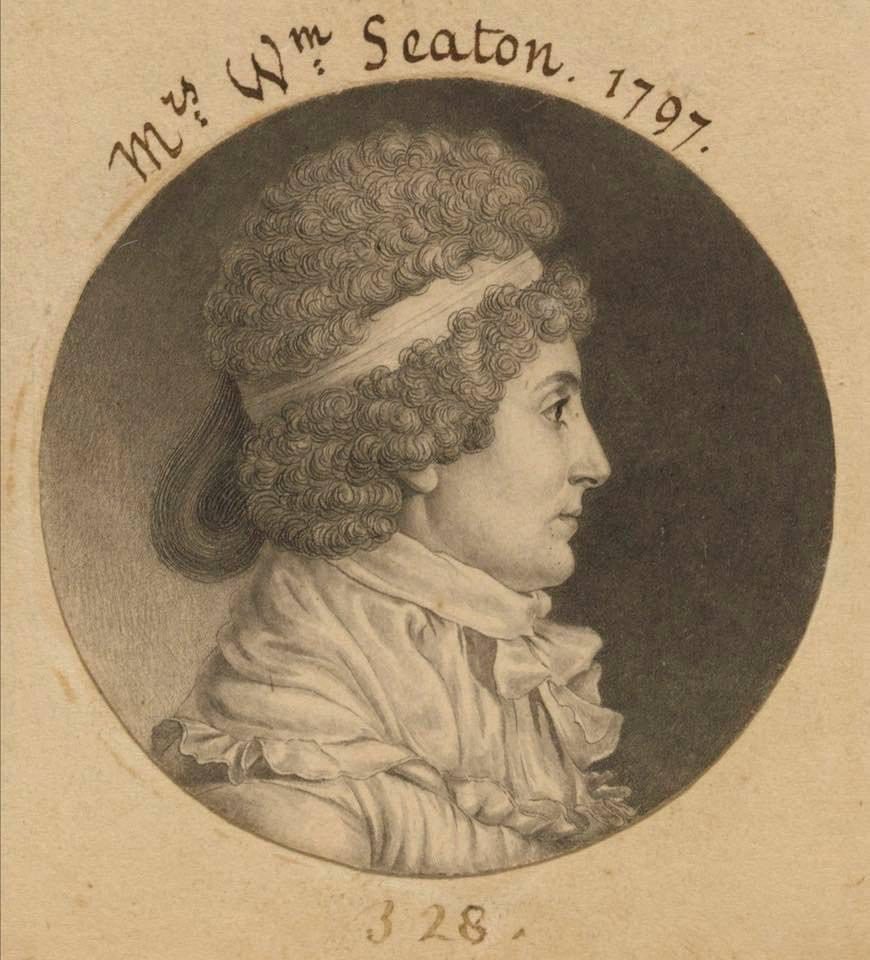
On September 14, 1975 Elizabeth Ann Seton became the first native born American to be canonized a saint by the Catholic Church. Image: Elizabeth Ann Bayley Seton in 1797 via Wikimedia Commons, public domain
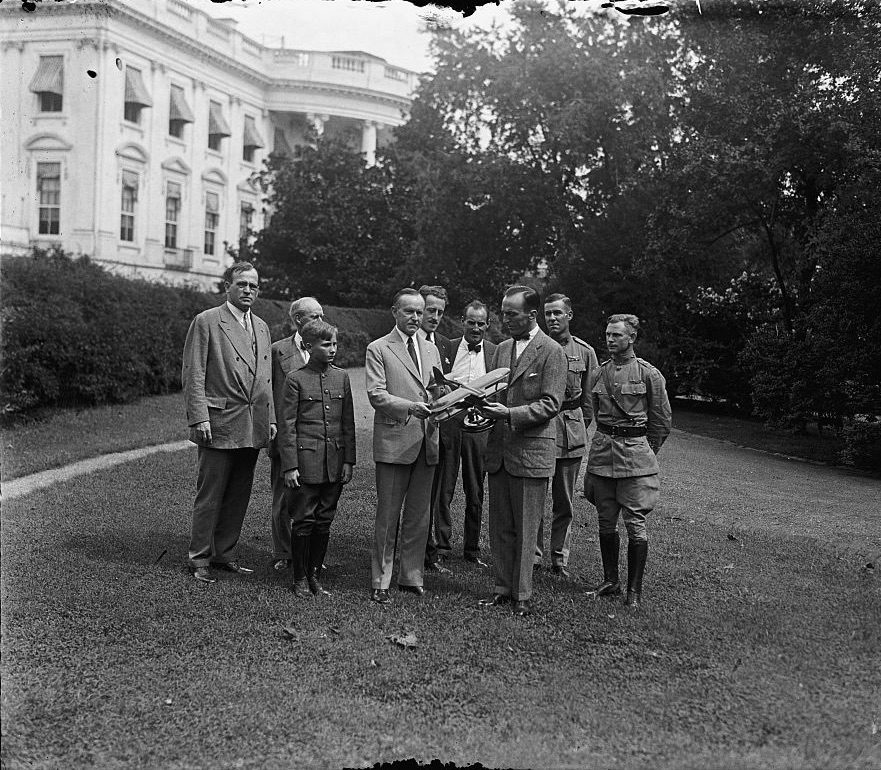
Capt. Ed. Rickenbacker & group present invitation to President Calvin Coolidge September 14, 1925 Image via LOC, no known restrictions
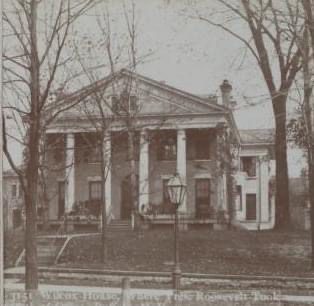
Wilcox House, where President Theodore Roosevelt took the oath of office in Buffalo, N.Y. and became the 26th President of The United States following the death of President William McKinley on September 14, 1901. Image via New York Public Library Digital Collections, public domain
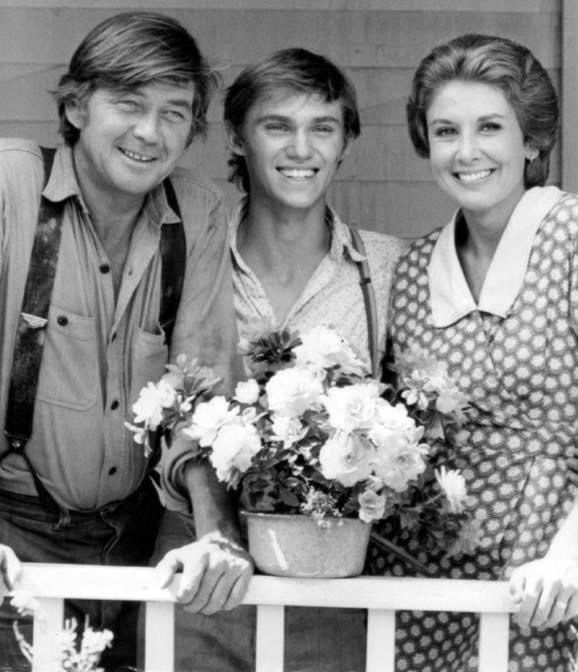
On September 14, 1972 “The Waltons” premiered on network television. Image: Publicity photo for The Waltons in 1972 Ralph Waite, Richard Thomas and Michael Learned by CBS Television via Wikimedia Commons, public domain
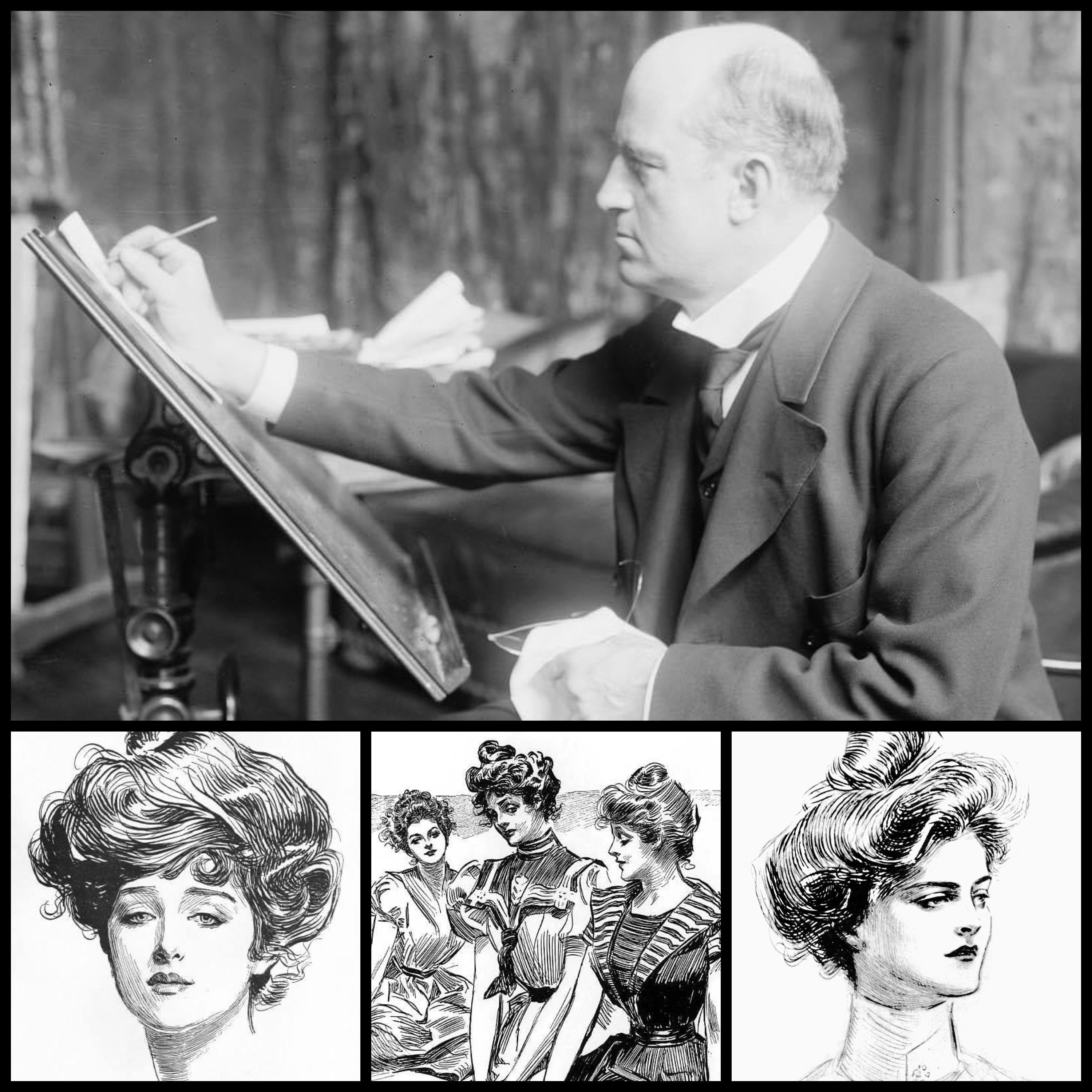
American artist Charles Dana Gibson and his “Gibson Girl” illustrations. Charles was born on today’s date September 14, 1867 in Roxbury, Massachusetts. Images via Wikimedia Commons, public domain in the US
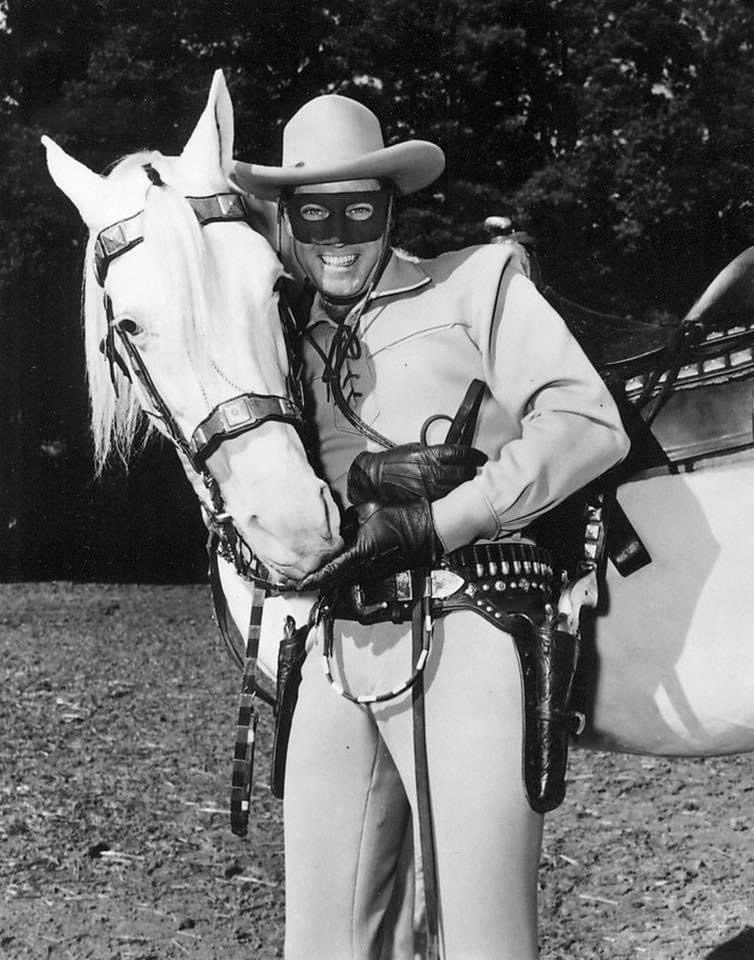
Clayton Moore, who played the role of The Lone Ranger in movies and on TV, was born on September 14, 1914 in Chicago, Illinois. Image: Lone Ranger and Silver in 1957 GAC-General Artists Corporation-management company via Wikimedia Commons, public domain
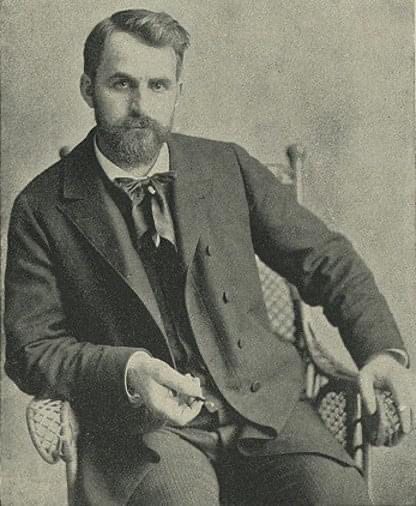
September “Coolness, ripeness and repose; The smell of gathered grains and fruits, The musky odor of melons everywhere. The very dust is fruity, and the click Of locusts’ wings is like the close Of gates upon great stores of wheat. The gathered grain bleaches in shock, The corn breathes on me from the west, And the sky-line widens on and on, Until I see the waves of yellow-green Break on the hills that face the snow and lilac Peaks of Colorado mountains. The sun, half-sunk, Burns through the dusty crimson sky. Streamers of gold and green soar In radiating bands, like spokes Of God’s immeasurable chariot wheels, Half-sunk and falling. The cattle feed about me, here, Sociably, gnawing the scant dry grass. I hear their quick short sighs As one by one they settle for the night. All is peaceful save the dull report Of murderous, quick-repeating gun Of some insatiate sportsman. Through the hot haze The rapid rattle of a hay-rack goes, And as it passes leaves a trail Of boyish memories, fading, falling Like the yellow dust that drifts Behind the hay-rack’s wheels.” By Hamlin Garland From: Prairie songs: being chants rhymed and unrhymed of the level lands of the great West, published in 1893 https://archive.org/details/prairiesongsbein00garluoft/page/106/mode/2up?q=September+ Source says not in copyright American writer Hamlin Garland was born on September 14th, 1860 in West Salem, Wisconsin
