
 Mystery March Is Here!
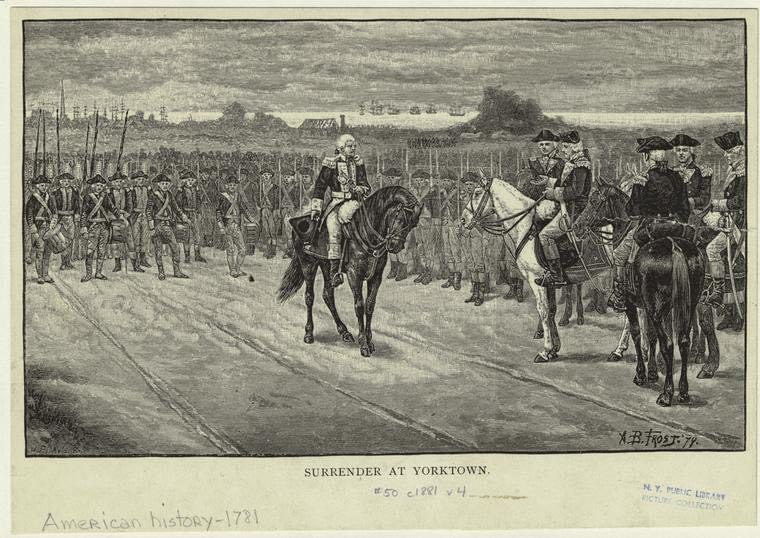
“Cornwallis’ plan of escape from Yorktown was to attack the French and Americans at Gloucester Point before day-break ; mounts his Infantry on the captured cavalry and other horses, and force his way through Maryland and Pennsylvania to New York, but a violent storm arose that night and drove his boats down the river and put a stop to his wild daring scheme. His hopes were now at an end, as his fortifications were tumbling in ruins around him, and unwilling to expose the residue of his brave men who had been so faithful in all dangers, he sent a flag of truce to Washington to suspend hostilities. Colonel Laurens was appointed first commissioner to negotiate the surrender; he was the son of Hon. Henry Laurens, who had been sent as ambassador to Holland, but was captured and was then in the tower of London. The terms of surrender were similar to those granted to General Lincoln a year before at Charleston, and he (General Lincoln,) arranged the surrender and received the British army. The French and American armies formed two lines of over a mile in length, and the British army marched between the two, surrendering their arms which they threw in a pile with such force as to break them, such was the mortification of the men, and they were checked in the same.
It was a bright and glorious day, but a day of bitter disappointment to the English. The captured troops marched out with colors folded and drums beating a slow march. The officers were allowed their side arms and private property, and all the military and artillery were delivered to the American forces, and the marines and seamen to the French navy. The French army with Count de Rochambeau in complete uniform, and with their bands presented a splendid appearance. The Americans though not all in uniform, presented a fine soldiery air with joy beaming from their countenances. Every degree of confidence and harmony existed between the American and French, and the only spirit to excel were in exploits of bravery against the common enemy.
The British army made many brilliant exploits and victories under Cornwallis, and they almost adored him, but he should have cheerfully shared in their humiliation and disgrace, but it is said he gave himself up to vexation and remorse. The Commander-in-chief of the allied forces expressed himself in an order of the day, — “thanks due the brave officers and soldiers of the French and American armies!” It was a sad sight to see Yorktown after the siege, with bodies of men and horses half covered with earth, and the fine houses riddled with cannon balls, and the rich furniture and books scattered over the ruins. The loss of men of the French army was double that of the Americans. There were eleven thousand in the British army at the commencement of the siege, and our forces in all amounted about twelve thousand six hundred. Col. Tarlton after the surrender was mounted on a splendid horse remarkable for his fine appearance, and while riding with several French officers with whom he was to dine, he was met by a Virginia gentleman who recognized and demanded his horse, but Tarleton was reluctant to give it up; General O’Hara who was present advised him to give it up at once, which he did, and had to remount a miserable old plough horse to finish his ride, as it appears that this horse had been captured in the following manner: — At Hanover Court House there were a number of Virginia gentlemen who were there to hear the news and talk over the events of the day, a servant man came at full speed to inform them that Colonel Tarlton and his British troops were not three miles off, and in their alarm and sudden confusion to get away, each one mounted the first horse he could put his hands on, thereby returned home on horses not their own.
They all escaped but one gentleman who hid himself in the chimney-way, and Colonel Tarlton helped himself to his splendid charger then in the stable. Col. Tarlton who had done much injury to the citizens in his raids through the country, heard a Virginia lady speak in high terms of Colonel Washington, a relative of General Washington. Colonel Tarleton remarked that he would like to see Colonel Washington, she replied curtly “that he could have had that pleasure if he had looked behind him in his retreat at the battle of the cowpens.” Next to our great American General’ Washington, much is due to the patriot General Lafayette by his skill for the success in capturing the British army at Yorktown. Lafayette was born near Paris, and the inheritor of a princely fortune. At eight years of age he entered the College of Louis the Great, and he was in a few years rewarded for his success in his studies. Here the lovely but ill fated Queen of France, Maria Antoinette, who was beheaded with the King during the reign of terror in France, encouraged him in his progress at College and had him promoted as an officer in the King’s guard, and also aided him in obtaining money to help the Americans. He met Dr. Franklin in Paris and offered his services before he was twenty-one years old, and equiped a vessel at his own expense, arrived at Philadelphia and presented himself to Congress, “I have come!” he said, ‘to request two favors of this assemb’age of patriots, on^is that I may serve in your army!” “the other, that I receive no pay.”
His services were accepted and he was commissioned as Major-General.” ….. SURRENDER OF LORD CORNWALLIS AND THE BRITISH FORCES UNDER HIS COMMAND, ON THE 19th DAY OF OCTOBER, 1781, Will be Appropriately Celebrated on the Field of Yorktown, Va., in October, 1881.
From: An address read before the Maryland historical society on the centennial of the siege of Yorktown, Va by William James Chamberlin Du Hamel, published in 1880.
Image: Surrender at Yorktown. The Miriam and Ira D. Wallach Division of Art, Prints and Photographs: Picture Collection, The New York Public Library. “Surrender at Yorktown.” The New York Public Library Digital Collections. 1879 – 1881. http://digitalcollections.nypl.org/items/510d47e0-f62f-a3d9-e040-e00a18064a99 No known restrictions
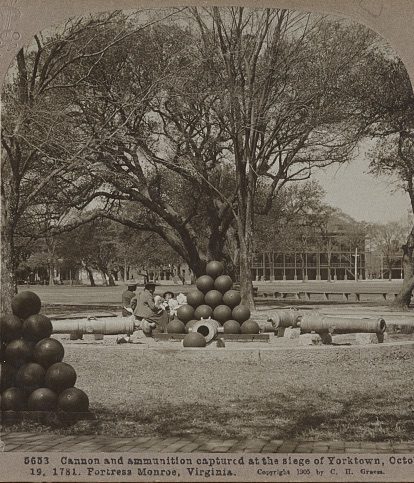
Photo taken at Fortress Monroe, Virginia from 1905 showing cannon and ammunition captured at the siege of Yorktown on October 19, 1781. via LOC, no known restrictions
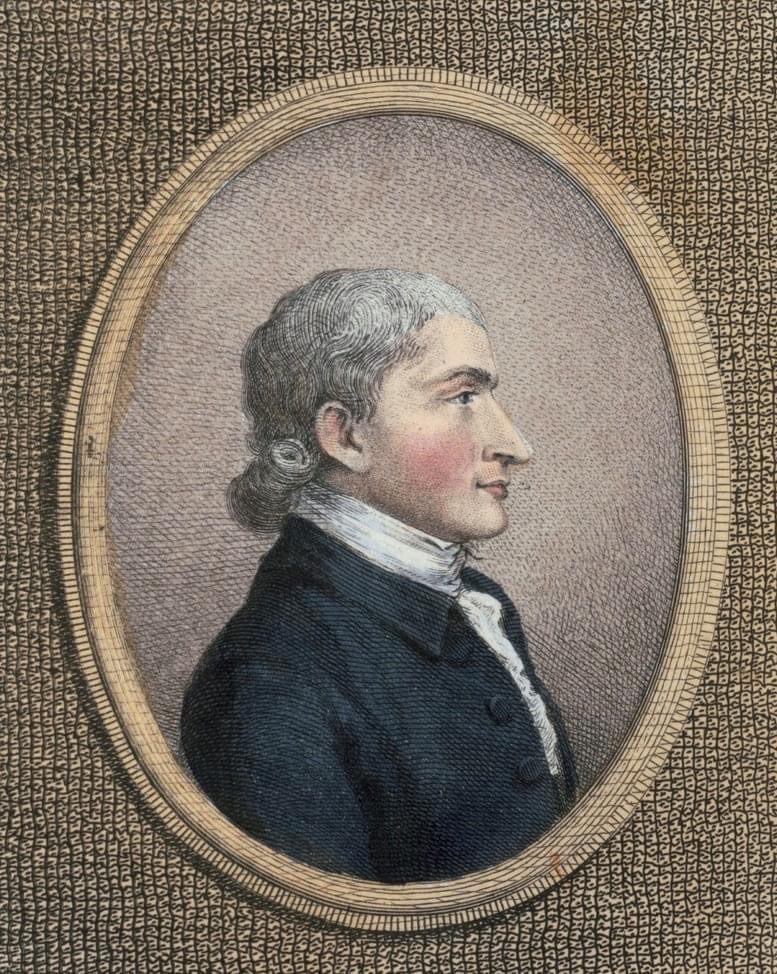
“Americans are the first people whom heaven has favored with an opportunity of deliberating upon and choosing forms of government under which they should live.” – John Jay On October 19, 1789 John Jay became the first Chief Justice of The United States. Image of John Jay via NYPL Digital Collections, public domain
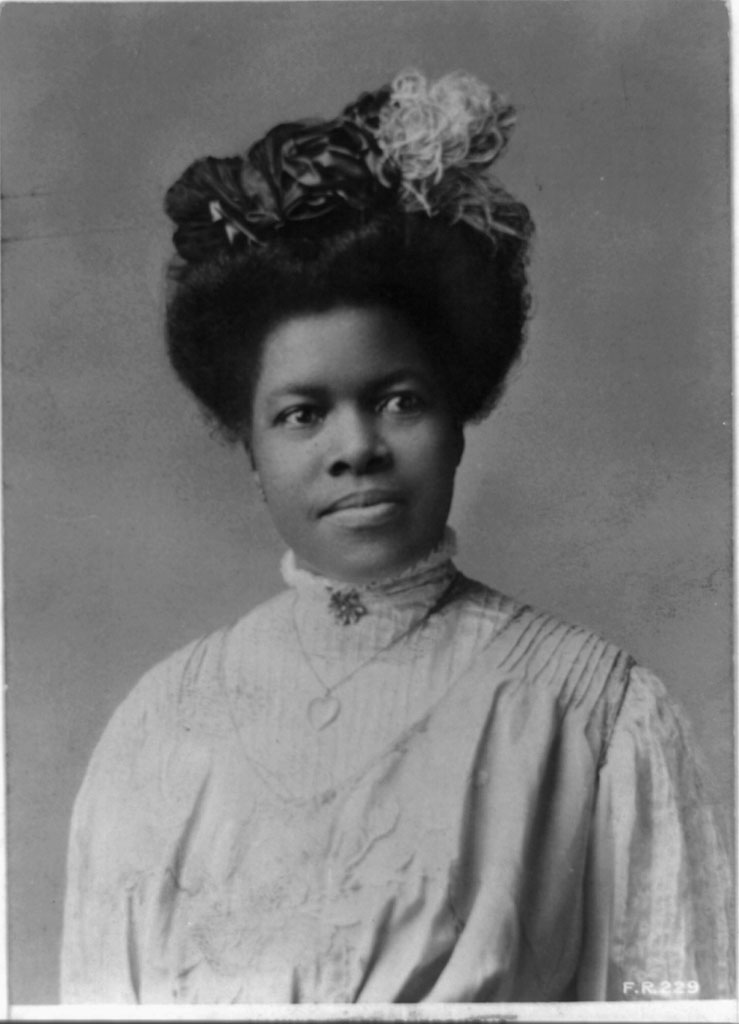
The National Trade and Professional School for Women and Girls in Washington D.C., considered to be the first school in the U.S. to provide vocational training to young African American females, was opened on October 19, 1909. Image of the school’s founder Nannie Helen Burroughs c. 1879 via Wikimedia Commons, public domain
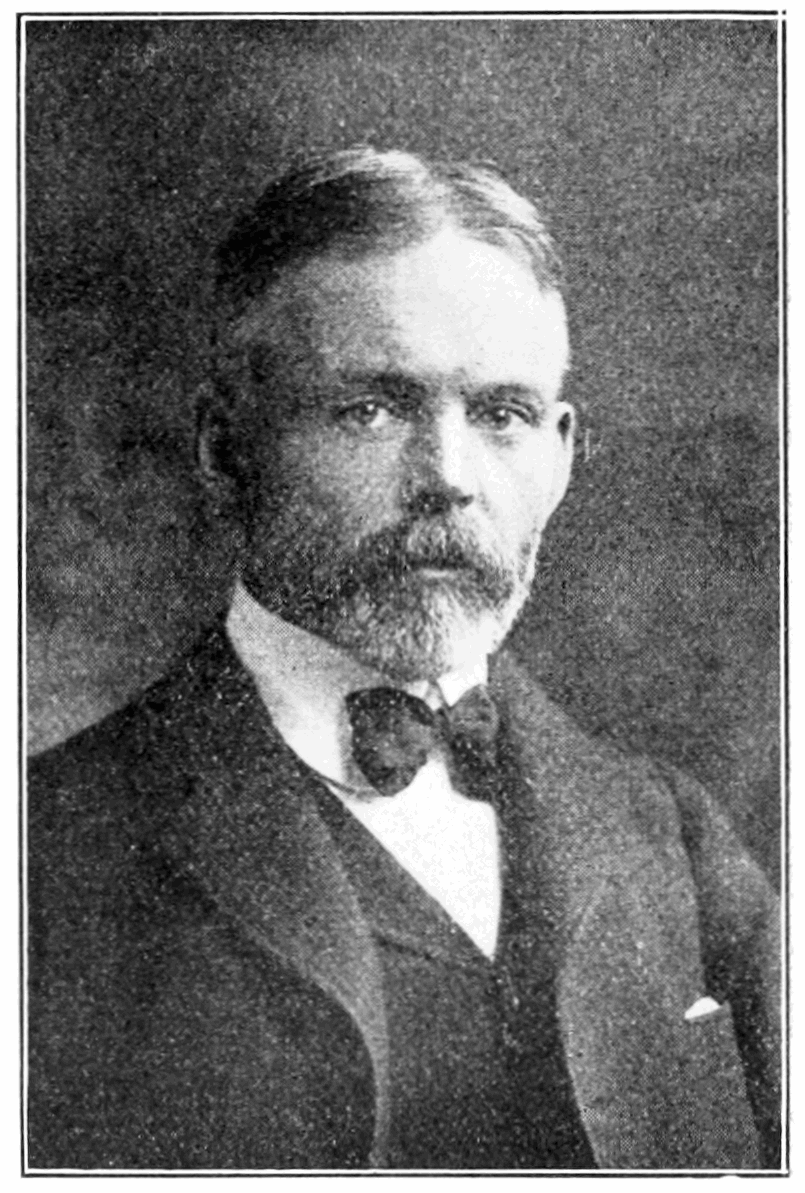
American geneticist and zoologist, Edmund Beecher Wilson, was born on October 19, 1856 in Geneva, Illinois. He wrote numerous books on the subject of biology was a pioneer in modern cell biology. Image of Wilson in 1908 via Wikimedia Commons, public domain
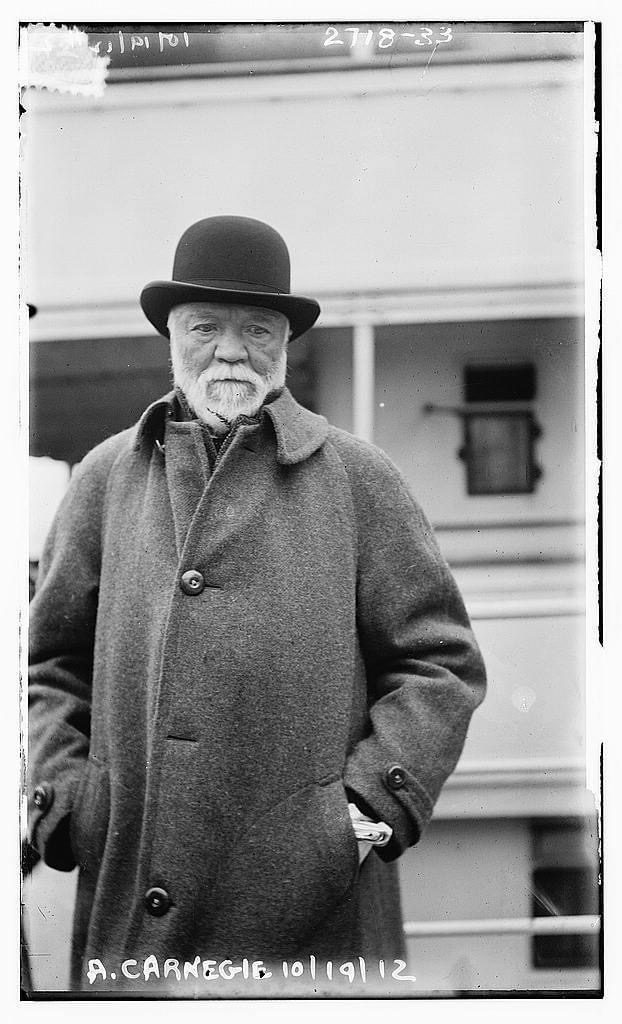
A photo of Andrew Carnegie dated October 19, 1912 when he was in his late 70s. In the early 1900s Andrew Carnegie funded nearly 1,700 libraries in various cities and towns throughout the United States. Image via Library of Congress, no known restrictions
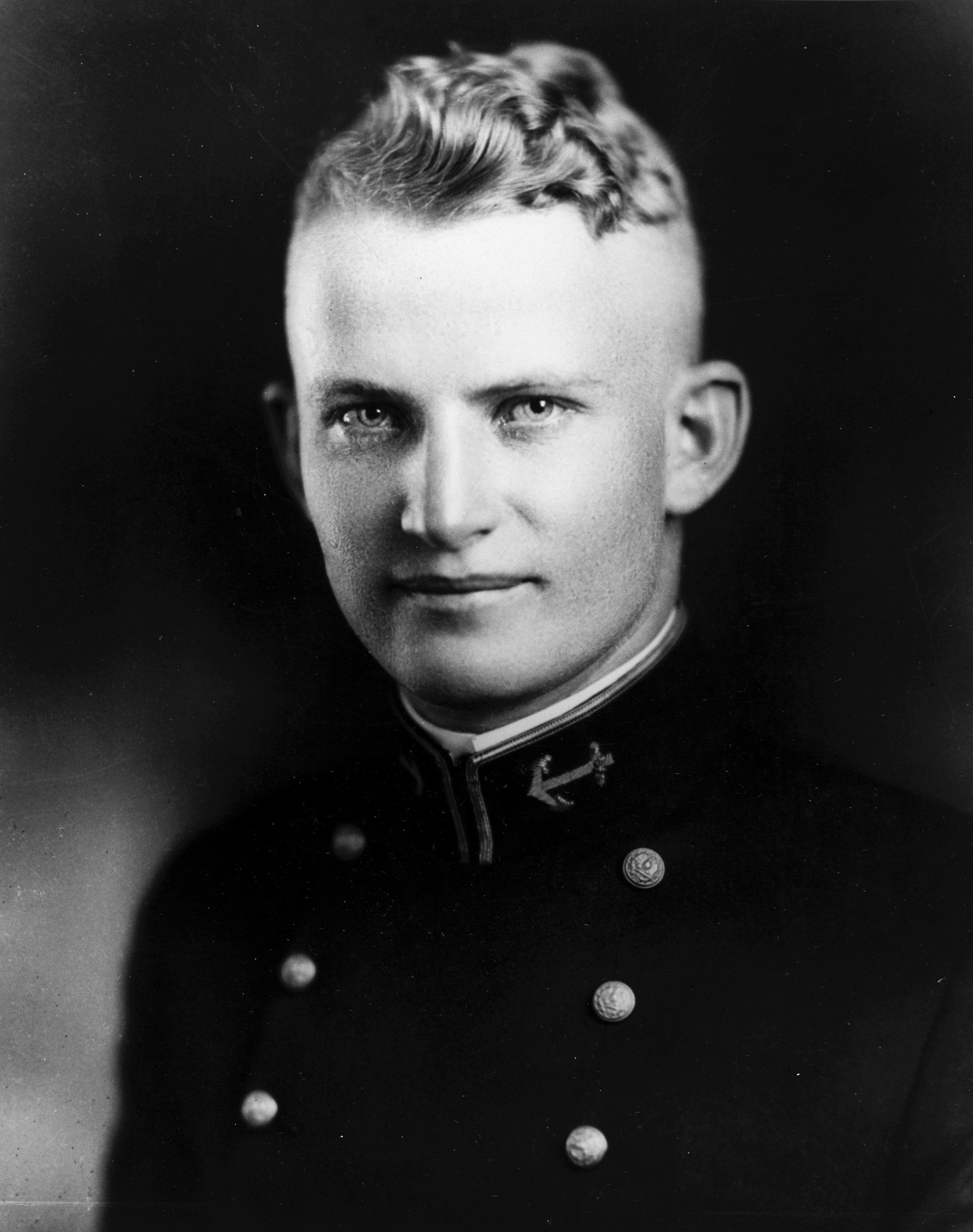
Admiral Arleigh Burke was born on October 19, 1901 in Boulder, Colorado. In the Battle of Okinawa during WWII Burke was aboard two American aircraft carriers that were struck by Japanese kamikaze planes. He later served during the Korean War and became Chief of Naval Operations between 1955-1961. Image of Arleigh Burke in 1920 via Wikimedia Commons, public domain
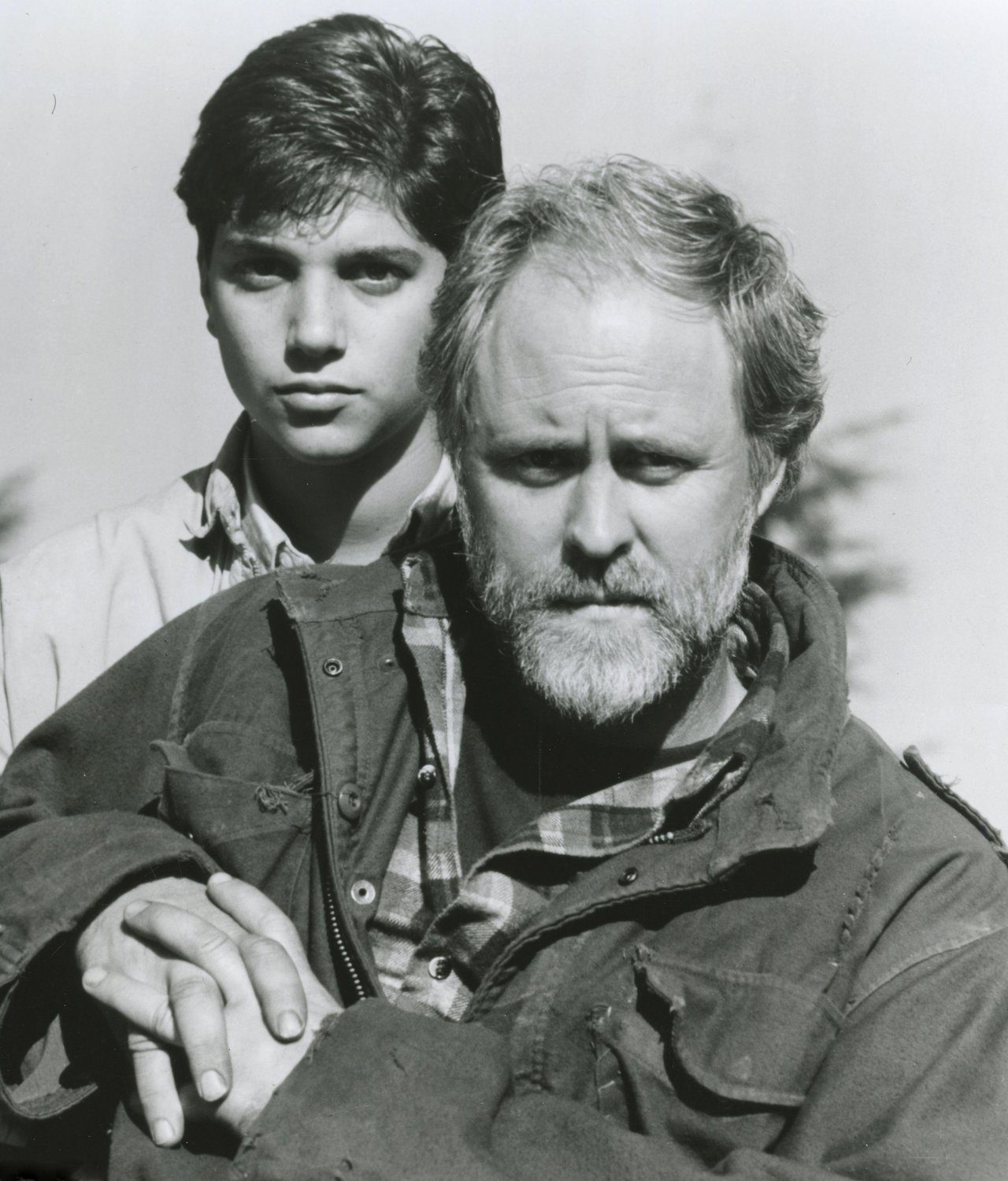
American actor John Lithgow was born on October 19, 1945 in Rochester, New York. Image: Ralph Macchio and John Lithgow in the movie Distant Thunder c. 1988 via Alamy
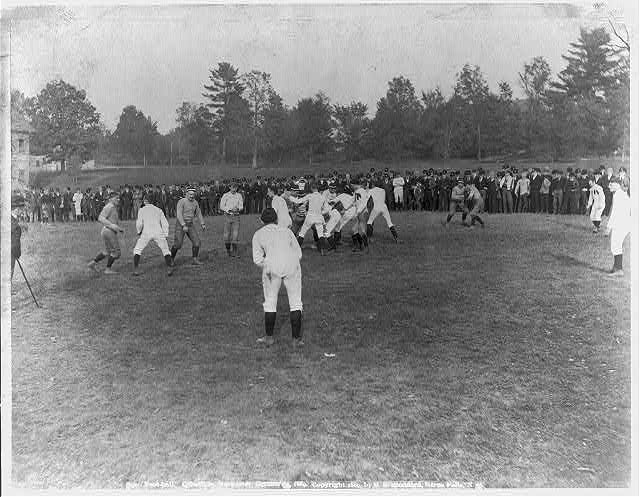
Photo of an early college football game between Rochester and Cornell that was taken on October 19, 1889. Image via Library of Congress, no known restrictions
