
 Mystery March Is Here!
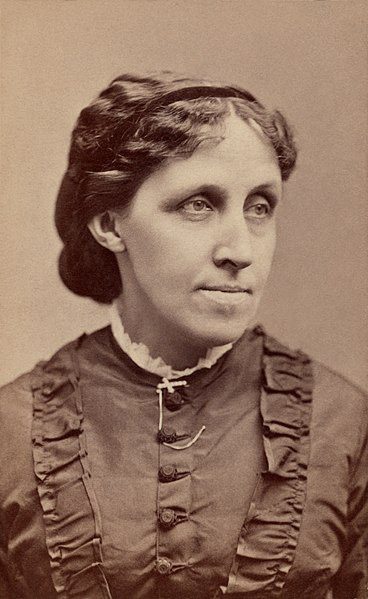
November 29 saw the birth of teacher Bronson Alcott in 1799 and his second daughter, author Louisa Mae in 1832. She based the characters and many of the scenes in her beloved novels “Little Women, “Little Men,” and “Jo’s Boys” on the Alcott family and their friends. Image via LOC via Wikimedia Commons, public domain in the US.

On November 29, 1972, Atari debuted Pong, the first video game that was a commercial success. Image of a Pong home console that was released a few years later via Wikimedia Commons, public domain
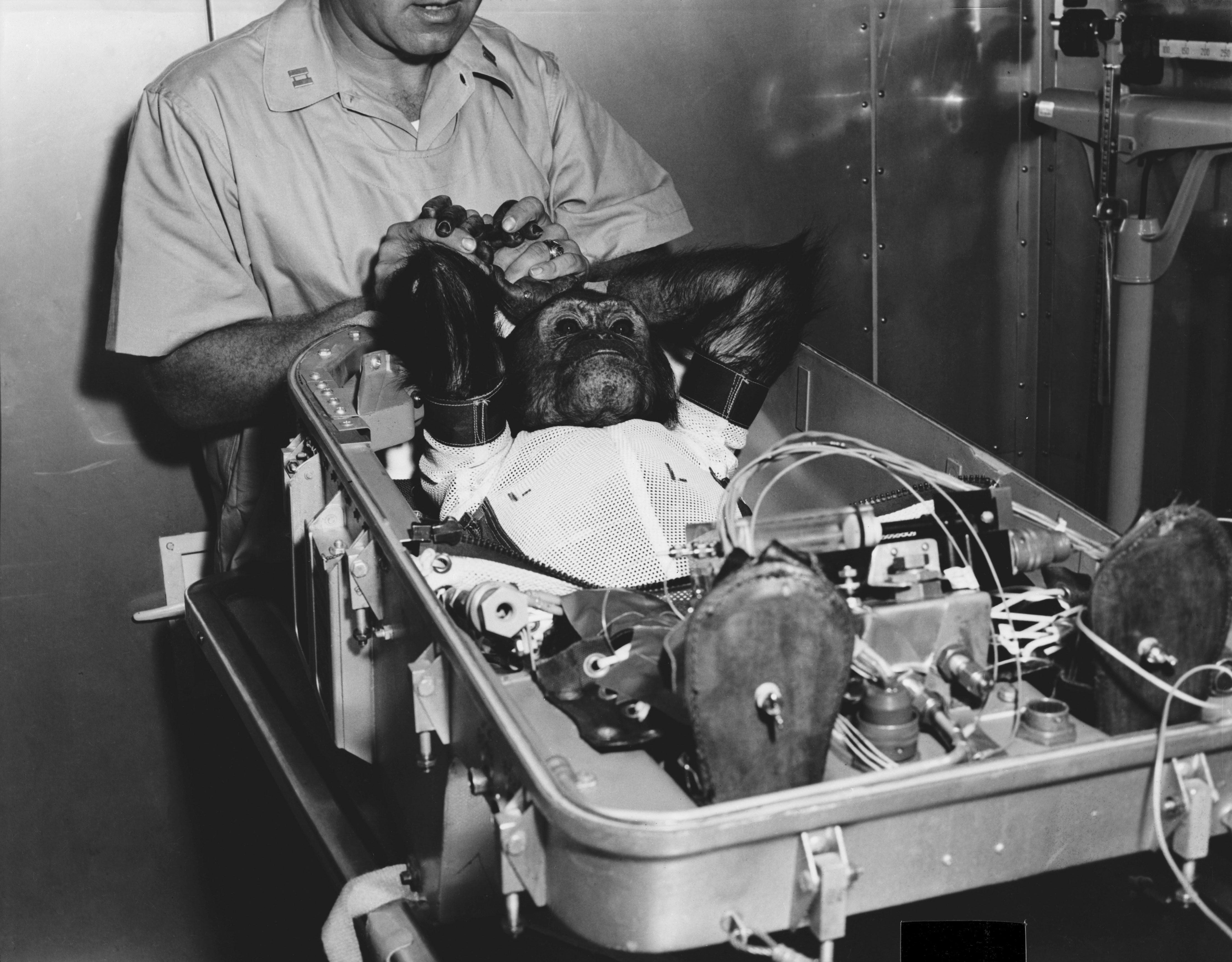
On November 29, 1961, Enos became the first chimpanzee to orbit the earth. Image of Enos being prepared for insertion into the Mercury-Atlas 5 space capsule From NASA via Wikimedia Commons, no known restrictions
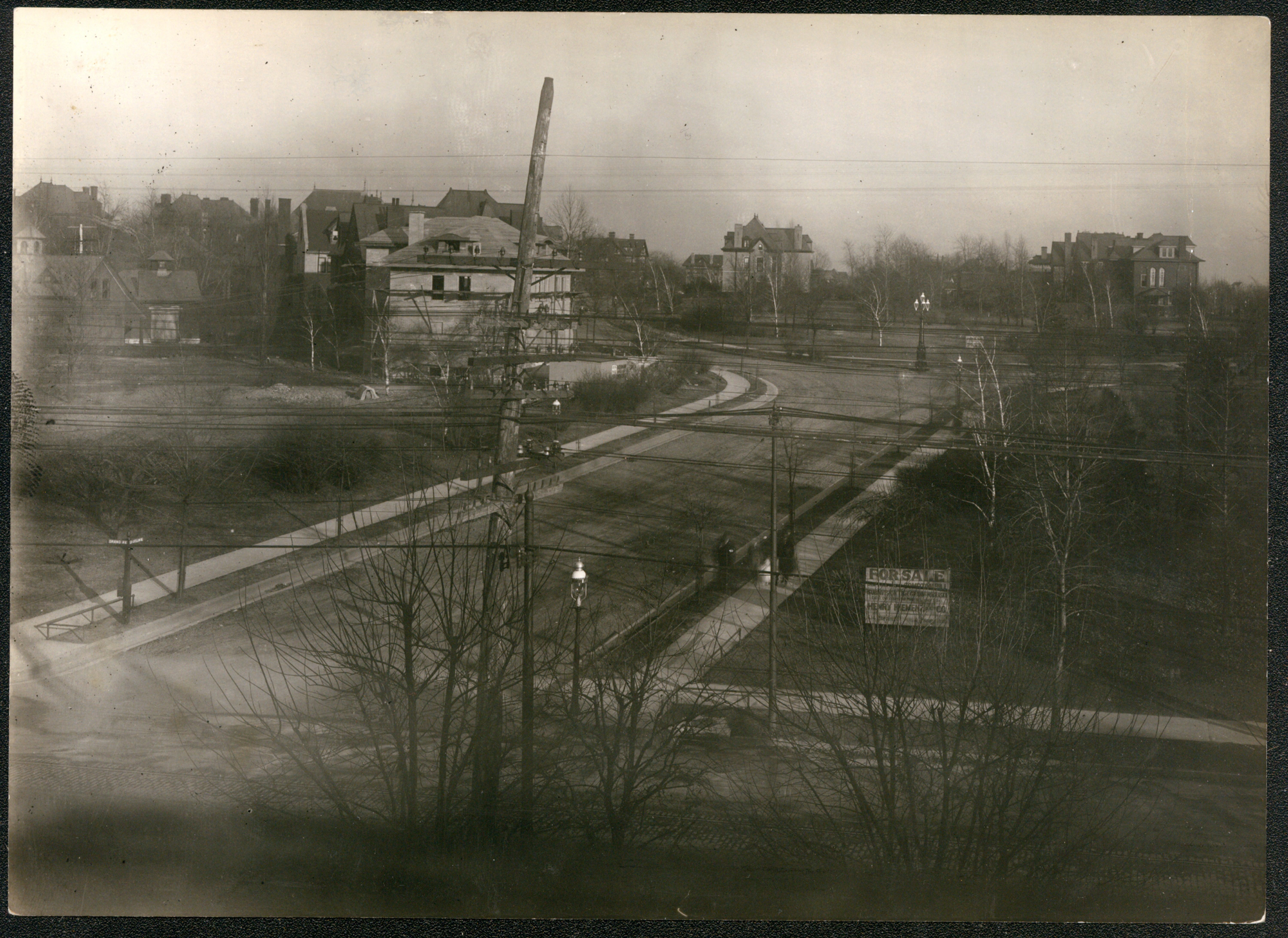
Lot for Sale at Grand Avenue and Hawthorne Boulevard in St. Louis, Missouri November 29, 1908 via Wikimedia Commons, no known restrictions
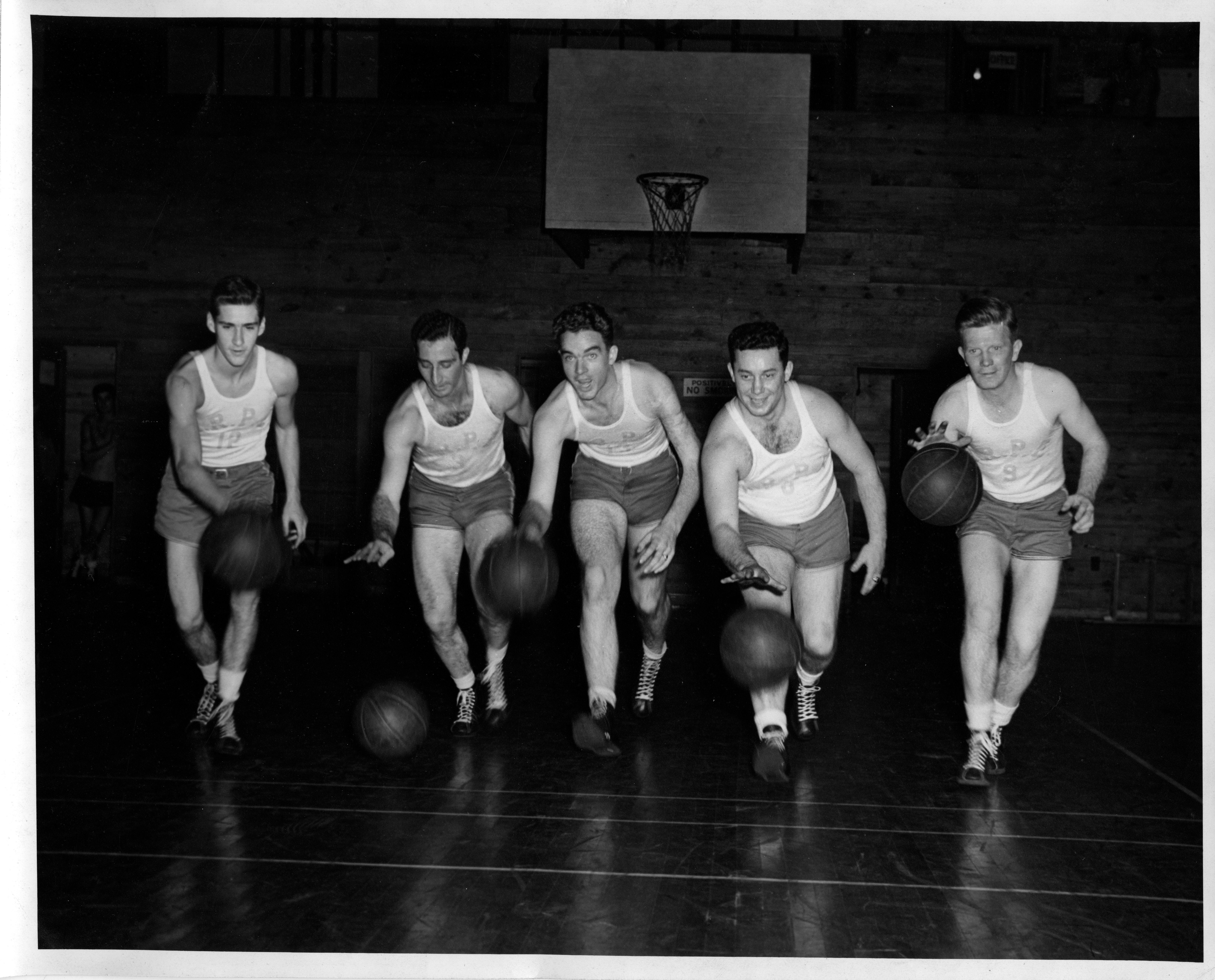
Basketball players coming down court in the Port Gym, HRPE, Newport News, Virginia. Official photograph from U.S. Army Signal Corps, Hampton Roads Port of Embarkation, Newport News, Virginia. November 29, 1944 via Wikimedia Commons, public domain
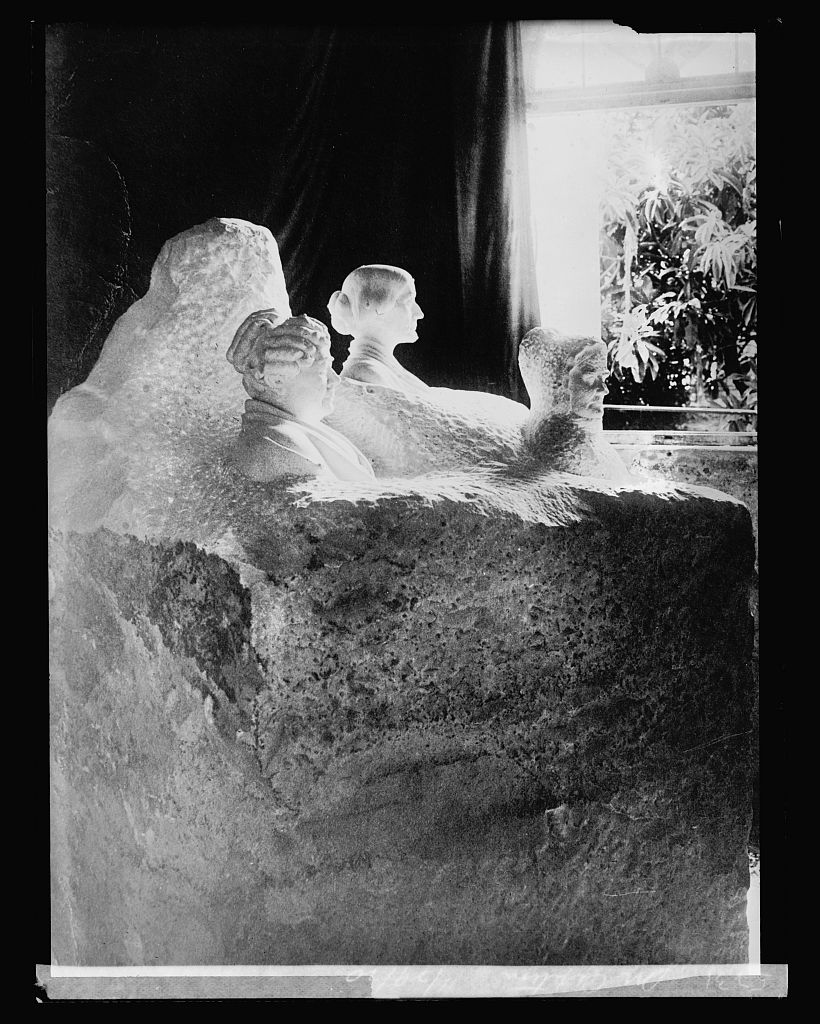
An image from November 29, 1920 of a sculpture of three heads of women who appear to be women’s rights activists Susan B. Anthony, Elizabeth Cady Stanton and Lucretia Mott. Image via LOC, no known restrictions
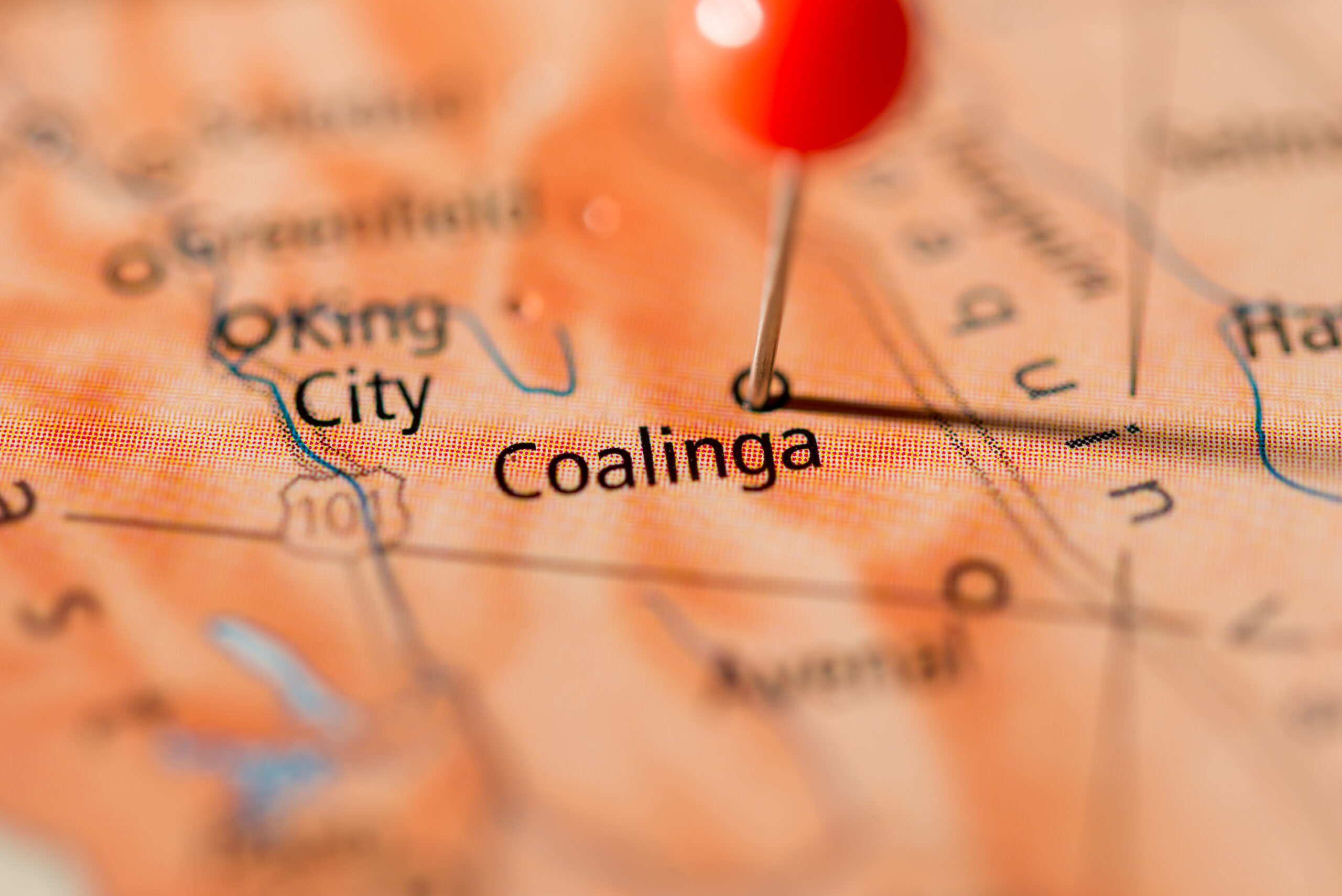
On November 29, 1991, a severe dust storm near Coalinga, California caused multiple accidents (over 100 vehicles) along I-5. Image via Shutterstock
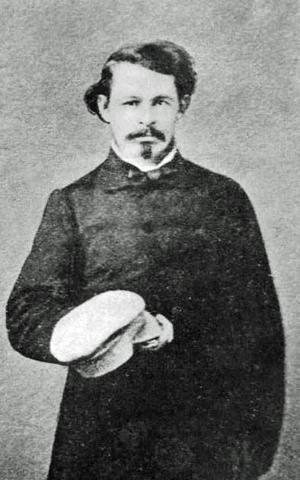
Soldier of fortune, Frederick Townsend Ward, was born on November 29, 1831 in Salem, Massachusetts. In the 1860s he commanded the “Ever Victorious Army” against rebels in China. Before dying in battle in 1862 he was wounded over a dozen times while serving as a mercenary in other Chinese battles. Before his death he bequeathed funds to his family and a substantial amount of money to the Union during the American Civil War which was happening while he was fighting abroad. Image via Wikimedia Commons, public domain
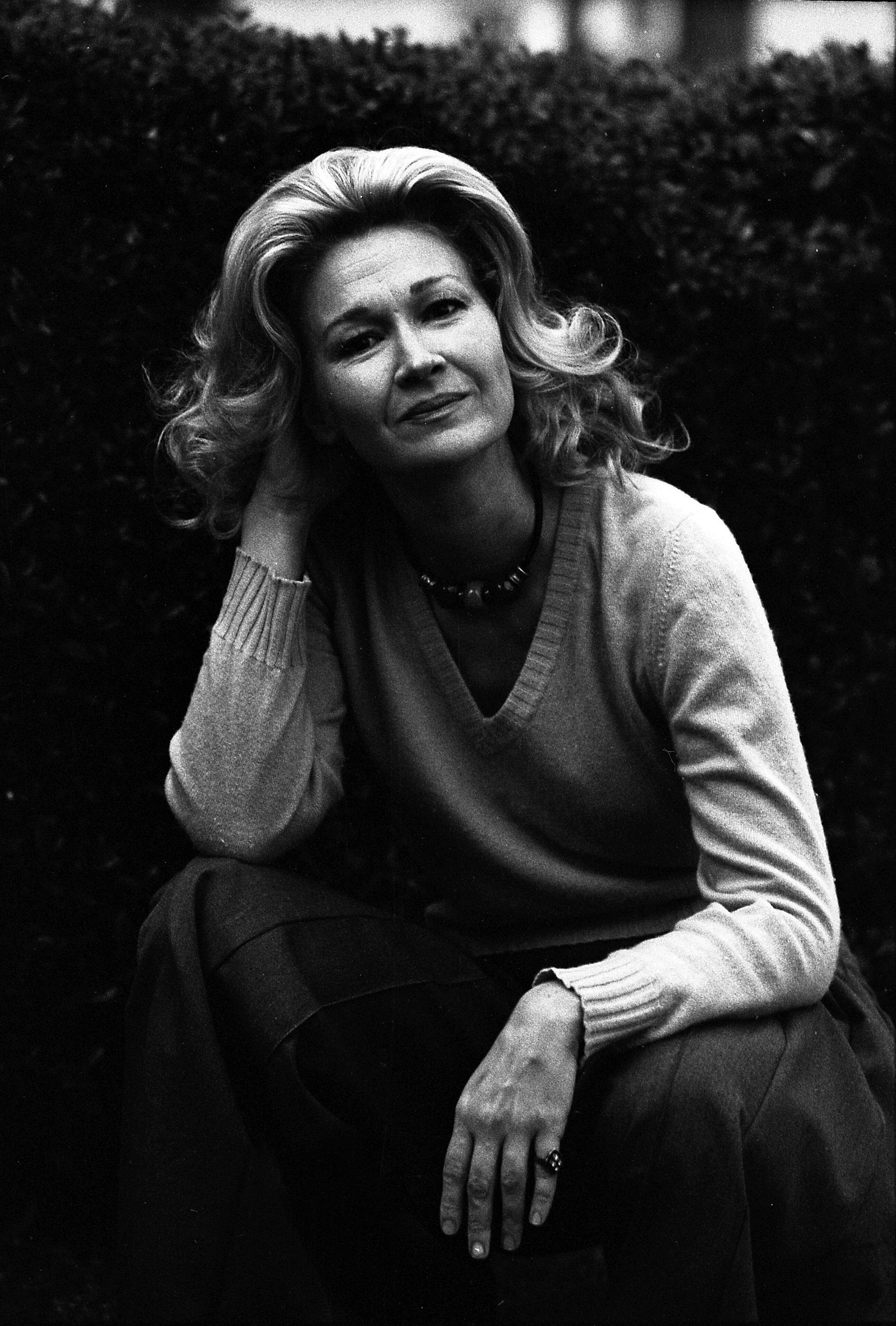
Diane Ladd, who played the role of “Flo” in the 1974 film “Alice Doesn’t Live Here Anymore” was born on November 29, 1935 in Laurel, Mississippi. Image of Ladd in 1975 from Harry Chase, Los Angeles Times • CC BY 4.0 via Wikimedia Commons
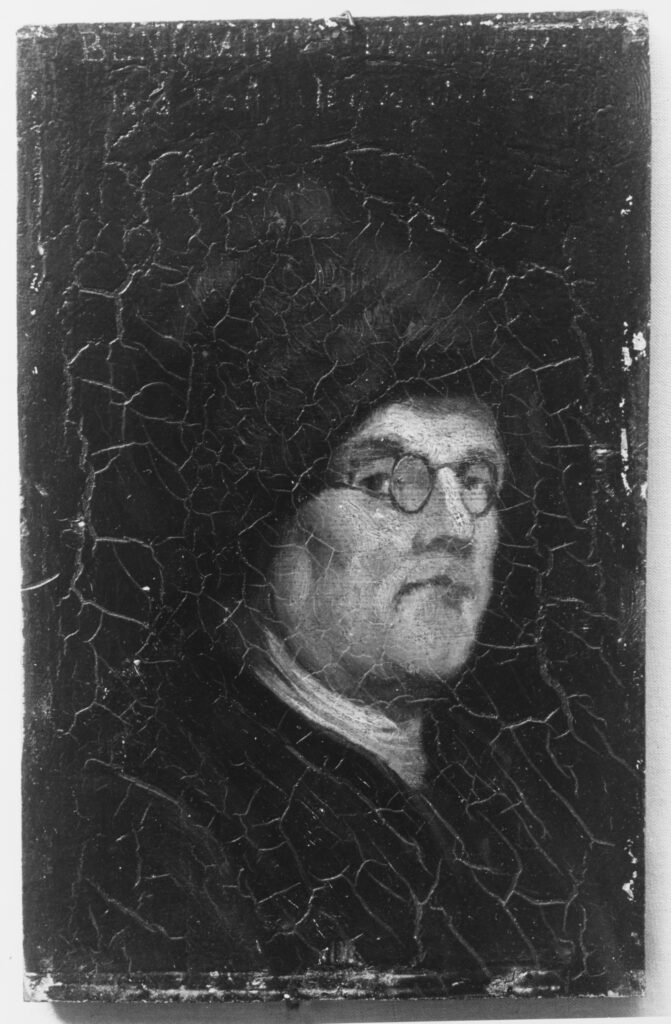
On November 29, 1775, a group created by Second Continental Congress called the “Committee of Secret Correspondence” established its own oath of secrecy.
A precursor to the U.S. State Department, Congress stated that the committee had “the sole purpose of corresponding with our friends in Great Britain and other parts of the world.”
The committee’s most active member was Ben Franklin. He was also one of its original members.
Image via Wikimedia Commons, public domain
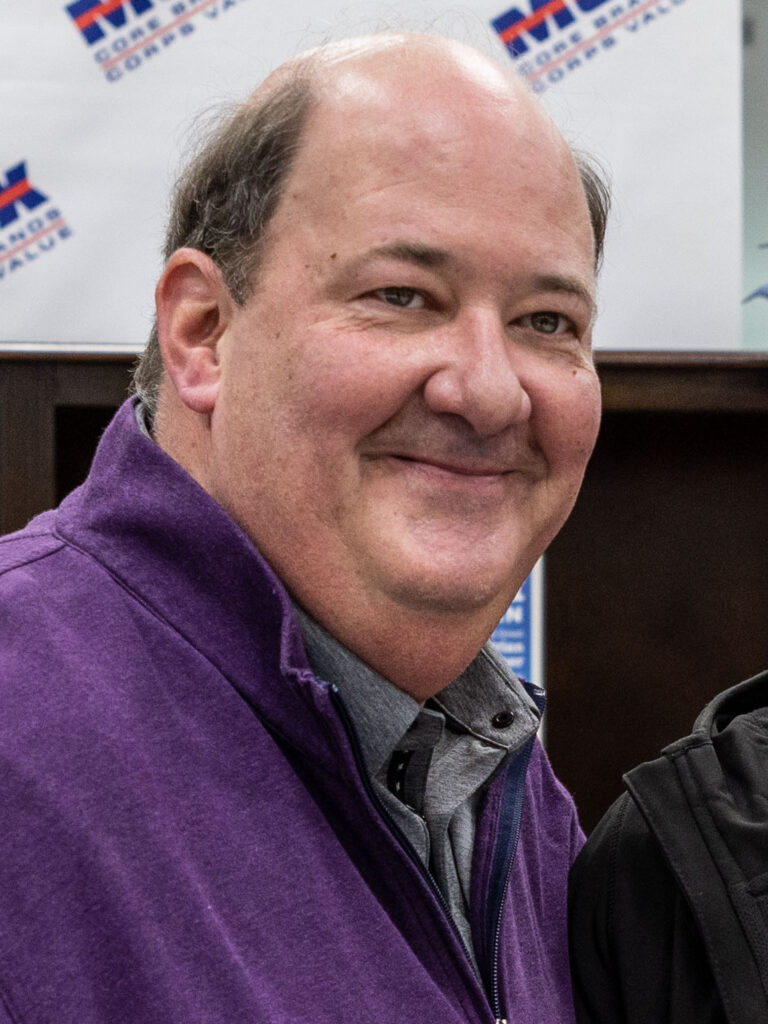
Brian Baumgartner: Born November 29, 1972, in Atlanta
Best known as Kevin Malone from The Office, Brian Baumgartner was born on November 29, 1972, in Atlanta, Georgia. While fans will always remember him for his deadpan delivery and that unforgettable chili scene, Baumgartner has leaned into the joke—publishing Seriously Good Chili Cookbook and proving he’s as passionate about the dish in real life as he was on screen.
Atlanta gave us Coca-Cola, the Braves, and a man who turned accounting into comedy gold. Image via Wikimedia Commons, public domain
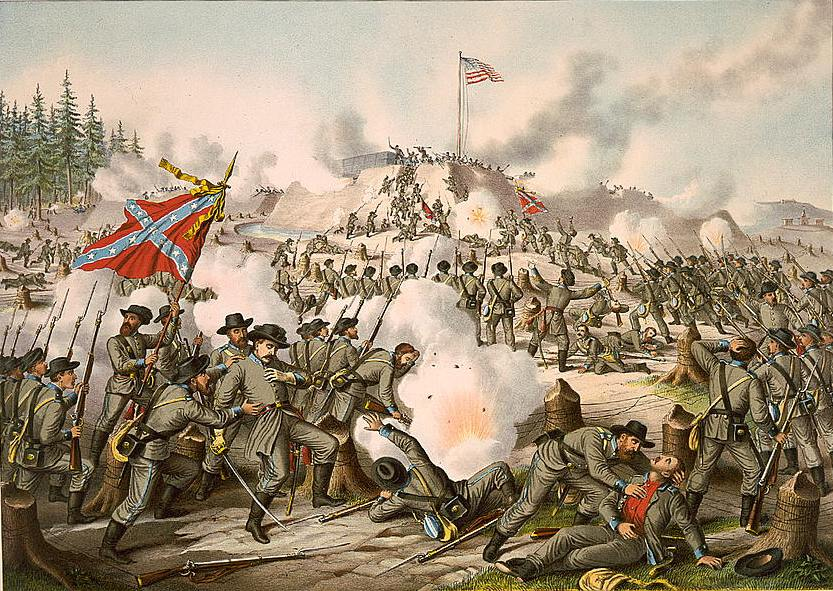
On November 29, 1863, Confederate forces, led by General James Longstreet, are forced to withdraw after attempting a failed attack on Union fortifications at Fort Sanders in Tennessee.
Image via Wikimedia Commons, public domain
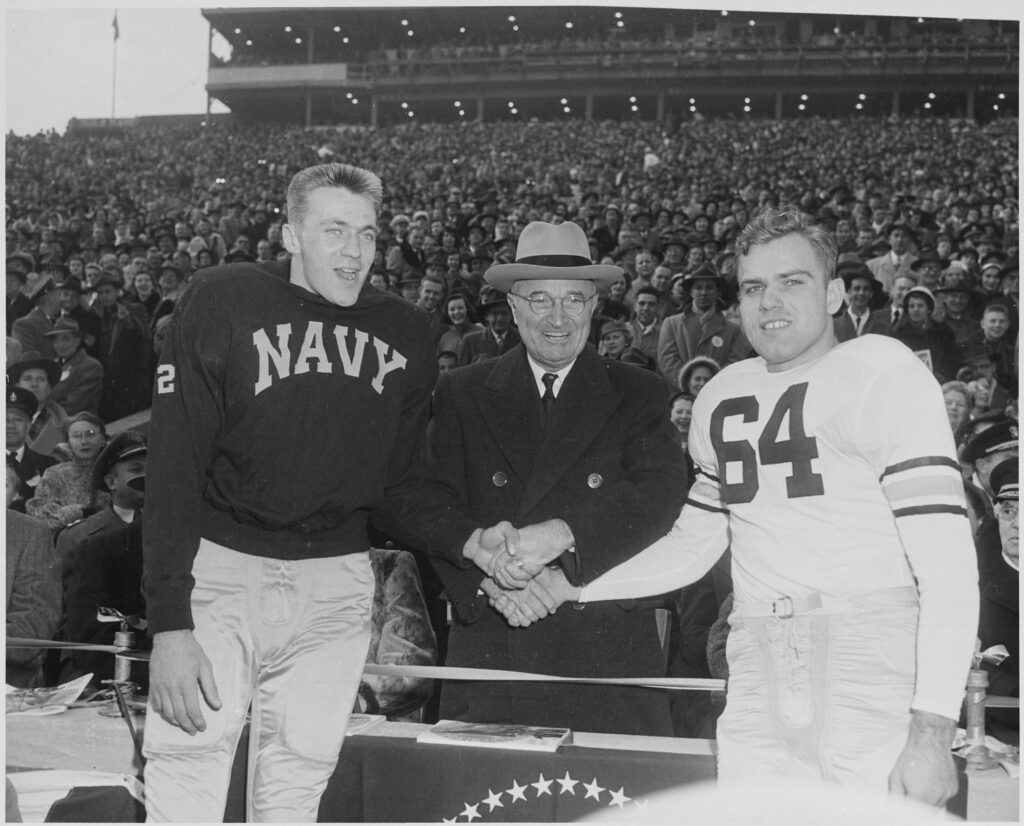
Army-Navy Game, Philadelphia — November 29, 1952
Before kickoff, President Harry S. Truman shook hands with the team captains in a moment of national pageantry and pride.
To Truman’s left stands Navy Captain John Gurski (#2), a three-year letterman who graduated from the U.S. Naval Academy and later served 24 years in the U.S. Air Force, retiring as a Lieutenant Colonel.
To his right is Army Captain Al Paulekas (#64), a standout All-American who graduated from West Point and served as a commissioned officer in the U.S. Army. Paulekas was Army’s first wrestling All-American, placing second in the nation in 1953, winning gold at the 1955 Pan American Games, and earning induction into the Army West Point Hall of Fame in 2014.
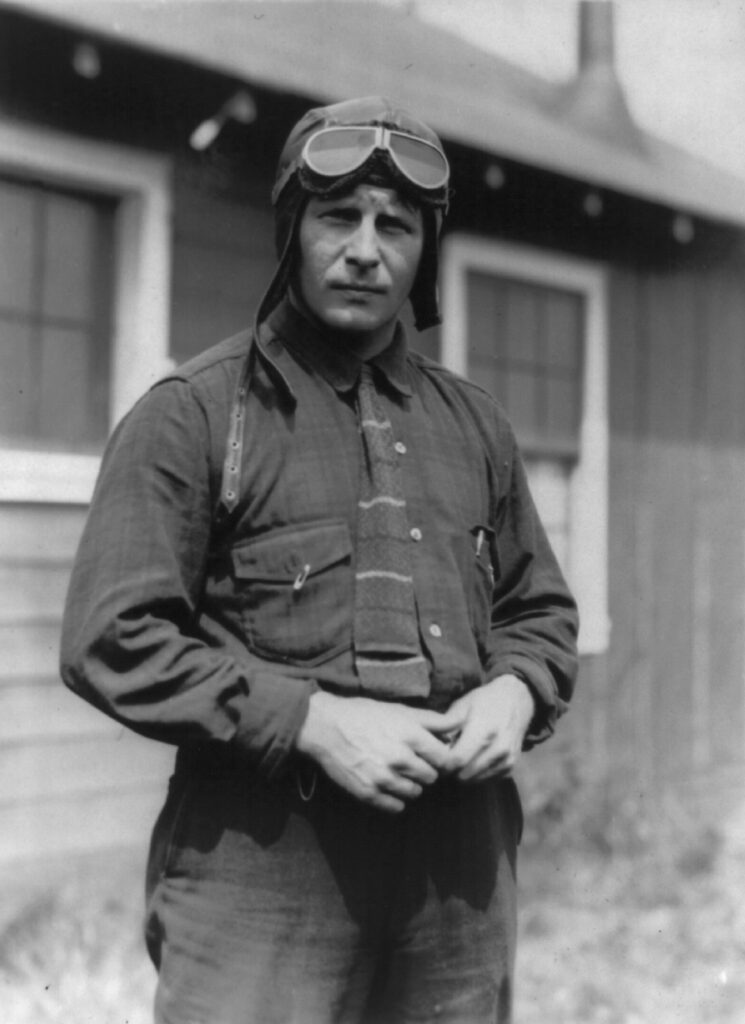
About an hour after midnight on November 29, 1929, Norwegian born Bernt Balchen (shown), chief pilot of a Ford Trimotor plane called the “Floyd Bennett,” along with Commander Richard Byrd and two other crew members, became the first to fly over the South Pole.
A few years later Balchen also became an American citizen and was hired by Amelia Earhart as a technical advisor. Hap Arnold asked Balchen to join the U.S. Army Air Forces during WWII. Balchen accepted the invitation and established secret U.S. airfields in Greenland.
Image of Bernt Balchen in 1929 via Wikimedia Commons, public domain
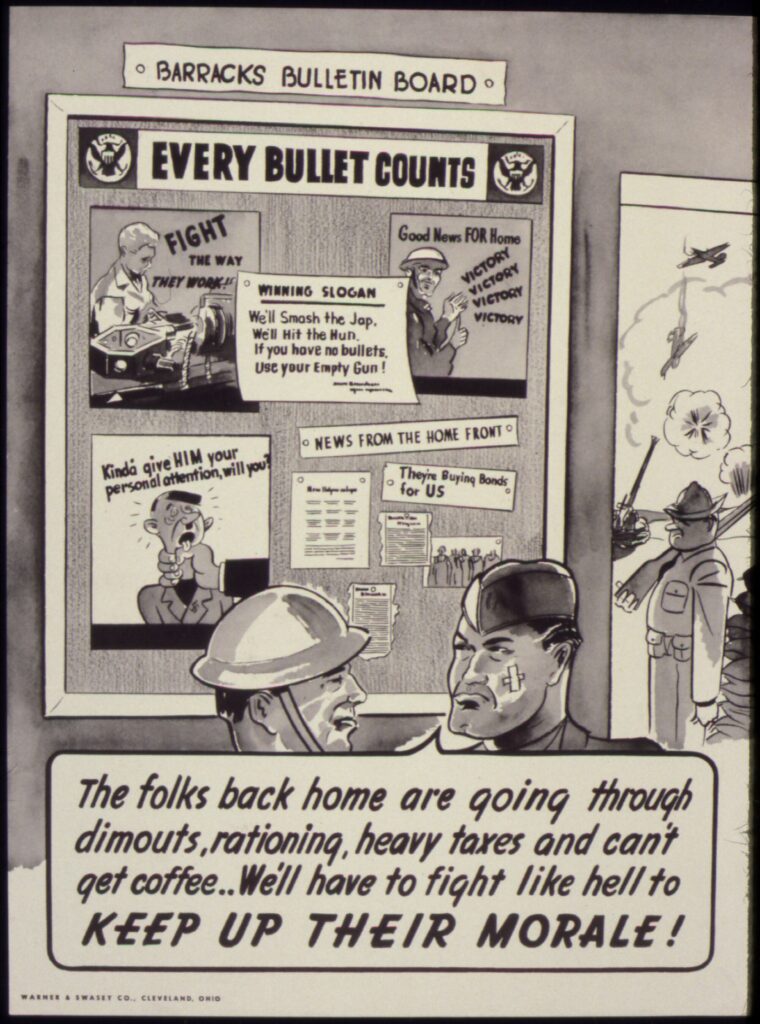
The folks back home are going through dimouts, rationing, heavy taxes and can’t get coffee… We’ll have to fight like hell to keep up their morale!
Coffee rationing in the U.S. began on November 29, 1942.
Image via Wikimedia Commons, public domain
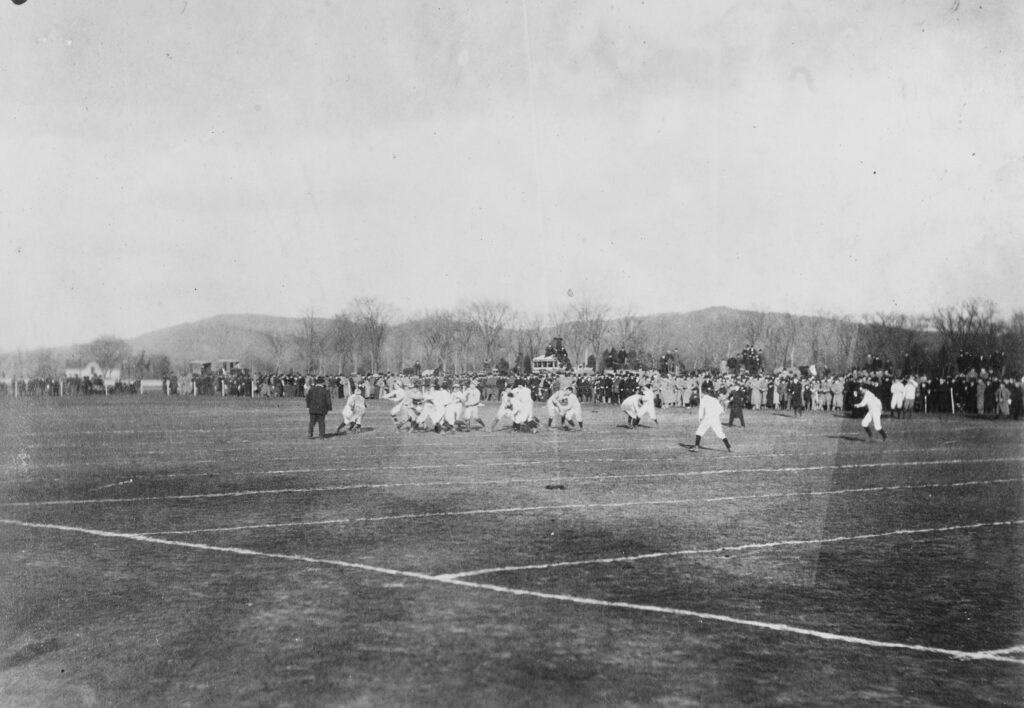
The first Army-Navy football game took place on November 29, 1890.
Image believed to be from that first game in 1890 via Wikimedia Commons, public domain
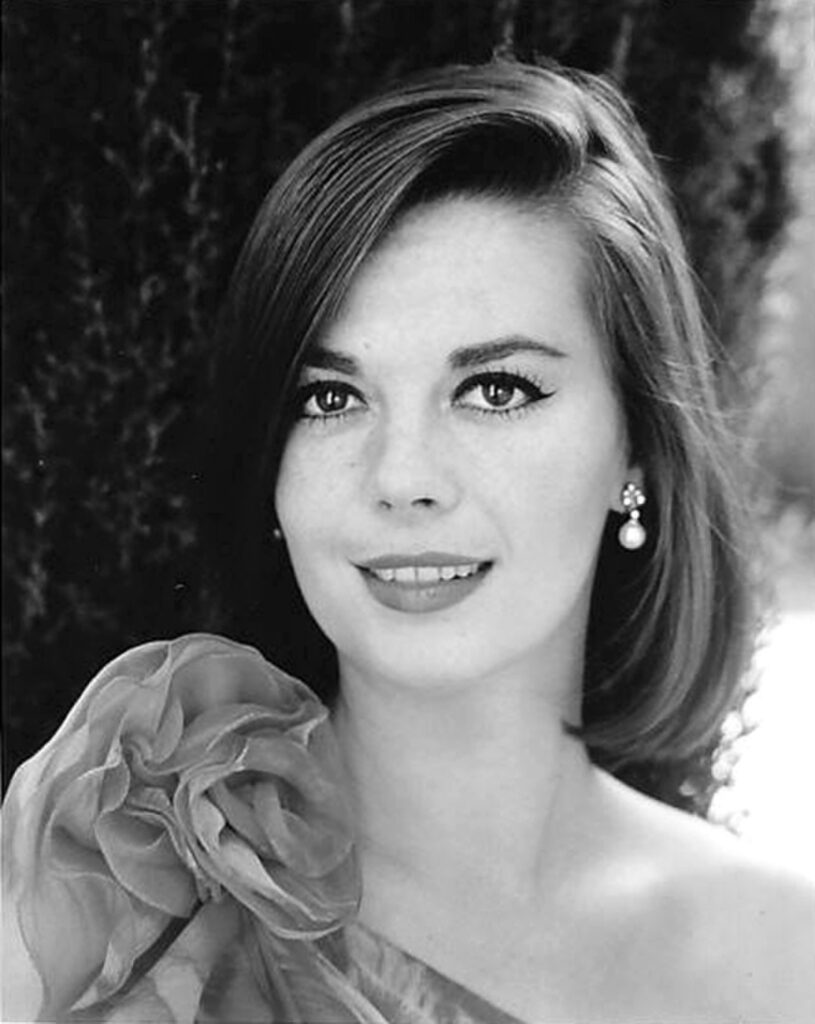
On November 29, 1981, authorities discovered the body of American actress Natalie Wood who died off Santa Catalina Island in California.
She was 43.
Image via Wikimedia Commons, public domain
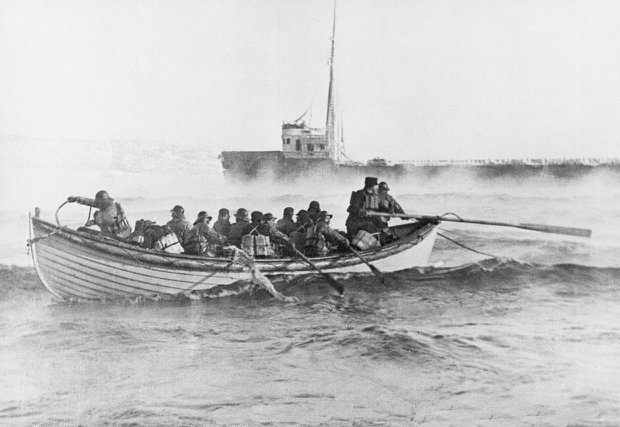
November 29, 1905 — With the SS Mataafa split and stranded just 250 yards from Duluth’s shore, the U.S. Life-Saving Service rowed into a gale to rescue 15 crewmen from the bow. Nine others, trapped in the flooded stern, perished. The storm that claimed them would bear the ship’s name — and reshape Great Lakes rescue history.
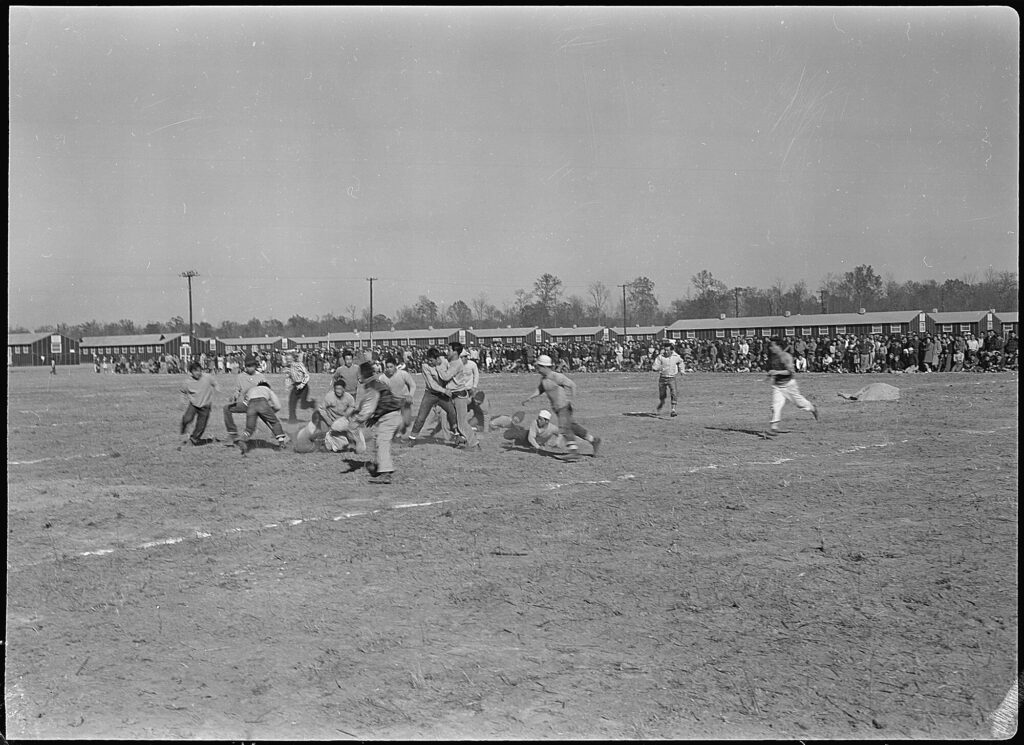
Football Game at Jerome Relocation Center, Arkansas — November 29, 1942
In the shadow of wartime confinement, Japanese American incarcerees gather on a dusty field to play football—an act of resilience, camaraderie. The Jerome Relocation Center, one of ten War Relocation Authority camps, held over 8,000 people forcibly removed from their homes. Amid rows of barracks and watchful eyes, this game offered a rare moment of joy and community, echoing the American spirit even in exile.
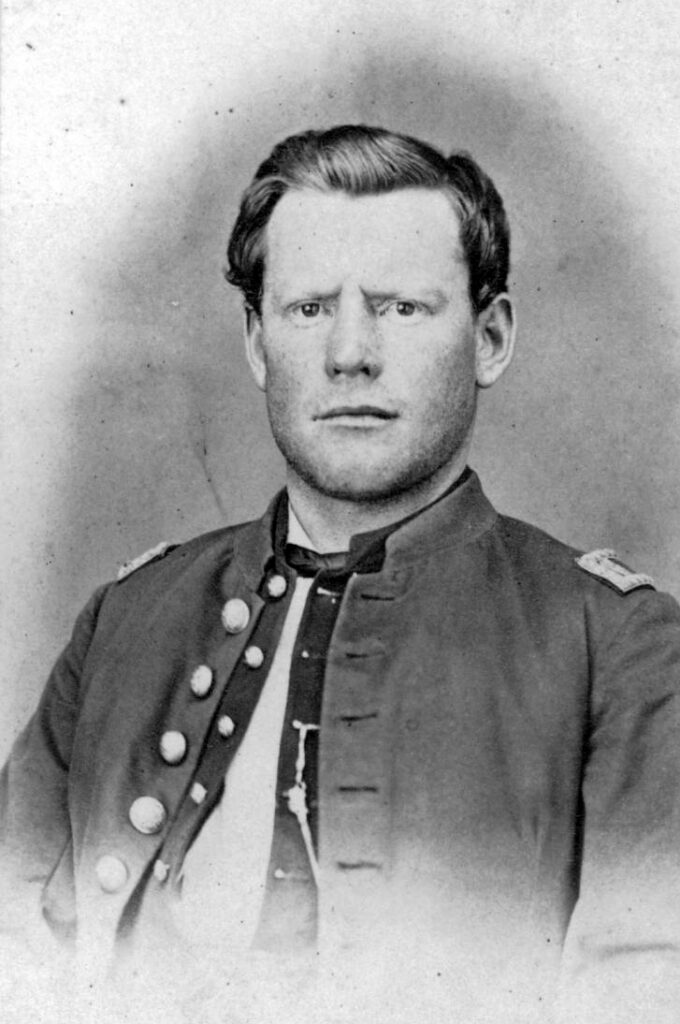
Captain Silas Soule (1838–1865)
A rare voice of conscience during the Indian Wars, Soule refused to participate in the Sand Creek Massacre on November 29, 1864, where over 230 Cheyenne and Arapaho—mostly women and children—were slaughtered by U.S. troops. He later testified against Colonel John Chivington, exposing the atrocity before military investigators. Just months later, Soule was murdered in Denver—likely in retaliation for his stand. His legacy endures as a symbol of ethical resistance within a brutal chapter of American history.
