
The Divided Colonists
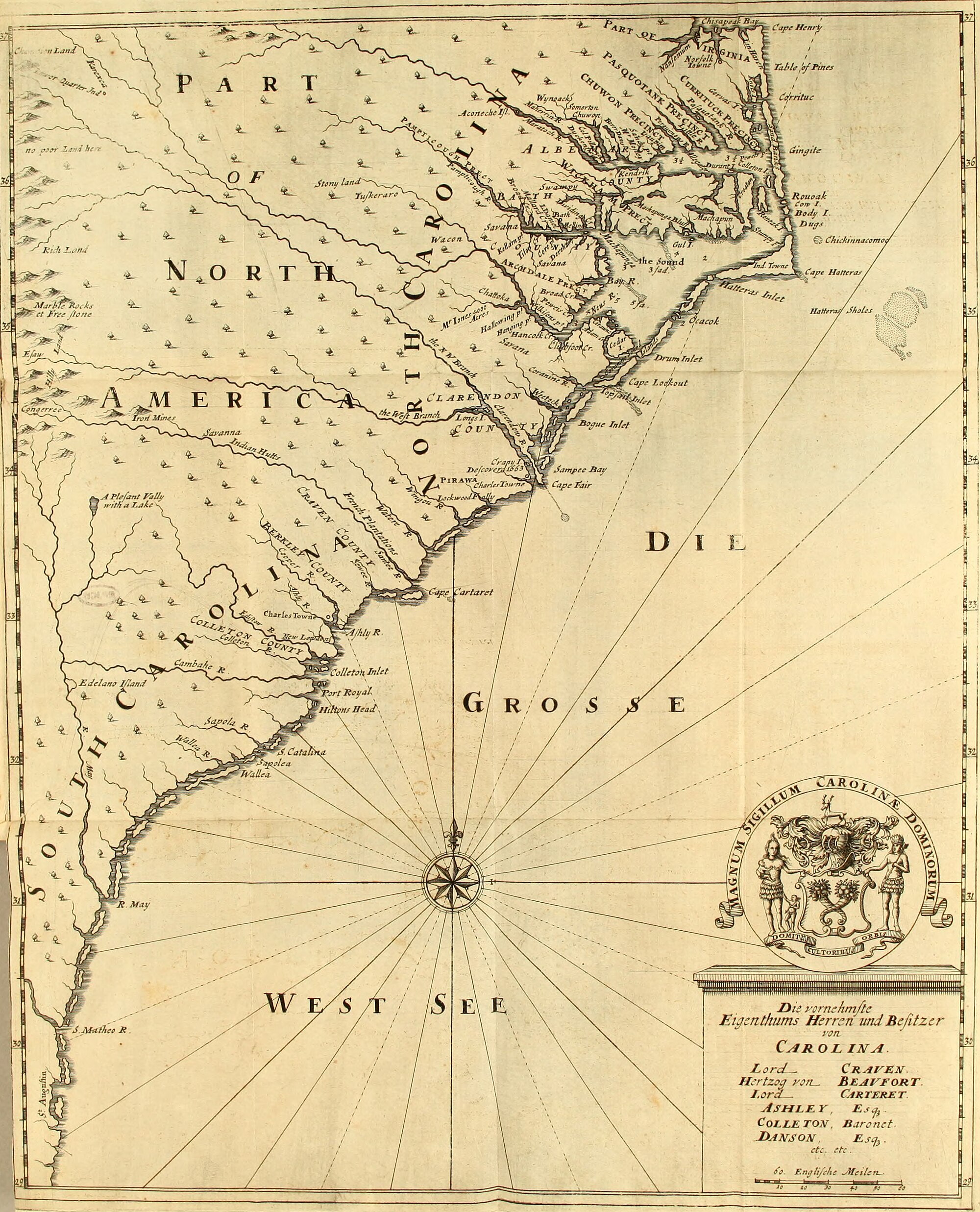
While the formal division of the Carolina territory occurred on May 9, 1712, the split was driven by a stark cultural divide that had grown for decades: the southern settlement was dominated by wealthy, aristocratic planters from Barbados, while the northern region was largely populated by independent-minded former indentured servants and tobacco farmers who resented the distant rule from Charleston.
Image: Map view of North & South Carolina from a travel journal c. 1712 via Wikimedia Commons, public domain
The Superstitious Snake
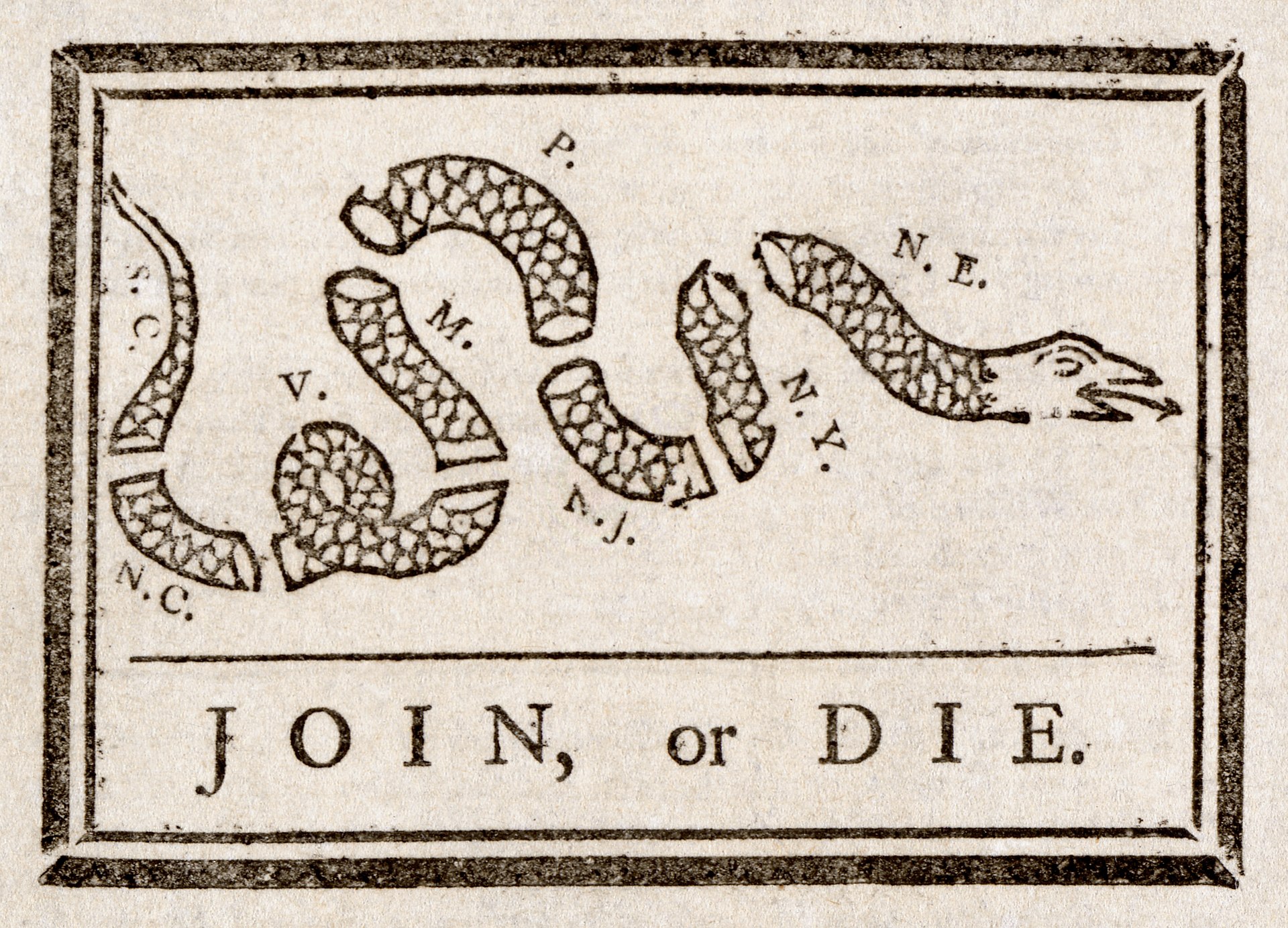
Ben Franklins political cartoon Join, Or Die was first published on May 9, 1754, and while it was widely circulated during the American Revolution, its debut occurred during the French and Indian War; Franklin chose the severed snake to invoke a popular folk superstition claiming that a snake cut into pieces could come back to life if the parts were rejoined before sunset.
Image via Wikimedia Commons, public domain
The Teenage Avenger
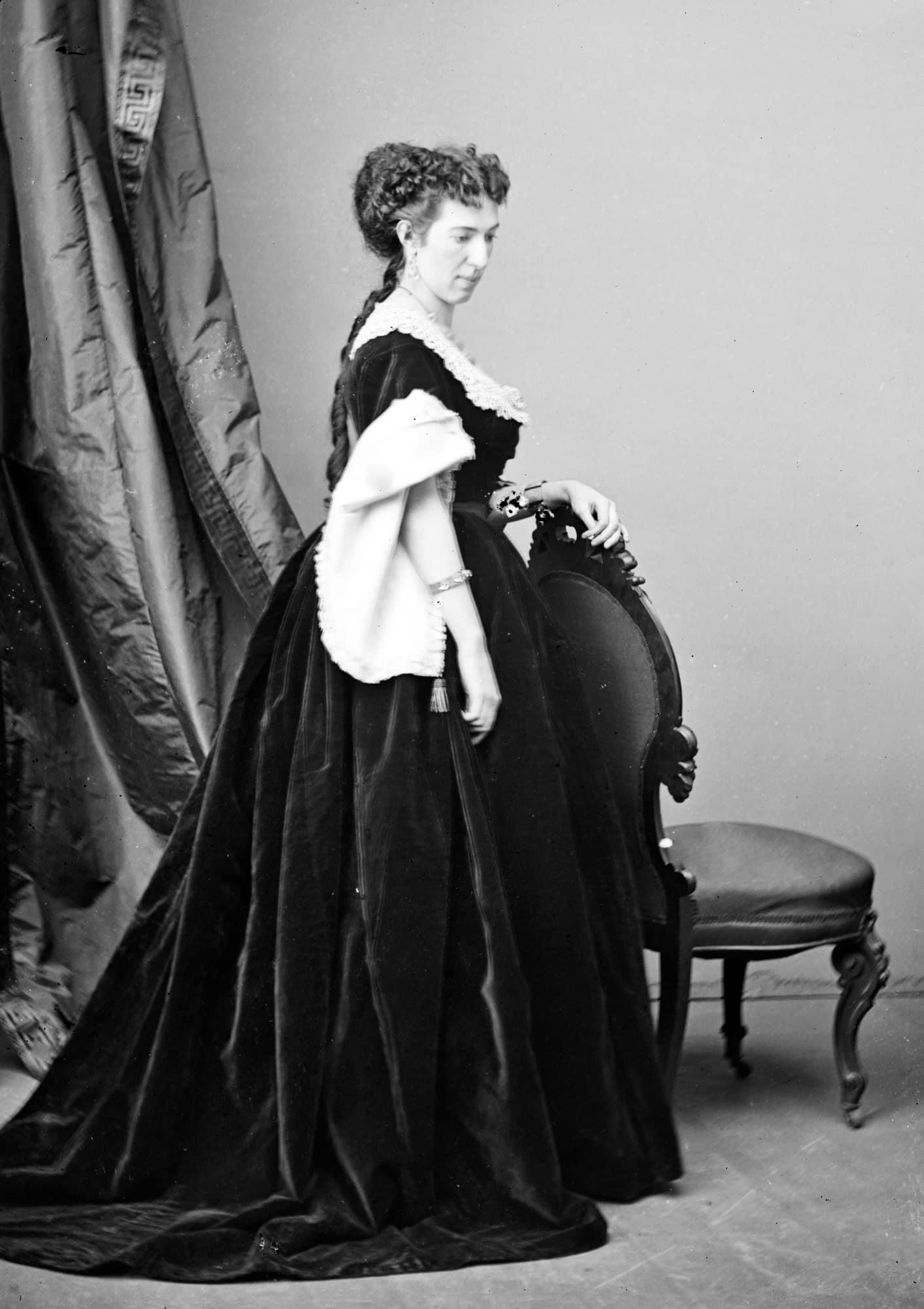
Belle Boyd, born on May 9, 1844, stepped into Civil War legend as a teenager. At seventeen, she shot a Union soldier during a confrontation in her family’s Martinsburg home; a military inquiry ruled the act justified, and she emerged unpunished. In the months that followed, Boyd used her social access and boldness to gather and pass information to nearby Confederate officers—intelligence that would eventually reach Stonewall Jackson during his Valley Campaign.
Image via Wikimedia Commons, public domain
The Unpaid Lawman
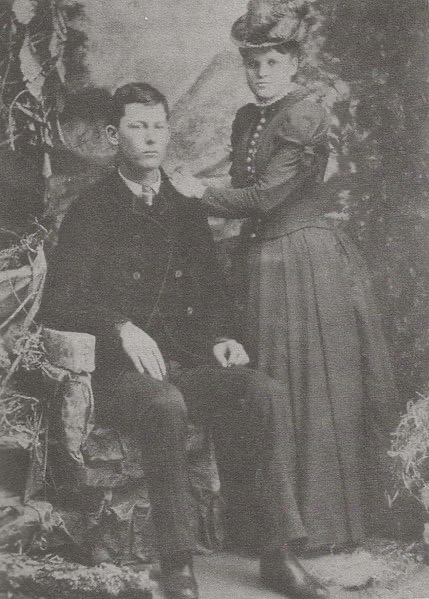
When Bob Dalton sat for his portrait on May 9, 1889, he was still a respected Deputy U.S. Marshal; historians believe his sudden pivot to outlaw life shortly after this photo was triggered not by greed, but by the Department of Justice failing to pay him the wages he was owed for his dangerous police work.
Image via Wikimedia Commons, public domain in the US
The Child’s Oath
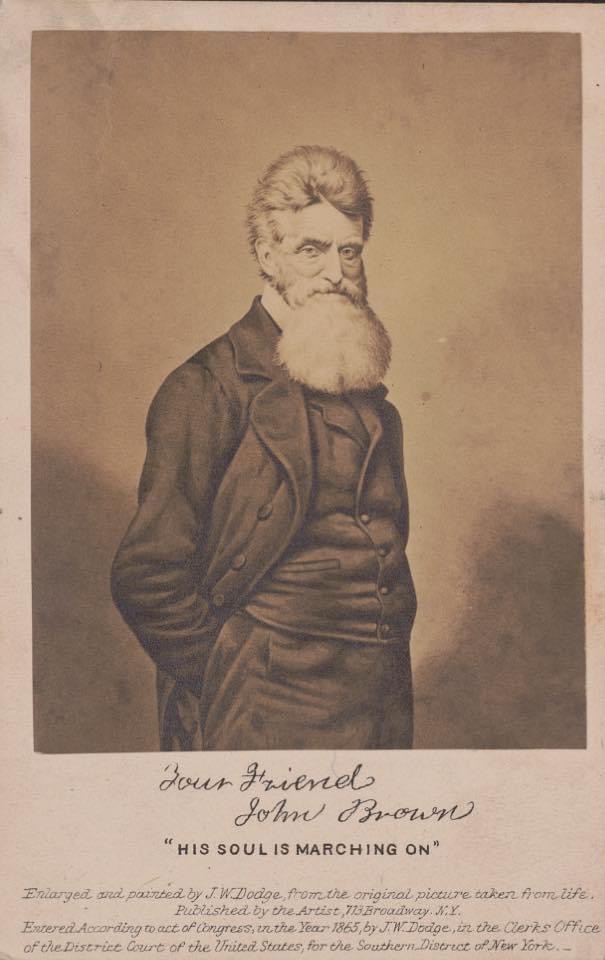
Born on May 9, 1800, in the hills of Torrington, Connecticut, John Brown carried a memory from childhood that never released its grip. At twelve, he witnessed a young enslaved boy—his friend—struck across the face with an iron shovel. The cruelty was so stark, so intimate, that Brown later said it marked him for life. In that moment, he swore what he called an “eternal war with slavery.”
That vow shaped every year that followed. It hardened into conviction, then into action, and finally into the uncompromising abolitionist the nation came to know—one who believed that slavery was a sin so grave it demanded resistance at any cost.
On the morning of his execution in 1859, standing at the edge of a scaffold in Charles Town, Brown looked out over the Virginia landscape and offered a final, quiet observation:
“This is a beautiful country.”
It was the last line of a life defined by a promise made as a child—and kept to the end.
Image via Library of Congress, no known restrictions
The River Crossing Submarine
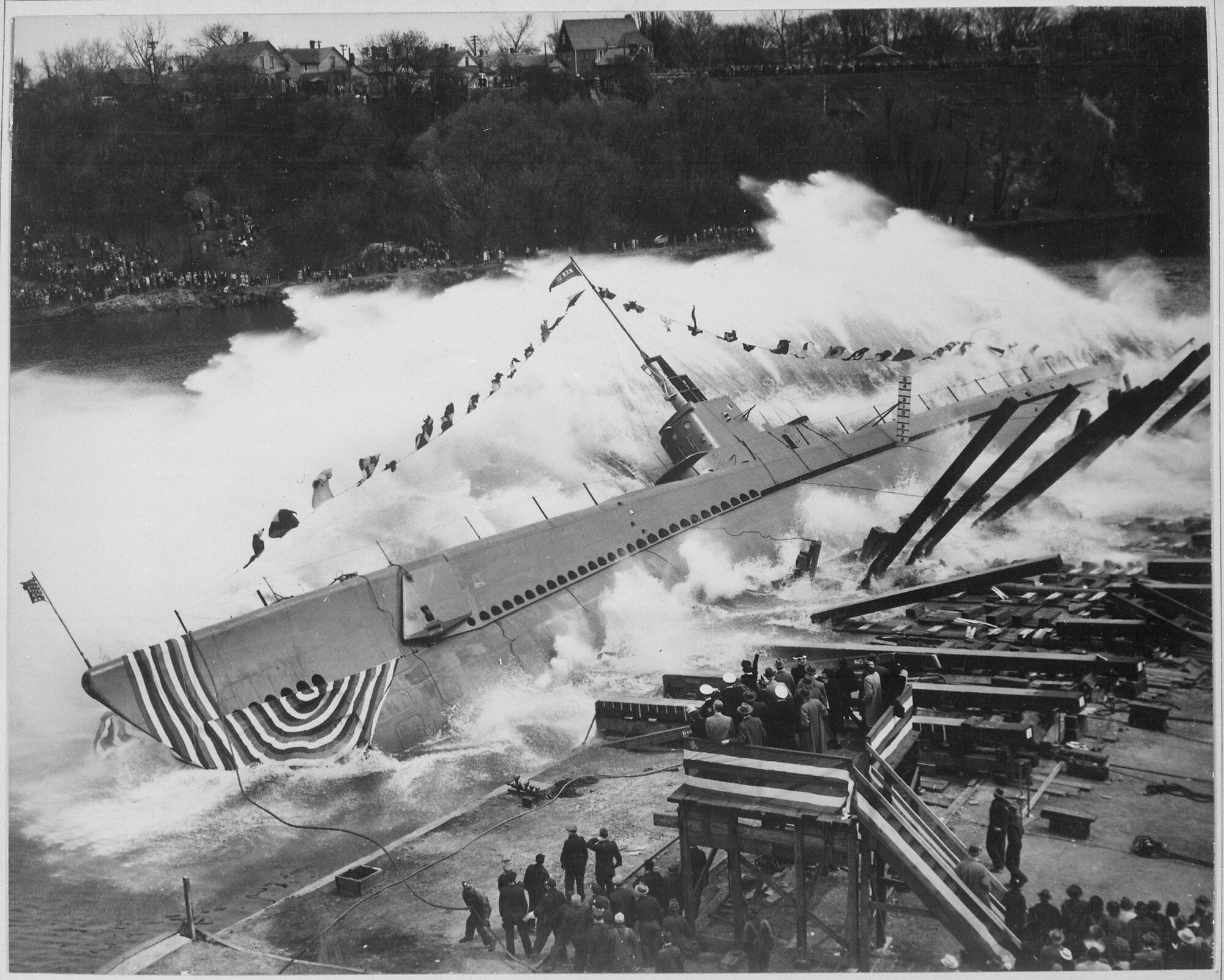
The USS Robalo was launched on May 9, 1943, and because Manitowoc was located on the Great Lakes, the submarine had to be transported to the ocean on a special floating dry dock designed to navigate the narrow locks and shallow waters of the Illinois and Mississippi Rivers before reaching the Gulf.
Image via Wikimedia Commons, public domain
The Return of a Lost Classic
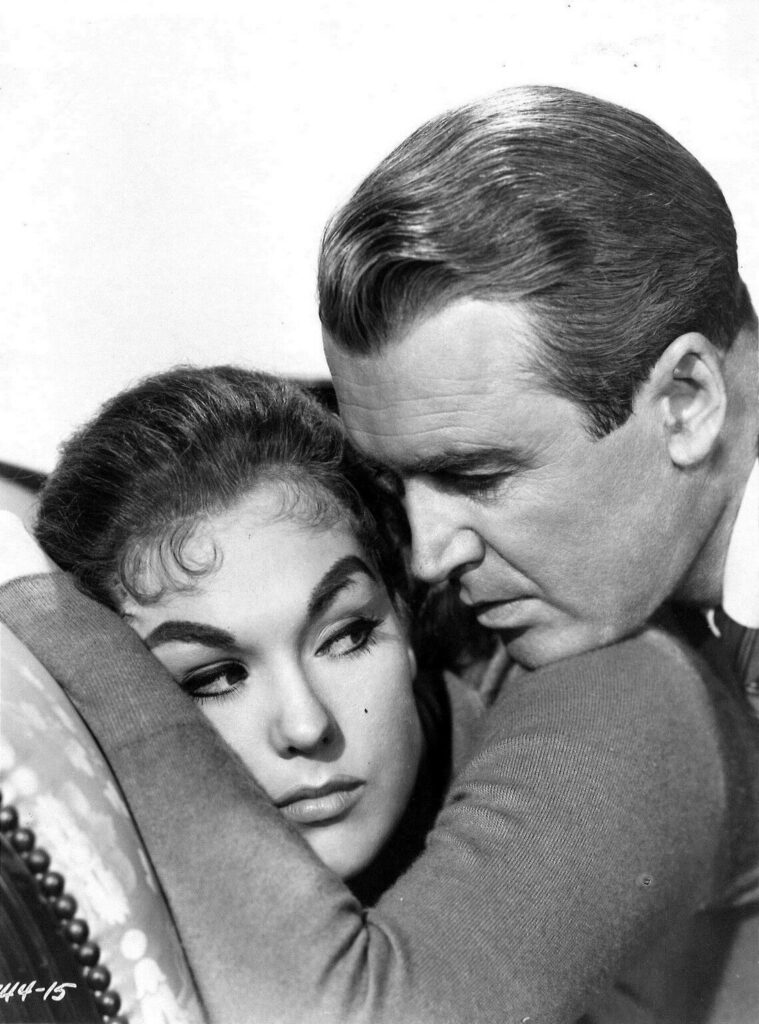
When Vertigo premiered in San Francisco on May 9, 1958, audiences and critics greeted it with surprising indifference. Reviews were cool, the box office modest, and the film slipped quietly into the middle of Hitchcock’s career rather than the top of it. Rights issues later kept it out of circulation for years, but when it returned in the 1980s—newly restored and newly reconsidered—it emerged as something far larger than its debut suggested: a hypnotic, unsettling masterpiece that would eventually be ranked among the greatest films ever made.
Image: Kim Novak & James Stewart from the film Vertigo (1958) via Wikimedia Commons, public domain
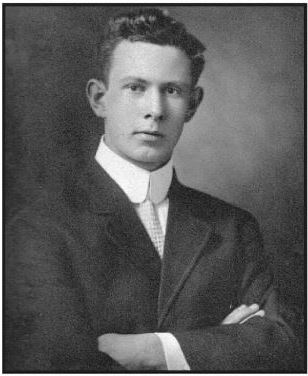
William Moulton Marston (born May 9, 1893) was a Harvard‑trained psychologist who believed the world needed a hero who could triumph through truth rather than force. A pioneer in deception research, he developed the systolic blood‑pressure deception test, a breakthrough that became a foundational element of the modern polygraph. Marston carried this fascination with truth into the realm of comics: when he created Wonder Woman, he equipped her with the Lasso of Truth, a fictional counterpart to his scientific work — a device that compelled honesty just as his early lie‑detection methods sought to reveal it.
Image via Wikimedia Commons, public domain
The Irony of Confidence
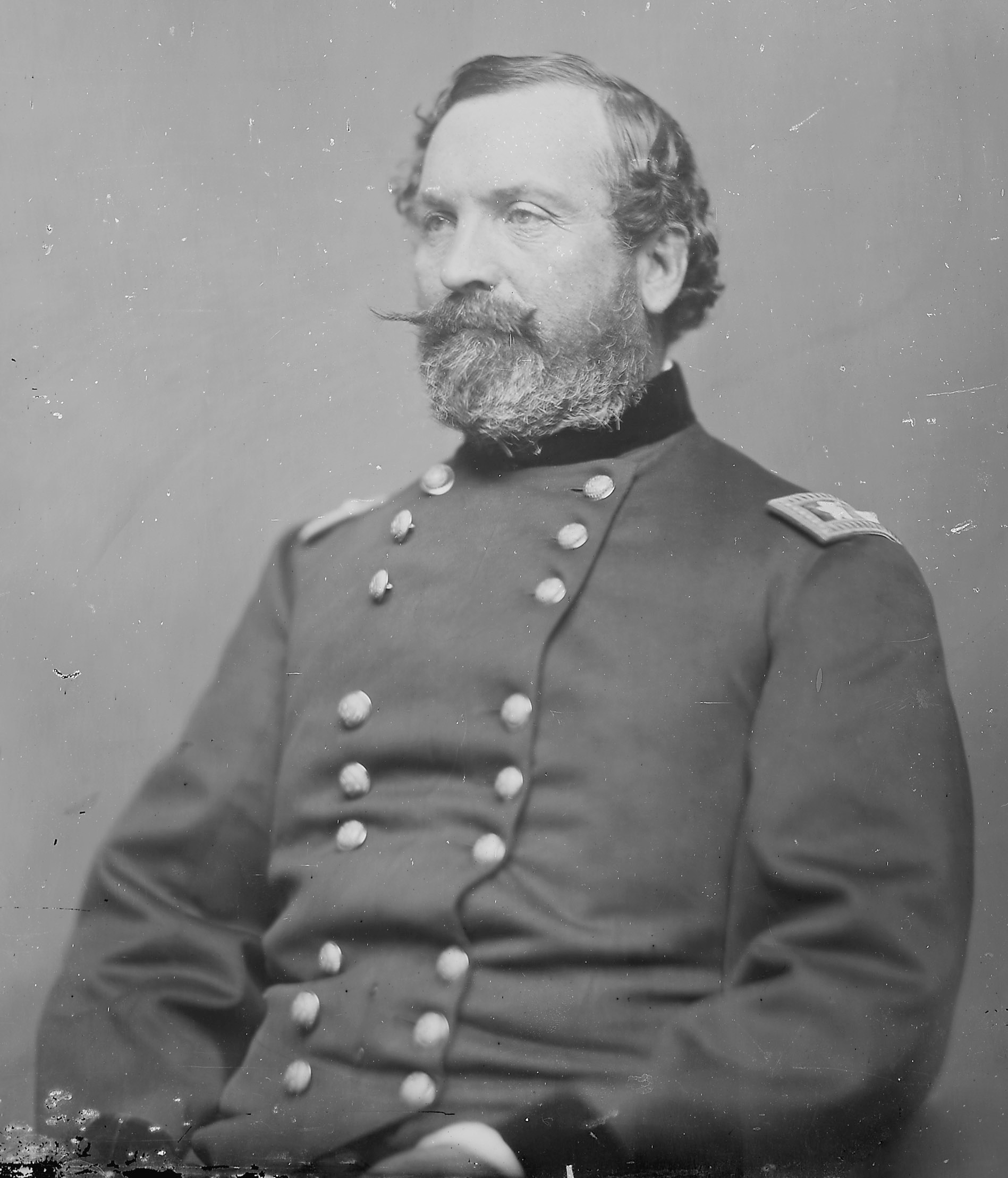
Major General John Sedgwick, one of the Army of the Potomac’s most trusted corps commanders and a veteran of campaigns from the Peninsula to Gettysburg, was killed on May 9, 1864, while steadying his men at Spotsylvania. Confederate sharpshooters were firing from the distant tree line, and Sedgwick—irritated that his seasoned troops were ducking—stepped into the open to reassure them the marksmen were too far away to be dangerous. Several witnesses later recalled him saying something to the effect that the enemy “couldn’t hit us at this distance,” a moment that entered legend as the famous “elephant” line. Seconds later, a single bullet struck him beneath the left eye, ending the career of a commander his soldiers affectionately called “Uncle John.”
Image via Wikimedia Commons, public domain in the US.
The War Room General Store
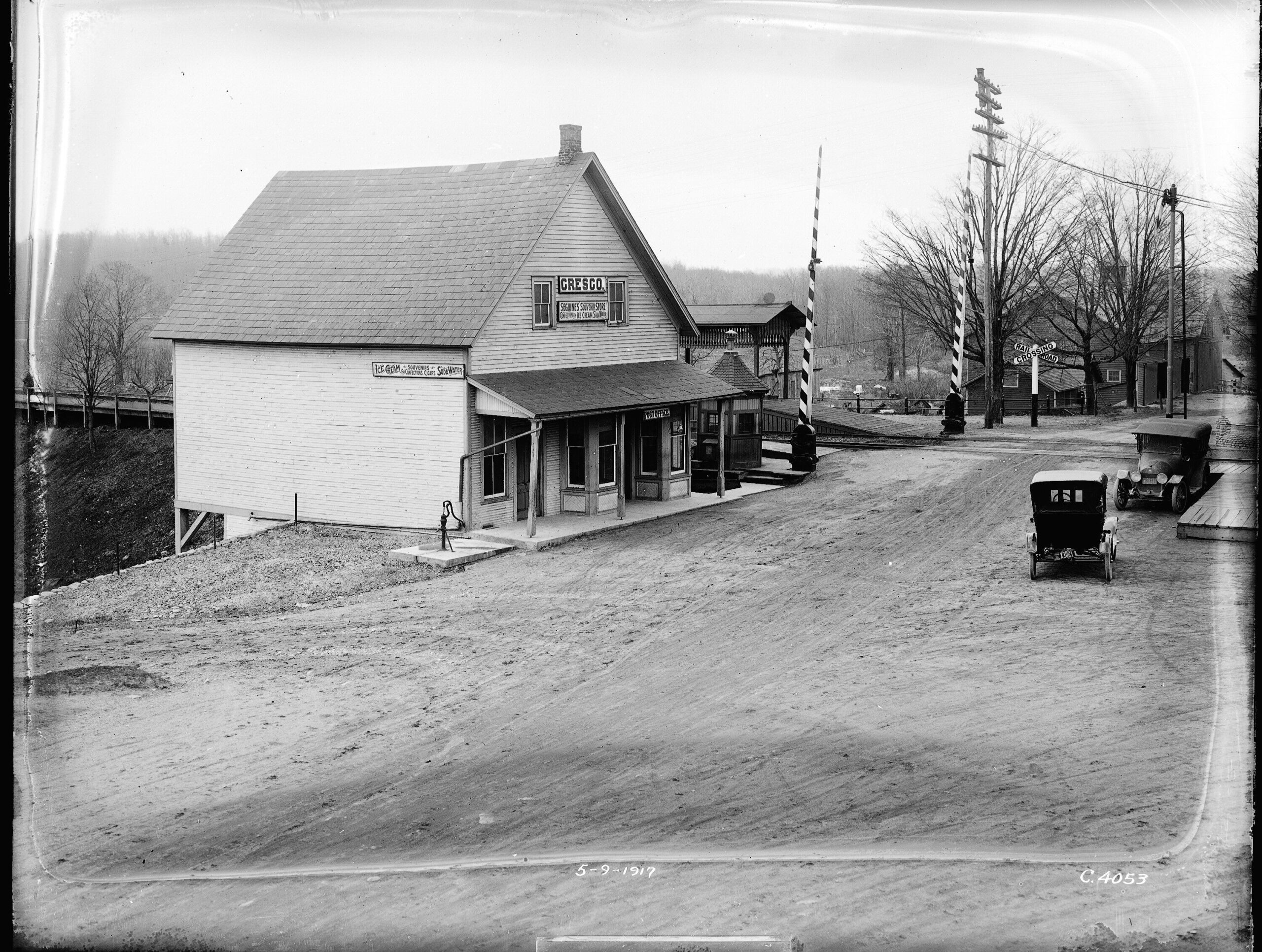
On May 9, 1917, just weeks after the United States entered World War I, rural hubs like the Seguines Souvenir Store in Cresco became critical information centers where locals would gather daily not just for supplies, but to get news from the post office inside about the mobilization of their sons and neighbors.
Image via Wikimedia Commons, public domain in the US.
The Soap Opera Journalist
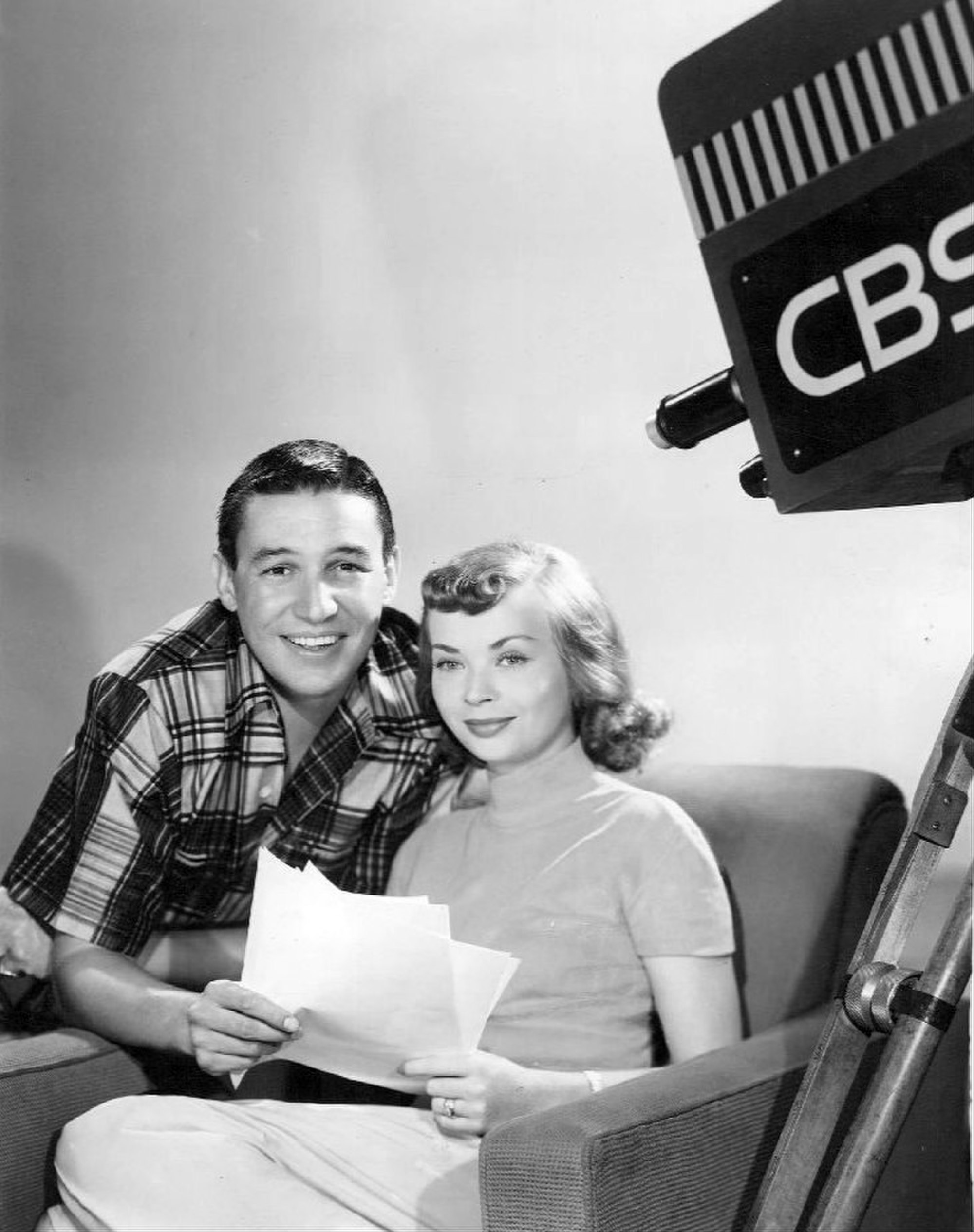
Long before he became the feared inquisitor of “60 Minutes,” Mike Wallace, born on May 9, 1918, used his voice for a completely different purpose: he was a radio actor for “The Green Hornet” and a pitchman for cigarette commercials, a career path he later viewed as “sell-out” work.
Image c. 1951 via Wikimedia Commons, public domain in the US.
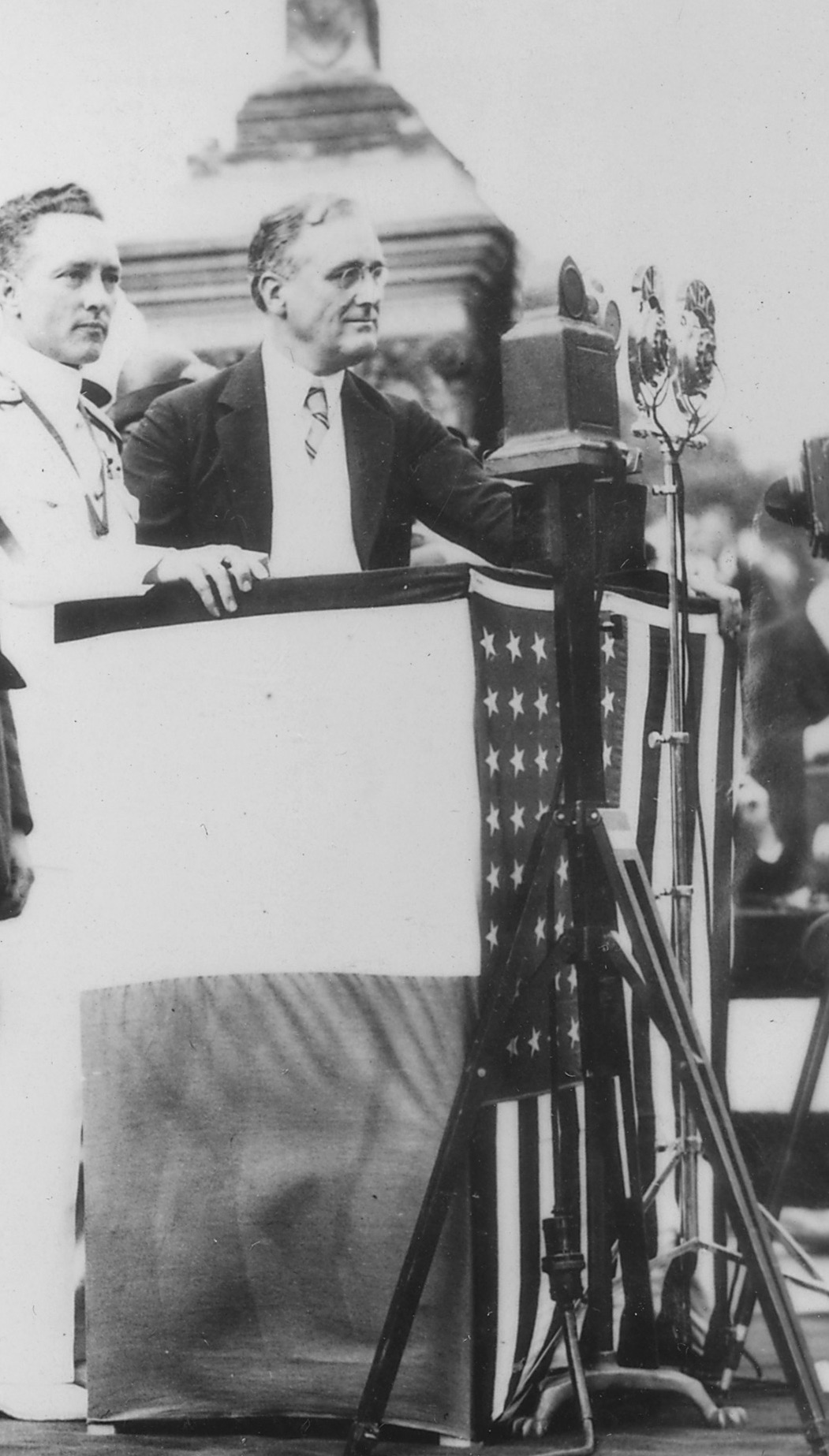
The Secret of the Pole
Richard E. Byrd was celebrated as a hero for his flight over the North Pole on May 9, 1926, alongside aviator Floyd Bennett. However, the discovery of his personal diary decades later cast a shadow over the feat; the notebook contained erased sextant readings and notes suggesting he may have turned back 150 miles short of the pole due to an oil leak, a secret he took to his grave.
Image: Richard E. Byrd with Franklin D. Roosevelt in 1930 via Wikimedia Commons, public domain in the US.
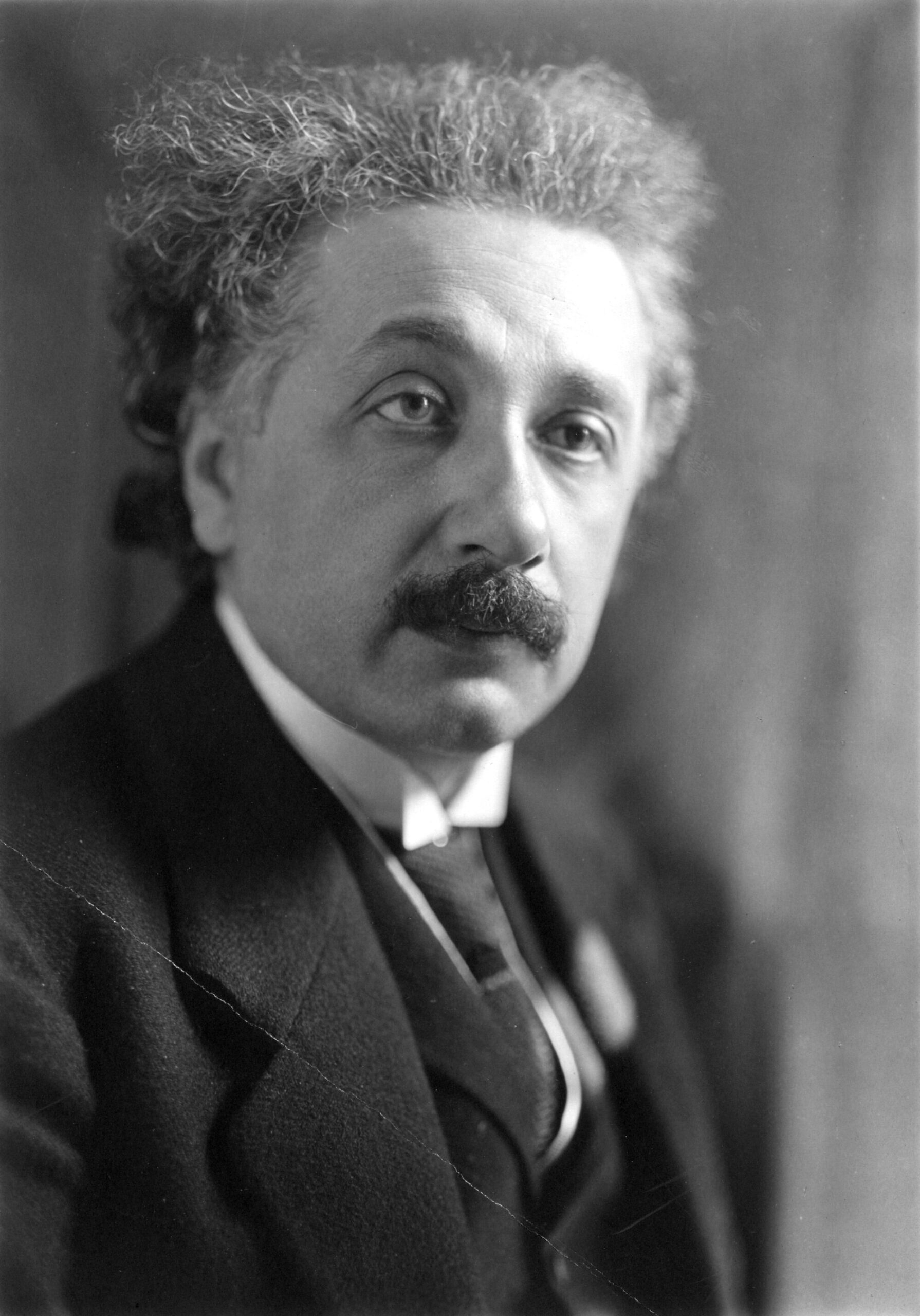
The Columbus of Science
When Albert Einstein received his honorary degree from Princeton on May 9, 1921, the Dean of the Graduate School introduced him not just as a physicist, but as a “Columbus of science” who was “voyaging through strange seas of thought alone,” a poetic tribute that cemented his celebrity status in America.
Image of Einstein in 1921 via Wikimedia Commons, public domain in the US.
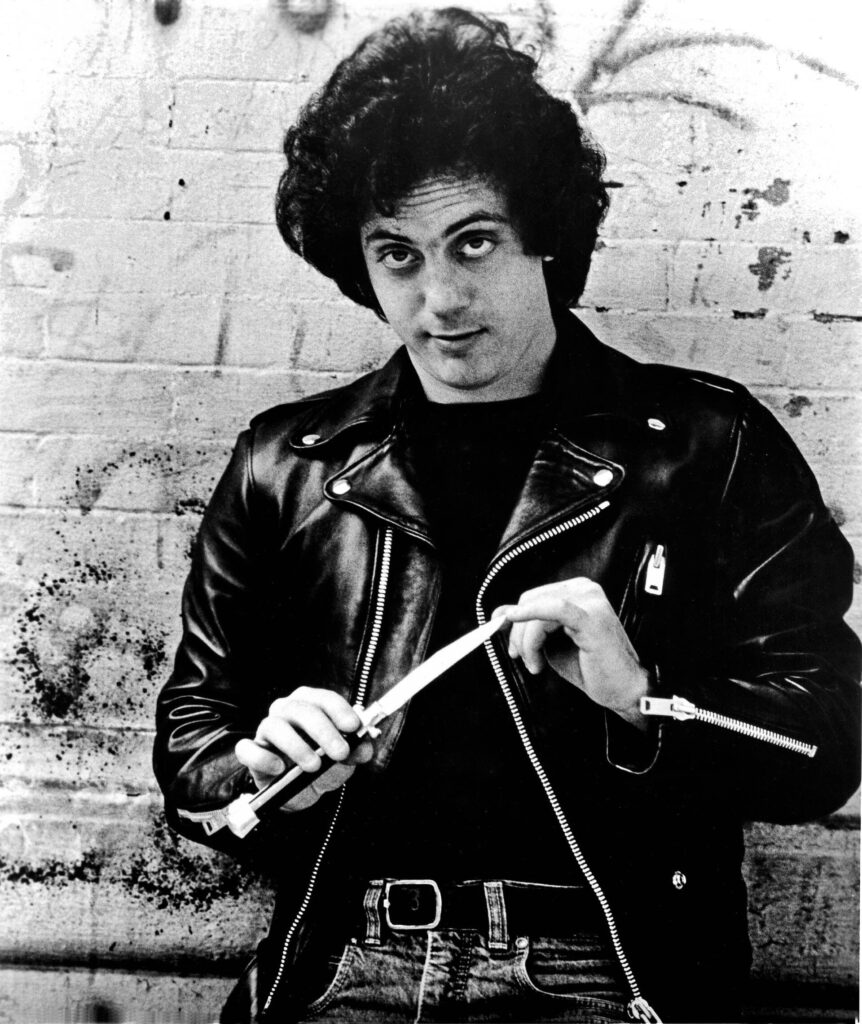
The Piano Man’s Beginning
Billy Joel was born on May 9, 1949, in the Bronx. Before he became the “Piano Man” selling out stadiums worldwide, he was a teenage boxer who won 22 bouts on the amateur circuit—a pugilistic background that perhaps explains the fighting spirit in songs like “Movin’ Out” and “Big Shot.”
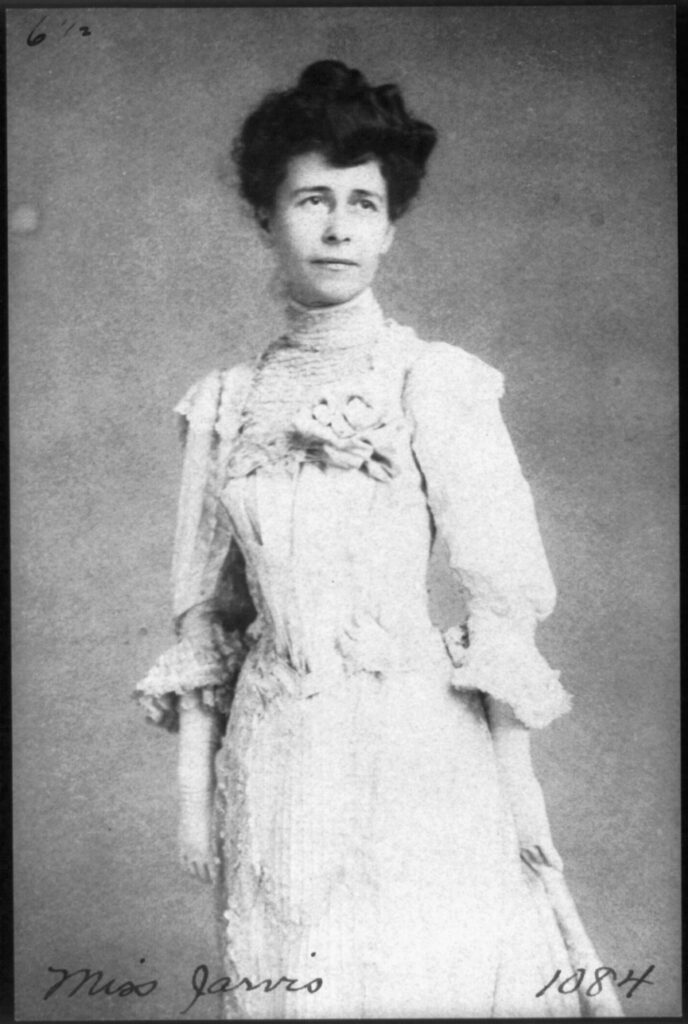
The Mother of Mother’s Day
On May 9, 1914, President Woodrow Wilson signed the proclamation that fixed the second Sunday in May as Mother’s Day, carrying the work of West Virginian Anna Jarvis from a small church in Grafton to the highest office in the nation. Jarvis had imagined a quiet observance—white carnations, handwritten letters, and a day set aside to honor the women who held families and communities together.
But the holiday’s immediate commercial success left her shaken. As florists, confectioners, and card companies rushed to claim the day, Jarvis fought back with the same intensity that had built the movement: drafting letters, organizing boycotts, and confronting organizations she believed were exploiting the meaning of the occasion. At a Philadelphia mothers’ convention, she was even removed from the hall after protesting the sale of carnations she felt had been stripped of their purpose.
By the end of her life, Jarvis had spent much of her inheritance trying to defend the holiday she created—an American observance born from devotion, and one its founder never stopped trying to protect.
The Vast Wasteland
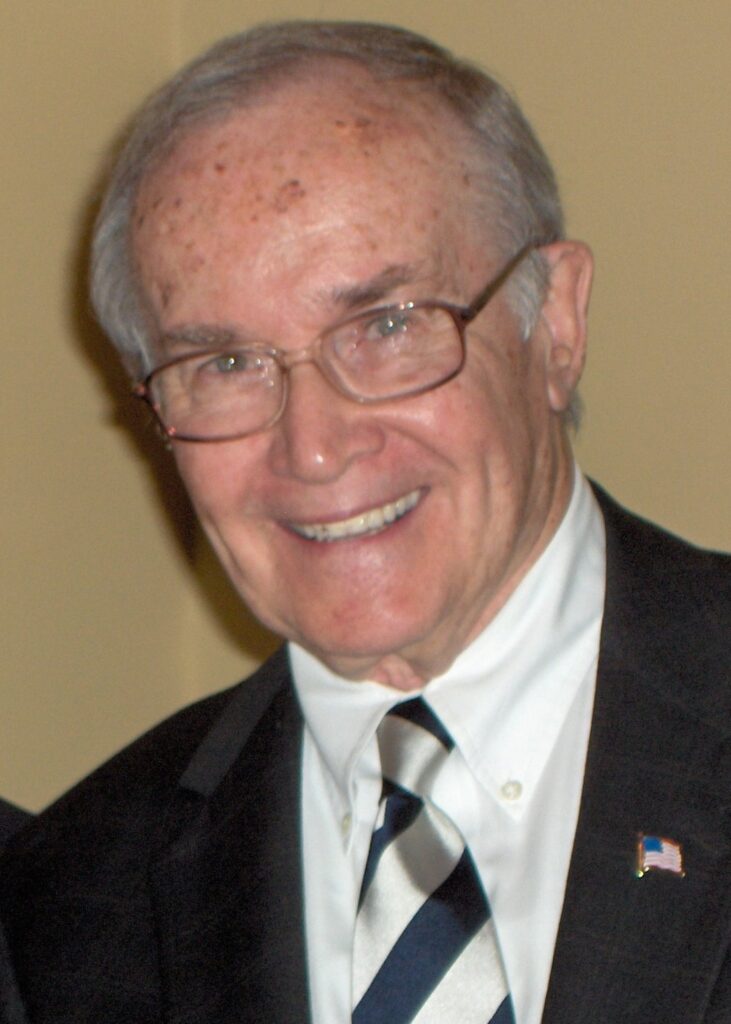
On May 9, 1961, Newton Minow, the newly appointed chairman of the Federal Communications Commission, delivered a stinging speech to the National Association of Broadcasters that would change American media forever. He famously challenged the executives to sit in front of their own televisions for an entire day, describing the experience of 1960s programming as a “vast wasteland” of mindless violence and repetitive commercials—a critique that sparked a decades-long debate over the quality and educational responsibility of public airwaves.
Image: Newton N. Minow in 2006 – Nminow. • CC BY-SA 3.0

