
Hernando de Soto’s Mississippi Discovery
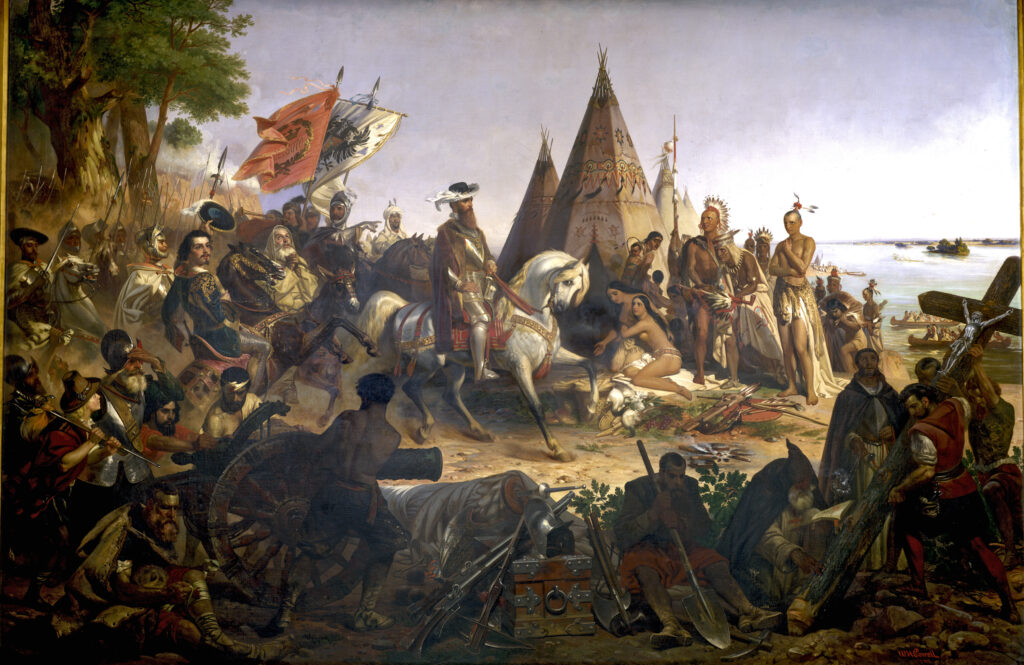
Hernando de Soto’s discovery of the Mississippi River on May 8, 1541, marked a pivotal and devastating turning point in North American history as his expedition was the first group of Europeans to penetrate the deep interior of the continent. While the event is often framed as a feat of exploration, a fascinating layer is that de Soto’s arrival actually signaled the beginning of the end for the Mississippian mound-building cultures; the diseases his men and livestock carried moved faster than the soldiers themselves, wiping out entire civilizations before other Europeans ever saw them. When de Soto died a year later, his men weighted his body and sank it into the very river he discovered to maintain the illusion among the local tribes that he was an immortal being who had merely ascended to the sky.
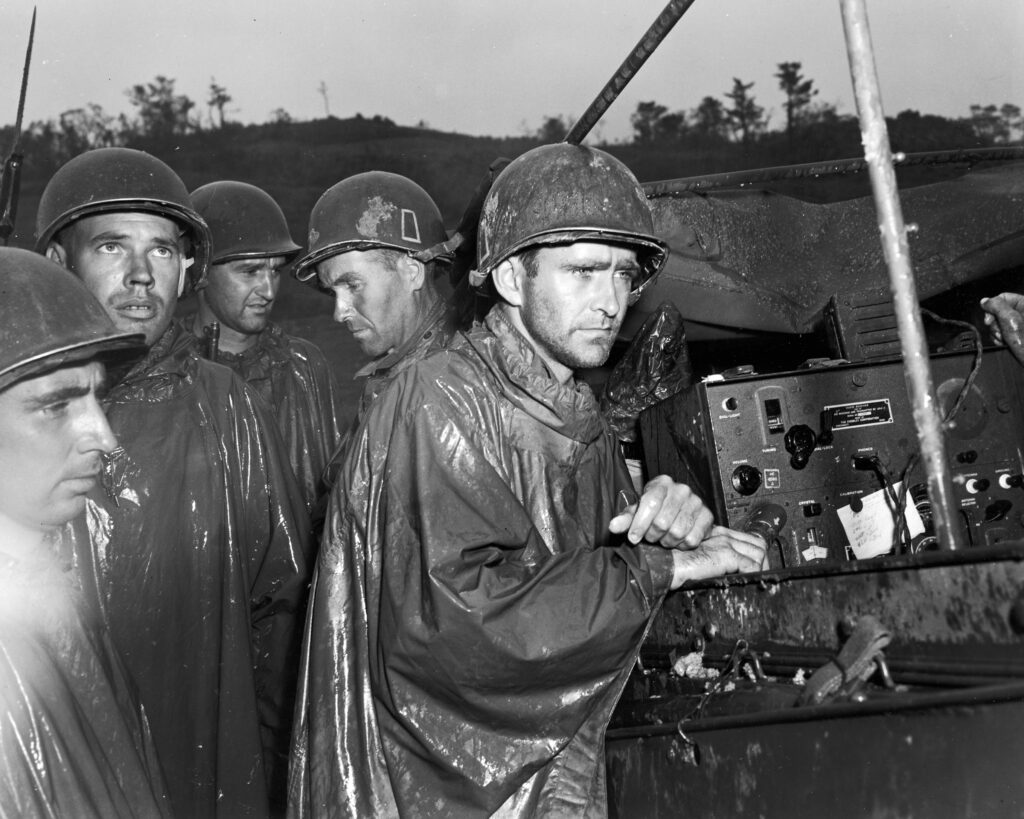
On May 8, 1945, the men of the 77th Infantry Division on Okinawa paused in the mud just yards from the front lines to listen to the crackling radio reports of Germany’s surrender. This moment created a surreal psychological layer for the soldiers: while the Atlantic world was erupting in parades and V-E Day celebrations, these men were still trapped in the deadliest battle of the Pacific theater. For them, the news was bittersweet and terrifying; they knew that the end of the war in Europe meant the military would now focus entirely on an invasion of mainland Japan, an operation many of them feared they would not survive despite the victory being celebrated half a world away.
Image via Wikimedia Commons, public domain
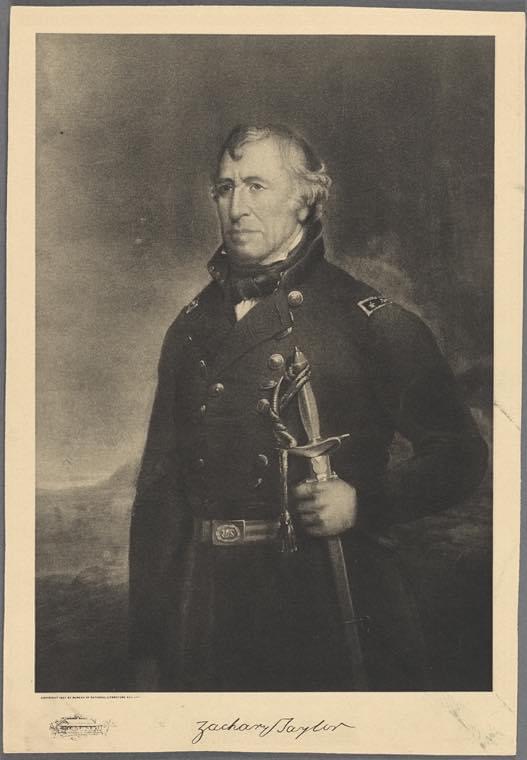
General Zachary Taylor’s victory at the Battle of Palo Alto on May 8, 1846, was a masterclass in the evolution of military technology that changed the course of the Mexican-American War. The fascinating layer of this battle was the debut of flying artillery—lightweight, horse-drawn bronze cannons that could be moved across the battlefield at a gallop. While the Mexican forces relied on heavy, stationary iron cannons that often fired over the heads of the Americans, Taylor’s mobile units could fire, limber up, and reposition in minutes. This tactical speed allowed a much smaller American force to devastate the Mexican lines from multiple angles, proving that mobility was now more important than raw numbers in modern warfare.
Image via Wikimedia Commons, public domain
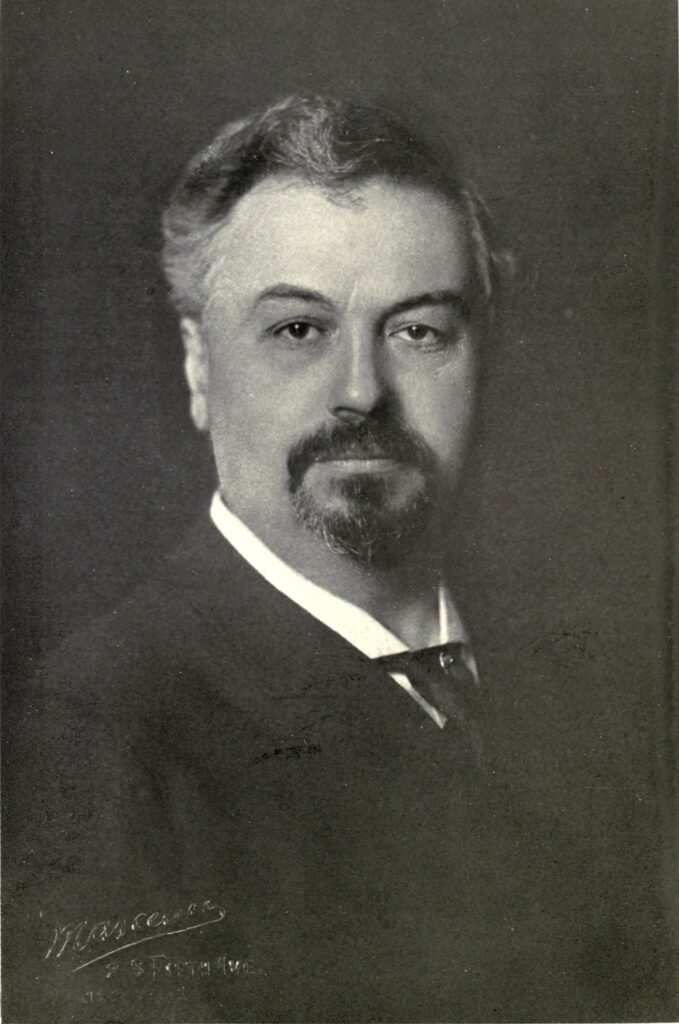
Oscar Hammerstein I, the legendary theatre impresario born on May 8, 1846, was a man of such restless intellect that he actually funded his theatrical empire through his genius as an industrial inventor. Before he ever built an opera house, he revolutionized the tobacco industry by inventing a machine that could automatically strip the stems from tobacco leaves and another that could roll cigars more efficiently than human hands. He eventually held over 80 patents, and it was the royalties from these mechanical inventions that allowed him to lose millions on grand operatic ventures that others deemed too risky, effectively making him the first man to use big-tech profits to subsidize the high arts in America.
Image via Wikimedia Commons, public domain in the US
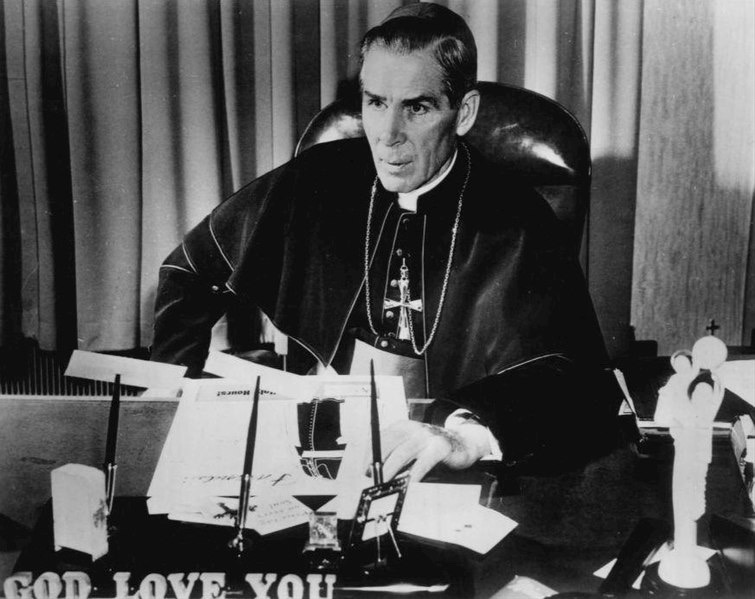
Bishop Fulton J. Sheen, born on May 8, 1895, was a true pioneer of mass media who understood the power of the television screen long before his contemporaries. A fascinating layer of his career is that his hit show, Life is Worth Living, went head-to-head in the same time slot as the legendary Milton Berle, known as Mr. Television. Despite Berle’s massive popularity, Sheen’s simple setup—just a man, a chalkboard, and a cape—attracted up to 30 million viewers a week. When Sheen won an Emmy for his performance, Berle jokingly began calling him The Bishop and remarked that if Sheen was going to use better writers like Matthew, Mark, Luke, and John, then he had no chance of winning the ratings war.
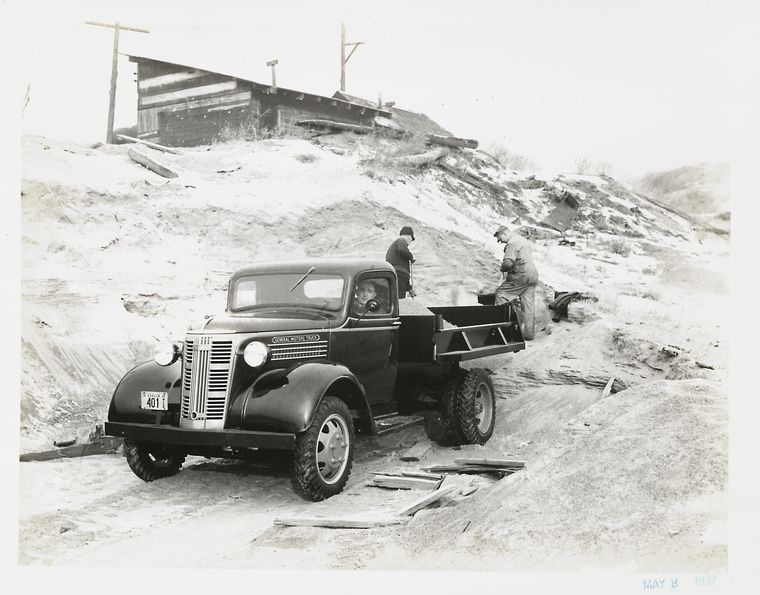
The photograph of the GM truck in a quarry, stamped May 8, 1937, captures a moment when industrial design was undergoing a radical aesthetic shift known as Streamline Moderne. During this specific year, truck manufacturers began to move away from the boxy, utilitarian looks of the 1920s to embrace the Art Deco influence, integrating the headlights directly into the fenders and rounding the grilles to suggest speed and efficiency even for heavy labor. This quarry truck was part of a movement to make work vehicles look like the high-end passenger cars of the era, reflecting a unique American belief that even the most grueling manual labor should be performed with equipment that looked sophisticated and modern.
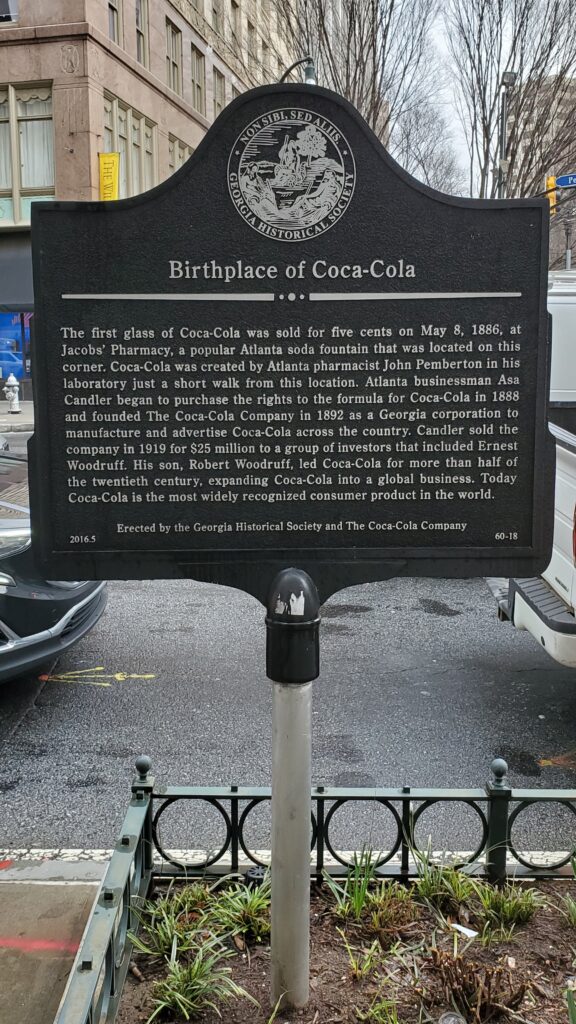
The Sparkling Mistake of Jacobs’ Pharmacy
When the first glass of Coca-Cola was sold at Jacobs’ Pharmacy on May 8, 1886, it was a far cry from the global refreshment icon it is today; it was originally marketed as a medicinal Patent Medicine designed to cure everything from headaches to morphine addiction. A fascinating layer of that first day is that the mixture was accidentally carbonated; the original plan was to mix John Pemberton’s syrup with plain tap water, but a pharmacy assistant mistakenly used soda water. The resulting sparkle was so well-received by the first customer that the pharmacy decided to keep it that way, inadvertently creating the world’s most famous carbonated beverage because of a simple mistake behind the counter.
Image from JJonahJackalope via Wikimedia Commons, CC BY SA 4.0
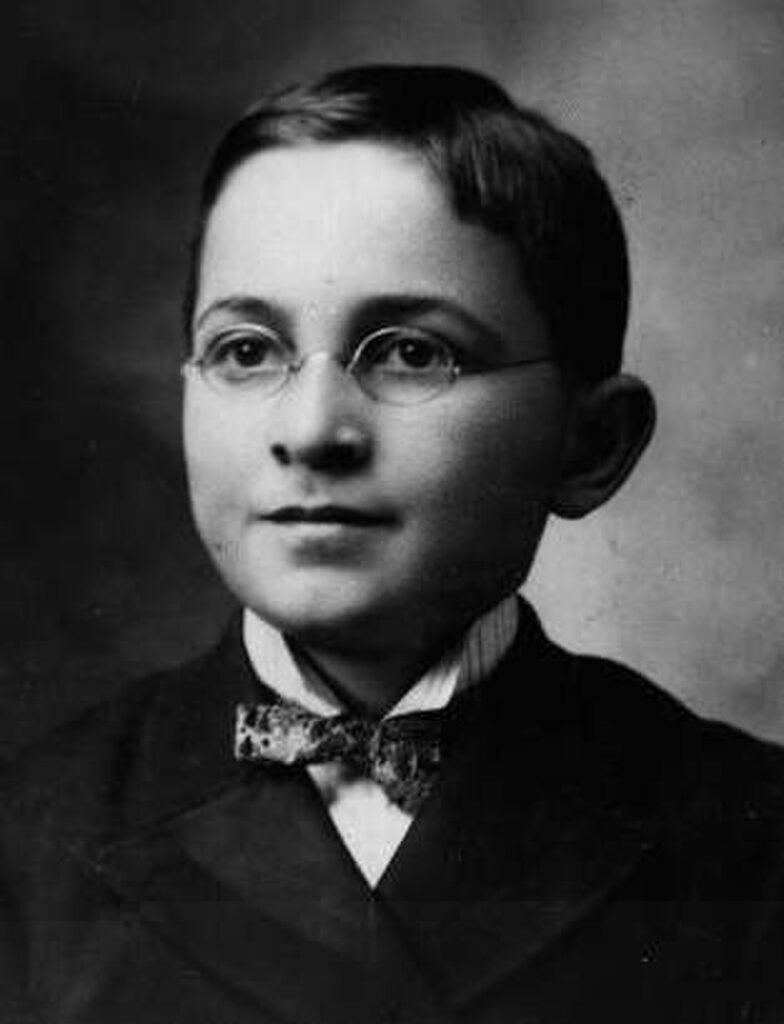
Harry S. Truman was born on May 8, 1884, and the S in his name is one of the most famous pieces of American presidential trivia. Because his parents couldn’t decide which grandfather to honor—Anderson Shipp Truman or Solomon Young—they simply used the letter S as a compromise that acknowledged both. A fascinating layer of this choice is that throughout his life, Truman was frequently hounded by editors and printers who insisted on putting a period after the S. Truman himself often told people that the period wasn’t necessary because it wasn’t an abbreviation, but he eventually grew tired of the argument and began using the period anyway, jokingly stating that it was easier to change his signature than to change the mind of a grammarian.
Image via Wikimedia Commons, public domain
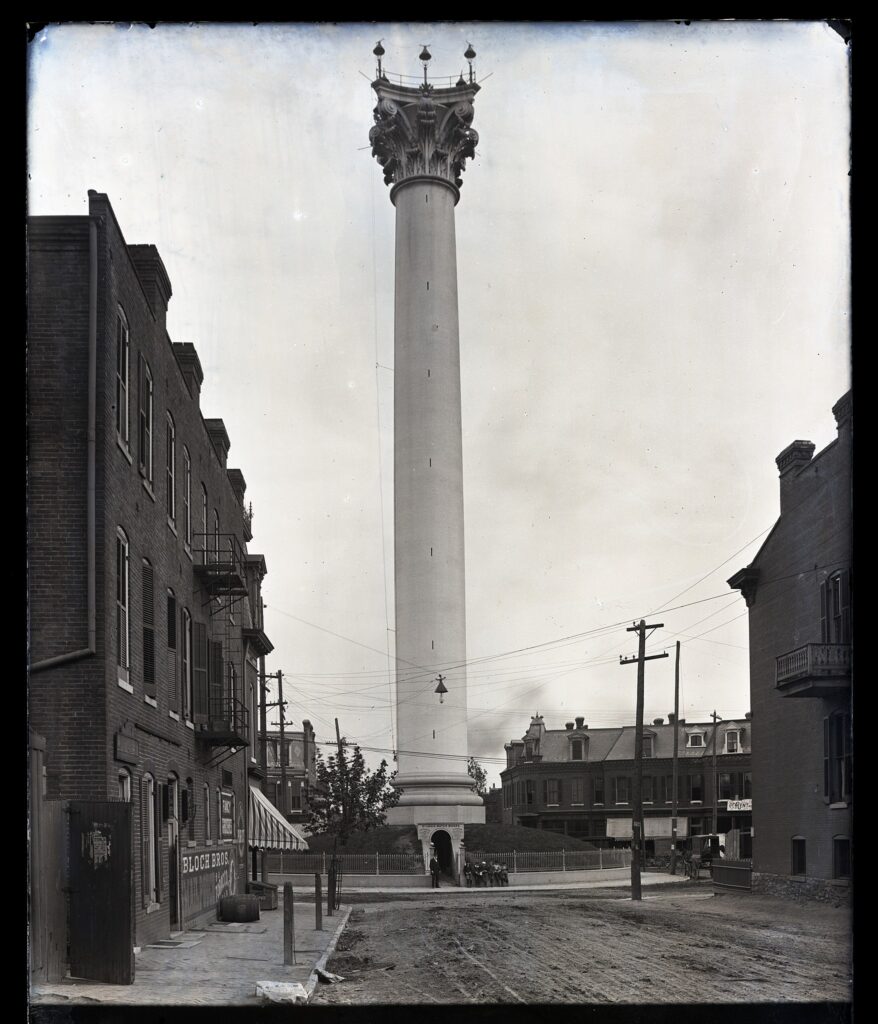
The Grand Avenue Water Tower in St. Louis, photographed on May 8, 1894, is a stunning example of how Victorian engineers used classical architecture to beautify city infrastructure. Standing 154 feet tall, it was designed as a massive Corinthian column to hide a simple standpipe used to regulate water pressure and prevent pipes from bursting. A fascinating layer of its history is its incredible durability; just two years after this photo was taken, one of the deadliest tornadoes in U.S. history tore through St. Louis, destroying thousands of nearby homes and businesses. The tower, however, stood perfectly firm, proving that its ornate Roman design was backed by modern industrial strength that exceeded almost everything around it.
Image via Wikimedia Commons, public domain in the US.
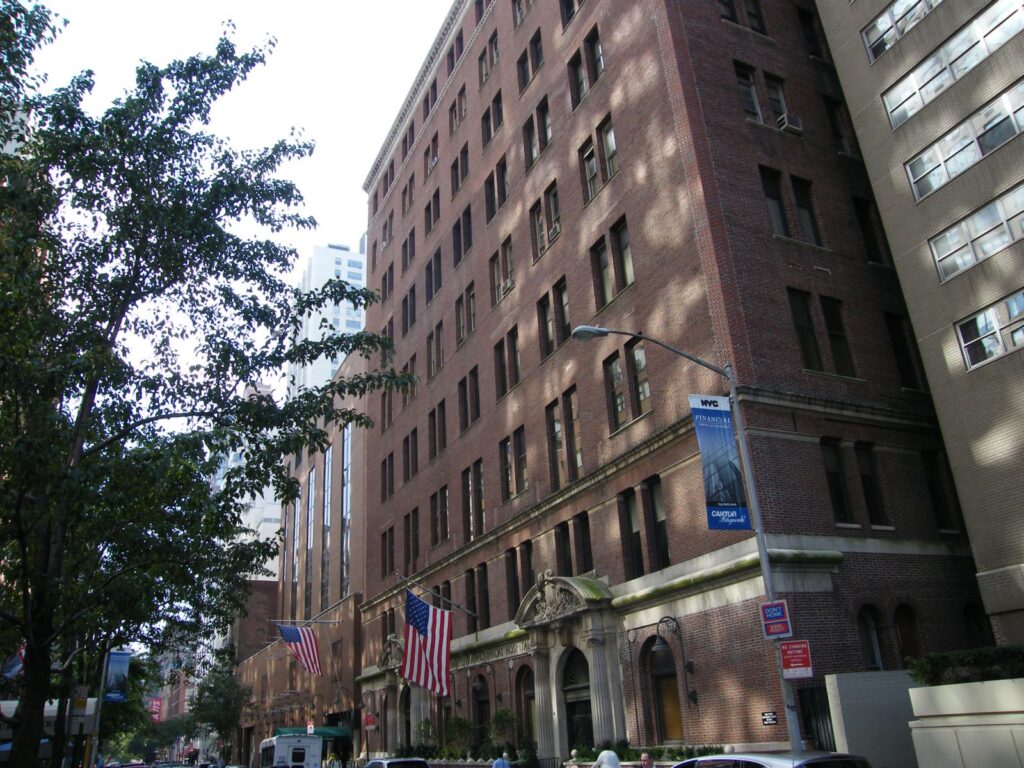
The establishment of the first eye bank on May 8, 1944, was a medical milestone that happened during the height of World War II, a time when surgical innovation was accelerating at an unprecedented pace. Before this date, a person needing a cornea transplant had to wait for a live donor to be in the same hospital at the same time, as there was no way to store the tissue. The fascinating layer of this New York City facility was that it had to invent its own logistics from scratch; because there were no specialized medical couriers, the very first donated corneas were often transported across the city by volunteers and local police officers with sirens blaring, treating the tiny containers of tissue with the same urgency as a wounded soldier on a battlefield.
Image: Americasroof at English Wikipedia • CC BY-SA 3.0
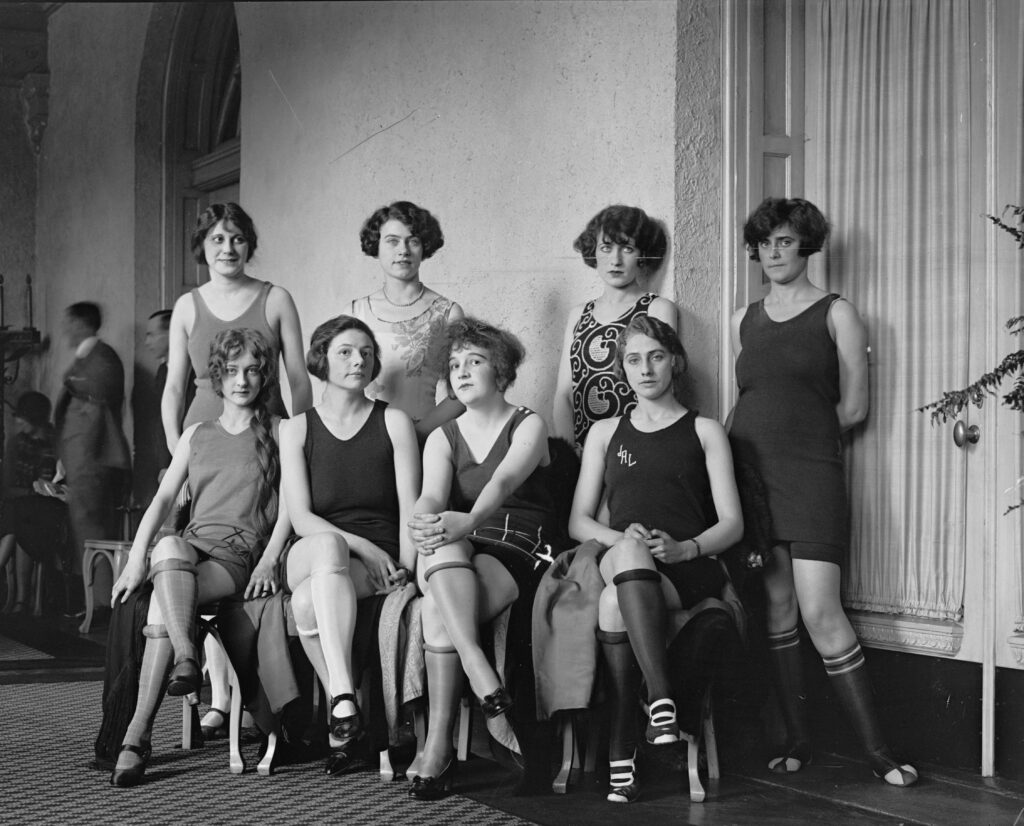
Thirteen years before this 1925 Paramount school photo, the studio was founded on May 8, 1912, under the name Famous Players Film Company, a move that fundamentally changed the social status of cinema. At the time, movies were seen as cheap nickelodeon entertainment for the lower classes, but the founders of Paramount believed they could attract the wealthy elite by filming famous Broadway actors in prestigious stage plays. This strategy worked so well that it literally moved the film industry from the gritty streets of New York to the expansive lots of Hollywood, turning movies into cinema and establishing the star system that still dictates how blockbusters are made today.
Image via Wikimedia Commons, public domain
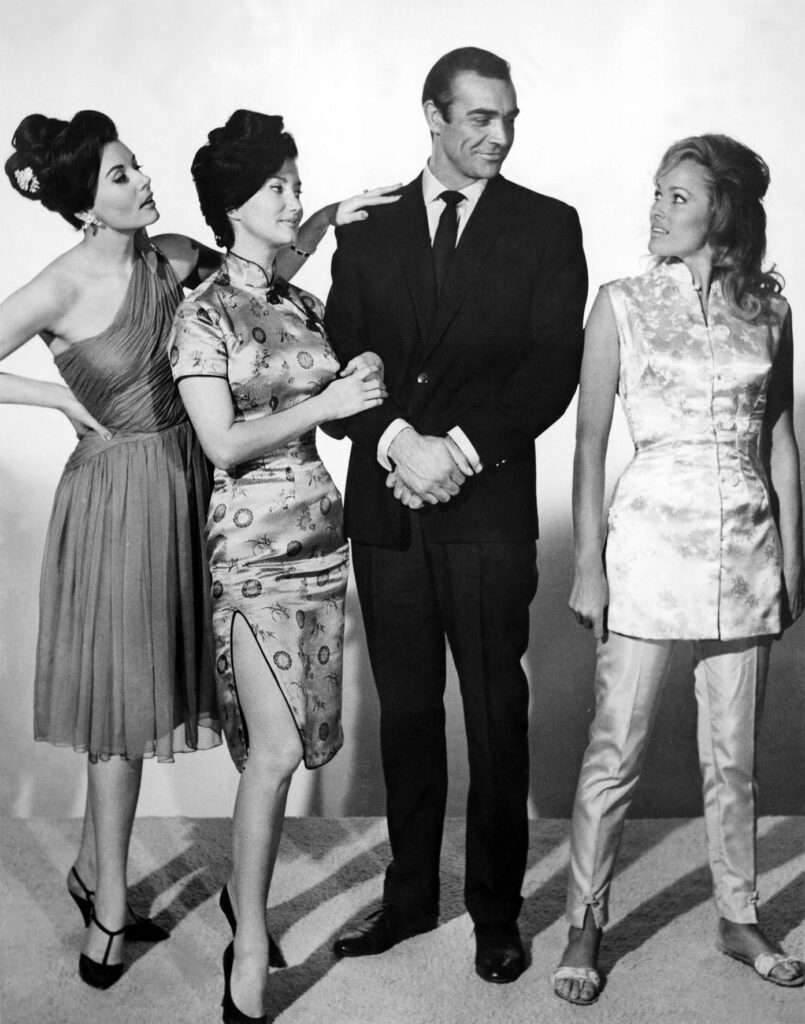
When Dr. No premiered in the United States on May 8, 1963, it introduced American audiences to a version of masculinity and luxury that felt entirely foreign and exotic. A fascinating layer of this premiere is that the Bond Style actually faced heavy criticism from U.S. censors and critics who found the film’s violence and James Bond’s cold, detached attitude to be un-American compared to the traditional, wholesome heroes of the 1950s. However, the film’s obsession with high-end gadgets, tailored suits, and the specific way Bond ordered his drinks bypassed the critics and went straight to the youth culture, sparking a spy-mania that influenced everything from American fashion to the design of muscle cars for the next decade.
Image via Alamy
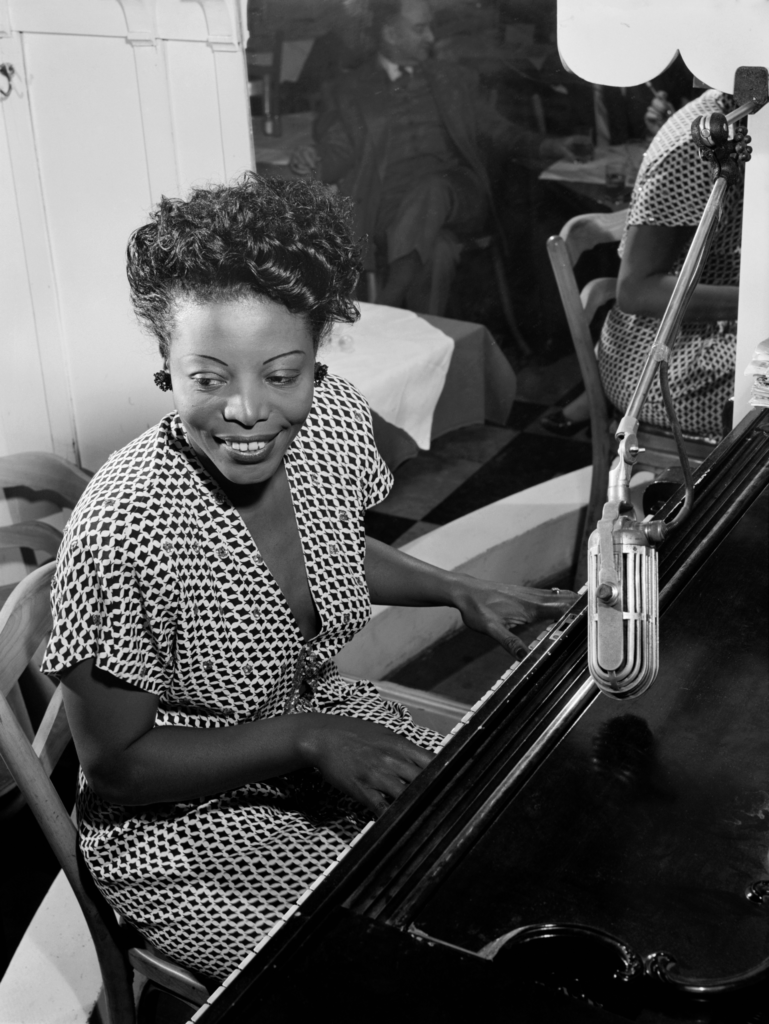
The Secret Architect of Bebop
Mary Lou Williams, born May 8, 1910, was a prodigy who was performing professionally by age seven, but her most fascinating layer was her role as the secret architect of the Bebop movement. While the public focused on stars like Dizzy Gillespie and Charlie Parker, those same musicians would gather at Williams’ apartment in the middle of the night to have her help them work out the complex harmonies and rhythms that defined the new genre. She was one of the few artists who successfully transitioned through every era of jazz—from swing to bebop to avant-garde—and she eventually broke a major religious barrier by becoming the first jazz musician commissioned to write a Mass for the Catholic Church.
Image via Wikimedia Commons, public domain
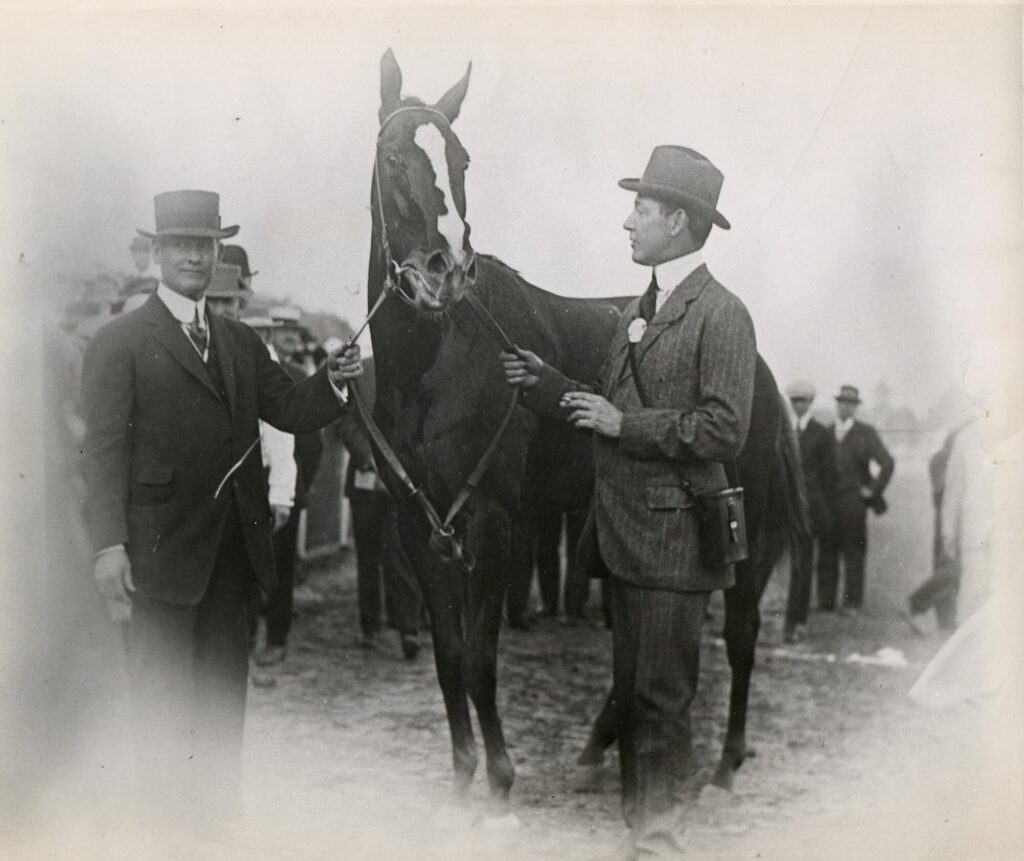
The Filly Who Shattered the Prep Race
On May 8, 1915, a horse named Regret became the first filly to win the Kentucky Derby, a victory so dominant that it changed the rules of the sport forever. A fascinating layer of this win was that Regret was so highly regarded by her owner that she didn’t even run in any prep races before the Derby; she arrived at Churchill Downs completely fresh, which was considered an insane risk at the time. Her victory was so effortless that it convinced the racing world that fillies were just as capable as colts, and it boosted the prestige of the Kentucky Derby itself, turning it from a local Kentucky race into the premier national event it is today because it was the only stage big enough for a horse of her caliber.
Image via Wikimedia Commons, public domain
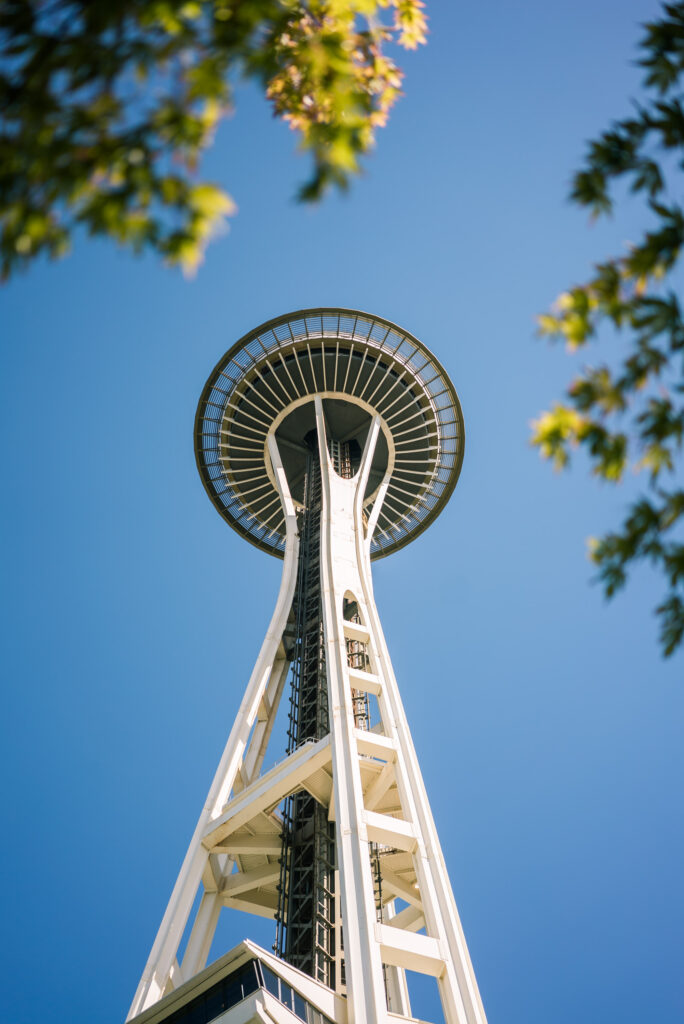
The Architect of the Space Needle
John Graham Jr., the visionary architect who gave the Seattle skyline its most iconic feature, was born on May 8, 1908. While the Space Needle is known globally as a symbol of the future, the fascinating layer is that Graham’s original design was actually inspired by a doodle on a napkin from a hotel in Germany; he successfully turned that rough sketch into a 605-foot-tall structure capable of withstanding 200 mph winds and a 9.0 magnitude earthquake.
The Delta’s Master of the Strings
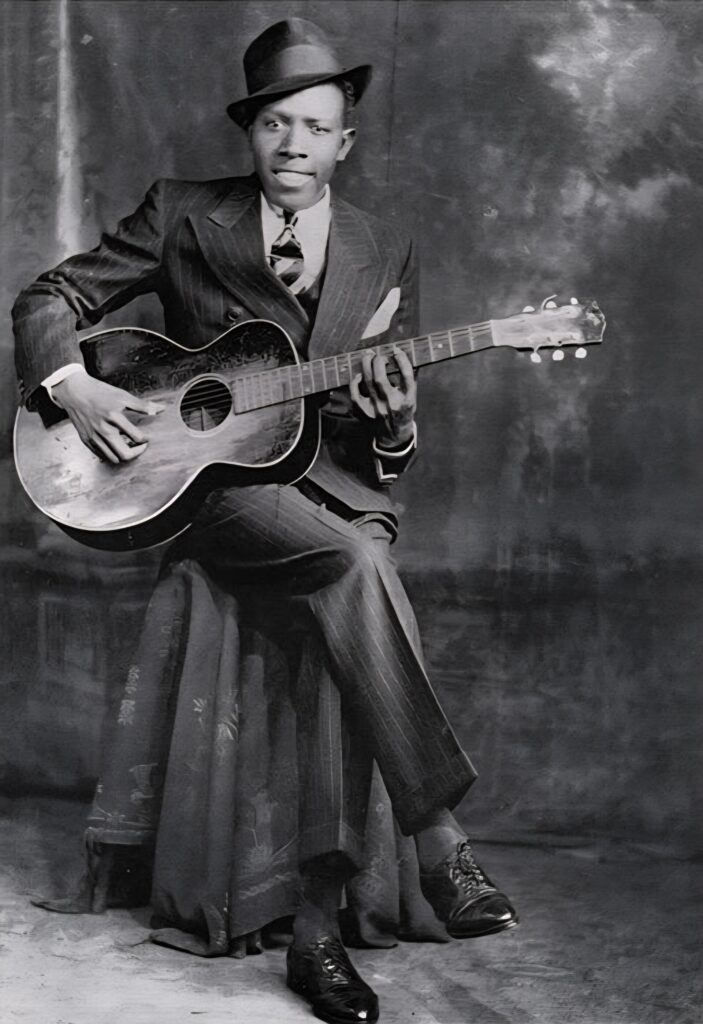
Legendary blues guitarist Robert Johnson was born on May 8, 1911, in Hazlehurst, Mississippi, and his life remains the most enduring mystery in American music. The fascinating layer of his legacy is that Johnson vanished for a period of months as a mediocre player only to return with a supernatural mastery of the guitar that stunned his contemporaries. While folklore suggests a paranormal encounter at a rural crossroads, historians believe he spent that time in intense, secret apprenticeship under a local master named Ike Zimmerman, practicing in graveyards at night for the absolute silence. Although he only recorded 29 songs before his death at age 27, his haunting “Delta Blues” style was so complex that when a young Keith Richards first heard his records, he insisted there must be two guitarists playing at once, unaware that Johnson was pioneering a solo technique that would eventually become the foundational DNA of rock and roll.
The Birthday Icon and His Lifelong Anchor
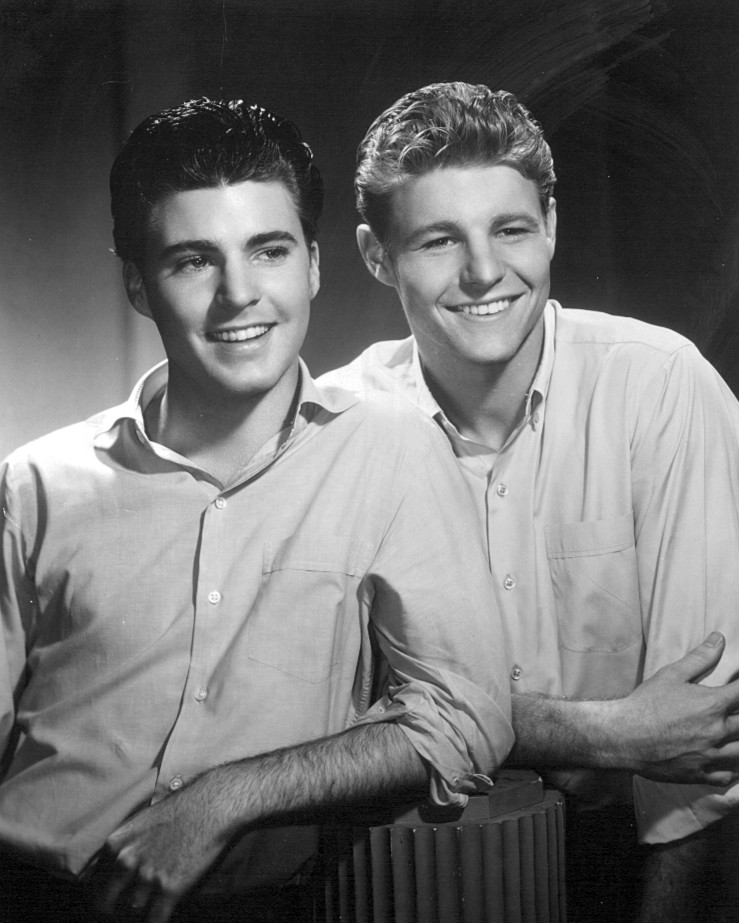
Born on May 8, 1940, Ricky Nelson (left) spent his entire youth in the unprecedented glow of a national spotlight, growing up alongside his older brother David (right) on their family’s hit sitcom, The Adventures of Ozzie and Harriet. A fascinating layer of their relationship is that while Ricky became a global phenomenon and the original teen idol of the rock and roll era, David served as his most reliable constant and grounded counterpart through 435 television episodes. On his 21st birthday, May 8, 1961, Ricky famously signaled his maturity by dropping the “y” from his name to become Rick Nelson, a transition that David supported behind the scenes as he eventually moved into directing and producing. Their bond remained the core of the show for fourteen years, representing an idealized version of American brotherhood that saw them transition from young boys into icons of 1950s and 60s culture. David would ultimately outlive his younger brother by more than twenty‑five years, spending that time protecting Rick’s legacy and ensuring he was remembered as a pioneering artist, not just a teen idol.
