The Schoolhouse That Ended a War
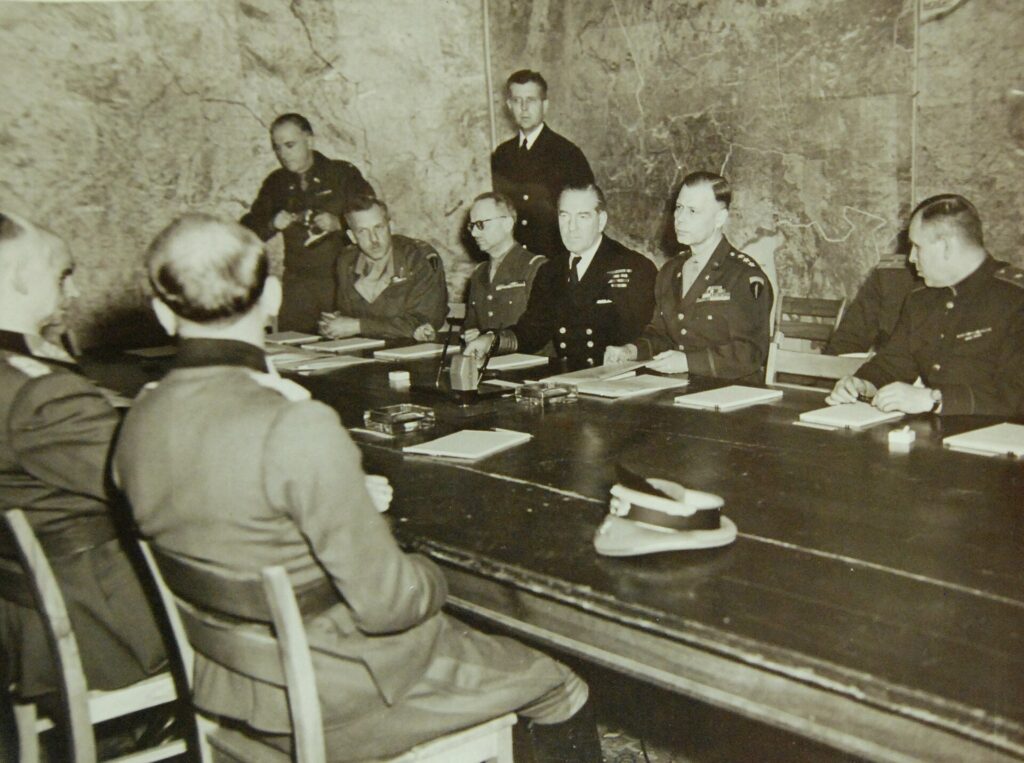
In the pre-dawn shadows of May 7, 1945, General Dwight D. Eisenhower orchestrated the definitive collapse of the Third Reich from a makeshift war room in Reims, France. At exactly 2:41 a.m., the unconditional surrender of all German forces was signed, signaling the end of the most cataclysmic conflict in European history. In a display of calculated psychological dominance, Eisenhower refused to even enter the room to face the German delegation until the documents were finalized. Once the deed was done, he delivered a brief, icy address and sent a famously concise cable to the Combined Chiefs of Staff: “The mission of this Allied force was fulfilled.”
The setting for this global milestone was shockingly humble: the Collège Moderne et Technique de Reims, a red-brick vocational school that served as Eisenhower’s Supreme Headquarters. The surrender took place in the school’s “war room,” a space that only months prior had been a mundane technical classroom used for teaching drafting and engineering to local students. While the upper floors hummed with the high-stakes intelligence of the most secret military site in Europe, the maps covering the walls were literally pinned over the school blackboards, creating a surreal juxtaposition of teenage education and the industrial-scale planning of total war.
Today, the building continues its mission as a public high school, renamed Lycée Franklin Roosevelt to honor the American president and the alliance that liberated France. The site operates as a unique hybrid where the historic Map Room is preserved as the Musée de la Reddition while modern school life carries on in the adjacent halls. The students act as the living heartbeat of this history; many undergo specialized training to serve as official ambassadors and guides for visiting dignitaries. It is a rare environment where teenagers grab lunch in a courtyard that once served as a nerve center for the Allied command, daily interacting with the very peace Eisenhower fought to secure for their generation.
The Architect of the Great Western Wilderness
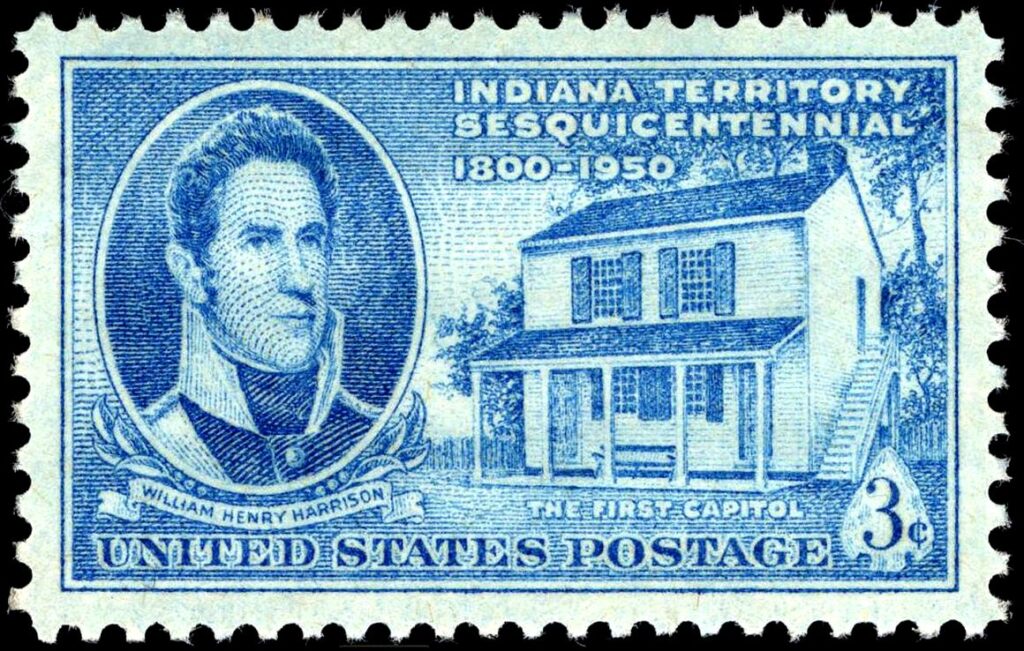
On May 7, 1800, President John Adams signed the legislation that carved the Indiana Territory out of the Northwest Territory, effectively redrawing the map of the American frontier. While we now recognize Indiana as a single, clearly defined state, the territory Adams created was a gargantuan wilderness empire that encompassed nearly all of modern-day Illinois, Michigan, Wisconsin, and even parts of Minnesota. The mind-boggling reality of this signature was that it placed nearly 260,000 square miles of untamed land under the control of a single frontier capital in Vincennes; for a brief moment in history, this outpost governed a “mega-territory” so vast that it acted as the administrative nervous system for almost the entire upper Midwest.
Image: This 1950 commemorative stamp marks the 150th anniversary of the Indiana Territory, visually anchoring the history established by John Adams’ signature on May 7, 1800. It depicts the territory’s first governor, William Henry Harrison, alongside the modest capitol building in Vincennes and a map of the original, massive frontier borders that Adams brought into existence.
A Cold War Encounter at the Meat Counter
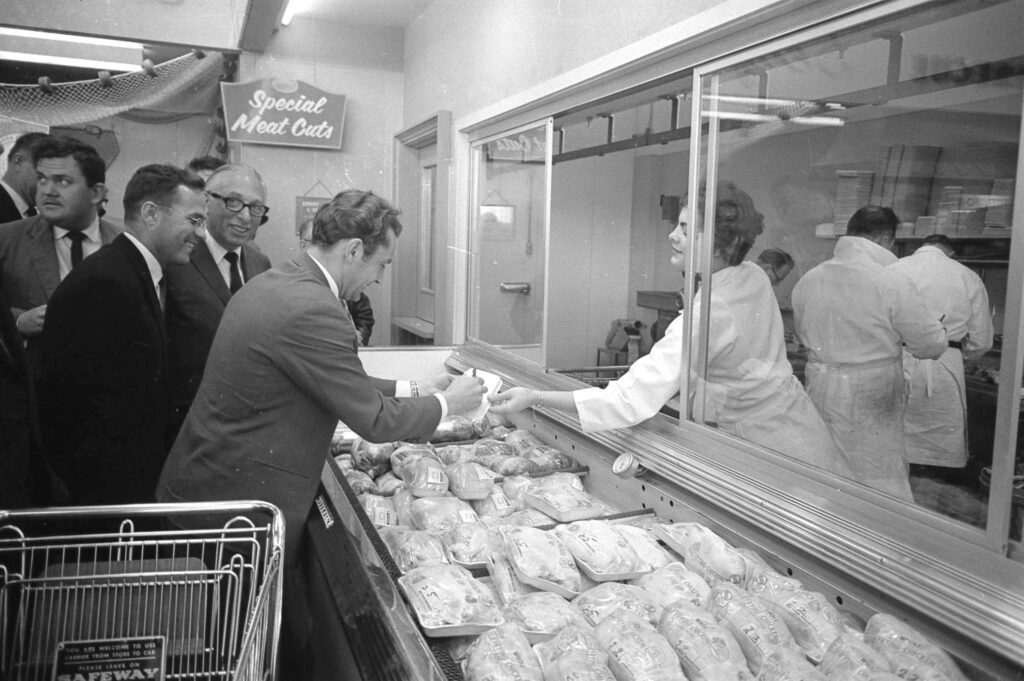
On May 7, 1962, the intense rivalry of the Cold War paused for a surreal moment of human connection at the Marina Safeway in San Francisco. Gherman Titov, the Soviet cosmonaut who had become the second human to orbit the Earth, visited the supermarket to experience a slice of ordinary American life during a high-stakes goodwill tour. The fascinating heart of this visit occurred when Titov leaned over the “Special Meat Cuts” display to sign an autograph for a woman working in the meat department, an exchange that captured his genuine curiosity about the West. Titov was famously impressed by the capitalistic abundance, marveling that the stores were very large, very bright, and full of everything, and he noted with surprise that the American people greeted him with such warmth. This brief interaction amidst the meat cases became a rare, peaceful bridge between two superpowers, proving that even a grocery aisle could become a stage for a small but powerful détente.
The Fragile Beginning of Seattle’s Central School
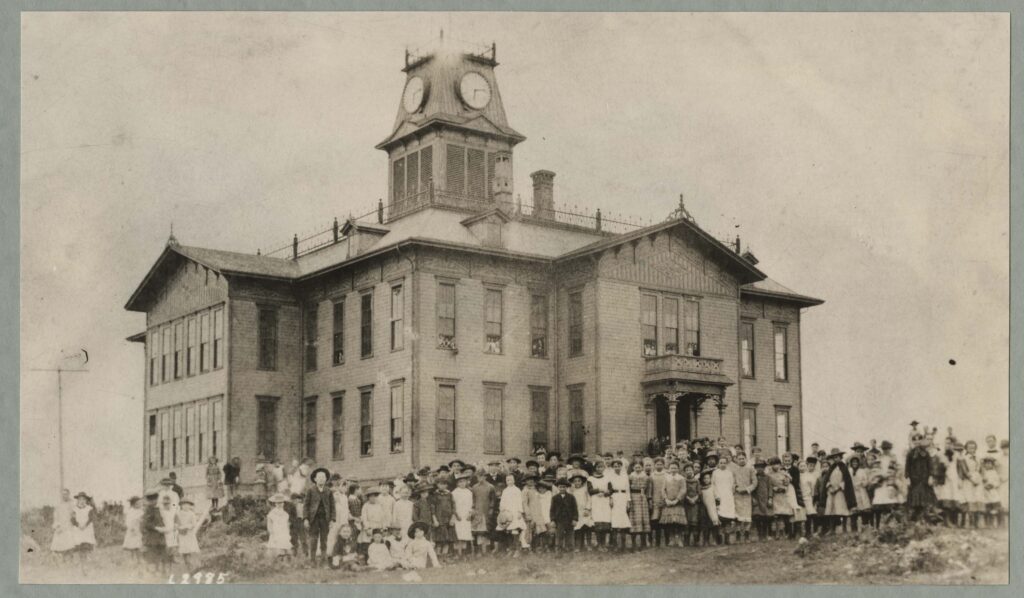
On May 7, 1883, Seattle’s First Hill saw the grand opening of Central School, a three-story, Italianate frame building topped with an elegant clock tower. Photographed on its very first day, the school was a beacon of progress for a city whose population was surging so fast that children had been crammed into makeshift, overcrowded rooms for years. The fascinating tragedy of this architectural landmark is that its wooden beauty was short-lived; it stood for only five years before a devastating fire in 1888 leveled the structure. This loss forced the city to rethink its future, leading to the construction of a massive brick replacement on the same site and marking Seattle’s definitive shift from a flammable pioneer settlement to a permanent urban center.
The Vanishing Venue of the First Inaugural Ball
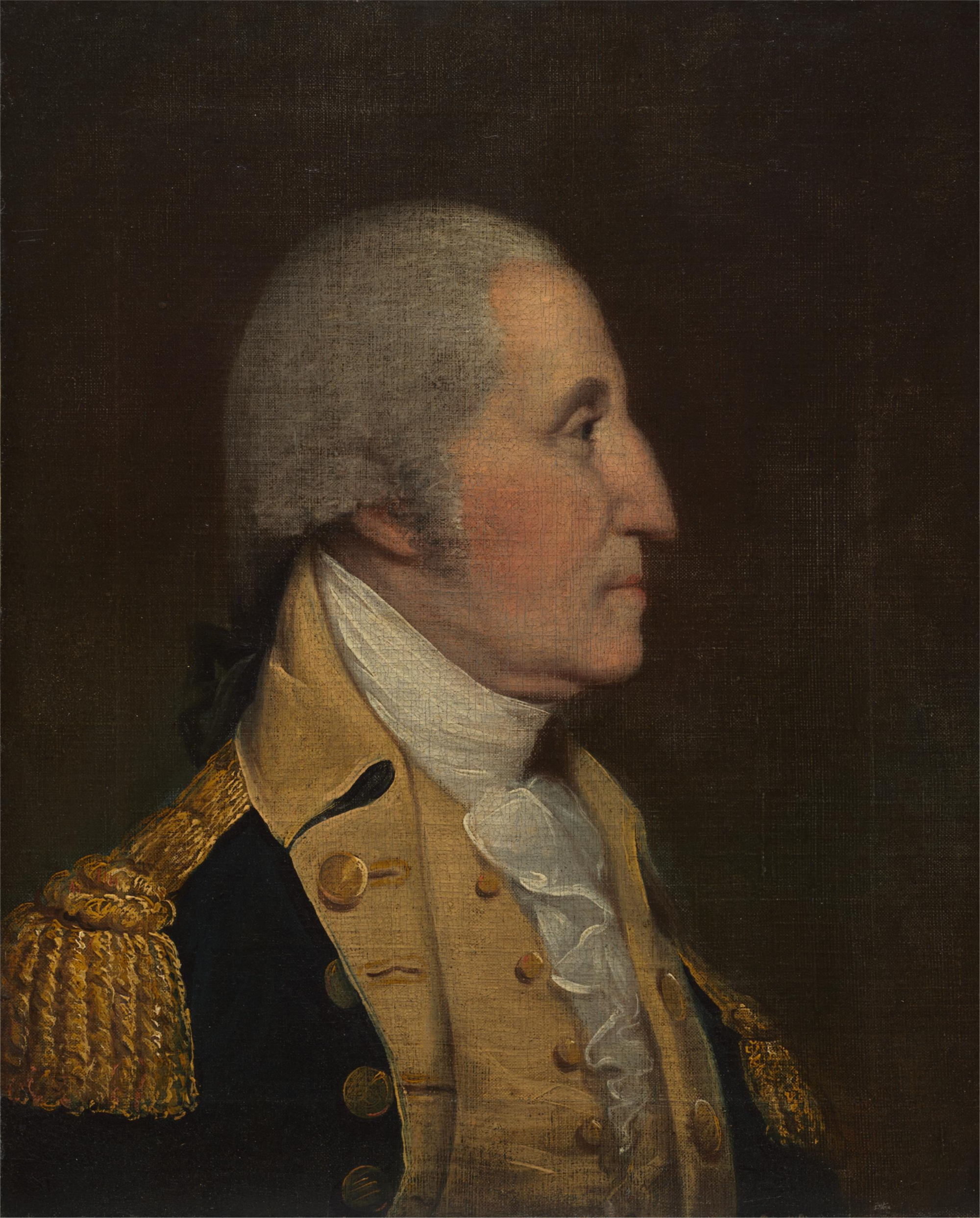
While the exact site of the 1789 celebration remains a mystery, the details of the night were remarkably specific. Martha Washington missed the party because she was still managing affairs at Mount Vernon, but the women in attendance were given French-crafted fans featuring George Washington’s portrait—a high-society souvenir that turned a political milestone into a major fashion moment.
Image via Wikimedia Commons, public domain
Lena Horne and the Steel Giant
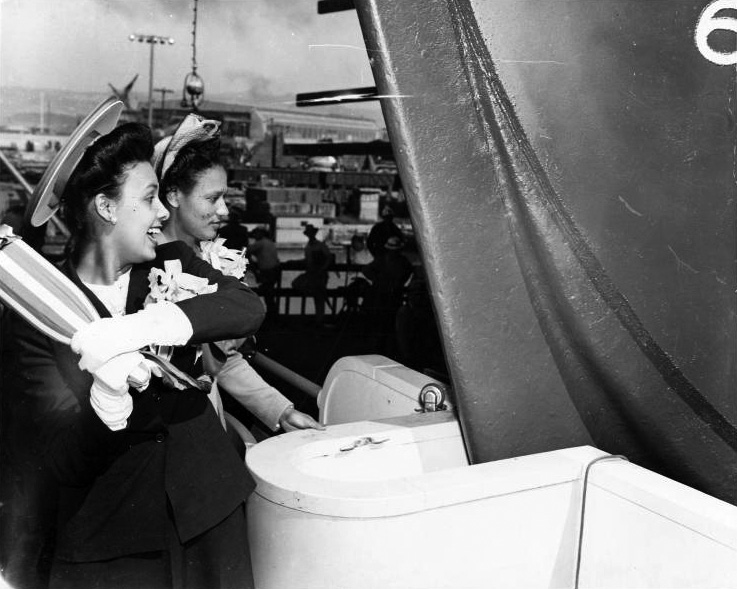
On May 7, 1943, Hollywood icon Lena Horne christened the SS George Washington Carver, the second Liberty ship named after a prominent African American. It was a monumental day at the Richmond Shipyards, where Horne spent hours signing autographs for the predominantly African American workforce that had built the massive vessel in just 42 days.
Photo via Wikimedia Commons, public domain
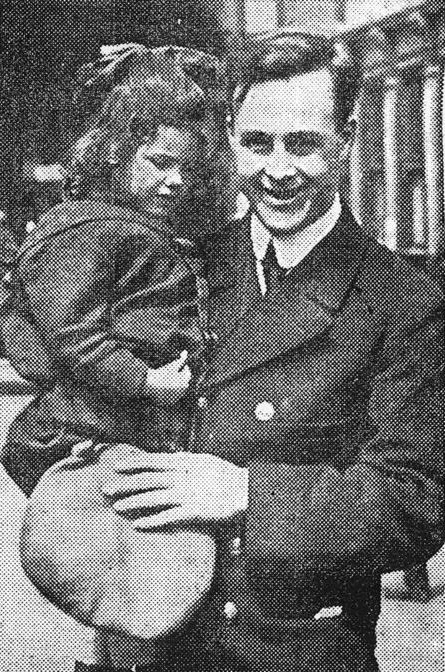
The Last Link to the Lusitania
Barbara McDermott was only two years old when she was pulled from the sinking Lusitania on May 7, 1915, and she remained the tragedy’s last American survivor until 2008. A fascinating detail of her survival is that she was saved by Assistant Purser William Harkness, who spotted her clutching a souvenir spoon from the ship’s barbershop and quickly placed her into a lifeboat.
Photo: Barbara McDermott with Assistant Purser William Harkness – public domain via Wikimedia Commons
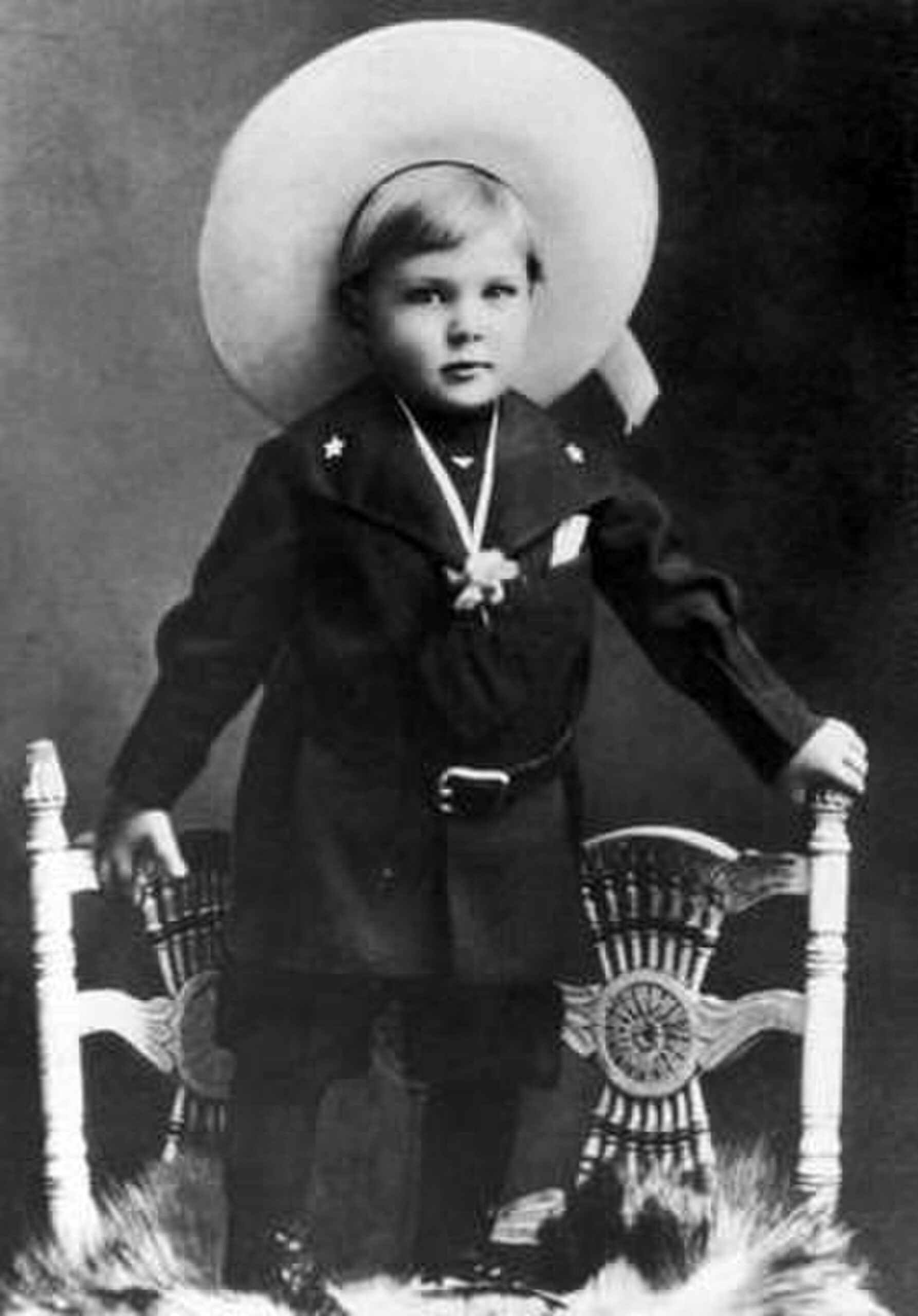
The Montana Cowboy Gary Cooper
Born May 7, 1901, Gary Cooper became the face of the cinematic American West, but his “cowboy” roots were completely authentic. Long before he was an Oscar winner, he was a real-life ranch hand in Helena, Montana, where he learned to ride and move with the stoic, understated grace that would eventually define his legendary acting career.
Image via Wikimedia Commons, public domain
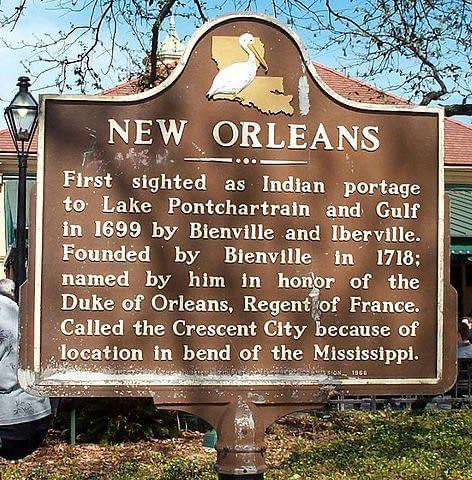
The Disputed Birthday of the Crescent City
While New Orleans celebrates its anniversary on May 7th, its founder, Bienville, originally struggled to convince anyone that the site was livable. The fascinating part of the city’s early history is that it was designed with a “Grid” pattern inspired by the military camps of France, making it one of the first European cities in the Americas to be meticulously planned rather than naturally grown.
Image via Wikimedia Commons, public domain
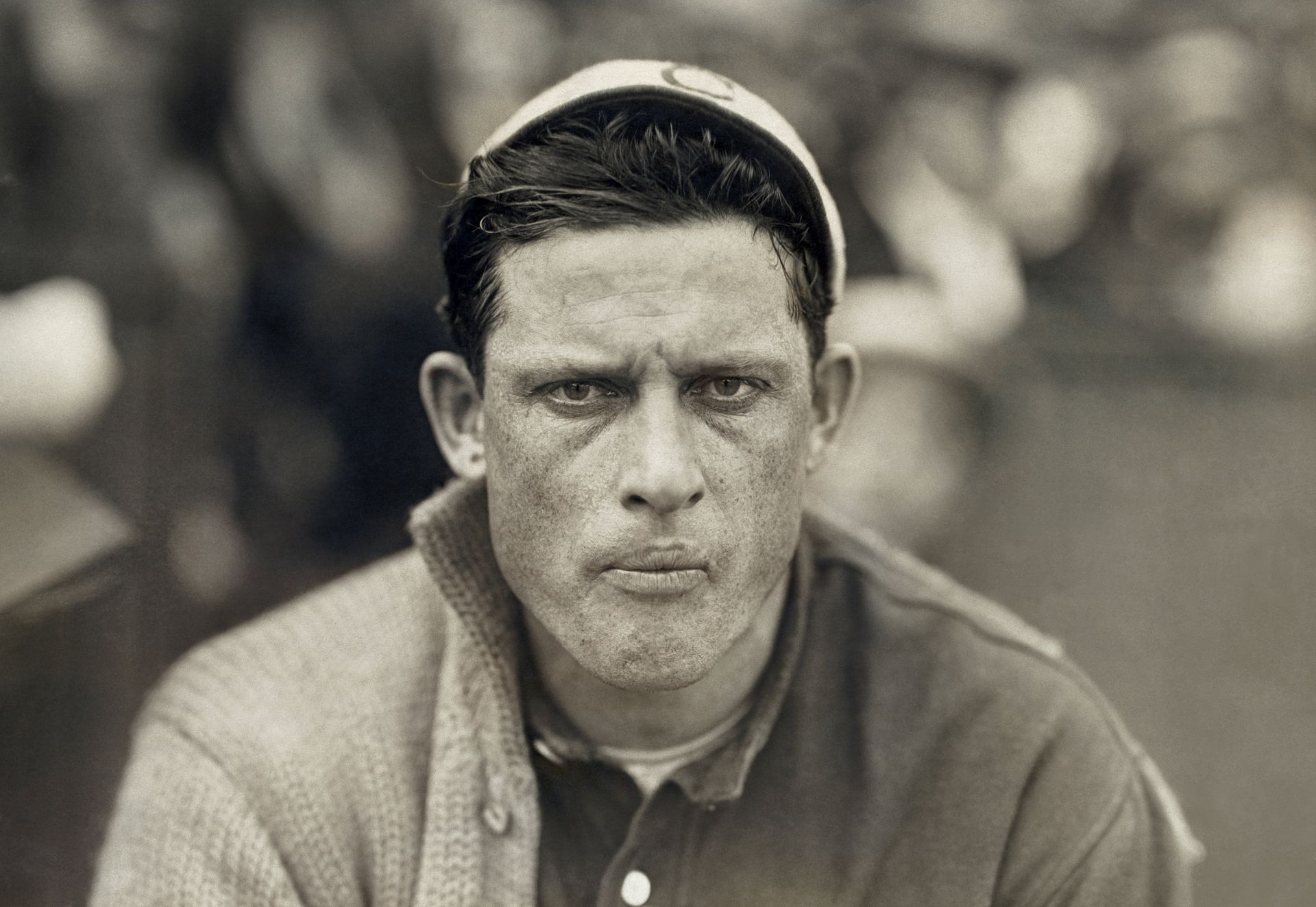
The Unbeatable Arm of Ed Walsh
Ed Walsh made his debut on May 7, 1904, and went on to hold the lowest career ERA in MLB history at 1.816. He was the absolute king of the “spitball,” a pitch so physically demanding and effective that he once pitched an incredible 464 innings in a single season, a workload that would be considered impossible for any modern player.
Image via Wikimedia Commons, public domain
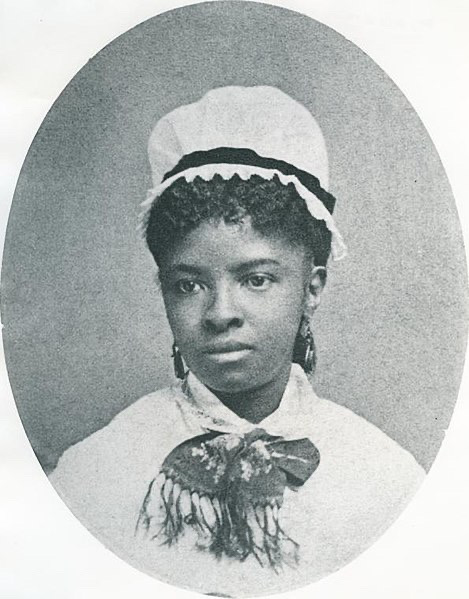
The Determination of Mary Eliza Mahoney
Born May 7, 1845, Mary Eliza Mahoney became the first Black professional nurse in the United States. Her graduation was a feat of pure endurance; out of the 42 students who entered her intensive 16-month program at the New England Hospital for Women and Children, she was one of only three who managed to complete the training.
Image via Wikimedia Commons, public domain in the US.
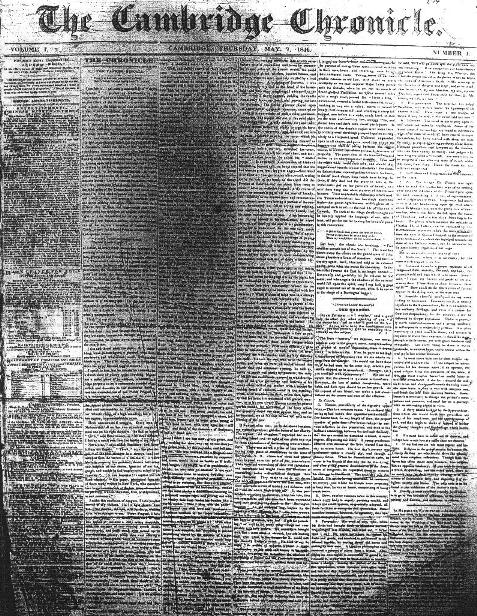
The Long Run of the Cambridge Chronicle
On May 7, 1846, the very first edition of the Cambridge Chronicle hit the streets, eventually becoming America’s oldest surviving weekly newspaper. It holds a unique place in media history because it never missed a week of publication for 176 years, serving as a continuous primary source that chronicled everything from the rise of local abolitionists to the birth of the digital age.
Image via Wikimedia Commons, public domain in the US.
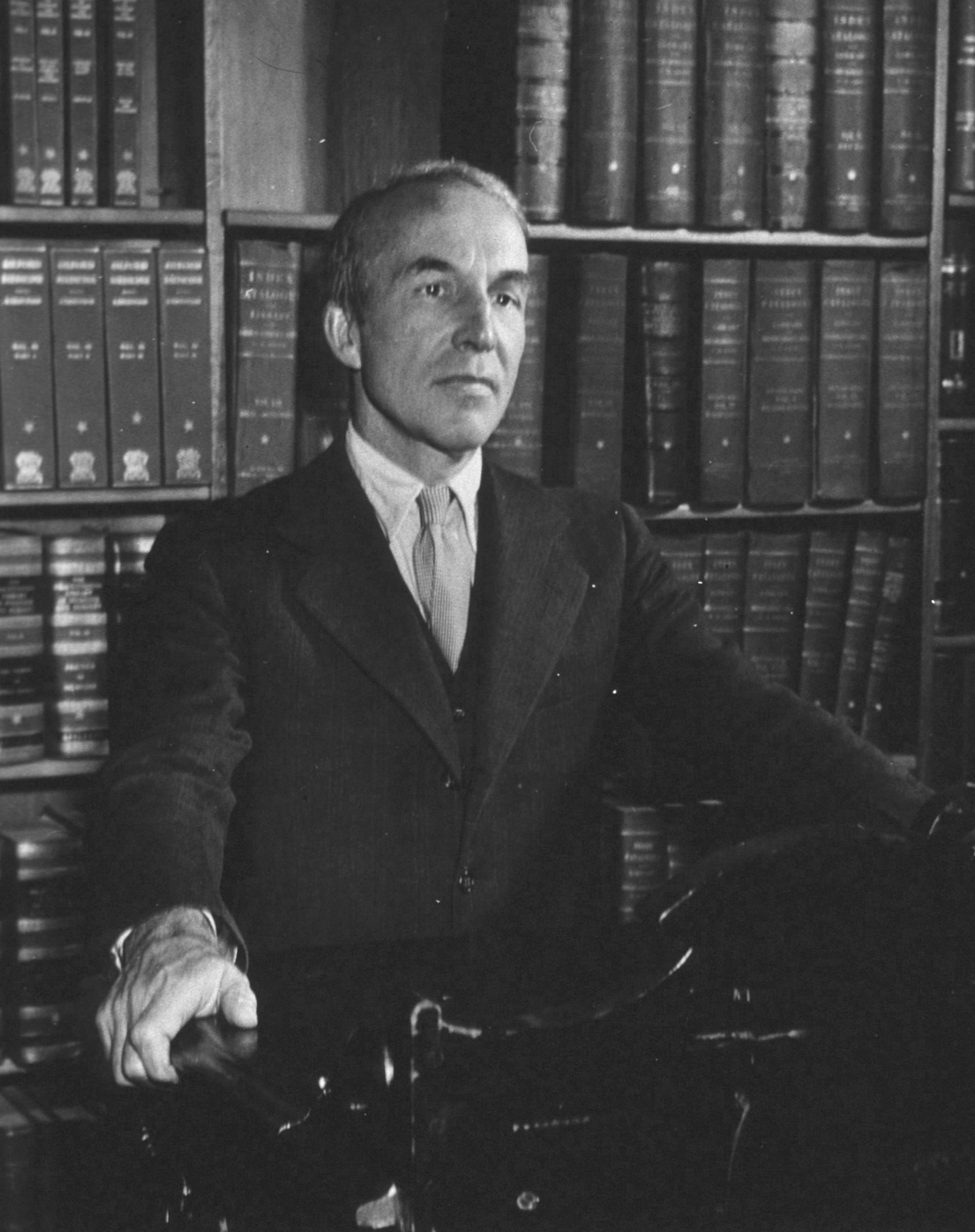
The Larger Liberty of Archibald MacLeish
Archibald MacLeish, born May 7, 1892, was a Pulitzer-winning poet who also served as the Librarian of Congress. During World War II, he was so protective of American history that he secretly arranged for the Declaration of Independence and the Constitution to be hidden in the vaults of Fort Knox to ensure they would never be lost to enemy attack.
Image via Wikimedia Commons, public domain
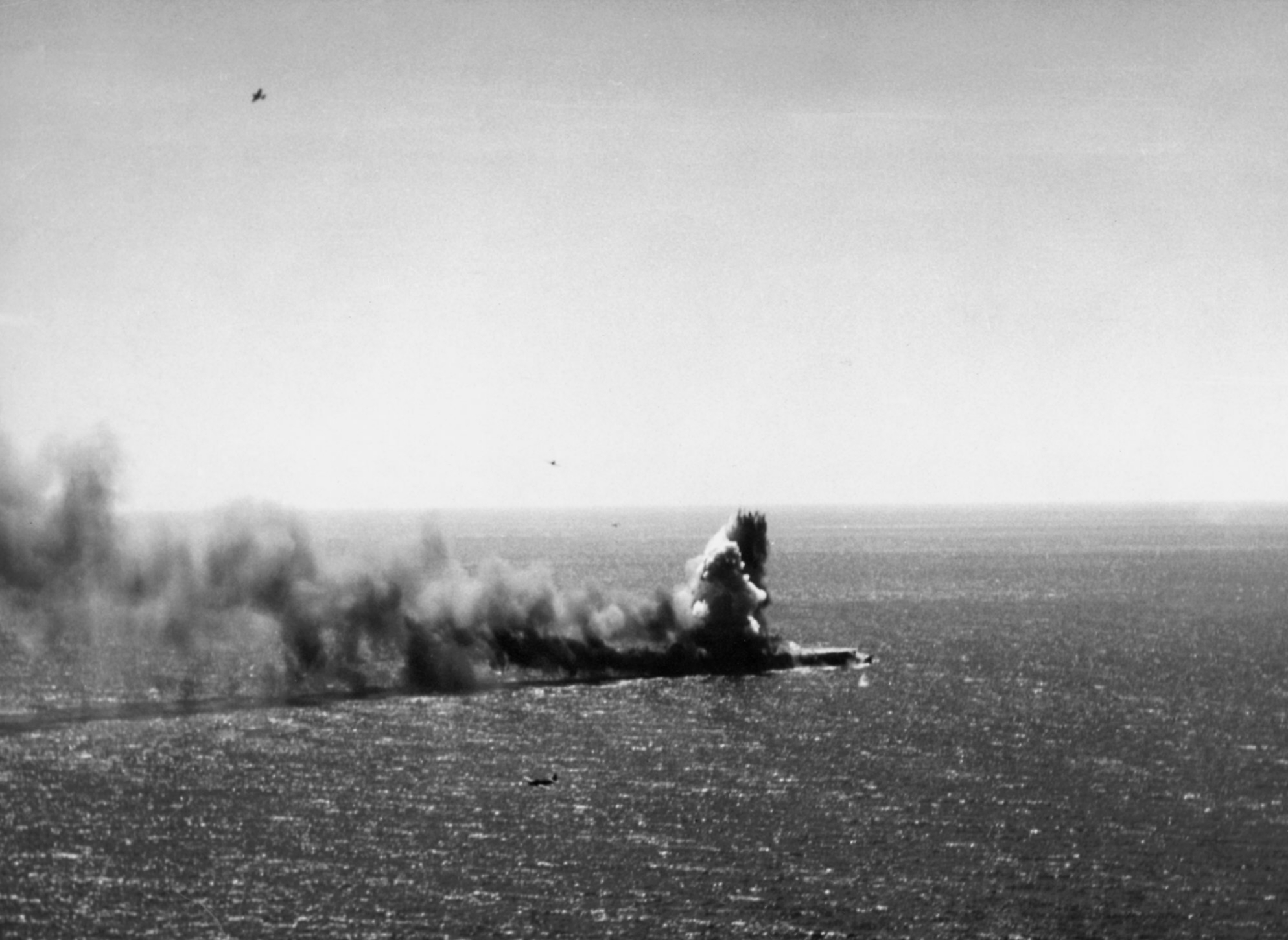
The First Strike in the Coral Sea
On May 7, 1942, U.S. Navy planes successfully sank the Japanese carrier Shōhō, marking the first time in history that a Japanese carrier was destroyed in battle. The engagement was revolutionary because it was part of the first naval battle where the opposing ships never actually saw each other; the entire fight was carried out by aircraft launched from miles away.
Image via Wikimedia Commons, public domain
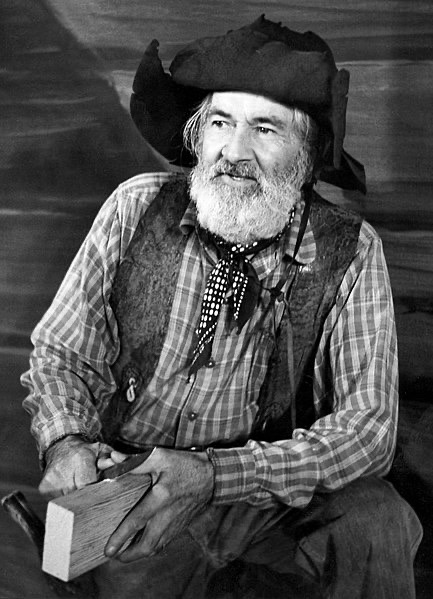
The Two Faces of Gabby Hayes
George “Gabby” Hayes was born on May 7, 1885, and became the world’s most famous Western sidekick. While he played a grizzled, toothless hermit on screen, he was actually a sophisticated, well-read theater actor in real life who only adopted his famous “Western” persona after he had already retired from a successful career on the stage
Image via Wikimedia Commons, no known copyright, public domain in the US.
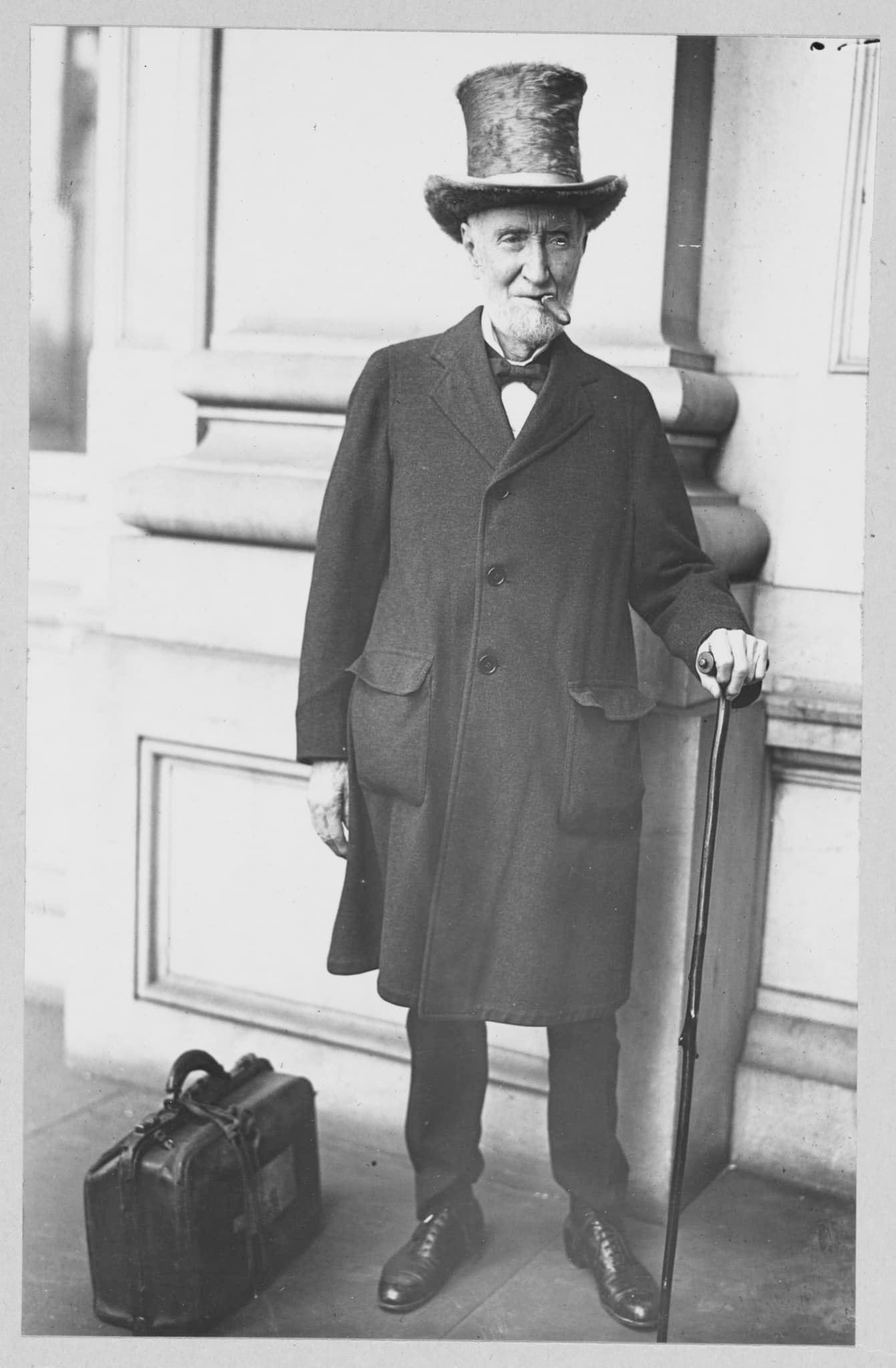
The Visionary Memories of “Uncle Joe” Cannon
Born May 7, 1836, Joseph Gurney Cannon was one of the most powerful Speakers of the House in history. He lived through such rapid change that he personally witnessed the transition from horse-drawn plows to the very first experiments with flying machines, once famously admitting he felt like a “spendthrift” for giving government money to scientists trying to conquer the air.
Image: “Uncle Joe” prepares to leave Congress for all time All packed up and ready to go, “Uncle Joe” Cannon, congressman from Illinois who retired from Congress yesterday after 46 years in the public service, dons his old beaver hat given him when he came to Congress years ago and with his old cane and bag prepared to leave for his home in Danville, Illinois.
Image via Wikimedia Commons, public domain
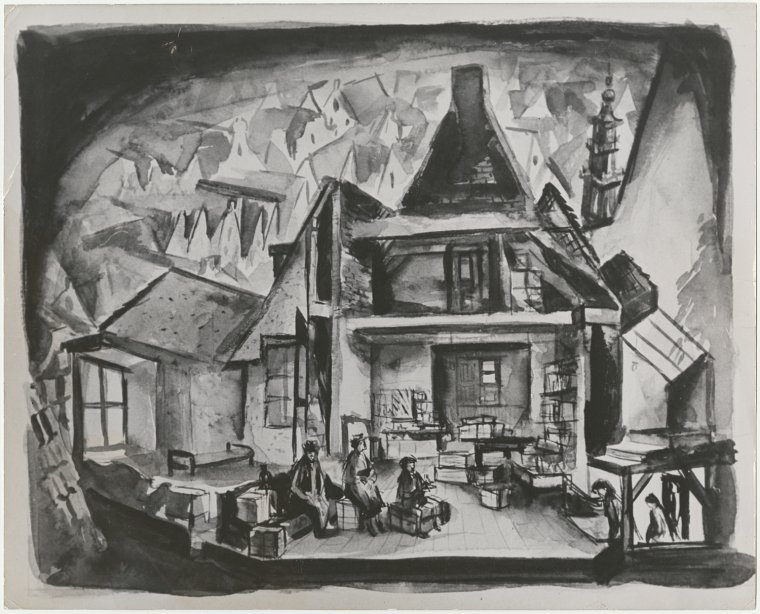
A Pulitzer for the Secret Annex
On May 7, 1956, the stage adaptation of “The Diary of Anne Frank” was awarded the Pulitzer Prize for Drama. The play was so impactful that it was credited with introducing Anne Frank’s story to millions of people who hadn’t yet read the book, turning her private thoughts into a global symbol of the human
Image: Rendering of the set design by Boris Aronson for the play, The Diary of Anne Frank in 1955 via NYPL Digital Collections, no known restrictions
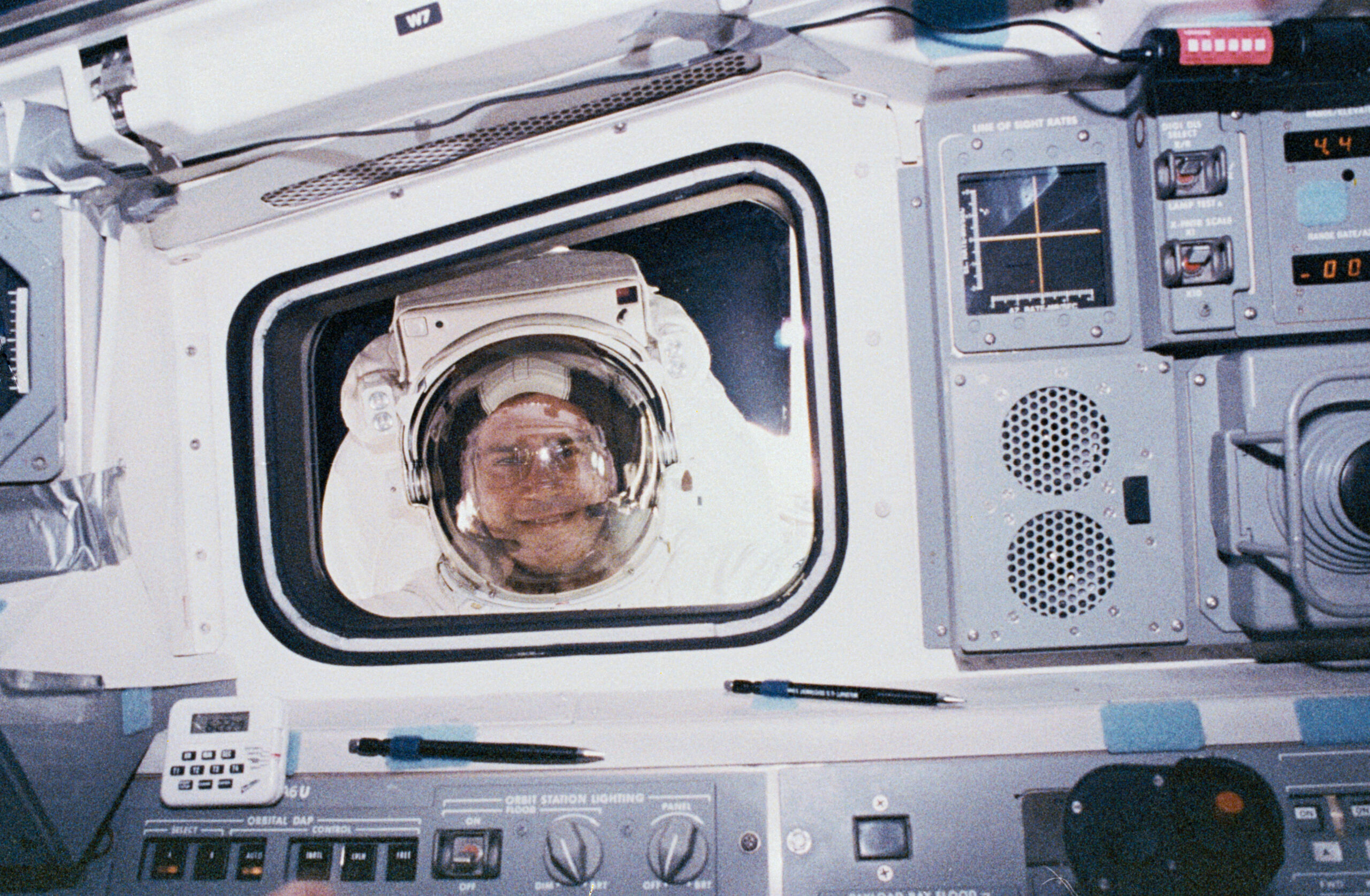
The Maiden Voyage of Endeavour
The Space Shuttle Endeavour began its very first mission on May 7, 1992. It is the only shuttle in the NASA fleet to be named by the public; a nationwide naming contest for school children chose “Endeavour” to honor the ship of 18th-century explorer James Cook, bridging the gap between old-world discovery and space exploration
Image: Rick Hieb, a Mission Specialist aboard STS-49, looks into the aft flight deck of the orbiter during his spacewalk during the nearly 9-day mission.
NASA via Wikimedia Commons, public domain