🎶Tis the gift to be simple, ’tis the gift to be free🎶
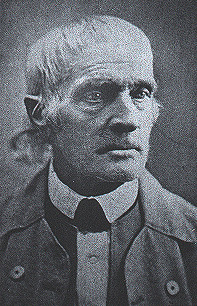
Joseph Brackett was born on May 6, 1797, in Cumberland, Maine — a Shaker child who grew into an elder, writer, and leader in the Maine Ministry. In 1848, he is believed to have composed a quick Shaker “gift song” for worship, a turning melody of humility and joy that he titled “Simple Gifts.”
Brackett never expected the tune to leave the meetinghouses of Alfred and Sabbathday Lake. But nearly a century later, Aaron Copland carried its clean, circular line into Appalachian Spring, sending a Shaker gift song into concert halls, churches, classrooms, and ceremonies across the globe. Today, “Simple Gifts” is one of the most recognized melodies in the world — a tune that has crossed continents, cultures, and generations.
May 6 marks the birth of the man whose 1848 gift song became a global signature — a reminder that some of the world’s most enduring creations begin in small rooms, written by people who never sought fame.
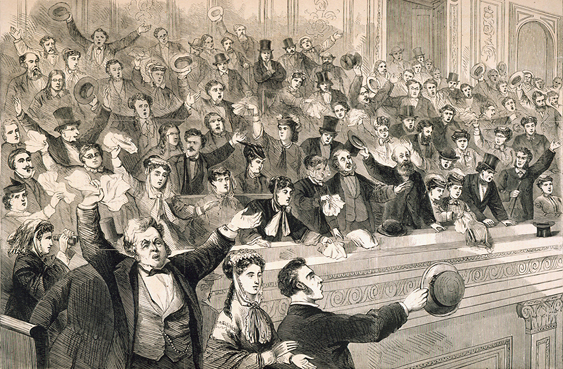
During Andrew Johnson’s impeachment trial on May 6, 1868, Representative John Bingham delivered a powerful speech accusing Johnson of violating the Tenure of Office Act and undermining constitutional authority. His fiery rhetoric led spectators to erupt in applause, forcing the sergeant at arms to clear the galleries. As the primary author of the 14th Amendment, Bingham’s prosecution was deeply personal; he was fighting to protect the civil rights he had codified into the Constitution from a President he believed was intent on dismantling them. Despite the intensity, Johnson was ultimately acquitted by one vote later that month.
Image via Wikimedia Commons, public domain
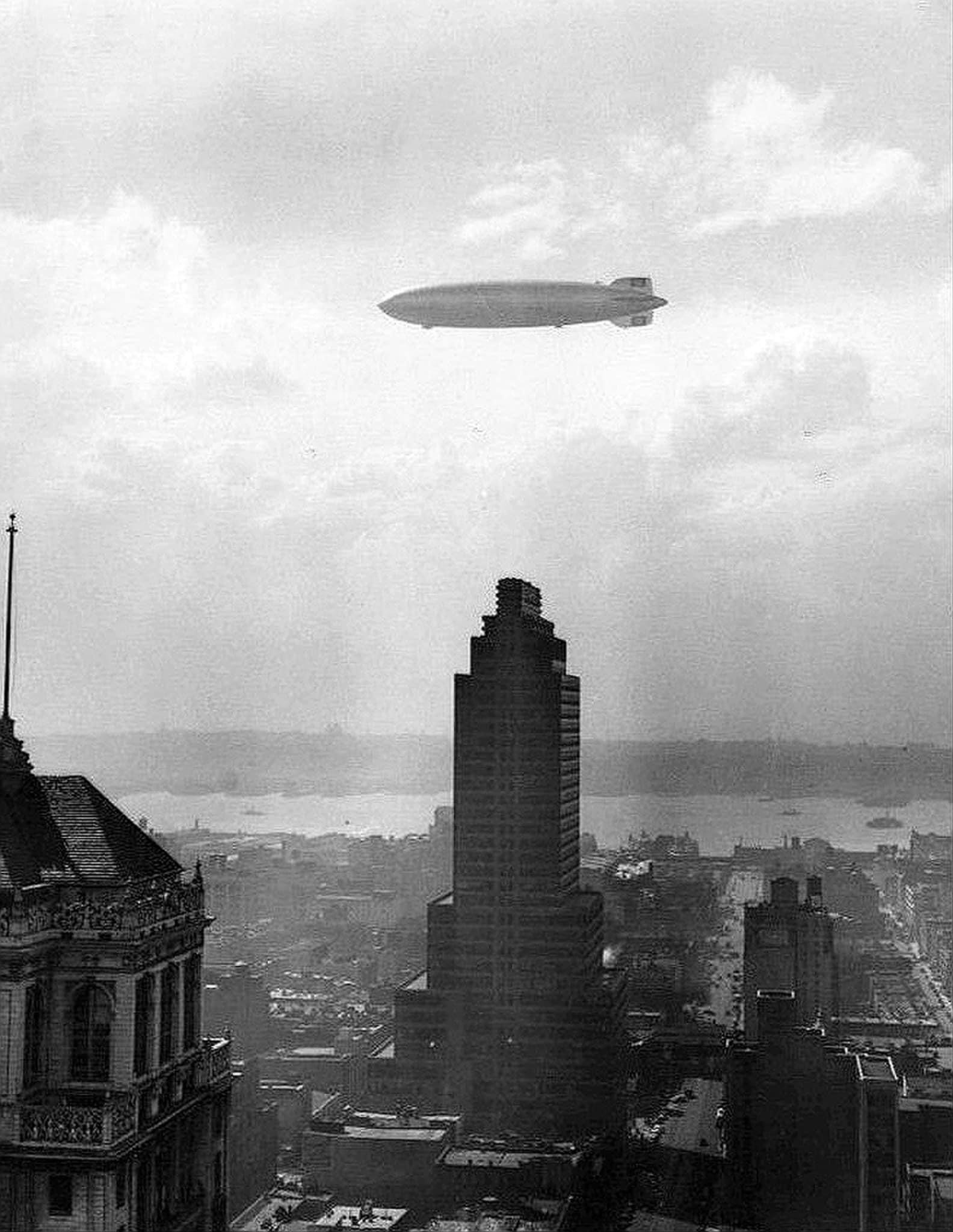
The Hindenburg’s last flight over New York City occurred on May 6, 1937. As the massive airship drifted over Manhattan, it flew low enough for residents to hear the hum of its engines and see passengers waving from the promenade windows. It was a serene moment of awe that marked the final hours of the great era of luxury airship travel, which would come to a tragic end in Lakehurst, New Jersey, later that evening.
via Wikimedia Commons, public domain
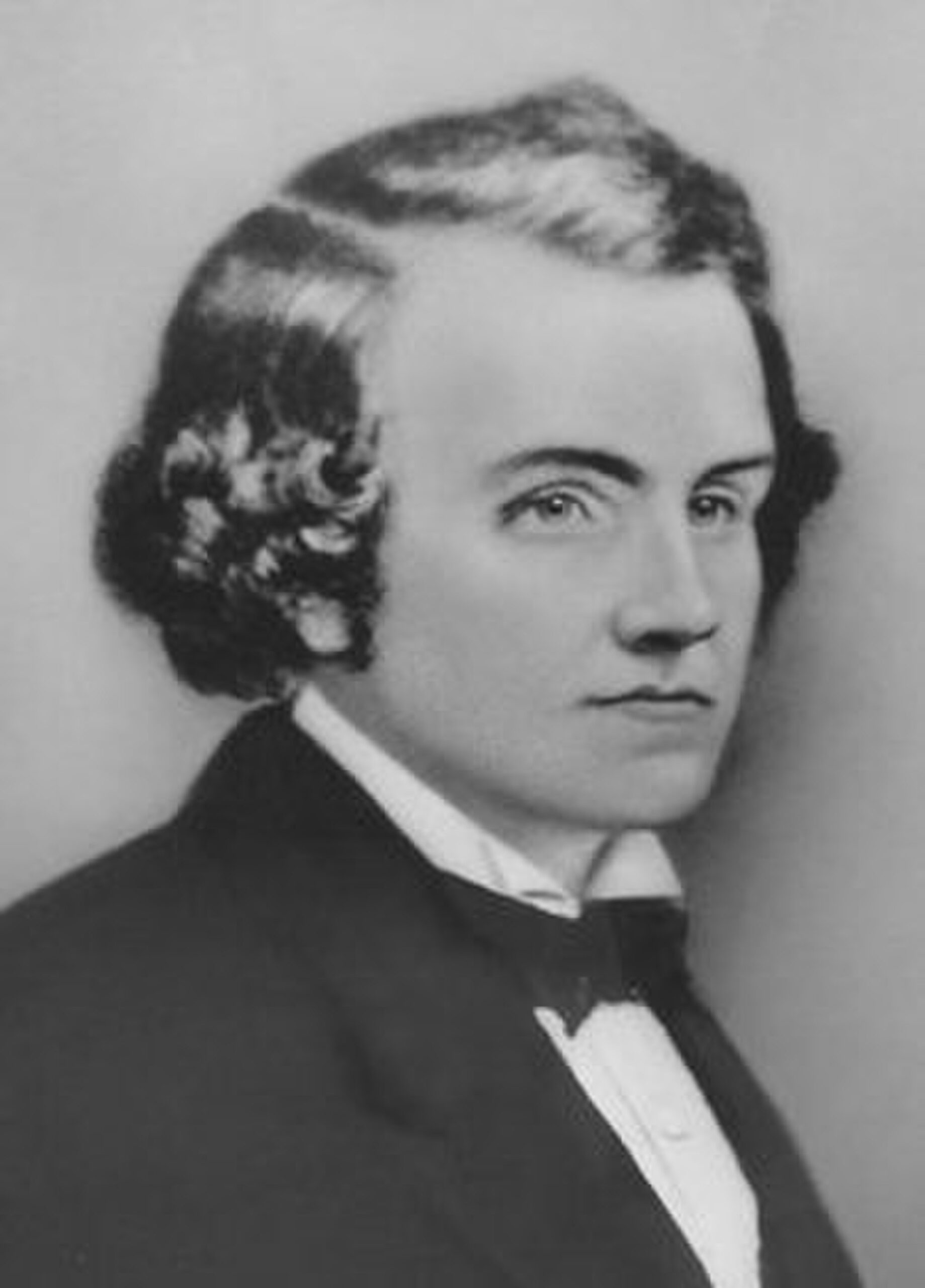
On May 6, 1851, American scientist John Gorrie received a patent for his ice-making machine. While refrigeration is a modern convenience today, Gorrie originally invented the device for a medical purpose: to cool the rooms of yellow fever patients in Florida. He believed that “bad air” caused the disease and that artificial cooling was the only way to save lives in the sweltering tropics.
Image via Wikimedia Commons, public domain
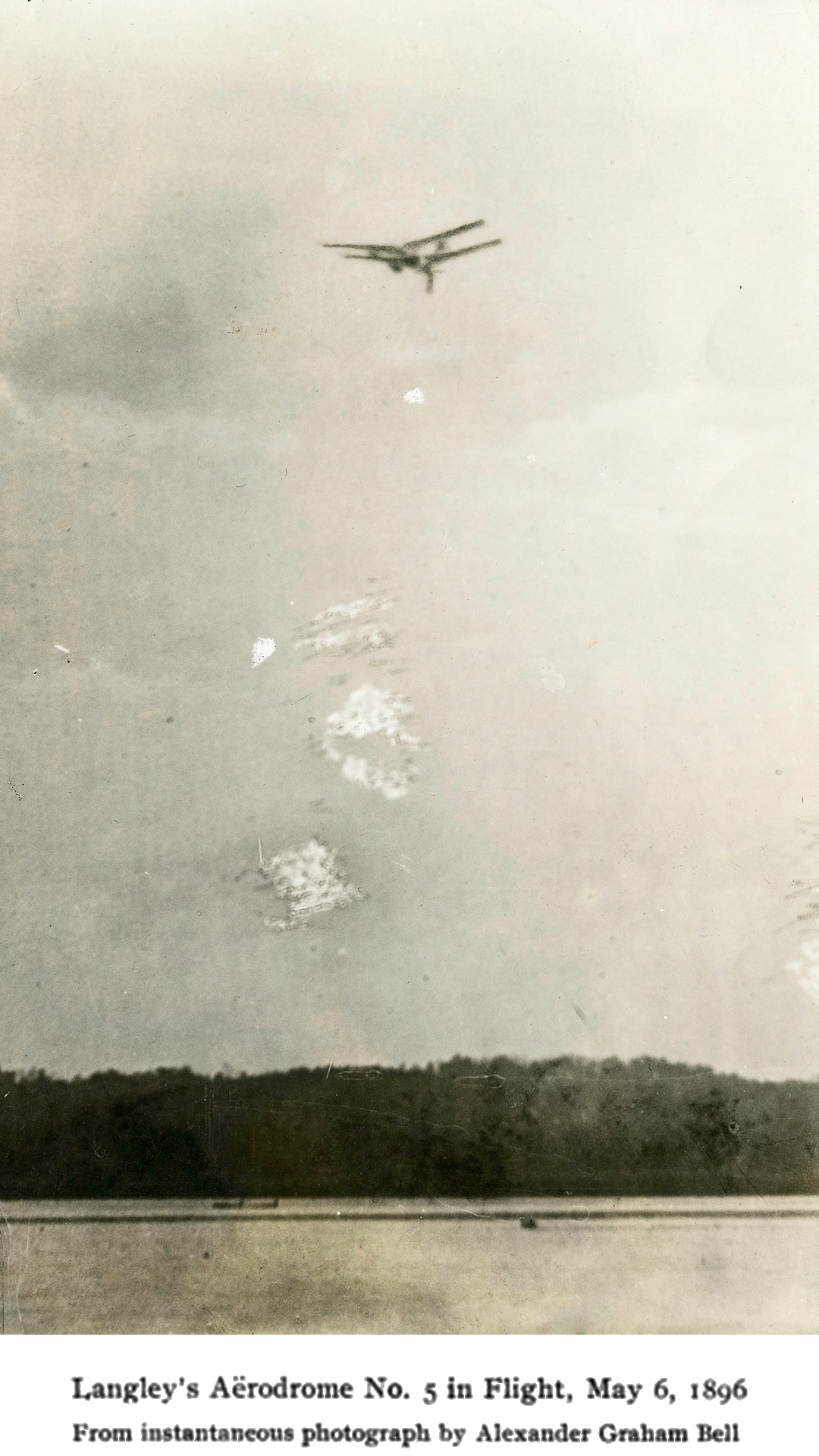
On May 6, 1896, Samuel Langley’s Aërodrome No. 5, an unmanned aircraft, successfully completed two flights over the Potomac River, demonstrating that heavier-than-air flight was achievable. The moment was photographed by Alexander Graham Bell, who documented the event. Unlike the Wright brothers, who were private mechanics, Langley was the Secretary of the Smithsonian Institution, making this flight the first time a major government-backed scientific body proved that a mechanical “bird” could sustain flight.
Image via Wikimedia Commons, public domain
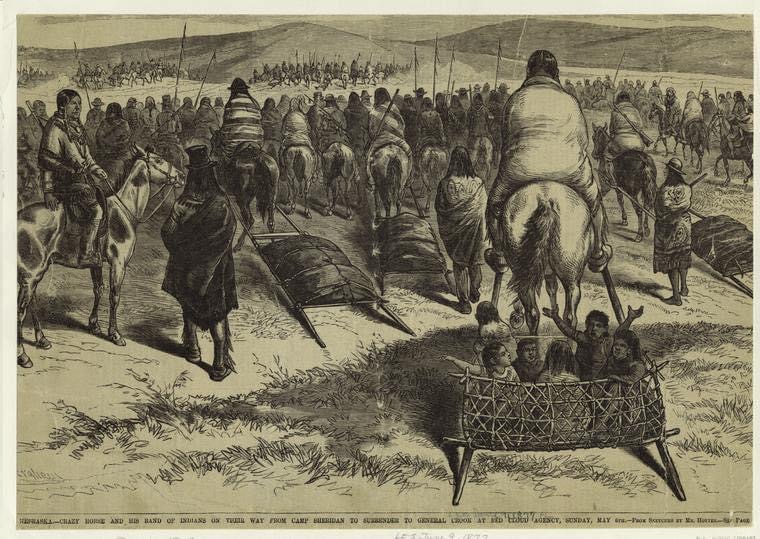
“Nebraska – Crazy Horse and his band of Indians on their way from Camp Sheridan to surrender to General Crook at Red Cloud Agency, Sunday, May 6th, (1877).” This moment was one of the few times the elusive leader was seen by the public; legend says Crazy Horse refused to have his likeness recorded, believing it would “steal his soul.” As a result, no definitively authenticated photograph of the legendary Lakota leader is known to exist today.
via New York Public Library Digital Collections
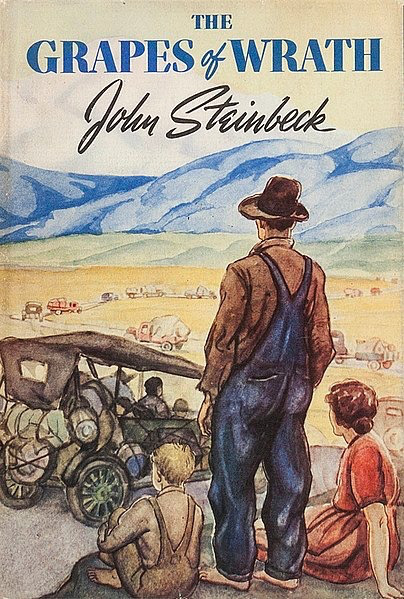
John Steinbeck was awarded a Pulitzer Prize for his novel “The Grapes of Wrath” on May 6, 1940, one year and 16 days after its publication. By that time, 430,000 copies had been printed and the film version was playing nationwide. The book was so controversial that it was publicly burned in some towns, yet Eleanor Roosevelt defended it so fiercely that she personally visited migrant camps to confirm that Steinbeck’s portrayal of the conditions was accurate.
First edition cover via Wikimedia Commons, no known copyright, public domain in the US.
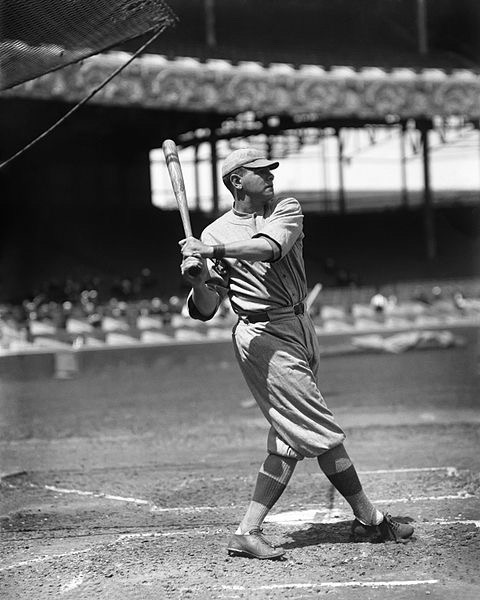
On May 6, 1915, Babe Ruth, then a pitcher for the Boston Red Sox, hit his first major league home run in a game against the New York Yankees. In a twist of historical irony, Ruth hit that first homer off Yankees pitcher Jack Warhop; just five years later, the Red Sox would sell Ruth to the Yankees, triggering the “Curse of the Bambino” that would haunt Boston for 86 years.
Image by Charles Conlon via Wikimedia Commons, public domain in the US
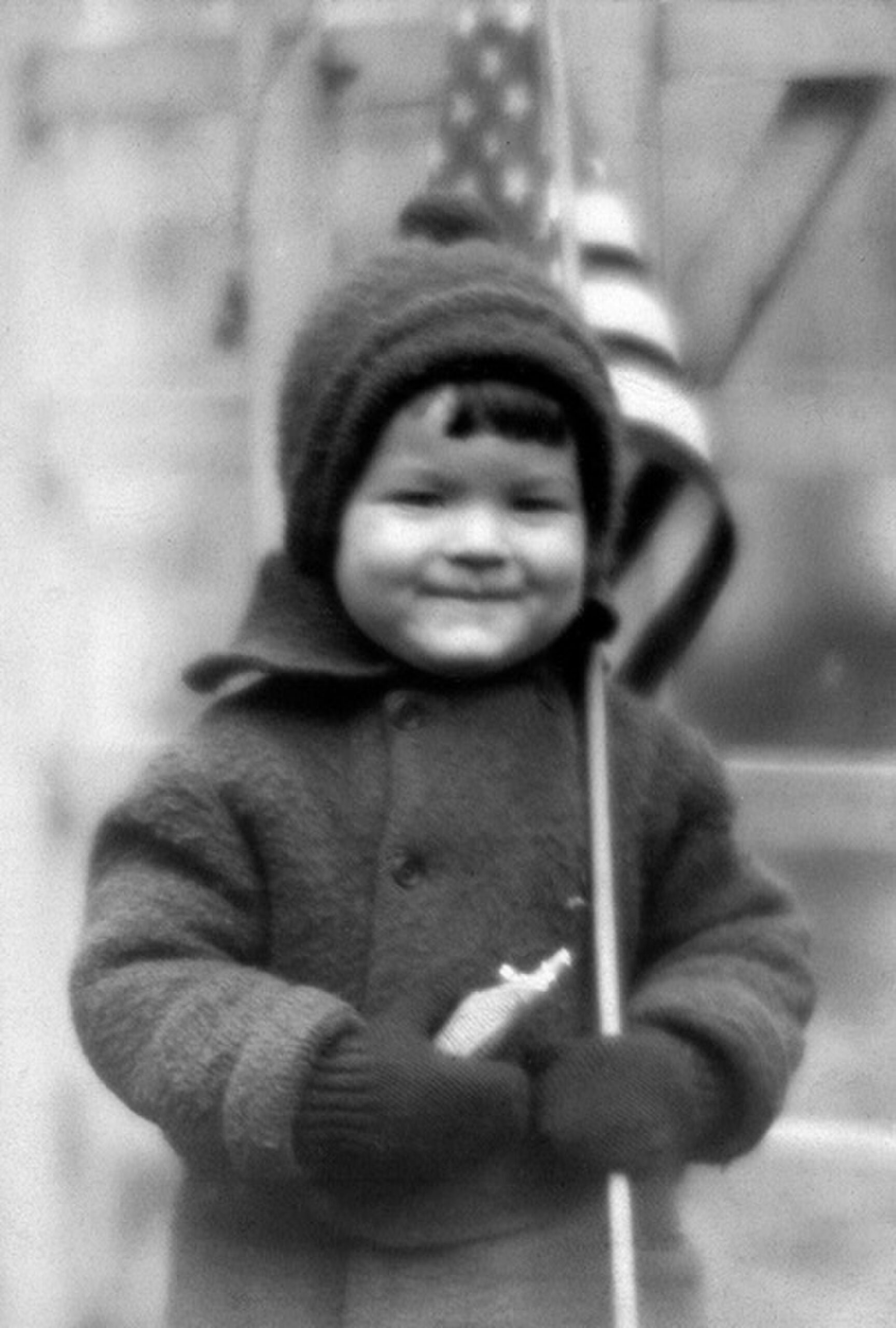
Orson Welles was born on May 6, 1915, in Kenosha, Wisconsin. A recognized child prodigy, Welles was already directing and performing Shakespeare by age 10. His meteoric rise in the arts would eventually lead him to write, direct, and star in Citizen Kane at the age of 26, a film that changed the landscape of cinema forever.
Image: Orson Welles at 3 years of age in 1918 holding an American Flag by Macfadden Publications, Inc. via Wikimedia Commons, public domain
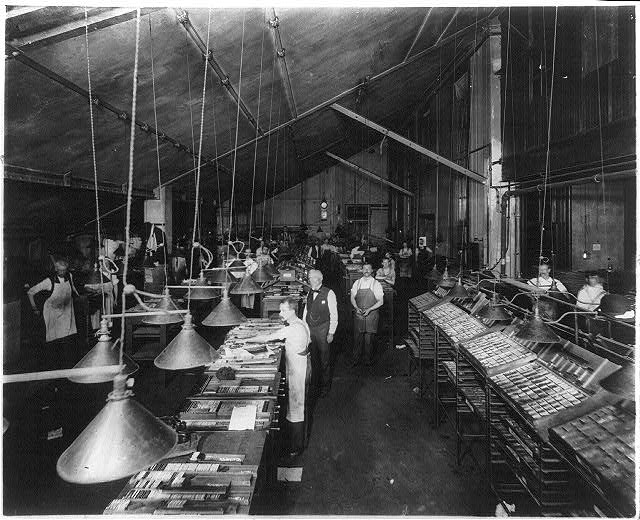
The Paper of Record: The Rise of the New York Herald
The New York Herald, founded on May 6, 1835, revolutionized American journalism with its innovative and nonpartisan reporting. The publication eventually moved to its grand building in Herald Square, which became a New York landmark. Under founder James Gordon Bennett, the paper pioneered the “exclusive interview”—a format we take for granted today—first seen during a high-profile murder trial in 1836.
Image via LOC, no known restrictions
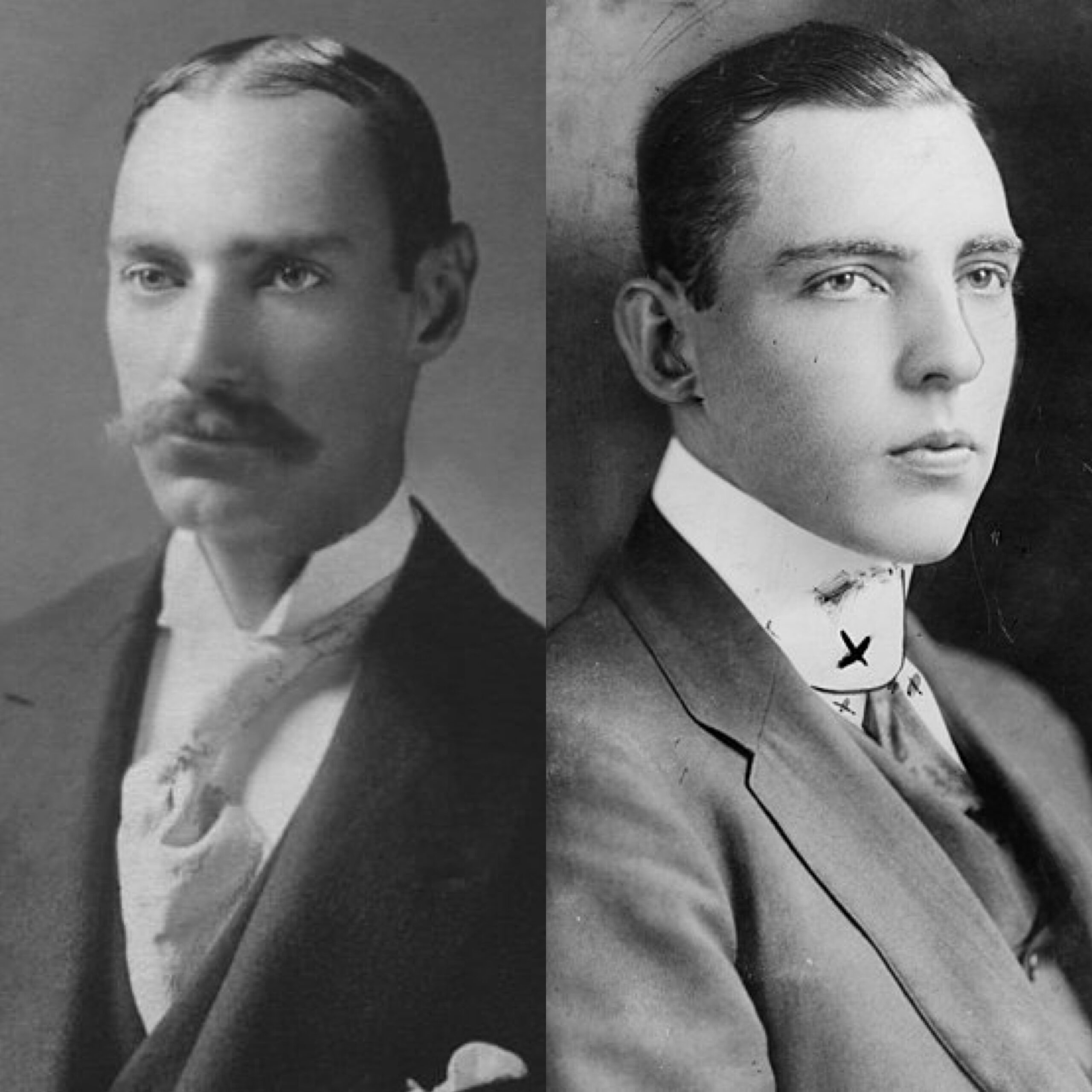
On May 6, 1912, the $150,000,000 estate (worth billions today) of John Jacob Astor IV (left), who passed away on the Titanic, was probated to his twenty-year-old son, Vincent (right). While he inherited a “robber baron” reputation along with the fortune, Vincent chose a different path; he used his inheritance to fund social reforms in New York and eventually sold much of the family’s slum-like real estate holdings to improve housing conditions for the city’s poor.
via Wikimedia Commons, public domain
Puritan clergyman John Norton was born on May 6, 1606, in Bishop’s Stortford, England. After settling in Ipswich, Massachusetts, in 1635, he became the first person to write a book in Latin in the American colonies. His work was more than academic; it was a formal defense of New England’s churches sent back to Europe to prove that the colonies remained centers of high intellectual culture.
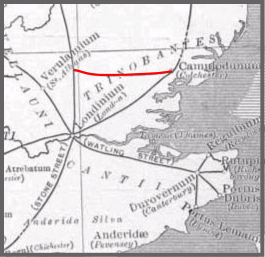
Norton’s hometown of Bishop’s Stortford sits along Stane Street, a 39-mile Roman road constructed around 50 AD. This ancient connection to Rome mirrors Norton’s own use of Latin—the Roman tongue—to bridge the gap between the American wilderness and the established scholars of Europe.
Image of the 39-mile Stane Street in Roman Britain via Wikimedia Commons, public domain
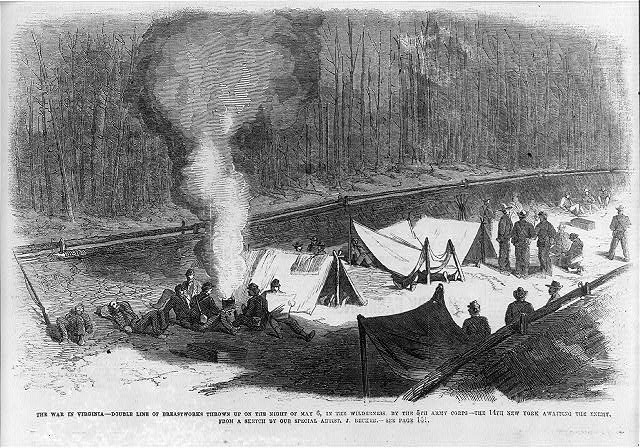
In the Wilderness. The 14th NY awaiting the enemy behind a double line of breastworks set up on the night of May 6, 1864. The Battle of the Wilderness was so intense and the woods so thick that the muzzle flashes from the rifles ignited the dry underbrush, creating a terrifying forest fire that trapped soldiers from both sides between the lines.
Image via LOC, no known restrictions
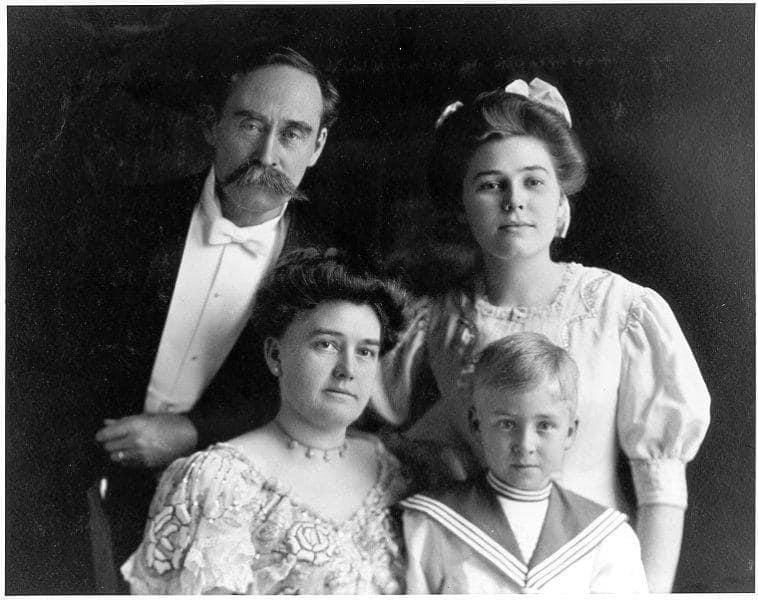
Arctic Explorer and U.S. Navy Rear Admiral Robert E. Peary was born on May 6, 1856. Peary spent over 20 years attempting to reach the North Pole, losing eight of his toes to frostbite in the process. He famously joked that he was “leaving bits of himself” in the Arctic to claim the territory for America.
Image of Peary and family via Wikimedia Commons, public domain
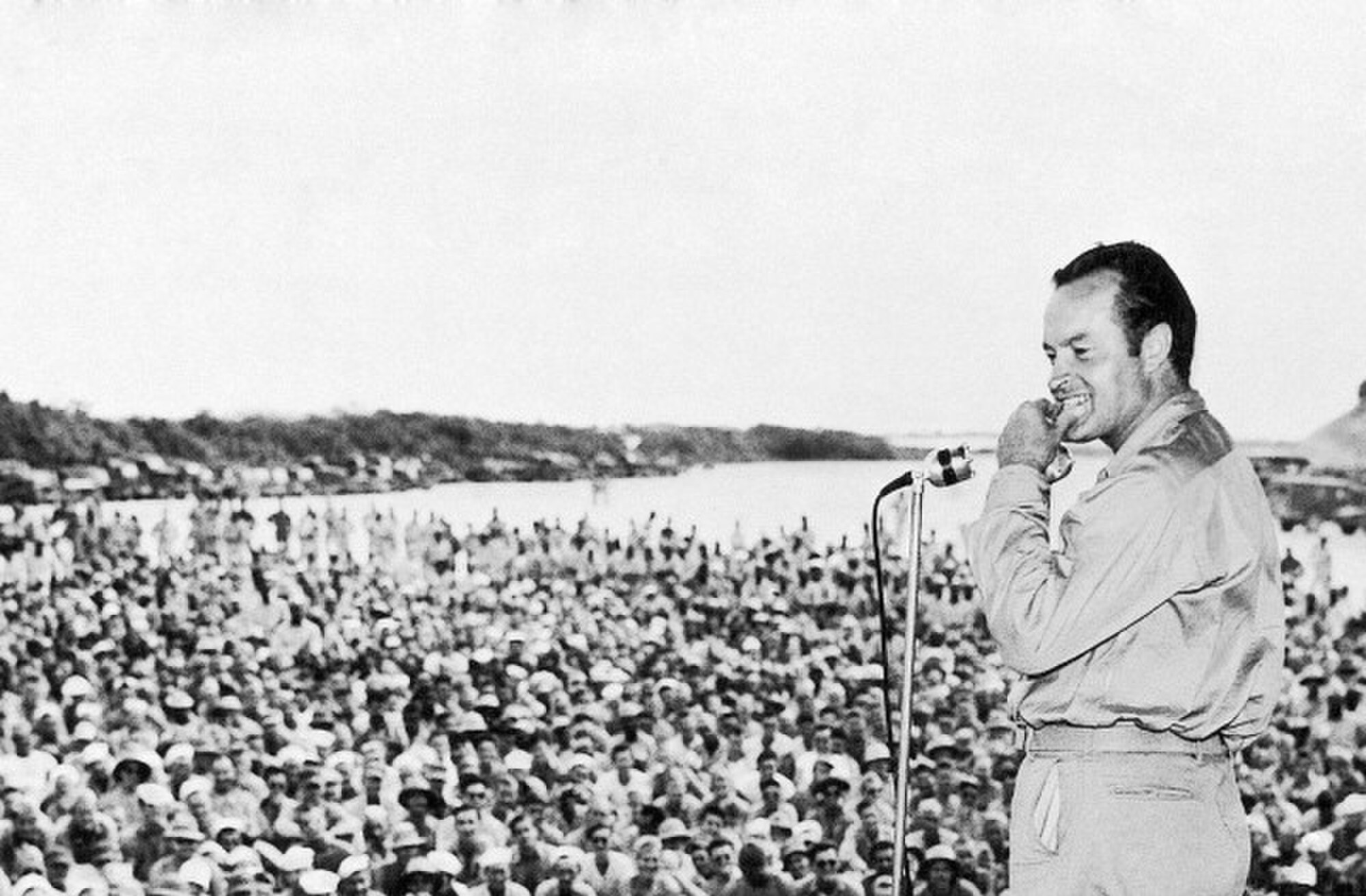
On May 6, 1941, Bob Hope performed his first USO show at March Field in Riverside, California. Hope didn’t originally plan to make the USO his life’s work; he only agreed to the first show because his radio producer was a reservist at the base. The overwhelming reaction from the troops changed his life, leading to a 50-year career of entertaining soldiers in every major American conflict.
Image: Bob Hope USO Show at Pearl Harbor in 1944 via Wikimedia Commons, public domain
The Day a 20‑Year‑Old Redefined Dominance with Twenty Strikeouts
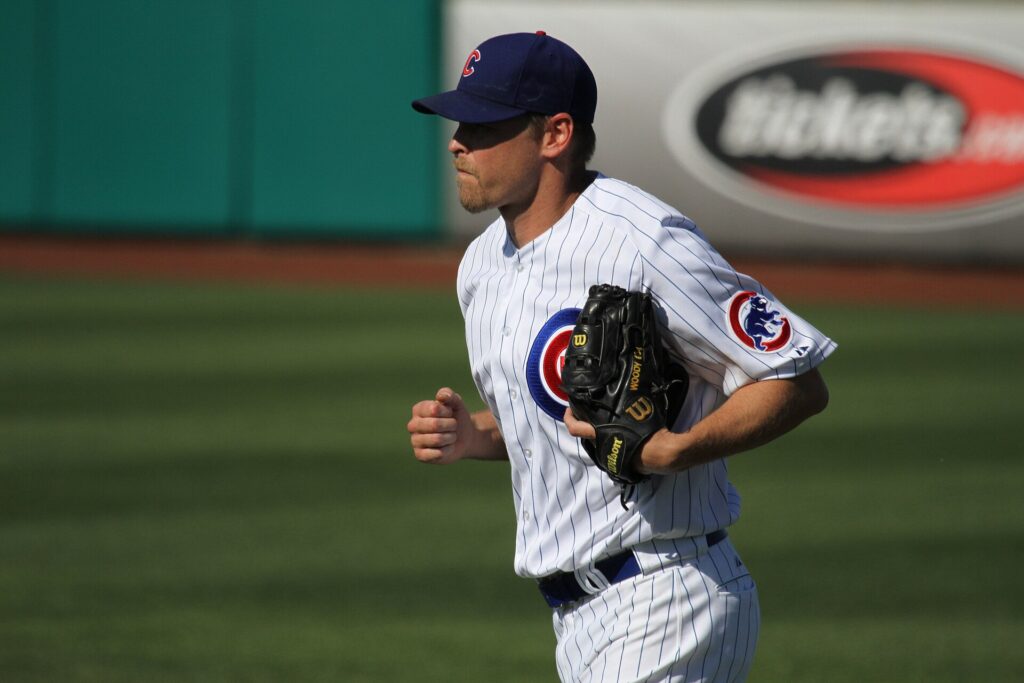
On May 6, 1998, in only his fifth major‑league start, 20‑year‑old Chicago Cubs rookie Kerry Wood delivered one of the most overpowering performances in baseball history. Facing a veteran Houston Astros lineup, Wood struck out 20 batters, allowed just one hit, and issued no walks—a level of command and movement that left hitters stepping away from the plate in disbelief.
With those 20 strikeouts, Wood tied the nine‑inning record held by Texas‑born Roger Clemens, matching the mark the future Hall of Famer had set twice. More than a quarter‑century later, the game still stands as the benchmark for pure, unrelenting pitching dominance.
Image: Kerry Wood coming in to pitch for the Chicago Cubs years later in 2012 from Mike LaChance • CC BY 2.0 via Wikimedia Commons