
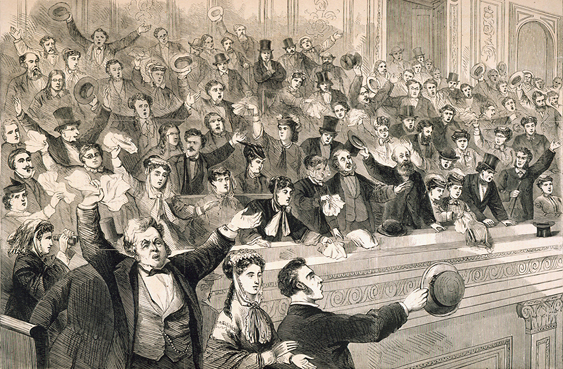
During Andrew Johnson’s impeachment trial on May 6, 1868, Representative John Bingham delivered a powerful speech accusing Johnson of violating the Tenure of Office Act and undermining constitutional authority. His fiery rhetoric led spectators to erupt in applause, forcing the sergeant at arms to clear the galleries. The trial was one of the most politically charged moments in U.S. history, but despite the intensity, Johnson was ultimately acquitted by one vote later that month.
Image via Wikimedia Commons, public domain
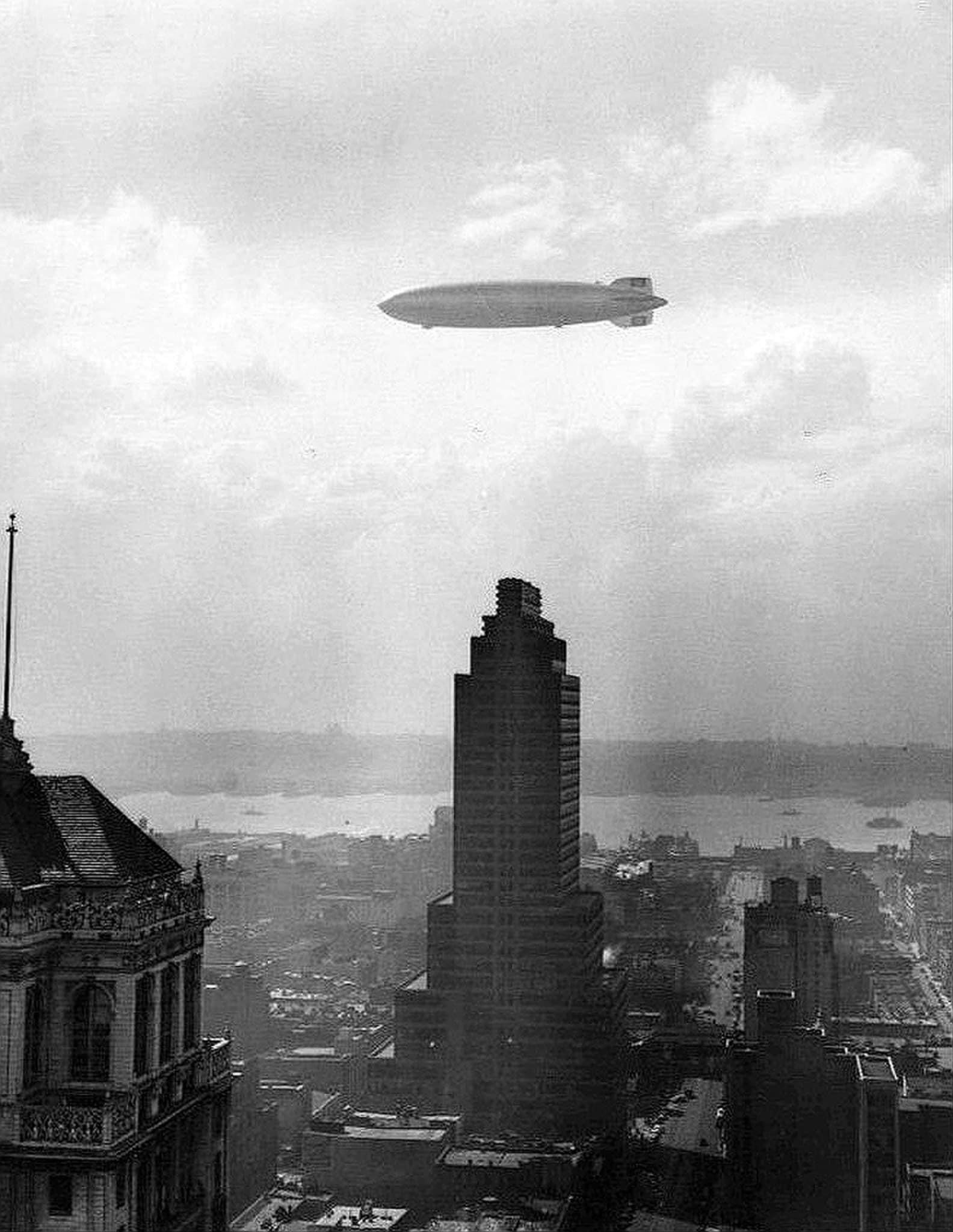
The Hindenburg’s last flight over New York City
– May 6, 1937
via Wikimedia Commons, public domain
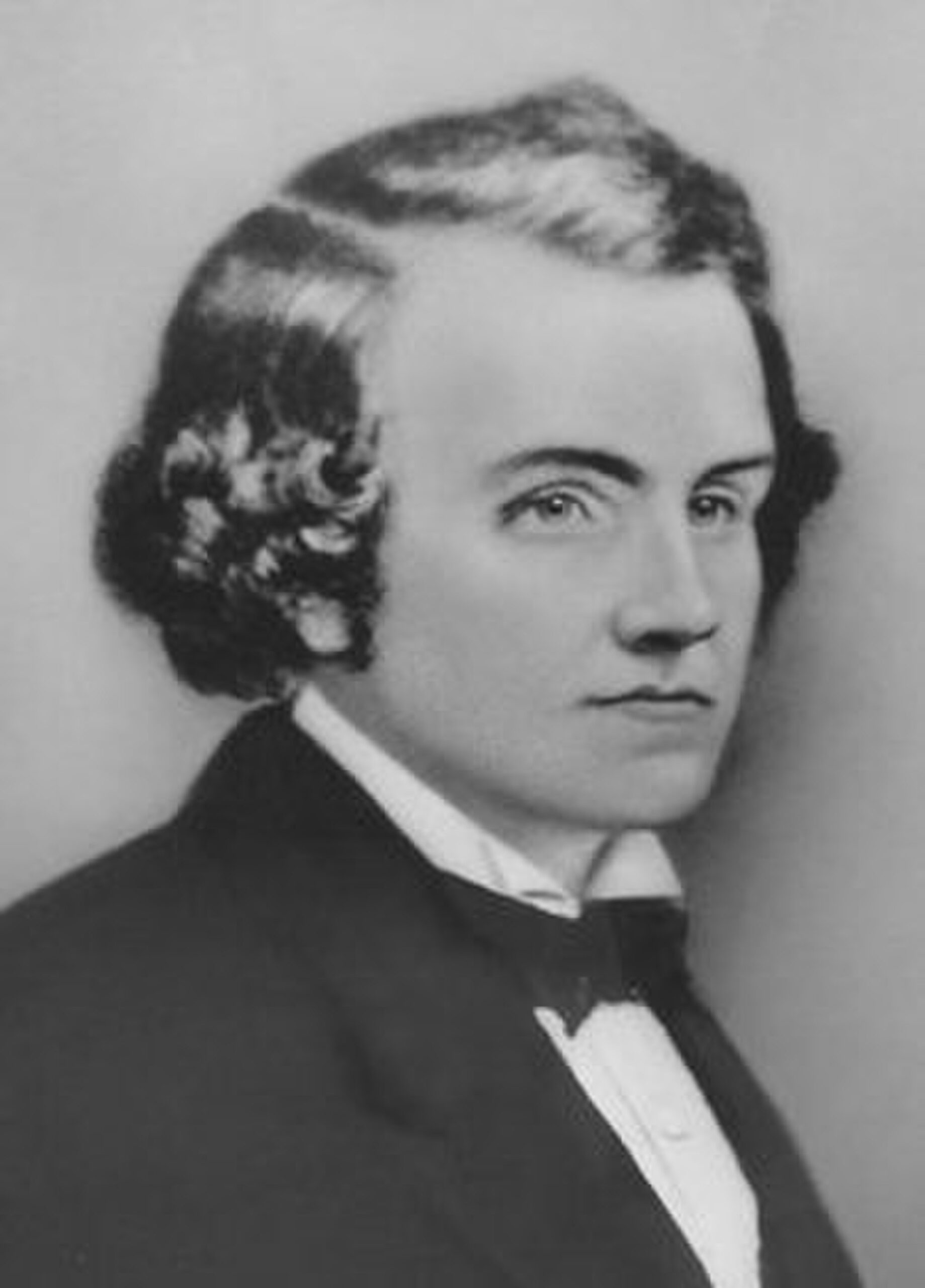
On May 6, 1851, American scientist John Gorrie received a patent for his ice making machine.
Image via Wikimedia Commons, public domain
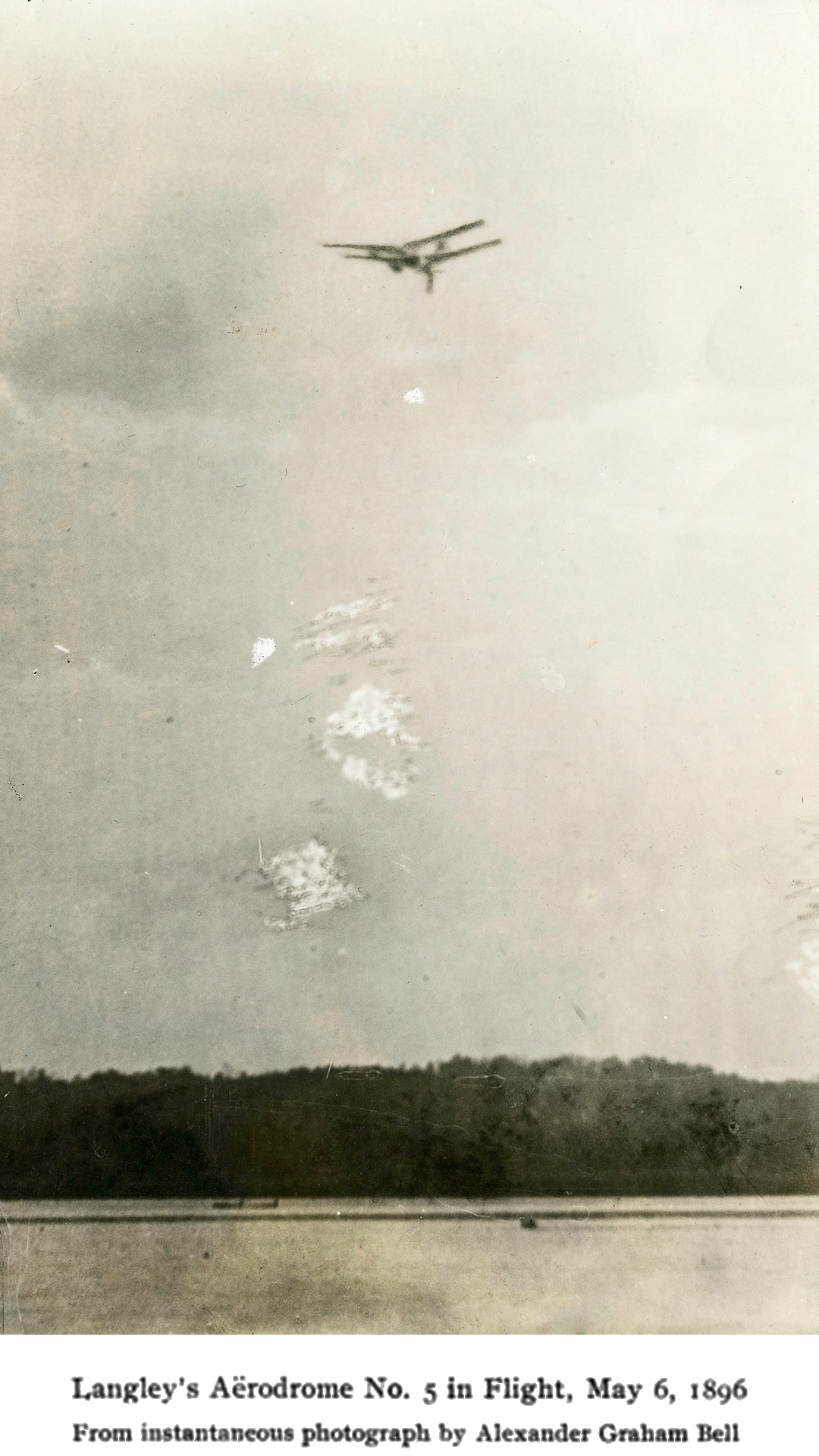
Samuel Langley, a pioneering aviation and astrophysics researcher, made significant contributions to powered flight and scientific innovation. On May 6, 1896, his Aërodrome No. 5, an unmanned aircraft, successfully completed two flights over the Potomac River, demonstrating that heavier-than-air flight was achievable. The moment was photographed by Alexander Graham Bell, who documented the event and corresponded with Langley about aerodynamics.
Langley’s research influenced later breakthroughs, including the Wright brothers’ first controlled flight in 1903. His legacy endures through institutions named in his honor, such as NASA’s Langley Research Center, Langley Air Force Base, and the USS Langley, reflecting his impact on aerospace, military advancements, and scientific exploration.
Image via Wikimedia Commons, public domain
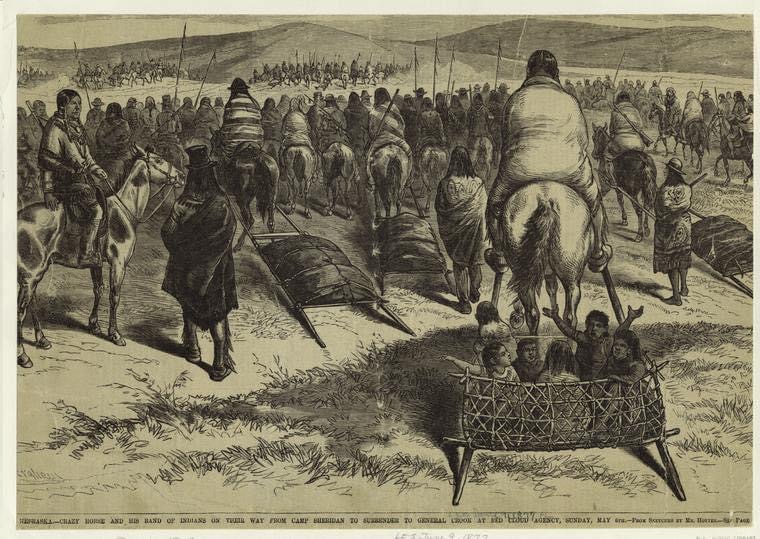
“Nebraska – Crazy Horse and his band of Indians on their way from Camp Sheridan to surrender to General Crook at Red Cloud Agency, Sunday, May 6th, (1877)”
via New York Public Library Digital Collections
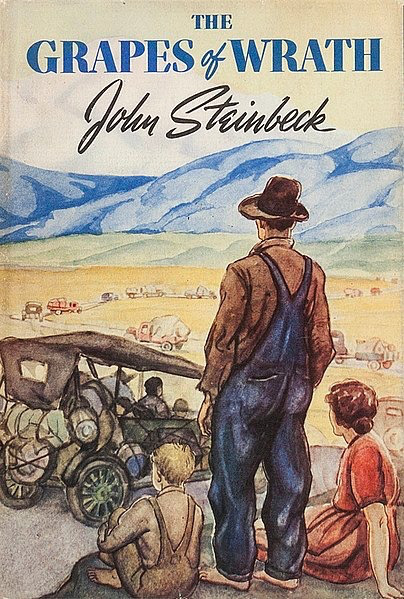
John Steinbeck was awarded a Pulitzer Prize for his novel “The Grapes of Wrath” on May 6, 1940, one year and 16 days after it was published. By that time 430,000 copies had been printed and the film version was playing in theaters nationwide.
First edition cover via Wikimedia Commons, no known copyright, public domain in the US.
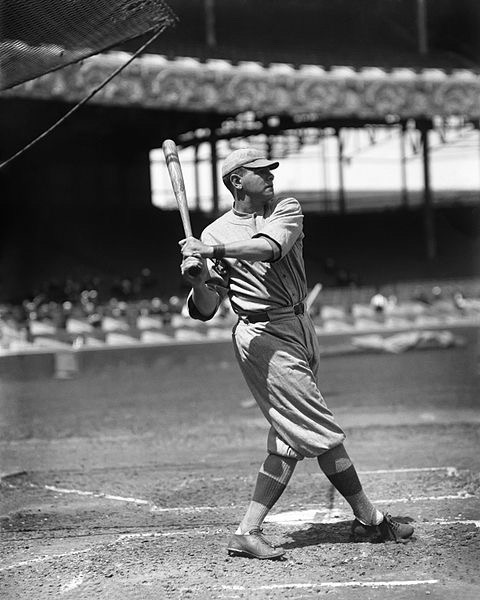
On May 6, 1915, Babe Ruth, then a pitcher for the Boston Red Sox, hit his first major league home run in a game against the New York Yankees. He finished the season with three more homers. The Babe is shown here in 1916 during Red Sox batting practice.
Image by Charles Conlon via Wikimedia Commons, public domain in the US.
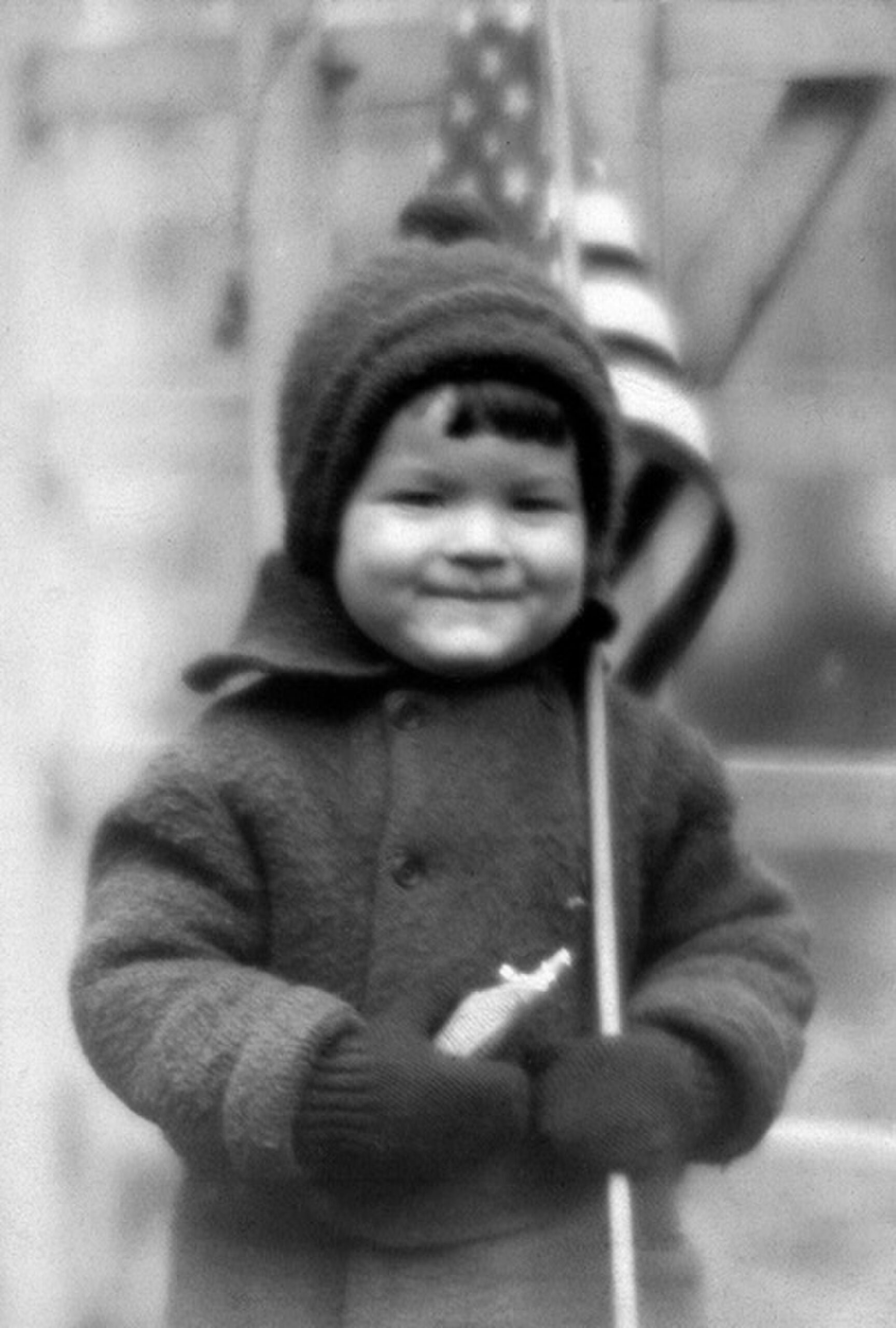
Orson Welles was born on May 6, 1915 in
Kenosha, Wisconsin.
Image: Orson Welles at 3 years of age in 1918 holding an American Flag by Macfadden Publications, Inc. via Wikimedia Commons, public domain
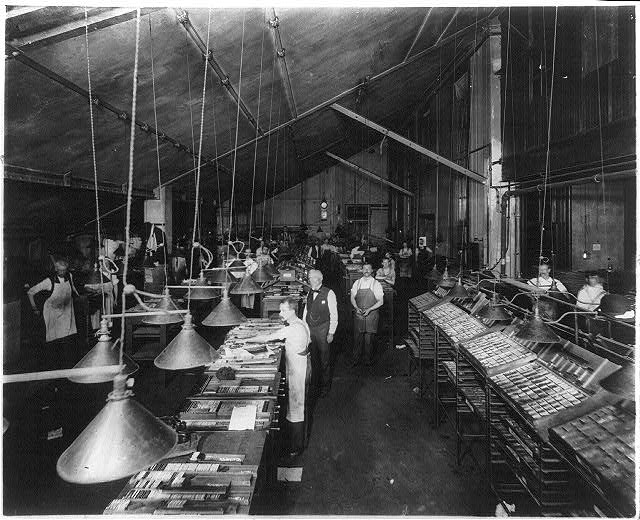
The New York Herald, founded on May 6, 1835, revolutionized American journalism with its innovative and nonpartisan reporting. This photograph from the early 1900s captures the composing room of the Herald, where linotype machines and skilled workers prepared the daily newspaper for printing. In 1895, the publication moved its headquarters to Herald Square, where its grand building, designed by Stanford White, became a landmark in New York City. The Herald merged with the New-York Tribune in 1924, and its original headquarters was demolished in 1921. Today, Herald Square is a bustling commercial center, home to Macy’s flagship store, though remnants of its newspaper legacy remain, including a monument to founder James Gordon Bennett.
Image via LOC, no known restrictions
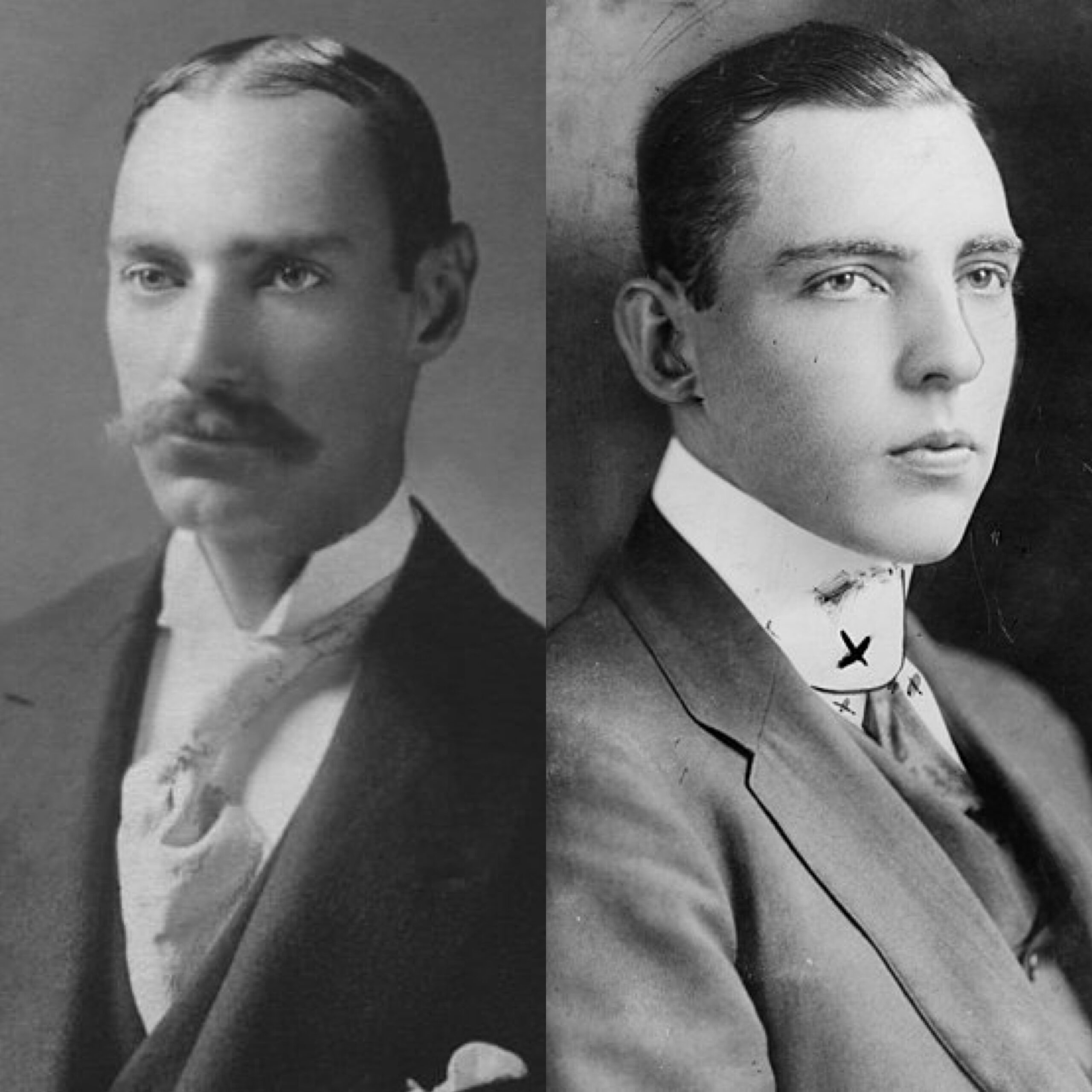
On May 6, 1912, the $150,000,000 estate (worth billions today) of John Astor (left), who passed away on the Titanic, was probated to his twenty-year-old son, Vincent (right).
via Wikimedia Commons, public domain
A Puritan clergyman, by the name of John Norton, was born on May 6, 1606 in Bishop’s Stortford, England.
In 1635 he settled in Ipswich, Massachusetts where he became a teacher. He is believed to be the first person to write a book in Latin in the American colonies.
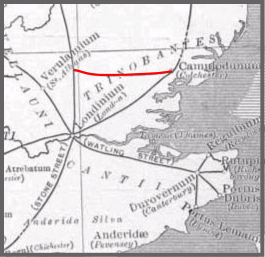
Norton’s hometown of Bishop’s Stortford in England sits along an ancient Roman road called Stane Street that was constructed around 50AD.
Image of the 39 mile Stane Street in Roman Britain via Wikimedia Commons, public domain
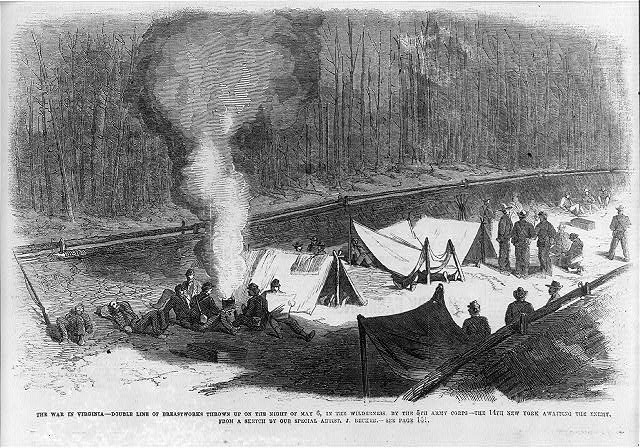
In the Wilderness. The 14th NY awaiting the enemy behind a double line of breastworks set up on the night of May 6, 1864
Image via LOC, no known restrictions
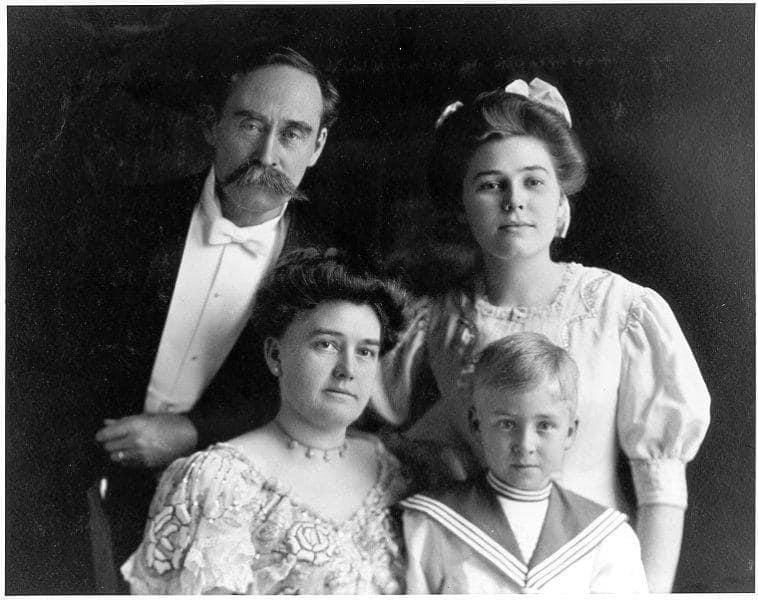
Arctic Explorer and U.S. Navy Rear Admiral Robert E.
Peary was born on May 6, 1856 in Cresson, Pennsylvania.
Image of Peary and family via Wikimedia Commons, public domain
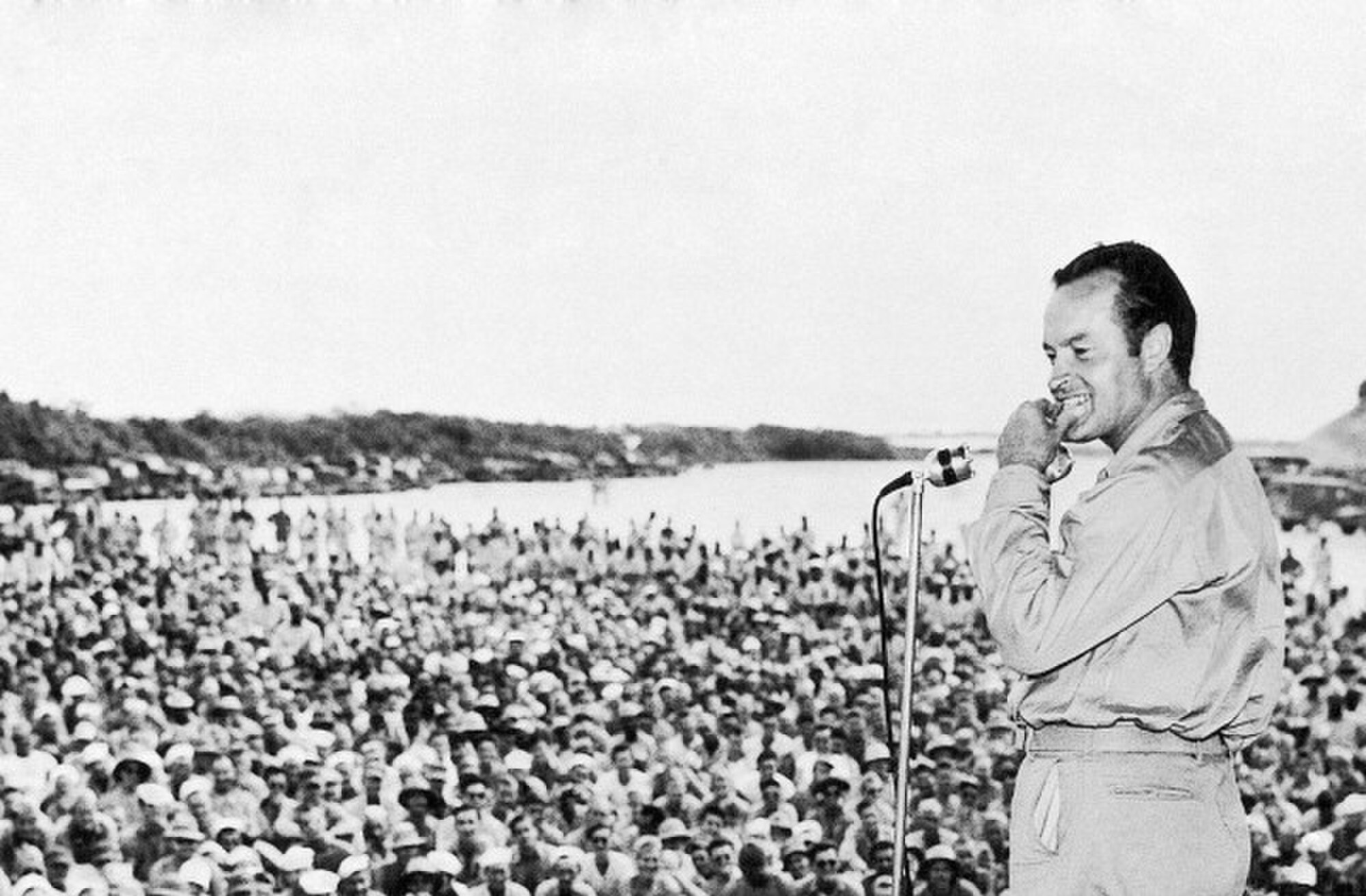
On May 6, 1941, Bob Hope performed his first USO show at March Field in Riverside, California.
Image: Bob Hope USO Show at Pearl Harbor in 1944 via Wikimedia Commons, public domain
