
 Mystery March Is Here!
May 5, 1778
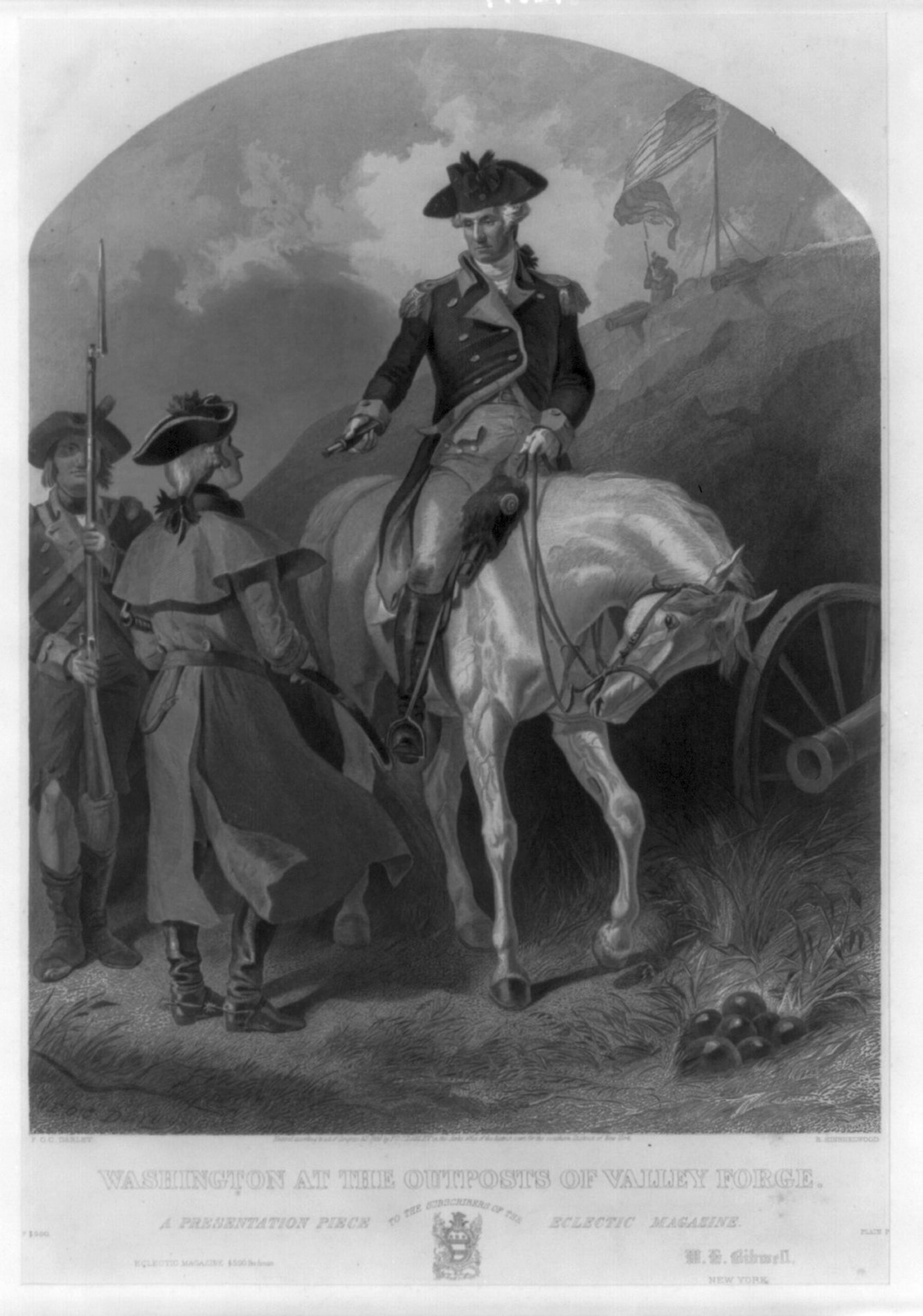
At midnight a special messenger from Congress arrived at Valley Forge to officially announce to the Commander-in-chief the ratification at Versailles on February 6th of the French alliance. In reply, Washington wrote, urging “the importance of action on the part of Congress, as the English evidently intended to vigorously prosecute the war.” Upon announcing the event to the army in the morning, Washington ordered a grand fete and jubilee.
From Washington Day by Day, published in 1895
Image via Wikimedia Commons, public domain
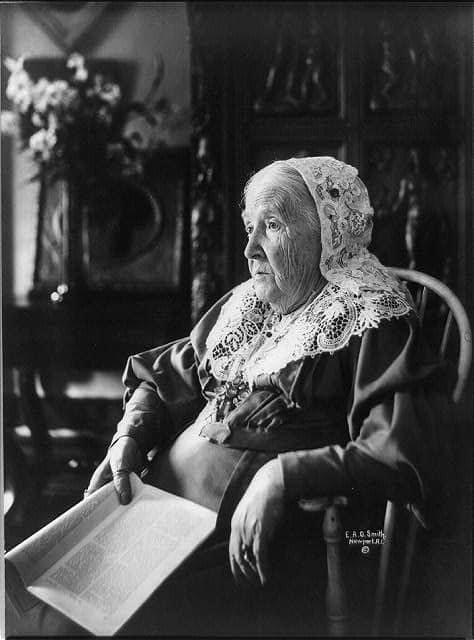
A photo of Julia Ward Howe that was created or published on May 5, 1909.
Julia wrote the lyrics to Battle Hymn of The Republic.
Her mother who shared her first name, Julia Rush Cutler Ward, was also a poet. Sadly she died when Julia Ward Howe was only 5 years old, about a week after giving birth to Julia’s baby sister Anne in 1824.
Image via Library of Congress, no known restrictions
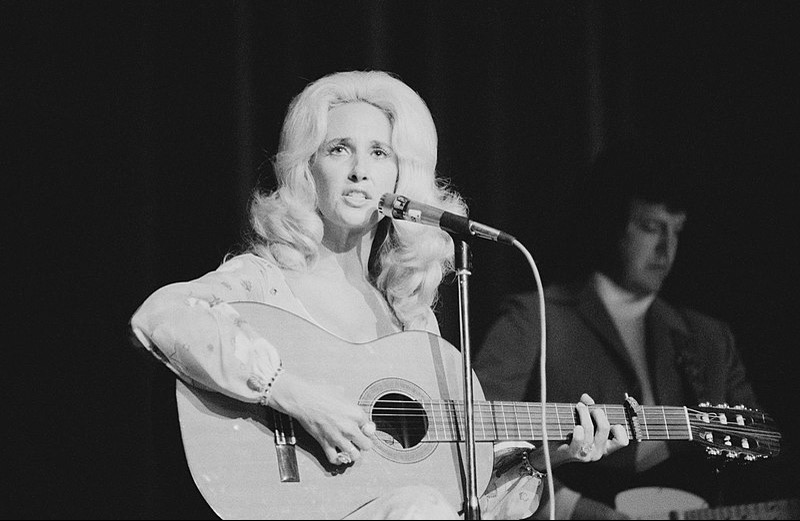
Born May 5, 1942 in Tremont, Mississippi Tammy Wynette brought a woman’s perspective to country music. Known for 1968’s “Stand by Your Man,” she released 32 solo albums, nine more with husband George Jones, and the landmark “Honky Tonk Angels” album with Dolly Parton and Loretta Lynn.
Inage via Wikimedia Commons, no known copyright, public domain in the US
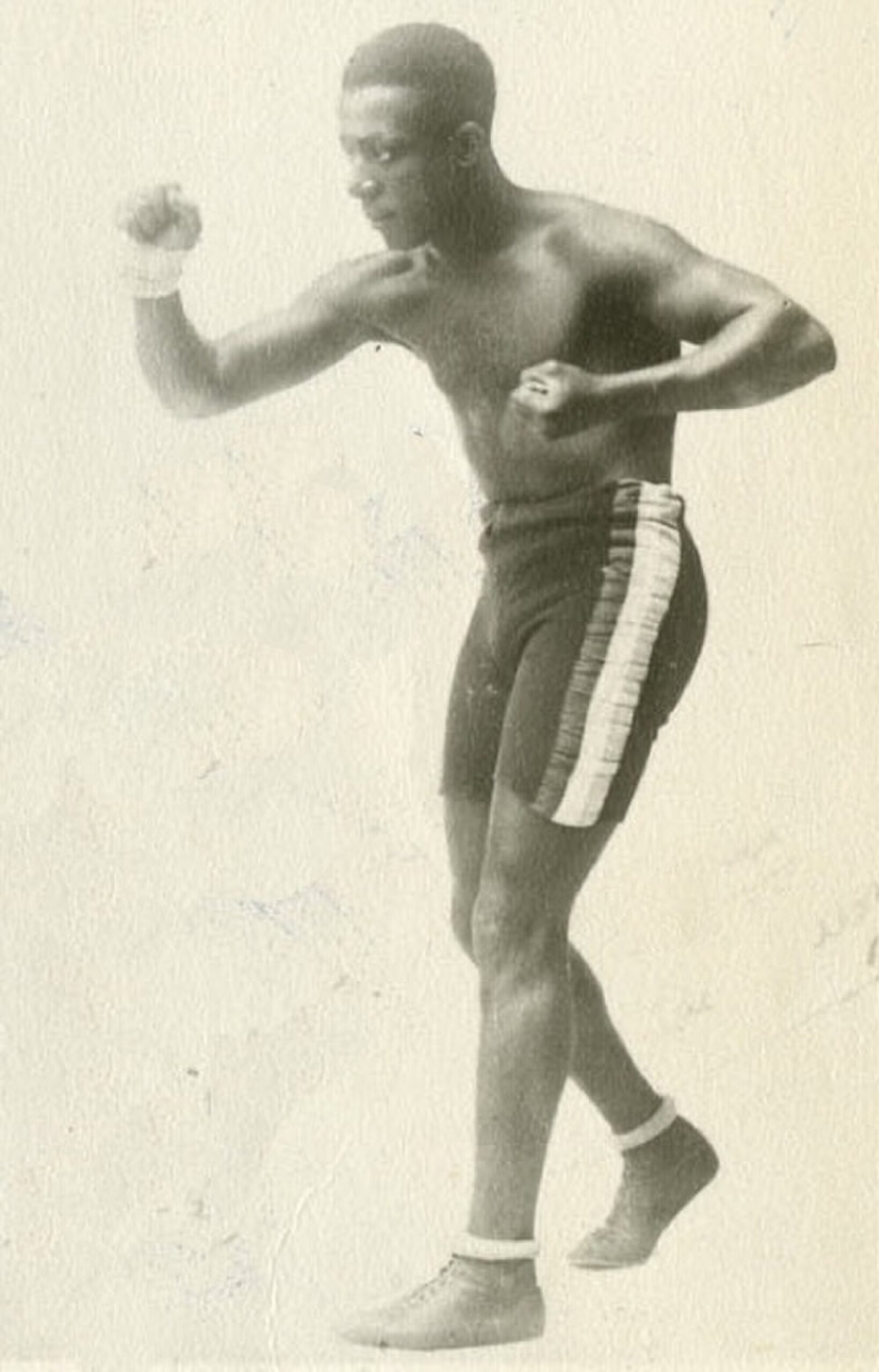
One of the first African American pilots, Eugene Bullard, received his pilot’s license from the Aéro-Club de France on May 5, 1917.
Here’s a photo of Eugene during his boxing years via Wikimedia Commons, public domain
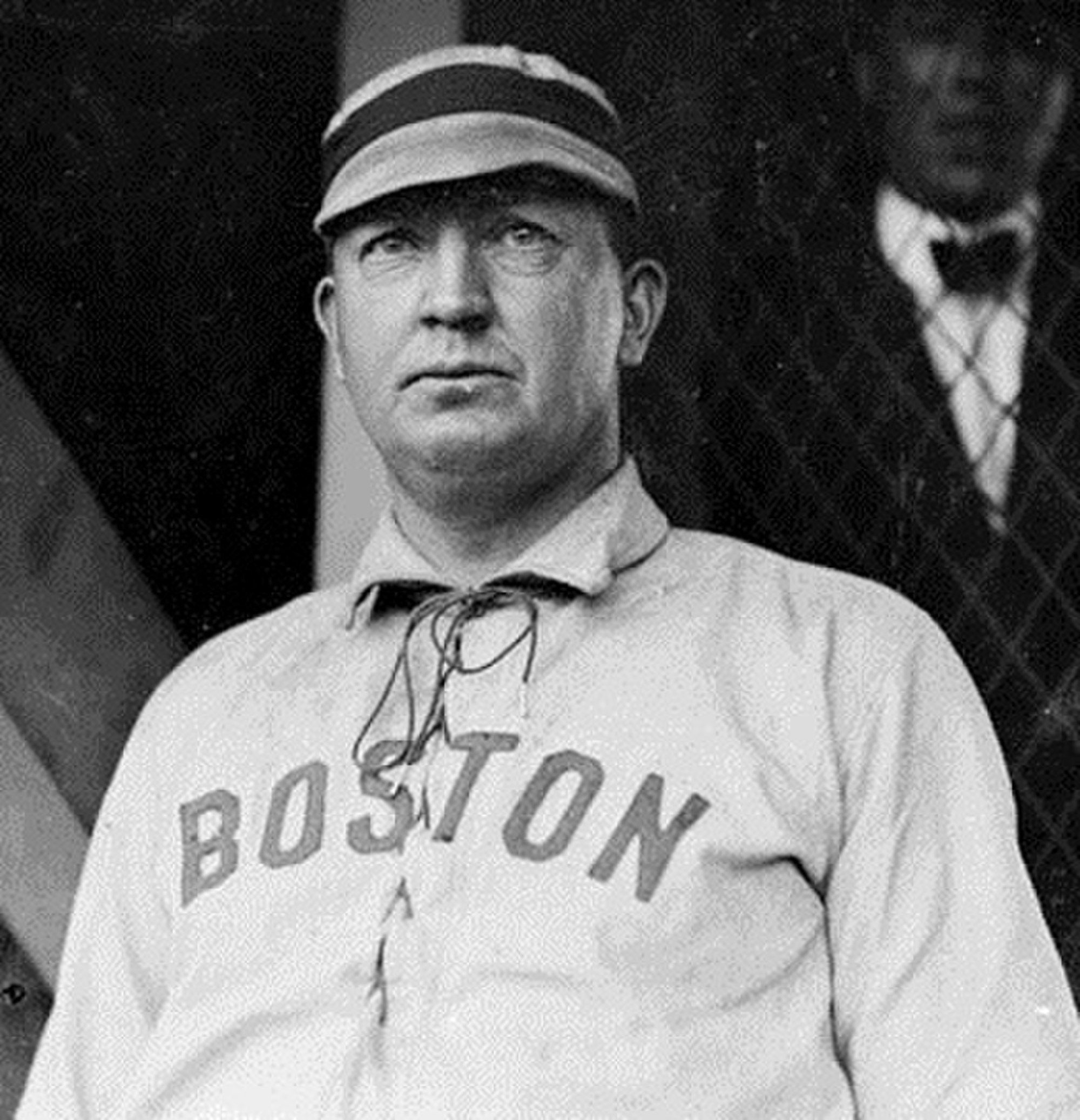
On May 5, 1904, Cy Young pitched a perfect game.
Image of Cy Young from early 1900s via Wikimedia Commons, public domain
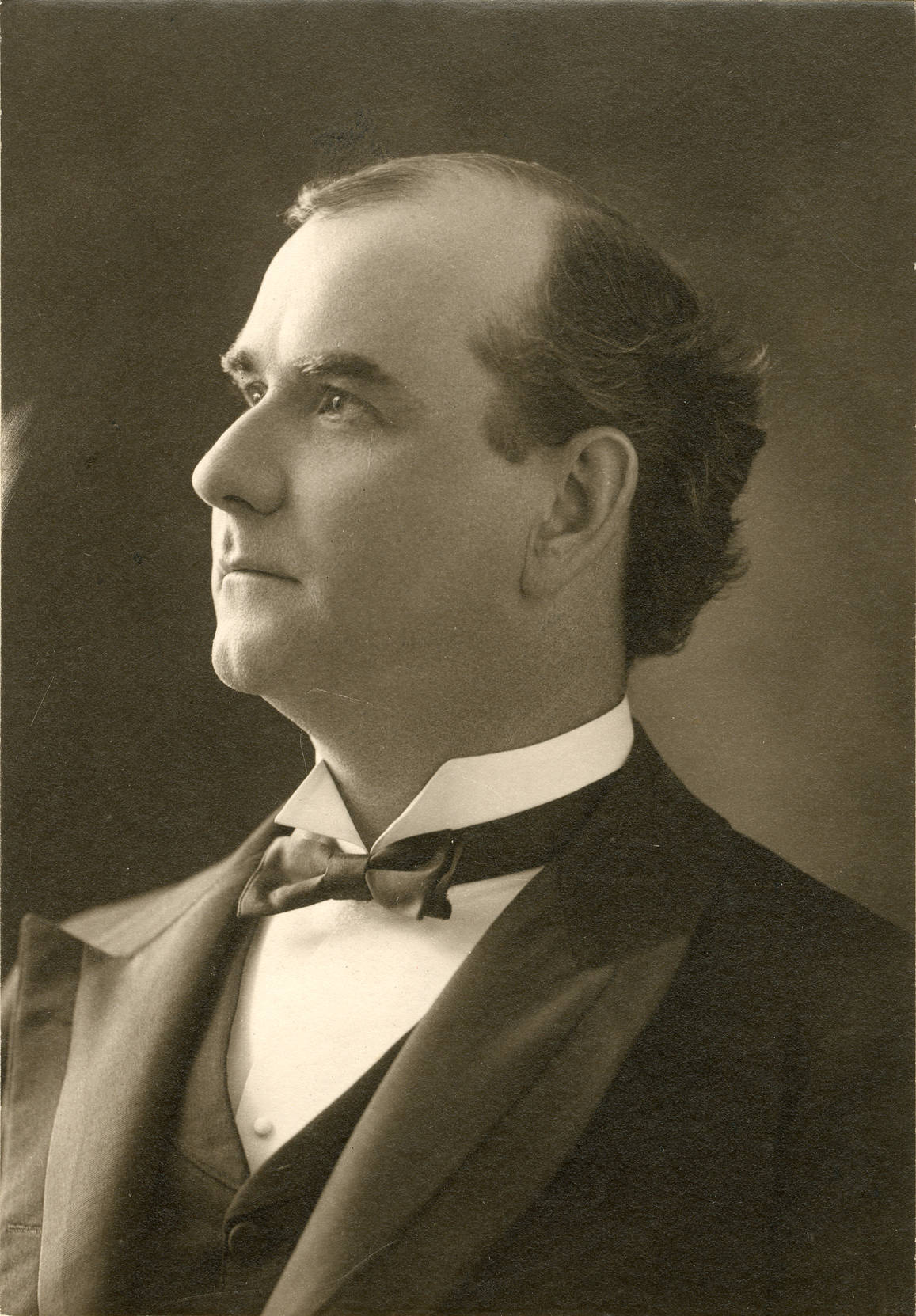
American Shakespearean actor Charles B. Hanford was born on May 5, 1859, in Sutter Creek, a historic mining town just 15 miles from Sutter’s Mill—the site where gold was first discovered, sparking the California Gold Rush 11 years earlier.
He became a successful stage actor who eventually developed his own theatre company. His wife, who was also a performer, chose the stage name “Drofnah”—a clever reversal of his last name.
Hanford bore a striking resemblance to the famed political figure William Jennings Bryan, a connection that led to an infamous moment at a Gridiron Club dinner where he impersonated Bryan for two hours, successfully fooling attendees until the real Bryan arrived and uncovered the deception.
Beyond the stage, Hanford contributed to the American war effort during World War I by helping develop camouflage techniques for troops, demonstrating a versatility that extended far beyond the theatre.
Image via Wikimedia Commons, public domain
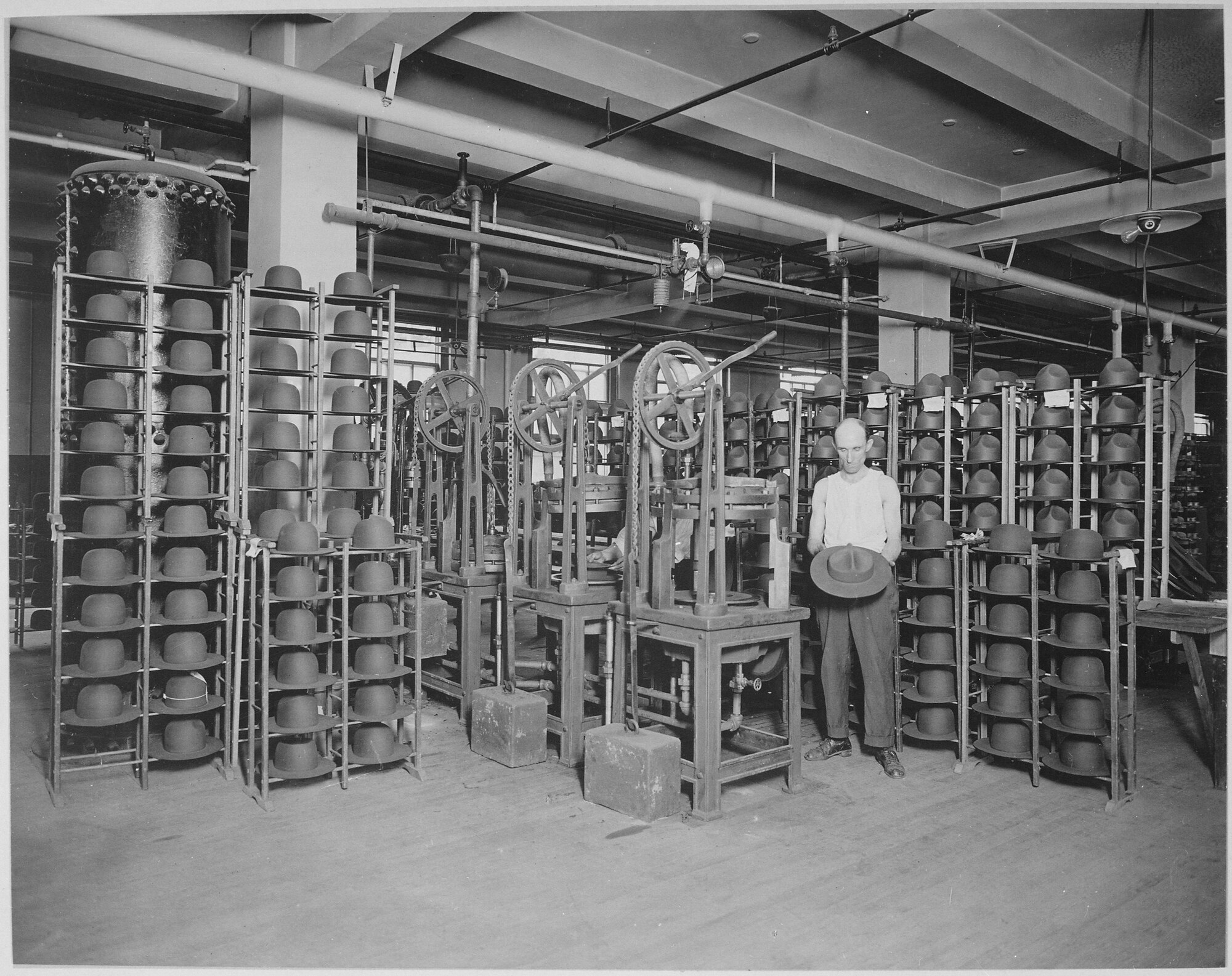
John B. Stetson was born in Orange, New Jersey on May 5, 1830 and built his factory in Philadelphia, but his wide-brimmed fur-felt hats were famous all throughout America’s West. Stetson was also a philanthropist who supported schools and colleges and had a reputation for treating his employees well.
Photo of a worker and hats manufactured for American soldiers during WWI by John B. Stetson Company, Philadelphia, Pennsylvania
Image via Wikimedia Commons, public domain
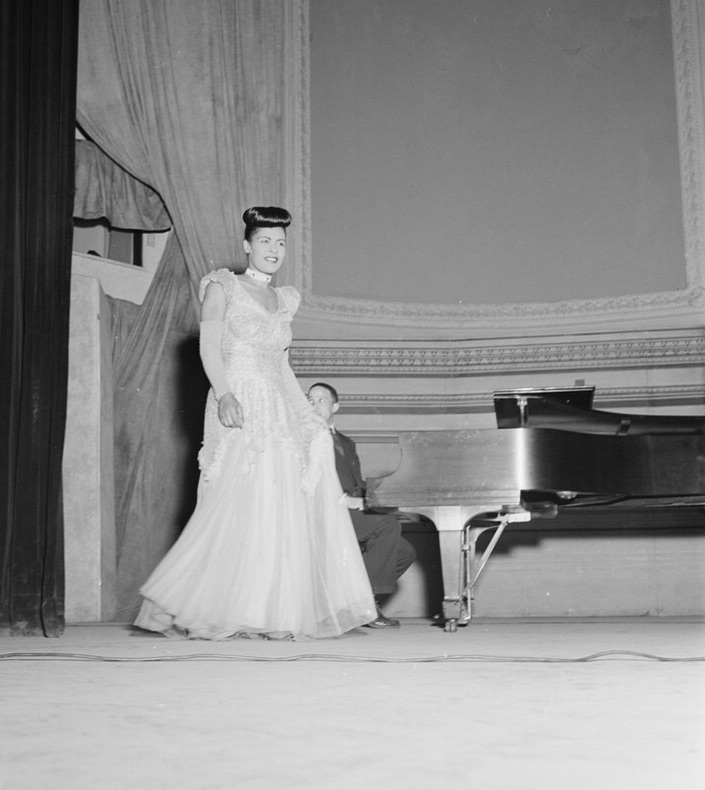
Photo of Billie Holiday at Carnegie Hall in New York City in the 1940s.
On May 5, 1891, Carnegie Hall in New York was officially opened. It was first called the Music Hall.
Image via Wikimedia Commons, public domain
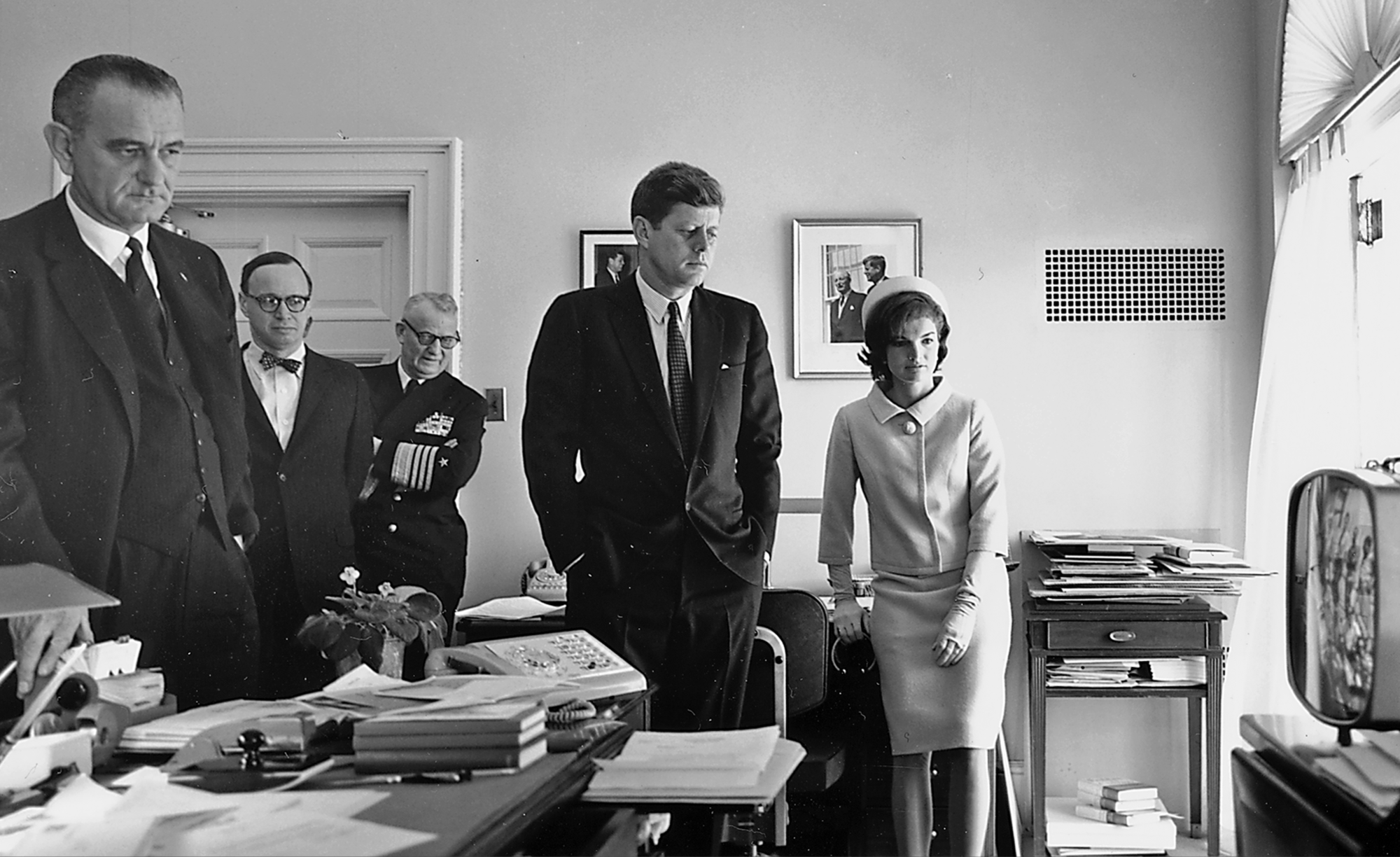
Kennedy, Johnson, and others watching flight of Astronaut Alan B. Shepard on television when Shepard became the first American to travel into space
– May 5, 1961
via Wikimedia Commons, public domain
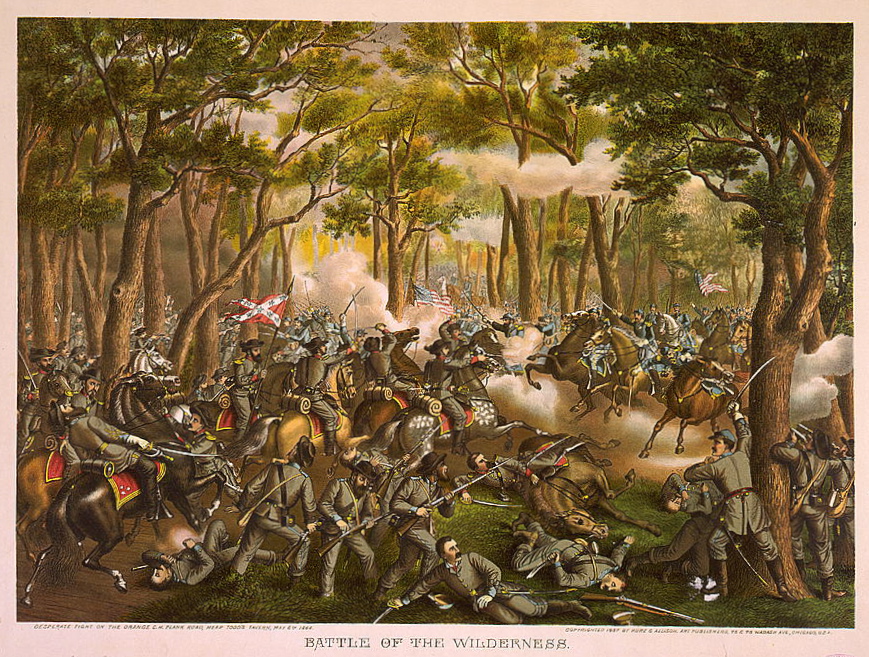
On May 5, 1864, The Battle of The Wilderness began in Virginia.
Image via Wikimedia Commons, public domain
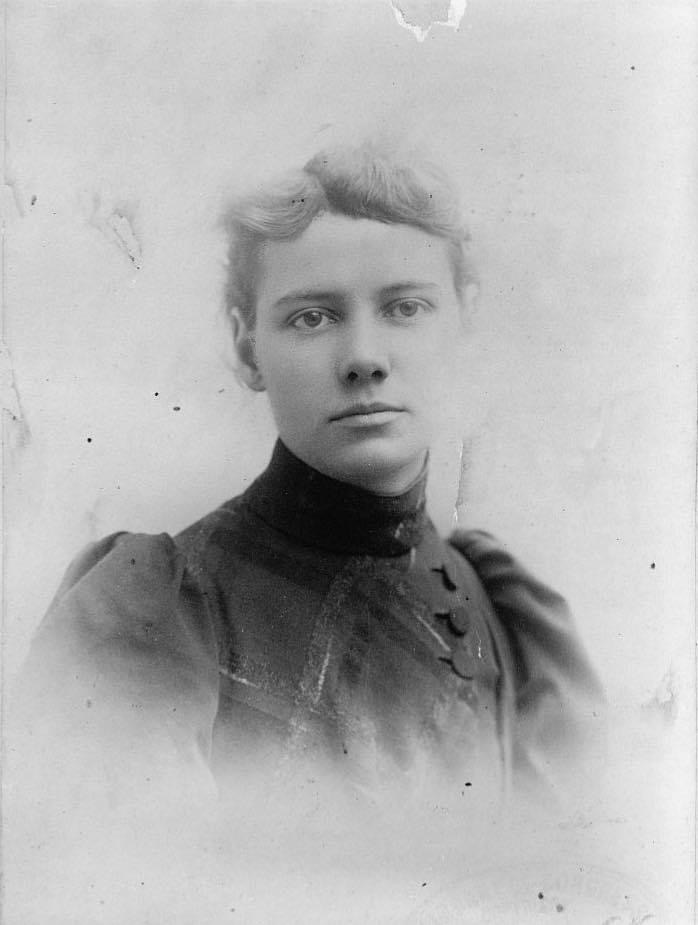
American journalist Elizabeth Jane Cochran “Nellie Bly” was born on May 5, 1864 in Cochran’s Mills, Pennsylvania.
“I want to go around in eighty days or less. I think I can beat Phileas Fogg’s record. May I try it?”
To my dismay he told me that in the office they had thought of this same idea before and the intention was to send a man. However he offered me the consolation that he would favor my going, and then we went to talk with the business manager about it.
“It is impossible for you to do it,” was the terrible verdict. “In the first place you are a woman and would need a protector, and even if it were possible for you to travel alone you would need to carry so much baggage that it would detain you in making rapid changes. Besides you speak nothing but English, so there is no use talking about it; no one but a man can do this.”
“Very well,” I said angrily, “Start the man, and I’ll start the same day for some other newspaper and beat him.”
From: Around the World in Seventy-Two Days by Nellie Bly, published in 1890, public domain
Image: Elizabeth Cochran “Nellie Bly”, head-and-shoulders portrait via Library of Congress, no known restrictions c. 1890

Born May 5, 1903 James Beard was the “Dean of American Cuisine” according to fellow chef Julia Child. Beard’s cooking school and many cookbooks are credited with developing a uniquely American style of cooking. His 1947 NBC show “I Love to Eat” was the first cooking show on the new medium of television.
Image from LA Times- UCLA Library via Wikimedia CCA 4.0 International.
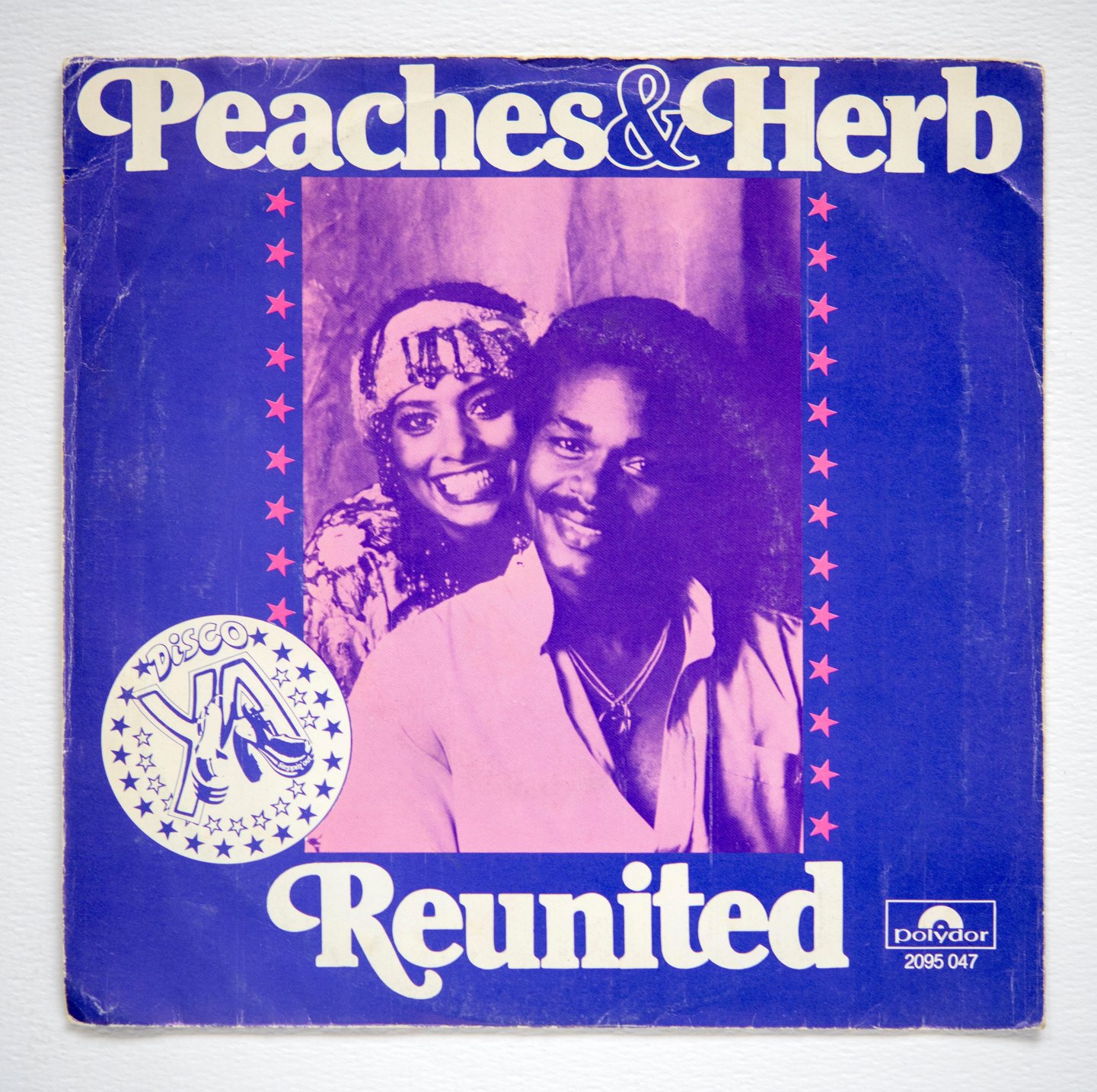
“Reunited” by American pop duo Peaches & Herb became the number one song in the U.S. on May 5, 1979. The song remained #1 that May until “Hot Stuff” by Donna Summer took over the top spot in early June.
Image via Alamy
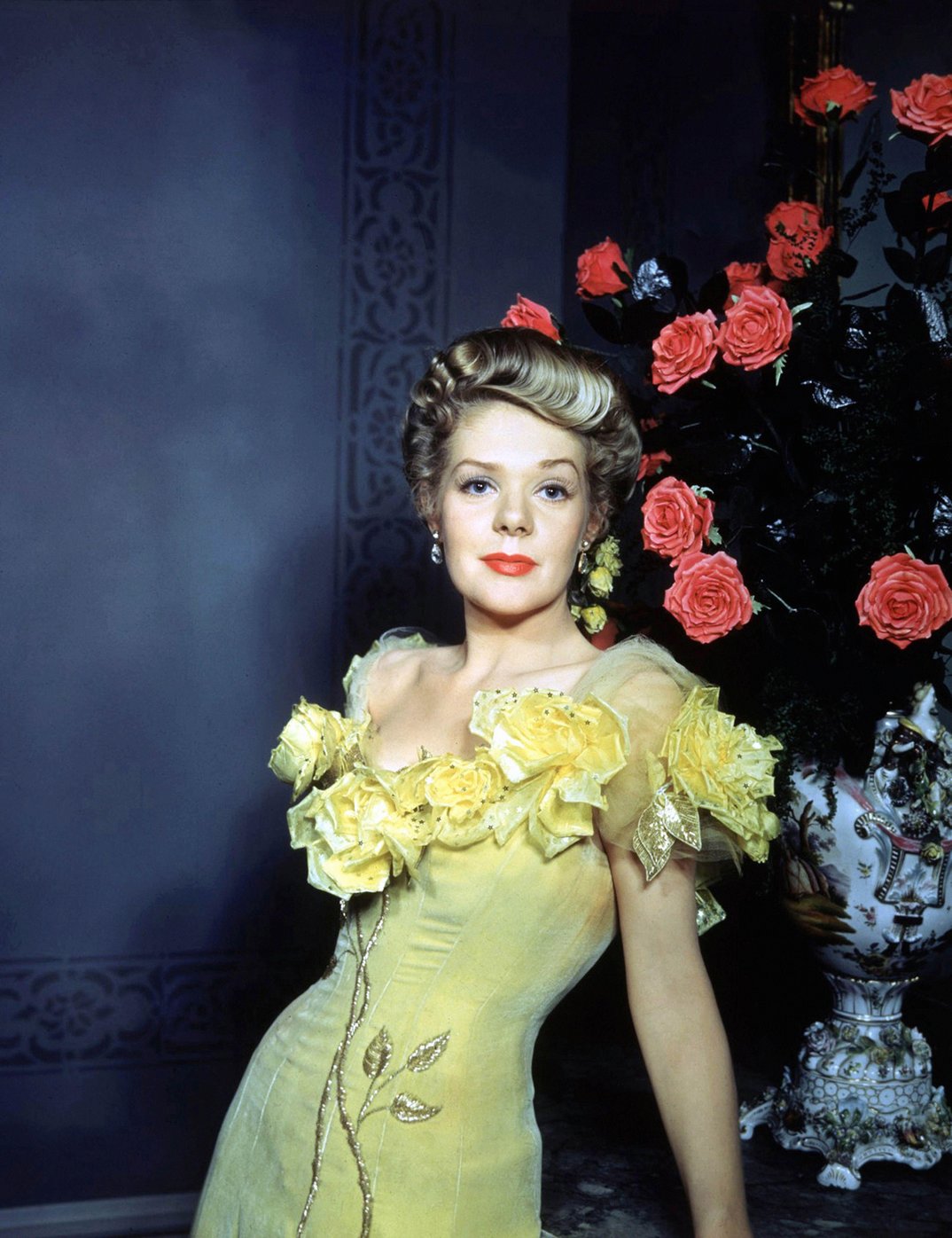
Alice Faye was born on May 5, 1915 in Hell’s Kitchen, Manhattan, N.Y.
Here’s a publicly portrait of Alice for the 1943 musical Hello, Frisco, Hello when she performed her Academy Award winning “You’ll Never Know.”
Image via Alamy
