Franklin’s Last Day at Sea as a British Subject
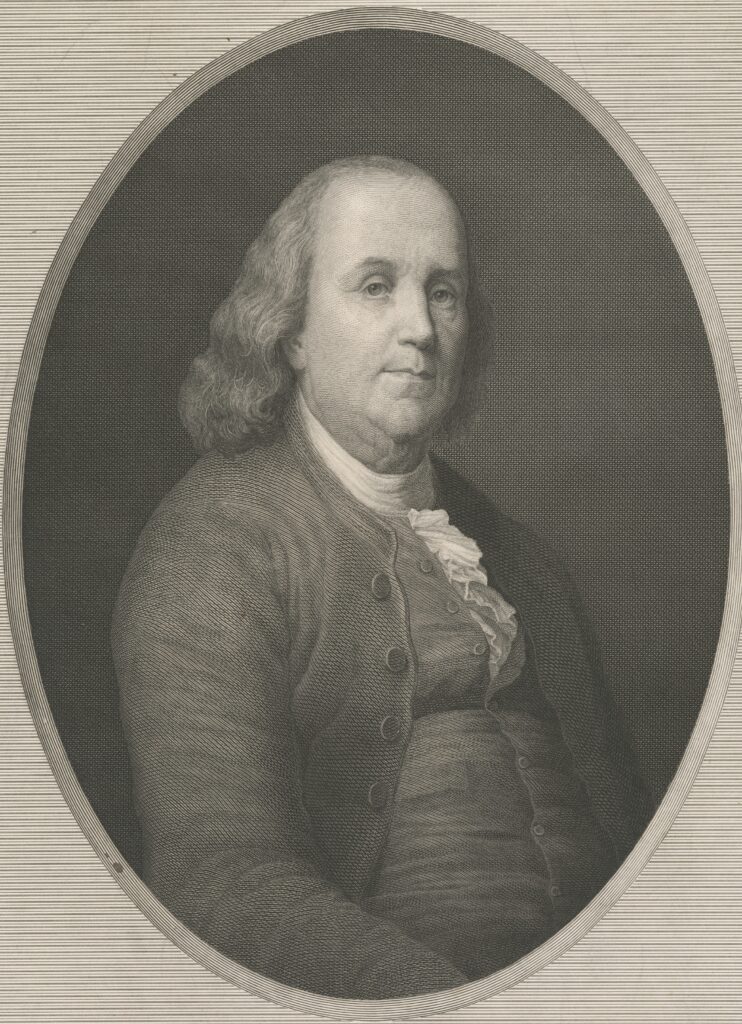
On May 4, 1775, Benjamin Franklin was aboard a packet ship in the final hours of a six‑week Atlantic crossing, returning to Philadelphia after nearly a decade in London as a colonial agent. He had spent those years trying to reconcile the colonies with the British Crown, but the humiliating public rebuke he received before the King’s Privy Council in 1774 convinced him that peace was no longer possible. By the time his ship neared the Delaware capes, he was returning home not as a mediator, but as a committed revolutionary.
Although Franklin would not step onto the Philadelphia docks until May 5, the day of May 4 marked the last day he ever spent on the open sea as a subject of the British Empire. Within twenty‑four hours of landing—despite being nearly seventy years old and decades senior to delegates like Thomas Jefferson and Patrick Henry—he was selected to serve in the Second Continental Congress. It was a swift affirmation that the colonies needed not only his experience, but the clarity he had gained on the long voyage home.
The Crossing of the Rapidan
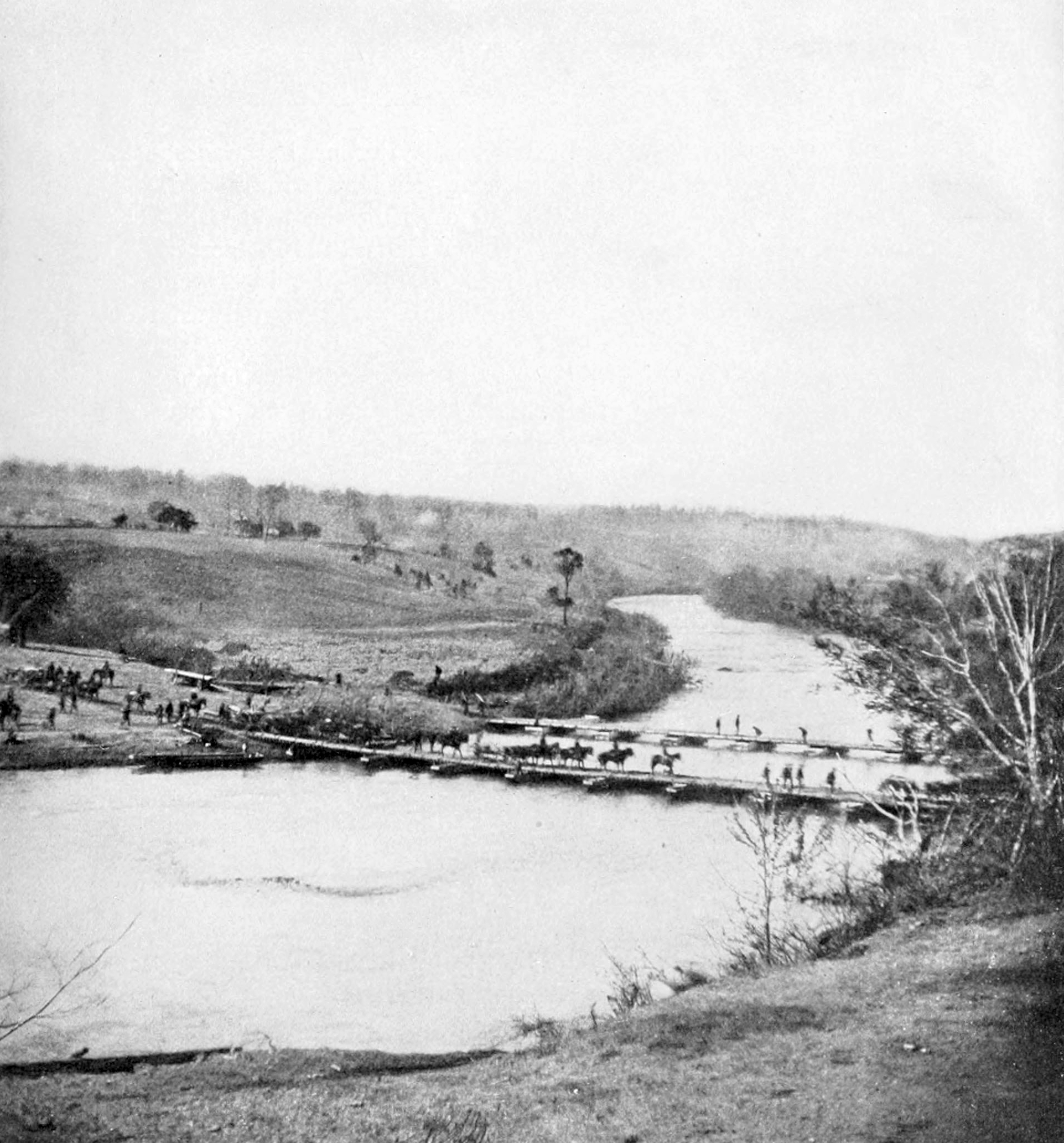
On May 4, 1864, the Sixth and Fifth Corps crossed at Germanna Ford while the Second Corps used Elys Ford to initiate the Overland Campaign. A fascinating detail is that while Ulysses S. Grant sat on a stump at the crossing smoking a cigar and whittling a piece of wood, he had actually ordered his men to move at night to use the Wilderness forest as a screen, not realizing that General Robert E. Lee was intentionally letting them enter the dense thickets to negate the Union advantage in artillery and numbers.
via Wikimedia Commons, public domain
The Arrival of Peter Minuit
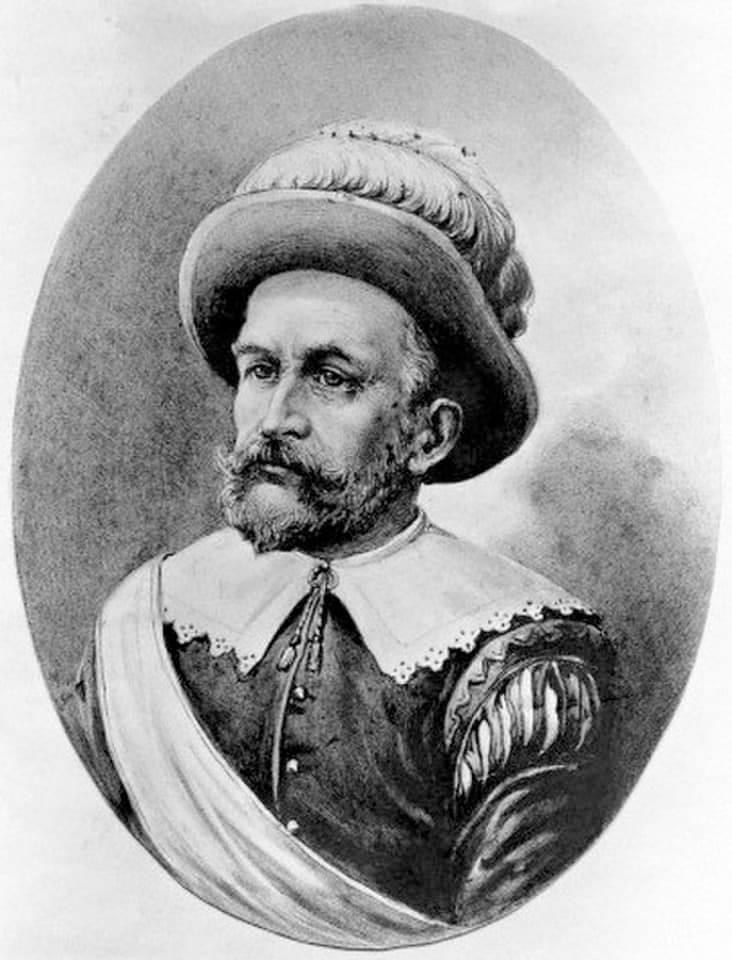
Peter Minuit arrived at New Netherland on May 4, 1626, to take charge as the colony director. While he is most famous for the legendary purchase of Manhattan for sixty guilders worth of trade goods, historical research suggests the transaction actually took place with the Canarsie tribe, who lived in modern day Brooklyn and did not actually own the Manhattan land they were selling to the Dutch.
Peter Minuit portrait via Wikimedia Commons, public domain
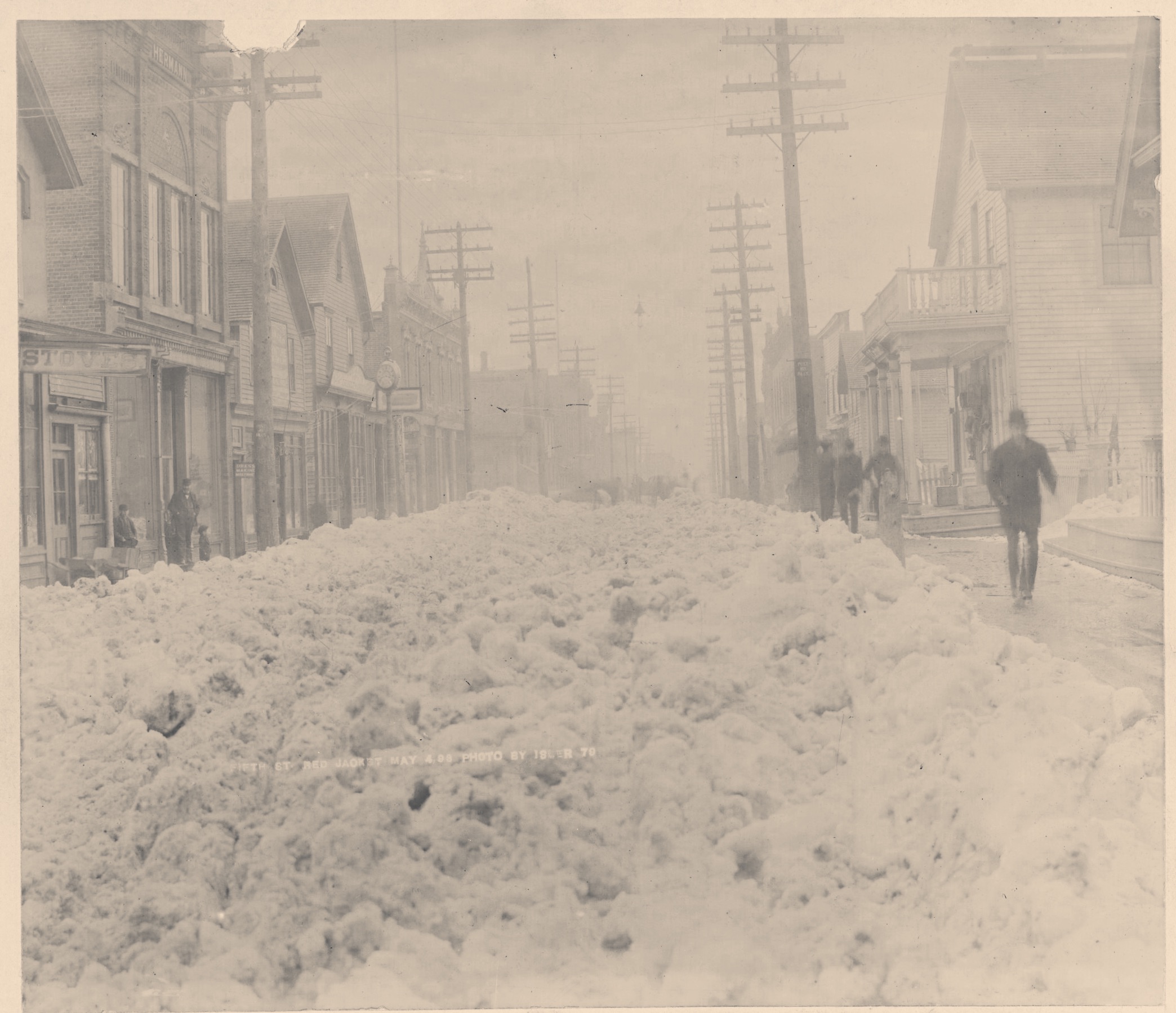
The Great May Blizzard of Calumet
On May 4, 1893, massive snow drifts buried Main Street in Calumet, Michigan, during a freak spring storm. The Copper Country of Michigan is famous for its lake effect snow, but this particular event was so severe that some residents had to tunnel out of their second story windows because the drifts reached the rooftops of many downtown businesses.
Image via The J. Paul Getty Museum, no known restrictions
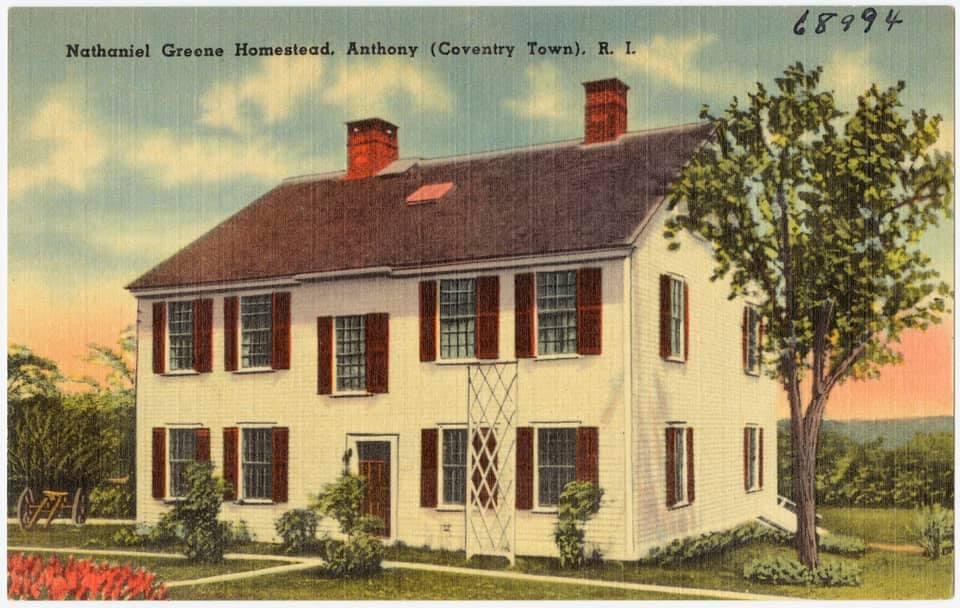
Rhode Island Renounces the Crown
Legislators at the Nathaniel Greene Homestead in Coventry renounced their allegiance to Britain on May 4, 1776. By doing this, Rhode Island became the very first colony to declare formal independence, beating the Continental Congress by two full months, though they were ironically the very last state to actually ratify the United States Constitution because they feared losing their independence to a strong federal government.
Nathaniel Greene Homestead, Anthony (Coventry Town), Rhode Island Image: postcard via Digital Commonwealth Massachusetts, no known restrictions
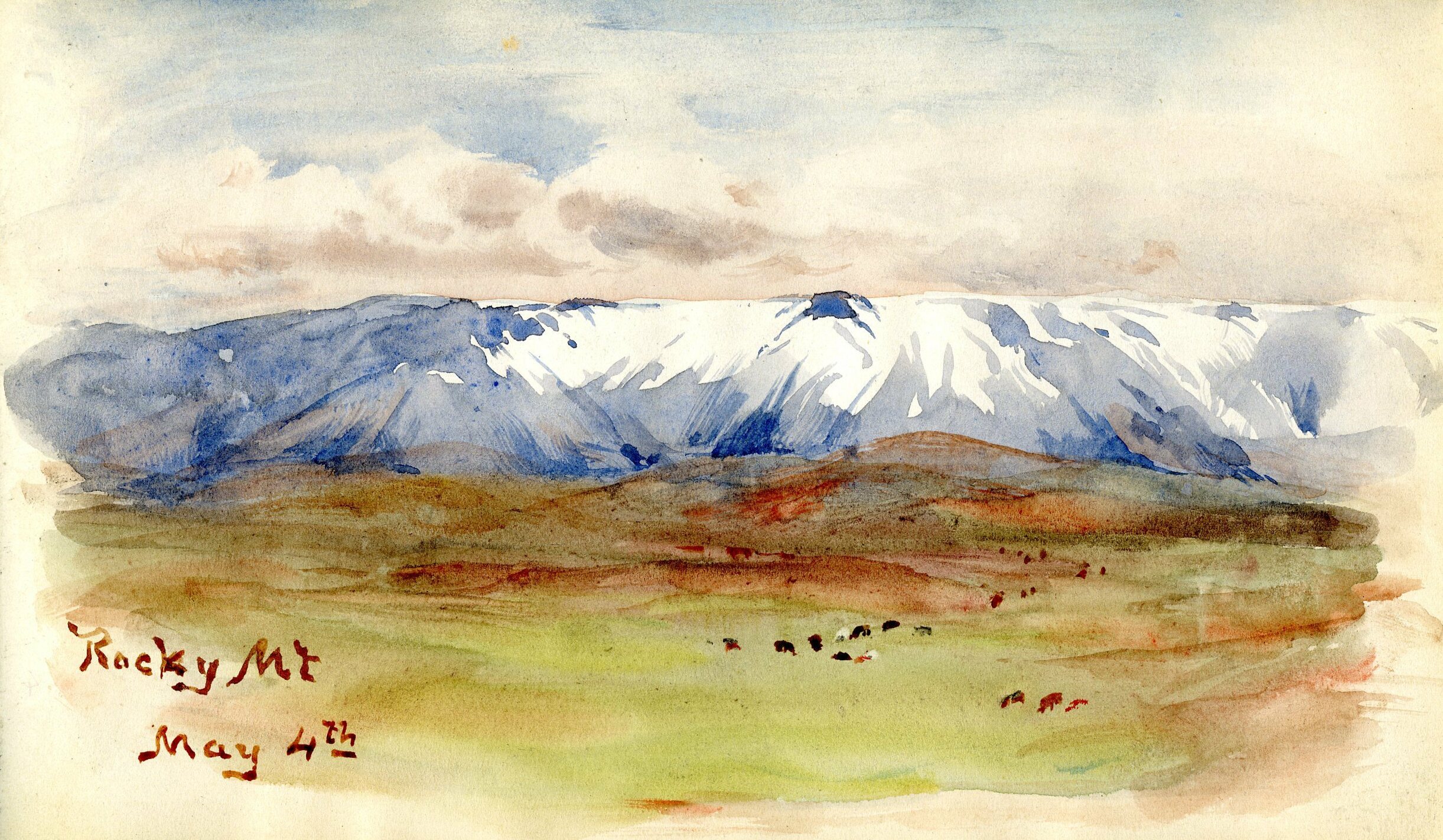
Mary King Longfellow’s Western Vision
Mary King Longfellow, niece of the famous poet Henry Wadsworth Longfellow, created a watercolor titled Rocky Mountains on May 4, 1885. Beyond her family connections, Mary was a highly accomplished artist who chose to remain a professional painter during a time when women were often discouraged from solo travel, and her sketches provide a rare woman’s perspective on the rugged terrain of the American West during the late nineteenth century.
via Wikimedia Commons, public domain
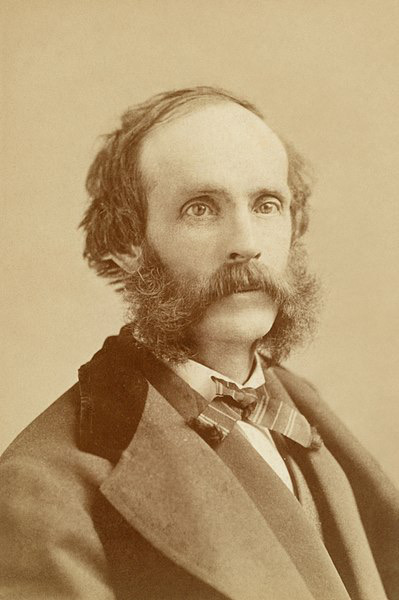
The Visionary Landscapes of Frederic Edwin Church
Born May 4, 1826, Frederic Edwin Church became a titan of the Hudson River School with massive works like The Heart of the Andes. When this specific painting was first exhibited, it was displayed in a darkened room with a single light source and framed by curtains to look like a window into South America, and the spectacle was so popular that twelve thousand people paid twenty five cents each to see it in a single month.
Image via National Portrait Gallery via Wikimedia Commons, public domain in the US
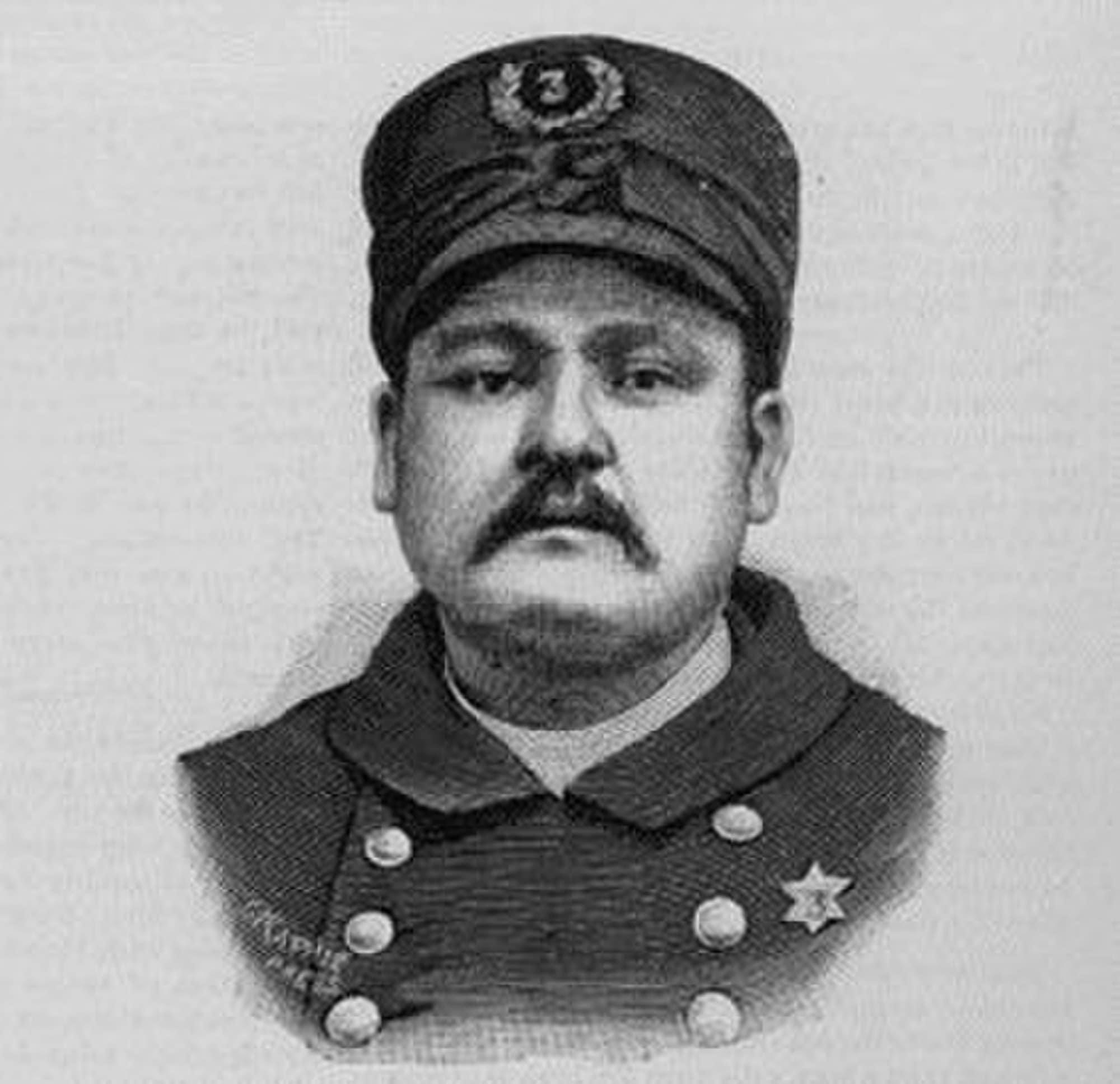
The Tragedy of Mathias J. Degan
Officer Mathias J. Degan lost his life on May 4, 1886, during the Haymarket riot in Chicago. The incident began as a peaceful rally for an eight hour workday, but the bomb thrown that night was actually the first time dynamite was used as a political weapon in the United States, leading to a trial that remains one of the most controversial and criticized legal proceedings in American history.
Image via Wikimedia Commons, public domain
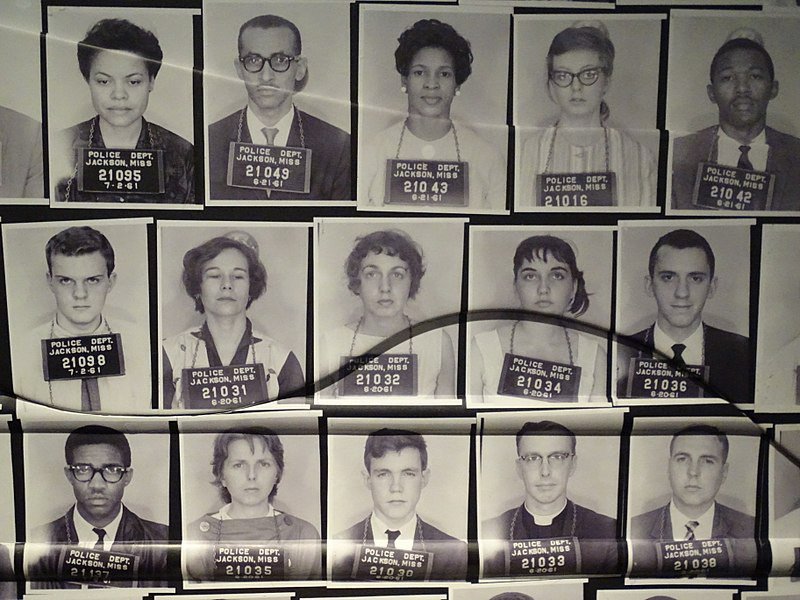
The Journey of the Freedom Riders
The first bus of Freedom Riders departed Washington, D.C., on May 4, 1961, to protest illegal segregation. An incredible detail about this group is that they deliberately seated themselves in pairs with one Black person and one white person sitting together, while at least one Black rider sat in the front section reserved for whites to ensure they were directly challenging the local laws that defied federal rulings.
Image from Center on Civil and Human Rights by Adam Jones via Wikimedia Commons, CCA-SA 2.0 Generic.
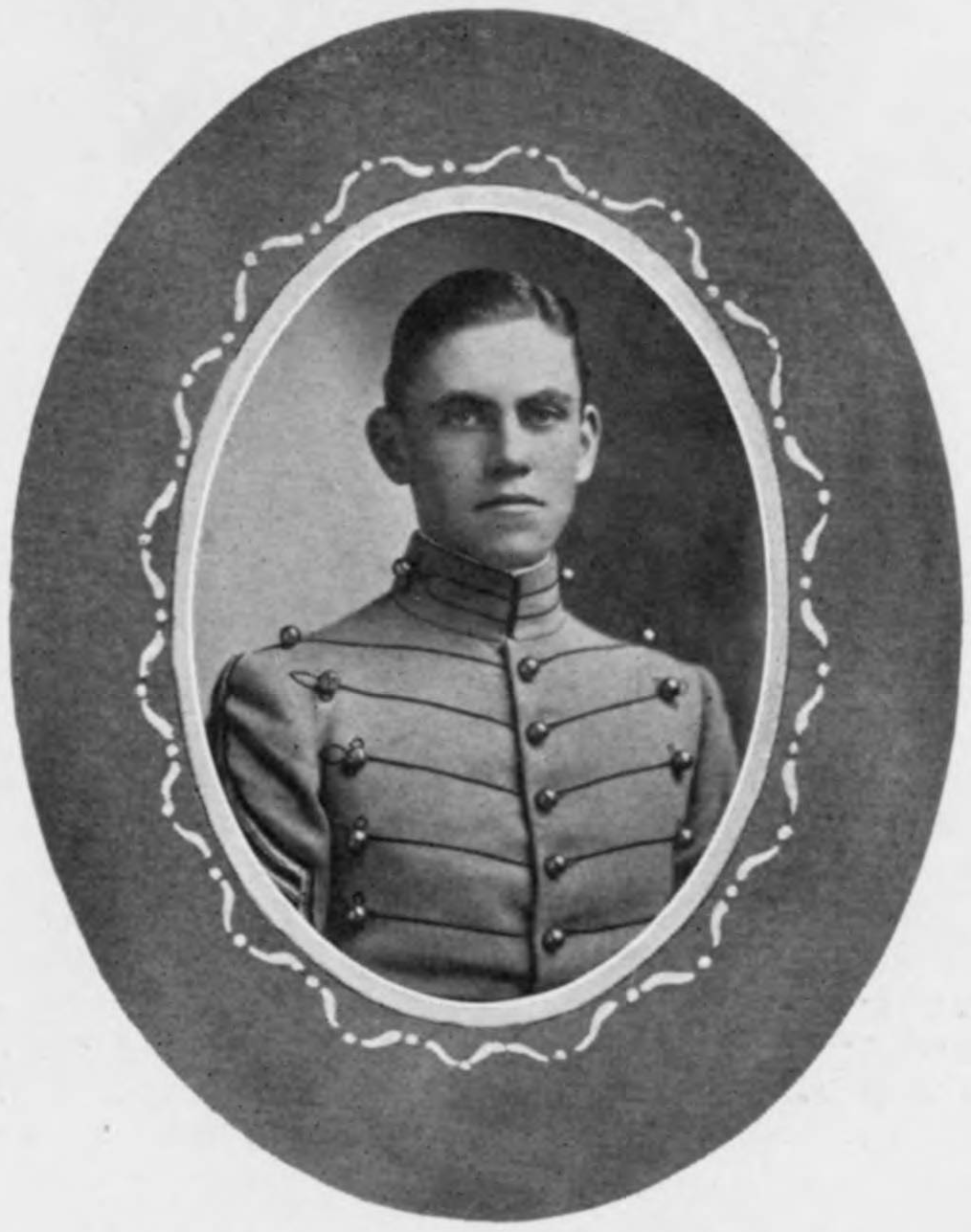
The Lifework of John Augur Holabird
John Augur Holabird was born on May 4, 1886, and died on his birthday in 1945. He was instrumental in defining the Art Deco skyline of Chicago, and his firm designed the Chicago Board of Trade Building, which features a three story tall statue of Ceres, the goddess of agriculture, that famously has no face because the architect believed the building was so tall that no one would ever be high enough to see her features.
Image via Wikimedia Commons, public domain
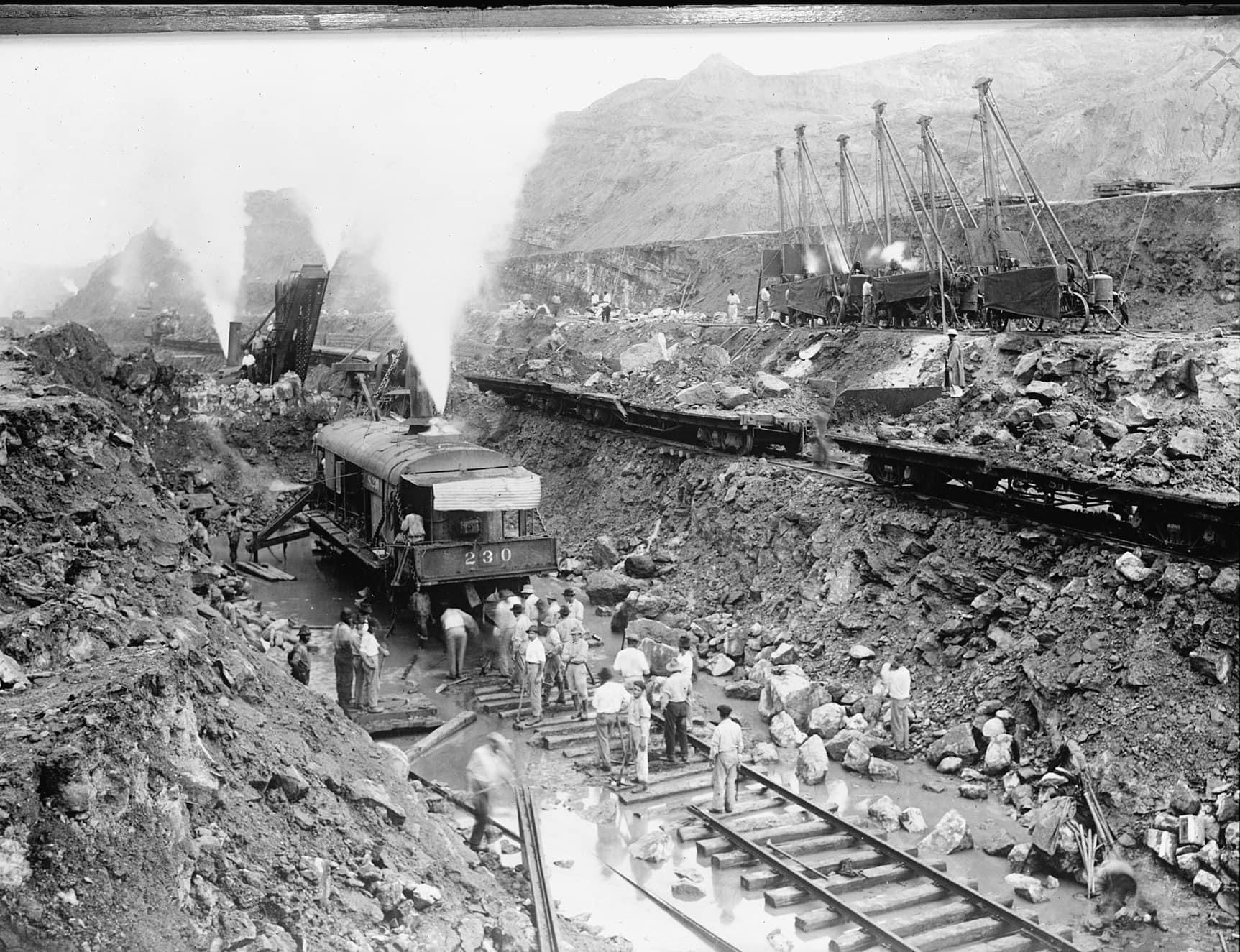
The United States officially took over construction of the Panama Canal on May 4, 1904. Before the Americans arrived, a French company had already spent twenty years and lost over twenty thousand workers to disease and accidents, but the U.S. success was largely due to a massive, unprecedented effort to eradicate mosquitoes after discovering they were the primary carriers of yellow fever and malaria.
Image via Wikimedia Commons, public domain
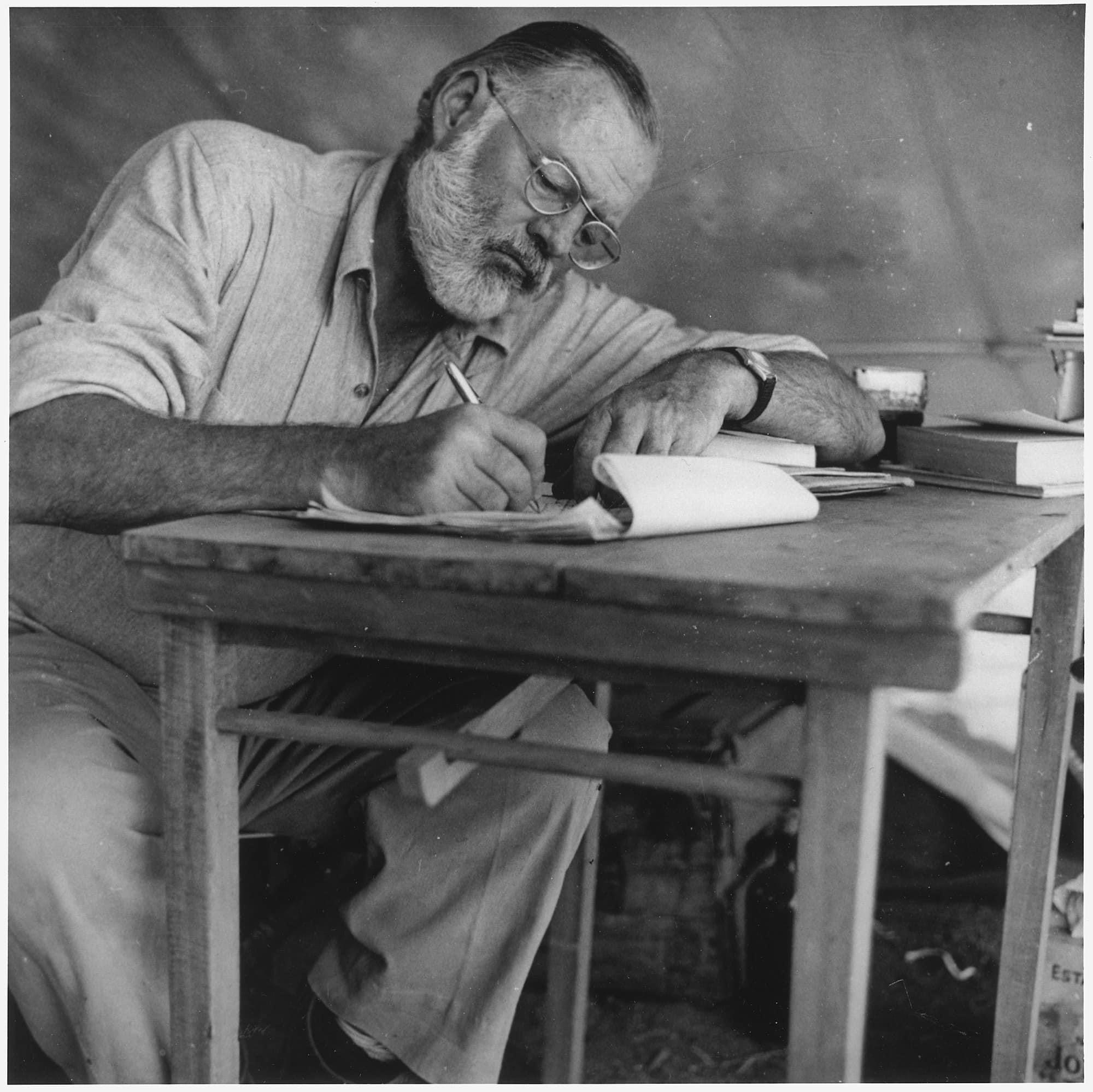
Hemingway’s Pulitzer Victory
Ernest Hemingway won the Pulitzer Prize for The Old Man and the Sea on May 4, 1953. Hemingway wrote the entire manuscript in just eight weeks, and the success of this short novel actually saved his career after his previous book had been panned by critics, ultimately helping him secure the Nobel Prize in Literature only a year later.
Image via Wikimedia Commons, public domain
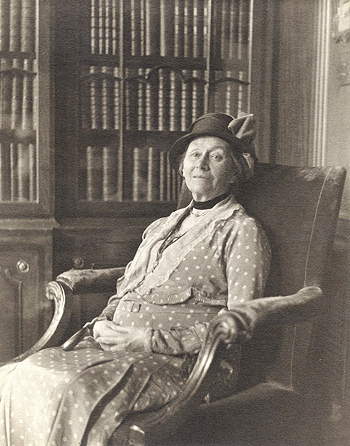
The Birth of Alice Liddell
While she was British, her connection to American literary history was solidified on May 4, 1852, as she was the real life inspiration for Lewis Carrolls Alice in Wonderland. In 1932, at the age of eighty (shown), Alice Pleasance Liddell Hargreaves traveled to the United States for the centenary of Carrolls’ birth, and her arrival in New York City was treated with the fanfare of a royal visit, where she was awarded an honorary degree from Columbia University for her unique role in inspiring one of the worlds most famous books.
Image via Wikimedia Commons, free to use
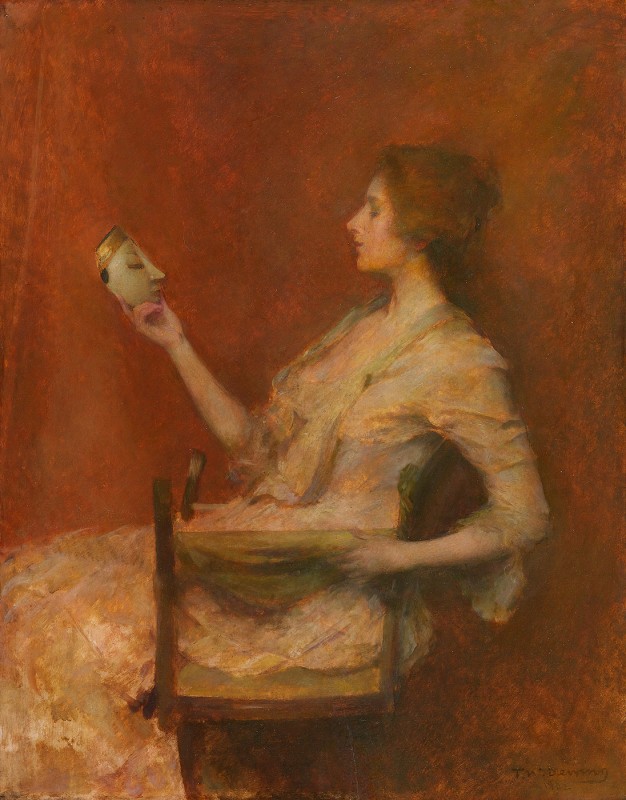
The Tonalist Art of Thomas Wilmer Dewing
Thomas Wilmer Dewing was born on May 4, 1851, and painted The Mask in 1902. He was a founding member of the Ten American Painters, a group that seceded from the Society of American Artists to focus on Tonalism, a style where he used very thin layers of paint to create a misty, atmospheric quality that makes his subjects look like they are floating in a dream rather than standing in a room.
Image via Wikimedia Commons, public domain
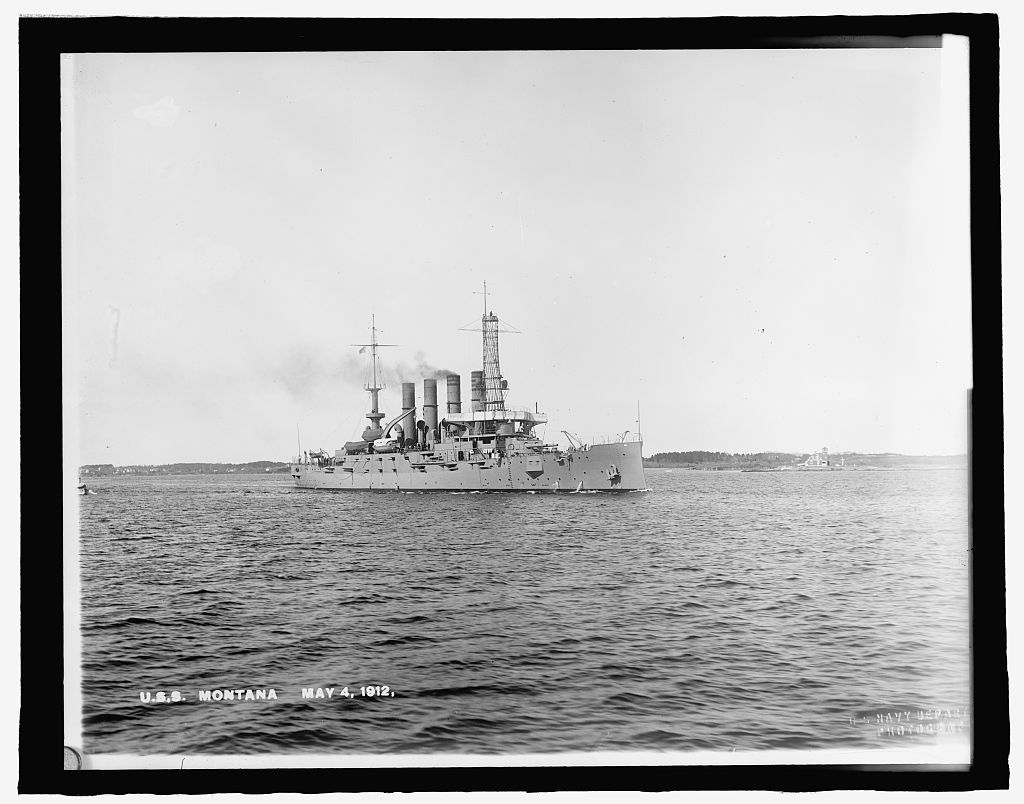
The Short Service of the U.S.S. Montana
A photo from May 4, 1912, shows the U.S.S. Montana, an armored cruiser. While she served as a convoy escort during World War I, she was eventually renamed the U.S.S. Charlotte so that the name Montana could be given to a newer battleship, making her one of the few ships in naval history to lose her original state name while still in active service.
Image via LOC, no known restrictions
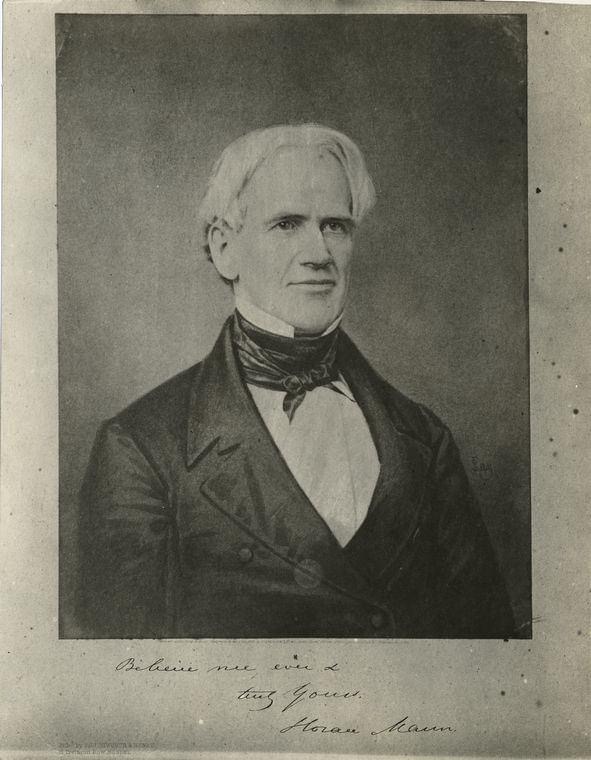
Educational Legacy of Horace Mann
Horace Mann was born on May 4, 1796, in Franklin, Massachusetts. He is the reason we have the modern public school system, as he campaigned for schools to be funded by taxes and staffed by professional teachers, but he also famously advocated for the removal of corporal punishment, believing that students would learn better through interest and moral guidance than through the threat of the willow switch.
Image via NYPL Digital Collections, no known restrictions.
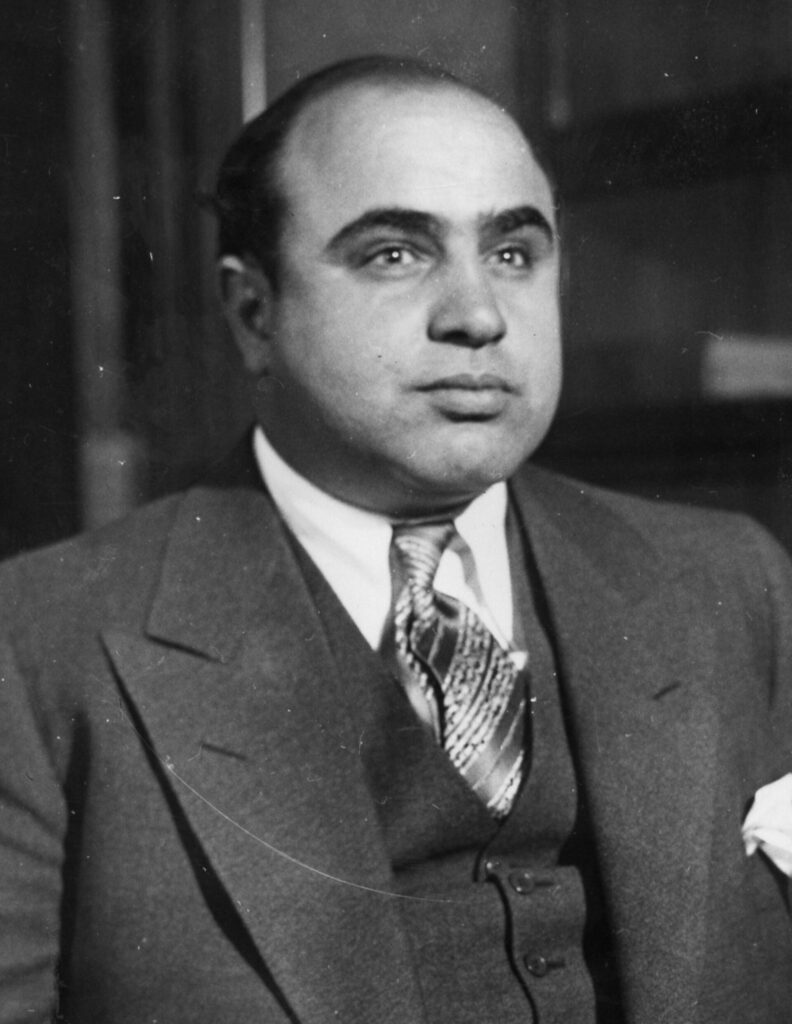
Al Capone Enters Federal Prison
After being convicted of income tax evasion, mobster Al Capone was transferred to the federal penitentiary in Atlanta on May 4, 1932. While Capone was one of the most notorious criminals in American history, he was never actually convicted of the many violent crimes linked to his gangland empire; instead, his downfall came through the tireless work of forensic accountants who proved he had failed to pay taxes on his massive illegal income.
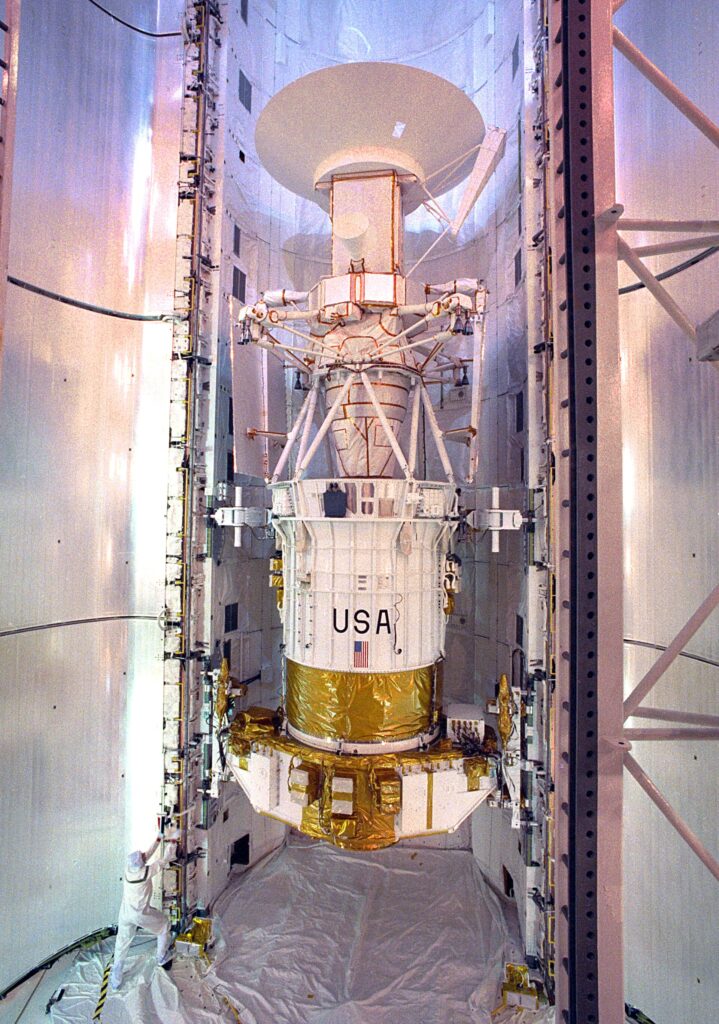
The Launch of the Magellan Space Probe
On May 4, 1989, Space Shuttle Atlantis launched NASA’s Magellan spacecraft, the first mission to map the entire surface of Venus. Built largely from flight‑spare hardware originally made for Voyager, Galileo, and other programs, Magellan used synthetic‑aperture radar to penetrate Venus’s clouds and ultimately mapped 98% of the planet at resolutions hundreds of times finer than any previous global survey.