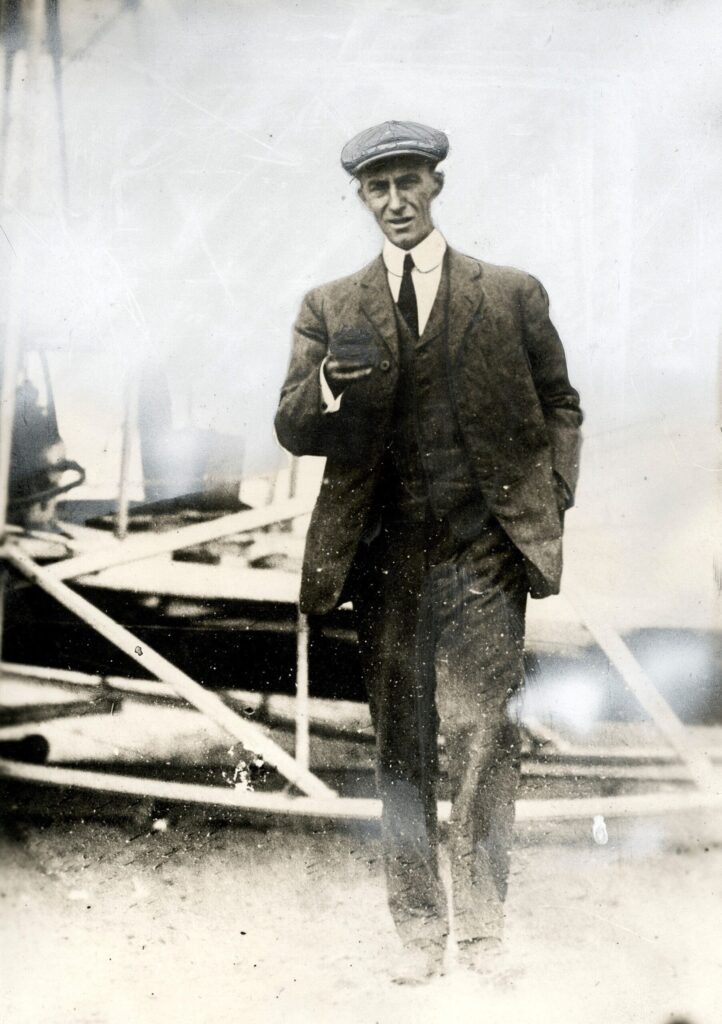
Wilbur Wright, visionary inventor and pioneer of flight, transformed aviation alongside his brother Orville, proving that human flight was more than just a dream. His innovations, from the first powered flight at Kitty Hawk to advancing aircraft design, reshaped the world.
In early May 1912, at the age of 45, he contracted typhoid fever during a business trip and returned home to Dayton, Ohio. Despite medical care, his condition worsened, and on May 30, 1912, he passed away at home, surrounded by family. His legacy continues to soar, forever changing the course of aviation history.
Image via Wikimedia Commons, public domain

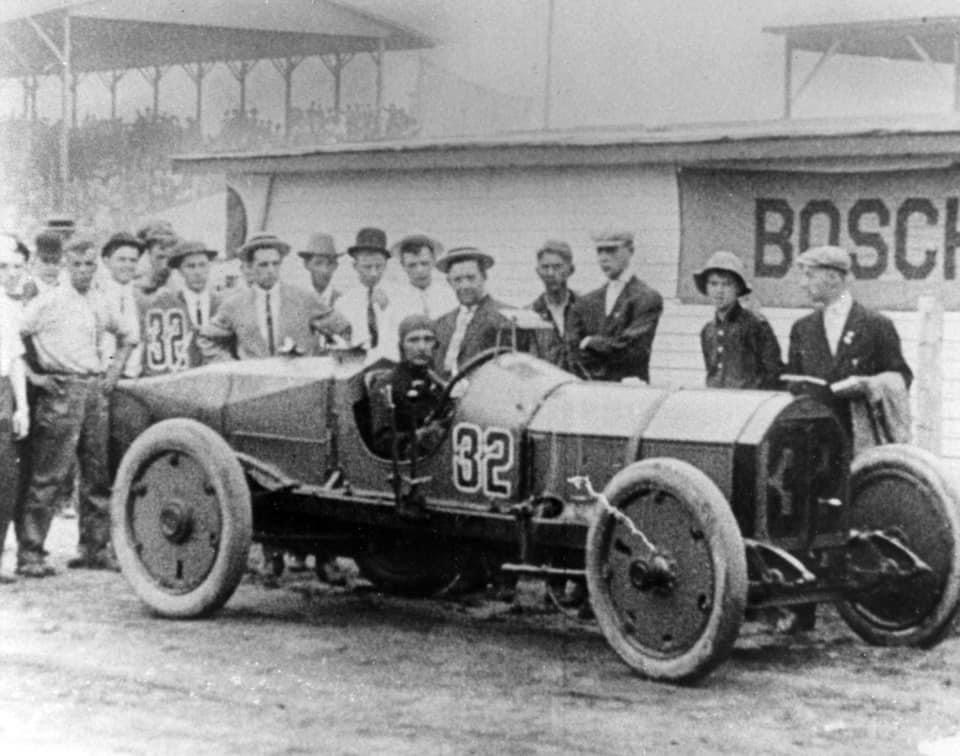
Photo of the Marmon Wasp (#32) that won the first Indianapolis 500 on May 30, 1911.
Image via Wikimedia Commons, public domain

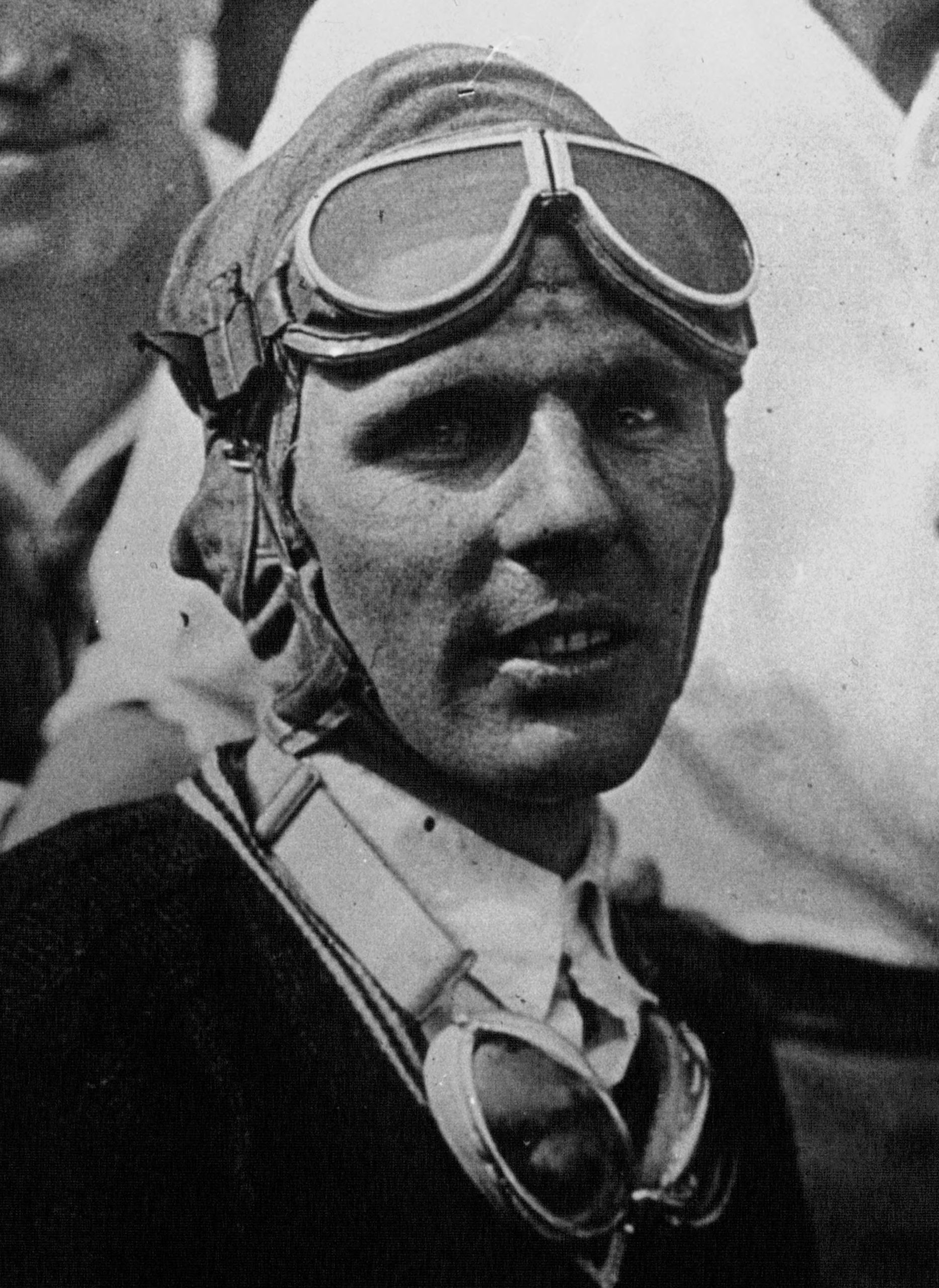
On May 30, 1936, Louis Meyer made history as the first three-time winner of the Indianapolis 500, solidifying his place in racing legend. His victory sparked two enduring traditions: celebrating with milk in victory lane and receiving the pace car as a prize. Meyer had previously won in 1928 and 1933, but his 1936 triumph was his final victory at the famed Brickyard.
Image via Wikimedia Commons, public domain

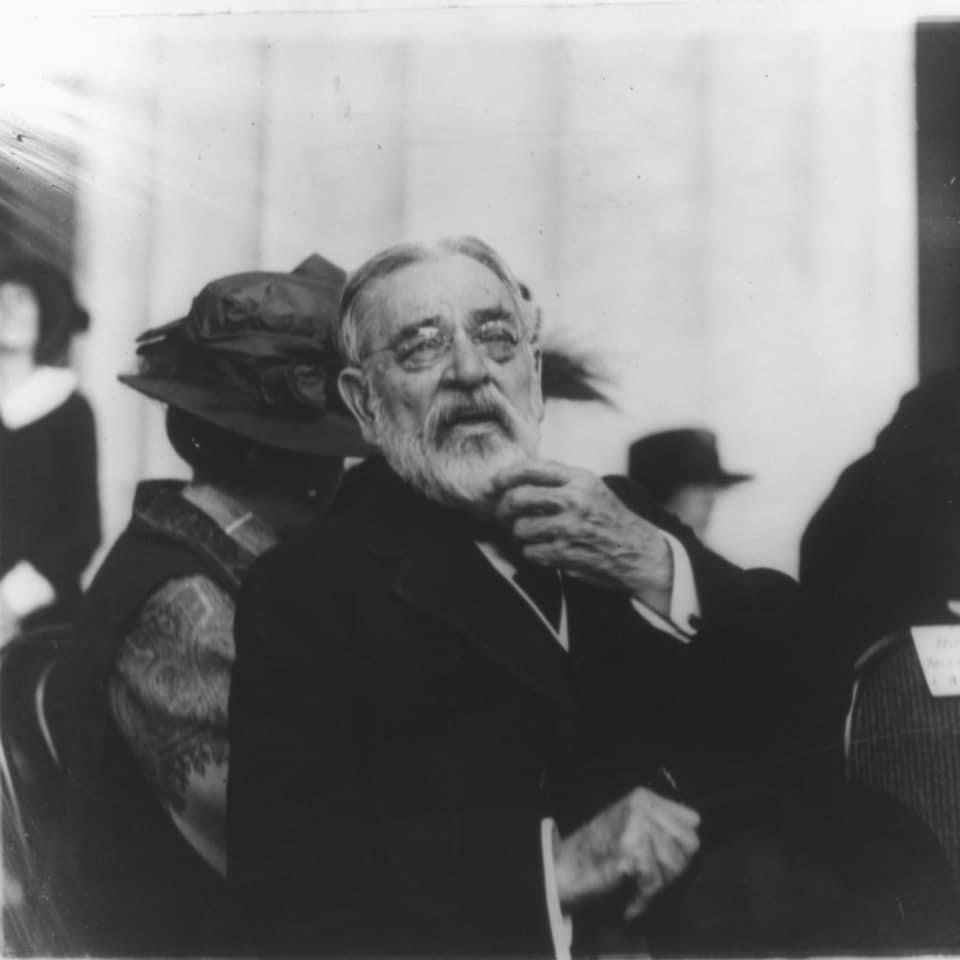
Robert Todd Lincoln (the son of Abraham Lincoln) at the dedication of the Lincoln Memorial in Washington D.C. on May 30, 1922.
Image via Wikimedia Commons, public domain

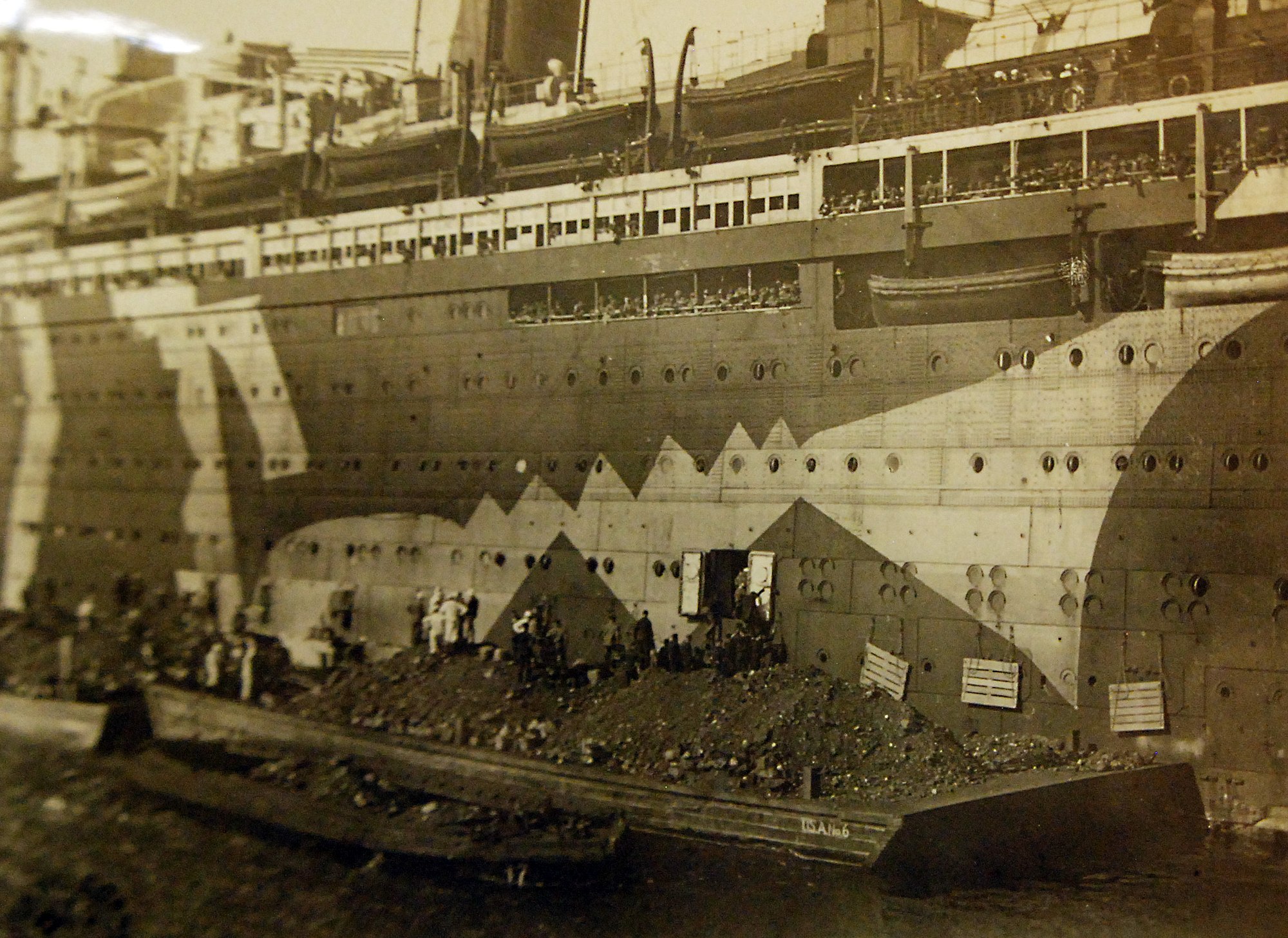
The USS Leviathan (formerly the Hamburg Line’s “Vaterland”) being filled with coal at Brest, France on May 30, 1918. The ship was commandeered and refitted by the U.S. Government when war was declared on Germany. It was converted into an Army Transport for American troops.
Image via Wikimedia Commons, public domain

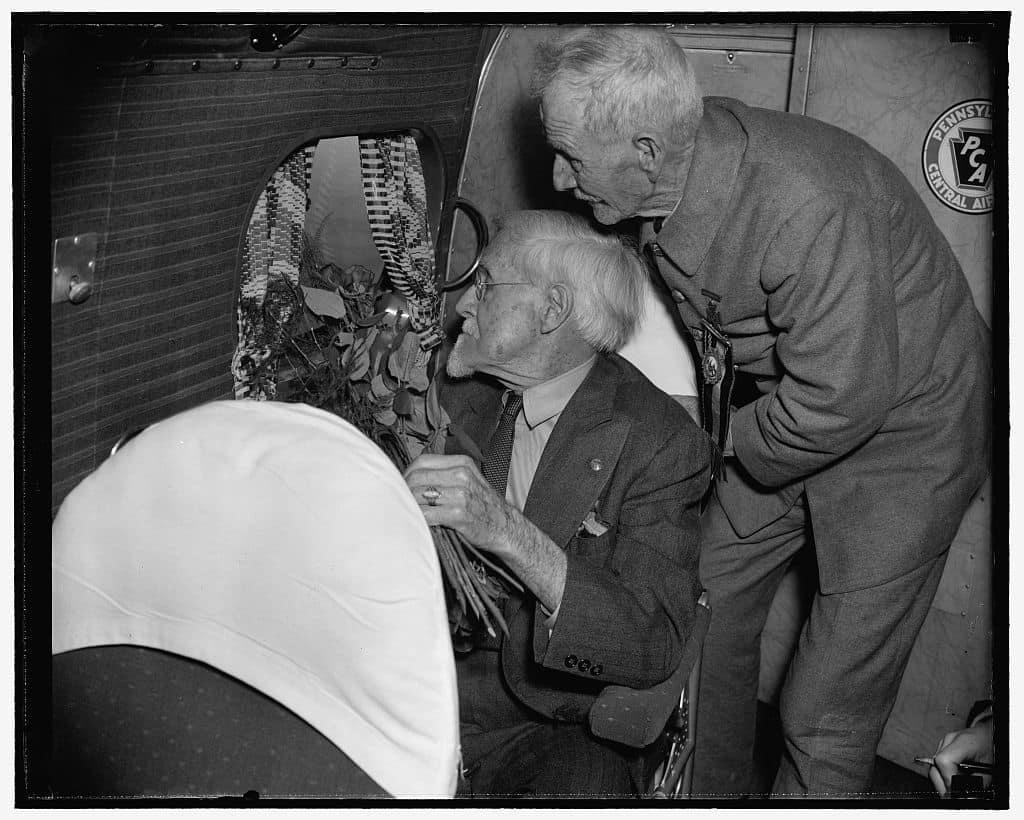
Heroes of battle of Gettysburg paid tribute by surviving brothers-in-arms. Washington, D.C., May 30, Although there are only a few of the boys in blue and gray left, two of them were strong enough today, Memorial Day, to drop flowers from the air on the Gettysburg battlefield to honor their comrades who lost their lives in this historic battle of the Civil War. Here we see, left to right: William H. Jackson and Robert W. Wilson
– May 30, 1938
via Library of Congress, no known restrictions

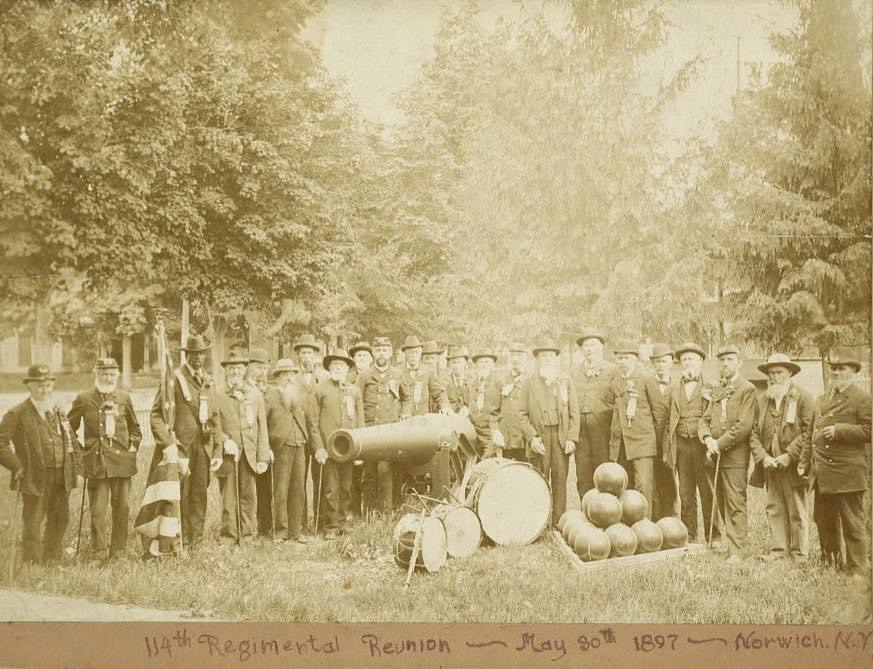
“114th Regimental Reunion, May 30, 1897, Norwich, N.Y.”
via Library of Congress, no known restrictions

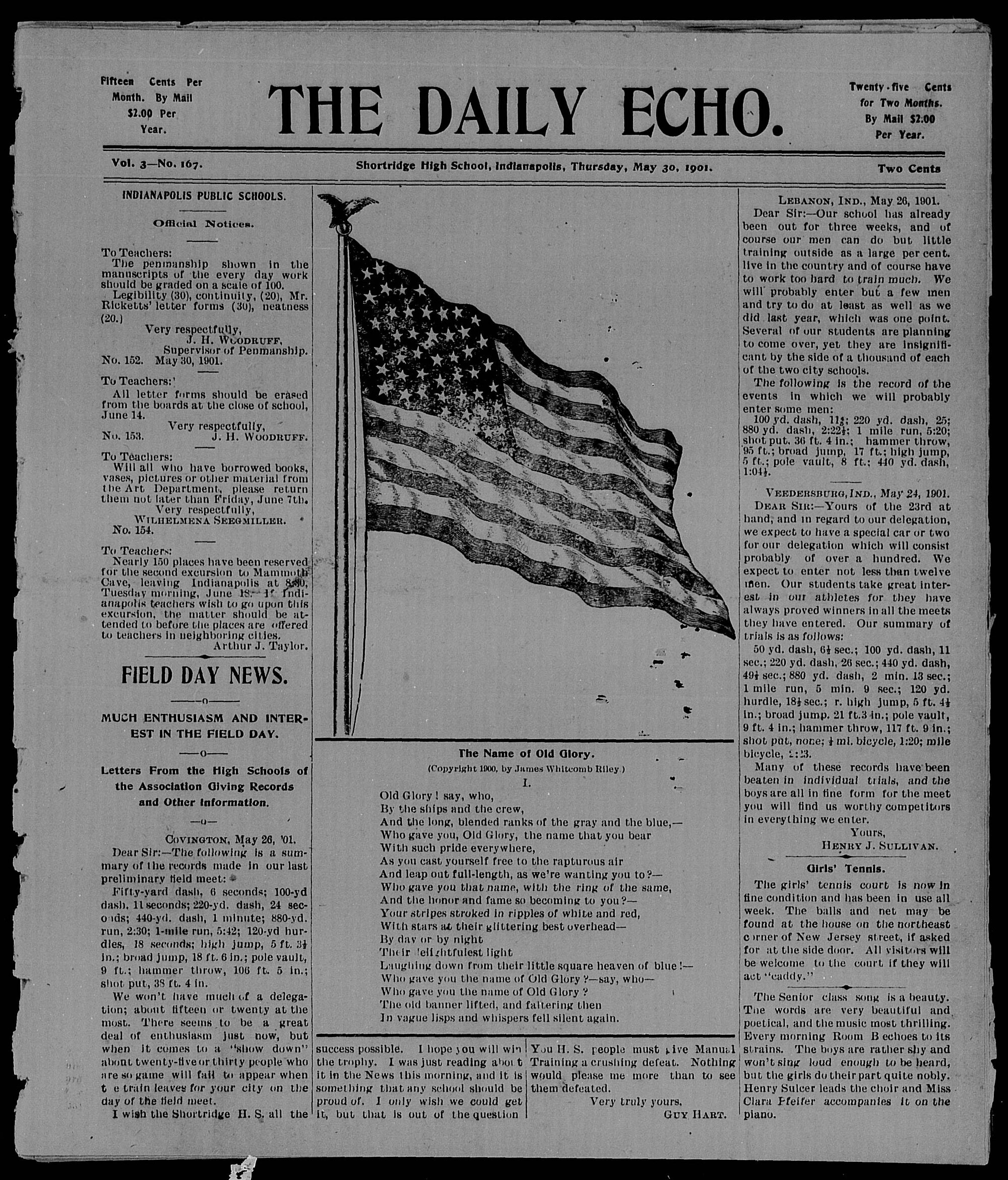
The front page of the Daily Echo newspaper, published by the students of Shortridge High School on Thursday, May 30, 1901
With a poem…
The Name of Old Glory
by James Whitcomb Riley
Old Glory ! say, who,
By the ships and the crew,
And the long, blended ranks of the gray and the blue, —
Who gave you, Old Glory, the name that you bear
With such pride everywhere,
As you cast yourself free to the rapturous air
And leap out full-length, as we’re wanting you to?-
Who gave you that name,
with the ring of the same,
And the honor and fame so becoming to you?—
Your stripes stroked in ripples of white and red,
With stars at their glittering best overhead—
By day or by night
Their delightfulest light
Laughing down from their little square heaven of blue!-
Who gave you the name of Old Glory?-say, who-
Who gave you the name of Old Glory?
The old banner lifted, and faltering then
In vague lisps and whispers fell silent again.
via Wikimedia Commons, public domain

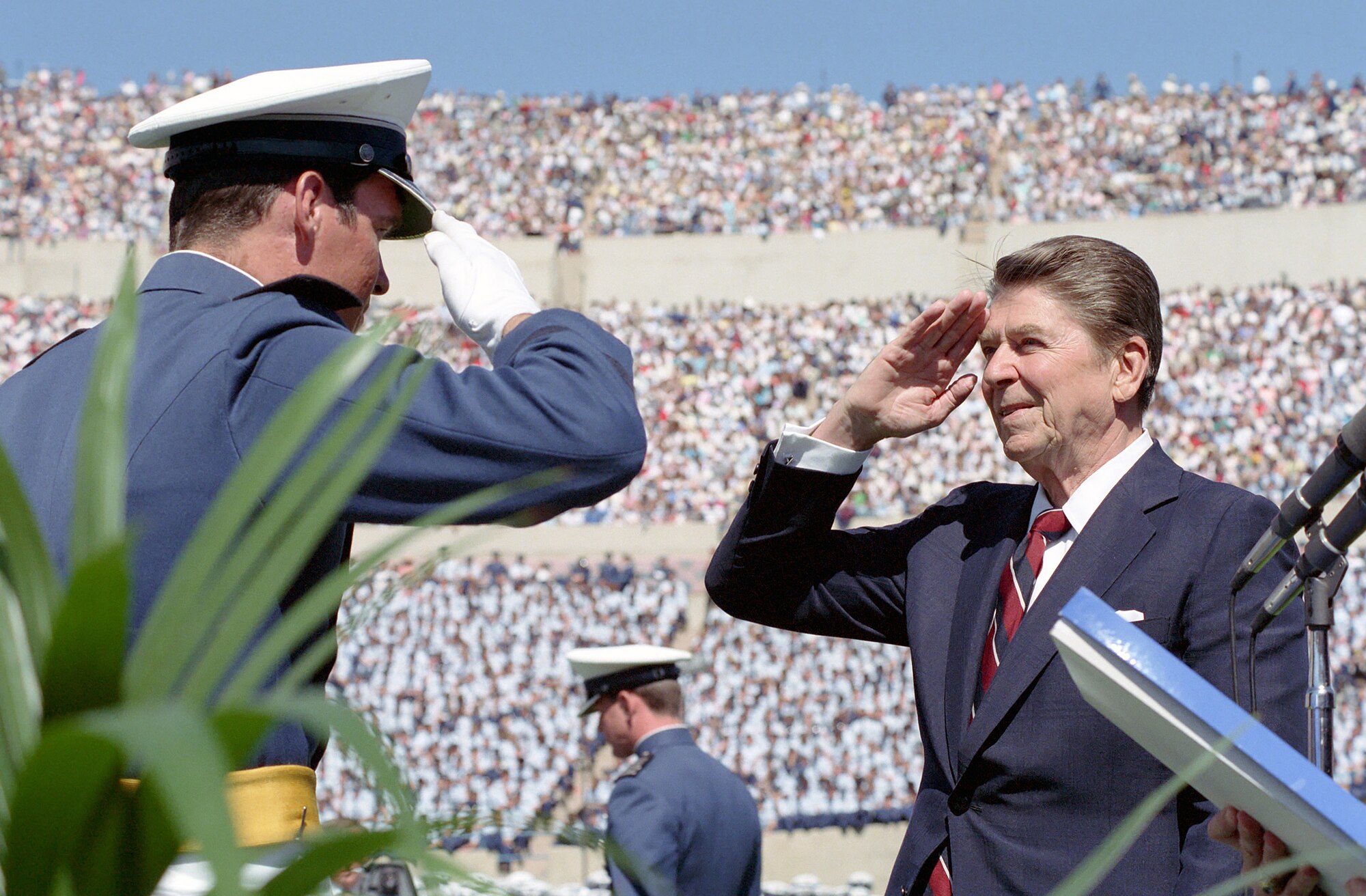
President Ronald Reagan, Saluting the 1984 Graduating Class of the United States Air Force Academy
May 30, 1984
Image via Wikimedia Commons, public domain

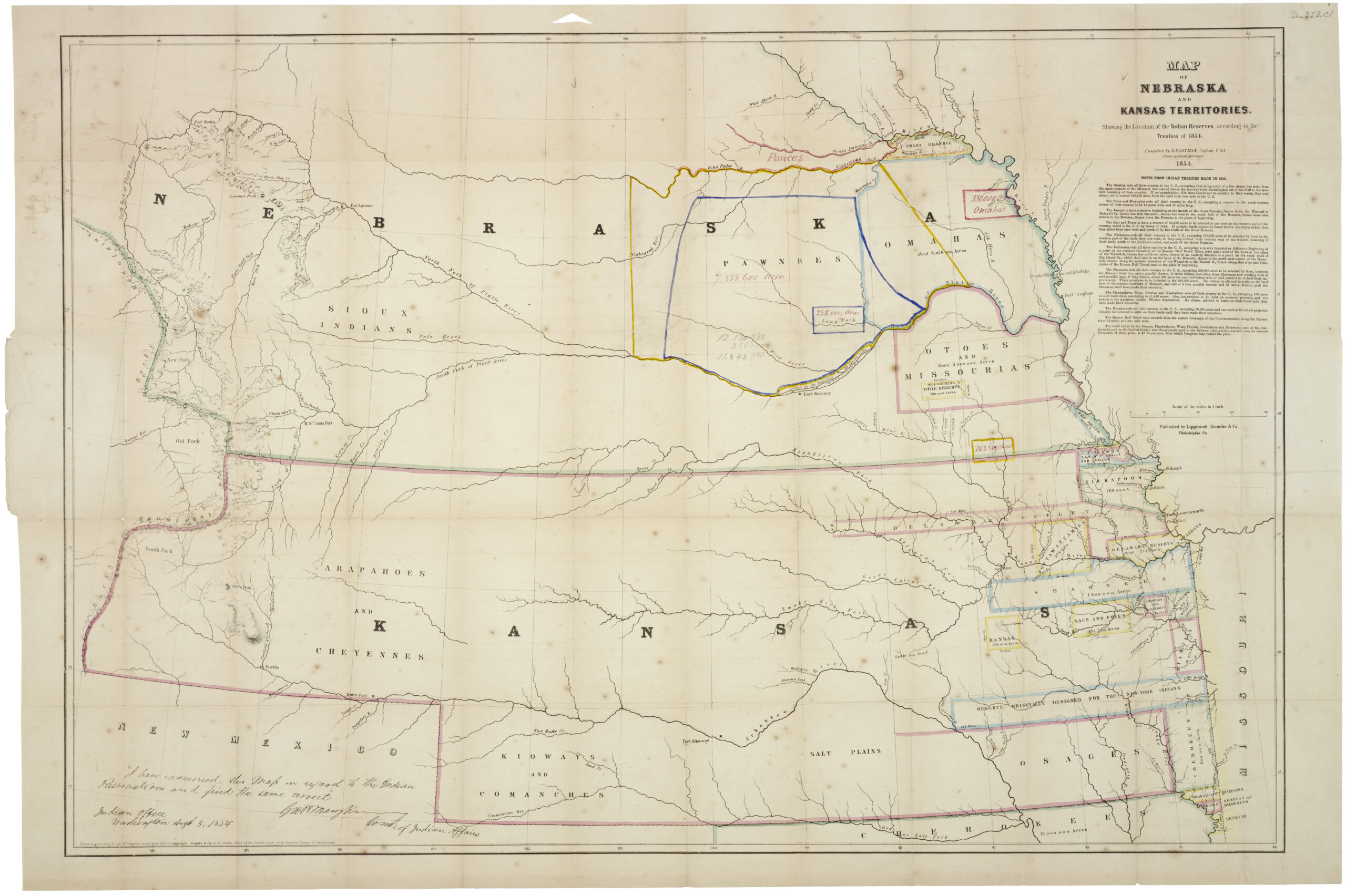
On May 30, 1854 the Kansas-Nebraska Act was signed by President Franklin Pierce.
The act created the Kansas and Nebraska Territories.
Image: Map of Nebraska and Kansas Territories, showing the location of the Indian Reserves according to the treaties of 1854 from NARA via Wikimedia Commons, no known restrictions

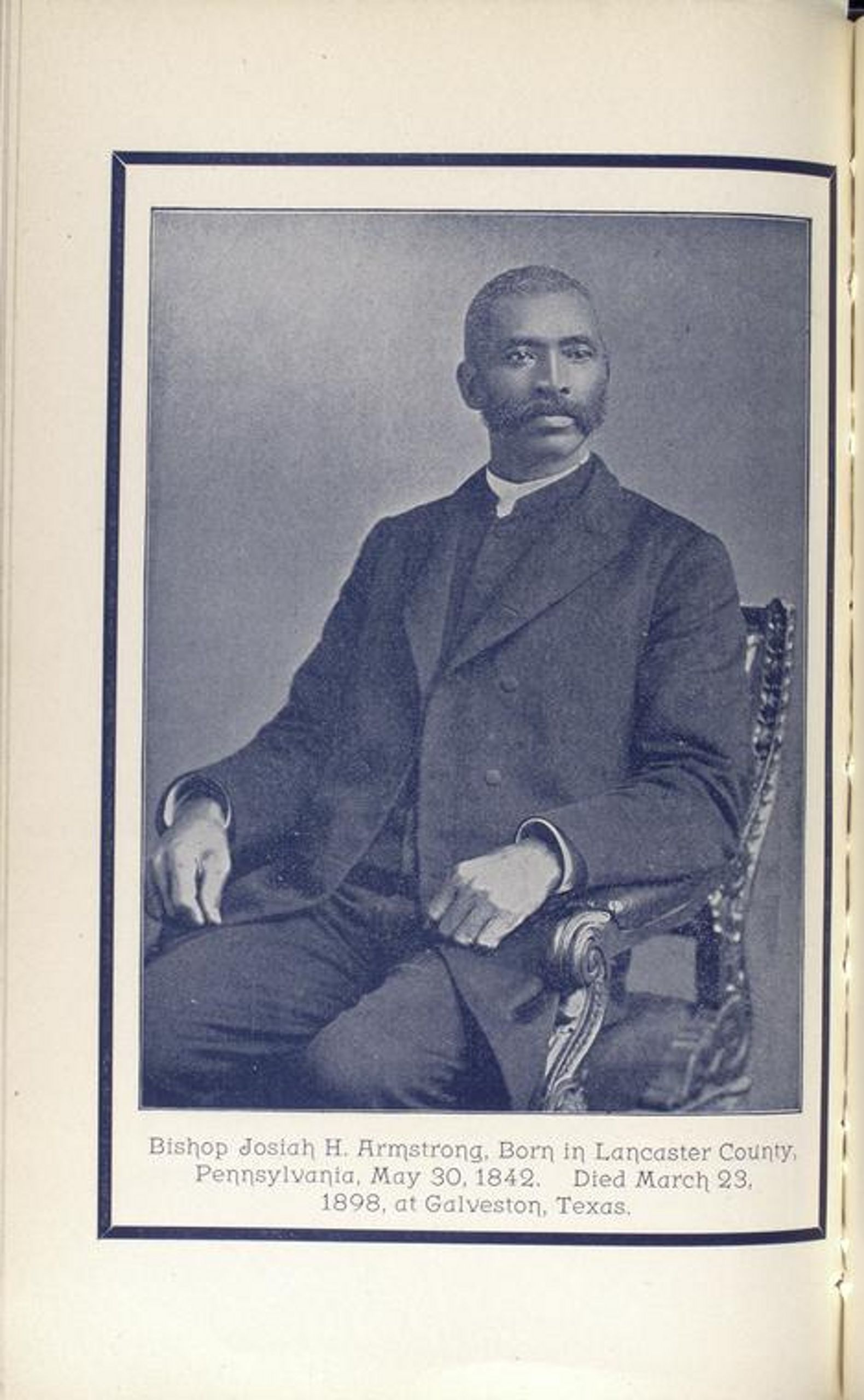
Bishop Josiah H. Armstrong, Born in Lancaster County, Pennsylvania, May 30, 1842. Died March 23, 1898, at Galveston, Texas.
Image from a general program of sessions of the African Methodist Episcopal Church via NYPL no known restrictions

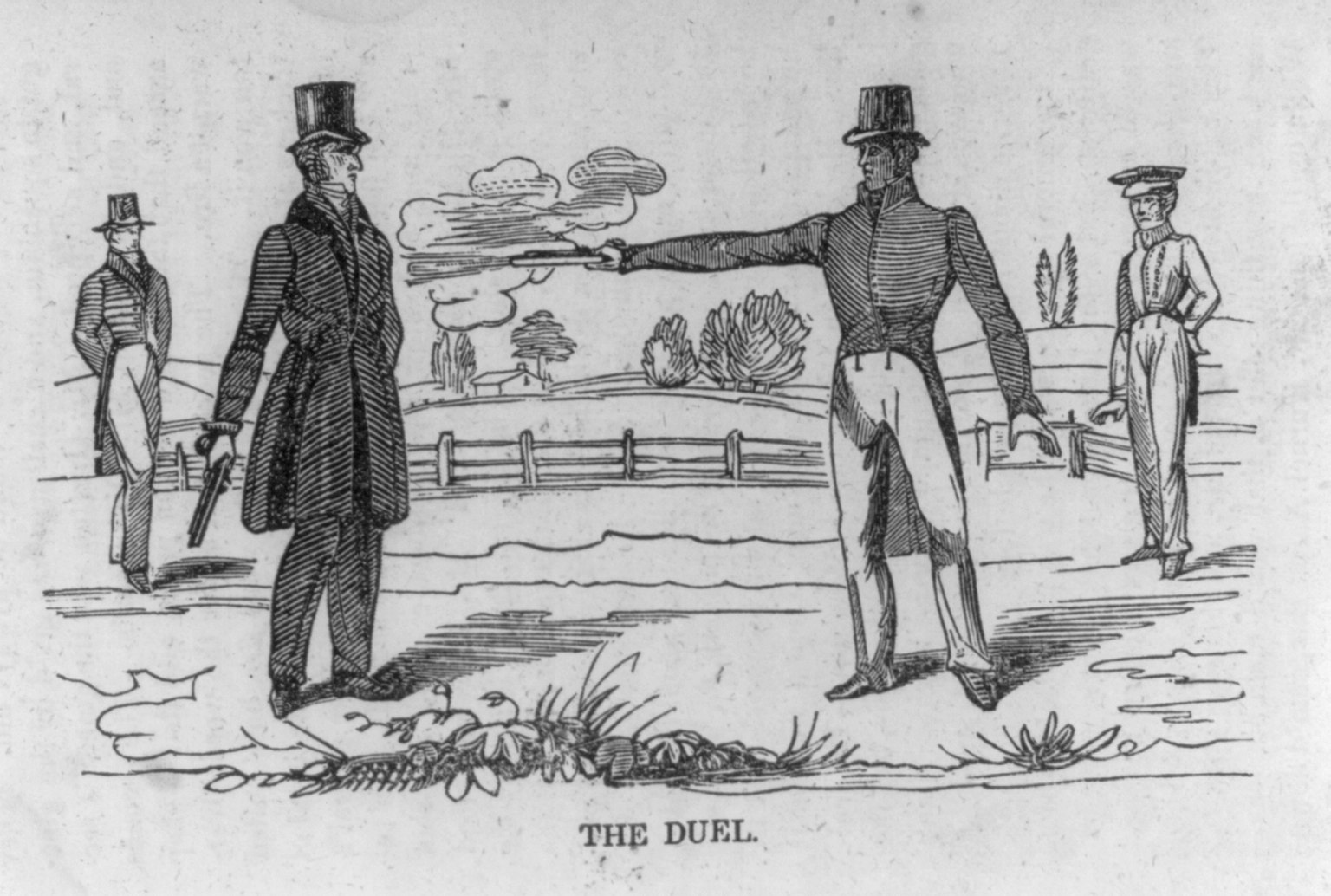
On May 30, 1806, Andrew Jackson faced Charles Dickinson in a duel:
“The horsemen rode about a mile along the river; then turned down toward the river to a point on the bank where they had expected to find a ferryman. No ferryman appearing, Jackson spurred his horse into the stream and dashed across, followed by all his party. They rode into the poplar forest, two hundred yards or less, to a spot near the center of a level platform or river bottom, then covered with forest, now smiling with cultivated fields. The horsemen halted and dismounted just before reaching the appointed place. Jackson, Overton, and a surgeon who had come with them from home, walked on together, and the rest led their horses a short distance in an opposite direction.
“How do you feel about it now, General?” asked one of the party, as Jackson turned to go.
“Oh, all right,” replied Jackson, gayly; “I shall wing
him, never fear.”
Dickinson’s second won the choice of position, and Jackson’s the office of giving the word. The astute Overton considered this giving of the word a matter of great importance, and he had already determined how he would give it, if the lot fell to him. The eight paces were measured off, and the men placed. Both were perfectly collected. All the politenesses of such occasions were very strictly and elegantly performed. Jackson was dressed in a loose frock-coat, buttoned carelessly over his chest, and concealing in some degree the extreme slenderness of his figure. Dickinson was the younger and handsomer man of the two. But Jackson’s tall, erect figure, and the still intensity of his demeanor, it is said, gave him a most superior and commanding air, as he stood under the tall poplars on this bright May morning, silently awaiting the moment of doom.
“Are you ready?” said Overton.
“I am ready” replied Dickinson.
“I am ready,” said Jackson.
The words were no sooner pronounced than Overton, with a sudden shout, cried, using his old-country pronunciation,
“Fere!”
Dickinson raised his pistol quickly and fired. Overton, who was looking with anxiety and dread at Jackson, saw a puff of dust fly from the breast of his coat, and saw him raise his left arm and place it tightly across his chest. He is surely hit, thought Overton, and in a bad place, too; but no; he does not fall. Erect and grim as Fate he stood, his teeth clenched, raising his pistol. Overton glanced at Dickinson. Amazed at the unwonted failure of his aim, and apparently appalled at the awful figure and face before him, Dickinson had unconsciously recoiled a pace or two.
“Great God !” he faltered, ” have I missed him?”
“Back to the mark, sir!” shrieked Overton, with his
hand upon his pistol.
Dickinson recovered his composure, stepped forward to the peg, and stood with his eyes averted from his antagonist. All this was the work of a moment, though it requires many words to tell it.
General Jackson took deliberate aim, and pulled the trigger. The pistol neither snapped nor went off. He looked at the trigger, and discovered that it had stopped at half cock. He drew it back to its place, and took aim a second time. He fired. Dickinson’s face blanched; he reeled; his friends rushed toward him, caught him in their arms, and gently seated him on the ground, leaning against a bush. His trowsers reddened. They stripped off his clothes. The blood was gushing from his side in a torrent. And, alas! here is the ball, not near the wound, but above the opposite hip, just under the skin. The ball had passed through the body, below the ribs. Such a wound could not but be fatal.
Overton went forward and learned the condition of the wounded man. Rejoining his principal, he said, “He won’t want anything more of you, General,” and conducted him from the ground. They had gone a hundred yards, Overton walking on one side of Jackson, the surgeon on the other, and neither speaking a word, when the surgeon observed
that one of Jackson’s shoes was full of blood.
“My God ! General Jackson, are you hit ?” he exclaimed, pointing to the blood.
“Oh! I believe,” replied Jackson, ” that he has pinked me a little. Let’s look at it. But say nothing about it there” pointing to the house.
He opened his coat. Dickinson’s aim had been perfect. He had sent the ball precisely where he supposed Jackson’s heart was beating. But the thinness of his body and the looseness of his coat combining to deceive Dickinson, the ball had only broken a rib or two, and raked the breast-bone. It was a somewhat painful, bad-looking wound, but neither severe nor dangerous, and he was able to ride to the tavern without much inconvenience. Upon approaching the house, he went up to one of the women who was churning, and asked her if the butter had come. She said it was just coming. He asked for some buttermilk. While she was getting it for him, she observed him furtively open his coat and look within it. She saw that his shirt was soaked with blood, and she stood gazing in blank horror at the sight, dipper in hand. He caught her eye, and hastily buttoned his coat again. She dipped out a quart measure full of buttermilk, and gave it to him. He drank it off at a draught; then went in, took off his coat, and had his wound carefully examined and dressed. That done, he dispatched one of his retinue to Dr. Catlett, to inquire respecting the condition of Dickinson, and to say that the surgeon attending himself would be glad to contribute his aid toward Mr. Dickinson’s
relief. Polite reply was returned that Mr. Dickinson’s case was past surgery. In the course of the day, General Jackson sent a bottle of wine to Dr. Catlett for the use of his patient.
But there was one gratification which Jackson could not, even in such circumstances, grant him. A very old friend of General Jackson writes to me thus: “Although the General had been wounded, he did not desire it should be known until he had left the neighborhood, and had therefore concealed it at first from his own friends. His reason for this, as he once stated to me, was, that as Dickinson considered himself the best shot in the world, and was certain of killing him at the first fire, he did not want him to have the gratification even of knowing that he had touched him?’
Poor Dickinson bled to death. The flowing of blood was stanched, but could not be stopped. He was conveyed to the house in which he had passed the night, and placed upon a mattress, which was soon drenched with blood. He suffered extreme agony, and uttered horrible cries all that long day.
At nine o’clock in the evening he suddenly asked why they had put out the lights. The doctor knew then that the end was at hand; that the wife, who had been sent for in the morning, would not arrive in time to close her husband’s eyes. He died five minutes after, cursing, it is said, with his last breath, the ball that had entered his body. The
poor wife hurried away on hearing that her husband was “dangerously wounded,” and met, as she rode toward the scene of the duel, a procession of silent horsemen escorting a rough emigrant wagon that contained her husband’s
remains.”
From: Life of Andrew Jackson by James Parton, published in 1866
https://archive.org/details/lifeofandrew01partrich/page/298/mode/1up
Source says not in copyright

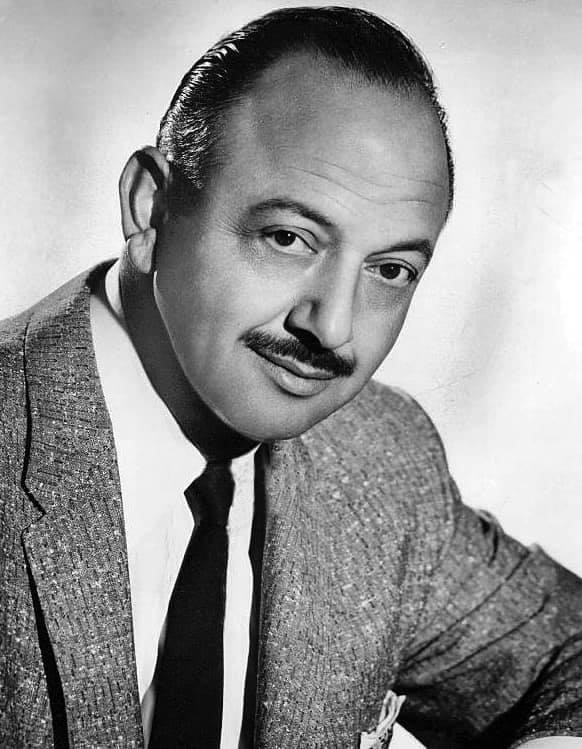
Mel Blanc, the voice of Bugs Bunny, was born on May 30, 1908 in San Francisco, California.
Image via Wikimedia Commons, public domain

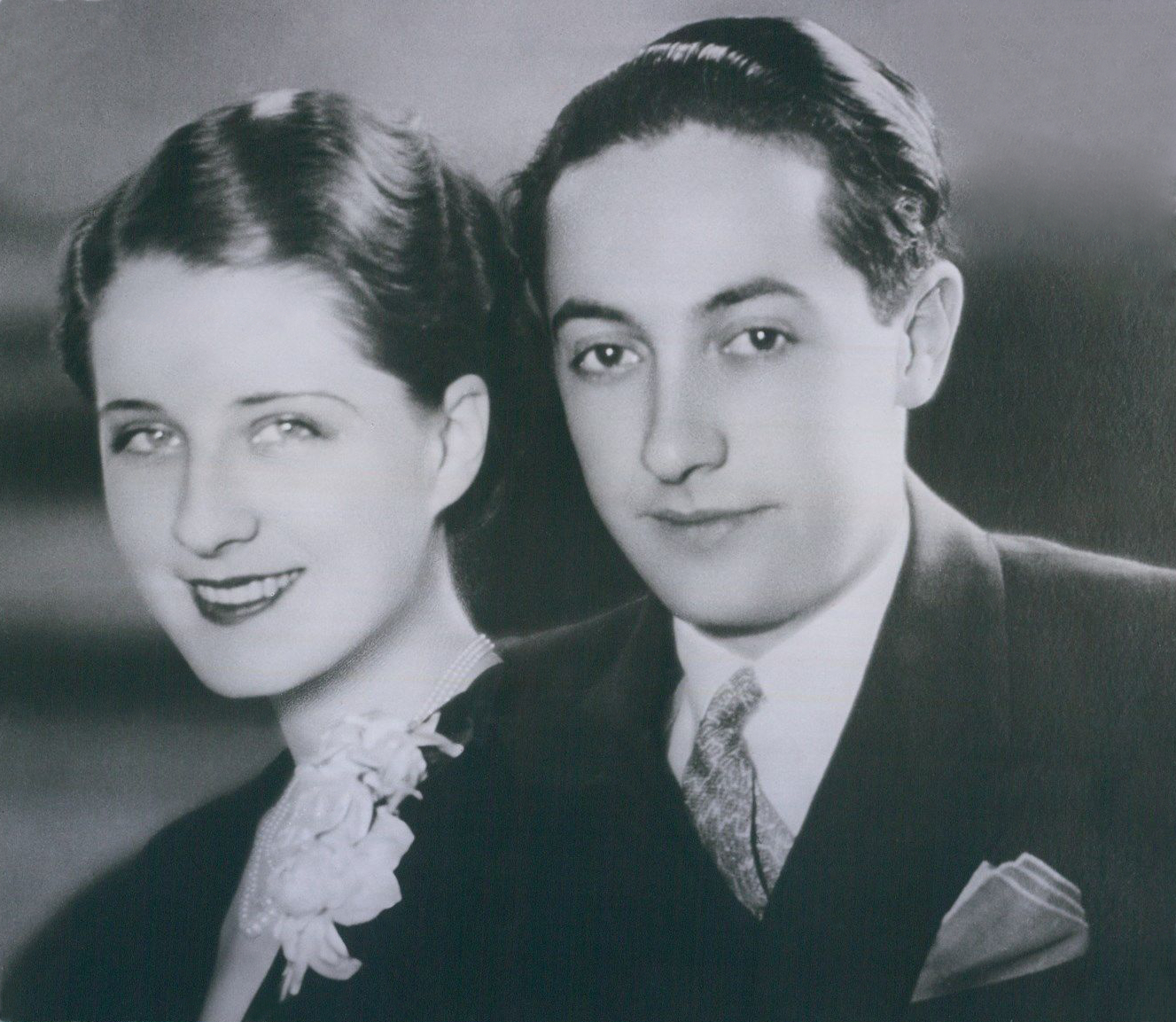
American film producer Irving Thalberg (right) was born in Brooklyn, New York on May 30, 1899.
When an actress named Norma Shearer (left) showed up for a job interview at a studio, a young Thalberg answered the door.
She first believed that he was the office boy. But after Thalberg walked with her to his office and sat behind his desk he revealed that he was the V.P. of the studio.
They eventually married.
Image via Wikimedia Commons, public domain

Oakland, California. Hot Jazz Recreation. A spontaneous jitterbug exhibition in the middle of the dance floor. Benny Goodman concert at the Oakland, California dance hall in 1940.
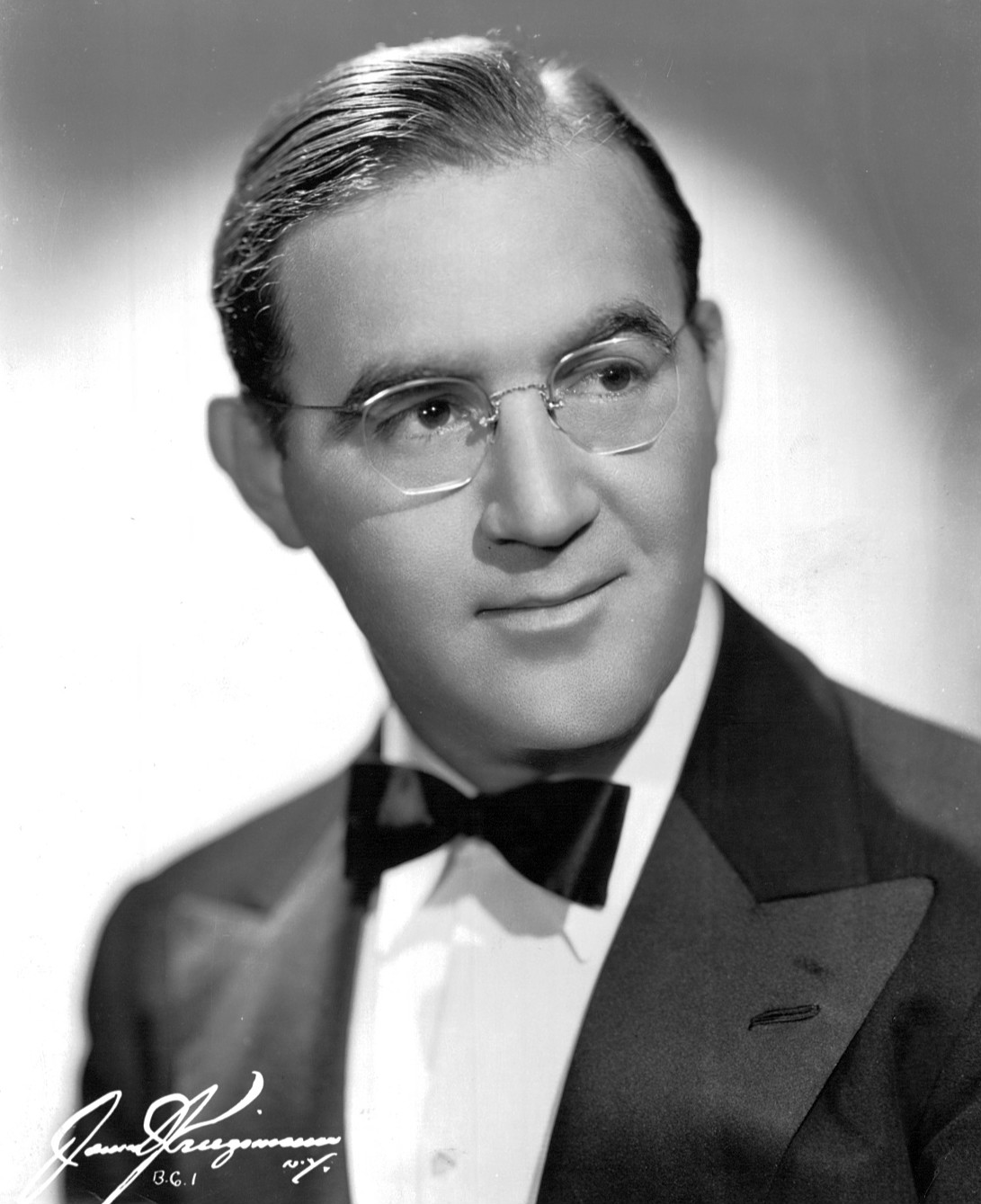
On May 30, 1909, “The King of Swing” Benny Goodman, was born in Chicago, Illinois.
Image via Wikimedia Commons, public domain

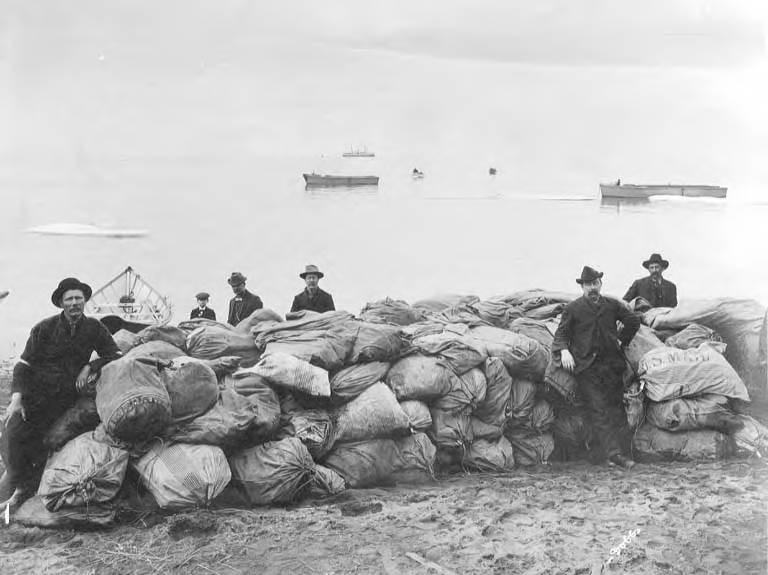
Arrival of the first mail in Nome by the steamer Corwin with men standing next to large stack of mailbags on beach, Nome, Alaska
May 30, 1906
Image via Wikimedia Commons, public domain