The Heart of the Machine
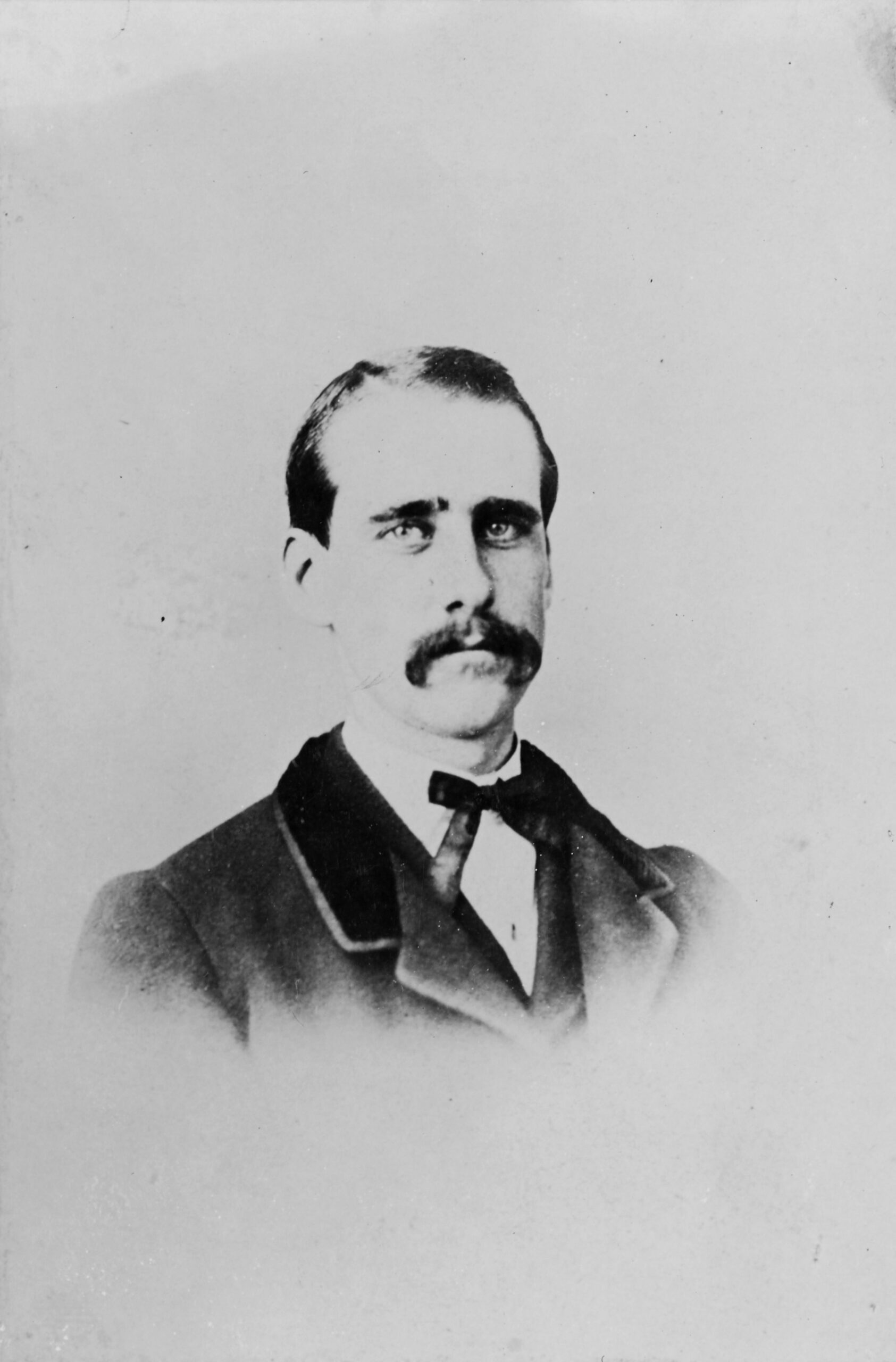
W.H. Badlam was promoted to First Assistant Engineer on May 3, 1859 — a prewar rise that placed him among the Navy’s small corps of seasoned engineers when the Civil War began. Five years later, aboard the USS Kearsarge, he served in the protected engine room during the battle with the CSS Alabama. The ship’s improvised chain armor — heavy links hung behind wooden planking to shield the boilers — bought the Kearsarge time, but it was Badlam who kept the engines driving the ship forward as she maneuvered for the shot that ended the fight.
Image via Wikimedia Collections, no known restrictions
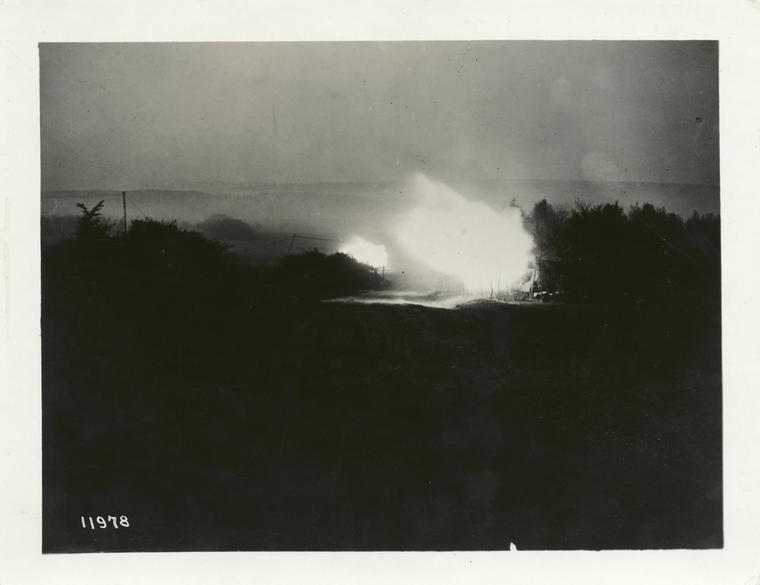
via NYPL Digital Collections, no known restrictions
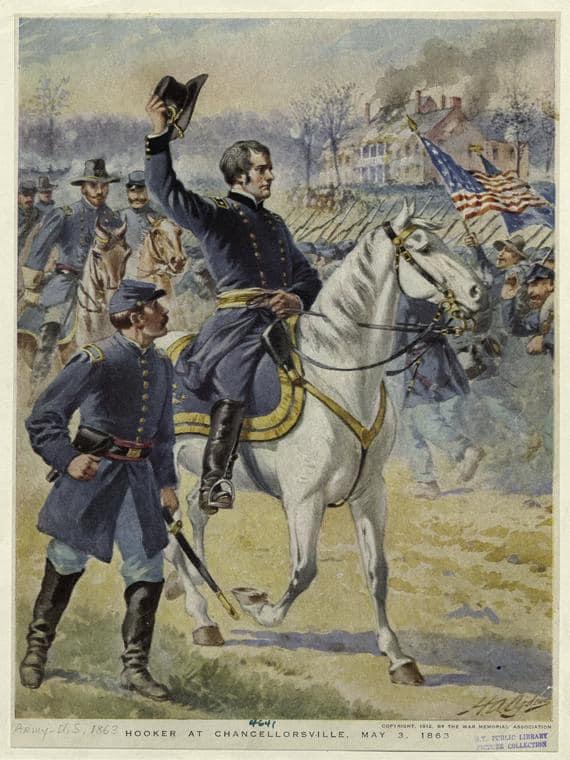
The Generals Last Brave Face
General Joseph Hooker sent a gritty dispatch to Lincoln on May 3, 1863, claiming his troops were in good spirits. He didnt mention that earlier that day, a cannonball had struck a pillar he was leaning against, knocking him senseless and leaving him dazed as his army faced a crushing defeat.
Image: Hooker At Chancellorsville, May 3, 1863
via NYPL Digital Collections, no known restrictions
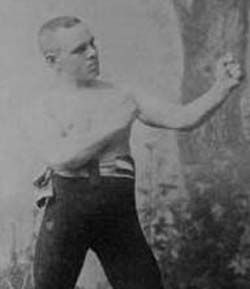
The Match That Wouldn’t End
Andy Bowen was born on May 3, 1867. He later fought a boxing match that lasted over seven hours and 110 rounds. By the end, the referee simply went home because neither man would stay down, resulting in a no contest that remains the longest gloved match in history.
Image via Wikimedia Commons, public domain
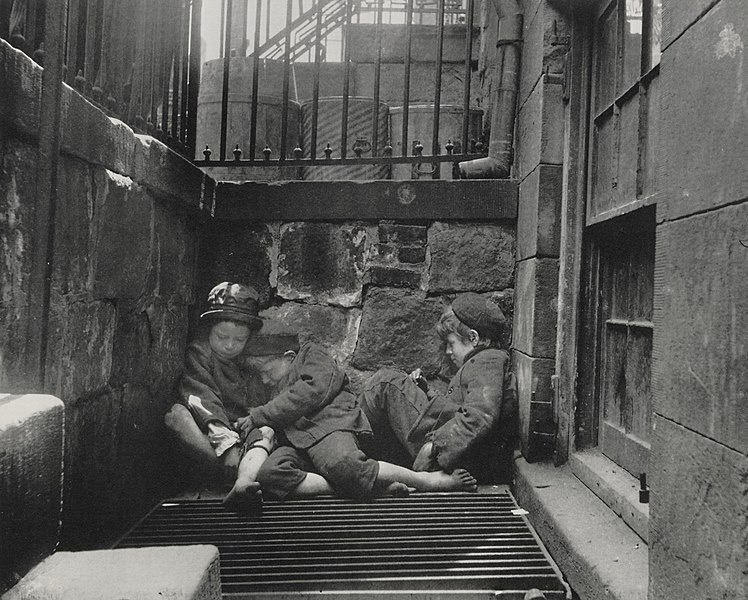
The Lens of Compassion
Jacob Riis was born on May 3, 1849. He used the terrifying new technology of magnesium flash powder to light up dark tenements, exposing poverty that landlords wanted to keep hidden. His friend Theodore Roosevelt used to join him on midnight walks through the slums to see these conditions firsthand.
Image via Wikimedia Commons, public domain in the US
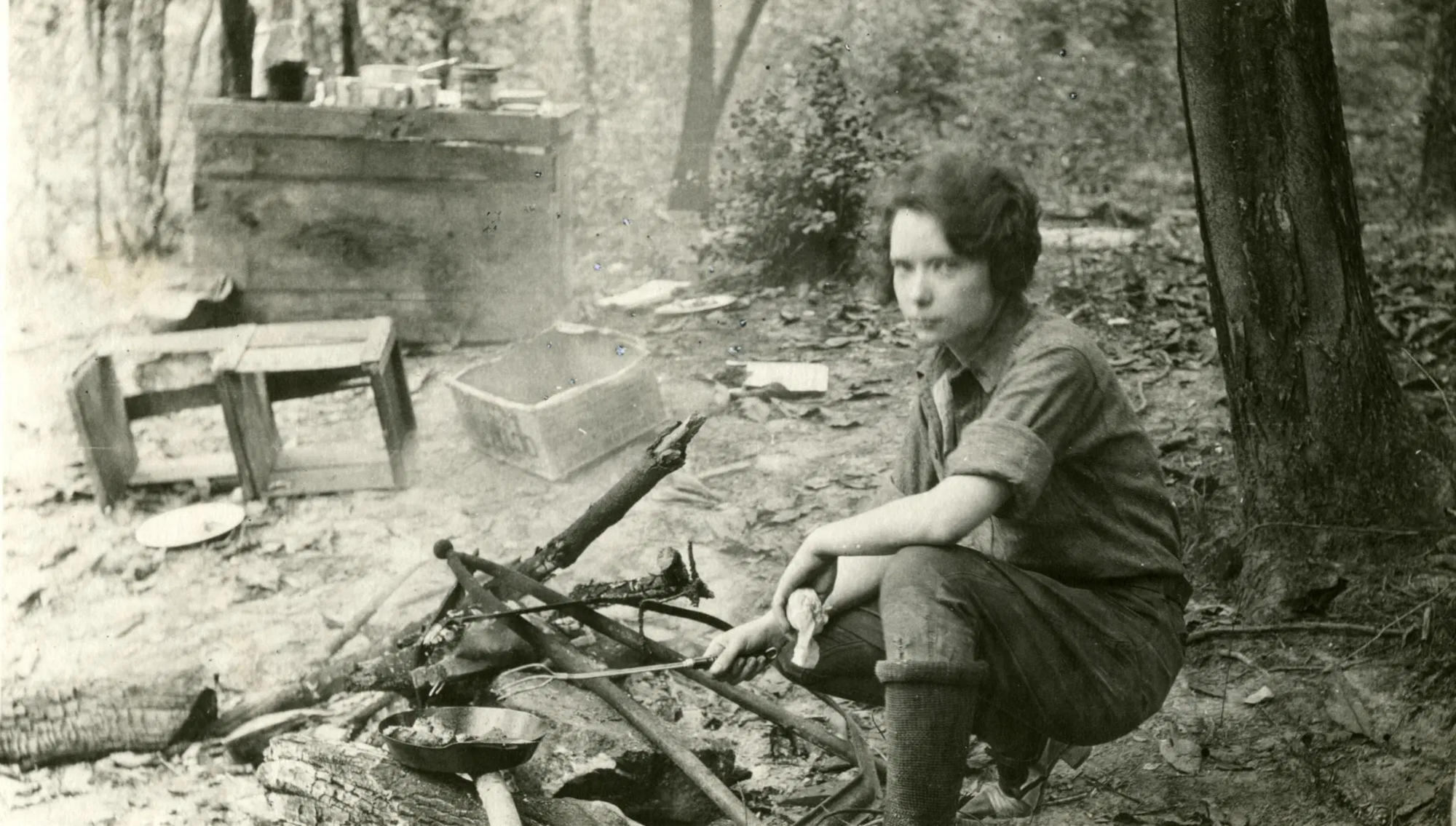
The Southern Epic
Margaret Mitchell won the Pulitzer for Gone with the Wind on May 3, 1937. A tiny woman standing less than five feet tall, she wrote the very last chapter of her massive book first and kept the manuscript hidden in envelopes under her bed for years before anyone saw it.
Image of Margaret Mitchell, the author of the best-selling novel Gone With the Wind (1936), camping at Lake Burton in Rabun County, Georgia via Wikimedia Commons
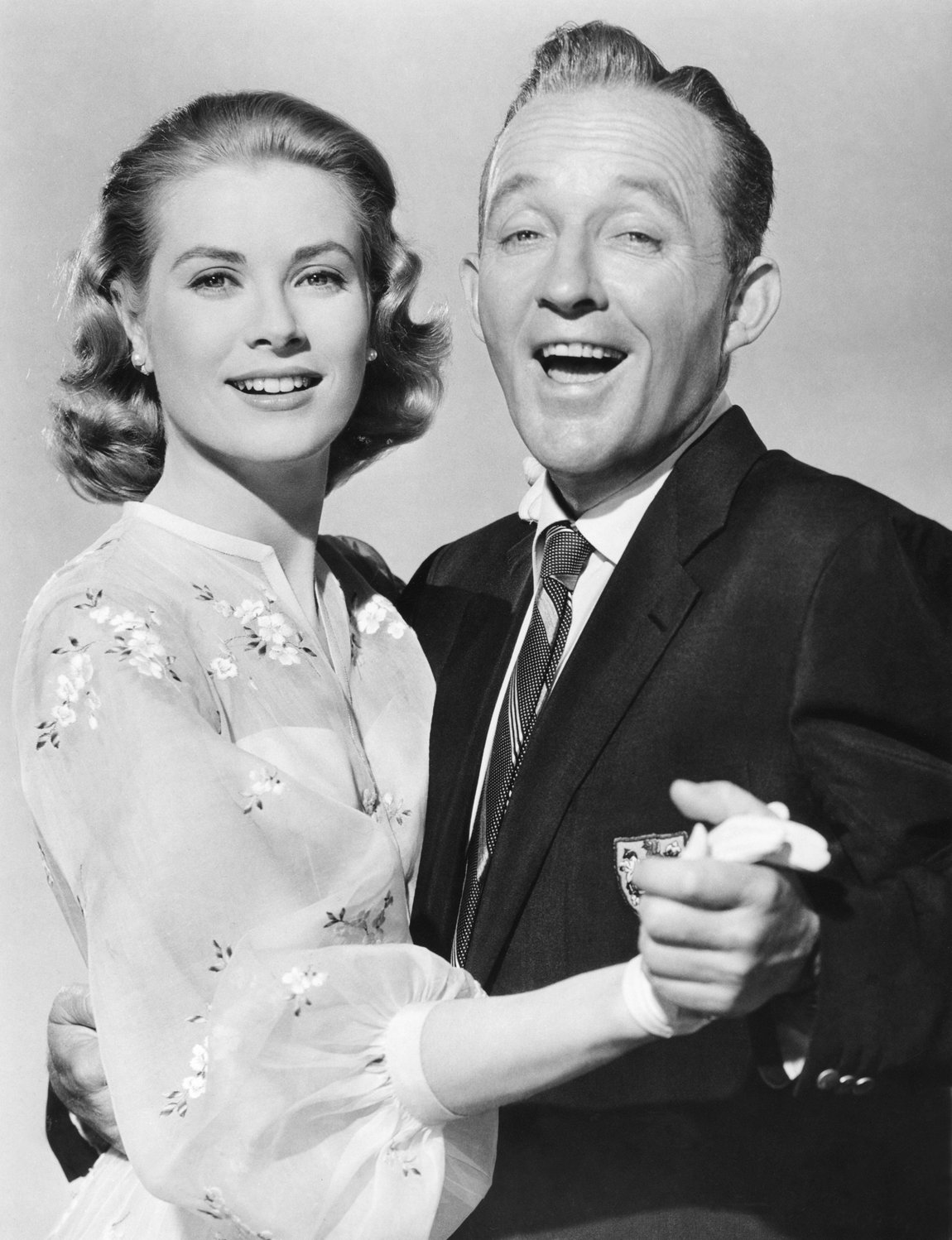
Born on This Day: Bing Crosby
Bing Crosby was born on May 3, 1903, in Spokane, Washington, and grew into one of the most influential voices of the 20th century. His warm, unhurried style shaped American popular music and carried effortlessly onto the screen, including his 1956 performance in High Society—the film that paired him with Grace Kelly in her final Hollywood role. Their duet “True Love” became one of the movie’s defining moments, a reminder of Crosby’s rare ability to make even the simplest melody feel timeless
.Image via Alamy
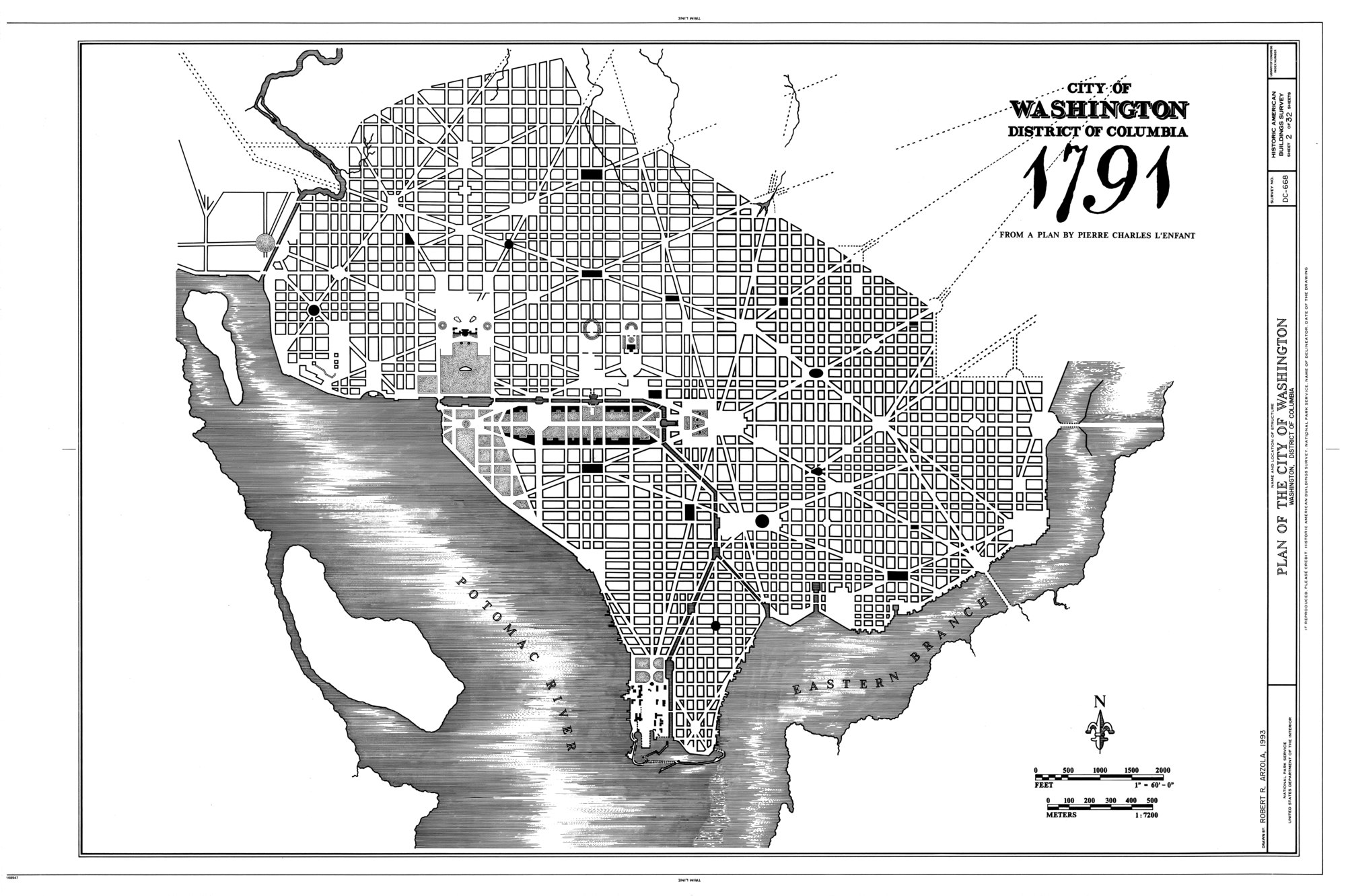
A City is Born
The city of Washington D.C. was incorporated on May 3, 1802. At the time, it was a swampy wilderness where congressmen frequently got stuck in the mud. The original charter was a small first step toward self-rule, giving the people their first elected council.
Image from the plans of Washington via Wikimedia Commons, public domain
The Boy with the Banjo
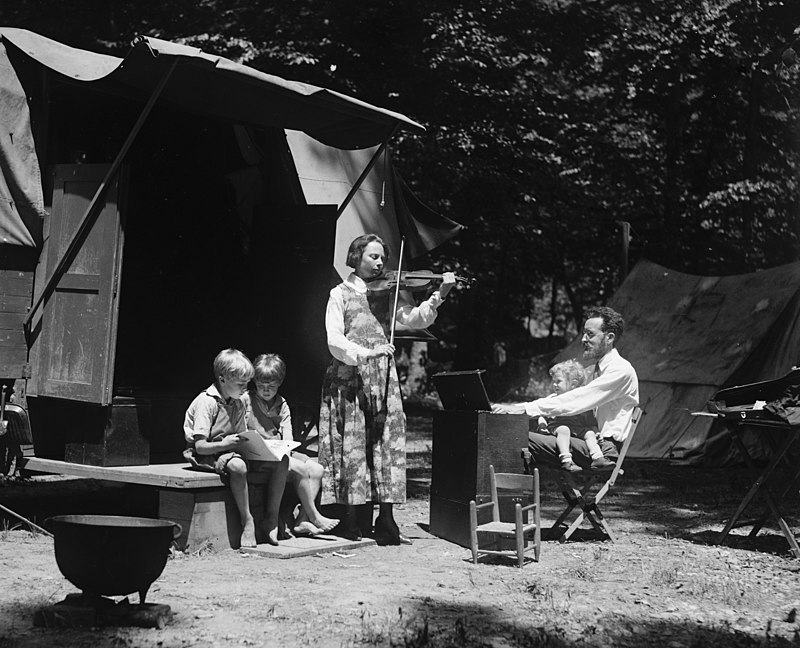
Folk legend Pete Seeger was born on May 3, 1919. Even as a toddler on a family camping trip, he was surrounded by music. He eventually used his career to fight for social justice, famously carving a message into his banjo that said the instrument was a machine meant to force hate to surrender.
You can see little two-year-old Pete on his father’s lap watching his mother play the violin during a family camping trip in May 1921.
Image via Wikimedia Commons, public domain
The Jersey Boy
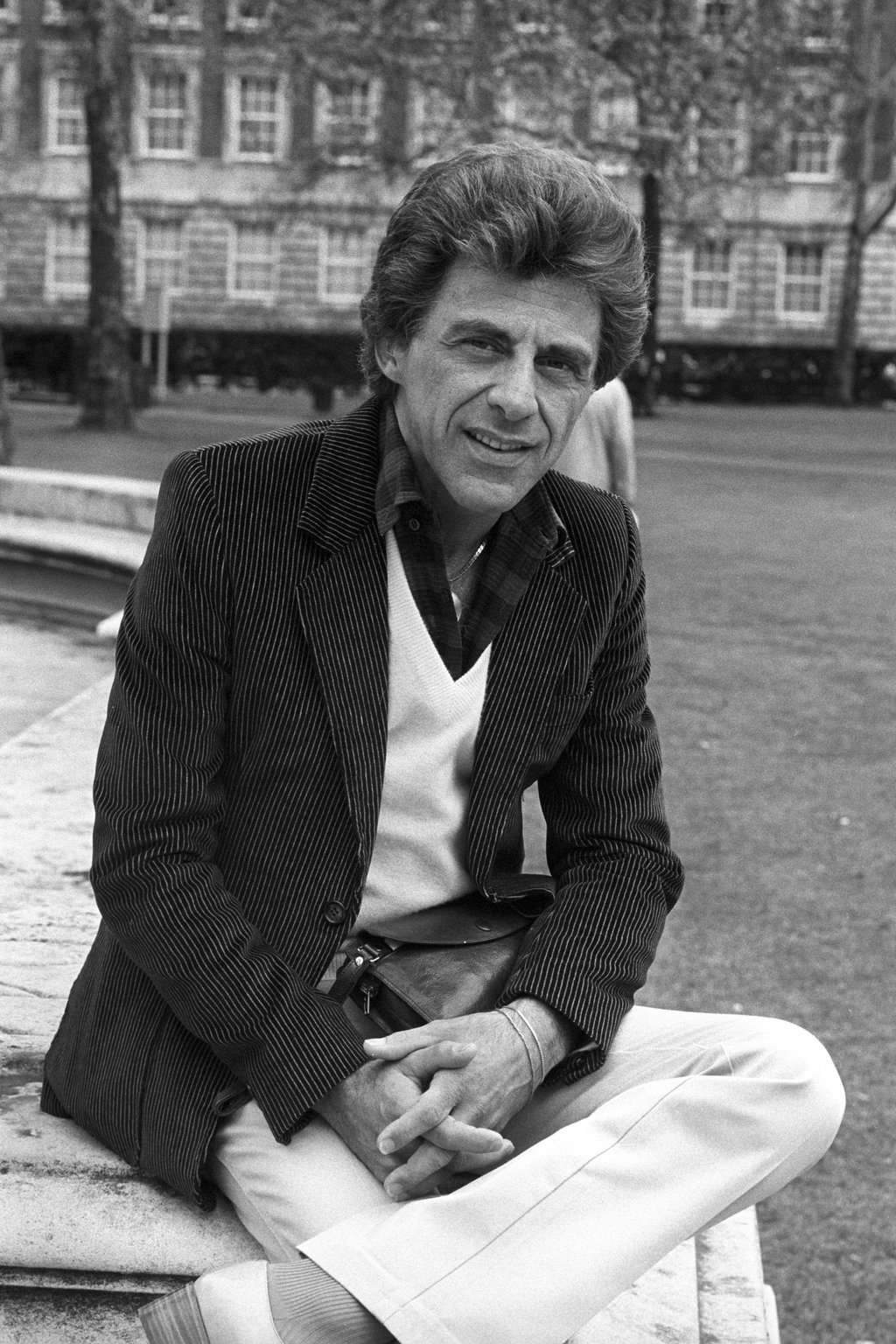
Frankie Valli was born on May 3, 1934, in Newark’s Stephen Crane Village housing project. He took his stage name in tribute to a local singer he admired, Texas Jean Valli — choosing something that sounded like it belonged on a marquee, never imagining that the voice he shaped in Newark would carry him through seven decades onstage.
His first single, “My Mother’s Eyes,” was released in 1953.
Here he is a few days after his 46th birthday in 1980.
Image via Alamy
The Town of Two Names
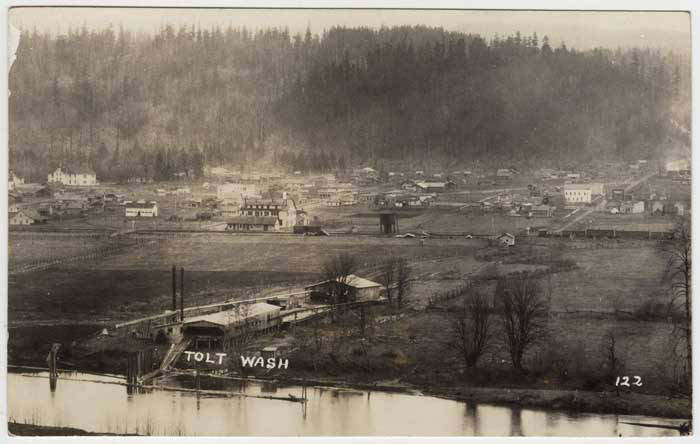
On May 3, 1928, the town of Carnation, Washington, tried to go back to its original name, Tolt. However, the local Carnation Milk company was so famous that the town’s identity was stuck. They eventually gave up and changed it back to Carnation for good in 1951.
Image of Tolt (or is it Carnation?) in 1914 via Wikimedia Commons
Healing Behind Barbed Wire
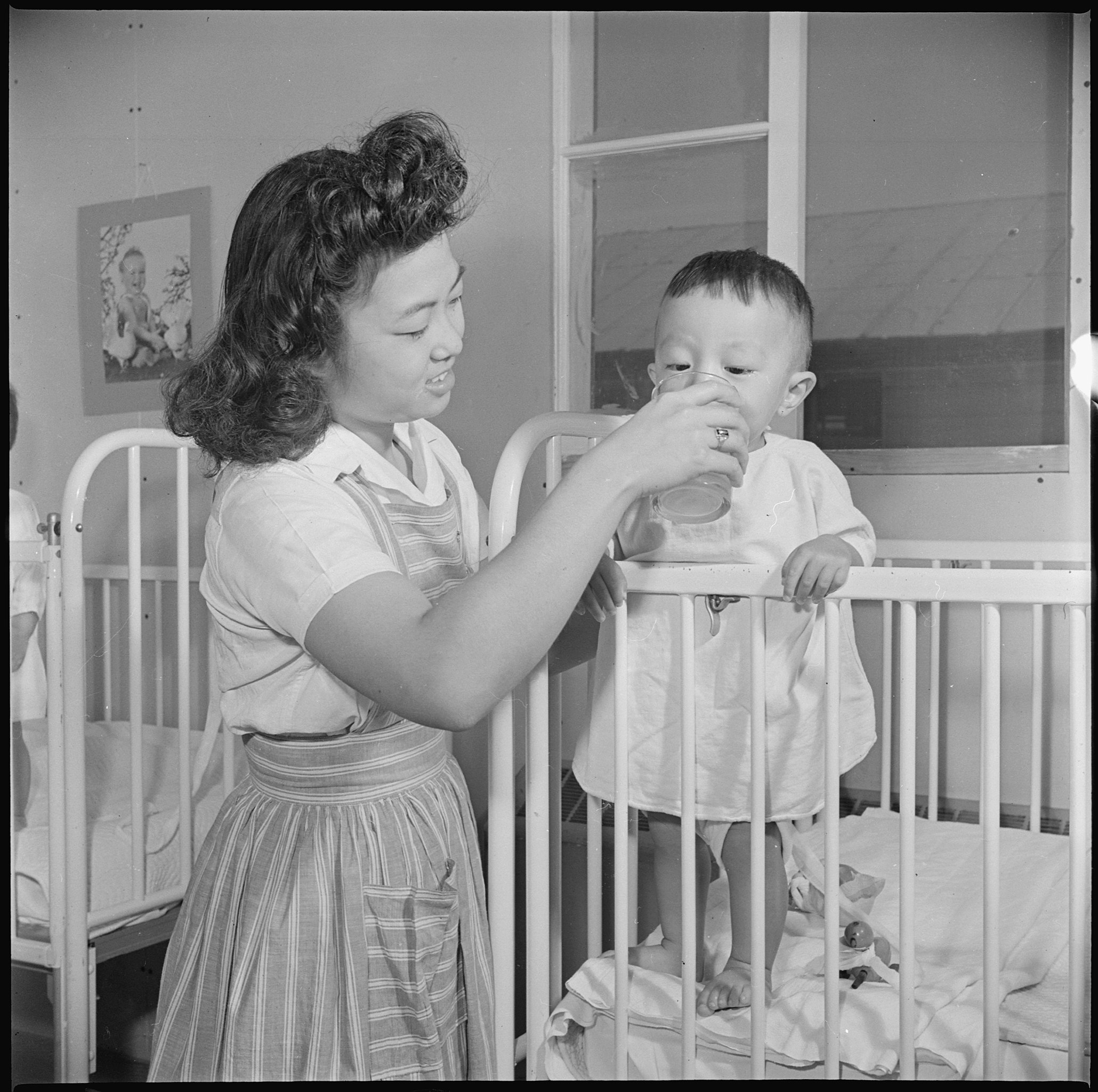
Cheiko Neeno was a nurse aid at the Poston internment camp in May 1942. Despite being a prisoner of her own government, she chose to focus her heart on the nursery. Many young women like her used this intensive training to become professional nurses who served the country after the war ended.
Image from NARA via Wikimedia Commons, public domain
The Oldest Derby Winner
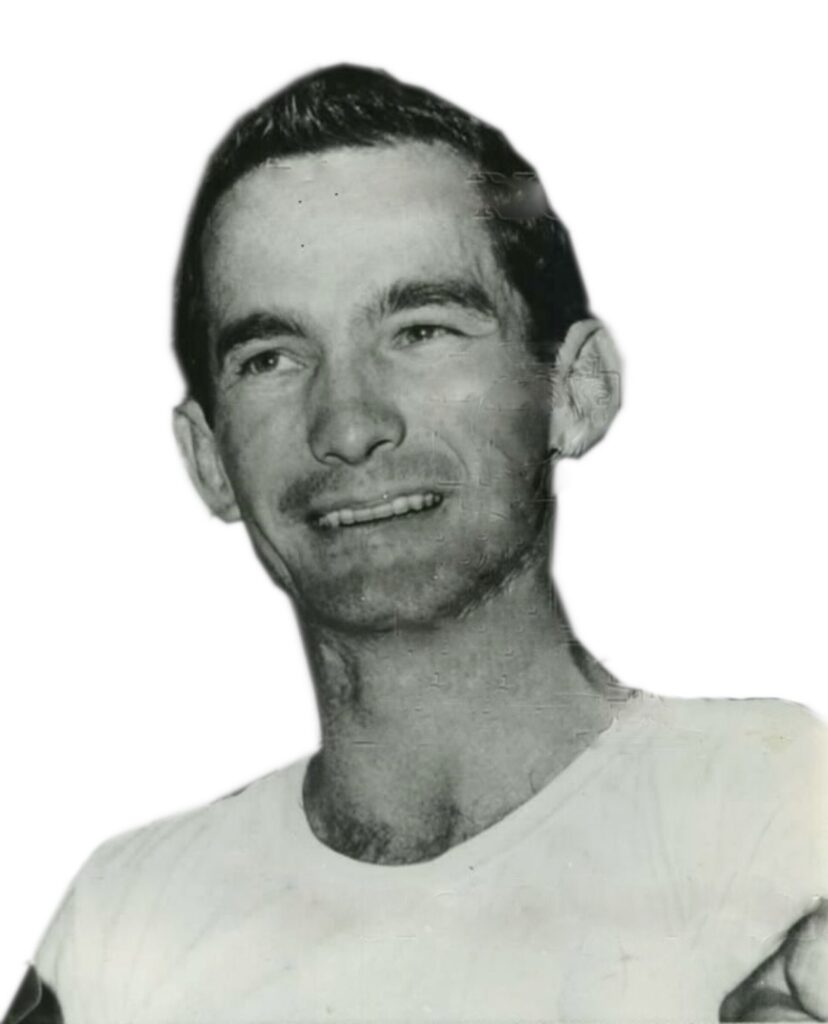
On May 3, 1986, 54-year-old Bill Shoemaker became the oldest jockey to win the Kentucky Derby. Riding a longshot horse named Ferdinand, Shoemaker’s win was a masterclass in experience and patience. The victory touched the hearts of sports fans everywhere, proving that grit and skill have no expiration date.
Image of Bill after winning the Kentucky Derby in 1965 via Wikimedia Commons, public domain
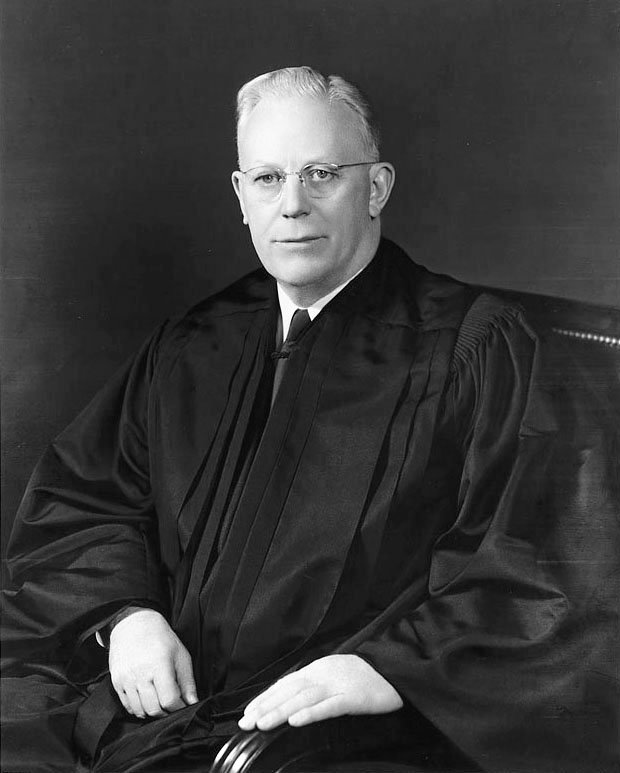
A Victory for Shared Humanity
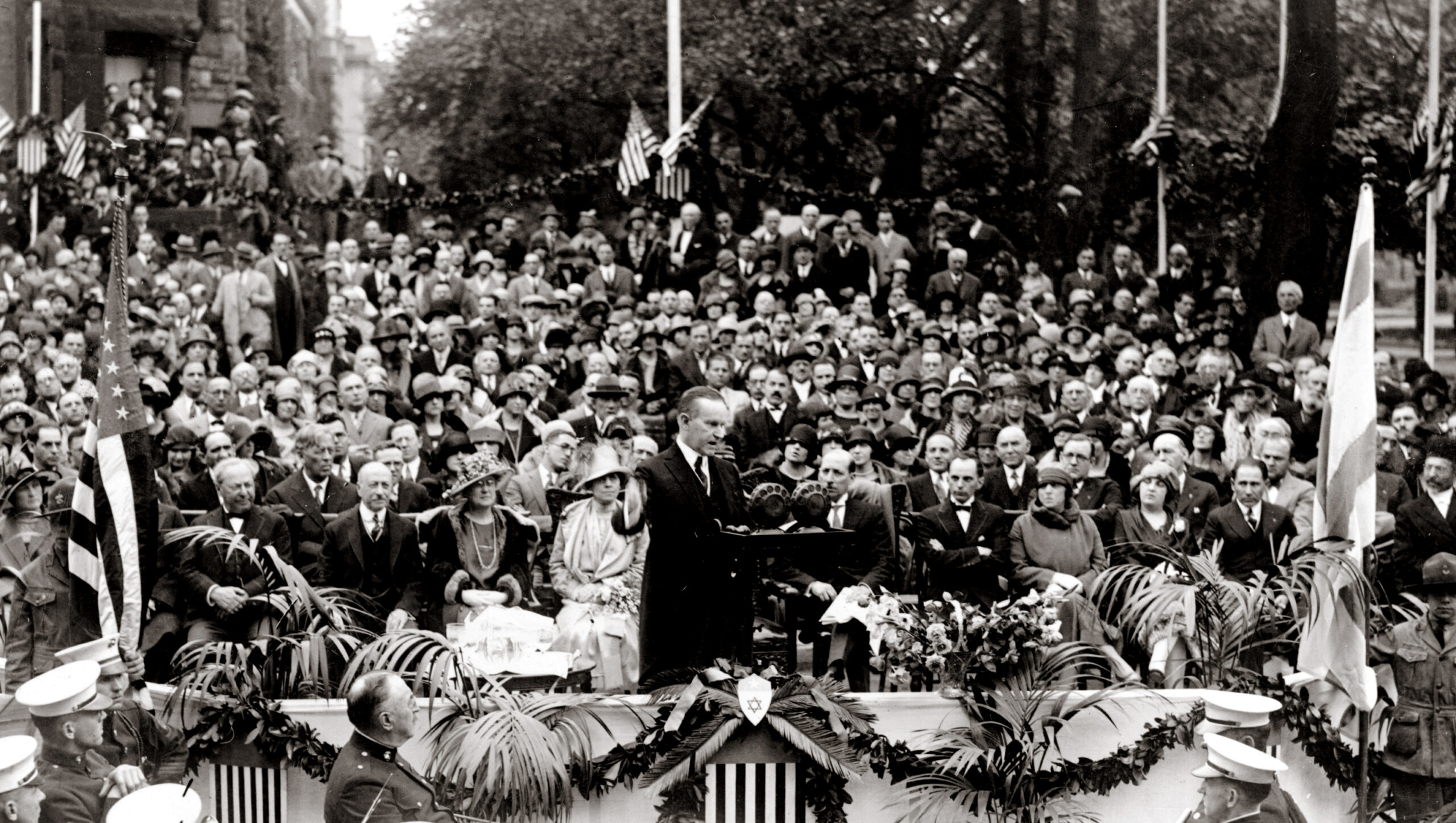
On May 3, 1954, the Supreme Court issued a unanimous decision in Hernandez v. Texas, declaring that the Fourteenth Amendment protects every racial and ethnic group in the United States. Under Chief Justice Earl Warren (shown), the Court recognized that Mexican Americans had been systematically excluded from juries and affirmed that equal protection cannot be limited to only two categories—Black and White.
It was a profound turning point, widening the nation’s constitutional promise and reminding us that justice must open its arms to all.