- The Birth of the American Republic
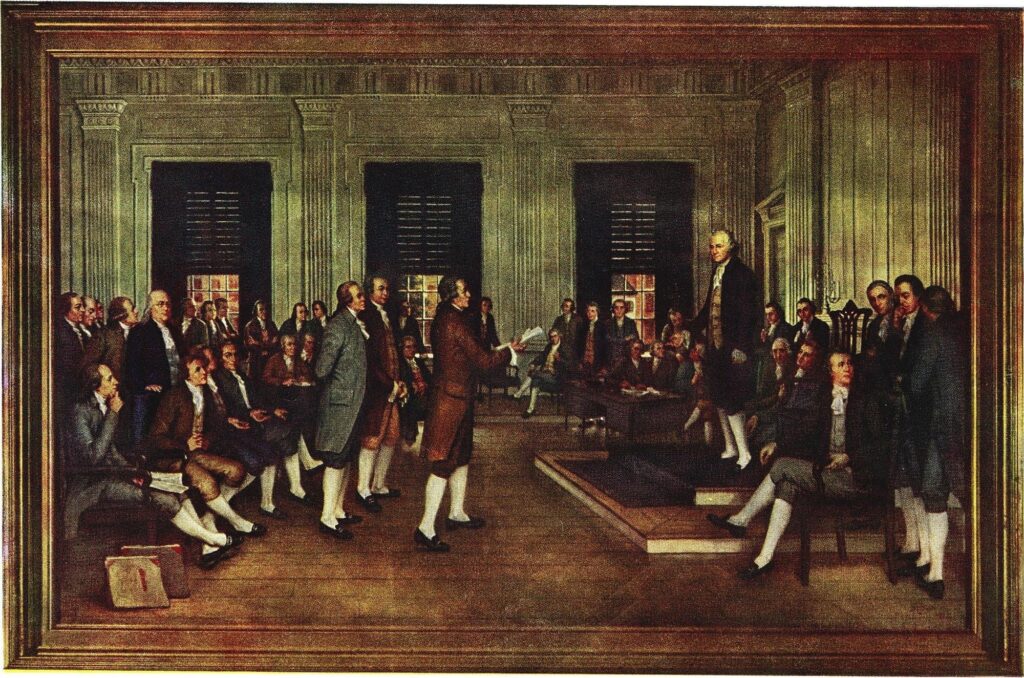
On May 25, 1787, enough delegates finally arrived in Philadelphia to form a quorum, allowing the Constitutional Convention to begin behind sealed windows in the suffocating summer heat. The secrecy was absolute — the public was kept out, the press barred, and the debates so fierce that the delegates nailed the shutters shut to prevent eavesdropping. Though they met to revise the failing Articles of Confederation, they soon found themselves building an entirely new government. Even George Washington, presiding with stoic calm, privately confessed his fear that “the fabric must fall, for it certainly is tottering.” Months of hidden deliberations would culminate in the creation of the U.S. Constitution.
- The Conojocular Border War
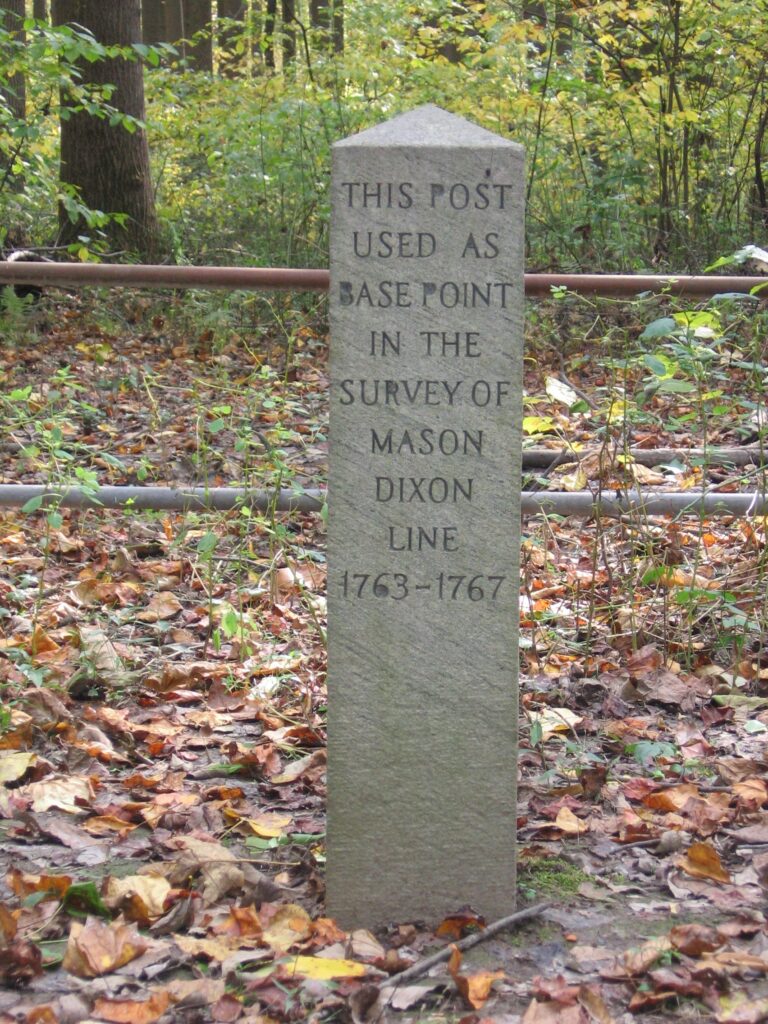
On May 25, 1738, Pennsylvania and Maryland signed a provisional peace agreement in London to halt the violence of Cresap’s War — a bitter frontier conflict over an unresolved boundary. Maryland frontiersman Thomas Cresap raided Pennsylvania homesteads until his capture, famously insisting from a Philadelphia jail that it was “the prettiest town in Maryland.” The truce held only temporarily; the true border would not be settled until the Mason–Dixon survey decades later.
- The Dedication of the Gateway Arch
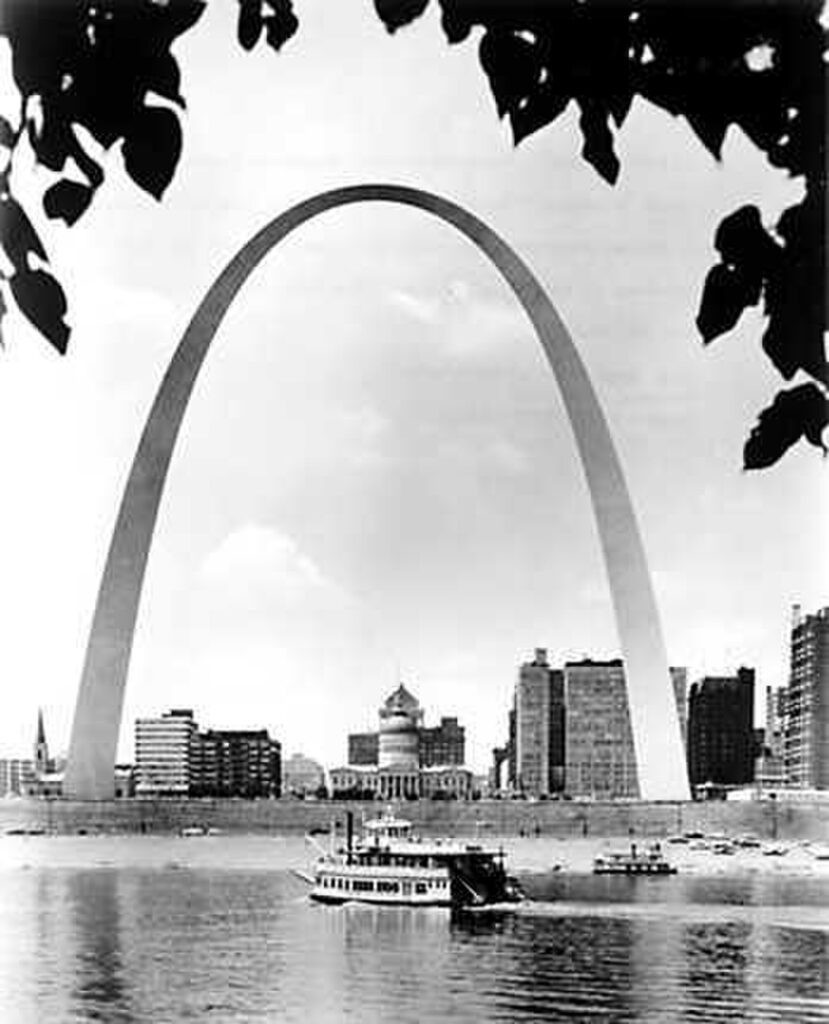
On May 25, 1948, the United States Territorial Expansion Memorial Commission formally endorsed Eero Saarinen’s sweeping stainless‑steel design for a monument rising above the Mississippi River in St. Louis. Saarinen died in 1961 and never saw his masterwork completed. Exactly twenty years after the design’s approval, on May 25, 1968, Vice President Hubert Humphrey dedicated the Gateway Arch — now the tallest man‑made monument in the United States.
- The Ignition of the Vapor Engine
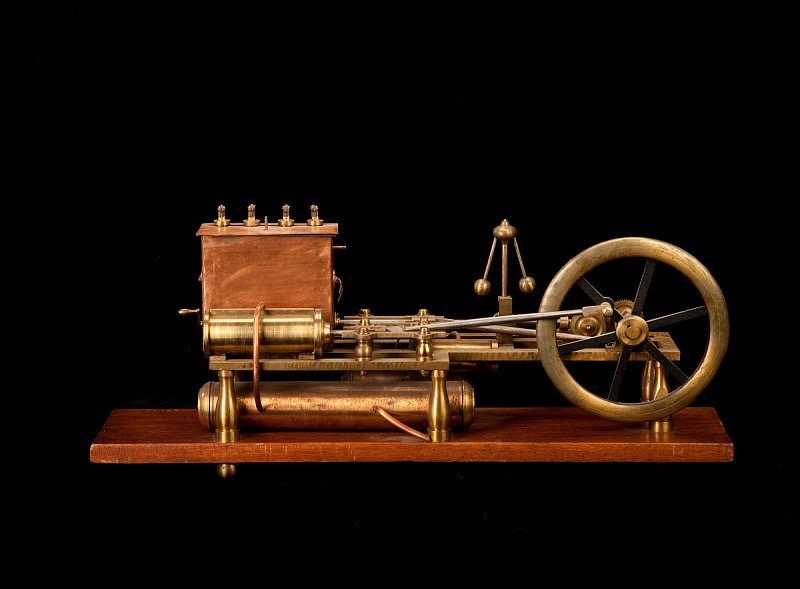
On May 25, 1844, Stuart Perry of Newport, New York received U.S. Patent No. 3597 for an engine powered by explosive mixtures of vapors — one of the earliest internal combustion engines in America. Perry fueled his experiments with common turpentine, giving his workshop the sharp scent of pine resin. In 1846 he patented a crucial improvement: water‑cooling jackets to keep the engine from melting itself during operation.
- The Philosophy of Emerson
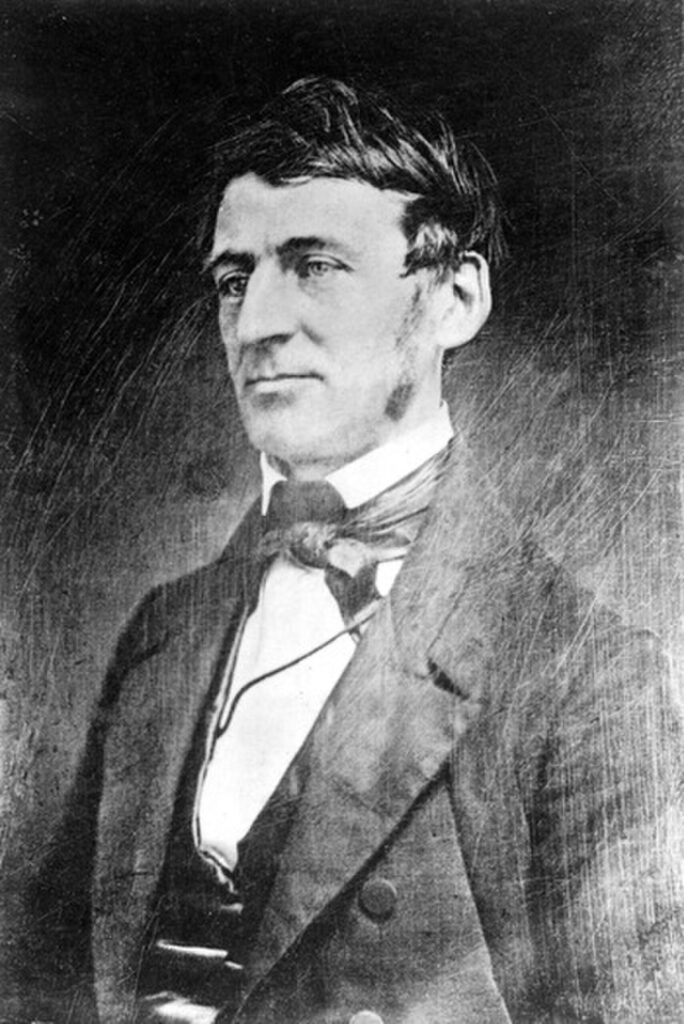
Ralph Waldo Emerson was born on May 25, 1803 in Boston. After the death of his young wife, he left his pulpit at Boston’s Second Church and turned toward the ideas that would define American transcendentalism. He urged the young to “always do what you are afraid to do,” capturing his belief in moral courage and personal growth.
- The Miracle Meet of Jesse Owens
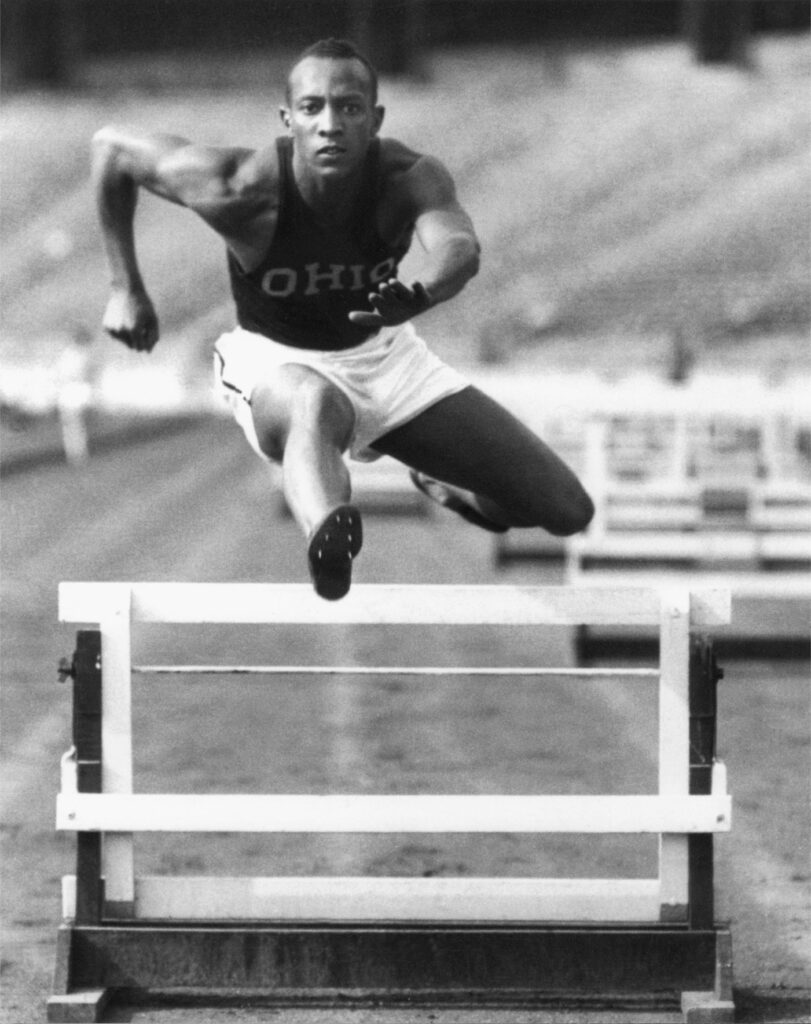
On May 25, 1935, at a Big Ten meet in Ann Arbor, Jesse Owens produced one of the greatest single days in athletic history. Just days earlier he had fallen down a flight of stairs, injuring his tailbone so badly he could barely bend at the waist. Despite the pain, he tied the world record in the 100‑yard dash and set new world records in the long jump, the 220‑yard sprint, and the 220‑yard low hurdles — all within 45 minutes.
Image via Alamy
- The Abandoned 88mm of Terracina: A Relic of the Italian Campaign
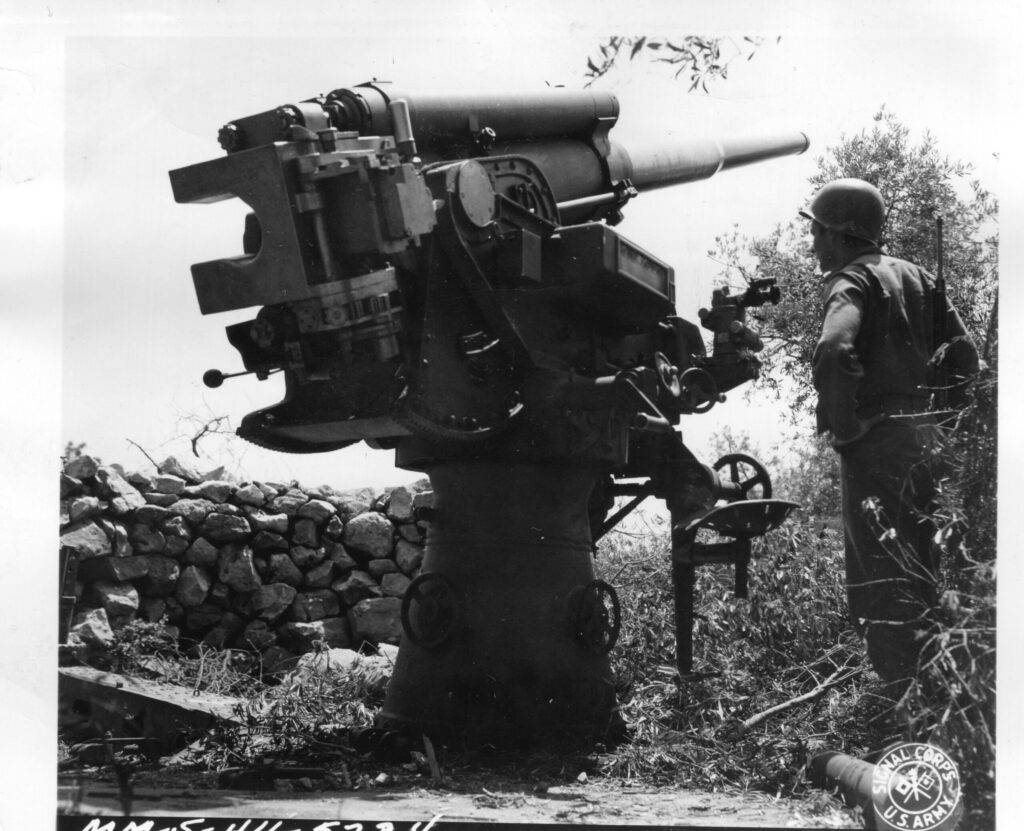
On May 25, 1944, in the immediate aftermath of the Allied capture of Terracina, Sgt. Joe Petrowski of the 337th Infantry Regiment, 85th Infantry Division, examined the precision sights of a massive German 88mm gun. The weapon lay abandoned near the Via Appia corridor, left behind by rapidly retreating elements of the German Tenth Army after the formidable Hitler Line—the last major German defensive position south of Rome—was decisively breached.
Terracina presented a formidable natural bottleneck. Wedged between the rugged Ausoni Mountains and the Tyrrhenian Sea, it was a crucial anchor in the German defensive scheme. The relentless Allied advance, spearheaded by the U.S. Fifth Army, forced the defenders to withdraw, leaving much of their heavy ordnance behind in the narrow coastal passes.
Originally designed as a high-altitude anti-aircraft weapon, the “88” quickly earned a terrifying reputation in ground combat. Its high muzzle velocity and flat trajectory made it arguably the most lethal anti-tank gun of the war. Throughout the grueling Italian Campaign—from the fortified slopes of Monte Cassino to the Anzio beachhead—these concealed guns dominated the hillsides, exacting a heavy toll on Allied armor.
For soldiers like Sgt. Petrowski, finding such a dreaded weapon silenced and abandoned was a tangible sign of shifting momentum. The fall of Terracina effectively linked the forces breaking out from Anzio with the armies pushing up from the south, clearing the ancient road to Rome and marking a pivotal turning point in the liberation of Italy.
- The Conquistador Landing at Tampa Bay
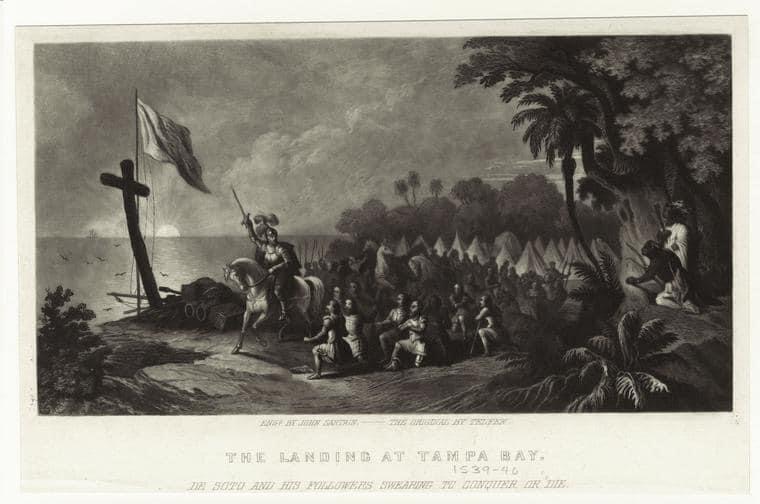
On May 25, 1539, Spanish conquistador Hernando de Soto landed at Tampa Bay, Florida, with a formidable force of over 600 soldiers, horses, and hundreds of pigs—a mobile food source that introduced domestic swine to North America. Driven by rumors of vast gold empires, the expedition launched a brutal, multi-year campaign across the southeastern United States. While De Soto ultimately failed to find the wealth he sought and perished during the journey, his expedition marked the first widespread European contact with Mississippian cultures, permanently altering the demographic and political landscape of the region through warfare and the unintentional introduction of Eurasian diseases.
- The Ascendancy of Marie Doro
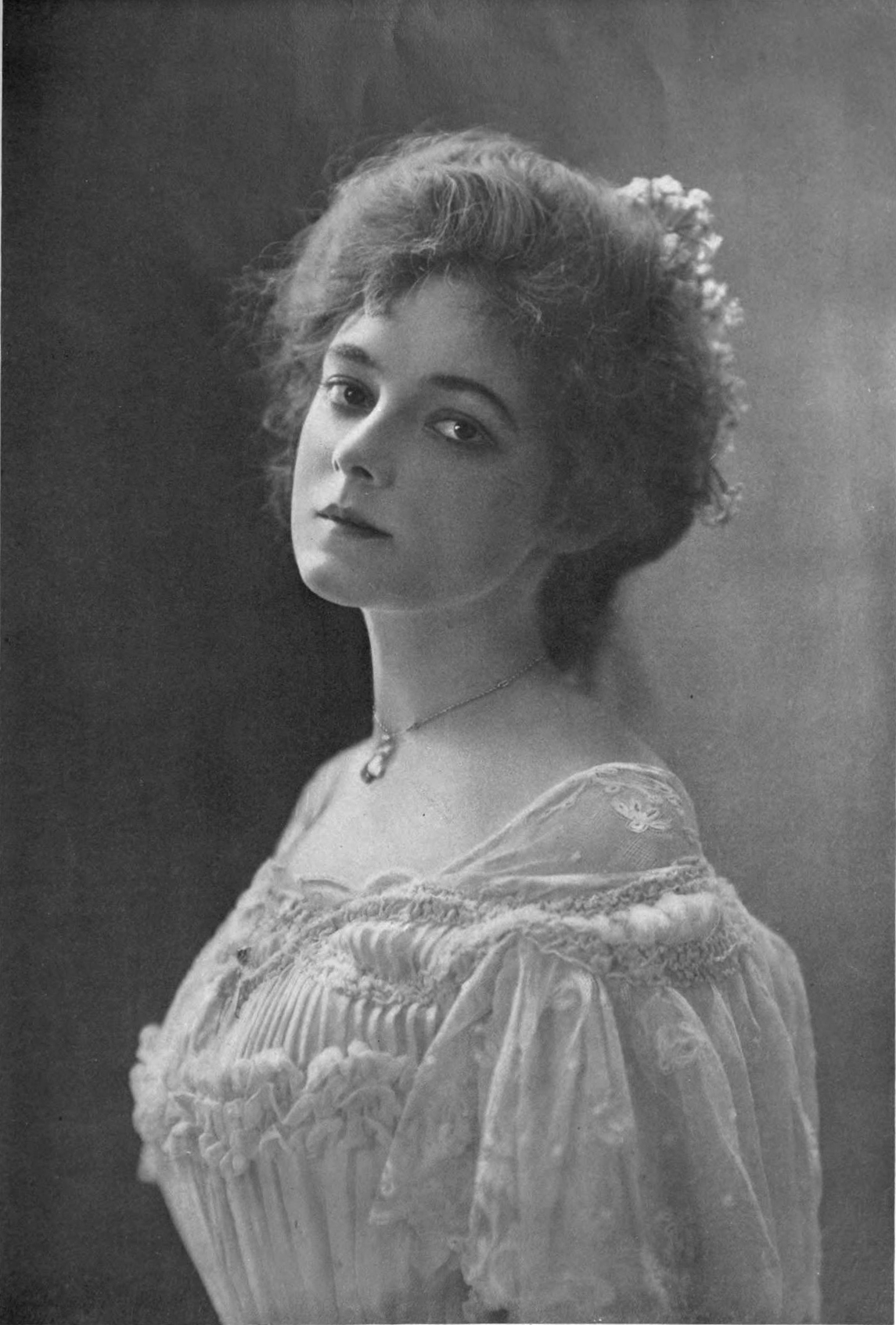
Born Marie Katherine Stewart on May 25, 1882, in the small town of Duncannon, Pennsylvania, Marie Doro rose from obscurity to become one of the most mesmerizing figures of early American theater and silent cinema. Her ethereal beauty and striking talent quickly caught the eye of legendary Broadway impresario Charles Frohman, who brought her to New York and cast her in career-defining roles, most notably as the scrappy but sympathetic Oliver Twist.
- The Cinematic Launch of Star Wars
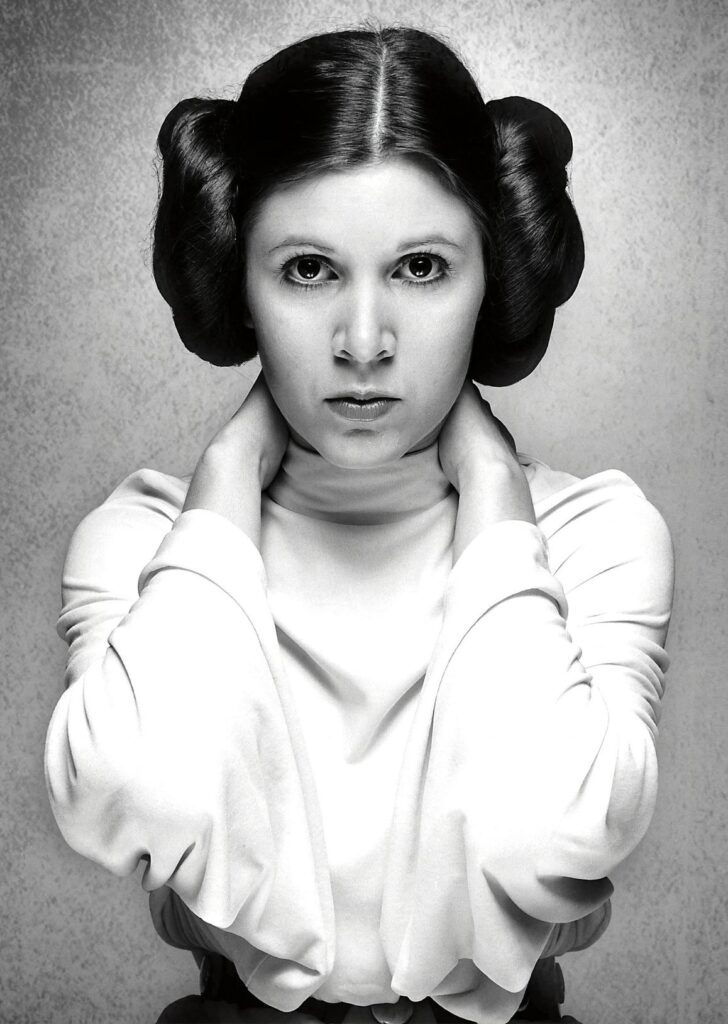
On May 25, 1977, Star Wars opened quietly in just 32 theaters across the United States. Twentieth Century Fox, fearing the film would flop, forced theaters to book it by threatening to withhold their expected summer hit The Other Side of Midnight. Word of mouth transformed the film into a cultural phenomenon. By the end of the summer, more than 1,000 theaters were showing it; a year later, dozens were still running it on May 25, 1978.
A crucial element of the film’s unexpected triumph was its perfectly cast trio, particularly nineteen-year-old Carrie Fisher as Princess Leia Organa. During the audition process, George Lucas wasn’t looking for a traditional damsel in distress; he needed someone who could project fierce independence, royalty, and sharp-tongued defiance. Fisher famously won the role over a crowded field of Hollywood hopefuls—including Jodie Foster and Cindy Williams—thanks to her natural rebellious energy and biting wit, which perfectly brought the iconic Alderaanian senator to life.
Image via Alamy
- The Human Chain of Hands Across America
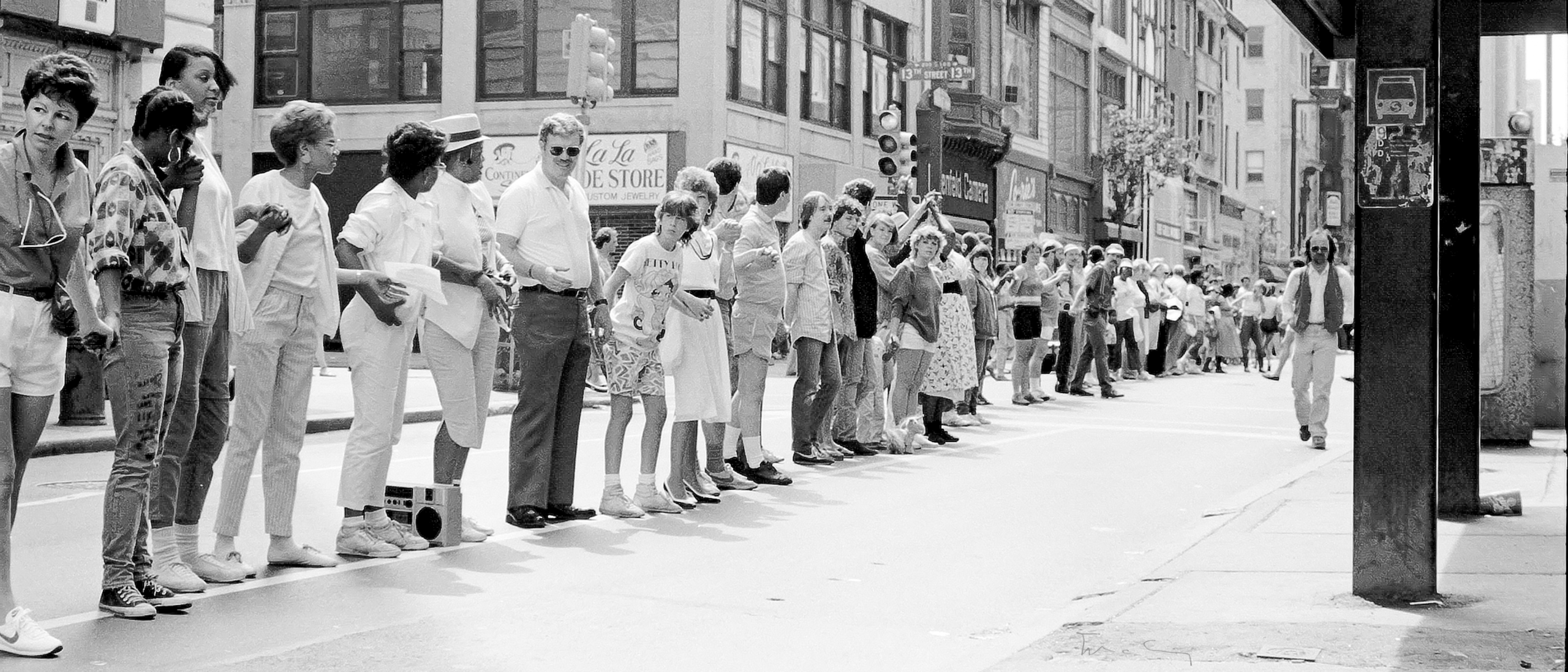
On May 25, 1986, roughly six million Americans attempted to form a continuous human chain across the lower 48 states in a massive charity event called Hands Across America. Sparse regions in the deserts of Arizona and New Mexico required organizers to bridge gaps with long ribbons and ropes. The event raised millions for local hunger and homelessness programs and filled cities like Philadelphia with linked arms and hopeful crowds.
Despite the event’s grand scale and sunny optimism, the financial reality was sobering. Of the $34 million raised, nearly $19 million was swallowed up by promotional and operational costs, leaving only about $15 million for actual charity. Yet, the true legacy of Hands Across America wasn’t just the money raised; it was the sheer, earnest willpower of the people. For fifteen minutes, strangers from all walks of life held hands, transcending social, political, and economic divides. In an era before the internet could instantly connect us, millions of Americans chose to physically reach out to their neighbors, creating a fleeting but profoundly beautiful monument to human solidarity and uncynical hope.
Image via Wikimedia Commons from McJerry1
- Parker and Ebsen Bring History to the Big Screen
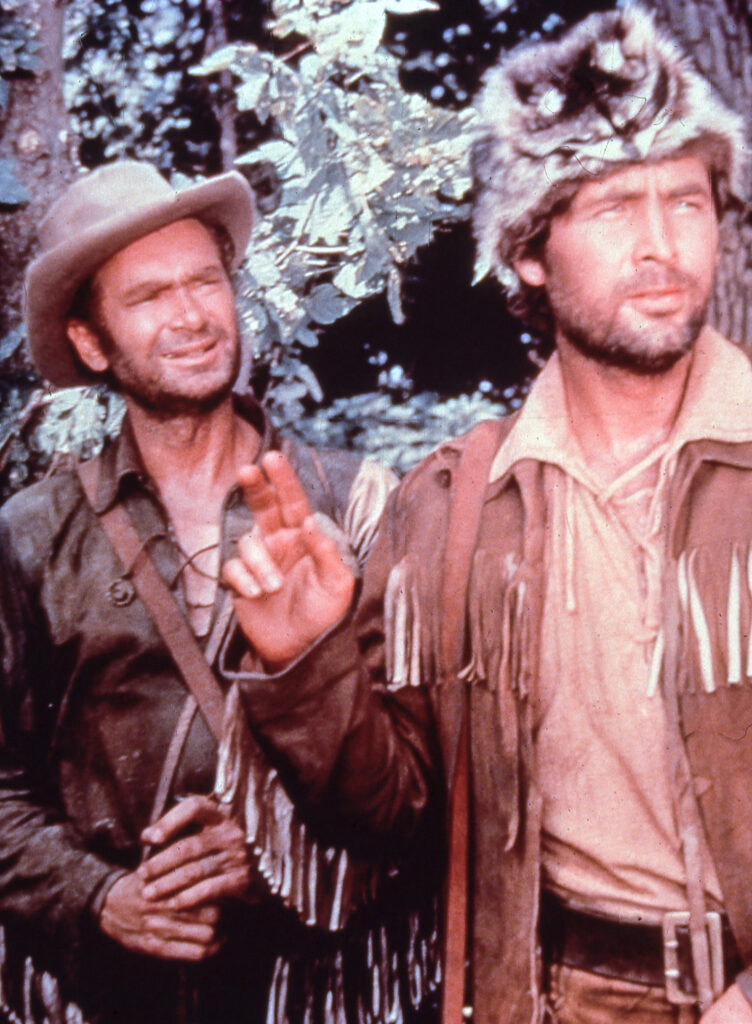
“When Davy Crockett, King of the Wild Frontier opened in theaters on May 25, 1955, Fess Parker and Buddy Ebsen did more than headline a film — they carried a piece of American folklore onto the big screen. Parker’s calm, towering Crockett and Ebsen’s warm, quick‑witted George Russel gave 19th‑century frontier legends a new life, blending historical memory with Disney’s clean, heroic storytelling. Together, they turned a television sensation into a theatrical event, proving that some stories — and some partnerships — are big enough to cross centuries.
What makes the film’s theatrical debut even more remarkable is its unlikely origin. Davy Crockett wasn’t originally shot as a feature film; it was stitched together from three wildly popular episodes of the Disneyland television anthology. Its success caught even Walt Disney by surprise, triggering a massive cultural phenomenon. “The Ballad of Davy Crockett” dominated the radio as a #1 Billboard hit, while a nationwide craze for coonskin caps sent the price of raccoon fur skyrocketing. Behind the scenes, the project also marked a poignant Hollywood comeback for Buddy Ebsen, whose career had stalled years earlier following a near-fatal reaction to his Tin Man makeup on the set of The Wizard of Oz.
Image via Alamy
On This Day In American History
May 25
Loading posts…
Pick a Day 🔺