
The Day the Senate Floor Turned Violent
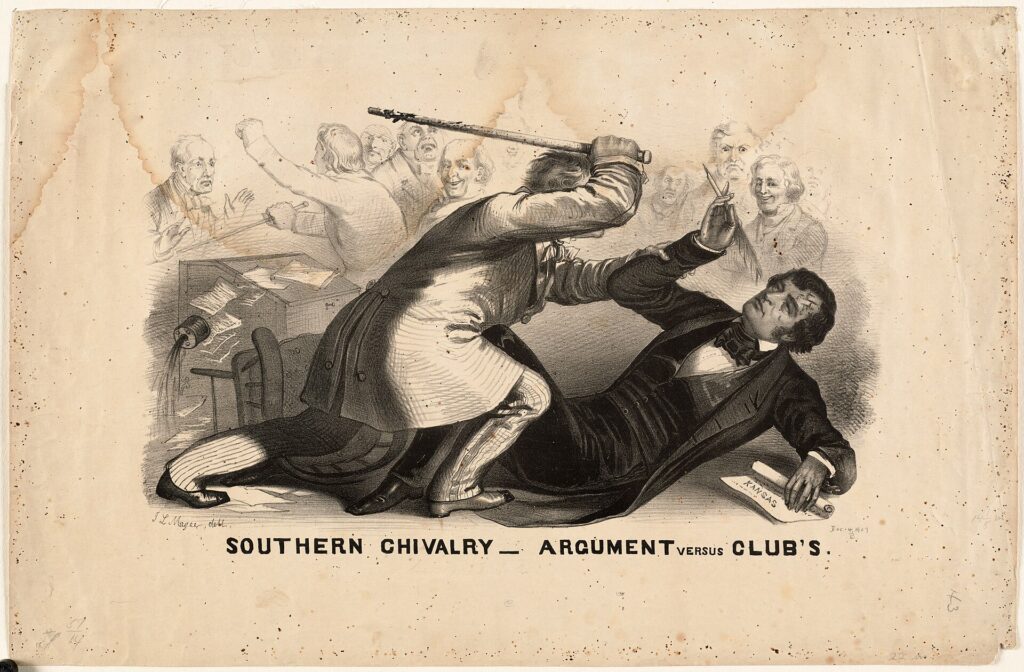
On May 22, 1856, the U.S. Senate chamber became the scene of one of the most shocking acts of political violence in American history. Representative Preston Brooks of South Carolina, enraged by Senator Charles Sumner’s blistering anti-slavery speech, strode into the chamber and beat Sumner unconscious with a gold-topped gutta-percha cane as the senator sat trapped at his desk.
Sumner’s offense? Calling out the brutality of slavery — and naming Brooks’s own kinsman in the process.
Brooks struck so savagely that his cane shattered across Sumner’s skull. Instead of facing universal condemnation, he returned home to Southern adoration, where supporters mailed him hundreds of replacement canes, some engraved with messages like “Hit him again.”
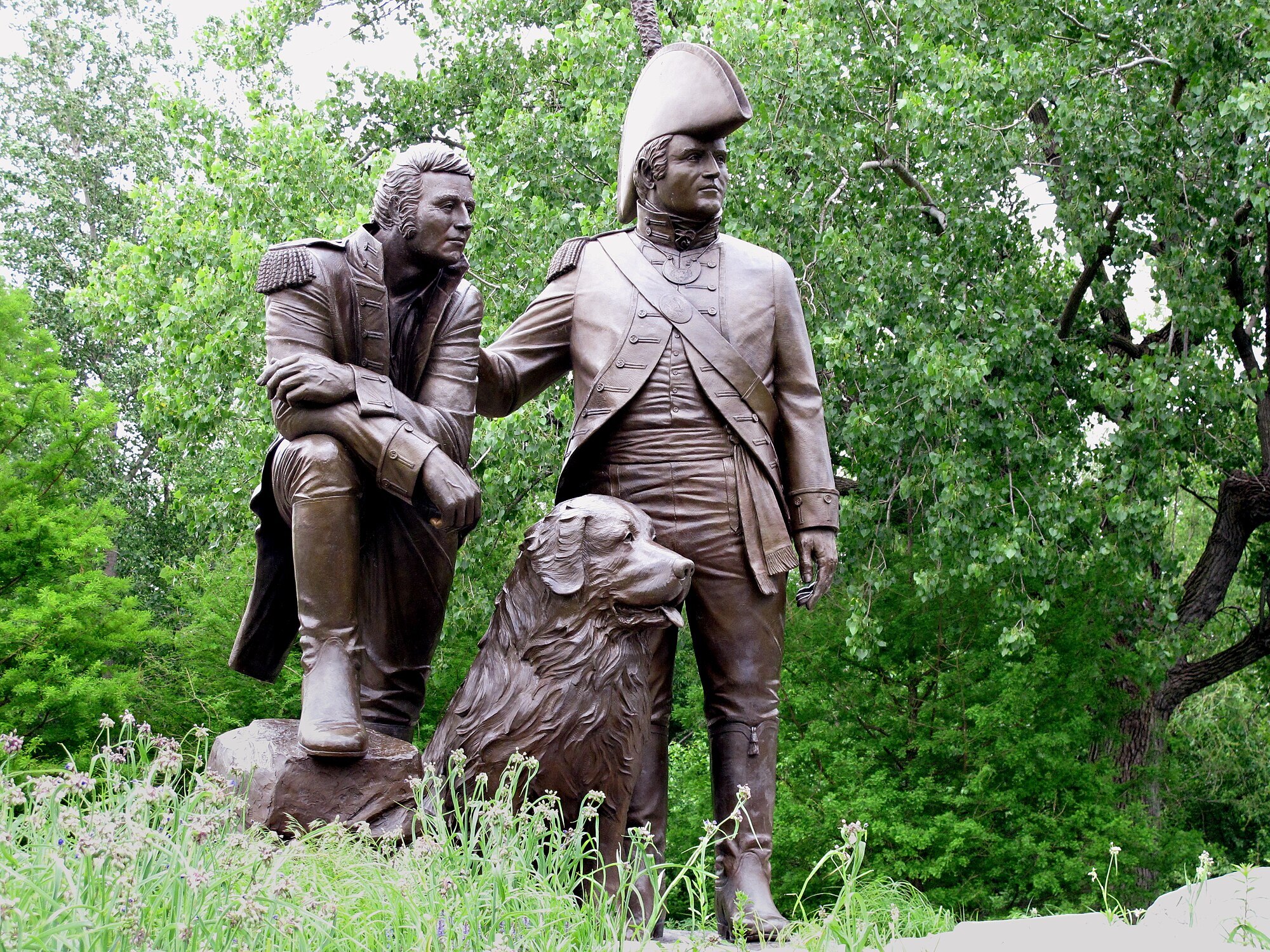
On May 22, 1804, the Lewis and Clark Expedition pushed off from St. Charles, Missouri, beginning their ascent up the Missouri River after a night of heavy rain. As they passed scattered frontier farms, the Corps of Discovery encountered a small group of Kickapoo hunters who traded four deer for two quarts of whiskey — a welcome early exchange on their long journey west.
According to Meriwether Lewis’s official supply list, the expedition carried 120 gallons of whiskey, stored in kegs and intended for rationing, diplomacy, and morale. Following strict military protocol, the captains issued it in measured gills (four‑ounce pours). The very last of it was consumed in a celebratory Independence Day toast on July 4, 1805, after which the Corps continued the expedition entirely without whiskey.
Image: The Lewis and Clark statue at St. Charles via Wikimedia Commons, public domain
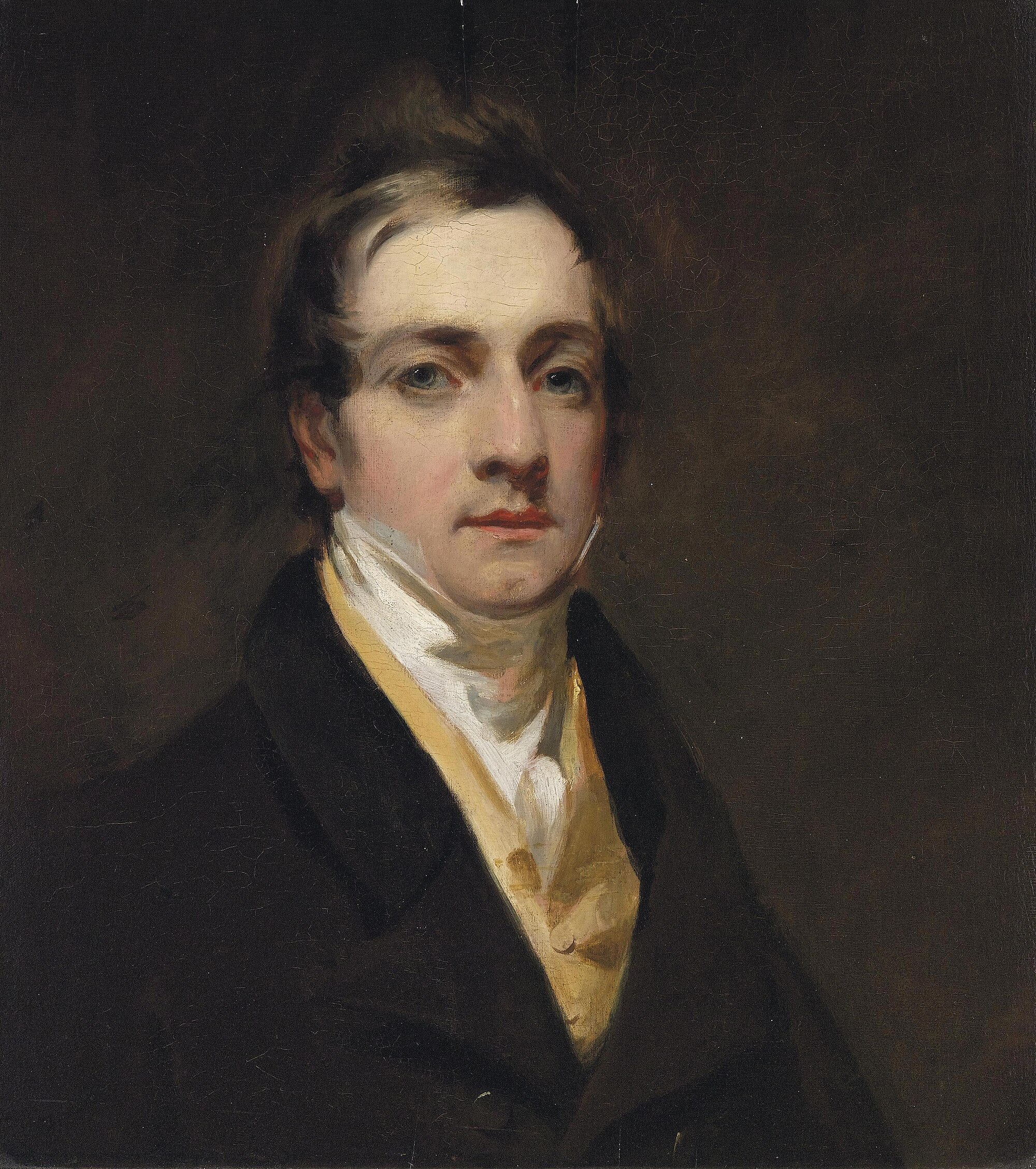
On May 22, 1775, New York revolutionaries formed the New York Provincial Congress, a pro‑American alternative to the more Loyalist‑leaning New York General Assembly. Its first president, Peter Van Brugh Livingston, came from one of the most politically influential families in colonial America. The Livingston clan was famously split by the Revolution. Peter and his brother Philip, a signer of the Declaration of Independence, threw their weight behind the Patriot cause. Their brother William Livingston became New Jersey’s wartime governor and signed the U.S. Constitution on September 17, 1787. Yet another brother, Robert Livingston (the 3rd Lord of Livingston Manor), grew increasingly anxious over the war and the potential loss of his properties, creating a dramatic ideological rift inside one of the era’s most prominent families.
The family’s generational split ran so deep that during the war, British forces intentionally targeted and burned down Clermont Manor, the beloved family estate of their first cousin, Patriot leader Robert R. Livingston.
Image via Wikimedia Commons, public domain
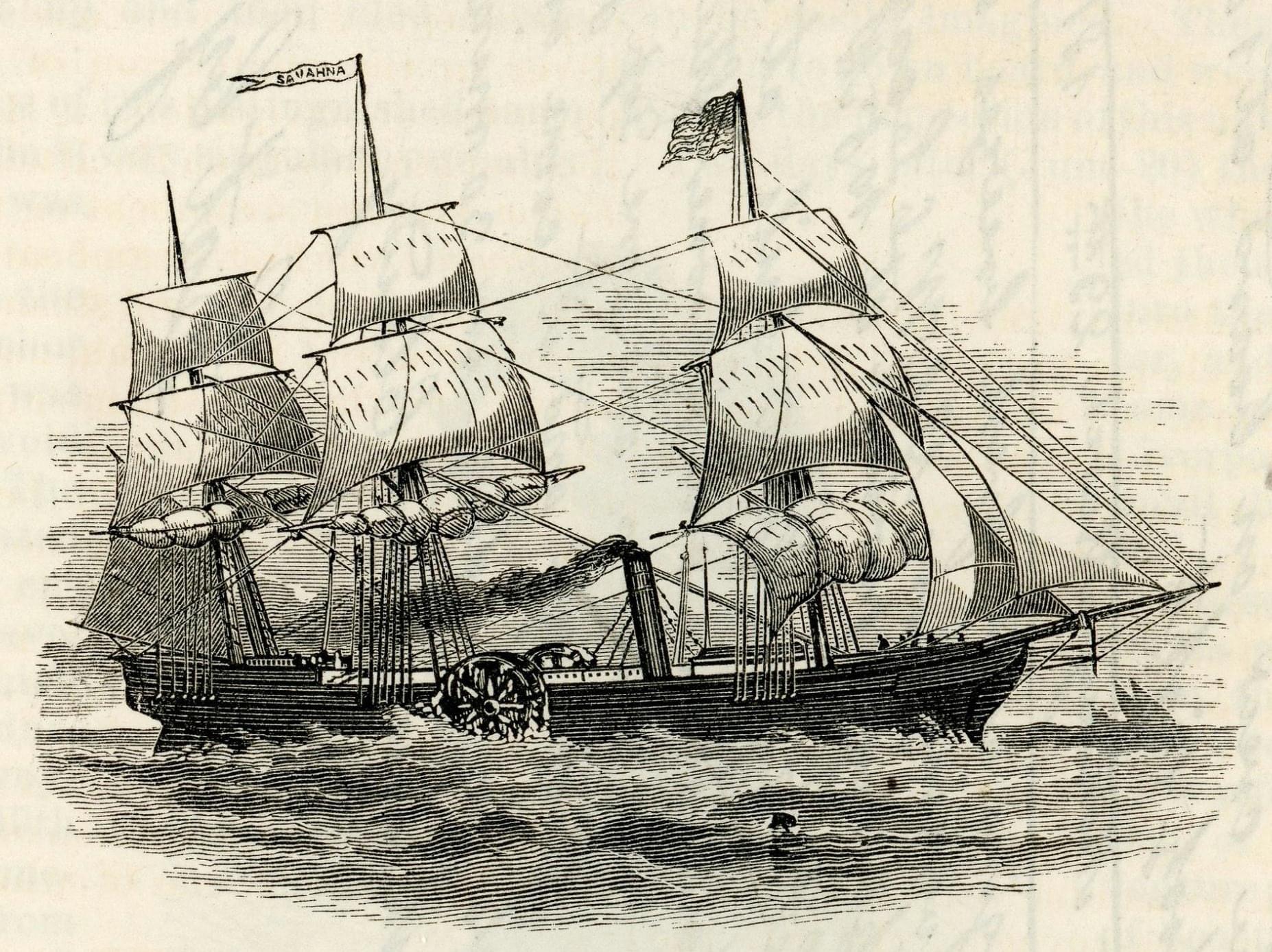
The Ship Mistaken for a Fire at Sea
On May 22, 1819, the SS Savannah, the first steam‑assisted vessel to attempt an Atlantic crossing, departed Savannah Harbor. The ship’s hybrid design — sails plus a pioneering steam engine — was so unfamiliar that it startled other mariners.
According to contemporary accounts, a passing schooner spotted thick smoke rising from the Savannah’s stack mid‑voyage and, believing the vessel to be ablaze, gave chase for nearly a day in an attempt to rescue what they assumed was a doomed crew. Only when the schooner drew close did its captain realize he was witnessing a revolutionary new technology rather than a disaster at sea.
Image via Wikimedia Commons, public domain
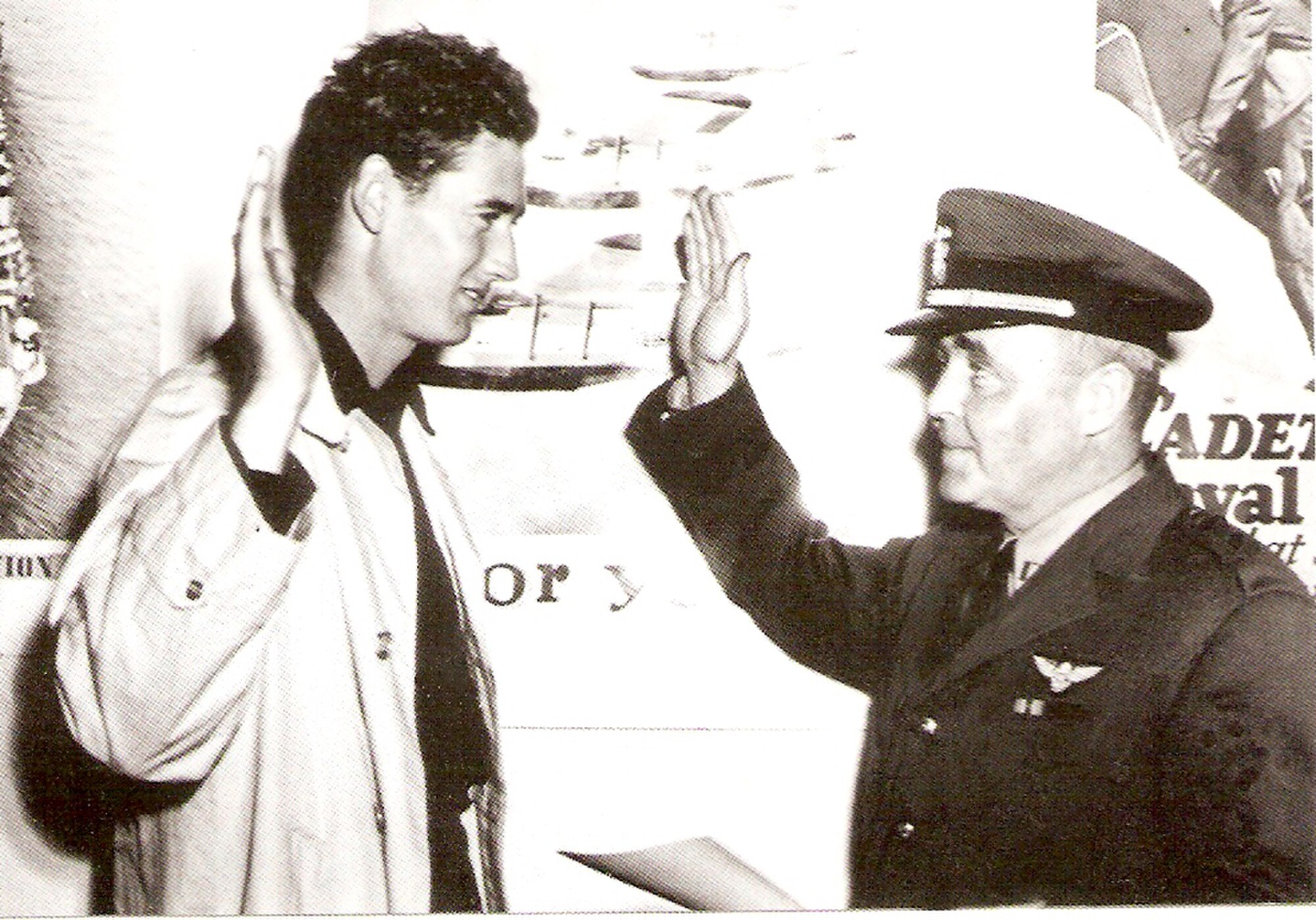
On May 22, 1942, baseball star Ted Williams was sworn into the U.S. Naval Reserve.
Williams didn’t just take an easy, ceremonial military desk job to play exhibition baseball like other athletes. He trained as a Marine Corps pilot and possessed such incredible 20/10 vision that he broke student records for aerial gunnery — the same physical gift that allowed him to literally see the laces spinning on a baseball when he batted in the major leagues.
Image via Wikimedia Commons, public domain
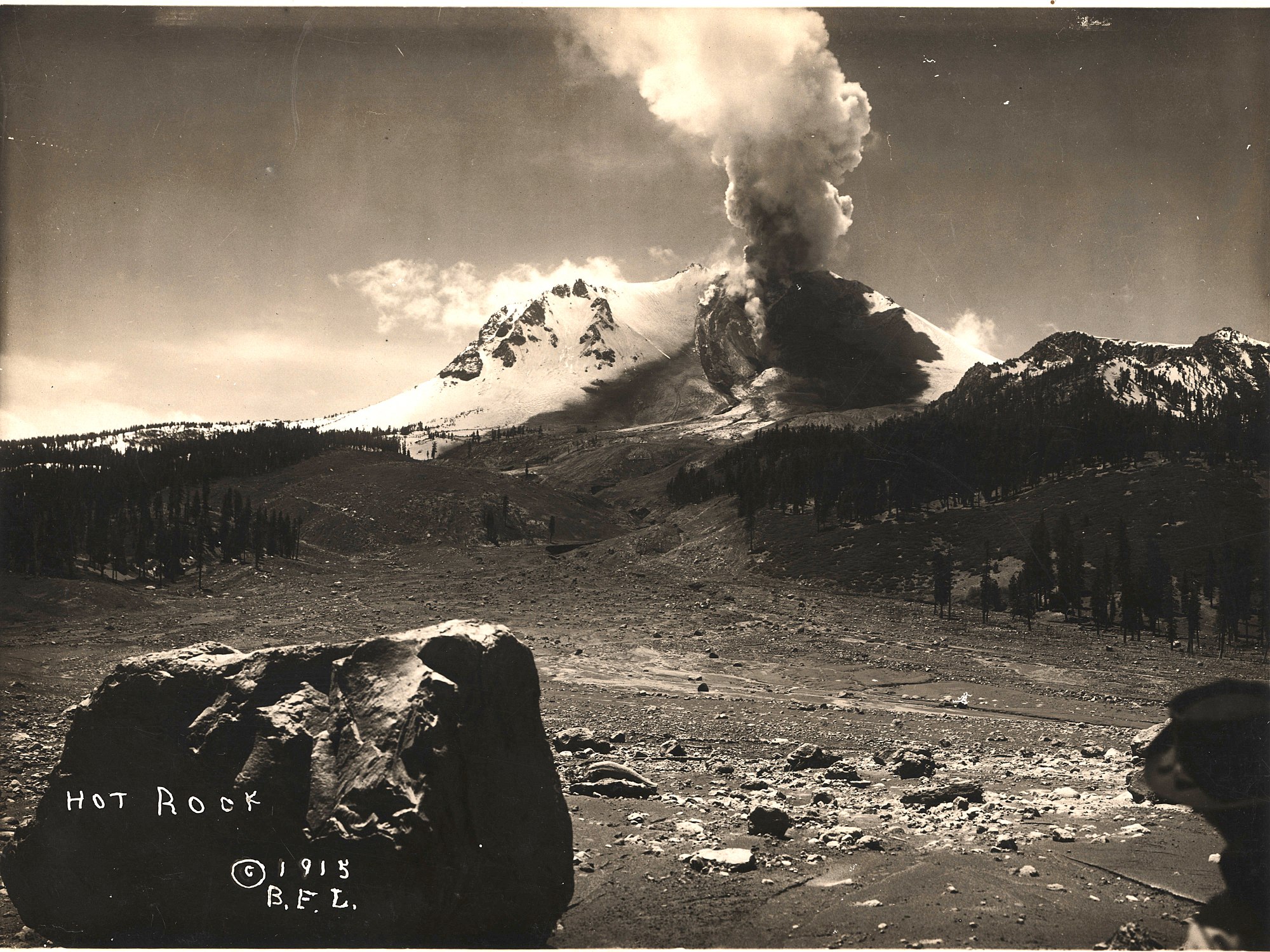
The Peak That Foreshadowed Mount St. Helens
On May 22, 1915, Lassen Peak in northern California erupted in a violent explosion that blasted a mushroom cloud of ash nearly 30,000 feet into the air. The eruption — the most powerful in a series of events between 1914 and 1917 — leveled forests, reshaped the surrounding landscape, and created what park rangers still call the “Devastated Area.”
Lassen’s eruption was one of only two major volcanic eruptions in the lower 48 states during the 20th century, the other being the 1980 eruption of Mount St. Helens, which would echo Lassen’s earlier destruction on a far larger scale.
Image from 1915 via LOC, no known restrictions
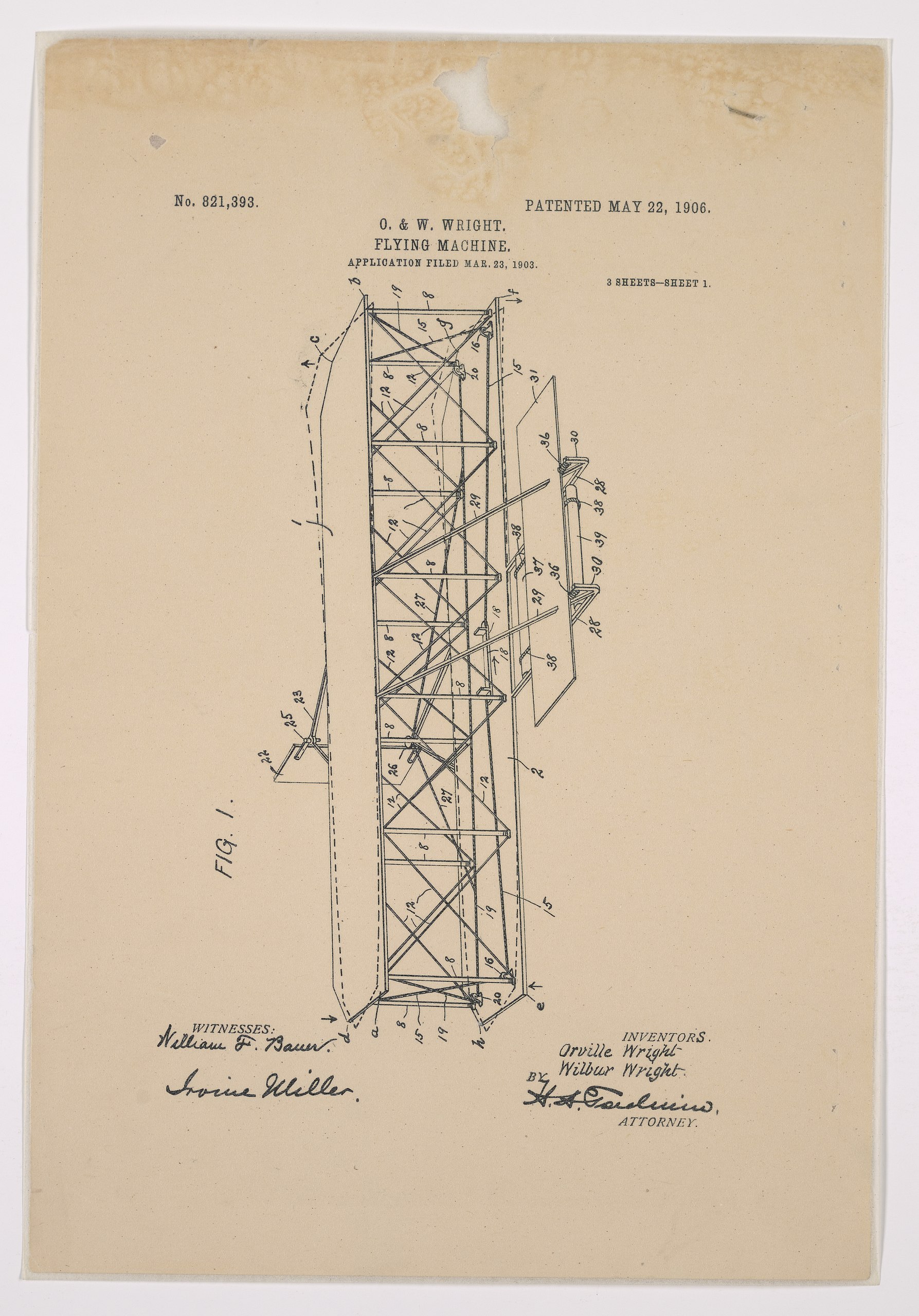
On May 22, 1906, Orville and Wilbur Wright were granted U.S. Patent #821,393 for their “Flying Machine.” They had applied for the patent over three years earlier in March 1903.
The Wright brothers purposefully delayed making public flights for years after their 1903 breakthrough because they were terrified competitors would steal their designs before this exact patent was legally locked down and protected.
Image via Wikimedia Commons, public domain
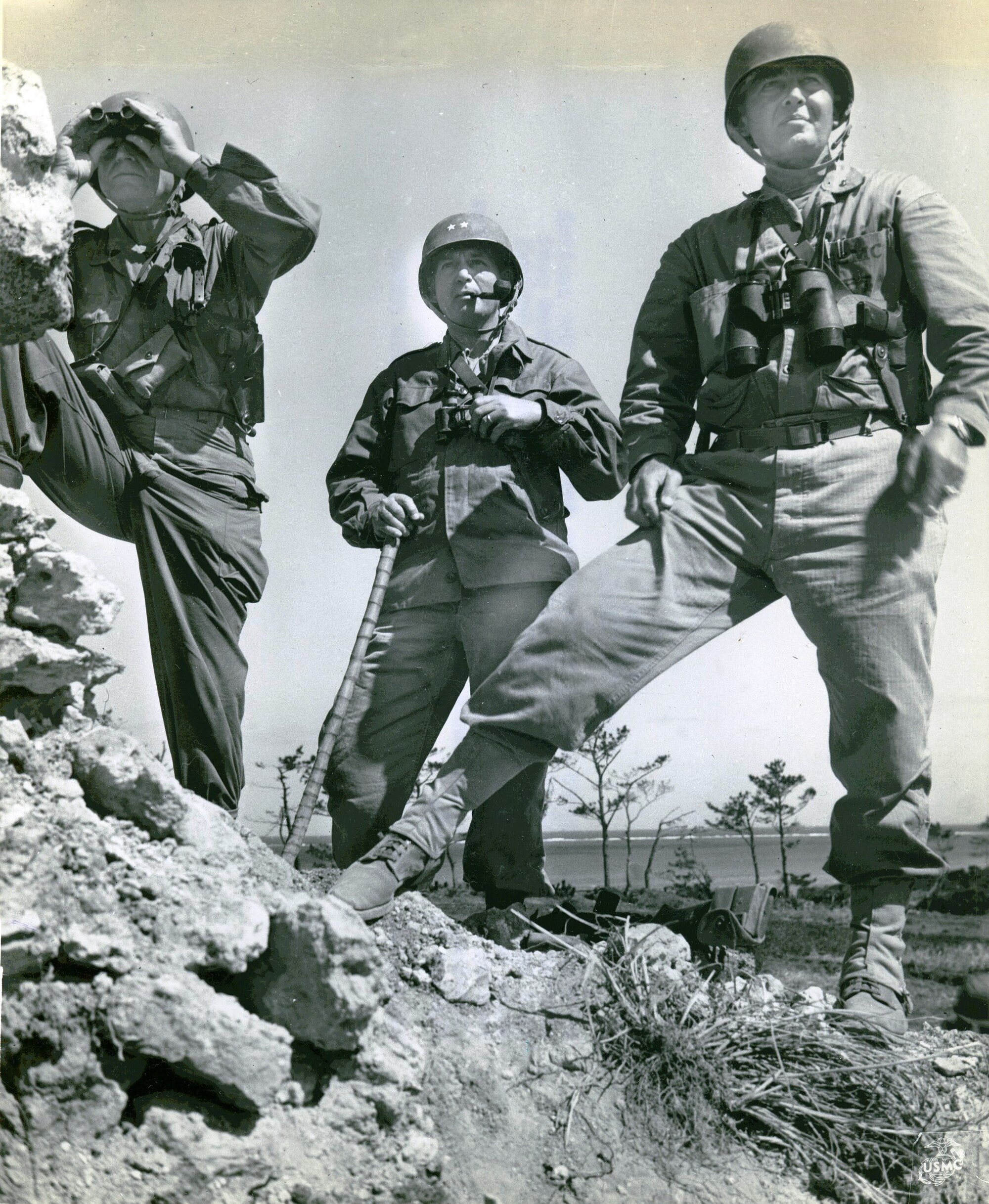
On May 22, 1945, U.S. military leaders—including Lieutenant General Simon Bolivar Buckner, Jr. and Major General Lemuel C. Shepherd—were photographed on a rocky ledge watching the 6th Marine Division drive toward the capital city of Naha during the Battle of Okinawa.
This photograph captured a fleeting moment of survival; less than a month later, General Buckner was struck and killed by enemy artillery coral shrapnel on Okinawa, making him the highest-ranking American military officer killed by enemy fire during the entirety of World War II.
Image: USMC Archives from Quantico, USA via Wikimedia Commons, CC BY 2.0
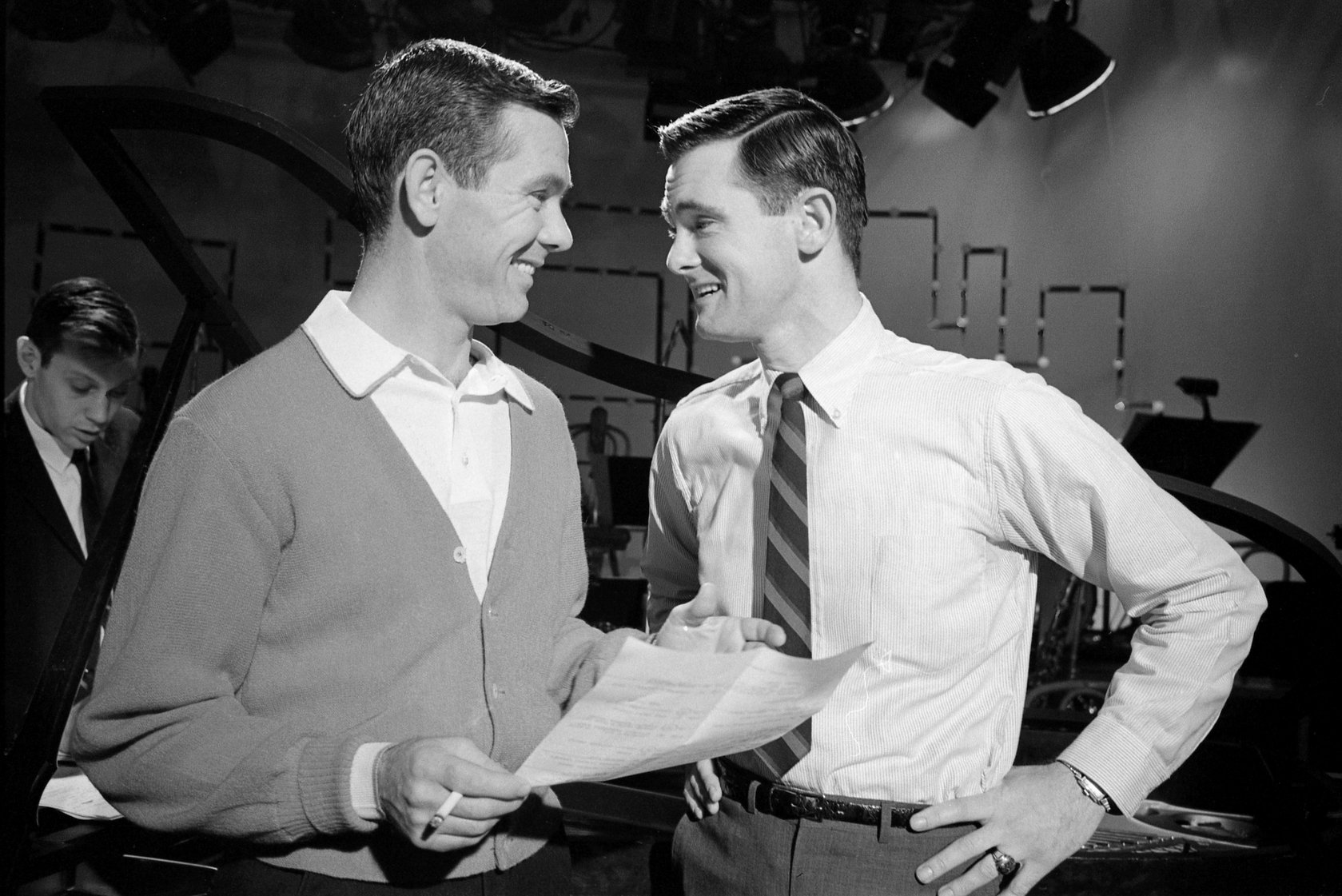
On May 22, 1992, the final episode of The Tonight Show Starring Johnny Carson aired. Johnny had become host of the late-night program 30 years prior in 1962.
NBC executives desperately begged Carson to host a massive, star-studded prime-time farewell special, but he refused. He insisted on a low-key, intimate final show with absolutely no guests, sitting on a stool to simply share clips and say goodbye to the 55 million viewers tuned in that night.
Image of Johnny with his brother and Tonight Show Director Dick Carson on set in 1963 via Alamy
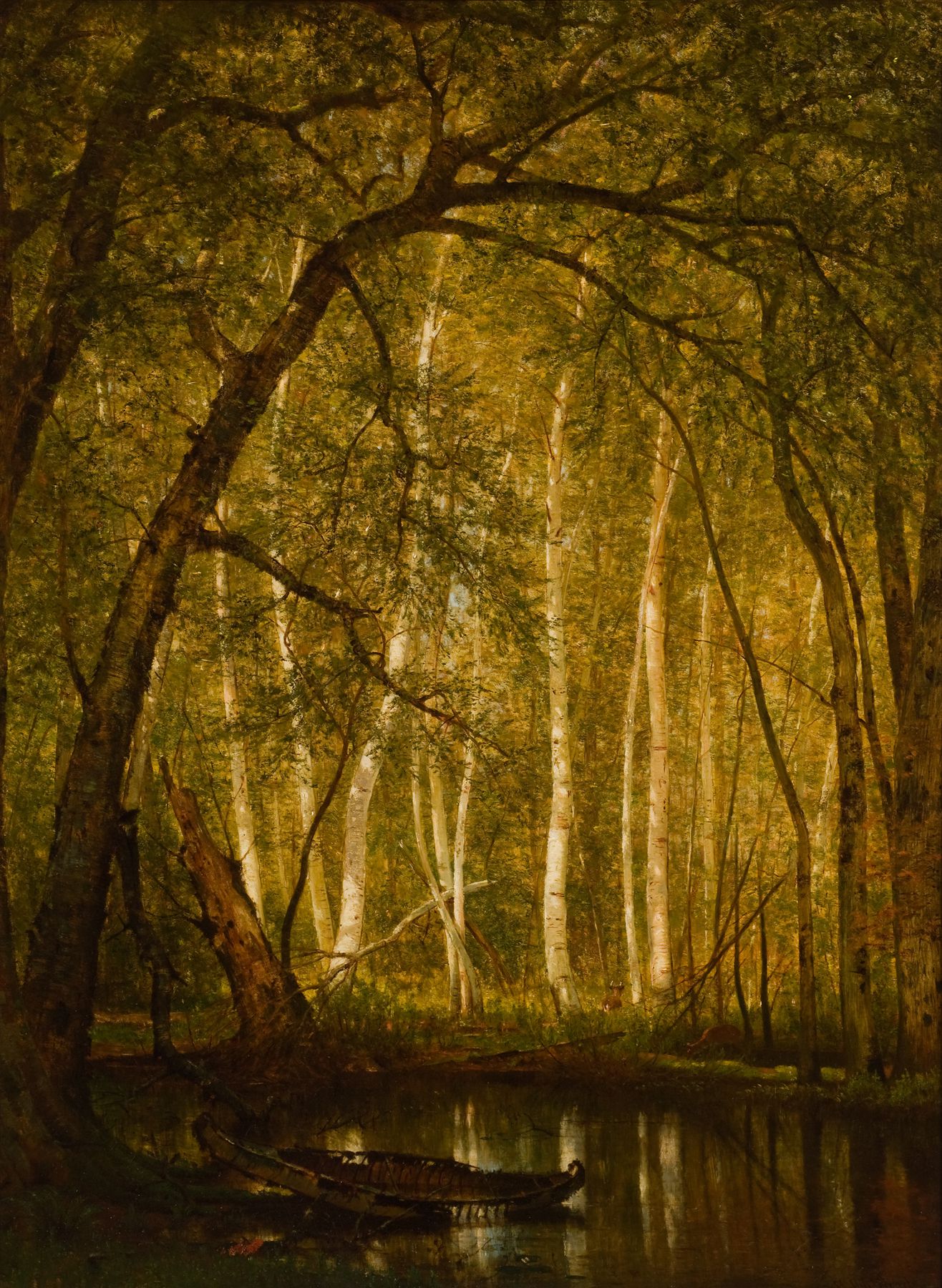
On May 22, 1820, American landscape artist Worthington Whittredge, famous for works like The Old Hunting Grounds, was born in Springfield, Ohio.
Despite being a native Midwesterner, Whittredge became one of the ultimate masters of the Hudson River School art movement in New York, uniquely choosing to paint deep, dark, realistic forest interiors rather than the sweeping, sunlit mountain vistas favored by his peers.
Image via Wikimedia Commons, public domain
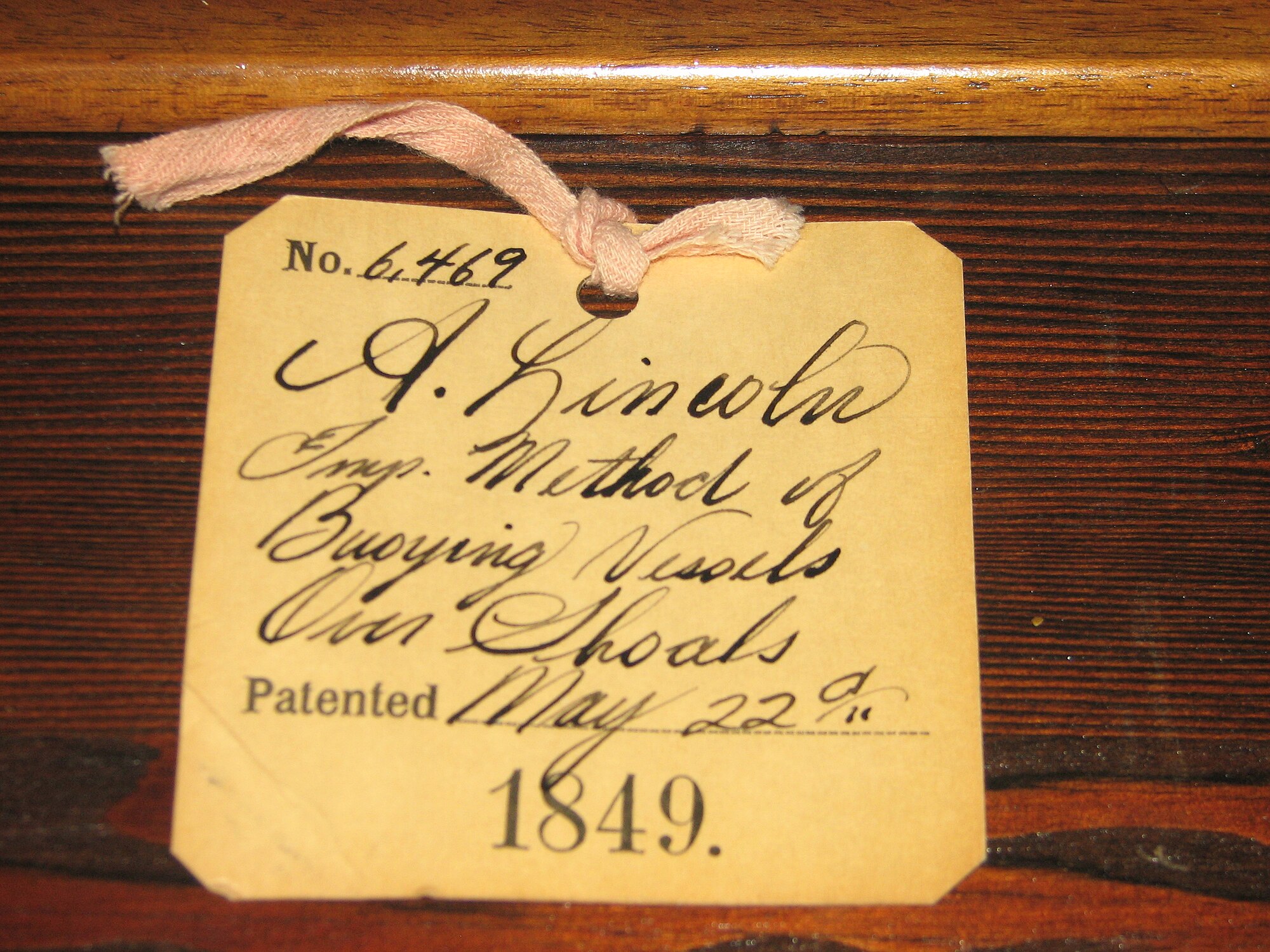
On May 22, 1849, twelve years before becoming President of the United States, Abraham Lincoln received a U.S. patent for an inflatable air bladder system on boats to help lift them over shoals. To this day, Abraham Lincoln remains the only United States President in history to ever hold a registered mechanical patent.
Image from David and Jessie Creative Commons Attribution 2.0 via Wikimedia Commons
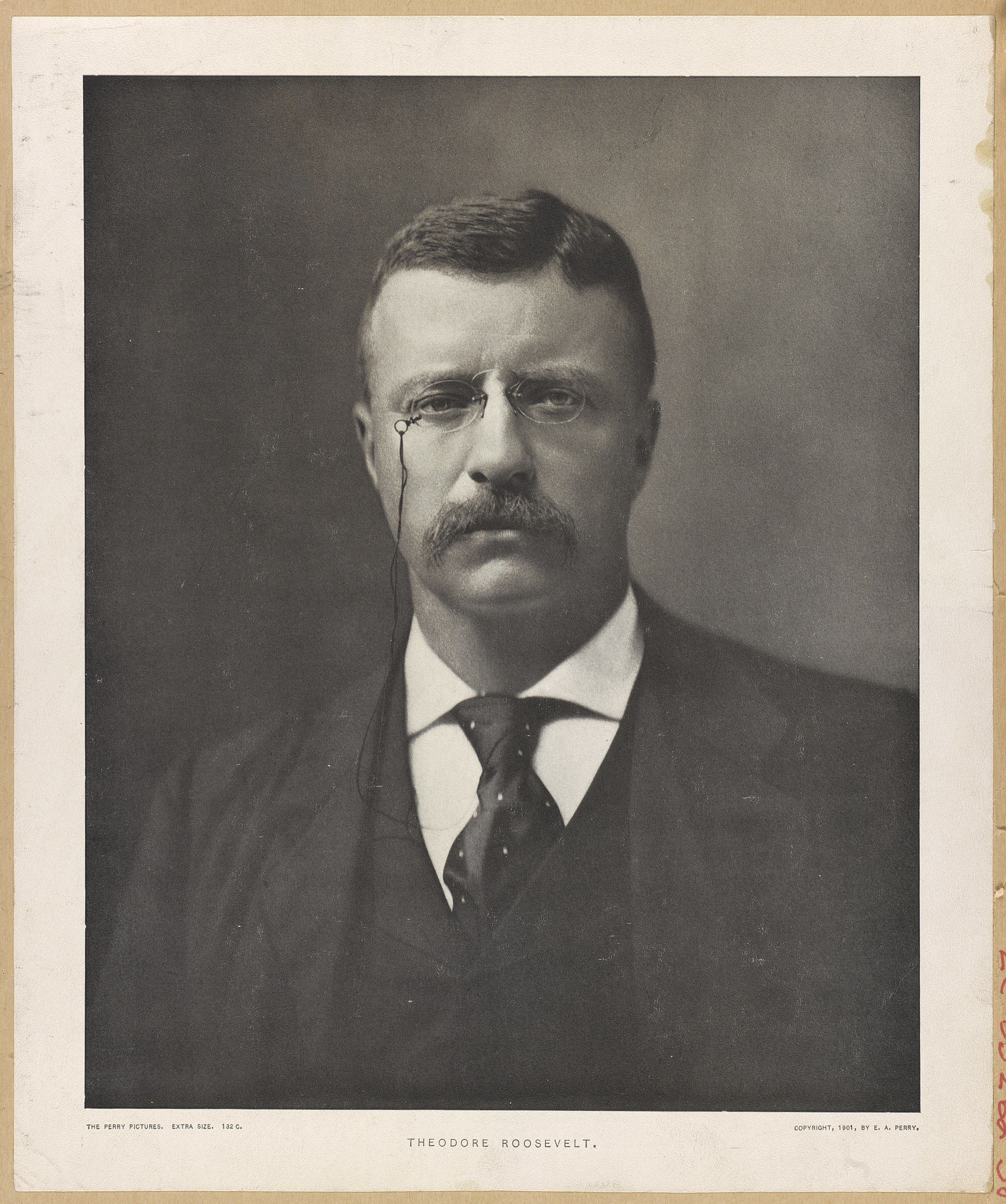
During the Pan-American Exposition in 1901, Vice-President Theodore Roosevelt fell victim to a carefully orchestrated prank. He had been invited to guide a group of dignitaries to an old log cabin behind the fairgrounds. As he bent down to enter, a sudden war whoop rang out, and two Oglala Sioux leaders, American Horse and Jack Red Cloud, sprang from the darkness, dressed in full war paint and feathers, grabbing hold of Colonel Roosevelt. The startled crowd was met with chaotic shouts and simulated gunfire, creating a dramatic scene. The next day, newspapers reported the spectacle in vivid detail. Once Roosevelt realized it was all in good fun, he laughed heartily and exclaimed, “By Jove, this is a rum on me!”
The prank worked so perfectly because American Horse was actually a longtime personal friend of Roosevelt’s who had previously ridden in his inaugural parade, making the “attack” a brilliantly staged inside joke between old comrades.
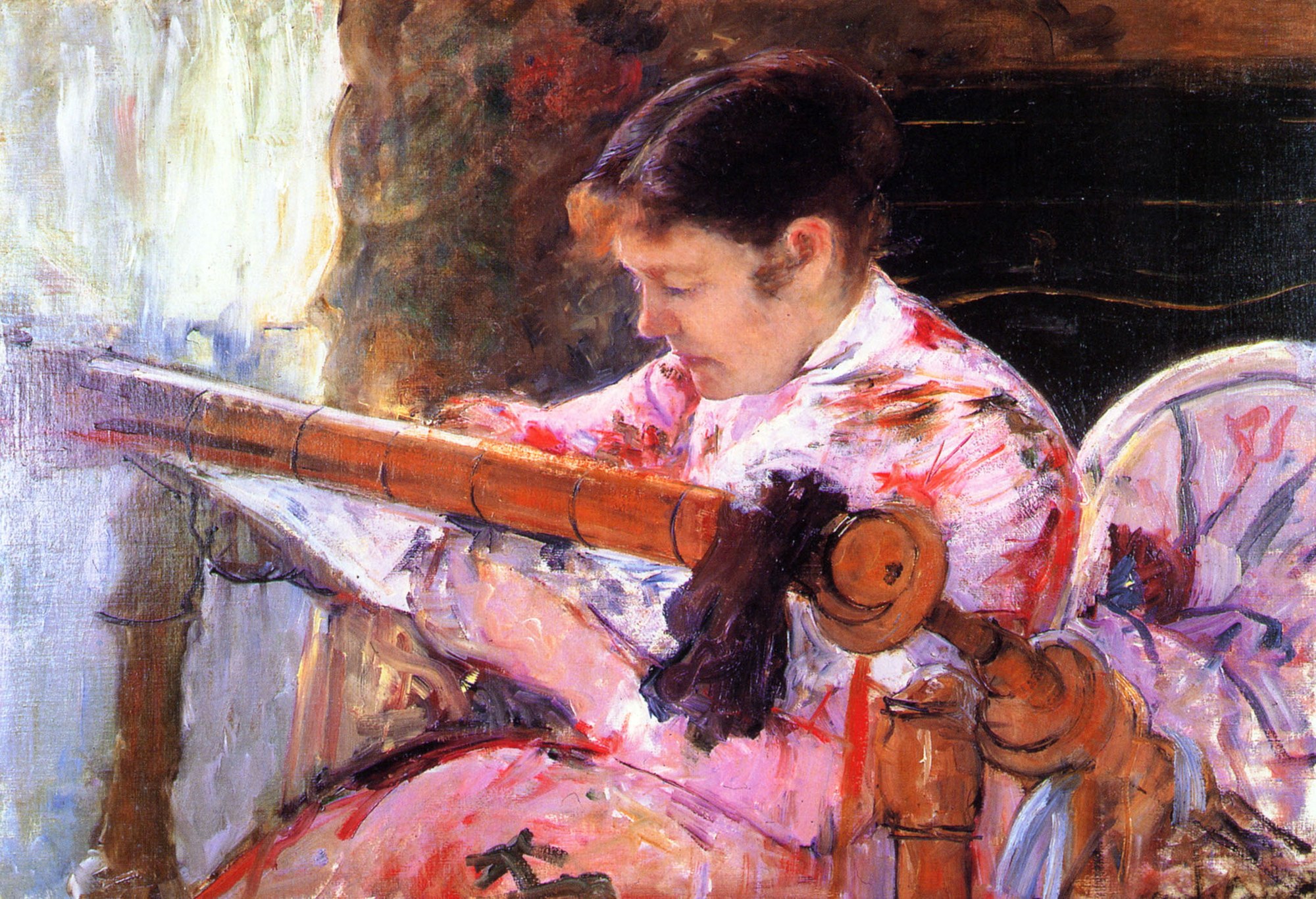
The Pittsburgh Rebel of Paris
On May 22, 1844, legendary American artist Mary Cassatt, painter of Lydia at The Tapestry Loom, was born in present-day Pittsburgh, Pennsylvania. Cassatt defied all 19th-century social norms for women by moving to Paris alone, where she became the only American artist ever invited to officially exhibit alongside the radical French Impressionists like Edgar Degas and Claude Monet.
Image via Wikimedia Commons, public domain
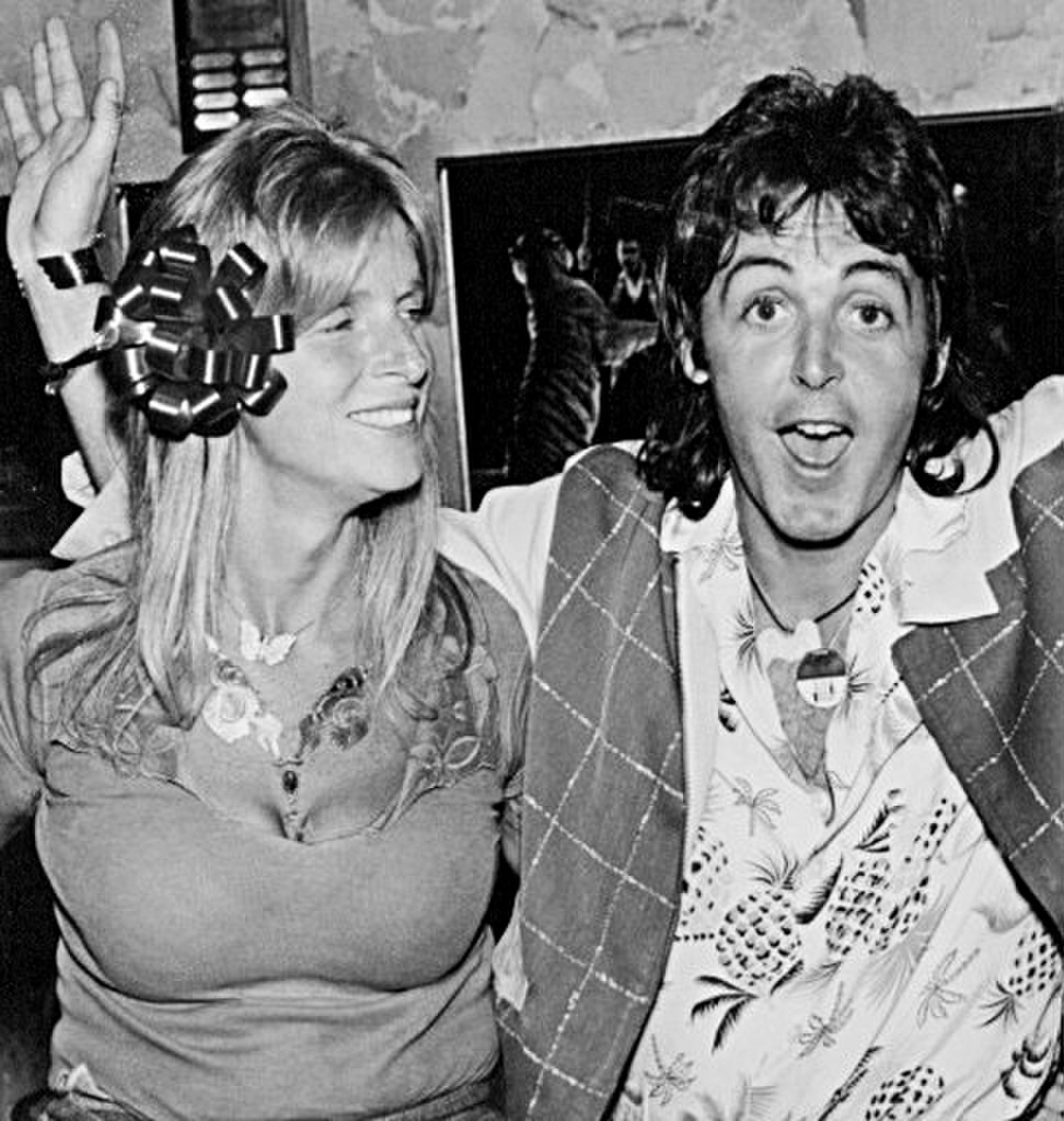
On May 22, 1976, “Silly Love Songs,” written by Paul & Linda McCartney, became the #1 song in America. McCartney didn’t write the track just to be sweet; he wrote it as a deliberate, spiteful response to music critics (and John Lennon) who kept publicly attacking his post-Beatles music for being “fluffy” and lacking substance.
Image via Wikimedia Commons, public domain
“Hell Hen” Comes Flying Home
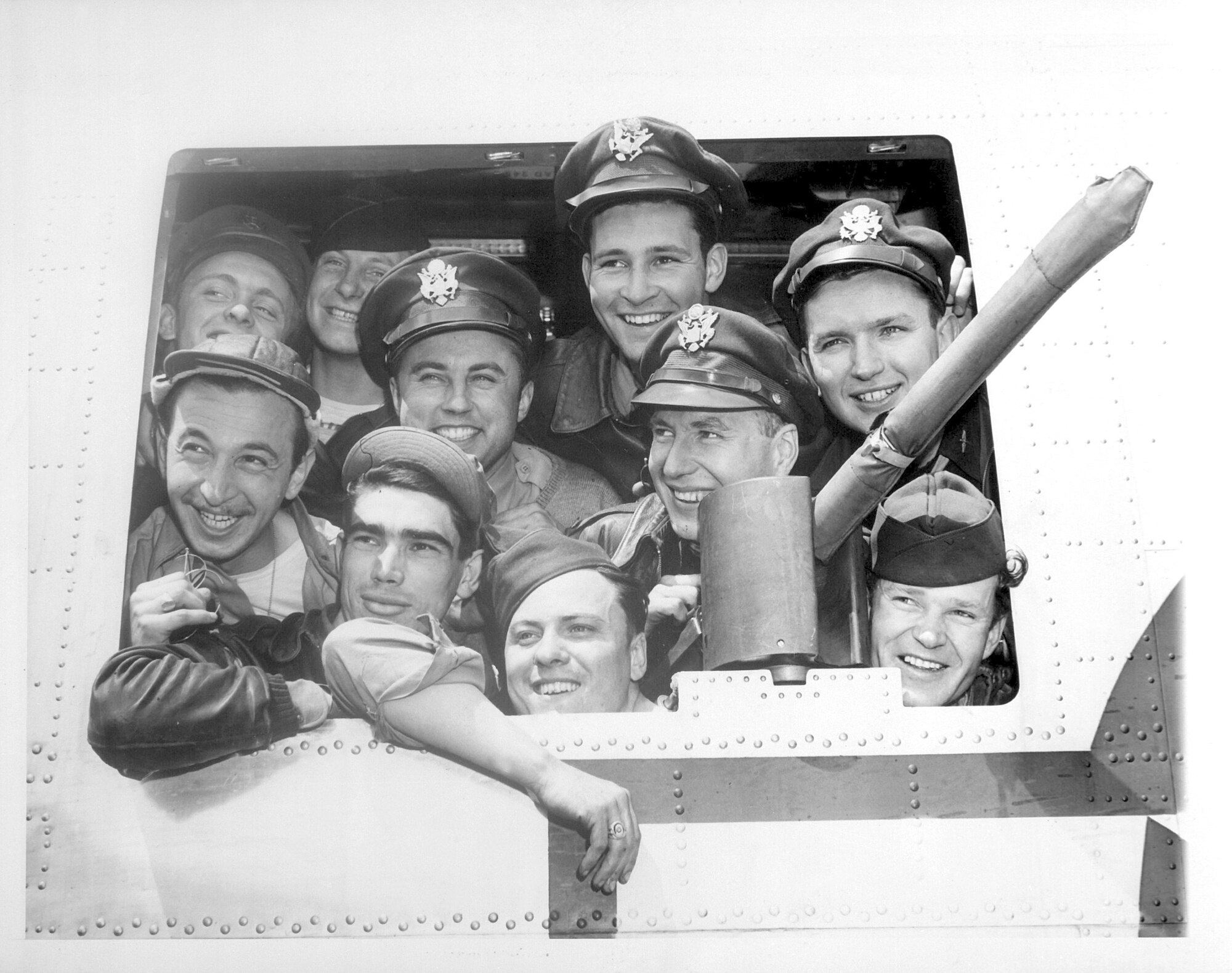
On May 22, 1945, American airmen beamed broadly as they looked out from their bomber following their arrival at Bradley Field in Windsor Locks, Connecticut, on a flight from Europe. In their B‑24 Liberator bomber, nicknamed Hell Hen, they had helped bomb Germany out of the war.
This exact flight was part of Operation Green Project, a massive, joyous post‑VE Day airlift that stripped combat bombers of their armor and weapons to pack them with as many returning soldiers as possible, flying them across the Atlantic in just a matter of days.
Press Association via Wikimedia Commons, public domain
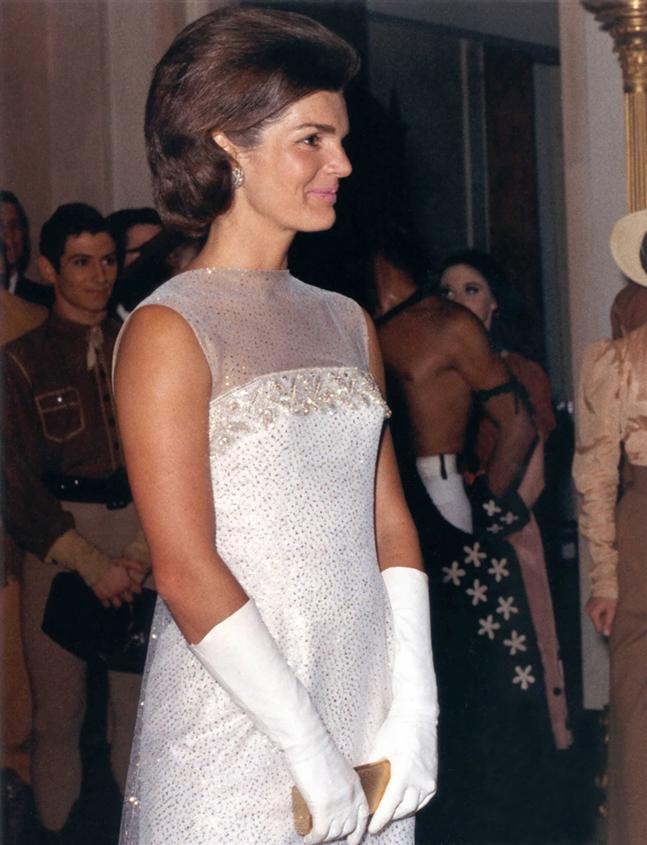
On May 22, 1962, Jacqueline Kennedy was photographed at the White House following a historic State Dinner in honor of President Félix Houphouët‑Boigny of the Ivory Coast. For this dinner, Jackie broke over a century of rigid White House protocol by completely abandoning the traditional, stiff horseshoe‑shaped seating arrangement. She instead introduced intimate, round dining tables to foster warmer conversation — a revolutionary design choice that permanently modernized presidential hosting.
Image via Wikimedia Commons, public domain
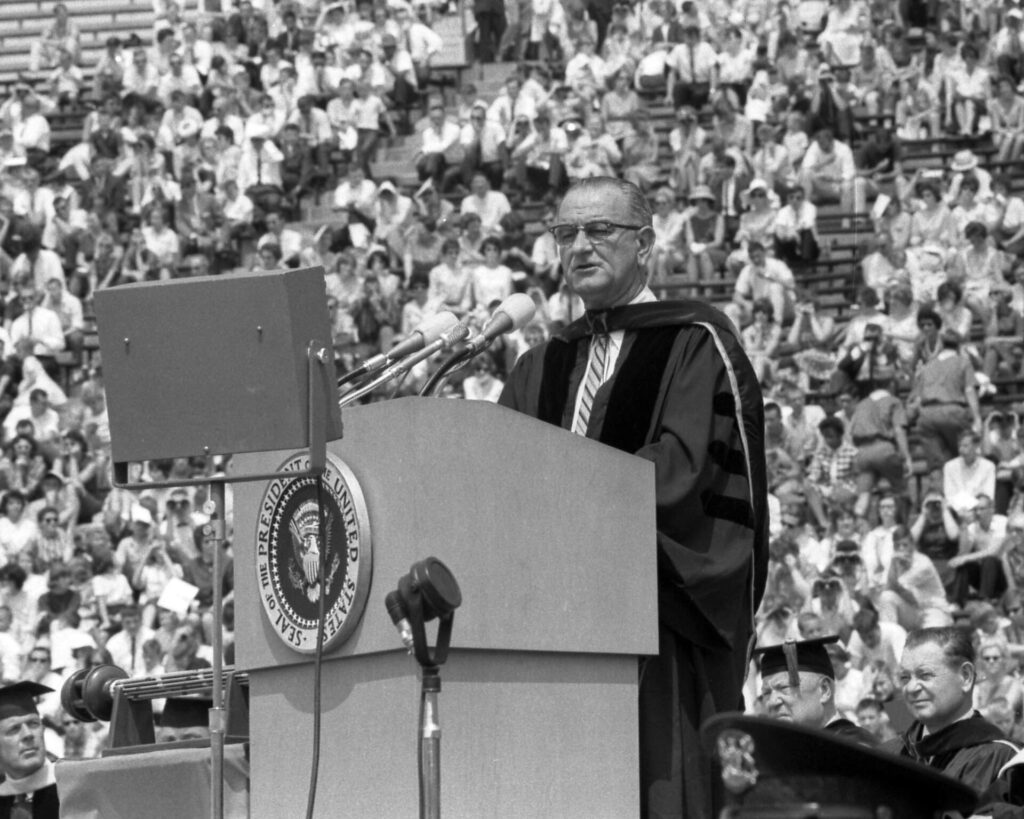
The Vision of a Great Society
On May 22, 1964, President Lyndon B. Johnson delivered a landmark commencement address at the University of Michigan. In front of a massive crowd of students, Johnson officially laid out his sweeping domestic political agenda, explicitly coining the phrase the “Great Society” to describe his vision for America.
Johnson used this specific speech to directly challenge the youth of America to join his administration’s upcoming legislative war on poverty and racial injustice, setting the stage for the swift passage of the Civil Rights Act of 1964 and the Voting Rights Act of 1965.
Image: University of Michigan. News and Information Services via Wikimedia Commons, CC BY 4.0
