The Greyhound Bus Company and the Two-Dollar Journey
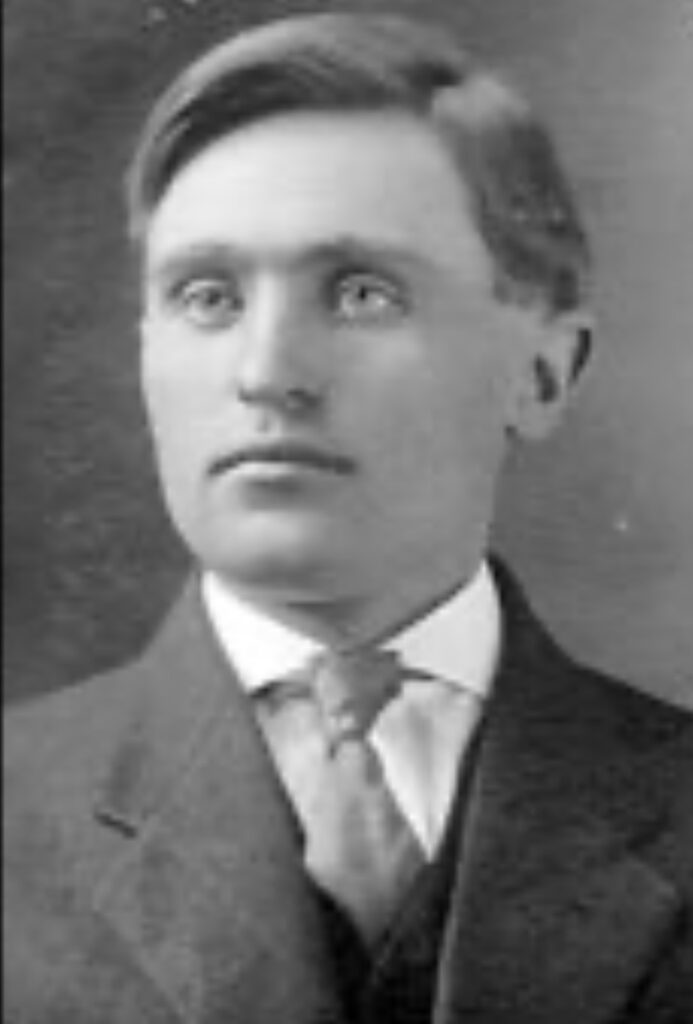
On May 21, 1914, the global transportation giant Greyhound Bus Company was officially founded by Carl Eric Wickman (shown) in the mining town of Hibbing, Minnesota. Wickman, a Swedish immigrant who had just been laid off from his job as a diamond drill operator, initially bought a seven‑passenger Hupmobile vehicle with the intention of selling it for a profit to local residents. When no one offered to buy the car, he desperately decided to use the vehicle to start a makeshift transit service, charging local iron miners 15 cents each way to travel between the towns of Hibbing and Alice.
As Wickman expanded beyond the Iron Range, those short 15‑cent shuttles soon grew into longer regional routes that cost as much as two dollars, a significant fare for working miners but the first step toward a true intercity network.
The humble route proved so immensely popular with commuting laborers that Wickman quickly expanded his fleet, eventually transforming a failed car‑sales venture into the largest intercity bus transportation network in the world.
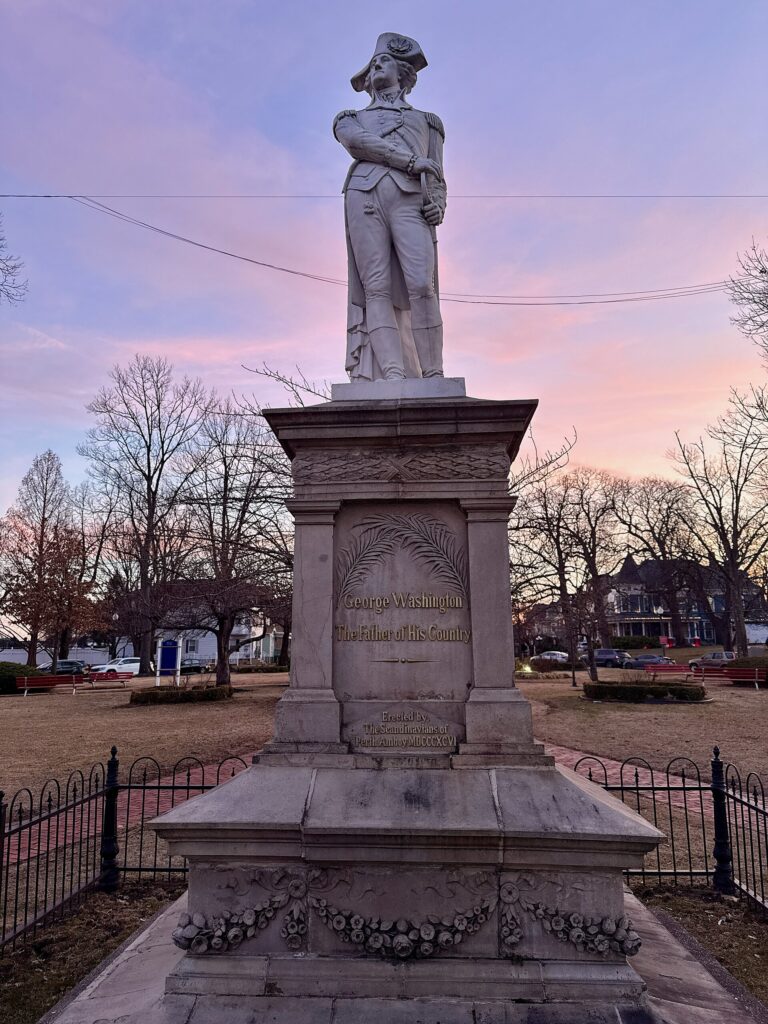
On May 21, 1776, George Washington departed New York for Philadelphia after placing Major-General Israel Putnam in command. He stopped overnight in Perth Amboy, a city of strategic importance due to its location along Raritan Bay and its role as the former capital of East Jersey. Originally known as Amboy, the city was officially renamed Perth Amboy in 1686 to honor James Drummond, 1st Duke of Perth, one of the colony’s proprietors. Though New Jersey had been divided into East and West Jersey from 1674 to 1702, Queen Anne unified the provinces, with Perth Amboy remaining a vital colonial center. Despite Perth Amboy’s Loyalist leanings, Washington assessed its defensive potential, recognizing its value in controlling access to New York and Philadelphia. During this critical overnight stay, Washington lodged at Hicks’ Tavern, which later became known as the Packer House, using the vantage point to study local coastlines. His awareness of its strategic significance shaped later military engagements, influencing British and American maneuvers throughout the region. By June 1777, British General William Howe’s withdrawal to Perth Amboy prompted Washington to move his forces, leading to the Battle of Short Hills on June 26. The city’s location not only dictated troop positioning but also played a crucial role in the broader strategic landscape of the war.
Image: Statue of George Washington (Perth Amboy, New Jersey) via Wikimedia Commons, public domain
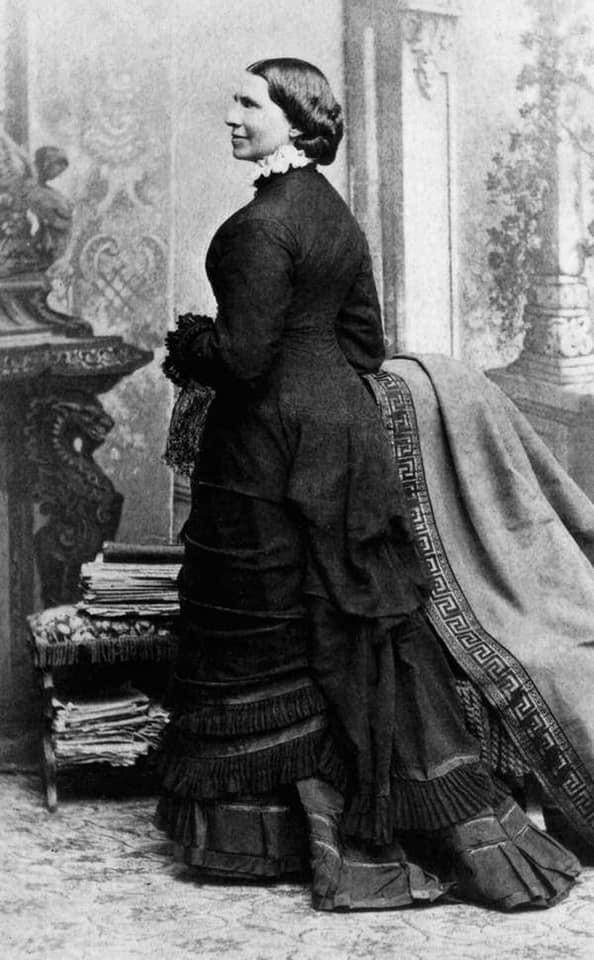
On May 21, 1881, Civil War nurse Clara Barton founded the American Red Cross in Washington, D.C., inspired by the international humanitarian network she had encountered while recuperating in Europe. When Barton first urged the U.S. government to join the Geneva Convention, President Rutherford B. Hayes declined, citing long‑standing American caution toward binding foreign agreements. Undeterred, Barton broadened her organization’s mission to include domestic disaster relief, building public support for the cause. Her persistence paid off when Hayes left office: in 1882, President Chester A. Arthur signed the treaty, formally bringing the United States into the global Red Cross movement.
Image: Clara Barton c. 1881 via Wikimedia Commons, public domain
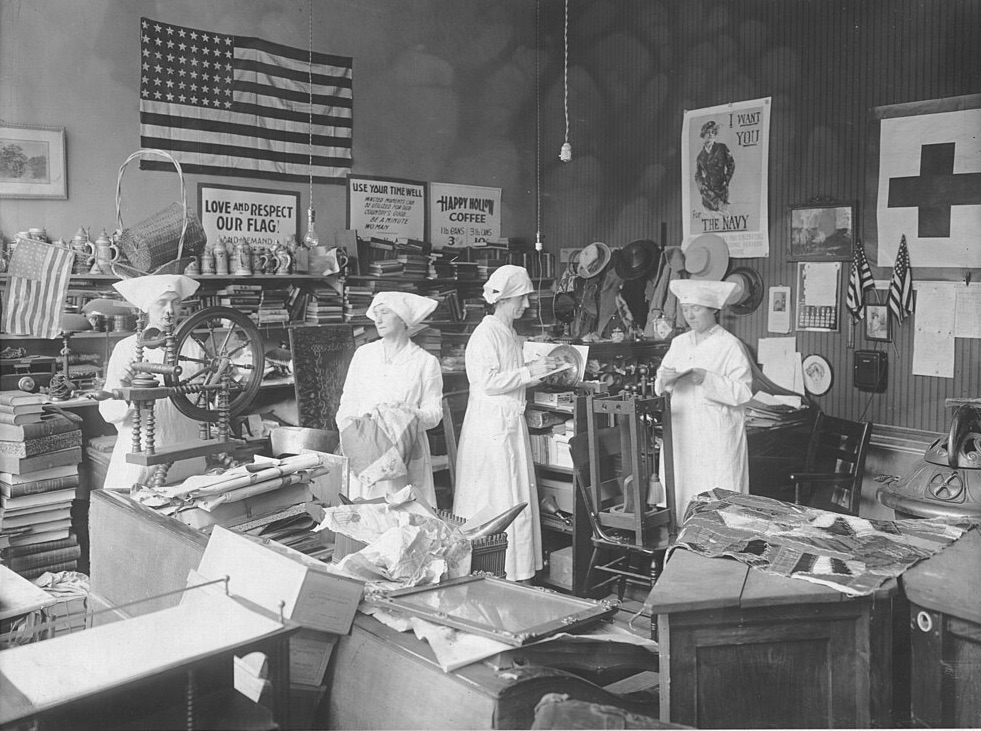
American Red Cross sacrifice sale at Omaha, Nebraska, May 21, 1918. These wartime auctions were highly organized community events designed to mobilize local agriculture and commerce to fund humanitarian aid for troops overseas. The Nebraska event generated unprecedented patriotism and eventually raised over half a million dollars for the organization. The primary financial driver of this massive success was a single prize bull named Anoka Champion, which became a local celebrity during the drive. The bull was repeatedly auctioned off to wealthy ranchers who immediately donated the animal back to the Red Cross so it could be sold again. This continuous cycle of bidding and re-donation occurred dozens of times throughout the day, turning a single livestock asset into a massive engine for wartime fundraising.
Image via Wikimedia Commons, public domain
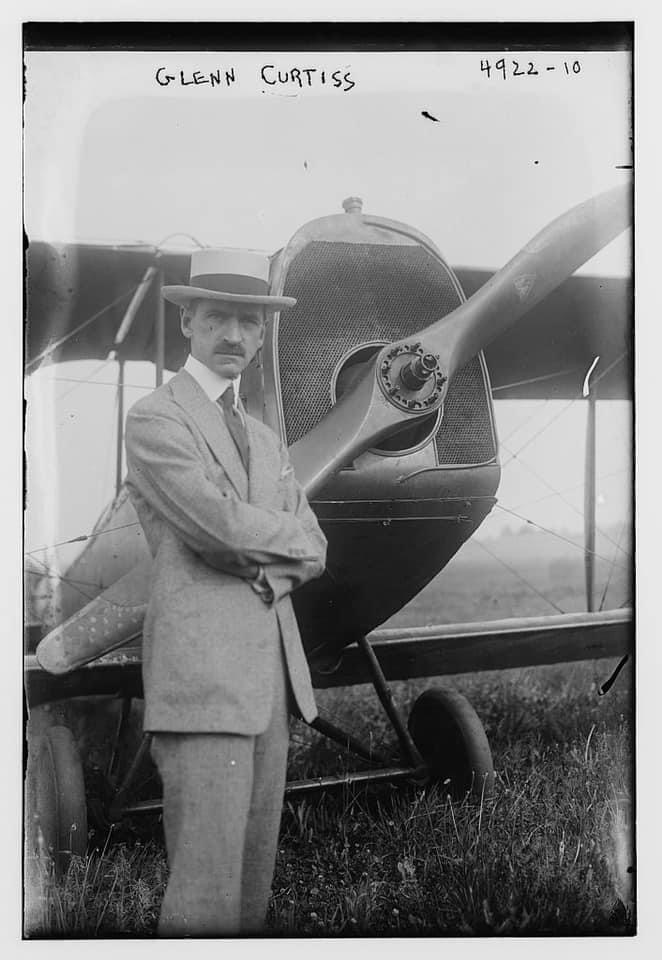
American aviation pioneer and industry leader Glenn Curtiss was born on May 21, 1878 in Hammondsport, New York. In 1907 he set a motorcycle land-speed record after reaching a speed of just over 136 miles per hour on a beach in Florida. The record-breaking run was entirely accidental, as Curtiss never actually intended to become a professional motorcycle racer or build land vehicles. He had custom-built the massive 40-horsepower V8 engine specifically to power an early experimental aircraft project he was designing. Because aviation technology was still highly unstable, he constructed a crude, reinforced motorcycle frame solely as a mobile testbed to evaluate the engine’s limits safely on the ground. By taking the experimental rig out for a trial run, he unintentionally became the fastest human on earth at the time.
Image: Curtiss in 1919 via Wikimedia Commons, public domain
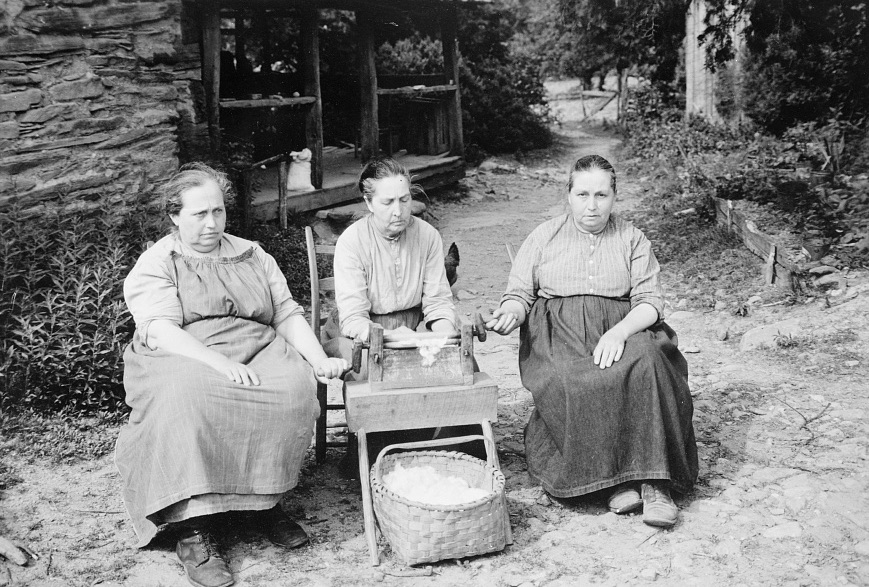
Three Walker sisters ginning cotton — Hettie, Martha, and Louisa — were photographed on May 21, 1936 for the album A Sketch of Mountain Life: Great Smoky Mountains National Park. The sisters became famous for preserving their traditional, self‑sufficient way of life in Little Greenbrier, living without electricity or running water long after the surrounding region was absorbed into the new national park. When the federal government began acquiring homesteads through eminent domain, the Walkers refused to leave, welcoming visitors to their cabin and appealing to officials to protect their rights. Their determination, combined with growing public sympathy, led the National Park Service to grant them a rare lifetime lease, allowing them to remain on their ancestral land until the last sister passed away.
Image via LOC, no known restrictions
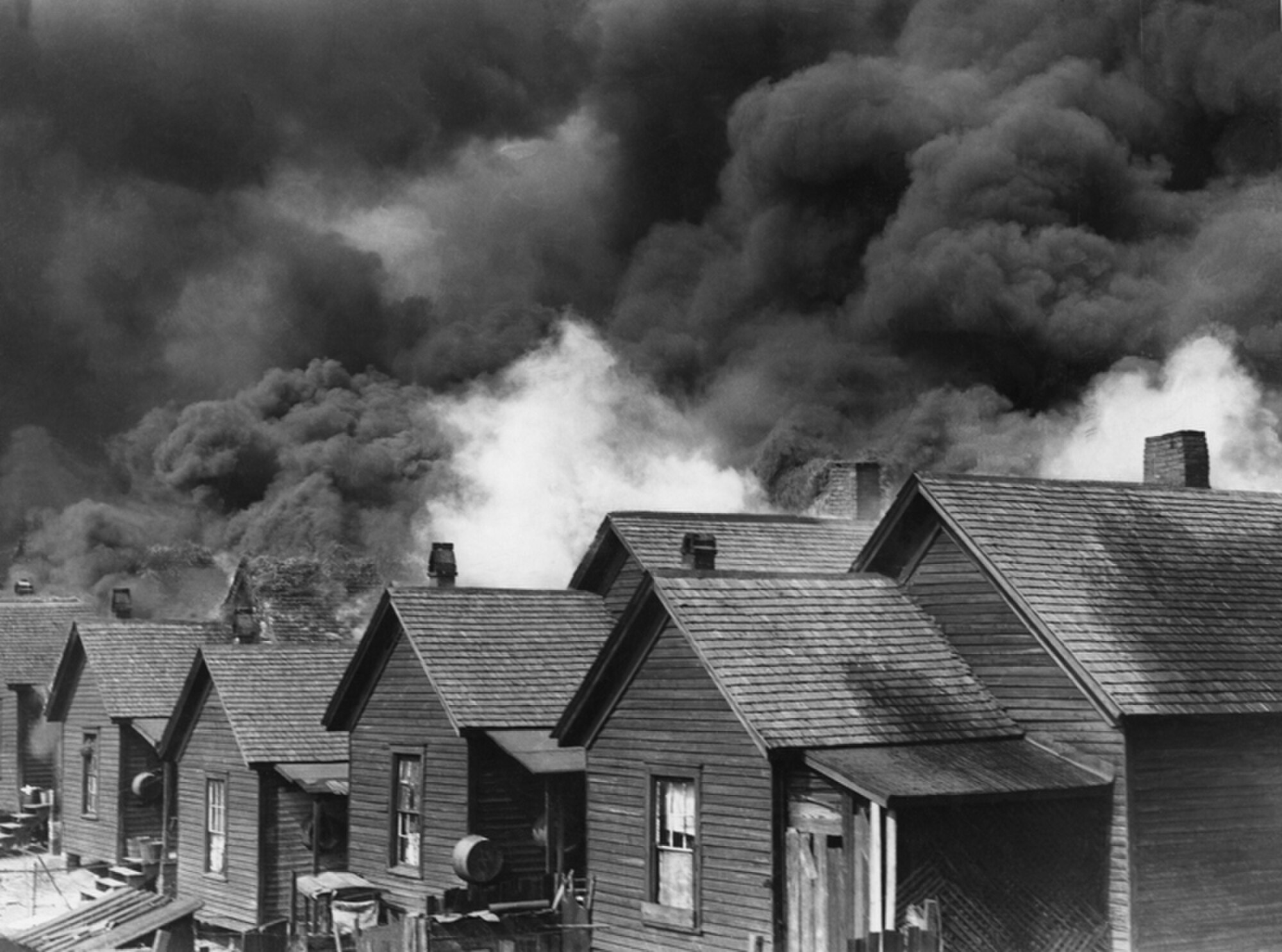
Dynamite and the Great Atlanta Fire of 1917
On May 21, 1917, a fire destroyed nearly two thousand structures in Atlanta, Georgia. Fire departments from other cities in Georgia as well as Tennessee were called to battle the inferno. The blaze spread with terrifying speed through the city’s Fourth Ward, quickly overwhelming local emergency resources and consuming over fifty city blocks. As the heat intensified, the city’s municipal water system suffered a catastrophic drop in water pressure, leaving arriving fire crews completely helpless without functioning hoses. Out of desperation, city officials authorized firefighters and military personnel to use heavy explosives to combat the advancing wall of flames. Teams ran ahead of the fire line and systematically blew up dozens of historic homes with dynamite, creating a massive artificial firebreak that starved the inferno of fuel and finally stopped its advance.
Image: the Great Atlanta fire of 1917 raging in Atlanta, Georgia, public domain
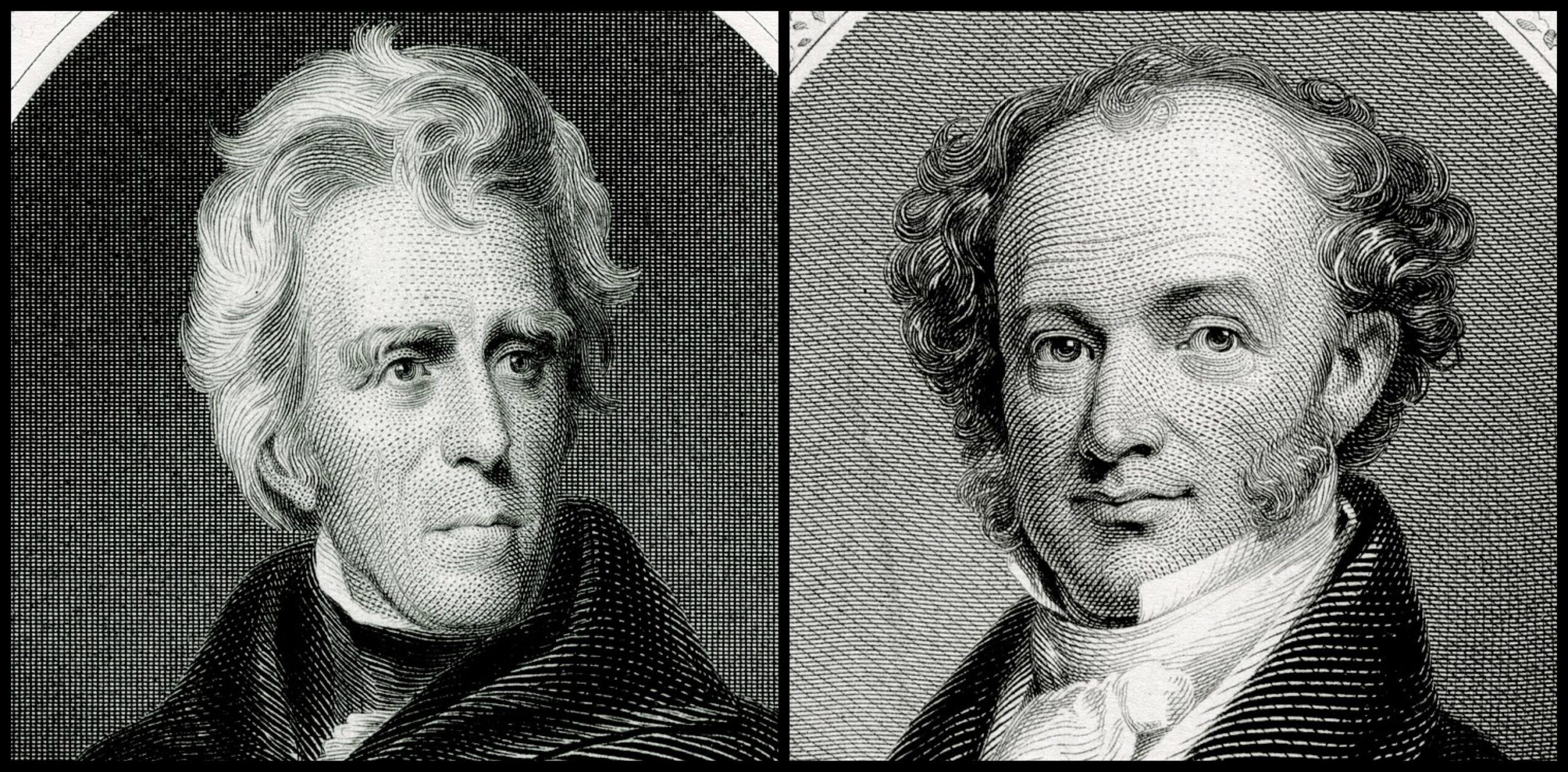
The first Democratic National Convention opened on May 21, 1832, formally nominating Andrew Jackson for a second presidential term and selecting Martin Van Buren as his running mate. Van Buren faced resistance from several regional factions, prompting Jackson’s allies to push for a new rule requiring a two‑thirds majority for any nomination. The measure, championed by Jacksonian strategists including John Amos Kendall, ensured Van Buren’s victory but created an enduring procedural burden. The rule later paralyzed Democratic conventions for decades, contributing to deadlocks in 1844, 1860, and 1924 before it was finally abolished in 1936.
Images via Wikimedia Commons,
public domain
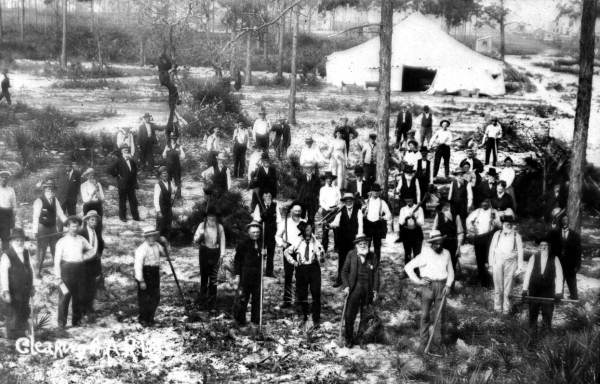
On May 21, 1909, Union Civil War veteran Albert Hantsch from Chicago arrived in St. Cloud, Florida and pitched his tent before his new home was built. Albert is considered to be one of the first residents of the veterans colony for The Grand Army of The Republic that was established in St. Cloud, Florida. The colony was not just a random real estate venture, but a highly organized, cooperative utopian community specifically designed by union veterans for union veterans. The Grand Army of the Republic bought up thousands of acres of cheap land to provide affordable housing and agricultural opportunities for aging, impoverished soldiers. The primary goal was to create a warm, supportive sanctuary where elderly veterans could escape the harsh, brutal northern winters that were severely impacting their failing health.
Image: Clearing land for G.A.R. Building – St. Cloud, Florida in 1909 via Florida Memory, public domain

Wilmington, Delaware: Joseph Severio. Peanut vendor. 11 years of age. Pushing cart 2 years. Out after midnight on May 21, 1910. Ordinarily works 6 hours per day. Works of own volition. Don’t smoke. All earnings go to father. This incredibly detailed description was recorded by investigative photographer Lewis Hine, who was working undercover for the National Child Labor Committee. To capture authentic photos of these exploited children without getting arrested or attacked by factory owners, Hine traveled in disguise as a Bible salesman or an industrial photographer. He carried a hidden box camera concealed inside his coat and secretly took notes on a pad hidden inside his pocket to gather legal evidence. This specific, haunting photograph of Joseph helped shock the public and served as foundational evidence that eventually forced Congress to pass federal child labor protections.
via Wikimedia Commons, public domain
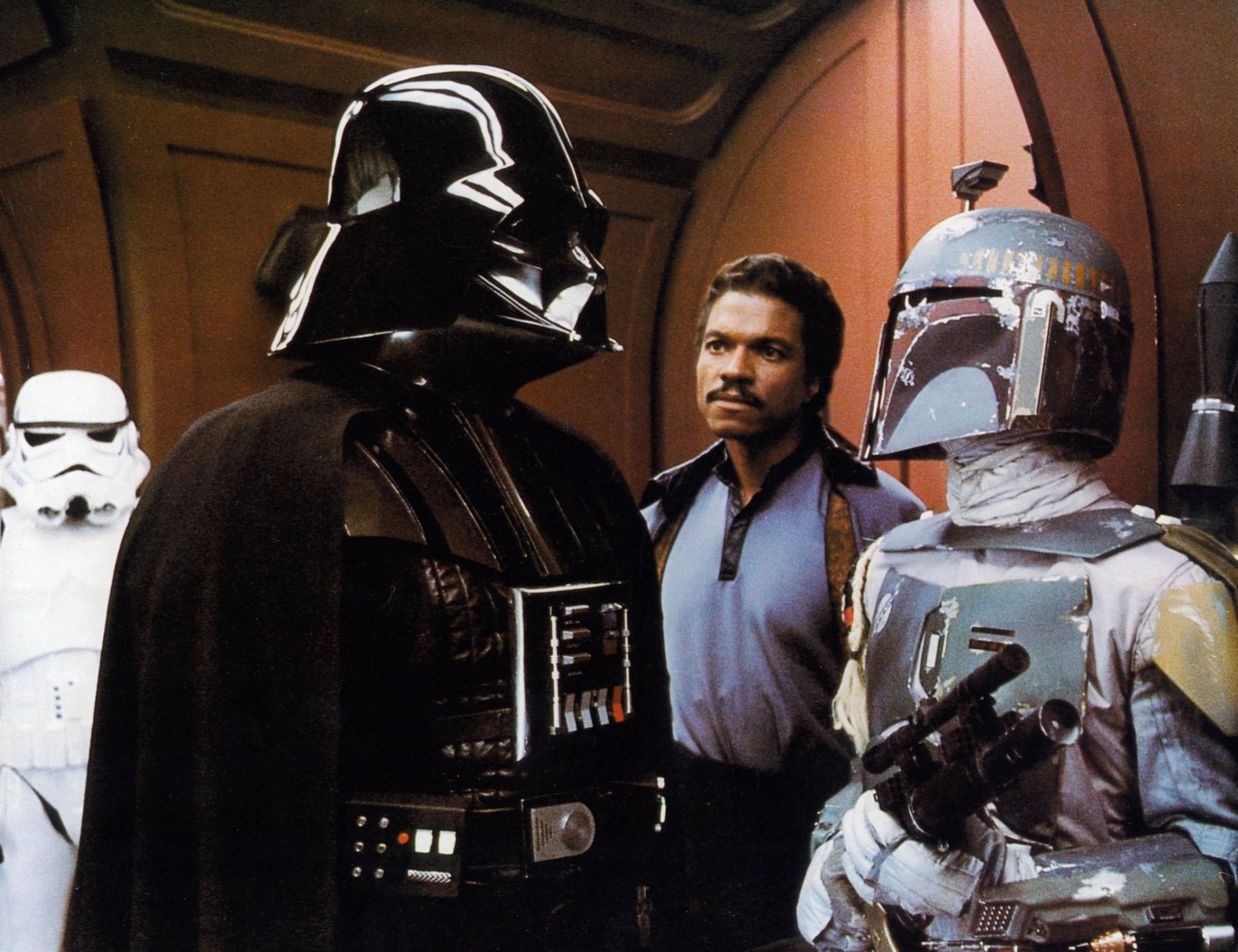
On May 21, 1980, The Empire Strikes Back, was released in the U.S. The film was the highest-grossing movie of the year. Following the unprecedented success of the first film, 20th Century Fox assumed they would dictate the terms of the sequel. To maintain absolute creative control and prevent corporate interference with the story, George Lucas made the incredibly risky decision to completely bypass traditional Hollywood studio financing. He chose to self-fund the entire multimillion-dollar production out of his own pocket, using the profits from the first movie and taking out a massive bank loan against his company. If the movie had failed at the box office, Lucas would have been forced into total bankruptcy and lost the rights to the entire franchise.
Image via Alamy
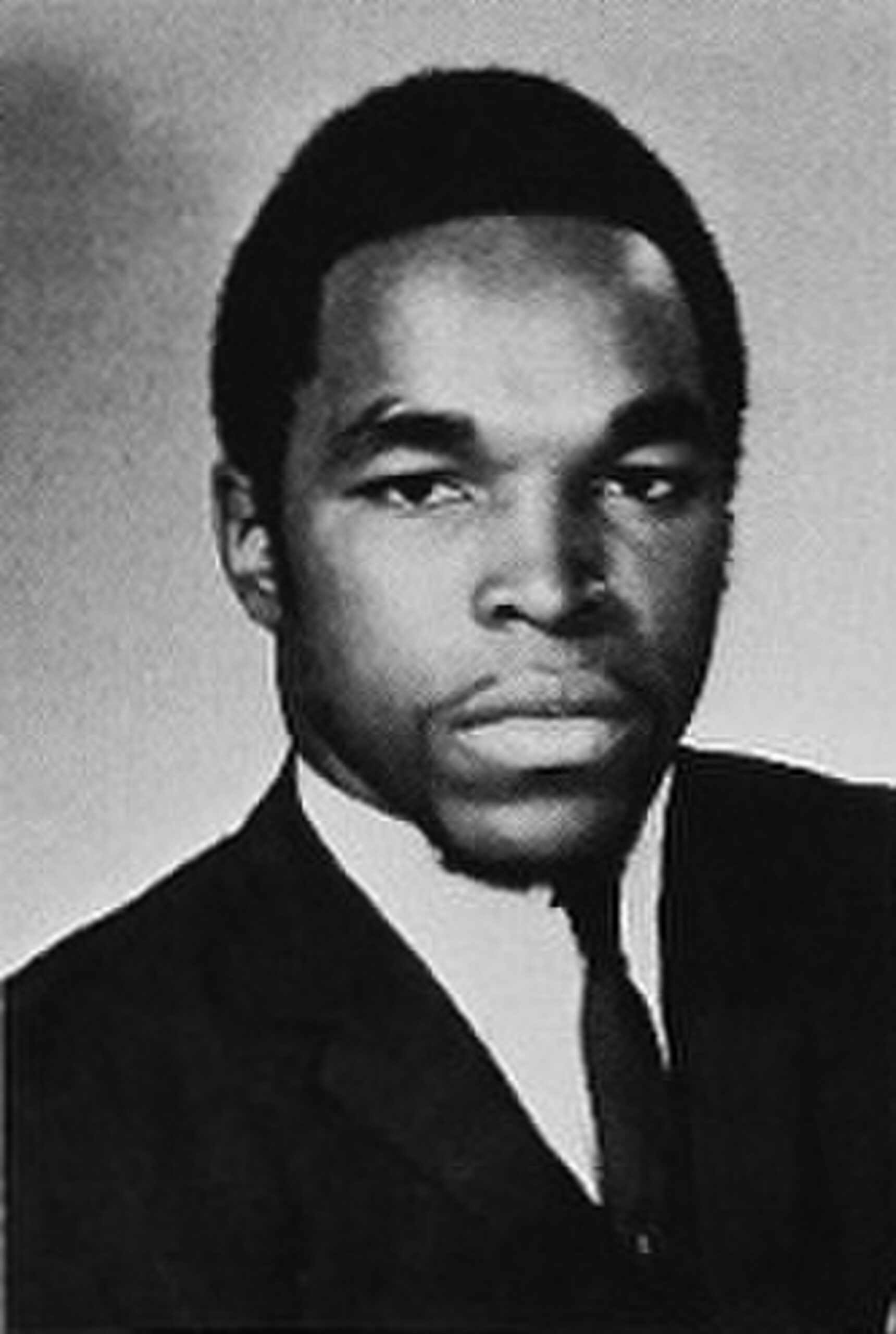
Laurence Tureaud — later known worldwide as Mr. T — was born on May 21, 1952, in Chicago, the youngest of twelve children in one of the city’s toughest public housing projects. Before his rise in Hollywood and professional wrestling, he built a reputation as a high‑end celebrity bodyguard, protecting stars such as Michael Jackson, Diana Ross, and Muhammad Ali. His signature gold chains began as part of his work persona: jewelry left behind by unruly patrons he ejected from nightclubs, worn as a psychological deterrent to intimidate would‑be attackers. The exact fees he commanded varied, but his services were in high demand — and the look he developed during those years became one of the most recognizable images in American pop culture.
Image of Laurence in 1970 via Wikimedia Commons, public domain

On May 21, 1999, Susan Lucci finally won her first Daytime Emmy after being nominated 18 times prior beginning in 1978. Her decades-long losing streak as the infamous soap opera character Erica Kane became a running joke in the entertainment industry and a source of intense media fascination. Instead of hiding from the embarrassment of her continuous losses, Lucci brilliantly chose to weaponize her losing streak into a highly lucrative marketing strategy. She leaned into the public narrative by starring in self-deprecating television commercials for brands like Sugar Free Wendy’s and hosting Saturday Night Live, where she playfully mocked her own misfortune. By the time she finally won the award, her historic losing streak had made her far more famous and culturally relevant than if she had won on her very first nomination.
Image via Alamy
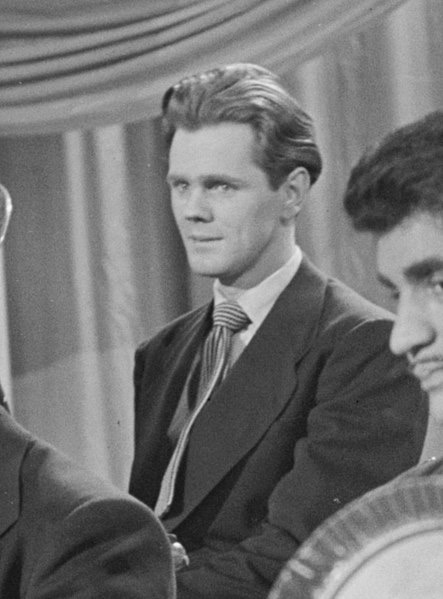
Bill Barber’s Blueprint for Cool Jazz
Bill Barber, born May 21, 1920, helped redefine what the tuba could be in American music. A Juilliard graduate and World War II army band veteran, Barber brought an agile, melodic approach to an instrument long associated with marching‑band rhythm lines. His playing caught the attention of Miles Davis, who was assembling a forward‑looking nonet for what became the Birth of the Cool sessions. Davis valued the tuba’s warm, weighty tone as part of the ensemble’s experimental sound palette, and Barber’s fluid technique made the instrument an essential voice in the group’s arrangements — securing the tuba a lasting place in modern jazz.
Image from William Gottlieb collection, LOC via Wikimedia Commons, public domain in the US.
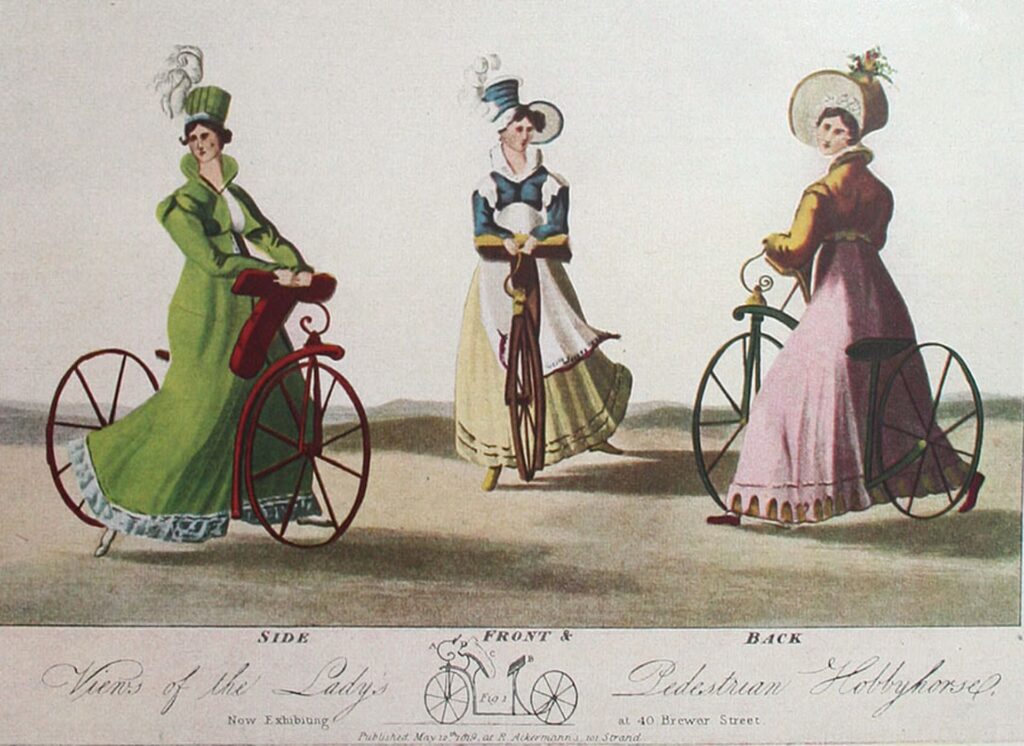
“New York’s First Two‑Wheel Fad”
When the first European “swift walkers” — pedal‑less dandy horses — arrived in New York City on May 21, 1819, crowds gathered to watch riders push themselves along Broadway by running their feet against the ground. The strange new machines were the earliest two‑wheelers ever seen in the United States, a brief but intense urban craze that filled the streets with curious young men testing their balance on wooden frames and iron‑shod wheels.
The excitement didn’t last. By late summer, the Common Council had passed an ordinance banning velocipedes from sidewalks, citing the growing nuisance and congestion they caused on Manhattan’s busiest thoroughfares. The fad faded as quickly as it arrived — but for a few weeks in 1819, New Yorkers witnessed the first spark of America’s bicycle age.