
 Mystery March Is Here!
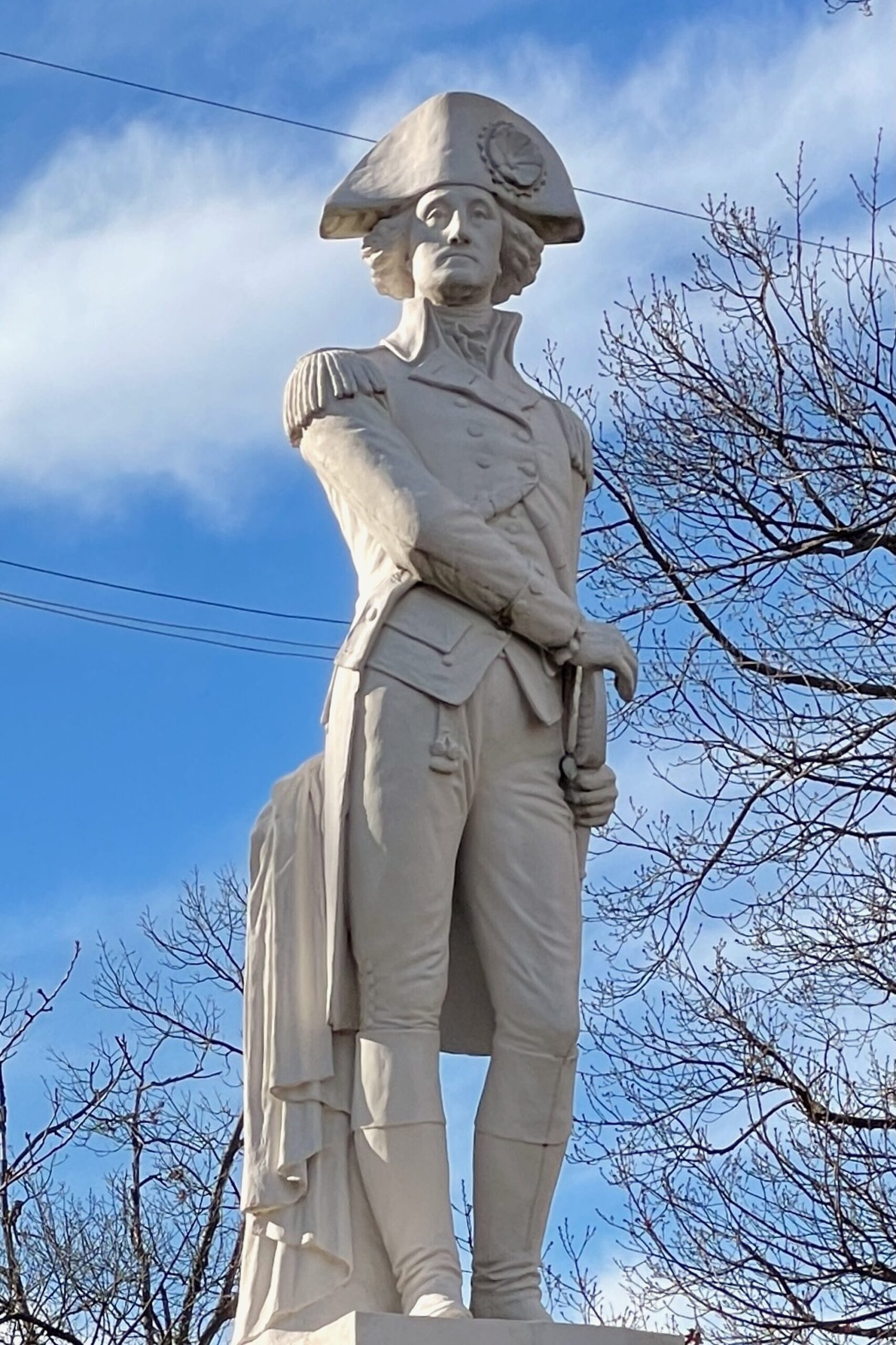
On May 21, 1776, George Washington left New York for Philadelphia after placing Major-General Israel Putnam in command. He stopped overnight in Perth Amboy, a city of strategic importance due to its location along Raritan Bay and its role as the former capital of East Jersey. Originally known as Amboy, the city was officially renamed Perth Amboy in 1686 to honor James Drummond, 1st Duke of Perth, one of the colony’s proprietors. Though New Jersey had been divided into East and West Jersey from 1674 to 1702, Queen Anne unified the provinces, with Perth Amboy remaining a vital colonial center.
Despite Perth Amboy’s Loyalist leanings, Washington assessed its defensive potential, recognizing its value in controlling access to New York and Philadelphia. His awareness of its strategic significance shaped later military engagements, influencing British and American maneuvers throughout the region. By June 1777, British General William Howe’s withdrawal to Perth Amboy prompted Washington to move his forces, leading to the Battle of Short Hills on June 26. The city’s location not only dictated troop positioning but also played a crucial role in the broader strategic landscape of the war.
Image: Terra cotta statue of George Washington by Danish-American Nels N. Alling in Market Square of Perth Amboy, New Jersey. Dedicated on Washington’s Birthday in February 1896 via Wikimedia Commons, public domain
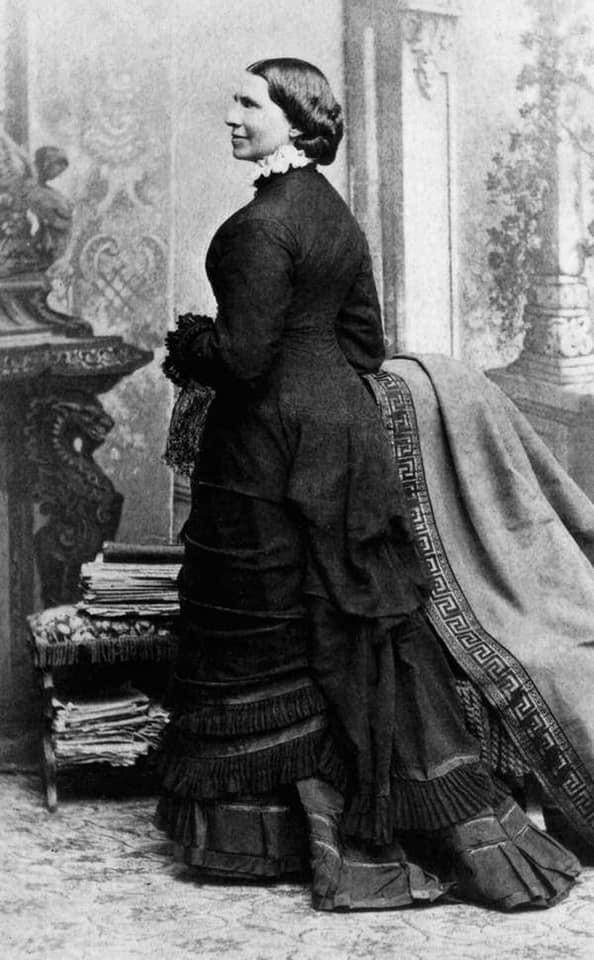
On May 21, 1881, American Civil War nurse Clara Barton, while collaborating with a group of others, founded The American Red Cross in Washington, D.C.
Image: Clara Barton c. 1881 via Wikimedia Commons, public domain
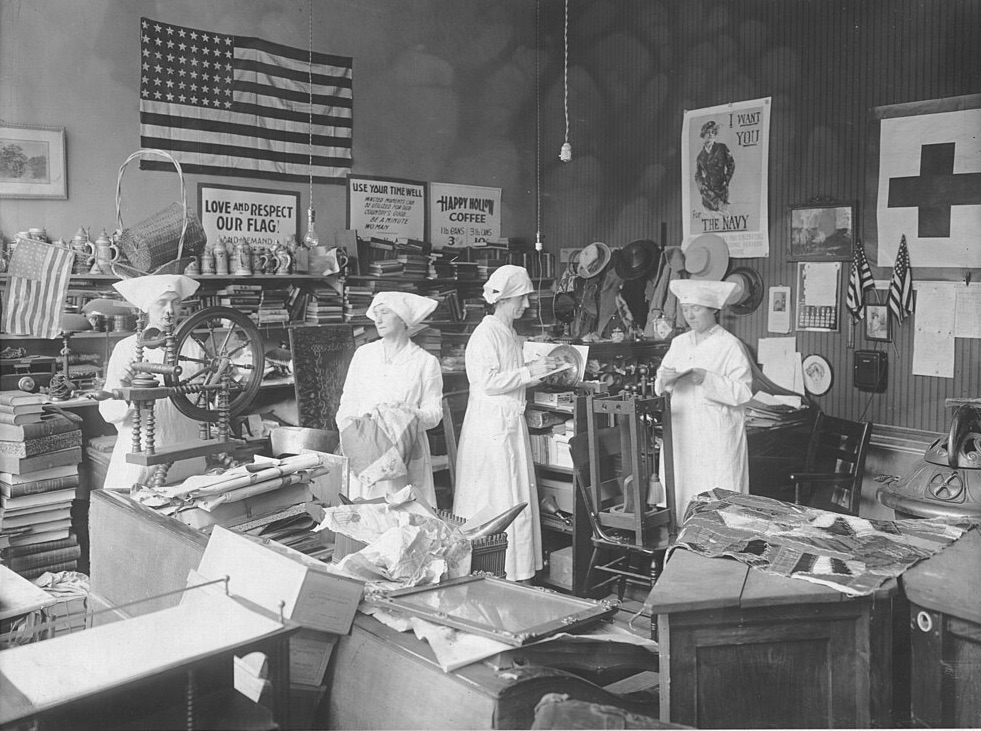
American Red Cross sacrifice sale at Omaha, Nebraska, May 21, 1918
Image via Wikimedia Commons, public domain
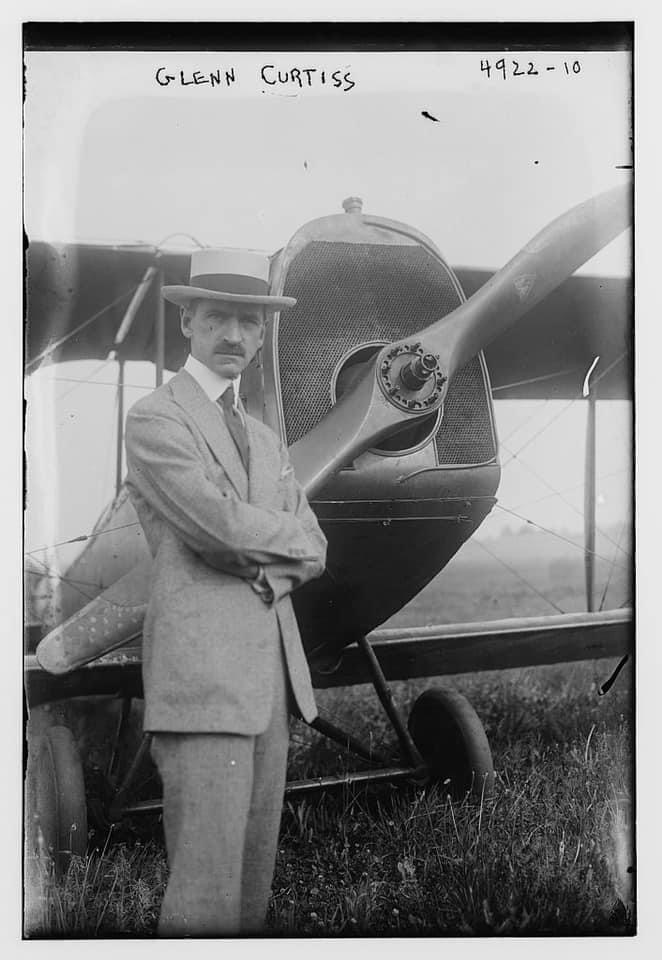
American aviation pioneer and industry leader Glenn Curtiss was born on May 21, 1878 in Hammondsport, New York.
In 1907 he set a motorcycle land-speed record after reaching a speed of just over 136 miles per hour.
Image: Curtiss in 1919 via Wikimedia Commons, public domain
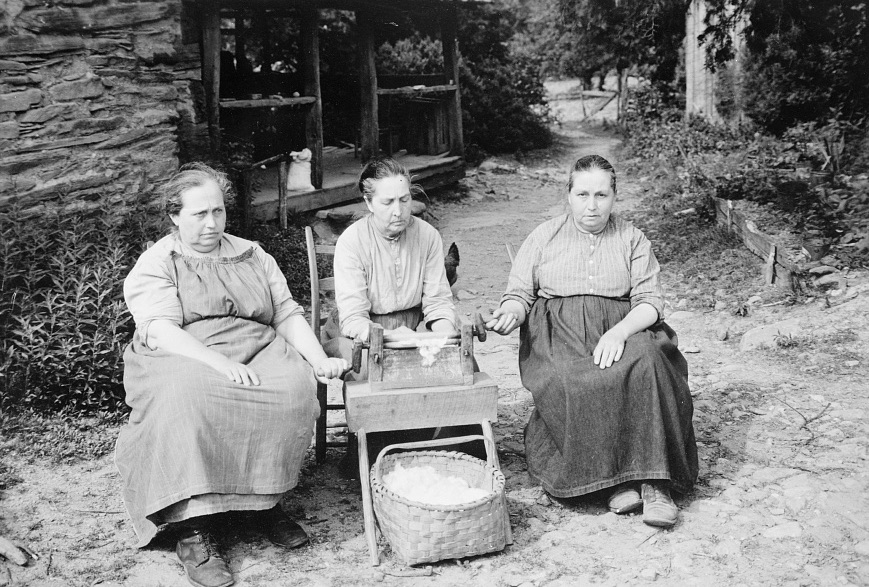
Three Walker sisters ginning cotton. Misses Hettie, Martha and Louisa are from left to right. The photograph was taken on May 21, 1936 is one of five photographs in the album, ‘A Sketch of Mountain Life: Great Smoky Mountains National Park’, compiled by Edouard E. Exline and C.S. Grossman.
Image via LOC, no known restrictions
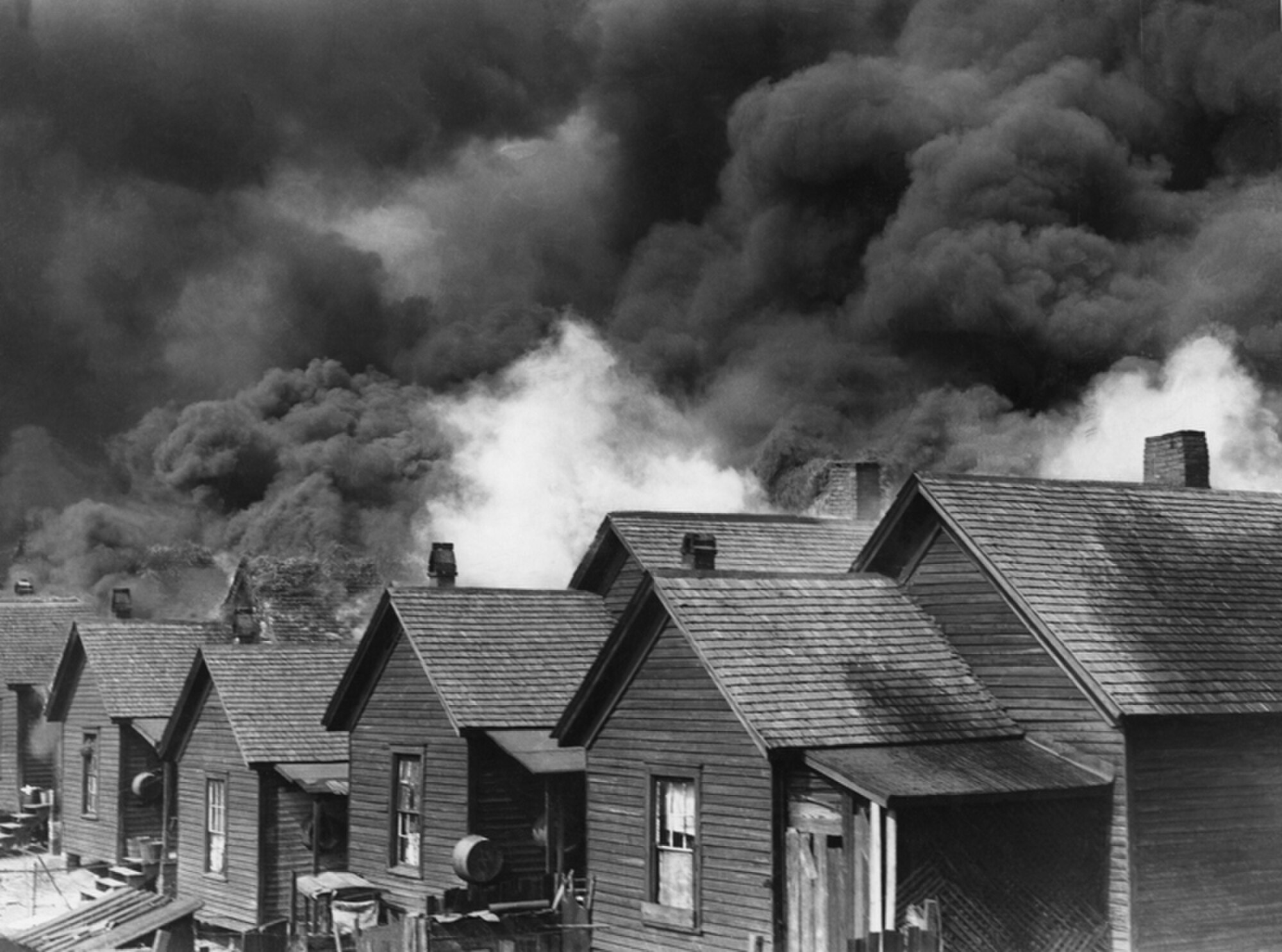
On May 21, 1917, a fire destroyed nearly two thousand structures in Atlanta, Georgia.
Fire departments from other cities in Georgia as well as Tennessee were called to battle the inferno.
Image: the Great Atlanta fire of 1917 raging in Atlanta, Georgia, public domain
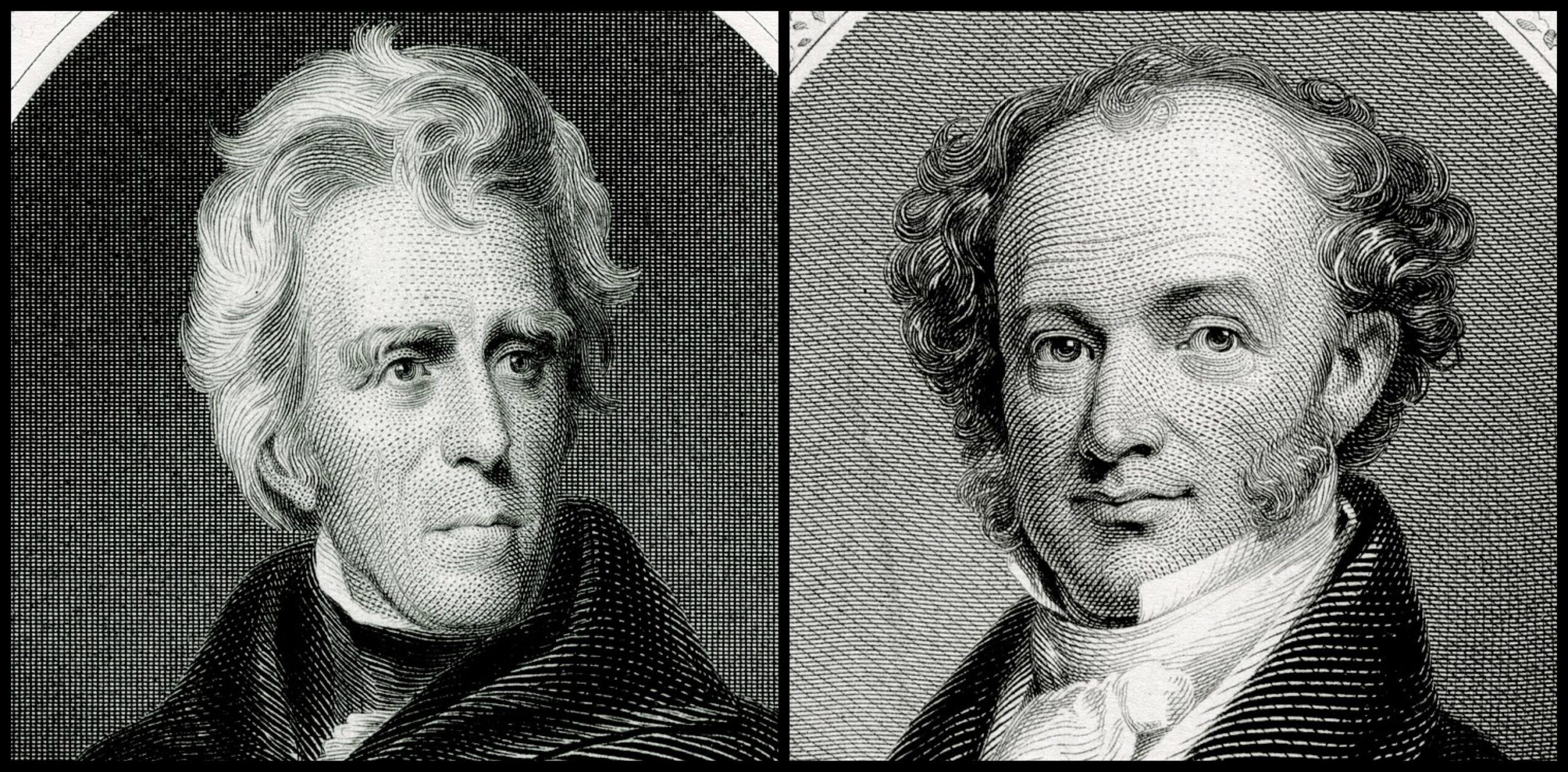
The first Democratic National Convention began on May 21, 1832.
The party nominated Andrew Jackson for President for a second term and Martin Van Buren for Vice President.
Images via Wikimedia Commons,
public domain
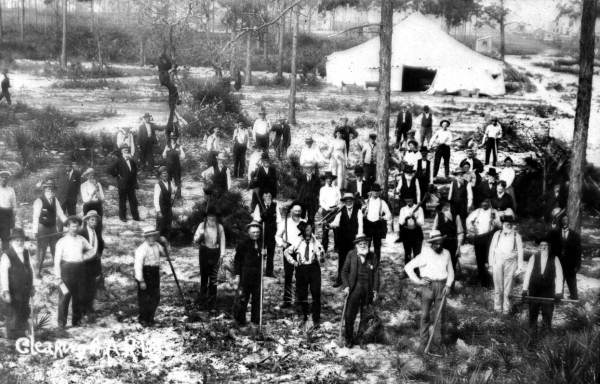
On May 21, 1909, Union Civil War veteran Albert Hantsch from Chicago arrived in St. Cloud, Florida and pitched his tent before his new home was built.
Albert is considered to be one of the first residents of the veterans colony for The Grand Army of The Republic that was established in St. Cloud, Florida.
Image: Clearing land for G.A.R. Building – St. Cloud, Florida in 1909 via Florida Memory, public domain

Wilmington, Delaware: Joseph Severio. Peanut vendor. 11 years of age. Pushing cart 2 years. Out after midnight on May 21, 1910. Ordinarily works 6 hours per day. Works of own volition. Don’t smoke. All earnings go to father.
via Wikimedia Commons, public domain
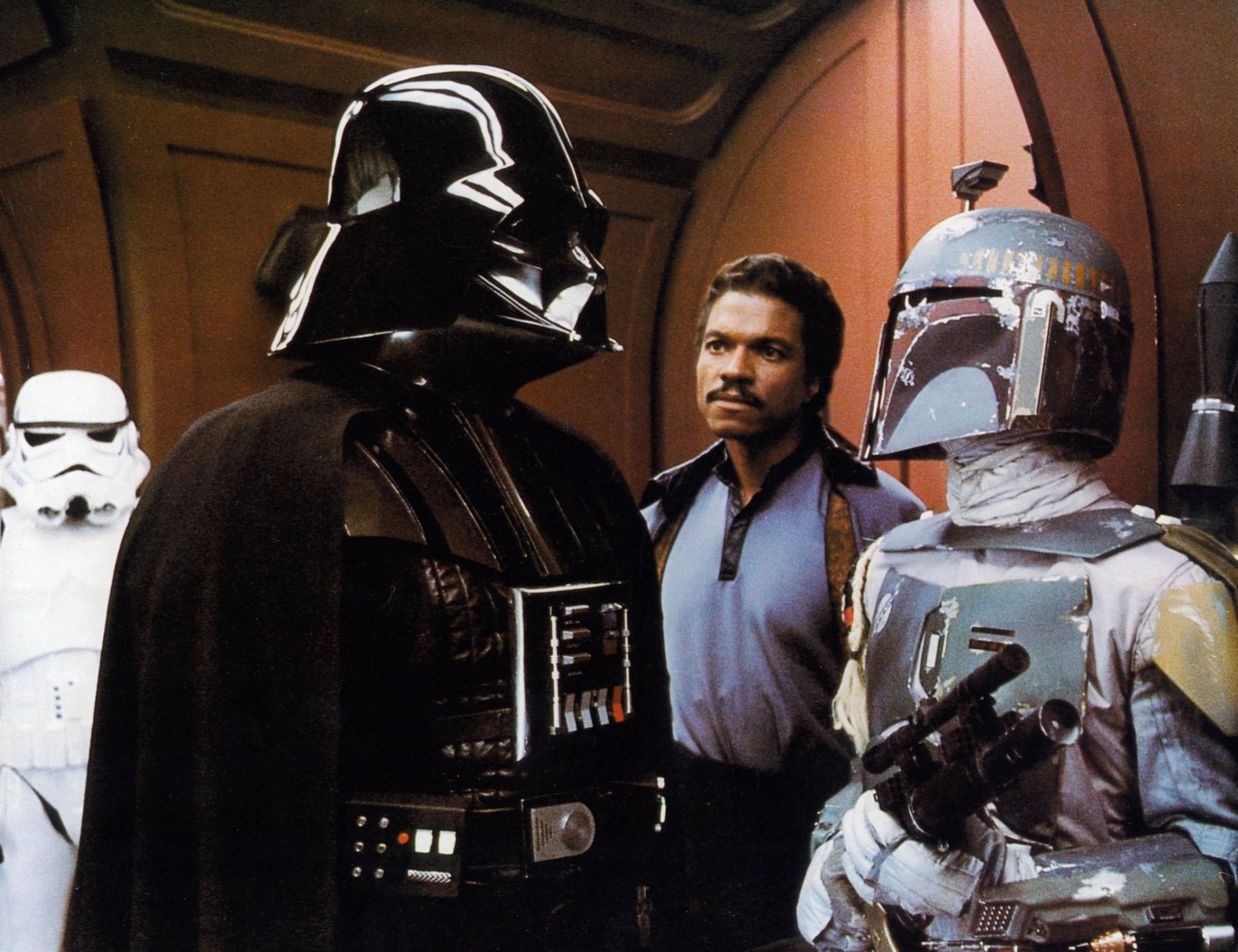
On May 21, 1980, The Empire Strikes Back, was released in the U.S.
The film was the highest-grossing movie of the year.
Image via Alamy
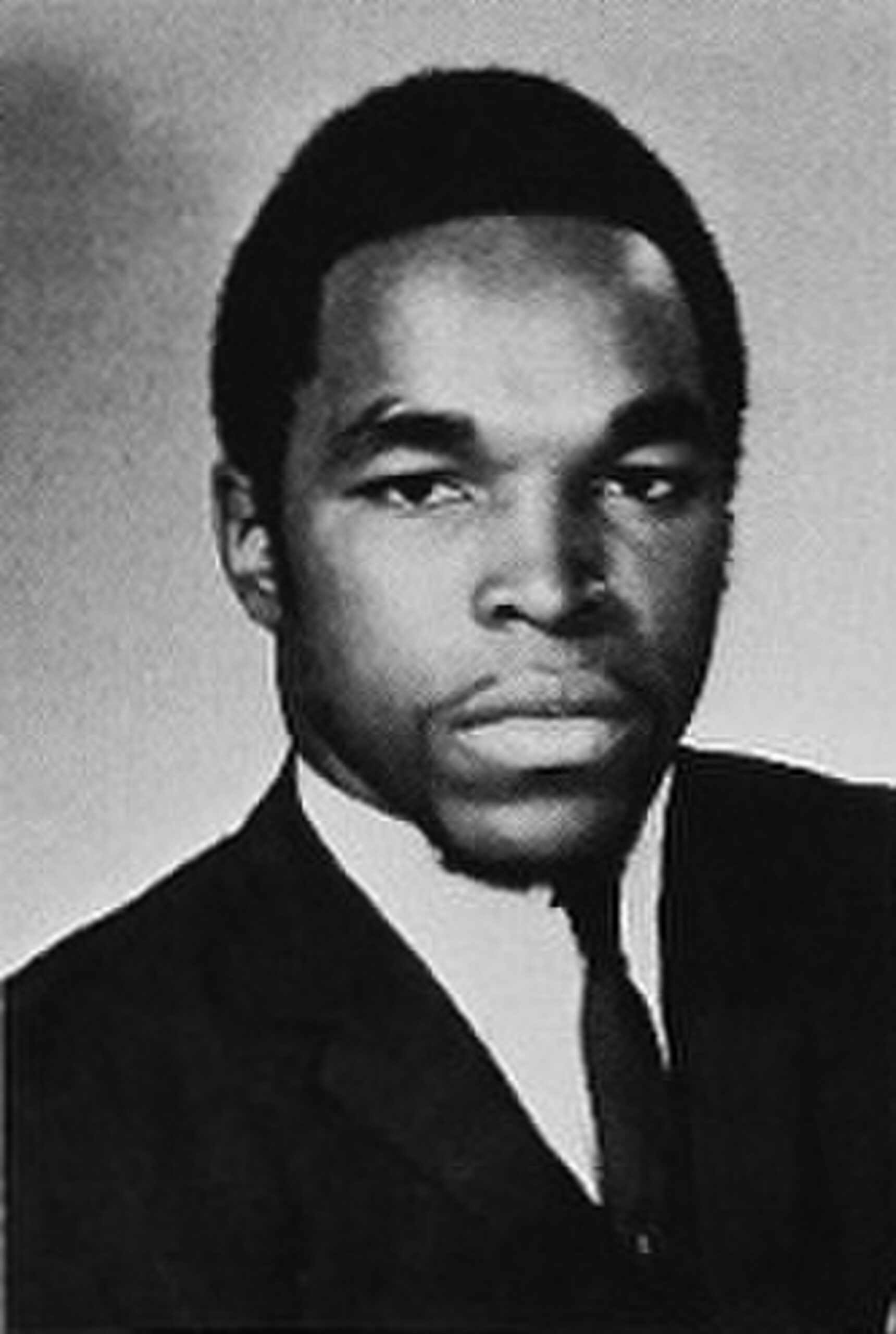
Laurence Tureaud also known as Mr. T. was born on May 21, 1952 in Chicago, Illinois.
Image of Laurence in 1970 via Wikimedia Commons, public domain

On May 21, 1999, Susan Lucci finally won her first Daytime Emmy after being nominated 18 times prior beginning in 1978.
Image via Alamy
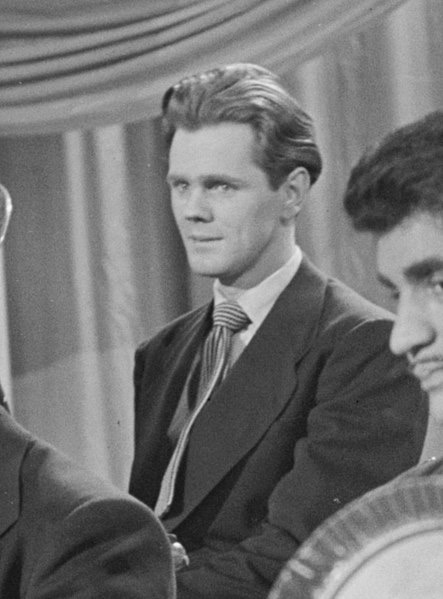
If you’re seeing the term “jazz tubist” for the very first time, thank musician Bill Barber, born May 21, 1920. A graduate of Juilliard and a veteran of a WW2 army band, Bill went from playing tuba in big bands to recording in a modern jazz style, working with Miles Davis, John Coltrane, and Art Blakey.
Image from William Gottlieb collection, LOC via Wikimedia Commons, public domain in the US.
