
Anchoring North Carolina’s Revolutionary Memory
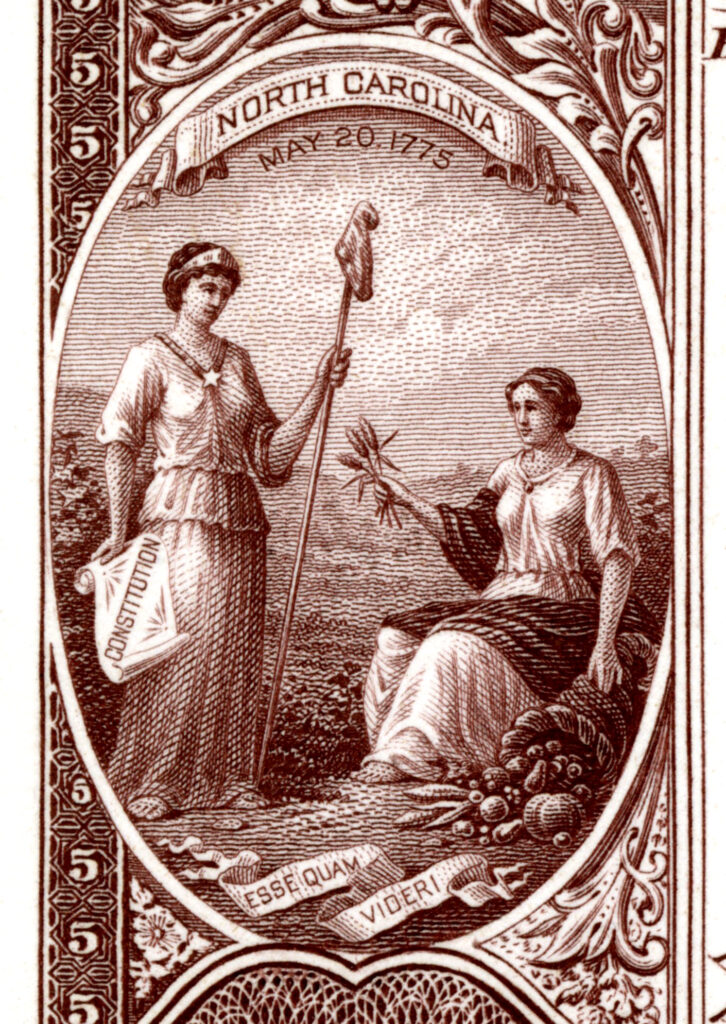
North Carolina’s state seal preserves the moment when North Carolinians first celebrated their role as ‘First in Freedom,’ anchoring state memory in the Revolutionary fervor of the backcountry. At the top of the seal sits the date May 20, 1775, commemorating the Mecklenburg Declaration of Independence—an early, locally remembered claim that citizens around Charlotte renounced British authority a year before Congress acted. Though modern historians debate the document’s authenticity, the tradition became central to the state’s identity by the 1820s.
In the center of the seal, the allegorical figures of Liberty and Plenty reinforce this proud narrative. Standing on the left, Liberty holds a pole topped with a liberty cap and a scroll inscribed with the “Constitution,” representing political freedom and the rule of law. Seated on the right, Plenty holds three heads of grain and an overflowing cornucopia, symbolizing a people sustaining themselves through their own labor and local agriculture. Together, these symbols depict a self-governing society thriving in economic independence. Wrapping around the base is the state motto, Esse Quam Videri (“To Be Rather Than to Seem”), cementing a historic identity rooted in genuine action rather than mere appearance.

The Administration of Justice Act
On May 20, 1774, the British Parliament passed the Administration of Justice Act, allowing royal officials accused of capital crimes in Massachusetts to face trial in other colonies or Great Britain. Fearing this would grant the accused total immunity, furious colonists branded it the “Murder Act.” Ironically, this law was entirely unnecessary, as royal soldiers involved in the famous Boston Massacre had already received a remarkably fair trial and an adequate legal defense right in Boston.
Image: “The Bostonians in Distress,” a satirical drawing of the plight of the citizens of Boston, Massachusetts, during the closing of the Port of Boston in 1774 which was another Intolerable Act passed earlier that spring via Wikimedia Commons, public domain
Jimmy Stewart
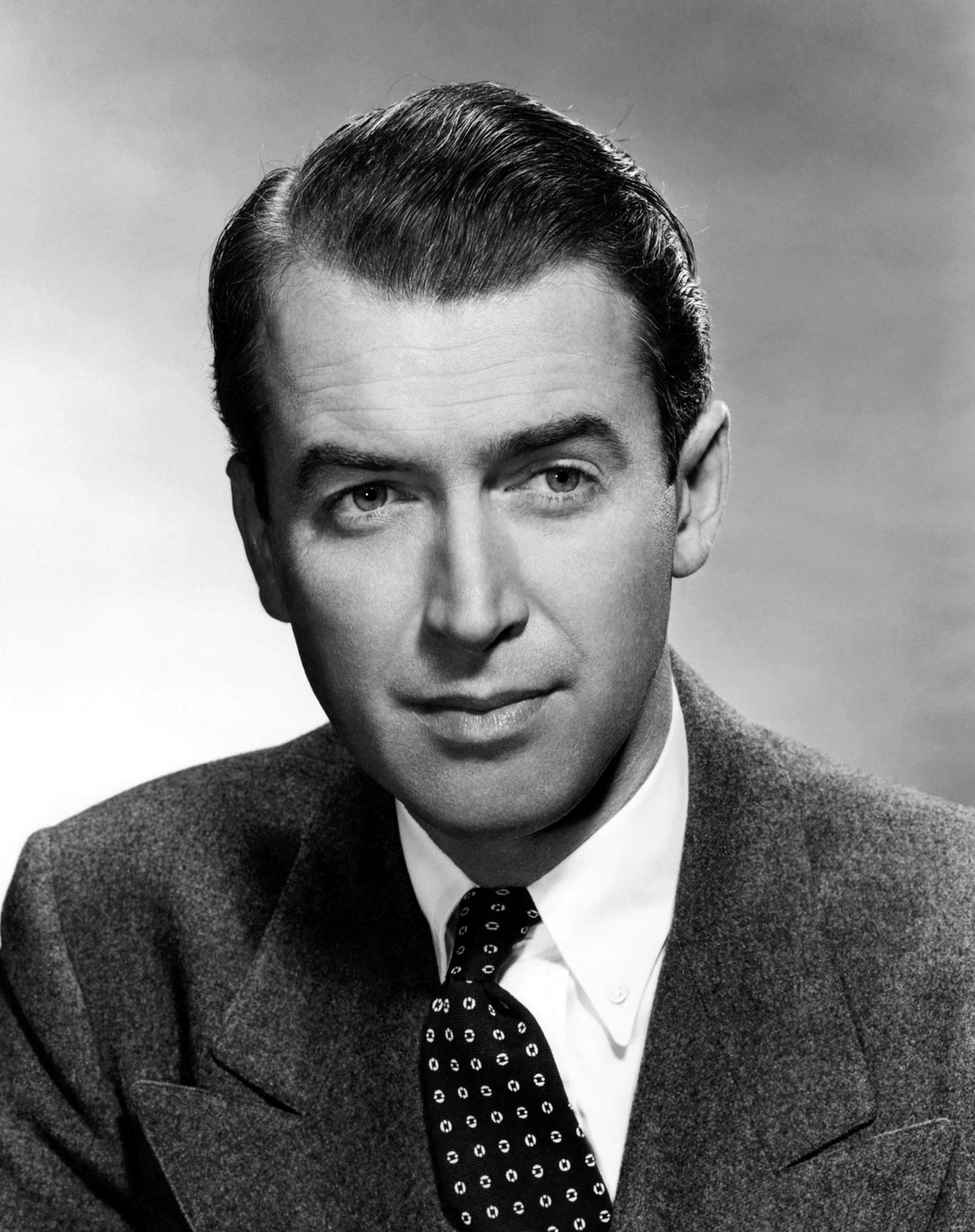
Acclaimed actor and military pilot Jimmy Stewart was born on May 20, 1908, in Indiana, Pennsylvania. He developed a lifelong love for the accordion as a child after a customer used one to pay a debt at his father’s hardware store. While he played the instrument throughout his life, his musical career hit a hilarious roadblock when he was fired from a summer theater troupe’s restaurant because management complained his accordion playing was spoiling the patrons’ appetites.
Image via Wikimedia Commons, public domain

Thomas Jefferson Park Farm Garden
On May 20, 1911, the Thomas Jefferson Park farm garden opened in New York City, providing city kids with over 1,000 small plots to grow flowers and fresh vegetables. Originally designed to offer a healthy, educational escape for young tenement laborers, the garden was so popular that it ran two complete growing cycles every single summer to accommodate the massive waiting lists of eager children
Image via Wikimedia Commons, public domain
William Thornton
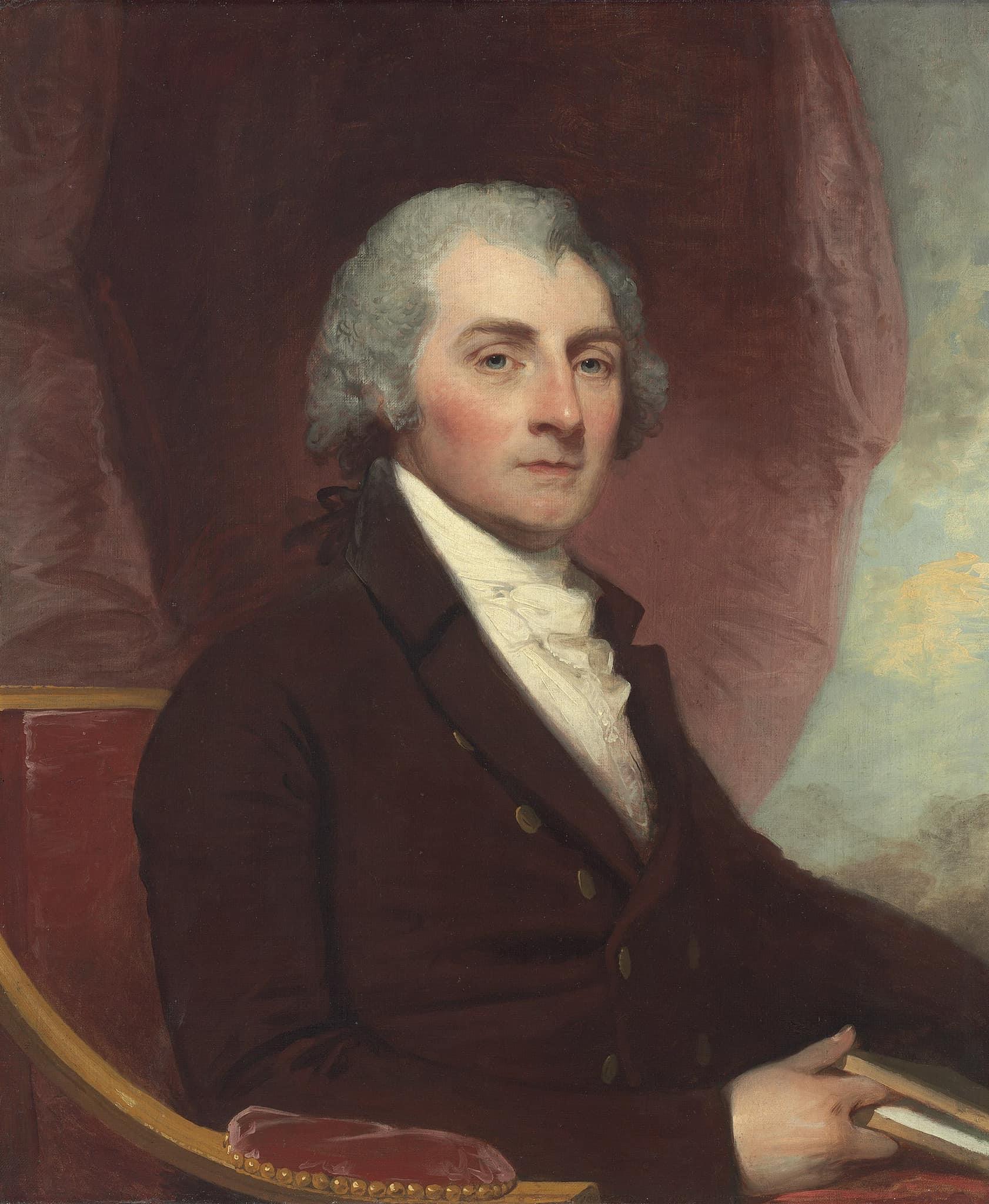
William Thornton, the first Architect of the United States Capitol, was born on May 20, 1759, in the British Virgin Islands. Though he is immortalized for designing America’s seat of government, Thornton was actually a trained physician with absolutely no formal education in architecture. He won the national design competition, beating out professional architects, simply by reading a few library books and sketching his ideas over a couple of days.
Image via Wikimedia Commons, public domain
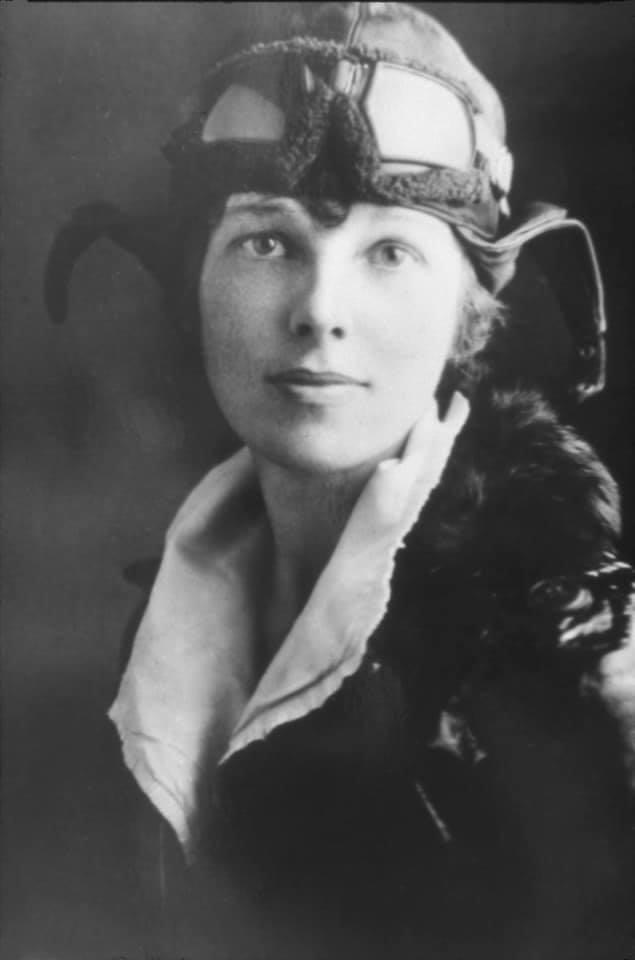
Amelia Earhart
On May 20, 1932, trailblazing aviator Amelia Earhart took off on her historic solo nonstop flight across the Atlantic Ocean, eventually touching down safely in Northern Ireland. Her journey was plagued by danger, including a terrifying mechanical failure when her altimeter broke, leaving her flying completely blind without knowing how close she was to crashing into the ocean waves below.
Image: Amelia in the 1930s, public domain
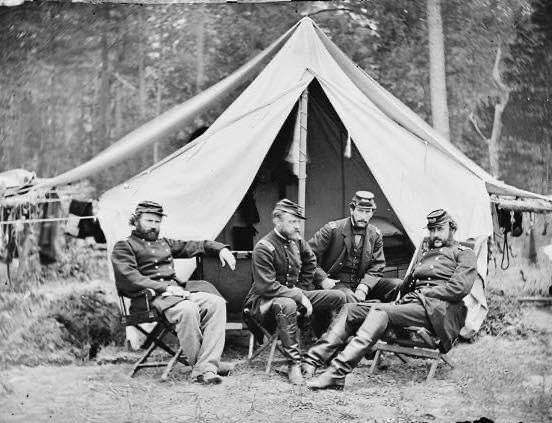
General McClellan’s Staff Portrait
On May 20, 1862, photographer James F. Gibson captured a portrait of General George B. McClellan’s staff officers during the Peninsula Campaign in Virginia. While the cumbersome camera tech of the 1860s made it impossible to use photography for actual battlefield scouting or military intelligence, McClellan eagerly welcomed civilian photographers into his camps. He became one of the first commanders to actively use these posed portraits as a public relations tool, carefully distributing the images to northern newspapers to boost his personal reputation and polish his public image.
Photo by James F. Gibson via Library of Congress, no known restrictions Dated May 20, 1862
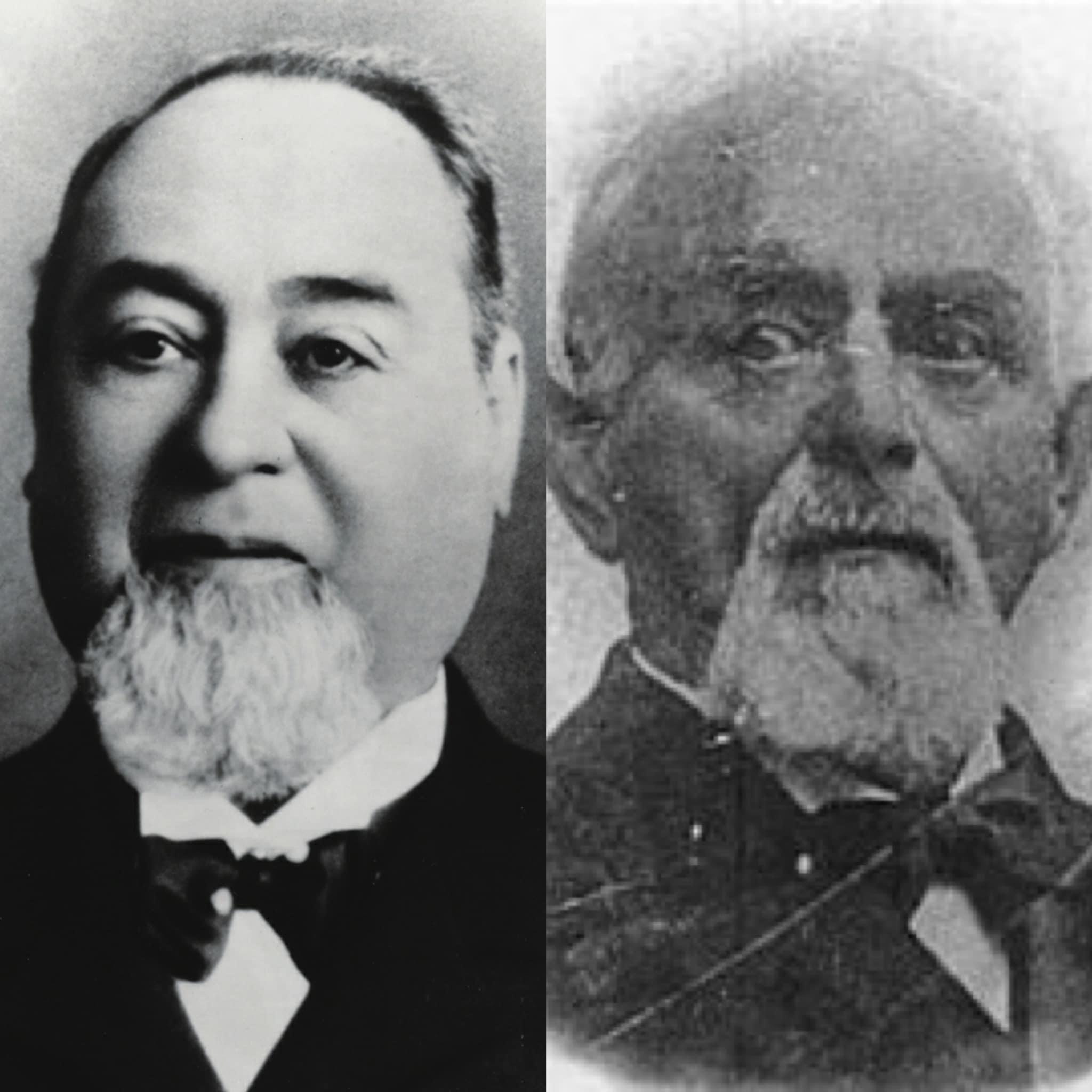
Levi Strauss and Jacob Davis
On May 20, 1873, Levi Strauss and Jacob Davis secured a patent for reinforcing denim pocket openings with copper rivets, birthing the modern blue jean. The ingenious idea actually belonged entirely to Davis, a humble tailor who was too poor to afford the sixty-eight-dollar patent fee, forcing him to partner with Strauss, his fabric supplier, to bring the iconic pants to life.
Images via Wikimedia Commons, public domain

The Kinetoscope and Eidoloscope
On May 20, 1891, Thomas Edison’s laboratory gave an early demonstration of its new motion‑picture system—a prototype of the peep‑hole Kinetoscope that was still so secretive employees were bound by strict non‑compete agreements. One of them, Eugene Lauste (shown), left the company the next year and ignored those restrictions entirely. Exactly four years later, on May 20, 1895, he helped launch the world’s first commercial projected movie screening using the rival Eidoloscope. The landmark event took place in a small Broadway storefront, where paying customers watched a four‑minute boxing match flicker across a screen—ushering in the age of public motion‑picture projection.
Image via Wikimedia Commons, public domain

United Shoe Machinery Company
On May 20, 1913, the United States Department of Justice targeted the United Shoe Machinery Company with an antitrust lawsuit, beginning a legal saga that lasted until a forced divestiture decades later. While the company dominated the shoemaking world, its precision engineering departments were so highly valued that the government secretly pivoted them to manufacture heavy artillery weaponry during World War I.
Image via Wikimedia Commons, public domain
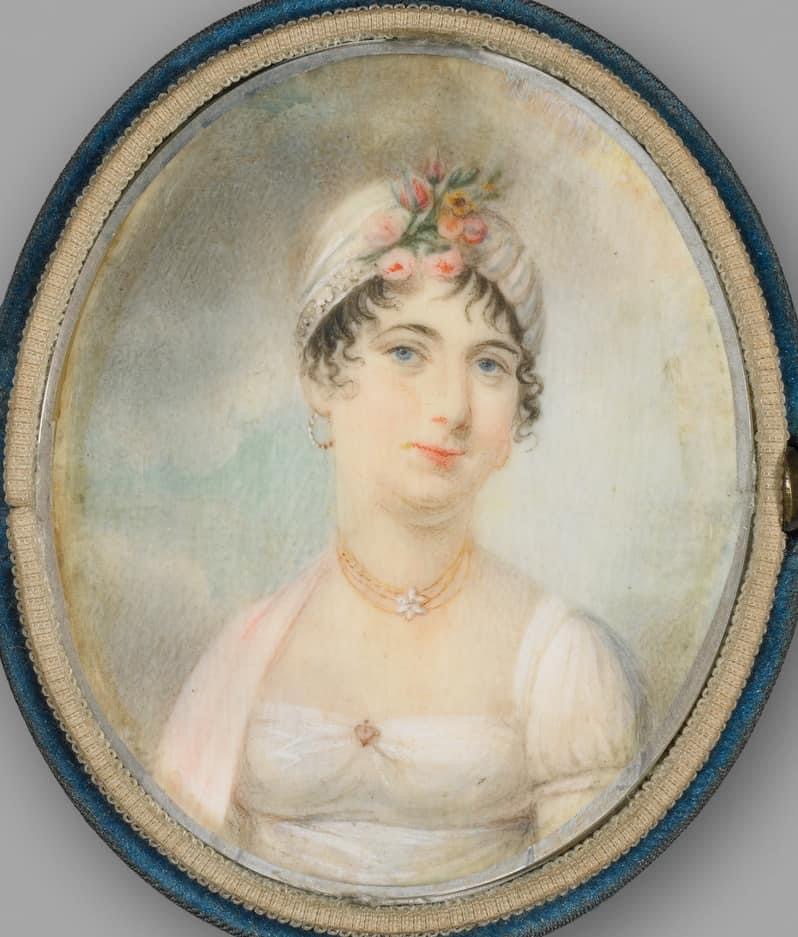
Dolley Madison
First Lady Dolley Madison was born on May 20, 1768, in North Carolina to strict Quaker parents who frowned upon flashiness. To get around her family’s strict religious rules against vanity, her grandmother would secretly gift her shiny, antique jewelry, which young Dolley hid inside a small cloth bag sewn underneath her dress so her parents wouldn’t see.
Image: Dolley Madison c. 1805-1810 via Wikimedia Commons, public domain
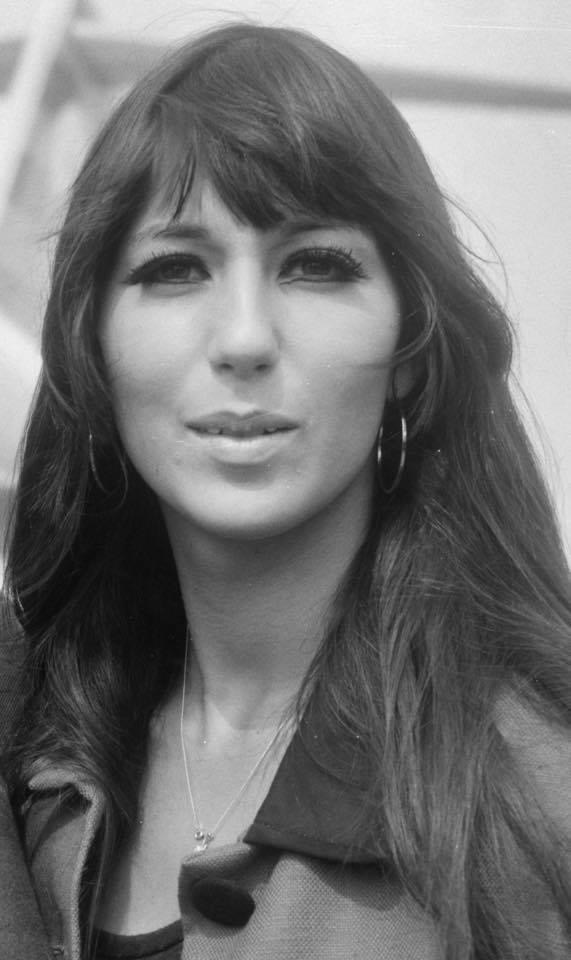
Cher
Goddess of Pop Cher was born Cherilyn Sarkisian on May 20, 1946, in El Centro, California. Long before she became a global music icon and fashion trailblazer, she began building the philanthropic legacy she’s known for today—supporting children with craniofacial conditions, advocating for HIV/AIDS awareness, championing veterans, and even helping rescue endangered animals around the world.
Image: Cher at 20 in 1966 via Wikimedia Commons, public domain
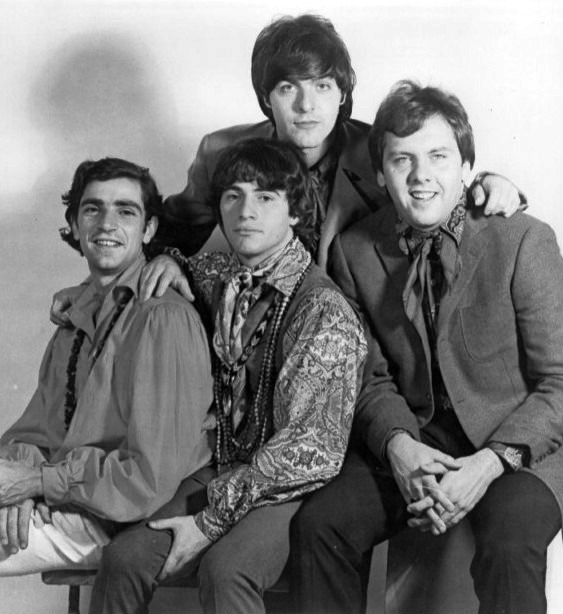
The Young Rascals
The Young Rascals climbed to the top of the American music charts on May 20, 1967, with their hit song “Groovin’.” The soulful track achieved a rare and unusual chart feat by hitting the number-one spot, getting knocked down to number two for a couple of weeks by Aretha Franklin’s legendary anthem “Respect,” and then climbing back up to reclaim the crown.
Image of The Rascals in 1969 via Wikimedia Commons, public domain
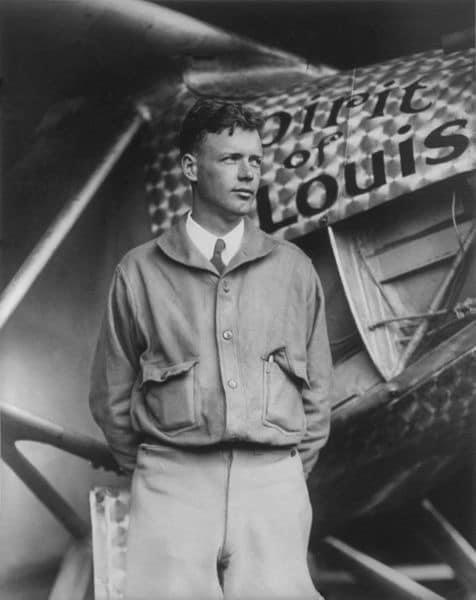
Charles Lindbergh
At 7:40 AM on May 20, 1927, Charles Lindbergh steered the “Spirit of St. Louis” off a muddy New York runway to begin the first solo transatlantic flight in history. To maximize fuel efficiency and save precious weight for the grueling trip, Lindbergh made the radical decision to leave behind a heavy radio, parachutes, and even a front windshield, meaning he had to navigate using a small periscope.
Image via LOC via Wikimedia Commons, public domain in the US
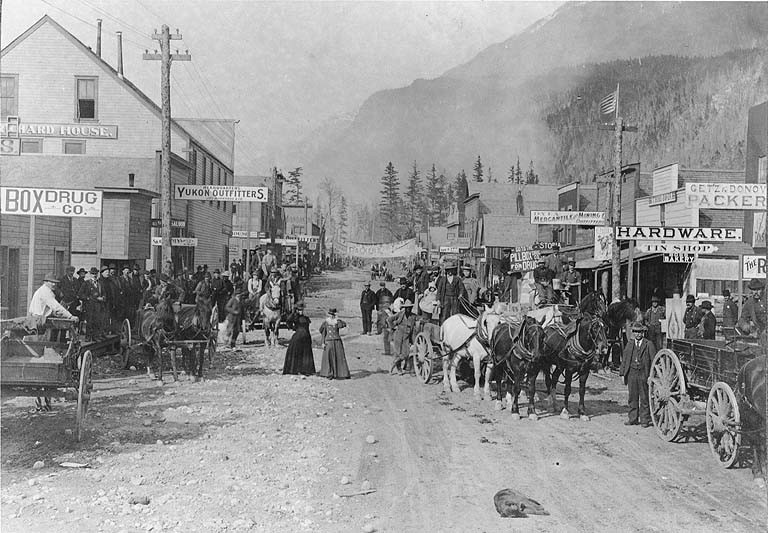
Broadway in Skagway, Alaska
A historic photograph captured the bustling scene on Broadway in Skagway, Alaska, on May 20, 1898, during the height of the Klondike Gold Rush. The remote town exploded so rapidly with treasure hunters that it earned a reputation as one of the most lawless places on Earth, completely controlled by a notorious con man and gangster named “Soapy” Smith.
Image via Wikimedia Commons, public domain
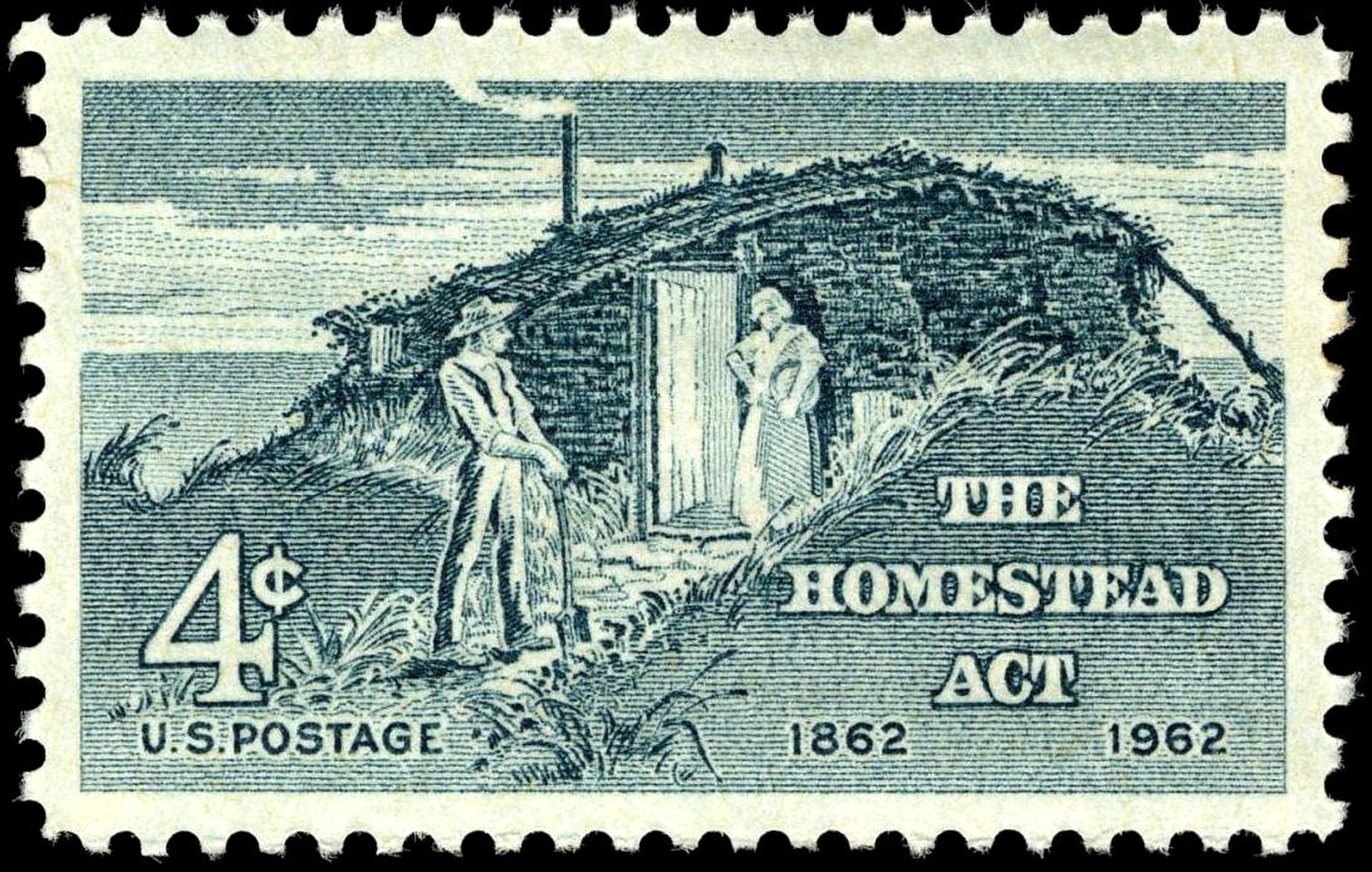
The Homestead Act Stamp
A commemorative stamp was issued in 1962 to celebrate the 100th anniversary of the Homestead Act, signed by Abraham Lincoln on May 20, 1862. While the law famously granted 160 acres of public land to eager settlers, it also sparked a massive, unforeseen rush of single and widowed women who flooded the American West to claim millions of acres of land independently.
Image via Wikimedia Commons, public domain
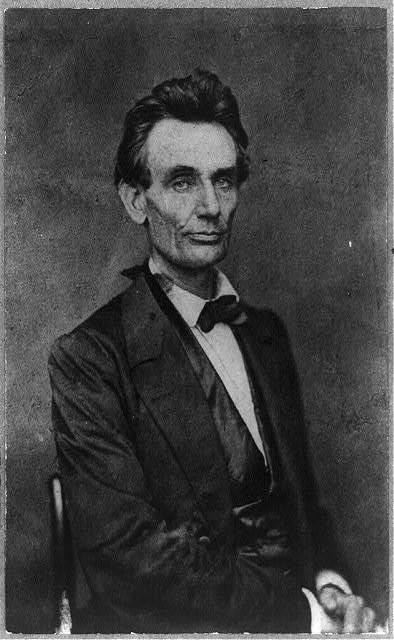
Abraham Lincoln’s Portrait
On May 20, 1860, presidential candidate Abraham Lincoln posed for a half-length photographic portrait. This specific image was captured just two days after he officially clinched the Republican presidential nomination, capturing a rare glimpse of a clean-shaven Lincoln before a letter from an eleven-year-old girl convinced him to grow his iconic beard.
Image via Wikimedia Commons, public domain
