The Escape that Charted a Course to American Colonization
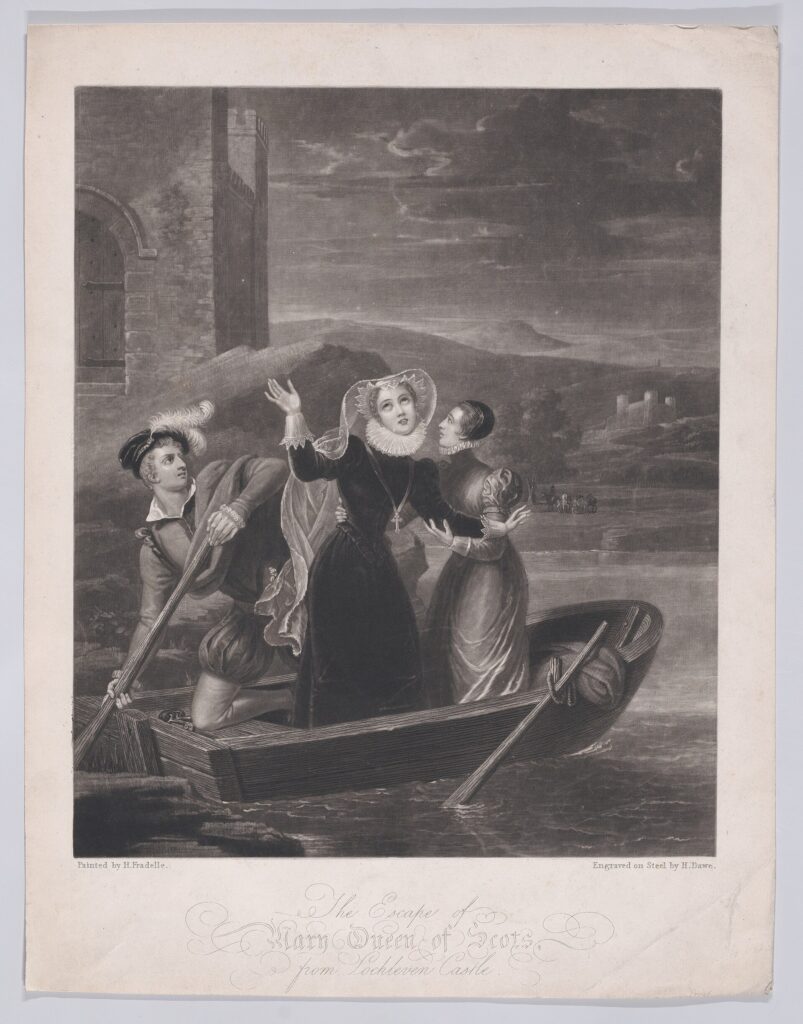
On the night of May 2, 1568, a captive queen stole the keys to Lochleven Castle—and unknowingly unlocked the future of America. Held on a tiny island fortress after being forced to abdicate in favor of her infant son, Mary, Queen of Scots made her escape when a young servant named Willie Douglas slipped the castle keys from the table during dinner and dropped them into a wine goblet. While the guards were distracted, Mary donned the disguise of a servant and reached a waiting boat on the dark waters of Loch Leven. She was rows away before the alarm was raised, and the stolen keys were famously tossed into the deep water to prevent pursuit.
She fled across the lake hoping to reclaim her throne, but her bid collapsed within weeks at the Battle of Langside. Driven south into the custody of her cousin, Elizabeth I, Mary’s defeat set the English succession in motion. It ensured her son, James VI, would be raised by Protestant regents and eventually unite the crowns of Scotland and England as James I. As the monarch who chartered Jamestown, empowered the Virginia Company, and launched England’s first permanent foothold in North America, his reign defined the colonial era.
Without that daring escape and the subsequent rise of the Stuart line in England, the opening chapter of American history may have taken an entirely different path.
The Relentless Rise of Dwayne Johnson
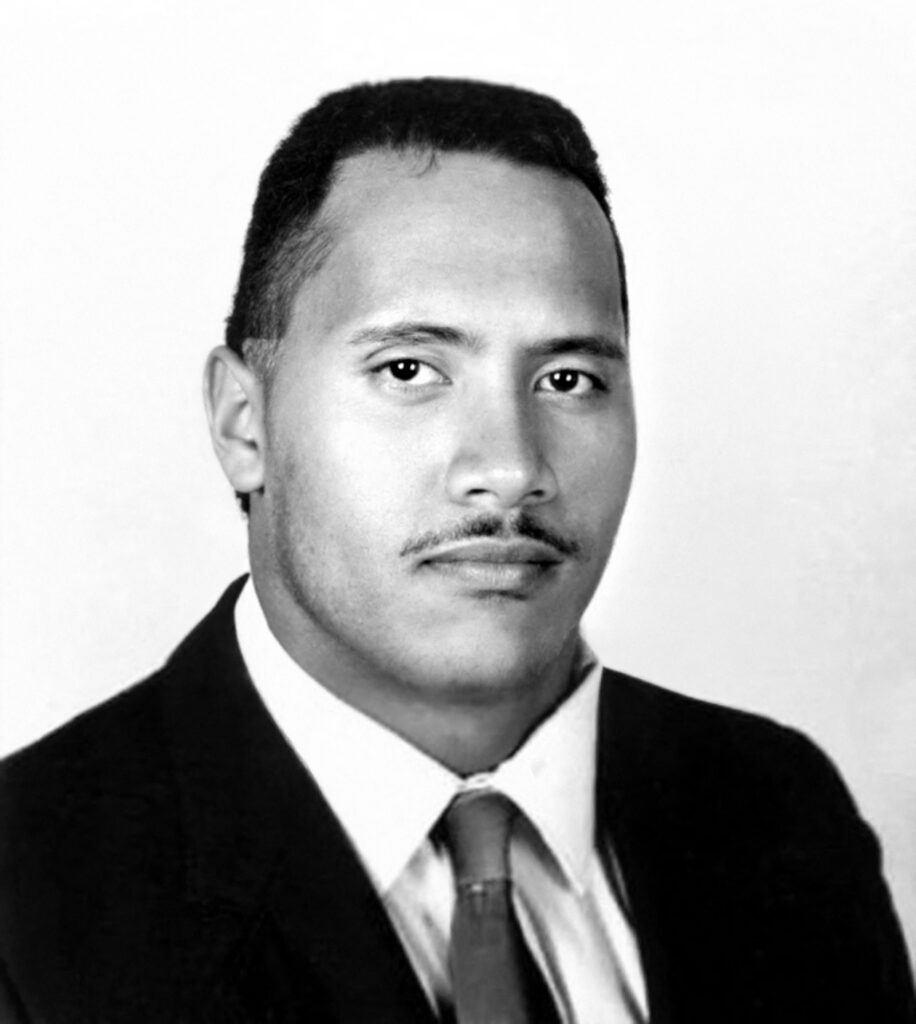
Born on May 2, 1972, in Hayward, California, Dwayne Johnson grew up in a world defined by motion—between wrestling arenas, sudden evictions, and the constant pressure of living up to a family legacy. By his teens he had been uprooted repeatedly, arrested, and forced to rebuild himself more than once. Football became his escape route, but injuries ended his career abruptly, leaving him cut from a Canadian team with just seven dollars to his name. That low point became the hinge of his story, the moment he chose reinvention over resignation.
He returned to wrestling and transformed “The Rock” into a cultural phenomenon, a performer who could command an arena with a single look. But he refused to let that be the ceiling. Johnson studied film sets, learned the business behind the camera, and pushed Hollywood to make room for a new kind of leading man. Today he stands as a global figure—actor, producer, entrepreneur—proof that momentum isn’t inherited. It’s engineered.
Image of Dwayne Johnson c. 1989 via Alamy
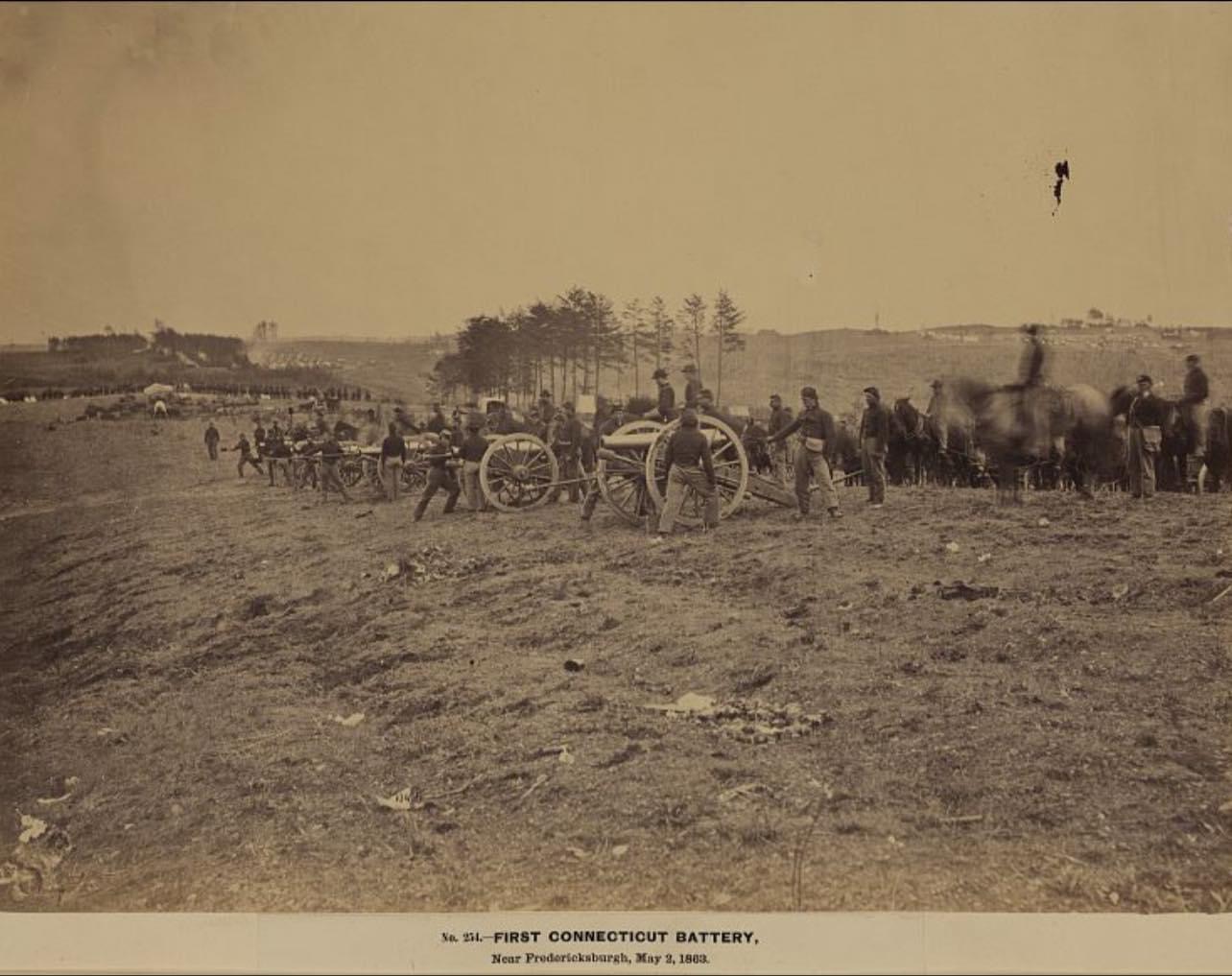
A Glimpse of the Civil War Artillery
On May 2, 1863, an Andrew J. Russell photograph captured the First Connecticut Battery near Fredericksburg. This image is a rare look at the massive Parrott rifles used during the conflict. Interestingly, period photographers often mislabeled these shots in the field, leading modern historians to debate whether the men pictured were actually part of a different unit that had been caught in the photographer’s lens during the pre-battle Grand Review.
via Library of Congress, no known restrictions
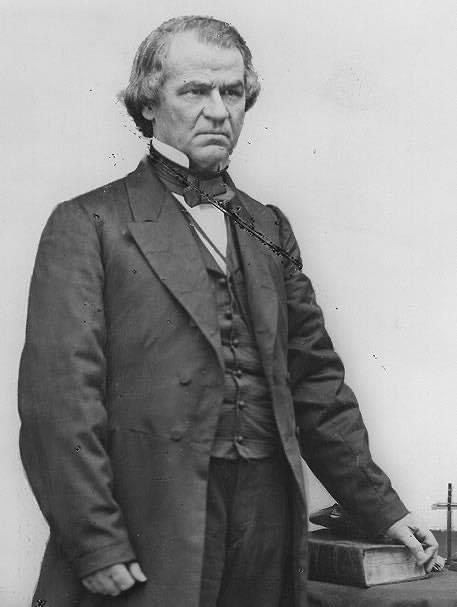
The Massive Bounty for Jefferson Davis
President Andrew Johnson issued a proclamation on May 2, 1865, offering a one hundred thousand dollar reward for the arrest of Jefferson Davis. This bounty, worth nearly two million dollars today, was the largest ever offered at the time. It was so substantial that it caused a frantic and sometimes dangerous race between competing Union cavalry units, each desperate to be the one to claim the life-changing prize.
Image: U.S. President Andrew Johnson via Wikimedia Commons, public domain
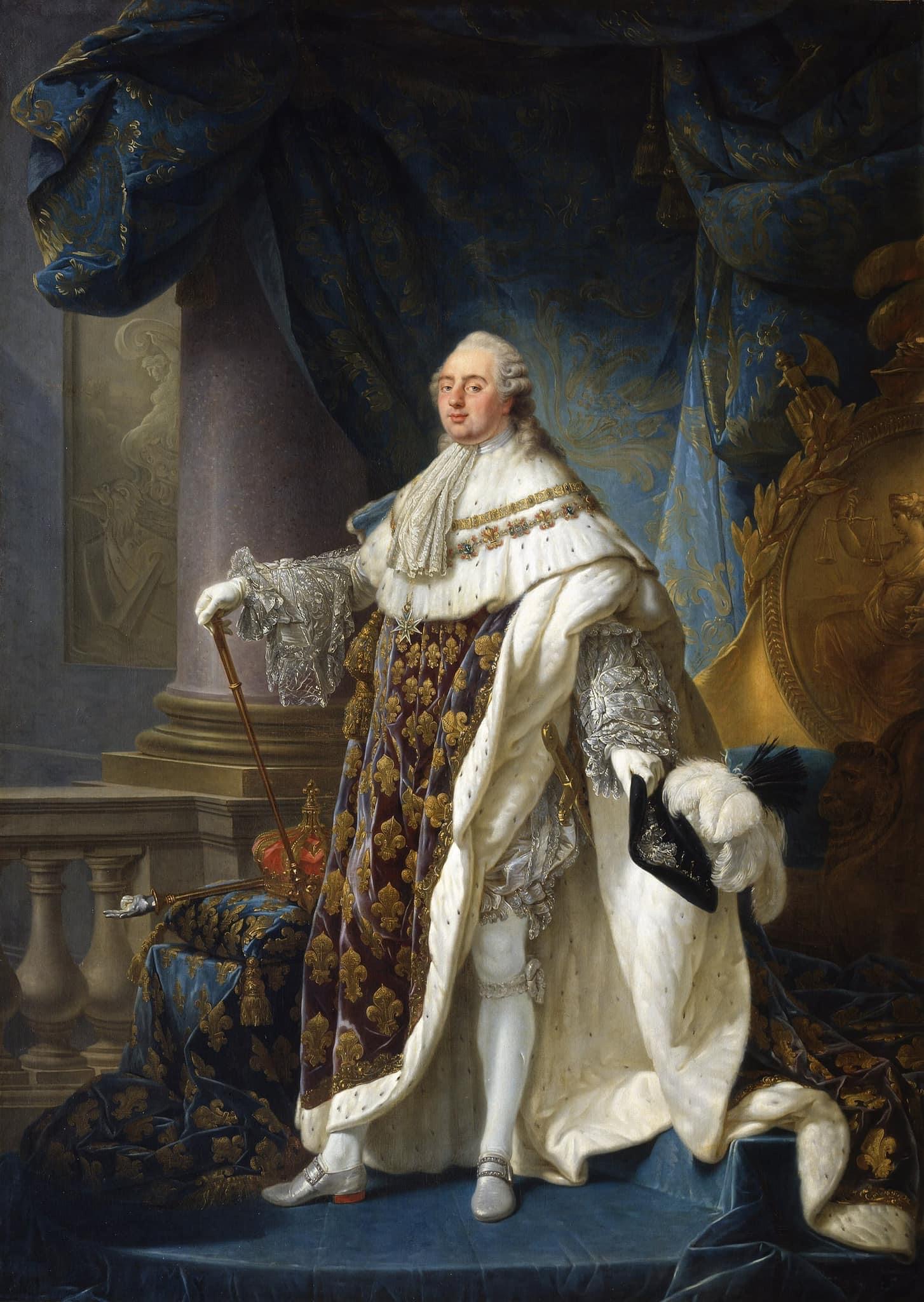
The Secret Financing of the Revolution
On May 2, 1776, King Louis XVI of France granted one million livres to support the American Revolution. To keep this aid secret from the British, the funds were funneled through a fictitious front company run by Pierre Beaumarchais, the famous playwright of The Barber of Seville. Louis supported the American fight for liberty only to be executed seventeen years later by his own people during a revolution inspired by the very ideals he helped finance.
Image of King Louis XVI of France via Wikimedia Commons, public domain
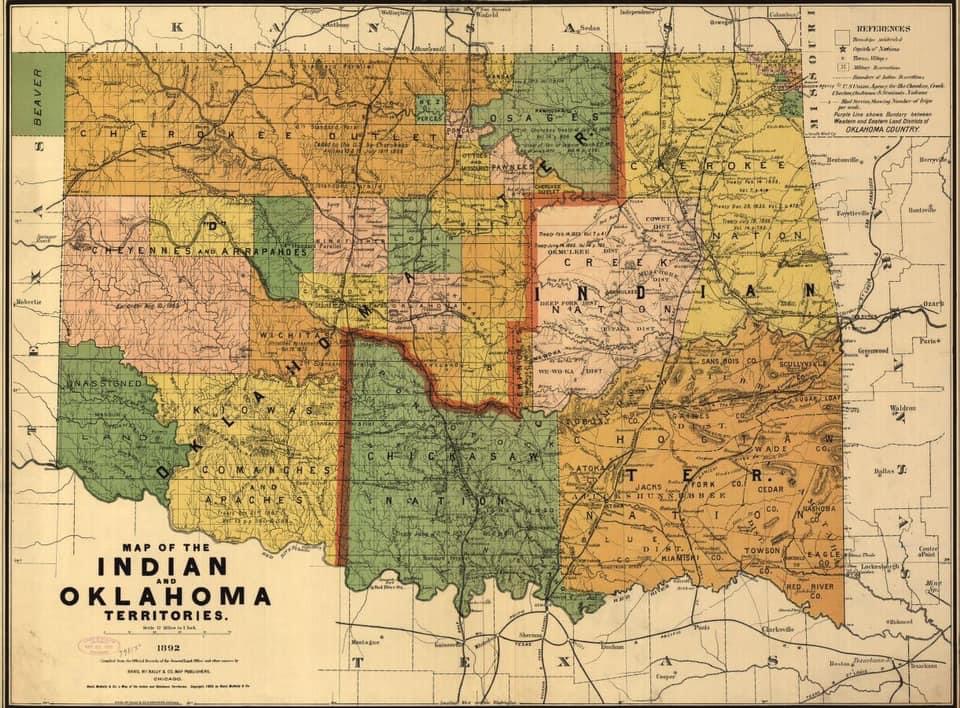
The Birth of the Oklahoma Territory
The Oklahoma Territory was officially established on May 2, 1890. This act finally brought legal structure to a region that included the panhandle, which had spent years as a literal No Man’s Land.
Because it had been outside the jurisdiction of any state or territory, the area had become a legendary refuge for outlaws who could not be prosecuted by federal or state authorities until that day, when the territory was officially established.
Image of a map of Indian and Oklahoma Territories from 1892 via Wikimedia Commons, public domain
The Brilliance of the Real McCoy
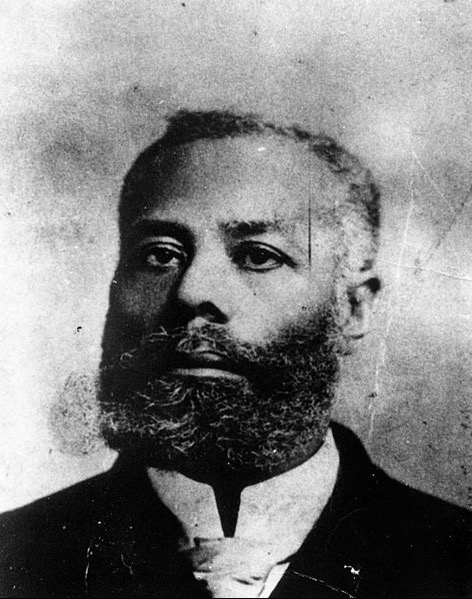
Elijah McCoy, born May 2, 1843, transformed American railroads with his automatic lubricating cup—an innovation so reliable that engineers began asking whether a machine carried “the real McCoy.” Trained in Scotland as a mechanical engineer, he returned to Michigan and took work in a rail yard, where long hours beside the engines gave him firsthand insight into the inefficiencies of manual oiling. His solution revolutionized locomotive maintenance, set a new standard for industrial machinery, and helped power the expansion of American rail travel. Over the course of his career, McCoy secured 57 patents, each one a testament to the precision and ingenuity that made his name synonymous with authenticity.
Image from Ypsilanti Historical Society, CCA-SA 4.0 International via Wikimedia Commons
Musial’s Incredible Doubleheader
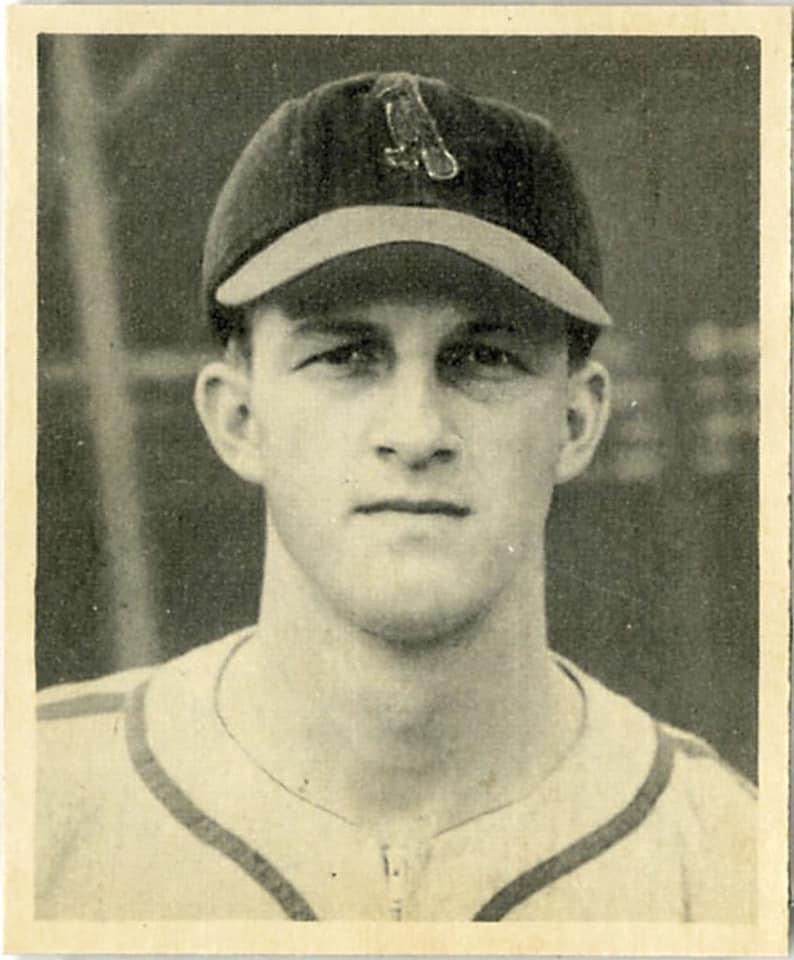
On May 2, 1954, Stan Musial made history by hitting five home runs during a single doubleheader at Busch Stadium. In an unbelievable coincidence, an eight-year-old boy named Nate Colbert was in the stands watching Musial that day. Eighteen years later, Colbert would grow up to become the only other player in Major League Baseball history to match Musial’s feat of five homers in a doubleheader.
Image of Stan Musial from 1948 via Wikimedia Commons, public domain
Jack Benny’s Radio Revolution
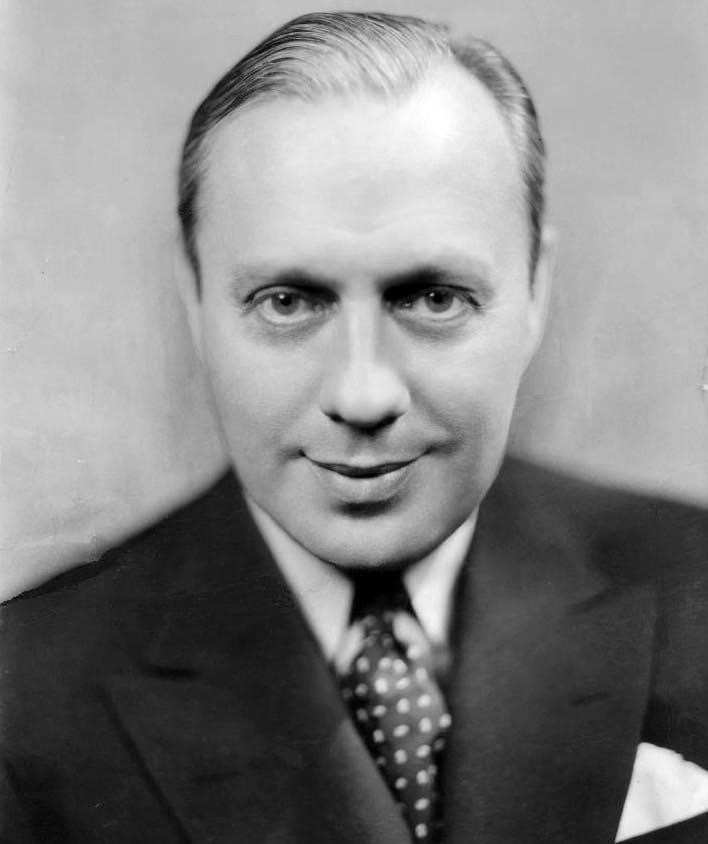
Jack Benny’s personal radio program debuted on NBC on May 2, 1932. Before this, Benny was a star of the vaudeville stage where he relied on visual gags and facial expressions. Critics were initially skeptical that his dry, pausing style would work on the radio, but he turned his silence into a comedic weapon, creating the first sitcom-style character development in broadcasting history.
Image: Jack Benny in 1933 by NBC photo via Wikimedia Commons, public domain
The High Fashion of 1868
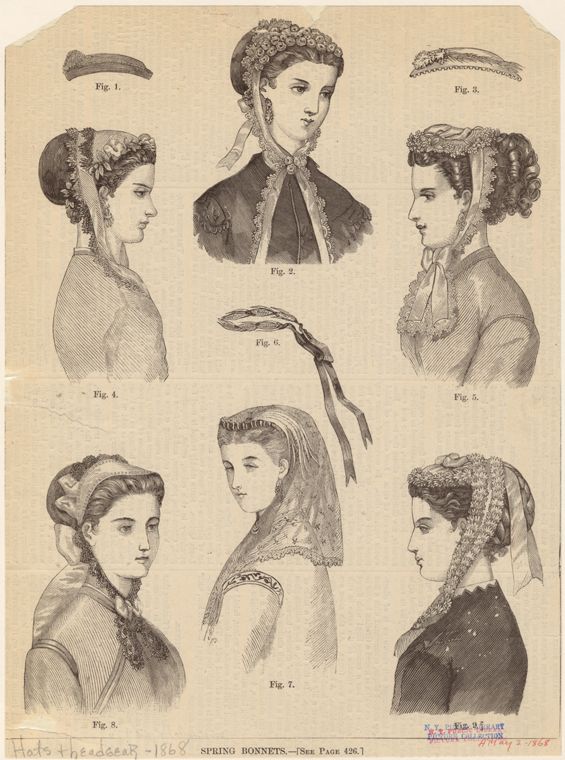
A fashion plate titled Spring Bonnets from May 2, 1868, shows the height of post-Civil War style. These bonnets were designed to accommodate the waterfall hairstyle, which required women to pile their hair into elaborate, cascading curls at the back of the head. The hats of this year were specifically noted for being much smaller than previous decades, sitting forward to show off the wearer’s complex coiffure.
Image via NYPL Digital Collections, no known restrictions
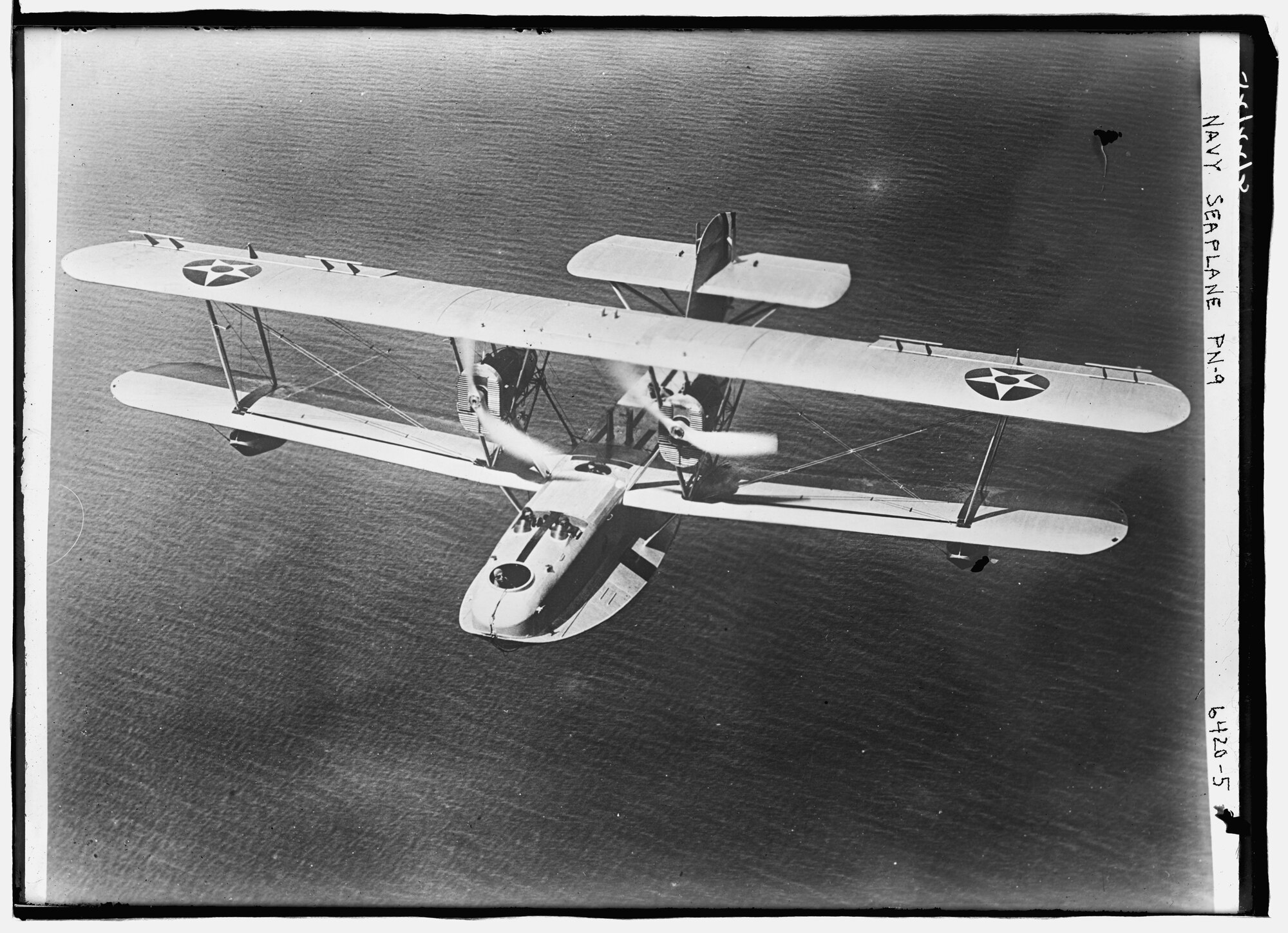
The Seaplane That Became a Sailboat
On May 2, 1925, a Navy PN-9 seaplane set an endurance record by staying in the air for over twenty-eight hours. The crew of this same model would later make headlines during a flight to Hawaii when they ran out of fuel in the middle of the Pacific. To survive, the resourceful crew stripped the fabric from the plane’s wings to sew makeshift sails, successfully sailing the aircraft across the ocean for hundreds of miles.
Image via Wikimedia Commons, public domain
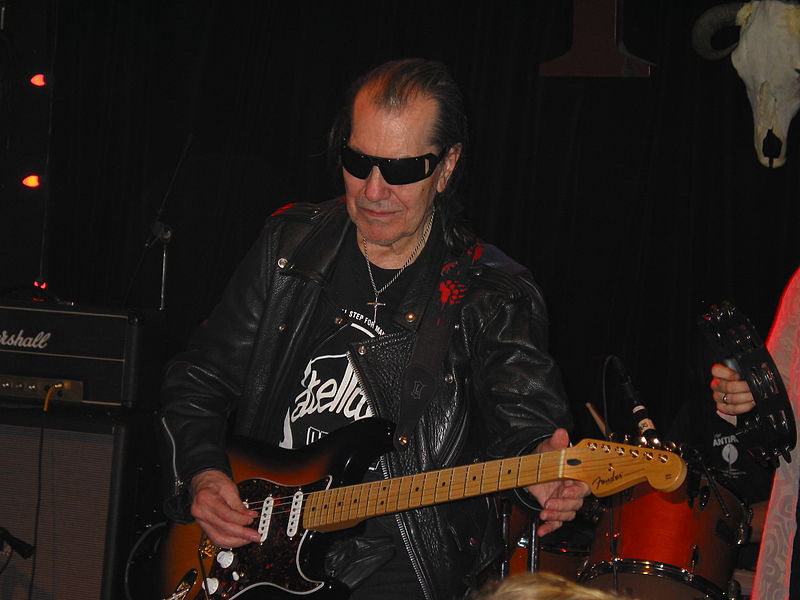
The Banned Sound of Link Wray
Born May 2, 1929, guitarist Link Wray invented the power chord and pioneered the use of distortion. To get his signature dirty sound on the 1958 hit Rumble, he actually poked holes in his amplifier speakers with a pencil. The song was so raw and aggressive that it became the first instrumental track in history to be banned from the radio because DJs feared the sound alone would cause teenagers to start gang fights.
Image by Eric Frommer via Wikimedia Commons, CCA-SA 2.0 Generic
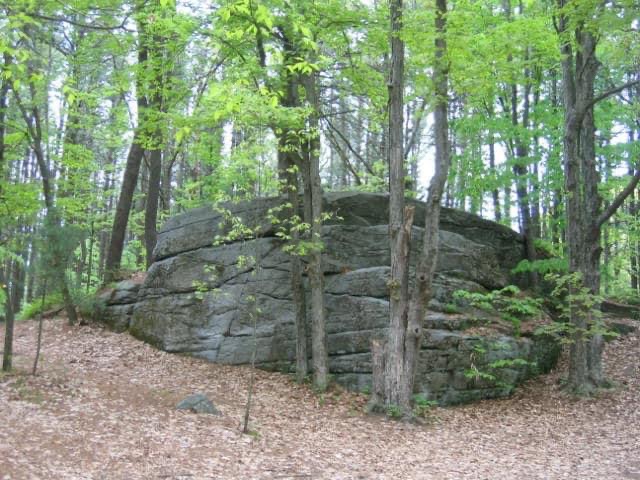
The Ransom at Redemption Rock
At Redemption Rock on May 2, 1676, a ransom was paid for the release of Mary Rowlandson. The payment consisted of twenty pounds worth of goods, including coats and household supplies. Following her release, Rowlandson wrote a memoir of her experience that became the first true American bestseller and launched an entire literary genre known as the captivity narrative, which remained popular for over two centuries.
Image via Wikipedia, CC BY SA 2.5
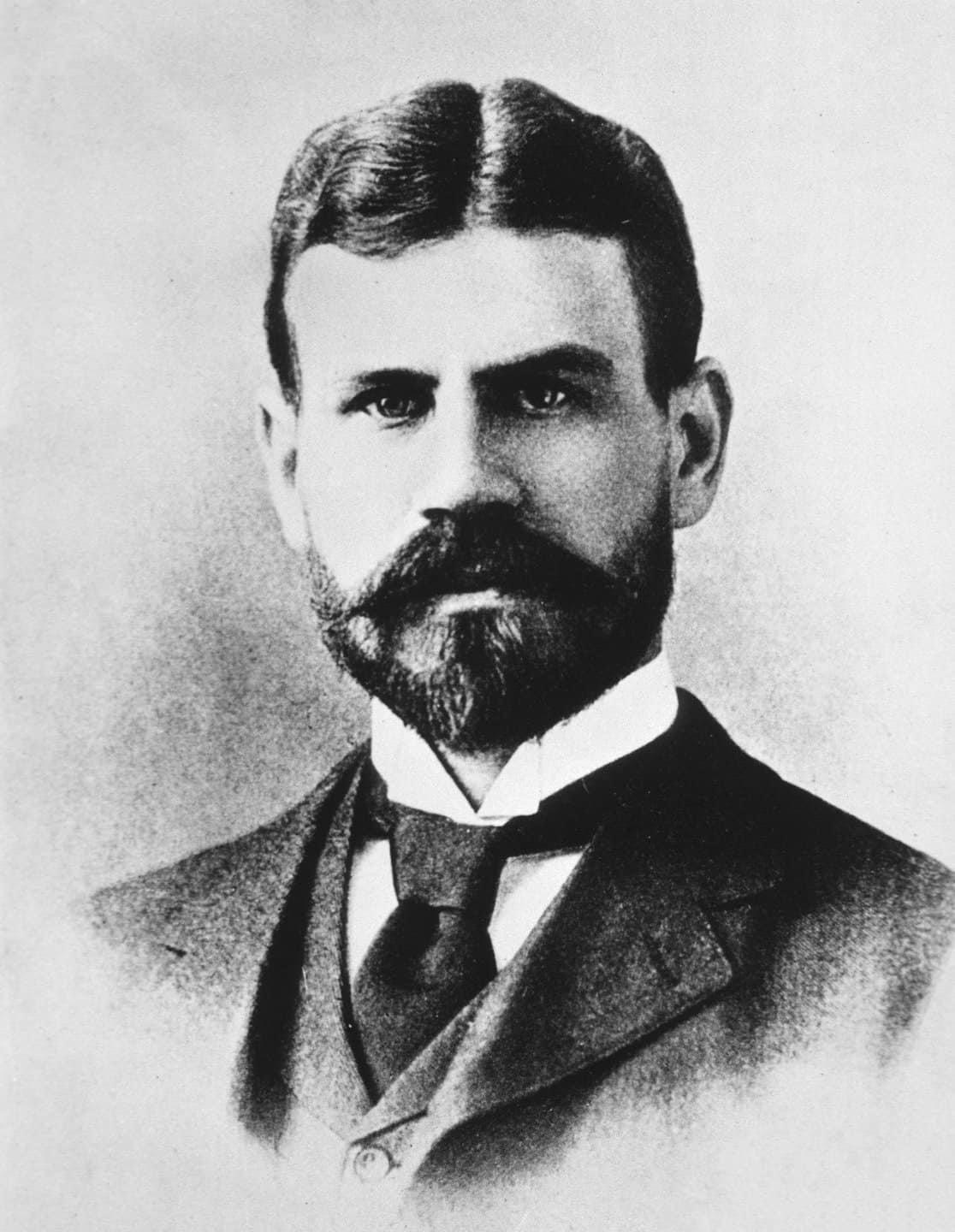
The Ultimate Sacrifice of Jesse Lazear
Physician Jesse William Lazear was born on May 2, 1866. While working in Cuba, he helped prove that yellow fever was carried by mosquitoes by allowing himself to be bitten by an infected insect. Even as he grew fatally ill, he kept a detailed medical diary of his own failing health until his final hours, providing the scientific community with the specific data needed to finally eradicate the deadly disease.
Image via Wikimedia Commons, public domain
The First Modern State Police
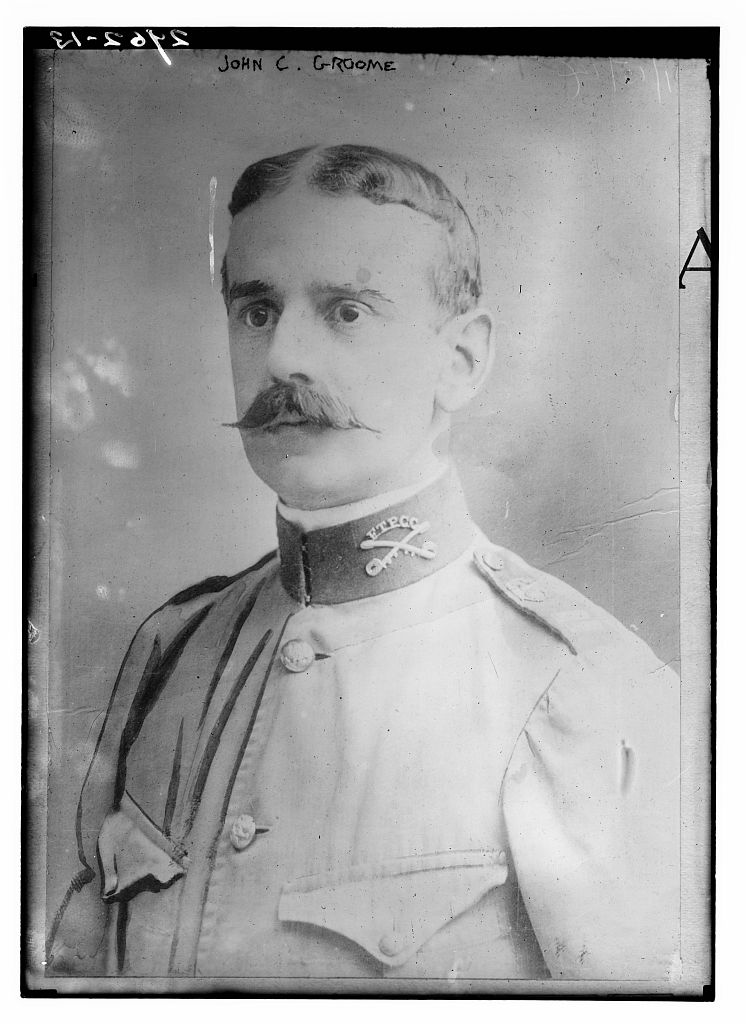
The Pennsylvania State Police was founded on May 2, 1905. It was the first force of its kind in the United States, created specifically to replace the private coal and iron police who were often viewed as biased enforcers for wealthy mine owners. The new department was modeled after the military structure of the Philippine Constabulary to ensure a level of professional neutrality that had never been seen in American law enforcement.
Image of John Charles Groome, the first Commissioner of the Pennsylvania State Police via Wikimedia Commons, public domain
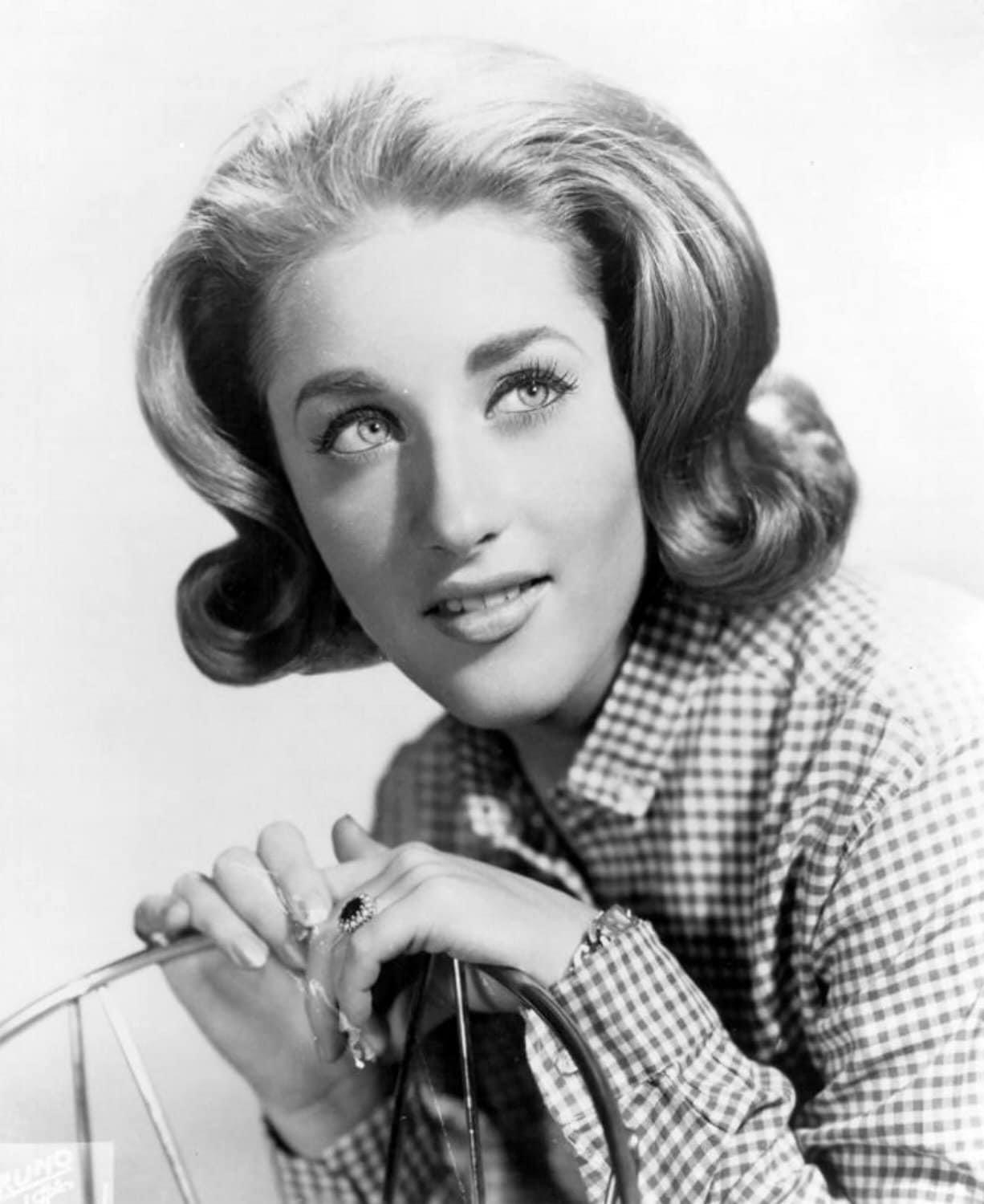
Lesley Gore was born May 2, 1946, and became a teenage sensation with her hit It’s My Party. The song was produced by a very young Quincy Jones, marking one of his first major successes in the pop world. Gore was actually still a student at a private girls’ school when the song hit number one, and she famously had to be granted special permission to leave campus to perform on television.
Image from 1964, about a year after she released her hit song “It’s My Party” from her debut studio album “I’ll Cry If I Want To” in 1963 via Alamy
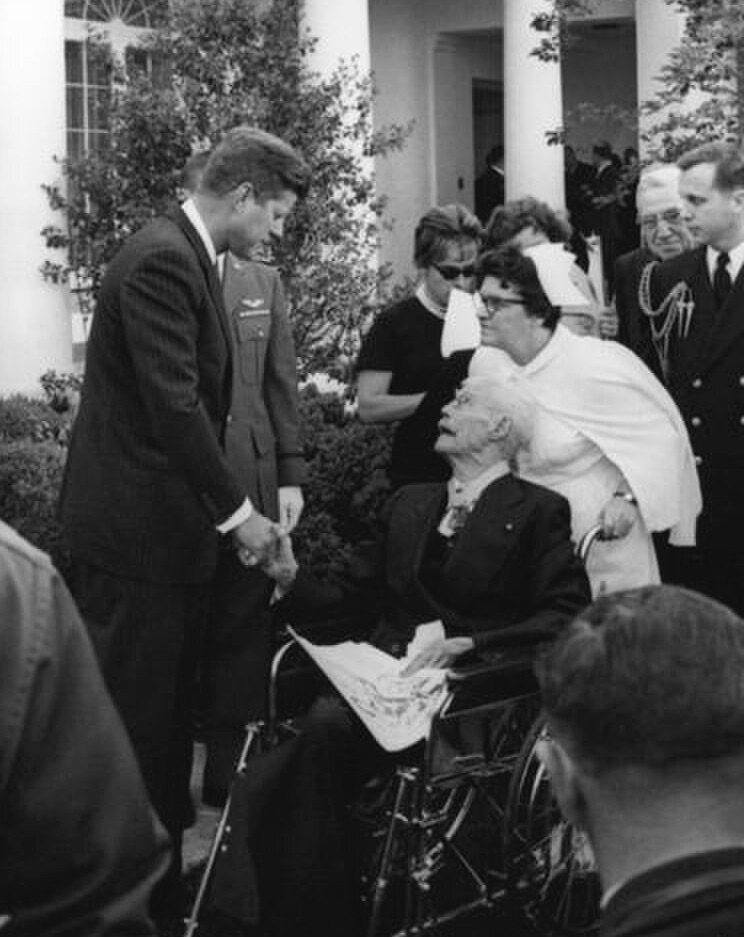
On May 2, 1963, President John F. Kennedy shook hands with retired Major General Charles E. Kilbourne during a historic reception for Medal of Honor recipients. Kilbourne was a living bridge to a bygone era of warfare, having earned the Medal of Honor in 1899 for repairing telegraph wires under heavy fire during the Philippine-American War. He was the first American in history to receive all three of the nation’s highest military distinctions: the Medal of Honor, the Distinguished Service Cross, and the Distinguished Service Medal. Though he retired from the Army in 1936, he spent the years of World War II as the Superintendent of VMI, training the officers who would lead the nation into the modern era. Remarkably, this meeting of two iconic leaders took place just six months before both men passed away in November 1963.