
https://heartfelthistory.com/shop
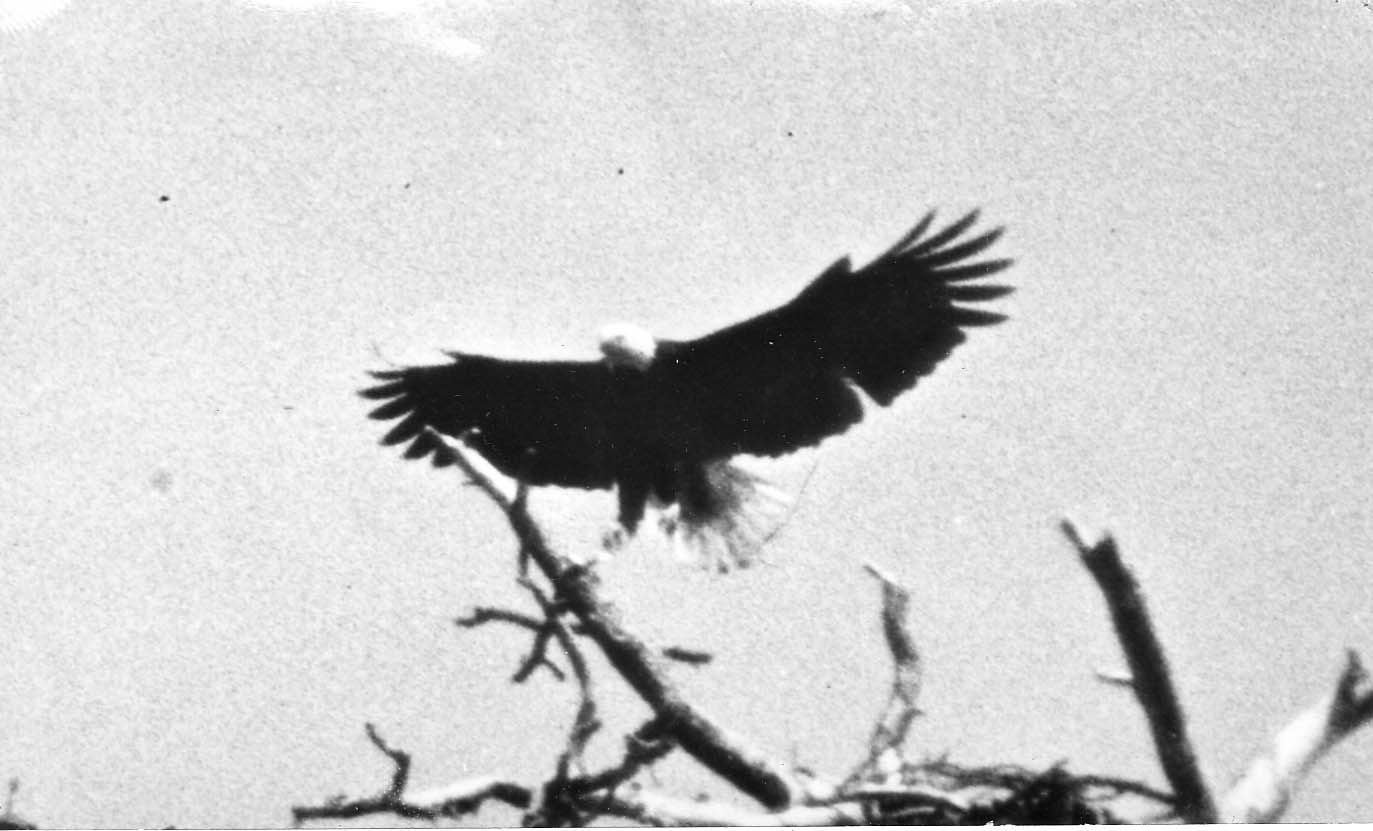
Sovereign of the Skies: Eagle Lake Bald Eagle (1925)
Female Bald Eagle over nest, Eagle Lake, Lassen Co. Calif., May 19, 1925.
Eagle Lake remains a unique biological marvel. It is home to the “Eagle Lake Trout,” a rare species that evolved to survive in highly alkaline, soapy water that would kill other fish. This abundant trout population is precisely why bald eagles have heavily nested and hunted along these shores for centuries.
Image via Wikimedia Commons, public domain
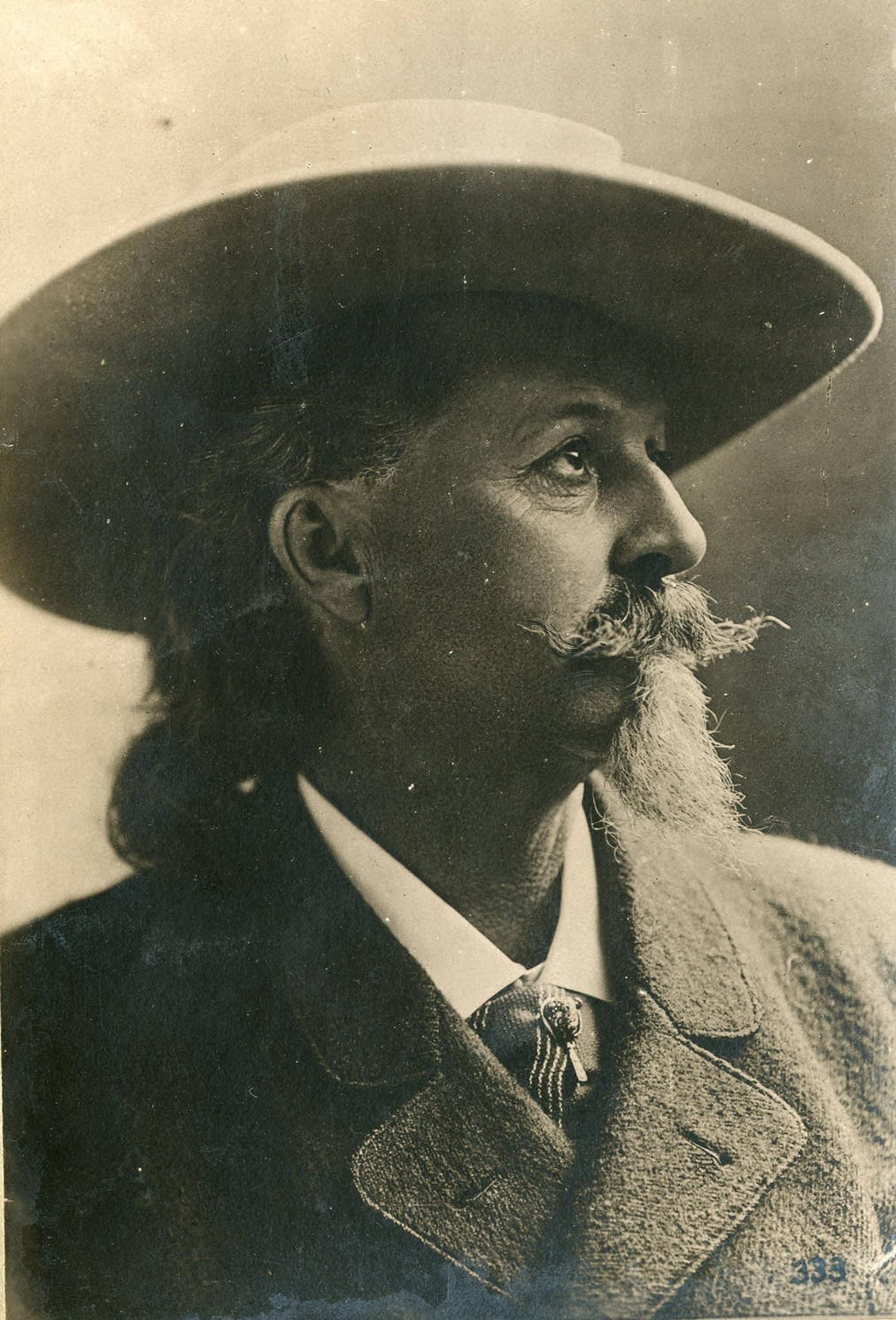
On May 19, 1883, Buffalo Bill’s Wild West show debuted in Omaha, Nebraska.
This debut birthed modern celebrity culture. The show was massive, featuring up to 1,200 performers, including real cowboys, Native Americans, and sharpshooters like Annie Oakley. It was so influential that it single-handedly created the global, romanticized mythology of the American “Wild West”—a stereotype that Hollywood later adopted entirely.
Image of Buffalo Bill c. 1890 via Wikimedia Commons, public domain
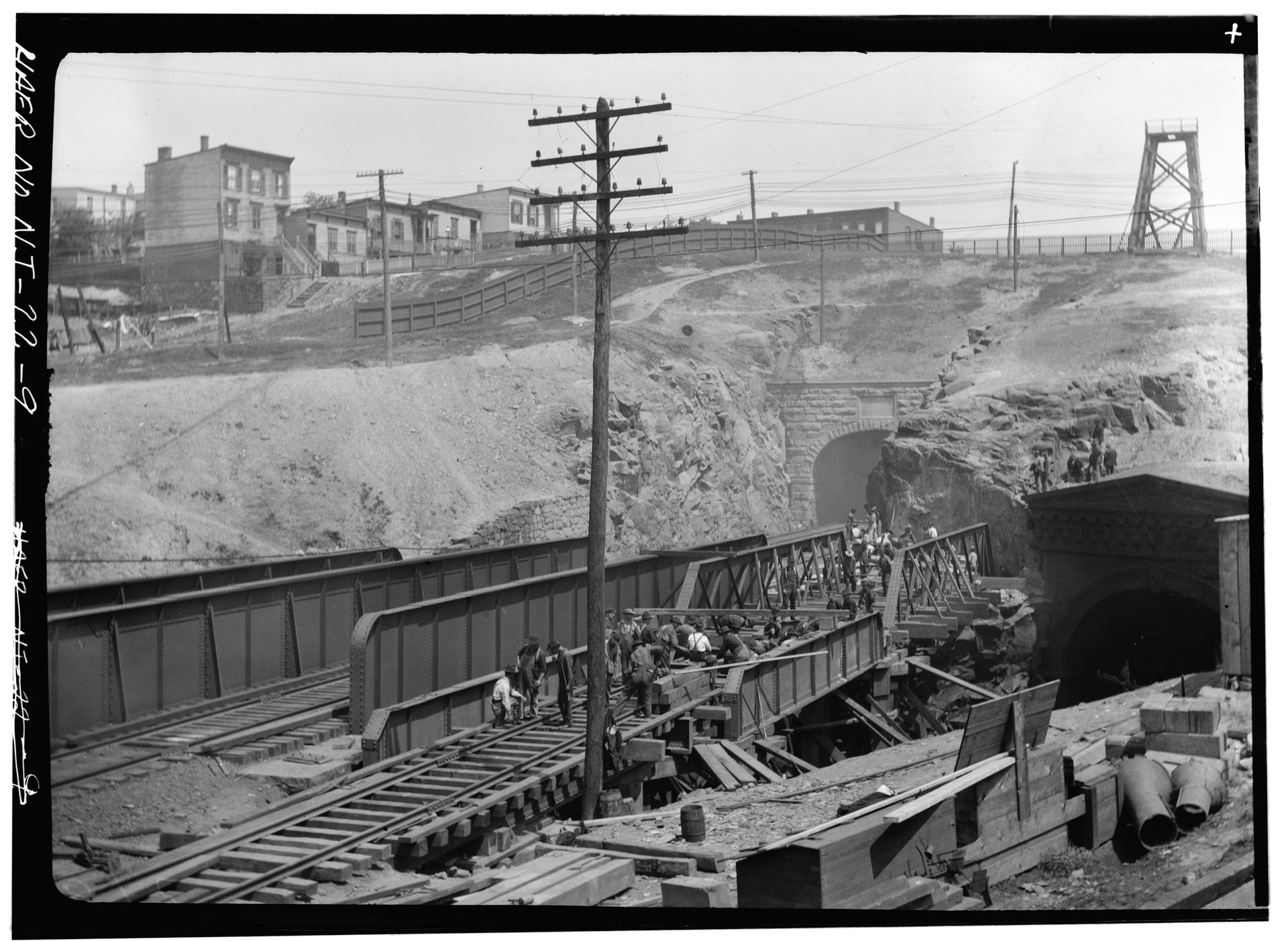
Temporary bridge of Delaware, Lackawanna and Western Railroad over Erie at west end of old Bergen Tunnel, taken May 19, 1906 – Erie Railway, Bergen Hill Open Cut, Palisade Avenue to Tonnele Avenue, Jersey City, Hudson County, NJ. Image via Wikimedia Commons, public domain.
The Bergen Hill Open Cut was a monumental engineering headache. Laborers had to blast through solid, notoriously tough volcanic basalt (diabase) to create the open-air trench. The temporary bridge kept the vital commuter trains moving over active explosion zones without a single day of service interruption.
Image via Wikimedia Commons, public domain
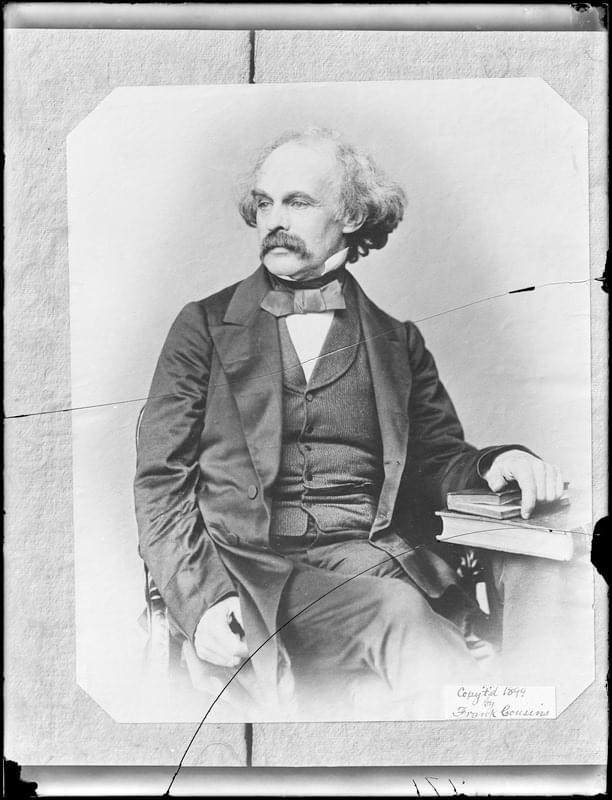
“Romance and poetry, ivy, lichens and wallflowers need ruin to make them grow.” – Nathaniel Hawthorne in 1860.
Hawthorne wrote this line in the preface to his novel The Marble Faun. He deeply believed that the United States was too “new” and prosperous to produce great romantic literature. He argued that writers needed the dark, tragic history and crumbling ruins of Europe to truly inspire deep artistic poetry.
Image of Nathaniel Hawthorne taken on May 19, 1860 via Digital Commonwealth Massachusetts, no known restrictions
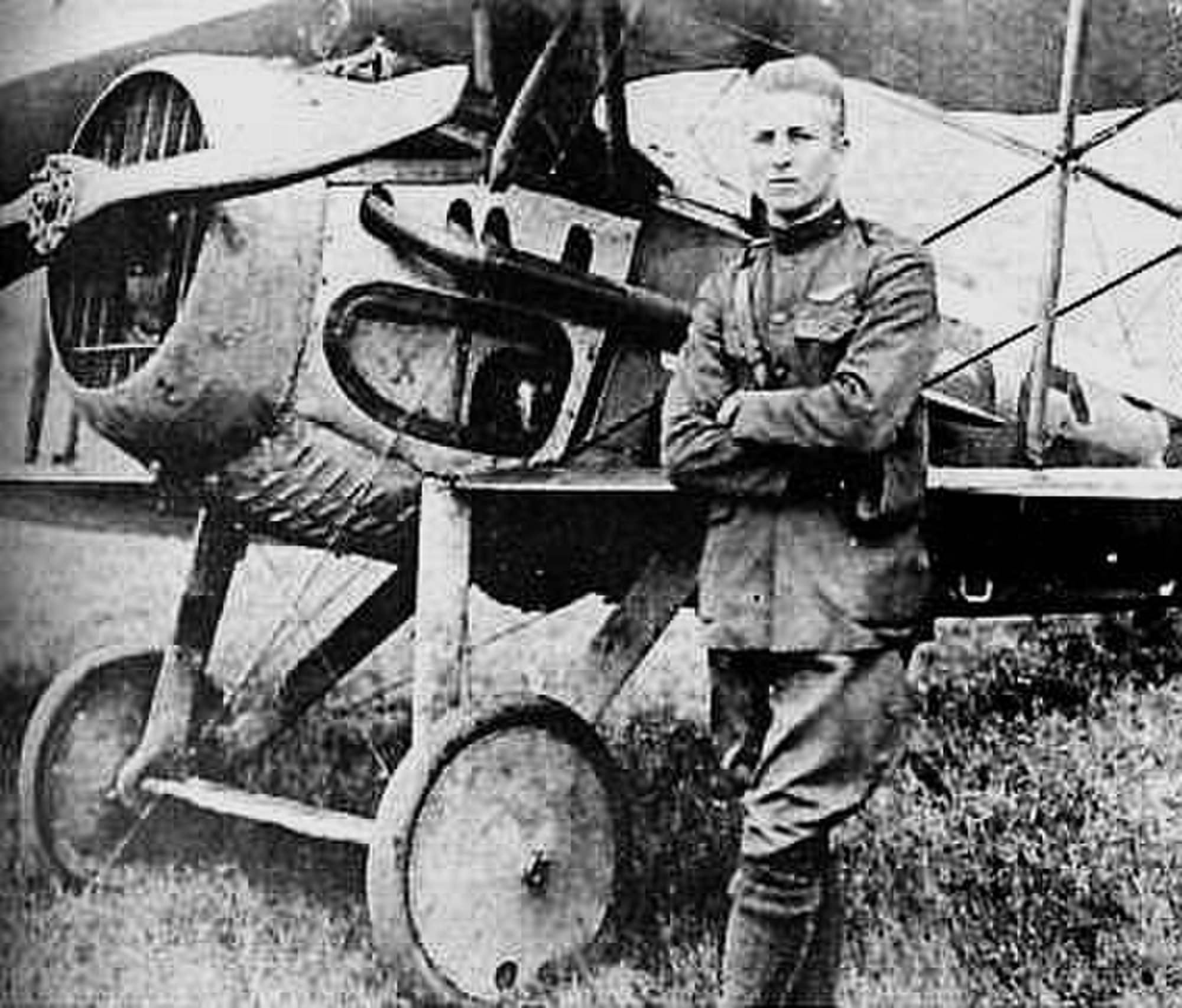
Born May 19, 1897, WW 1 pilot and ace Frank Luke, Jr. of the US Army Air Service was called the “Arizona Balloon Buster” for his daring attacks on enemy observation balloons. Forced to land after being wounded, Luke was killed in a gun battle with German infantry and was awarded the Medal of Honor posthumously. Fellow pilot Captain Eddie Rickenbacker wrote of Luke “He was the most daring aviator and the greatest fighter pilot of the entire war. His life is one of the brightest glories of our Air Service. He went on a rampage and shot down fourteen enemy aircraft including ten balloons, in eight days. No other ace, including the dreaded Richthofen, had ever come close to that.”
Hunting observation balloons was considered a suicide mission. They were heavily guarded by anti-aircraft guns and defensive fighter planes. Frank Luke, Jr. blew up 14 of them in just 8 days. He used highly unstable incendiary bullets that would frequently ignite inside the pilot’s own machine guns, meaning he risked blowing his own plane up with every single trigger pull.
Image via Wikimedia Commons, copyright expired, public domain in the US.
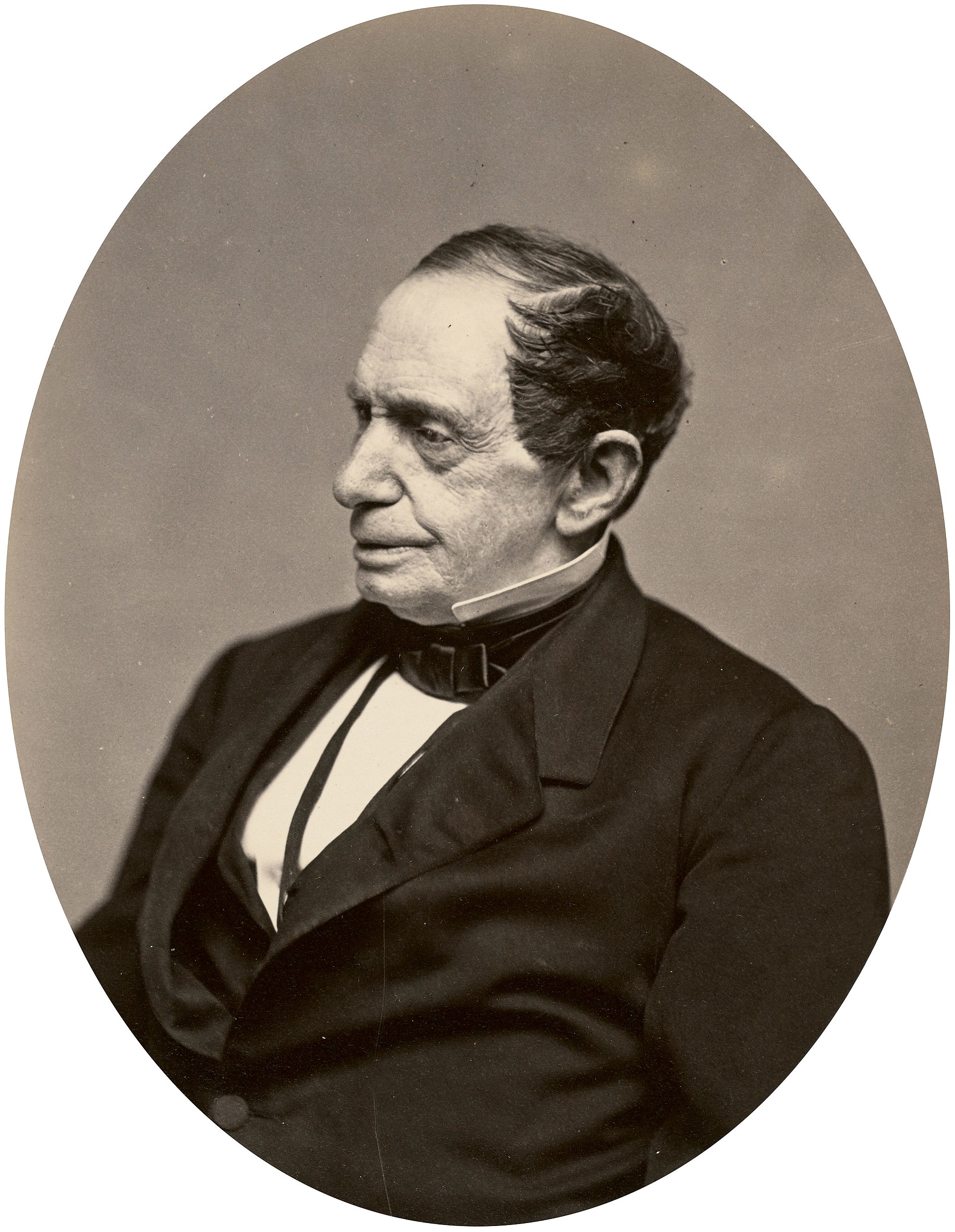
Philanthropist Johns Hopkins who supported the Union cause and Abraham Lincoln during the Civil War was born on May 19, 1795 in Gambrills, Maryland. Before becoming a very wealthy railroads investor, Hopkins started a wholesale business with his brothers and sold items such corn whiskey and Conestoga wagons. In his will he designated seven million dollars for the establishment of a hospital, medical college and orphanage in Baltimore.
Johns Hopkins actually got kicked out of his local Quaker congregation because of his business. The Quakers strongly opposed the production of alcohol, but Hopkins made a fortune trading Conestoga wagons for raw corn whiskey, which he then rebranded and sold as “Hopkins’ Best”. He later regretted the trade, which motivated him to leave his massive fortune to heal people instead.
Image via Wikimedia Commons, public domain.
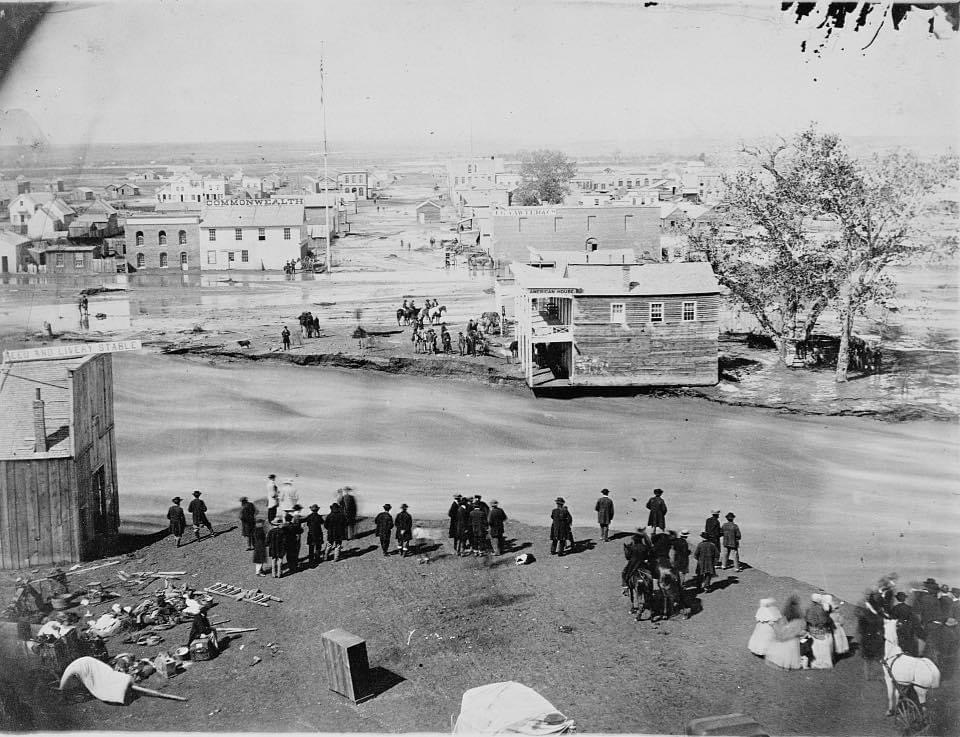
“The most noted event in the history of Denver was the great flood in Cherry Creek, May 19, 1864… There being but a little water in the creek at any time, it came to be looked upon as a dry stream, and little attention was paid to it as a water-course, while many buildings were planted on piles in the very bed of the creek itself! The bridges of the period were low wooden structures, also raised on piles… just high enough to obstruct the passage of the torrent which came down… Old residents affirm that the flood of 1864 was by far the heaviest ever seen in Cherry Creek, since the settlement of Denver.”
Indigenous Arapaho leaders had explicitly warned the early white settlers never to build in the dry creek bed because it was prone to sudden, massive flash floods. The settlers ignored the warnings, thinking the creek was permanently dry, and even built Denver’s city hall right over it. During the May 19th flood, the city hall was entirely swept away, permanently losing the city’s earliest historical records.
Excerpt From: History of the city of Denver, Arapahoe County, and Colorado: containing a history of the state of Colorado … a condensed sketch of Arapahoe County … a history of the city of Denver … biographical sketches ..
by O.L. Baskin & Co. cn; W. B. Vickers
https://archive.org/details/historyofcityofd00inolba/page/n251
Source says not in copyright
Image: The Great Flood, Denver, Colorado Territory, May 19, 1864
via Library of Congress, no known restrictions
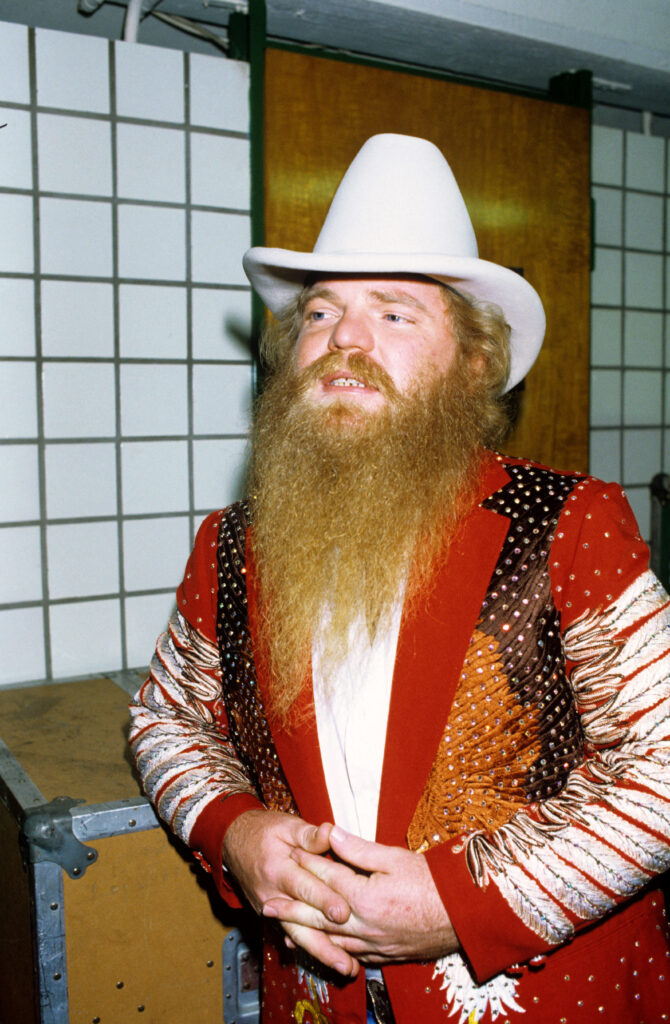
Born May 19, 1949, Dusty Hill’s legendary career as a bass player lasted over 50 years, anchoring the rock band ZZ Top until his passing in 2021. Hill explained his absolute devotion to the stage by saying:
“I love recording and I love everything – videos, everything like that – but playing live is what does it for me.”
Dusty Hill didn’t even know how to play the bass when his brother forced him onto a bar stage at age 13. His brother’s band had a gig but lacked a bass player, so they handed Dusty a bass right before the curtains opened. Hill later joked that “embarrassment is a great motivator,” noting that learning his instrument live under the stage lights meant he had to get his skills together incredibly fast to avoid looking bad in front of a drinking bar crowd.
Image of Dusty c. 1982 via Alamy
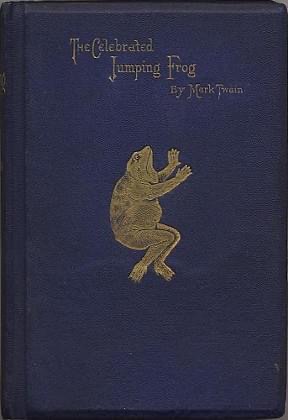
Calaveras County California’s first frog jumping contest was held on May 19, 1928. It was inspired by Mark Twain’s short story “The Celebrated Jumping Frog of Calaveras County” that was written 63 years prior.
The winning frog of that inaugural 1928 contest was named “Pride of San Joaquin,” and it jumped a whopping 3 feet, 4 inches. Today, the festival is a massive annual event where international frogs compete, and the current world record stands at an incredible 21 feet and 5.75 inches, set by a frog named Rosie the Ribiter in 1986.
Image via Wikimedia Commons, public domain
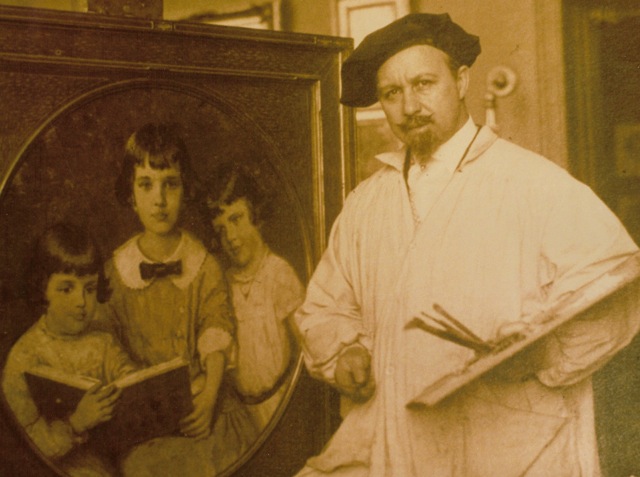
American artist Walter Russell was born on May 19, 1871 in Boston, MA. In his late 70’s, Russell and his second wife (more than 30 years younger than him) found an abandoned mansion, Swannanoa, in Virginia during a cross-country auto trip. They ended up signing a 50 year lease with the intention of using the estate as a museum and university.
Walter Russell and his wife secured the magnificent, 52-room Italian Renaissance Swannanoa mansion based entirely on a legendary handshake agreement. The owner had boarded up the massive palace during the Great Depression. Russell promised to completely maintain and repair the sprawling estate out of his own pocket in exchange for a 50-year lease to house his “University of Science and Philosophy”.
Image via Wikimedia Commons, public domain
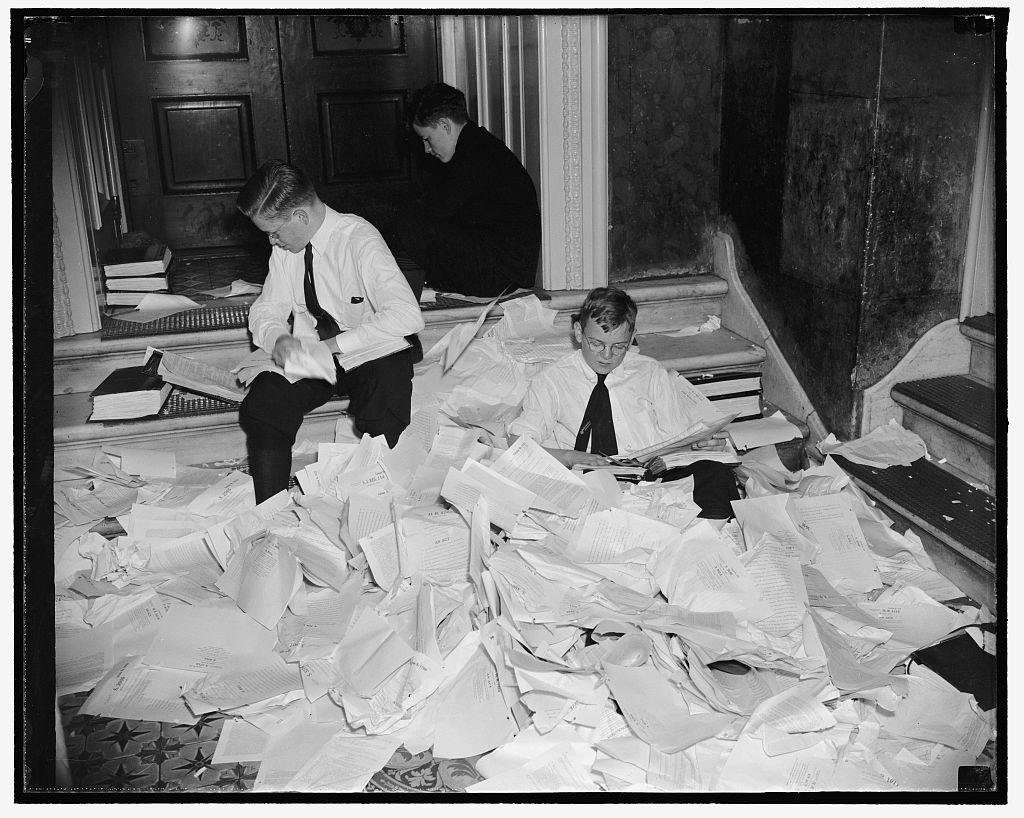
It won’t be long now! Washington, D.C., May 19. Early adjournment of the Senate was forseen today by the number of bills being rapidly passed. Senate pages are pictured tearing from calender, bills that were passed yesterday, 5/19/38.
In the 1930s, Senate pages were typically teenage boys who lived unique, hectic lives. They ran errands for powerful politicians, went to a special school inside the Capitol building at 6:00 AM, and were required to wear formal suits with knickers (short trousers). Tearing pages off the calendar was a highly anticipated celebratory ritual that signaled they could finally go home for summer break.
Image via LOC, no known restrictions
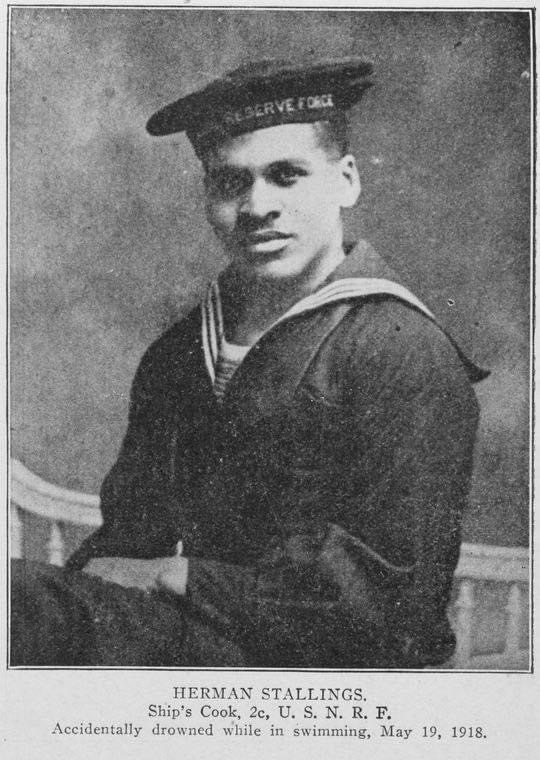
“Herman Stallings, Ship’s Cook, 2c, U.S.N.R.F.; Accidentally drowned while in swimming, May 19, 1918.”
Herman Stallings was part of the United States Naval Reserve Force during World War I. At this point in military history, despite serving on massive ocean vessels, a shocking percentage of naval recruits and sailors did not actually know how to swim, making accidental recreational drownings a tragic and frequent occurrence during basic training camps.
Image: Schomburg Center for Research in Black Culture, Jean Blackwell Hutson Research and Reference Division, The New York Public Library, no known restrictions
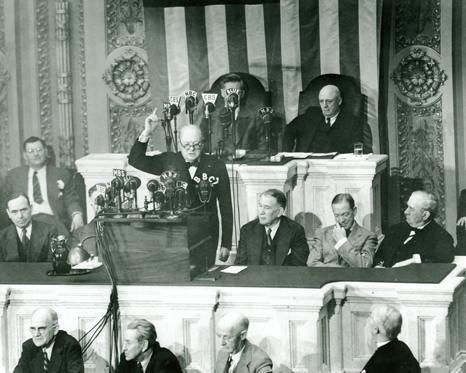
“As long as we have faith in our cause, and an unconquerable willpower, salvation will notio be denied us.”
Winston Churchill on May 19, 1943 during his second address to U.S. Congress.
Churchill gave this famous address to Congress while staying overnight as a guest at the White House. He famously drove President Franklin D. Roosevelt’s staff crazy during this trip by staying up until 2:00 or 3:00 AM every night, drinking scotch, pacing around his room, and loudly dictating his historic wartime speeches to his tired secretaries.
Image via Wikimedia Commons, public domain
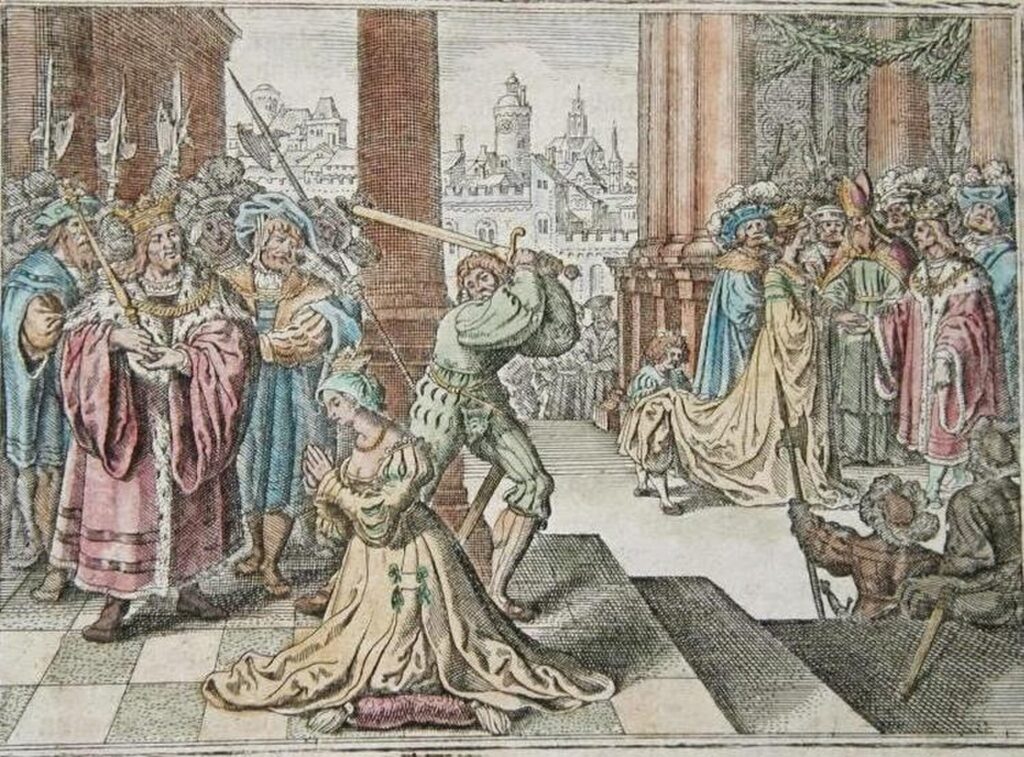
The Execution of Anne Boleyn: The American Ripple Effect (1536)
On May 19, 1536, Anne Boleyn, the second wife of King Henry VIII, was executed by beheading at the Tower of London. Henry imported a French swordsman to perform the execution cleanly with a single blade strike rather than a standard axe.
Though a British event, her execution set off a chain reaction that shaped early America. Henry’s desire to marry Anne caused England to break from the Catholic Church. This split created the Church of England, sparking decades of religious conflict. The Puritans and Separatists who later fled this state religion sailed on the Mayflower to establish the Plymouth Colony. Additionally, Anne’s daughter grew up to become Queen Elizabeth I, who authorized England’s earliest colonization attempts in North America.
