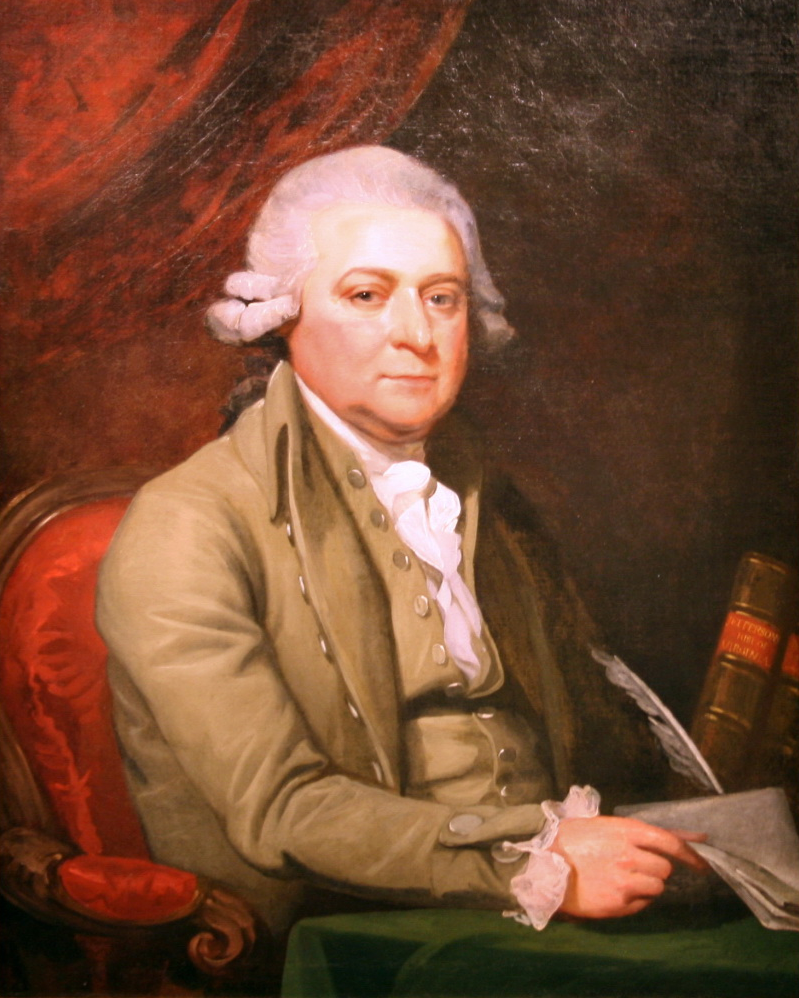
The Spark of Independence Ignited by John Adams and the Radical Preamble
On May 15, 1776, the Second Continental Congress adopted a fiery preamble written by John Adams that fundamentally altered the course of the American Revolution. While a resolution passed days earlier suggested colonies form new governments, Adams used his preamble to cut off any remaining hope of a reconciliation with the British crown. He declared that the authority of King George III should be totally suppressed and that all government powers must be held under the authority of the American people, essentially writing a de facto declaration of independence months before the formal document was drafted.
The original text of this radical preamble states: “Whereas his Britannic Majesty, in conjunction with the lords and commons of Great Britain, has, by a late act of Parliament, excluded the inhabitants of these United Colonies from the protection of his crown; and whereas, no answer whatever, to the humble petitions of the colonies for redress of grievances and reconciliation with Great Britain, has been or is likely to be given, but the whole force of that kingdom, aided by foreign mercenaries, is to be exerted for the destruction of the good people of these colonies; and whereas, it appears absolutely irreconcilable to reason and good conscience, for the people of these colonies now to take the oaths and affirmations necessary for the support of any government under the crown of Great Britain, and it is necessary that the exercise of every kind of authority under the said crown should be totally suppressed, and all the powers of government exerted, under the authority of the people of the colonies, for the preservation of internal peace, virtue, and good order, as well as for the defense of their lives, liberties, and properties, against the hostile invasions and cruel depredations of their enemies; therefore, resolved, That it be recommended to the several assemblies and conventions of the United Colonies, where no government sufficient to the exigencies of their affairs have been hitherto established, to adopt such government as shall, in the opinion of the representatives of the people, best conduce to the happiness and safety of their constituents in particular, and America in general.”
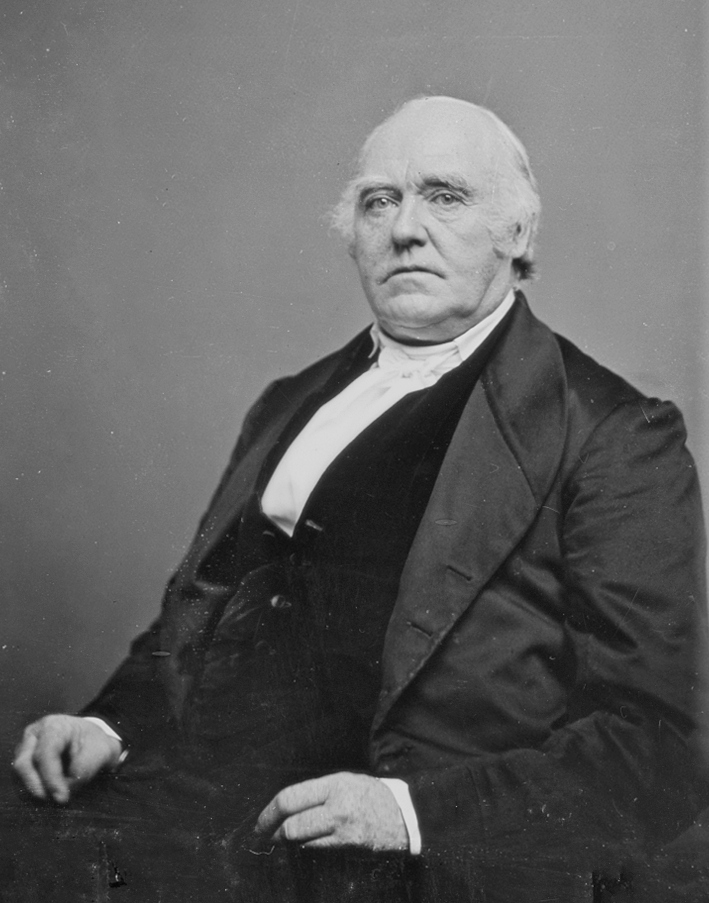
The Farmer’s Friend Named Isaac Newton Forecasts the Future of Weather
On May 15, 1862, President Abraham Lincoln established the U.S. Department of Agriculture.
Lincoln appointed this man with the very popular name of Isaac Newton as the department’s first commissioner.
While this Isaac Newton wasn’t the Sir Isaac Newton of England who made those major scientific discoveries such as the law of motion or universal gravitation, he did start the USDA’s statistical services and advocated for a national weather service to provide forecasts for farmers.
Newton was actually a personal friend of the Lincoln family who regularly sent fresh butter and vegetables from his Delaware farm straight to the White House. He used this close relationship to convince the president that agriculture deserved its own federal department, eventually utilizing the newly invented telegraph lines to send out daily weather circulars to rural communities before a formalized national weather bureau even existed.
Image via Wikimedia Commons, public domain
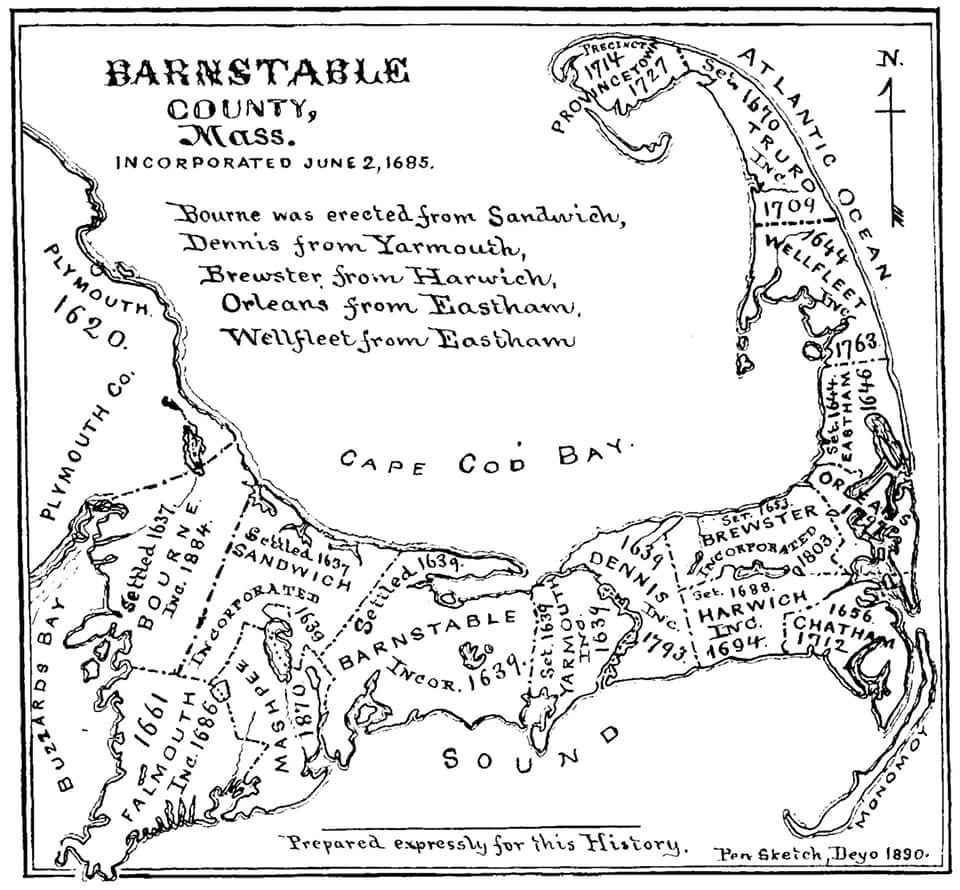
A Shipwrecked Explorer and Indigenous Traders Bargain for Fish in Cape Cod Waters
On May 15, 1602, English explorer Bartholomew Gosnold discovered Cape Cod. The day prior, his crew encountered local Native Americans who boldly boarded their ship wearing European-style clothing obtained from earlier Basque fishermen, showing that transatlantic trade was already thriving before the Pilgrims arrived.
From: Sailors narratives of voyages along the New England coast, 1524-1624 by George Parker Winship, published in 1905.
Source says not in copyright
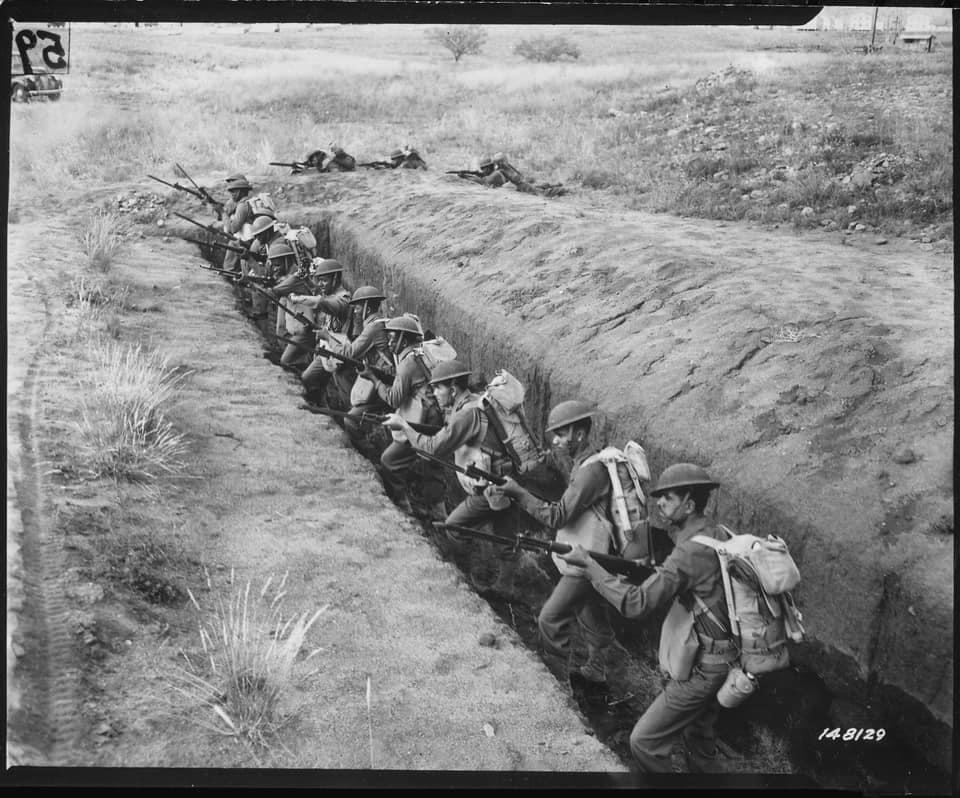
The All-Black Ninety-Third Division Prepares for Battle in Hand-Me-Down Helmets
The 93rd Infantry Division, reactivated on May 15, 1942, was the first African American division formed during World War II. As 2nd Lieutenant Arthur Bates waited for zero hour at Fort Huachuca, Arizona, his men were photographed wearing obsolete World War I Brodie helmets because the iconic M1 helmet was in critically short supply during the early months of mobilization.
Image via Wikimedia Commons, public domain
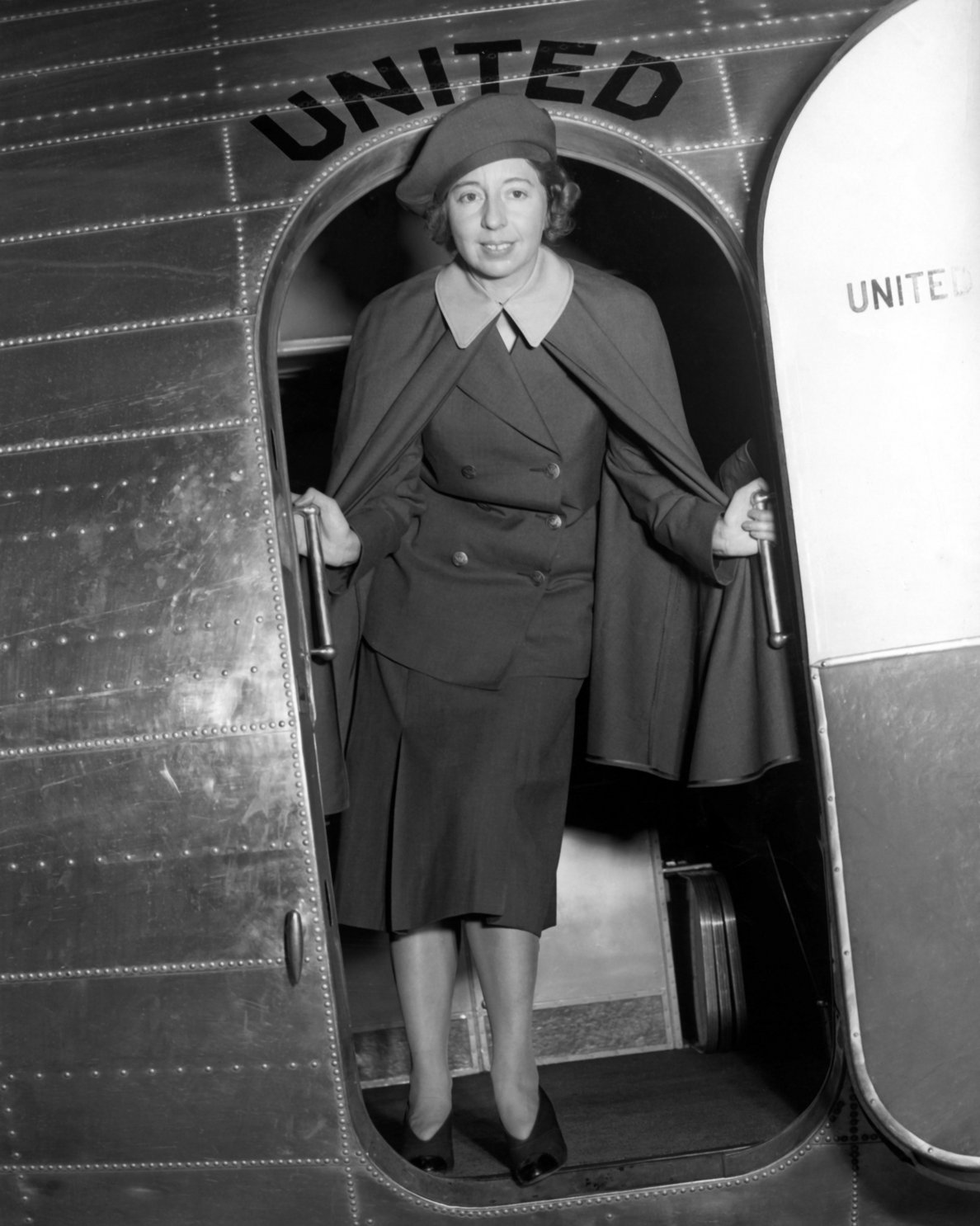
A Brave Nurse Trades the Hospital Ward for the Skies as the World’s First Flight Attendant
American nurse Ellen Church became the first female flight attendant when she departed on an 20-hour, multi-stop flight from Oakland to Chicago on May 15, 1930. She convinced Boeing Air Transport that hiring nurses would calm the public’s intense fear of flying, earning a monthly salary of 125 dollars while regularly helping to fuel the plane and push it into hangars.
Image via Alamy
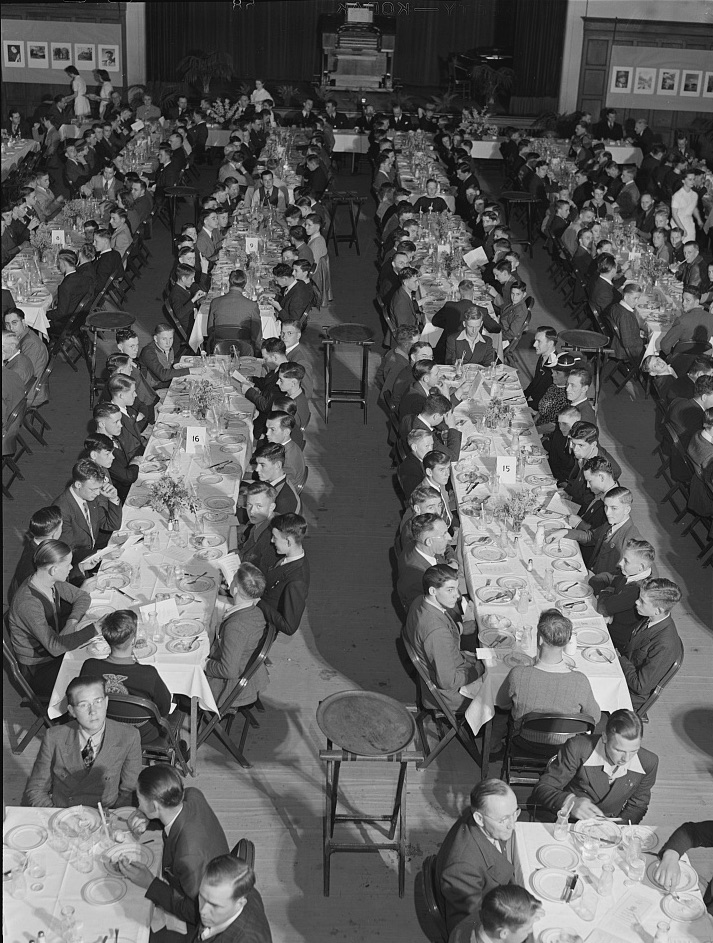
Young Iowa Farmers Gather to Judge the Best of the Harvest Amidst the Shadows of War
High school students from all over the state gathered at Iowa State College on May 15, 1942, for a banquet at the Iowa High School Agricultural Congress. These teenagers participated in intense livestock and crop judging contests to sharpen skills that were deemed critical for wartime food production.
Image via LOC, no known restrictions
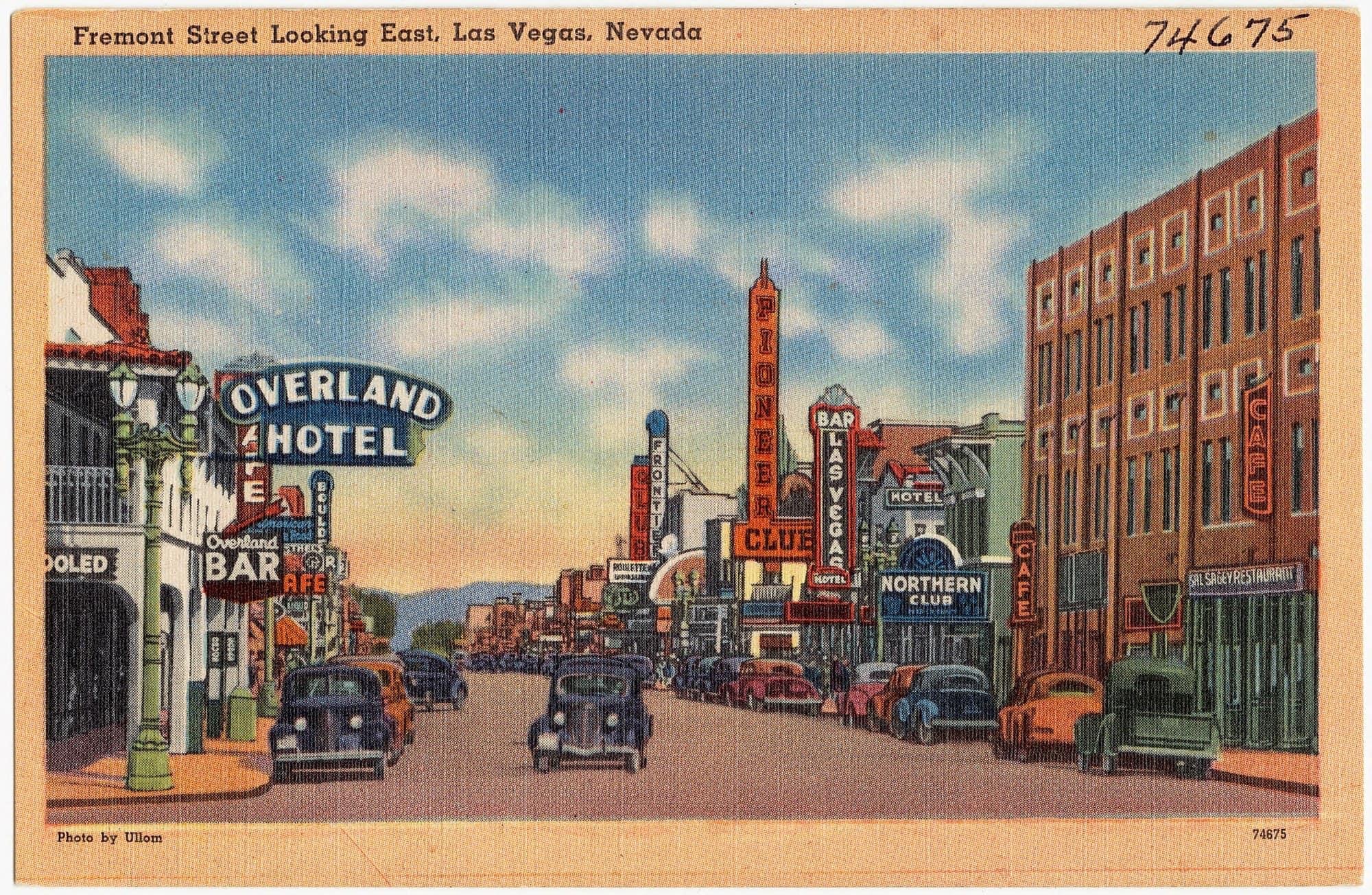
Las Vegas Opens for Business via Railroad Auction Long Before the Neon Lights Took Over
On May 15, 1905, the City of Las Vegas, Nevada, was officially founded after a railroad company auctioned off 110 acres of land that would become downtown. Just five years earlier, the remote desert oasis boasted a population of little more than 20 people who lived primarily around a historic ranch.
Image:
Postcard of Fremont Street looking east, Las Vegas, Nevada c. 1930-1945 via Wikimedia Commons, public domain

A Fatal Blast of Burning Film Changes Hospital Safety Laws and Toxic Storage Rules Forever
A terrible fire occurred at the Cleveland Clinic in Cleveland, Ohio, on May 15, 1929, which claimed the lives of 123 people. The tragedy was triggered by highly flammable nitrocellulose X-ray film that ignited in the basement, releasing a cloud of poisonous gas that spread through the building and prompted global hospitals to switch to safety film.
Image of the X-Ray storage room after the fire from Cleveland Clinic, CC BY 4.0 via Wikimedia Commons.
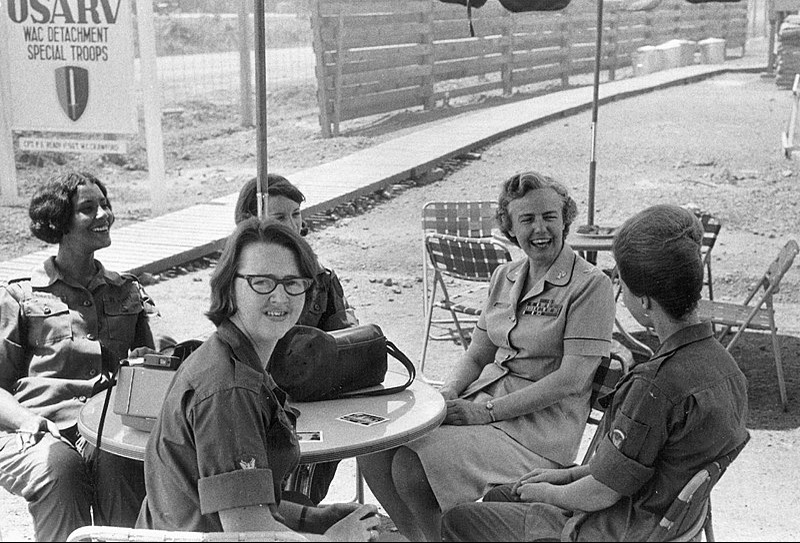
The Women of the WAAC Step Forward to Serve the Army Across the Globe
On May 15, 1942, the Women’s Auxiliary Army Corps, or WAAC, was created to fill vital non-combat roles. Later renamed the Women’s Army Corps, these trailblazing women served until 1978, with members deploying to dangerous overseas zones including Long Binh, Vietnam, where they met with Colonel Elizabeth Hoisington in October, 1967.
Image from US Army via Wikimedia Commons, public domain in the US.
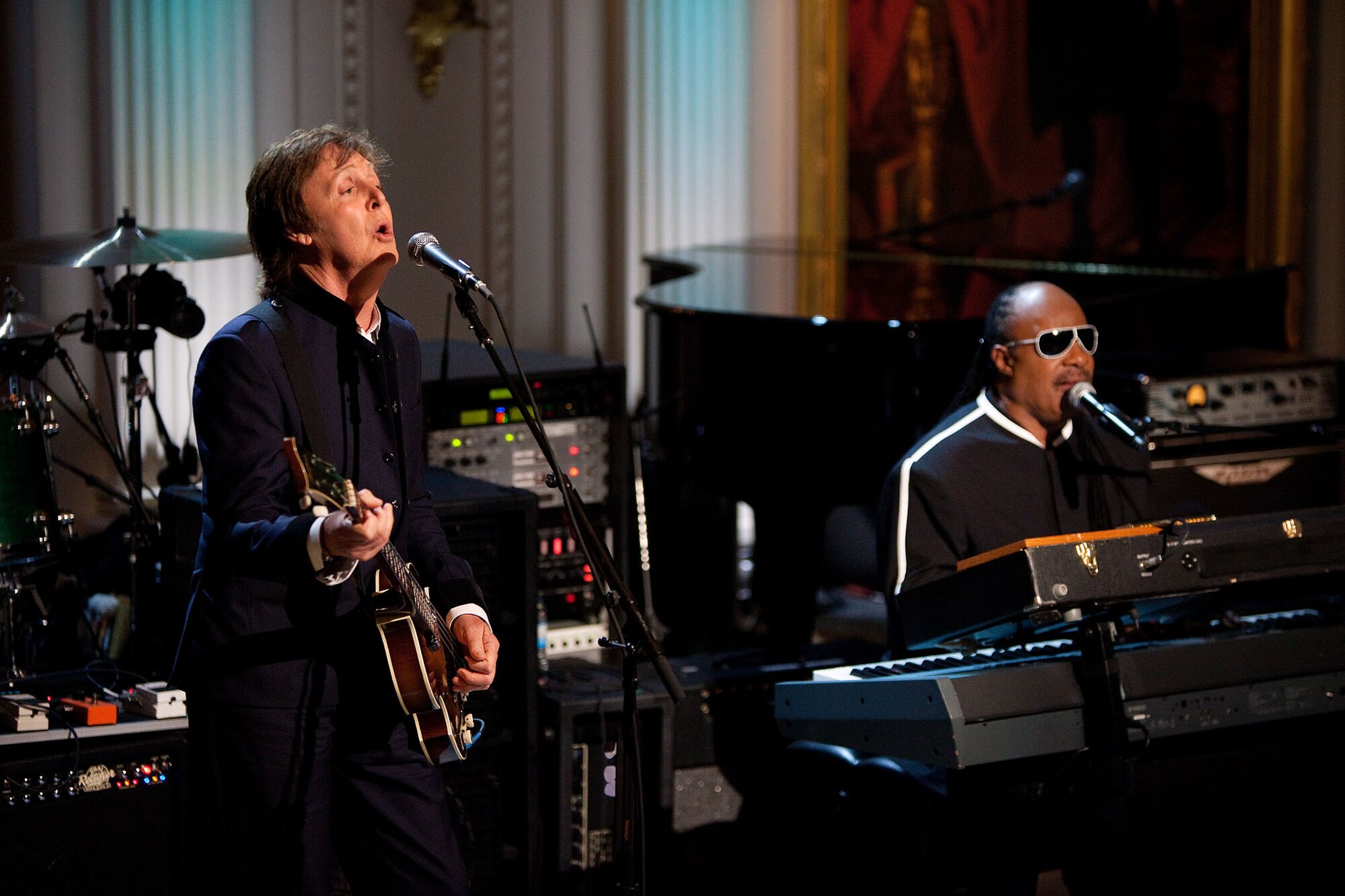
A Melody of Racial Harmony Rises Above the Airwaves to Dominate the Billboard Charts
On May 15, 1982, Ebony and Ivory by Paul McCartney featuring Stevie Wonder began its seven-week run as the number one song in America. The track became a massive international hit and was later performed live by the duo at the White House in 2010 to honor McCartney’s Gershwin Prize.
Image of Paul McCartney and Stevie Wonder performing via Wikimedia Commons, public domain.
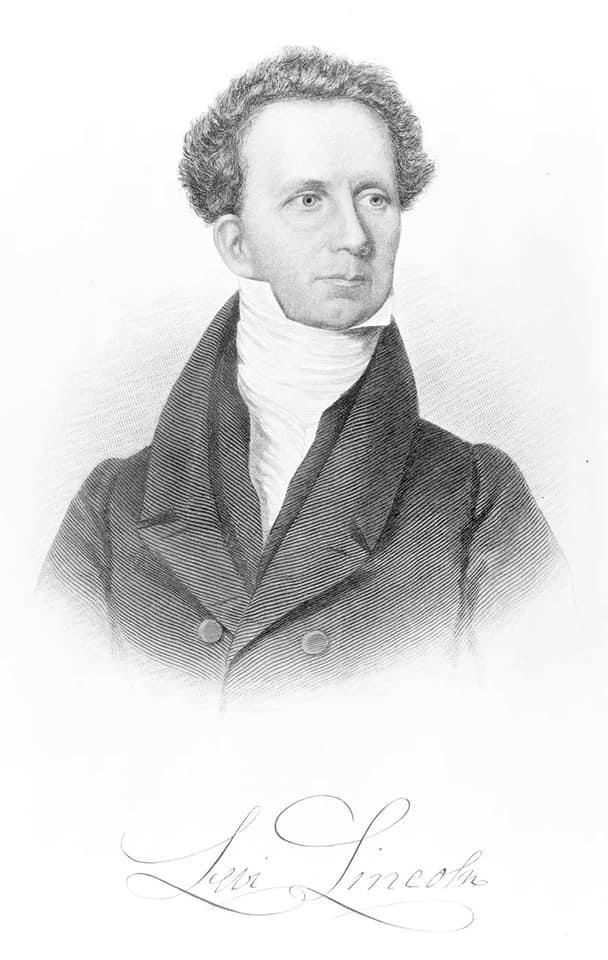
The Birth of Levi Lincoln Whose Descendants Held Fast to One Hingham Home for Centuries
American Revolutionary War Veteran and 4th U.S. Attorney General Levi Lincoln Sr. was born on May 15, 1749, in Hingham, Massachusetts. Levi was a distant relative of Abraham Lincoln through their common ancestor Samuel Lincoln, whose historic family home housed seven consecutive generations of Lincolns from the 1600s all the way into the 1900s.
Image via Wikimedia Commons, public domain.
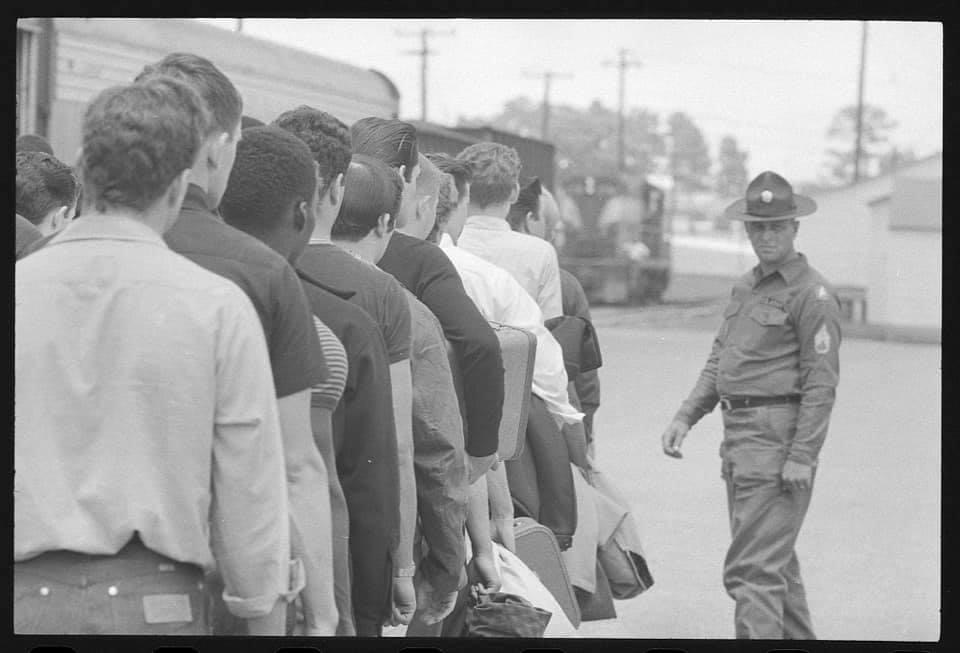
Draftees Step Into Line at Fort Jackson to Leave Civilian Life Behind for the Jungle
On May 15, 1967, young men who had been drafted waited in a long line to be processed into the U.S. Army at Fort Jackson in Columbia, South Carolina. This intake occurred during the peak of the Vietnam War draft lottery, a time when the induction center operated around the clock to process thousands of new soldiers every week.
via Library of Congress, no known restrictions
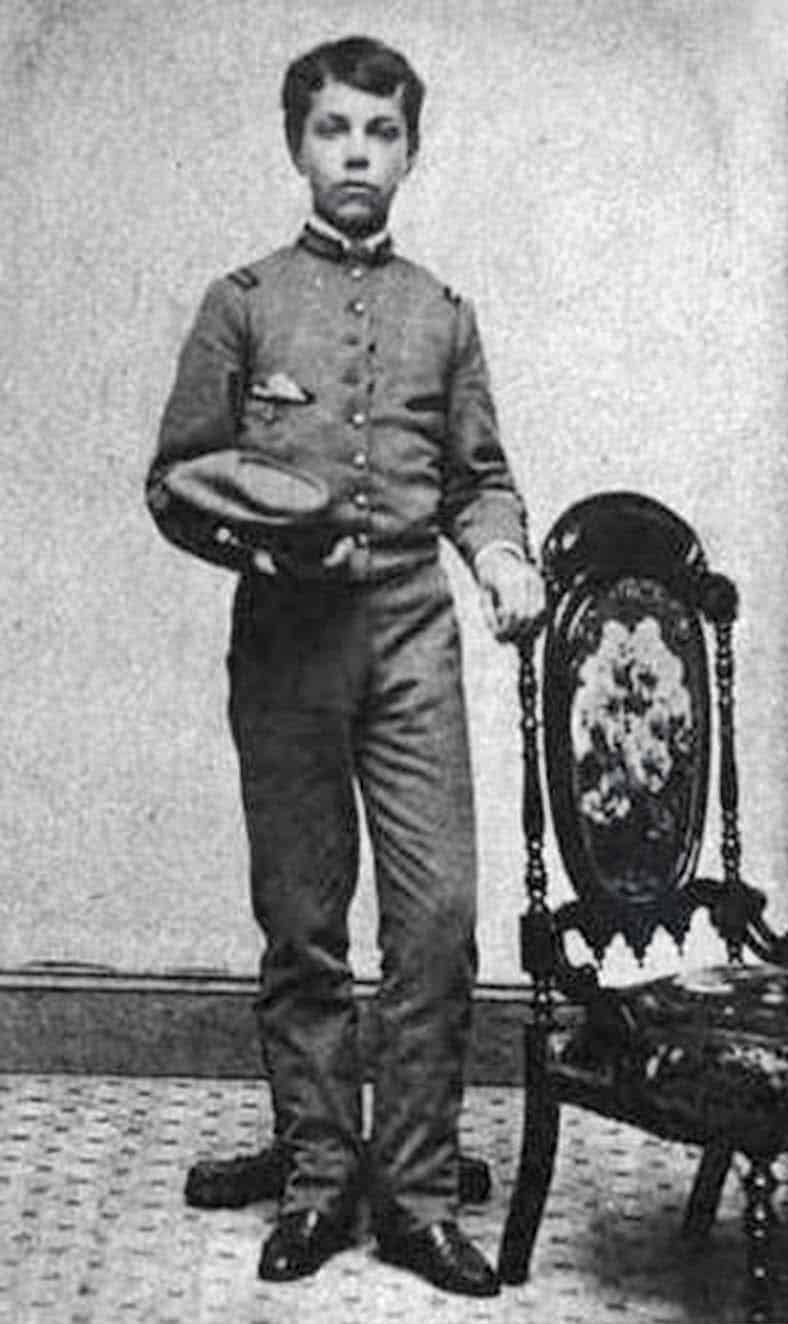
A Boyhood Terror of Cornfield Scarecrows Drives L. Frank Baum to Create a Literary Masterpiece
L. Frank Baum, the author who wrote The Wonderful Wizard of Oz, was born on May 15, 1856, in Chittenango, New York. As a child on a farm, he harbored a deep, recurring nightmare that local scarecrows would come alive and chase him across the fields, a fear he eventually conquered by turning the creature into a beloved, brainless character.
Image: L. Frank Baum when he was a cadet at the Peekskill Military School, which overlooked the Hudson c. 1868 via Wikimedia Commons, public domain
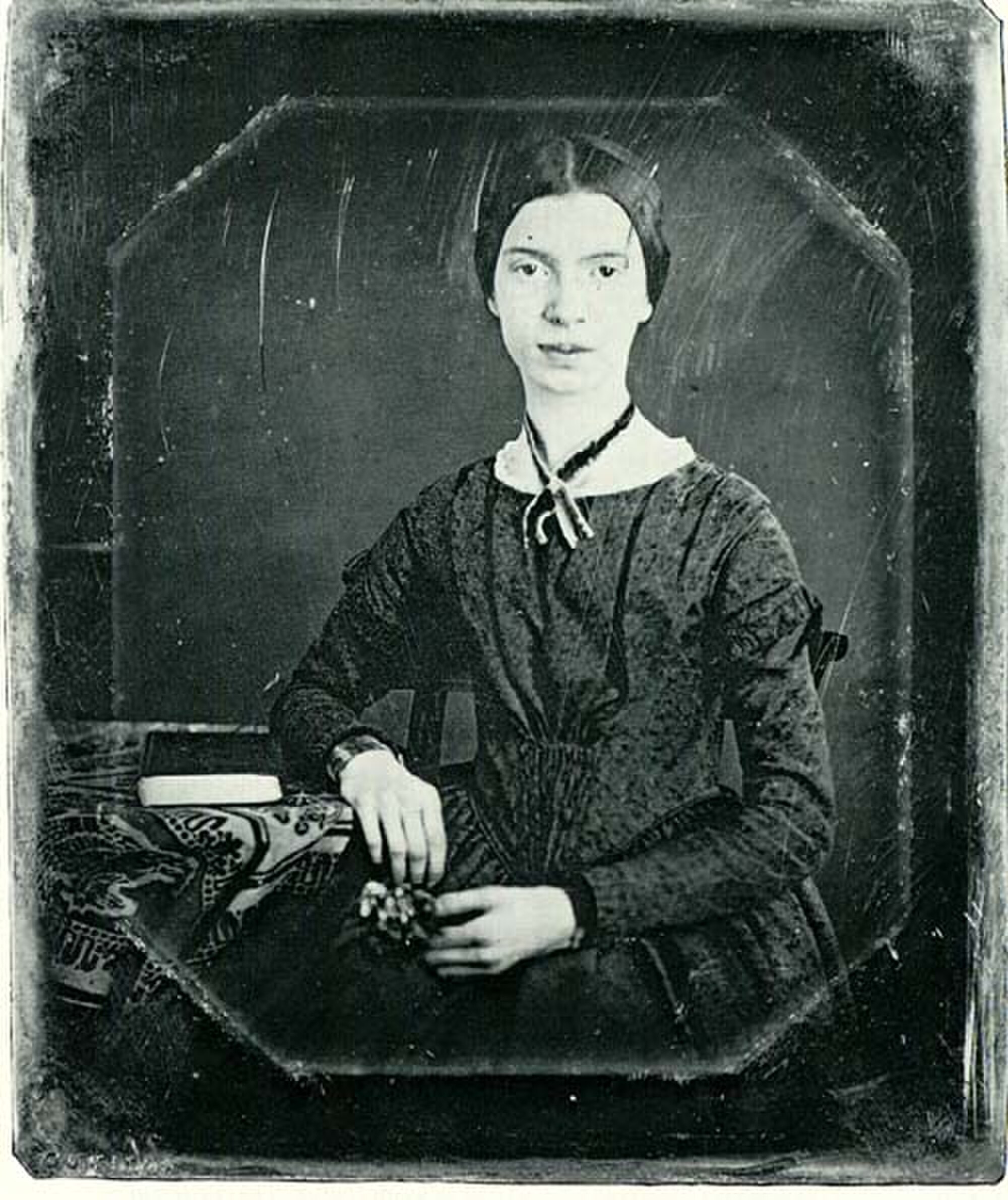
The Passing of Emily Dickinson Whose Hidden Poems Left Behind an Invisible Masterpiece
The legendary American poet Emily Dickinson passed away on May 15, 1886, at the age of 55 in Amherst, Massachusetts. Only a handful of her poems were published during her quiet, reclusive life, leaving her sister Lavinia to discover a locked chest containing hundreds of handwritten notebooks that revolutionized American literature.
Image via Wikimedia Commons, public domain
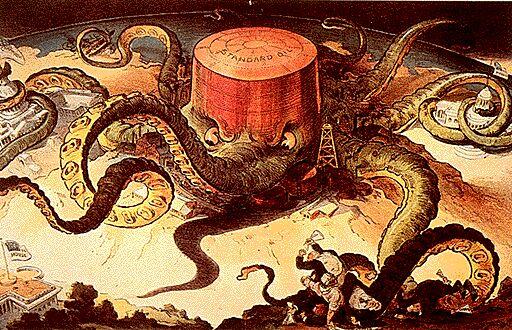
The Supreme Court Smashes Standard Oil and Creates a Dozen Corporate Giants with One Ruling
On May 15, 1911, the U.S. Supreme Court ruled that Standard Oil Company was illegally monopolizing the petroleum industry and ordered that the empire be dissolved. This historic antitrust decision forced John D. Rockefeller’s massive trust to split into 34 independent companies, which ironically made him the richest man in the world as the individual stock values soared.
Image via Wikimedia Commons, no known copyright, public domain in the US
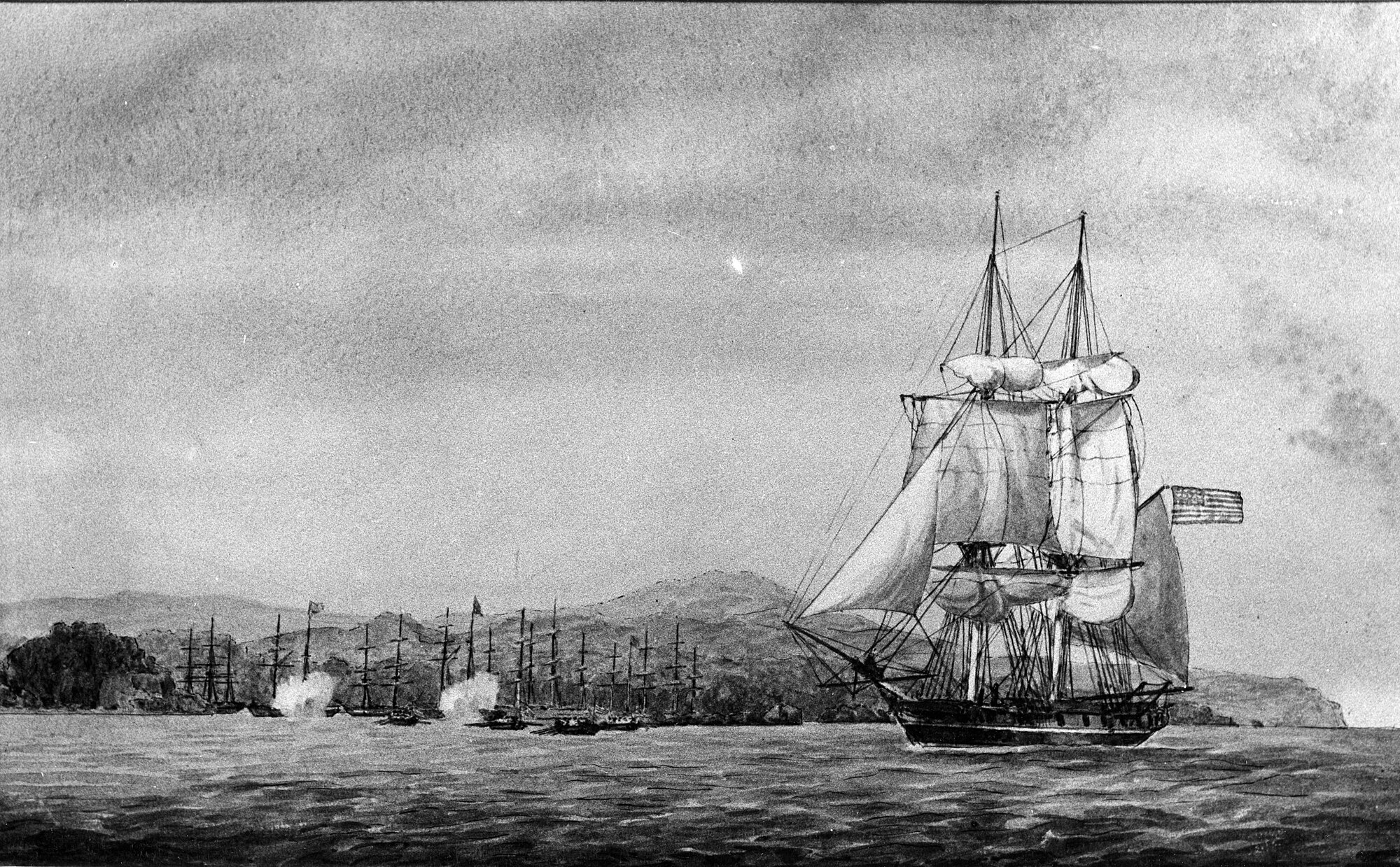
A Strike Against the Slave Trade Equates Human Trafficking to Maritime Piracy on the High Seas
On May 15, 1820, Congress amended the 1819 Act to protect the commerce of the United States and punish the crime of piracy. The revised act declared that any maritime robbery was punishable by death, and it made history by extending this ultimate penalty to any American citizen participating in the foreign slave trade, legally branding human traffickers as pirates.
Image of the Brig USS Alligator capturing piratical schooners of Mantanzas, Cuba c. 1822

Recommended products
-
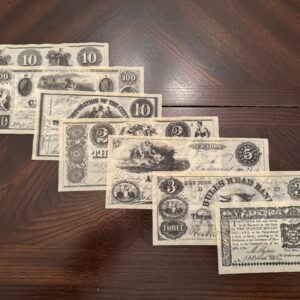
New York Banknotes Set
$3.50 -
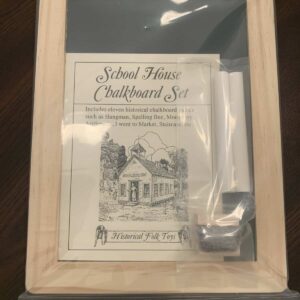
Schoolhouse Chalkboard Set
$13.00 -
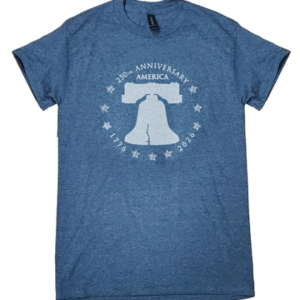
America 250 Anniversary T-Shirt
Original price was: $15.99.$12.99Current price is: $12.99. -
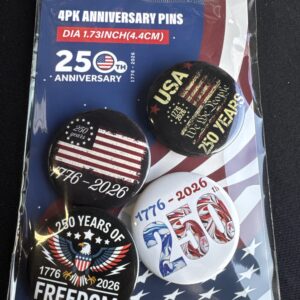
America 250 Button Pins
Original price was: $5.99.$4.75Current price is: $4.75. -
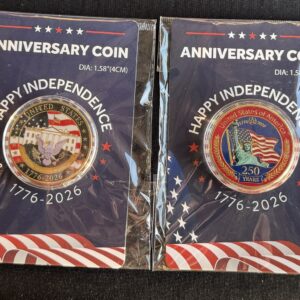
America 250 Coin Set
Original price was: $27.00.$23.99Current price is: $23.99. -
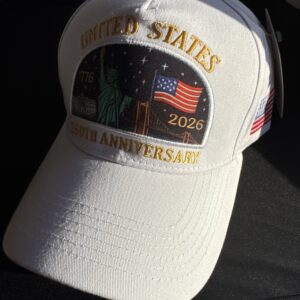
America 250 Ball Caps
Price range: $0.00 through $15.99 -
A-Bear-ham Lincoln
$18.99 -
America’s 250th Anniversary Mug
$7.50 -
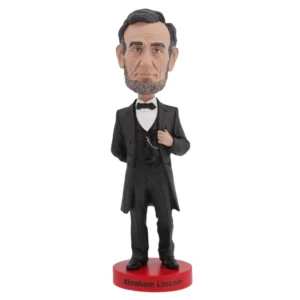
Abraham Lincoln Bobblehead (Royal Bobbles)
$29.95