
A Modest Masterpiece
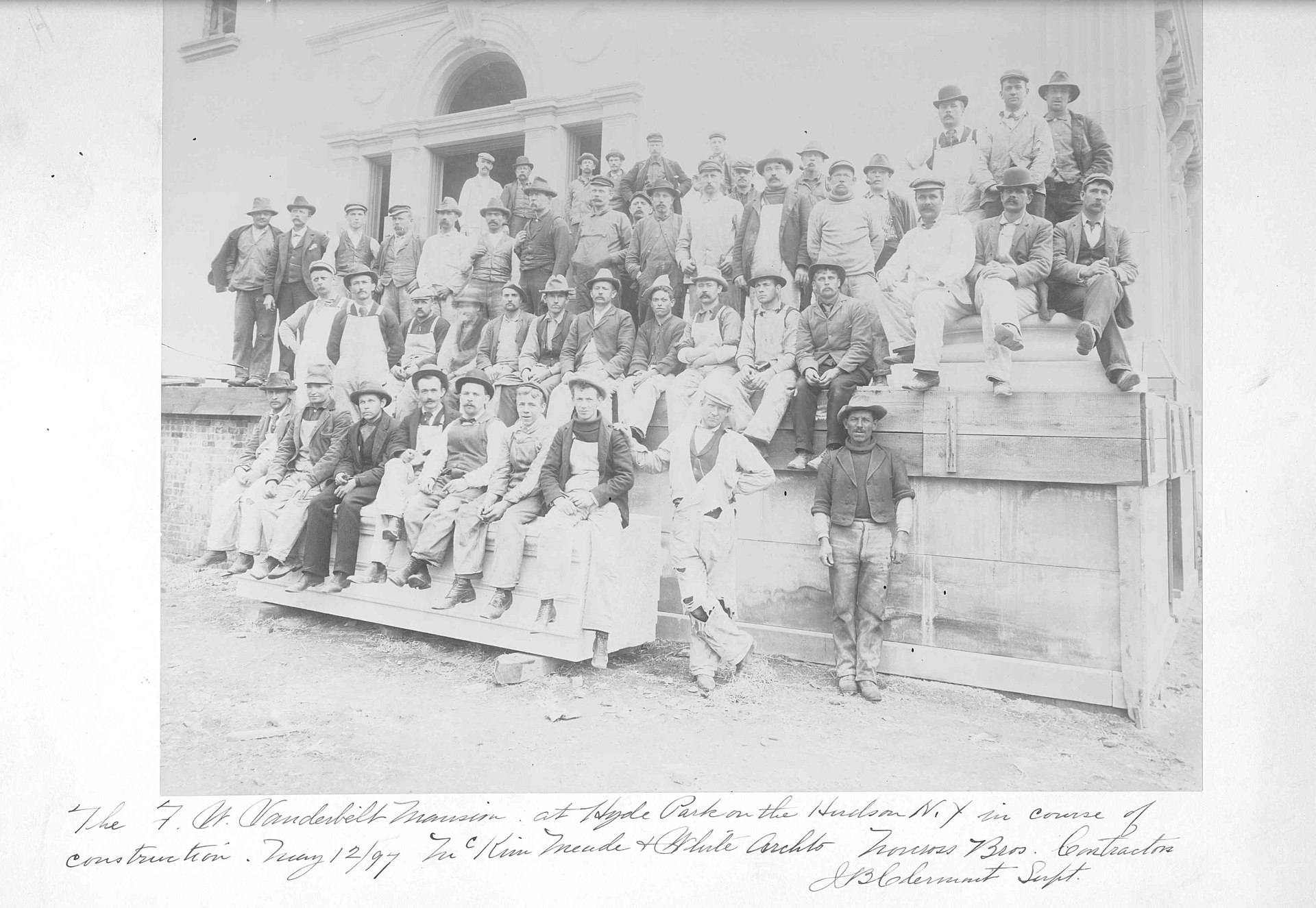
On May 12, 1897, employees of Norcross Brothers builders took a brief rest from the monumental task of raising the Frederick Vanderbilt estate in Hyde Park. Though it featured fifty-four rooms and sixteen bathrooms, the mansion was considered a modest country house compared to the larger Vanderbilt palaces. It was the first of the family’s great estates designed in the Beaux-Arts style, meant to prove that a summer home could be both a grand palace and a refined retreat from the city.
Image via Wikimedia Commons, public domain
The Voice of Americanism
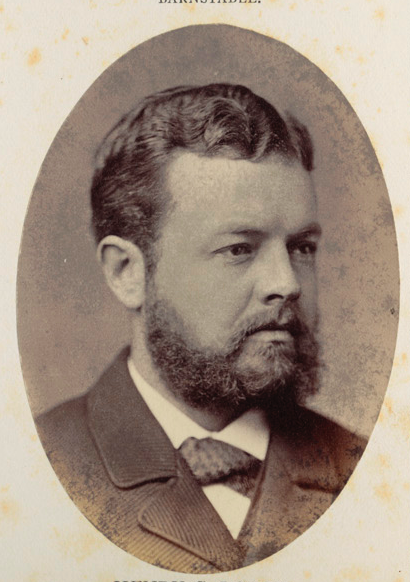
Henry Cabot Lodge believed that a nation’s strength was found in the shared pride of its citizens. Born in Boston on May 12, 1850, the statesman dedicated his career to the idea that the United States should remain an independent force on the world stage. He famously argued that the title of American citizen was the noblest a man could bear, a sentiment that fueled his lifelong resistance to international entanglements.
Image of H. C. Lodge c. 1880 via Wikimedia Commons, public domain
Soul Marching On
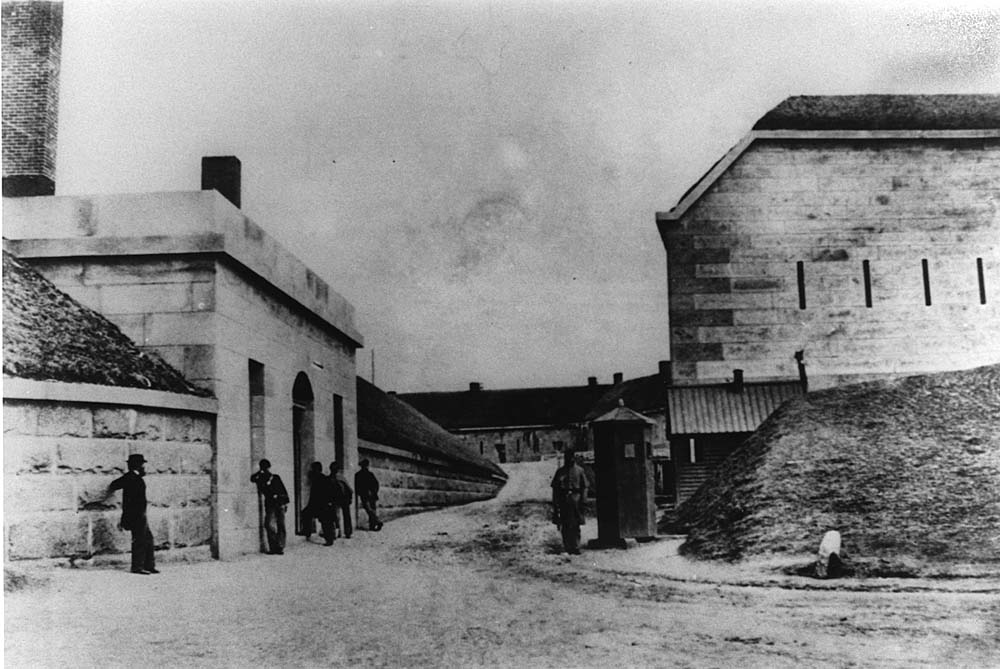
Before it became a national hymn, the melody that defines the American spirit echoed through the granite walls of Fort Warren. On May 12, 1861, soldiers first performed “John Brown’s Body,” the rough, driving marching song whose tune would later carry Julia Ward Howe’s famous lyrics. At the time, it was a gritty barracks chorus used to keep up spirits as the country braced for the long, dark road of the Civil War.
Image: The guardhouse (left) and sentry box (on right) at the entrance to Fort Warren about 1861 via Wikimedia Commons, public domain
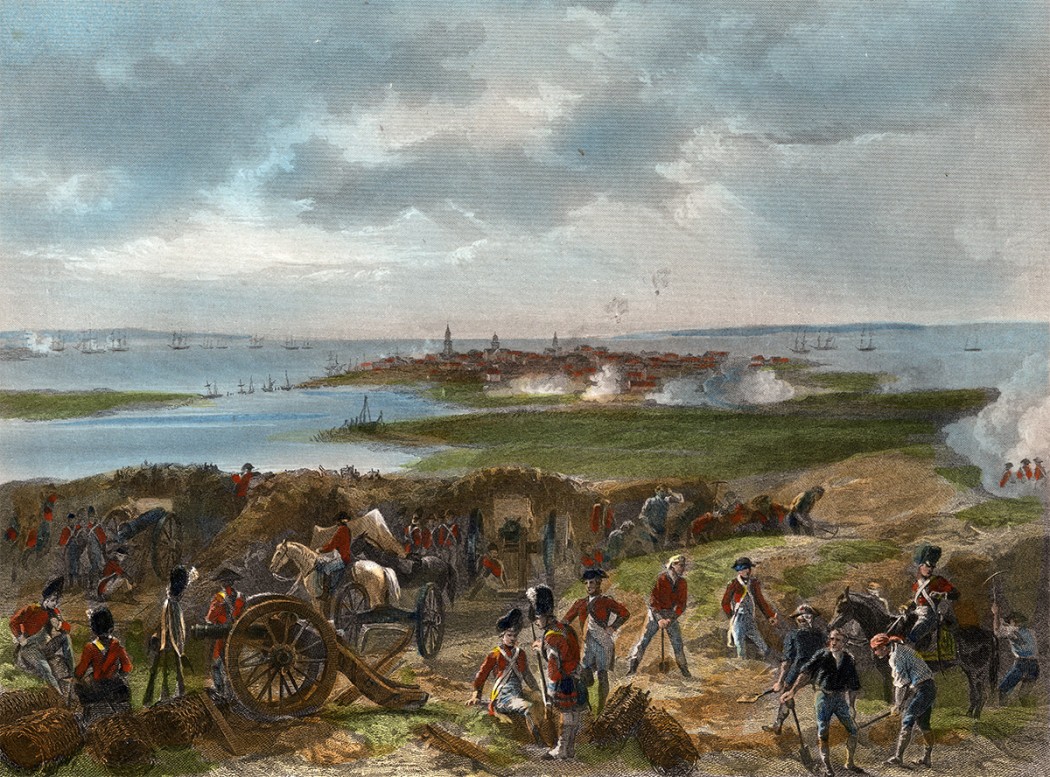
The High Cost of Honor
When Charleston fell in May 1780, the defeat was bitter enough. But the British deepened the wound by denying General Benjamin Lincoln’s army the traditional honors of war, forcing the Americans to surrender with their colors cased and their drums silent. Washington never forgot the slight. A year later at Yorktown, when the British asked for the customary honors, he refused — ordering that they accept the same terms imposed at Charleston. And in a final stroke of symmetry, Washington assigned the surrender ceremony not to himself, but to Lincoln, allowing the very general humiliated in 1780 to receive the British capitulation in 1781. What began as an insult ended as a quiet act of justice.
Image via Wikimedia Commons, public domain
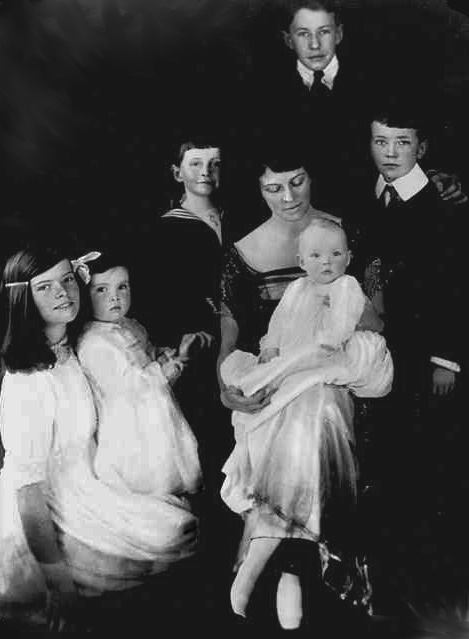
The Secret Birthday
Katharine Hepburn was born into a progressive Hartford family on May 12, 1907, though for decades the world believed she was several years older. After the tragic loss of her beloved brother, she adopted his November birthday as her own to keep his memory alive. It was only much later in her legendary career that the public learned the true date of the birth of the woman who would redefine the leading lady.
Katharine Hepburn (on the left) with family in 1921
Image via Wikimedia Commons, public domain
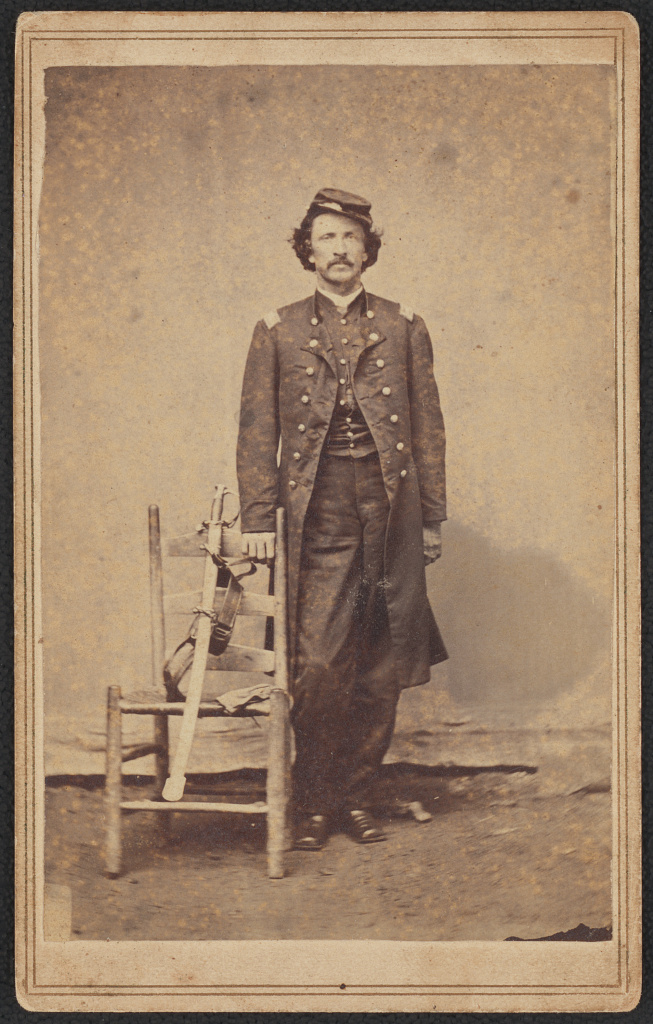
The Sword of the Last Surrender
A full month after the war had supposedly ended at Appomattox, the Civil War finally reached its conclusion in the woods of Georgia. On May 12, 1865, Colonel French B. Woodall accepted the surrender of the final organized Confederate forces in the East. He is seen here holding the sword of General William T. Wofford, a symbolic trophy of a conflict that refused to end with a single signature.
Image via LOC, no known restrictions
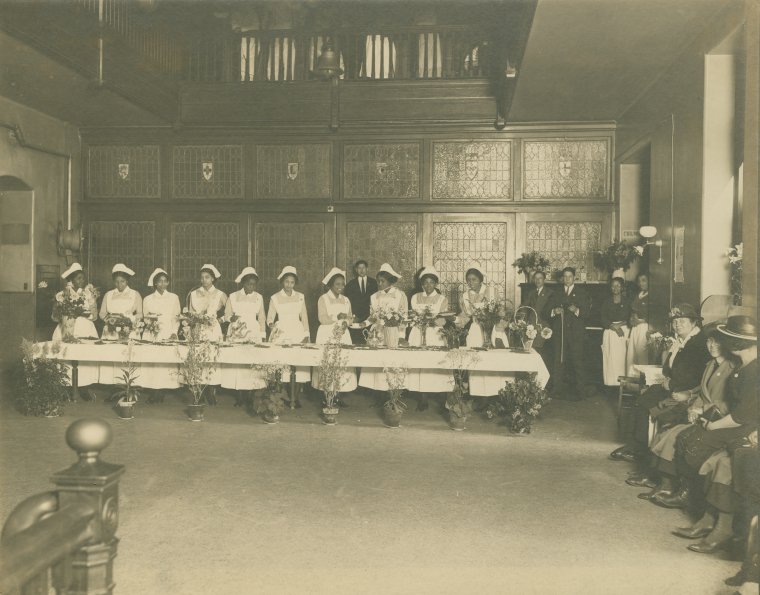
A Legacy of Care
National Hospital Day was established on May 12, 1921, to coincide with the birthday of Florence Nightingale, the mother of modern nursing. At Lincoln Hospital in New York, the day was marked with a formal tea and reception intended to show the public that hospitals were places of hope and healing rather than mere infirmaries, a vital message in the wake of the Great War.
Image via NYPL Digital Collections, no known restrictions
Mapping the End of War
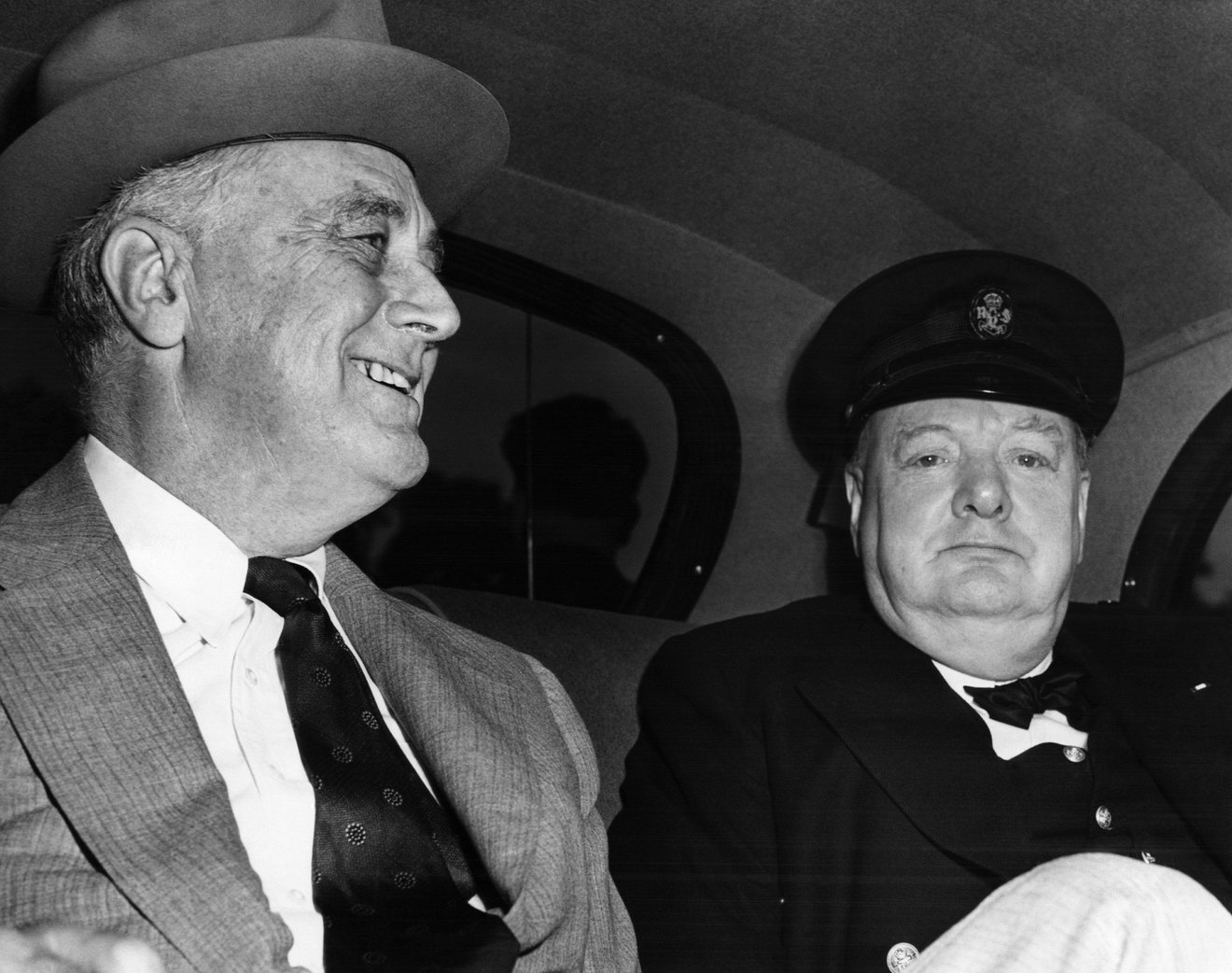
When Winston Churchill and Franklin D. Roosevelt met in Washington on May 12, 1943, the map of Europe was spread out before them. Codenamed Trident, this conference was where the two leaders wrestled with the logistics of the invasion of Normandy. It was here that the vague dream of a cross-channel attack finally became a concrete plan, setting the clock for the liberation of the continent.
Image via Alamy

The Tunnels of the North End
By May 1903, the city of Boston was literally being hollowed out to make way for the future. The excavation of the Atlantic Avenue station was a marvel of turn-of-the-century engineering, moving millions of tons of earth by hand and steam. This subterranean labor laid the groundwork for one of the oldest subway systems in the world, forever changing how people moved through the historic streets above.
May 12, 1903
Image via Wikimedia Commons, public domain
The Architect of the Sixties
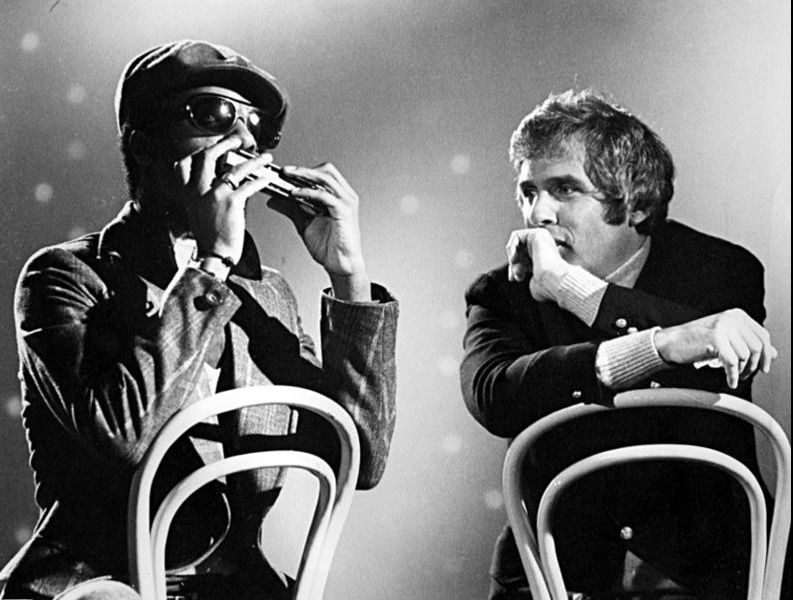
Burt Bacharach didn’t just write songs; he crafted the soundtrack for an entire era of sophistication. Born on May 12, 1928, he broke the rules of pop music by using complex time signatures and orchestral arrangements that were usually reserved for jazz. By the time he sat down for this 1973 session with Stevie Wonder, his music had been recorded by over a thousand artists, proving that his unique sound was truly universal.
Image via Wikimedia Commons, no known copyright, public domain in the US.
The Pink Empire
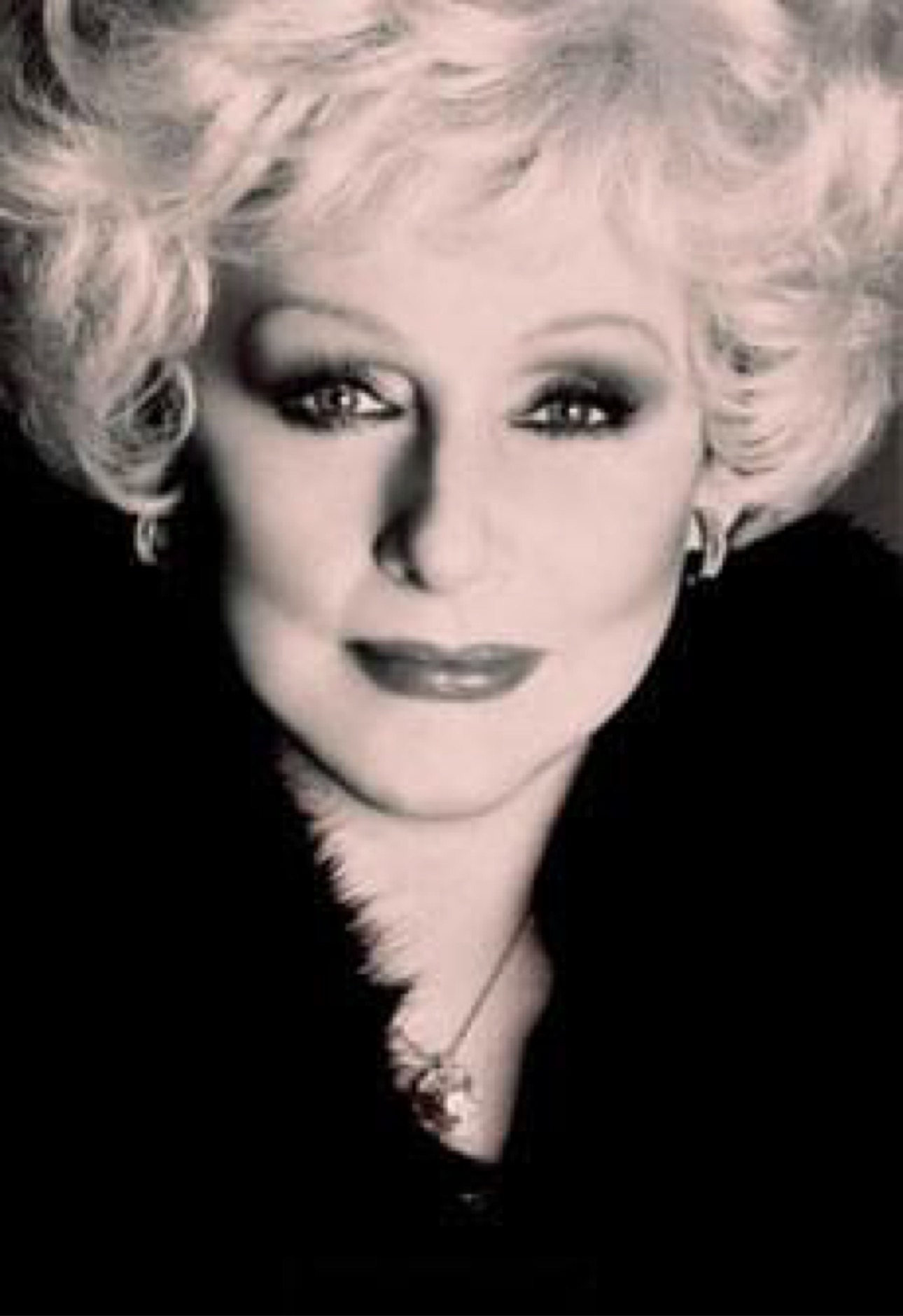
With only five thousand dollars and a relentless drive, Mary Kay Ash launched a business that would change the lives of millions of women. Born on May 12, 1918, she took the direct-sales model and turned it into a symbol of female empowerment. By the time she passed away, her modest Dallas storefront had grown into a global empire that turned cosmetics into a path for financial independence.
Image by Lisa Koz via Wikimedia Commons, CCA-SA 4.0 International.
The Bloody Angle
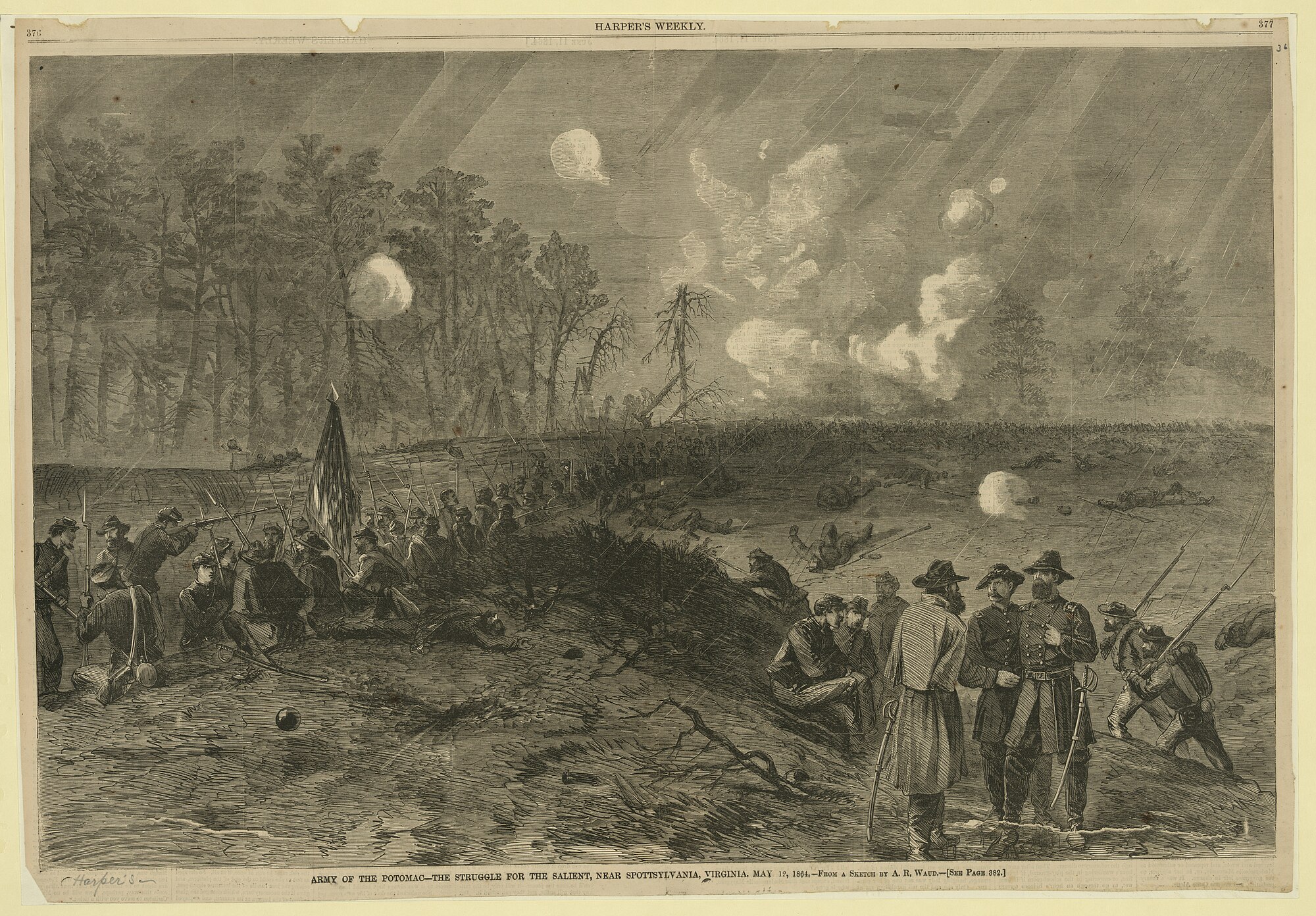
The fight at the Salient near Spotsylvania on May 12, 1864, was perhaps the most intense hand-to-hand combat ever seen on American soil. For twenty-two hours, soldiers fought over a small bend in the earthworks in a torrential rainstorm. The struggle was so fierce that a large oak tree nearby was eventually felled by the sheer volume of musket balls that passed through its trunk.
Image via Wikimedia Commons, public domain
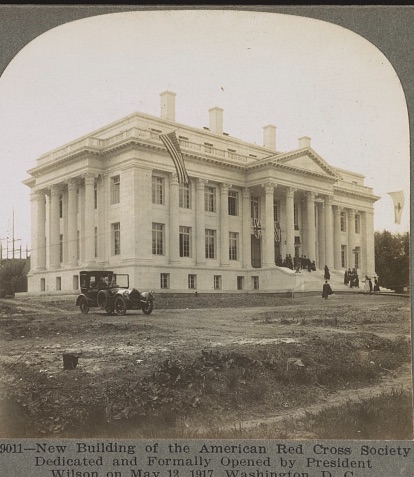
A Monument to Mercy
President Woodrow Wilson dedicated the new headquarters of the American Red Cross on May 12, 1917, as the nation prepared for its entry into World War I. The building was designed as a memorial to the women of the Civil War, bridging the gap between the two greatest conflicts in American history. It stood as a million-dollar promise that, even in times of global war, there would always be a place for compassion.
Image via LOC, no known restrictions
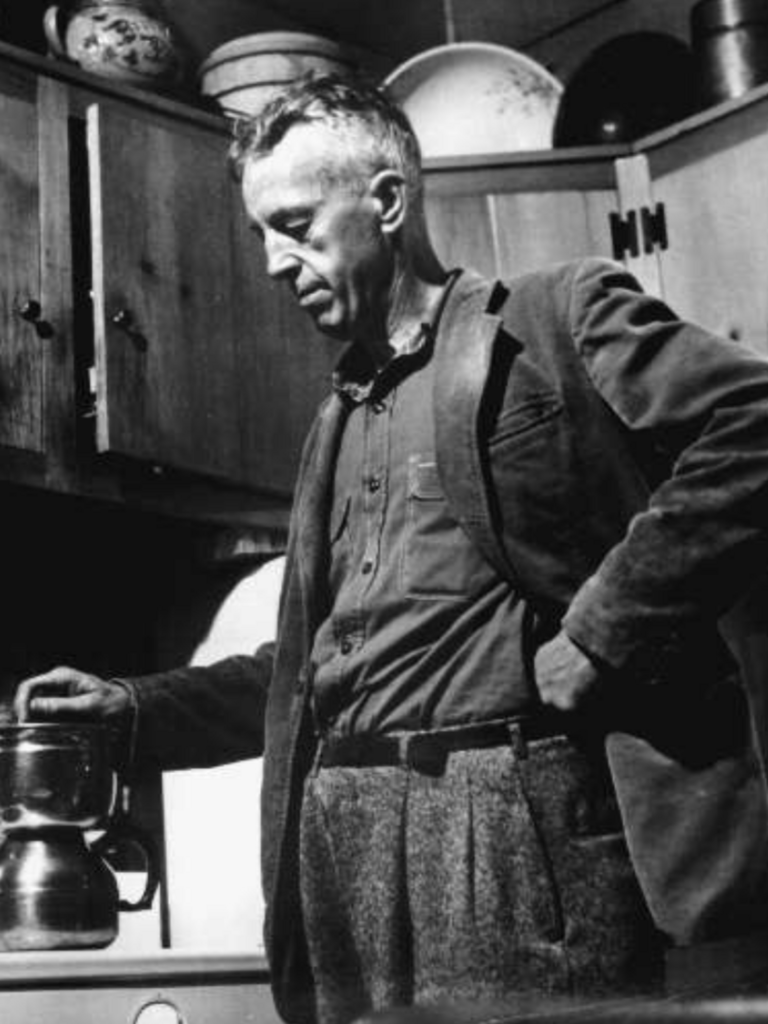
The Foundation of Support
On May 12, 1935, a chance meeting in Akron, Ohio, between a stockbroker and a surgeon led to the creation of Alcoholics Anonymous. Bill Wilson and Dr. Bob Smith, both struggling with the isolation of addiction, discovered that their shared experience was the key to their recovery. Based on the simple but revolutionary idea that one person’s struggle could support another’s, the organization grew from these two men into a global fellowship. This modest beginning fundamentally changed the world’s approach to addiction, replacing despair with a community of shared hope.
Image of Bill Wilson via Wikimedia Commons
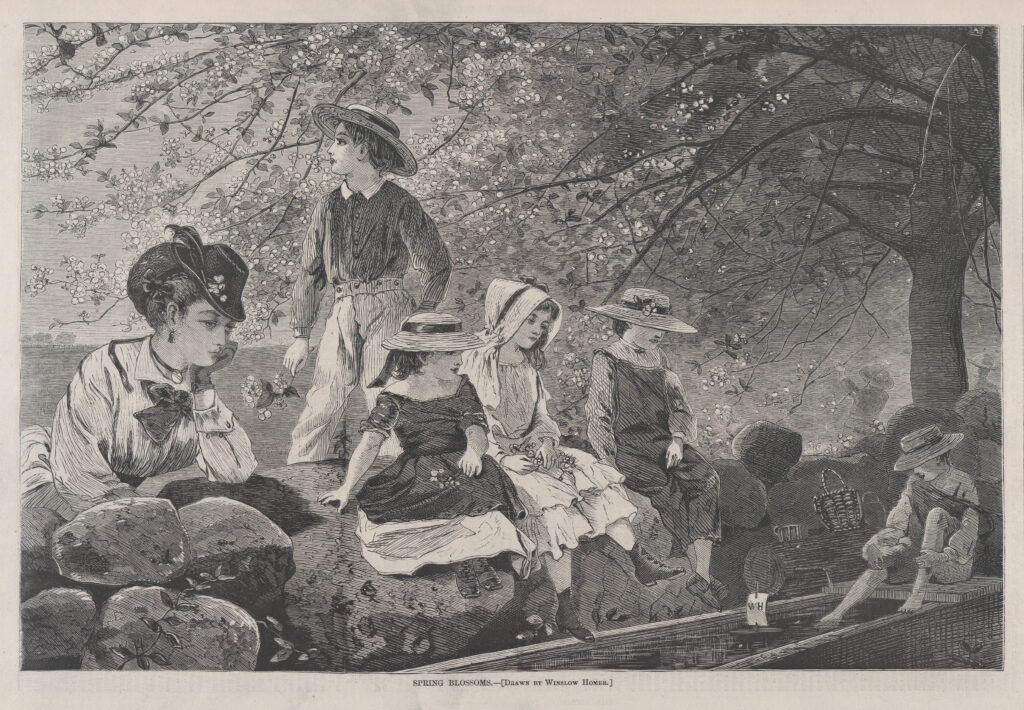
Spring Blossoms
Winslow Homer, wood engraving for Harper’s Weekly
Published May 12, 1870
Created while Homer was working from his studio in New York City’s Tenth Street Studio Building, this engraving reflects his turn toward scenes of American domestic life after the Civil War. Beneath a flowering tree, a woman and children gather in a peaceful spring landscape — a pastoral setting not tied to a specific place, but shaped by the observational clarity that defined Homer’s early illustration work. The moment captures the gentler rhythms returning to American life in the 1870s, rendered with the intimacy and narrative detail that would soon carry into his mature painting.
