
Red River Ox Carts: The Wooden Hum of a New State
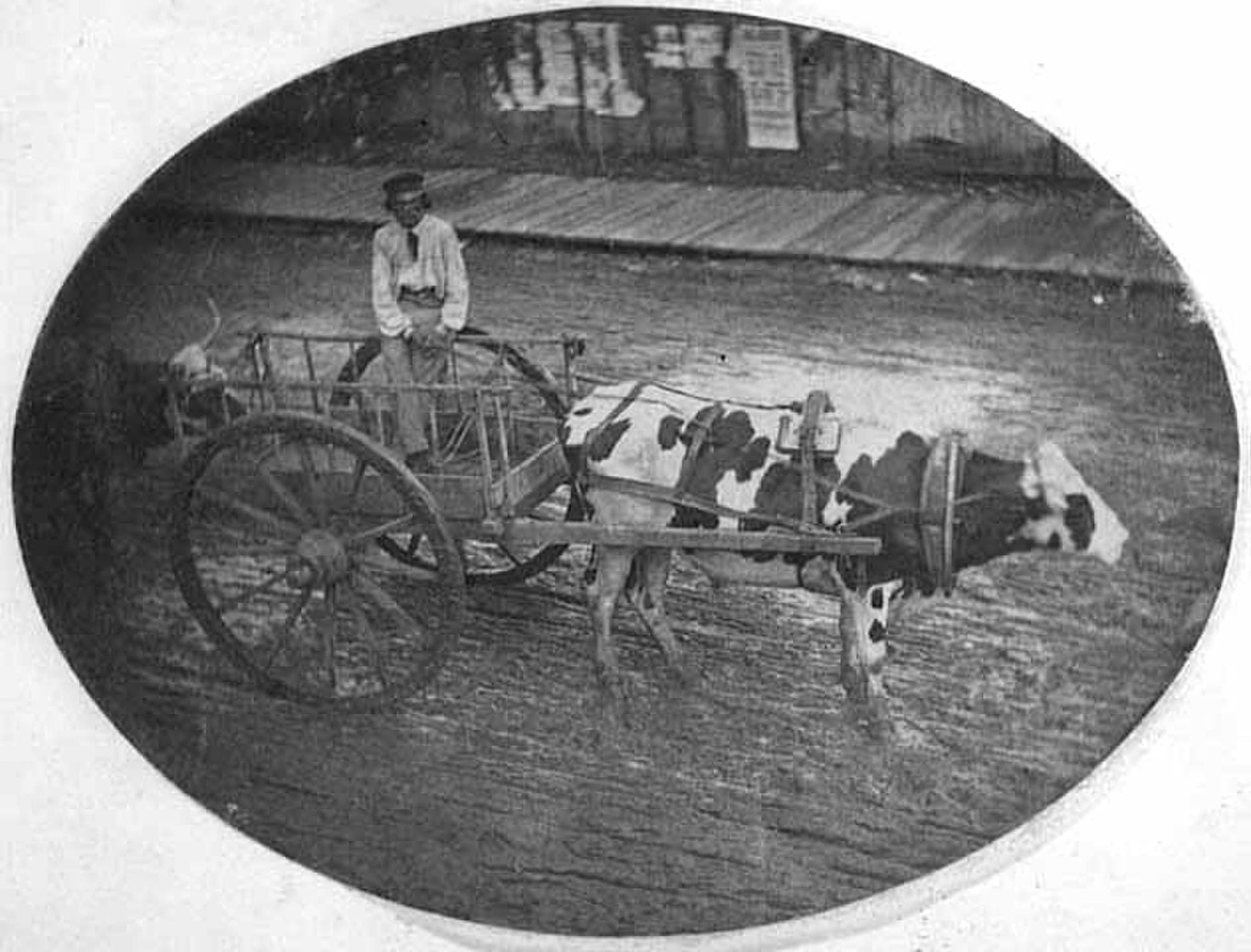
On May 11, 1858, Minnesota became the 32nd state, but its economy arrived on the back of ox carts that could be heard for miles. Because the axles were never greased—the dust of the prairie would have turned grease into a grinding paste—the wooden wheels produced a high-pitched, rhythmic shriek that became the unofficial soundtrack of the northern frontier.
Red River ox cart and driver in St. Paul, Minnesota c. 1858
Image via Wikimedia Commons, public domain
The Last Stand of J.E.B. Stuart: A Private’s Fateful Shot
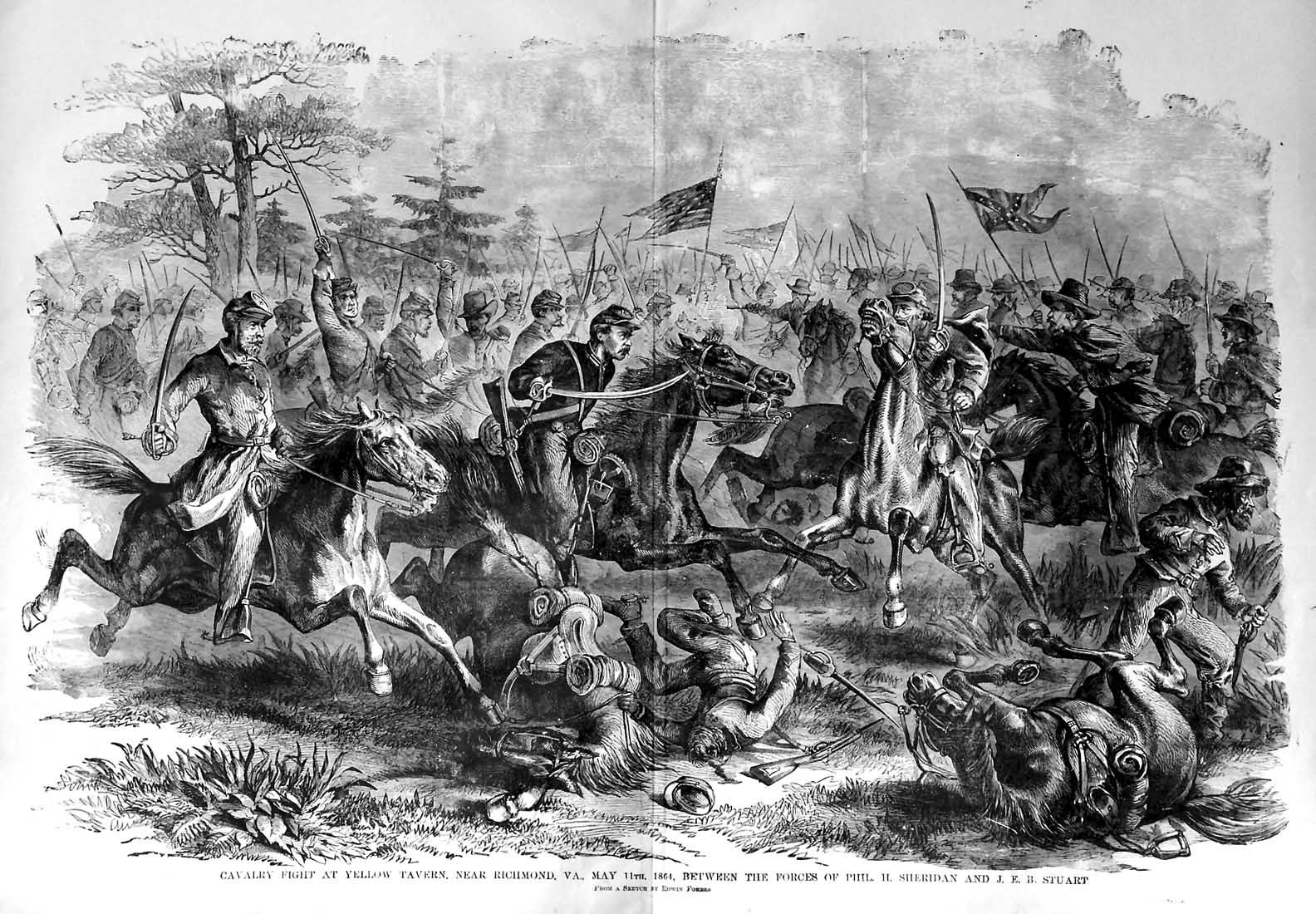
At the Battle of Yellow Tavern on May 11, 1864, the legendary Confederate cavalryman J.E.B. Stuart was mortally wounded, reportedly by Private John Huff. The fascinating irony of this duel is that Huff was a former sharpshooter using a simple .44 caliber revolver, proveing that the most famous cavalier of the South could be brought down by a lone, dismounted soldier in a chaotic thicket.
Image via Wikimedia Commons, public domain

The Silent Debut of God Bless America: Berlin’s Forgotten Draft
WWI veteran Irving Berlin was born on May 11, 1888, and while he wrote God Bless America in 1918, he actually locked it in a drawer for twenty years. He felt the song was too strong for a soldier’s revue and only pulled it out in 1938 when he realized the world needed a prayer for peace as a second global conflict loomed on the horizon.
Image: Irving Berlin in 1906 via Wikimedia Commons, public domain
The Harrisburg Blast: A Collision Felt Across the Valley
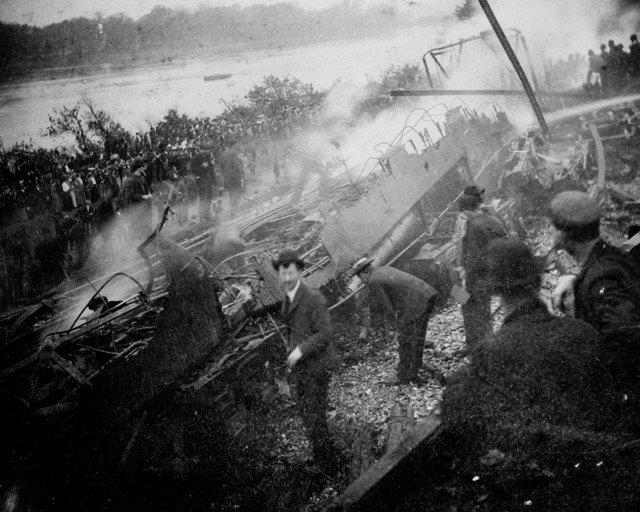
When a passenger train struck a freight car loaded with blasting powder near Harrisburg on May 11, 1905, the resulting explosion was one of the most violent in Pennsylvania’s rail history. More than 20,000 pounds of powder ignited at once, shattering windows for blocks and hurling debris and passengers toward the Susquehanna. Contemporary reports describe a flash visible for miles and a shockwave that rippled across the river valley — a disaster so powerful it briefly felt like the ground itself had given way.
Image via Wikimedia Commons, public domain
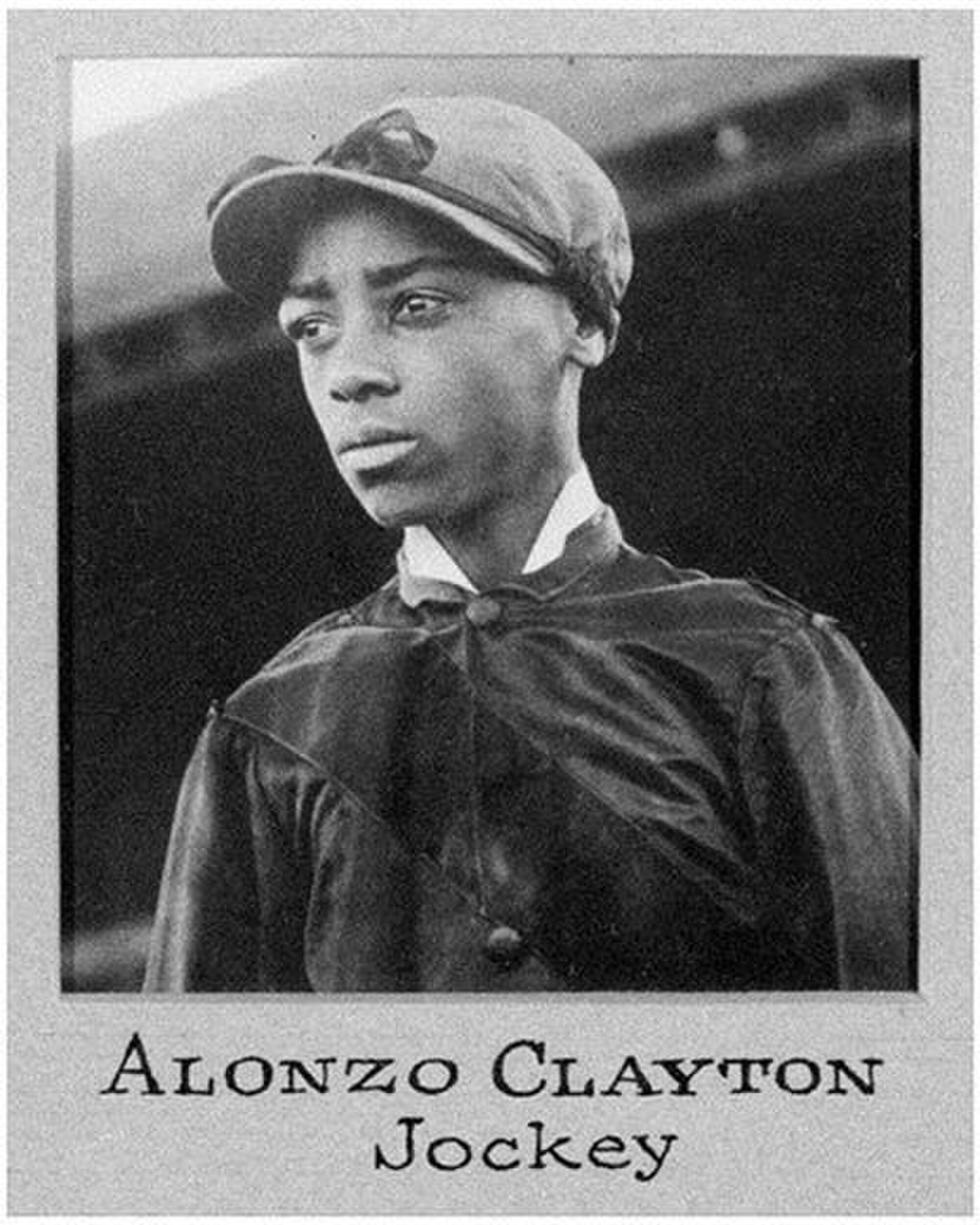
Lonnie Clayton: The Teenager Who Ruled the Turf
On May 11, 1892, 15-year-old Alonzo Clayton cemented his place in history as the youngest Kentucky Derby winner ever. What makes his win on the horse Azra truly remarkable is that it happened during a time when Black jockeys dominated the sport, winning 15 of the first 28 Derbies and setting technical standards for riding that are still used today.
Image via Wikimedia Commons, public domain
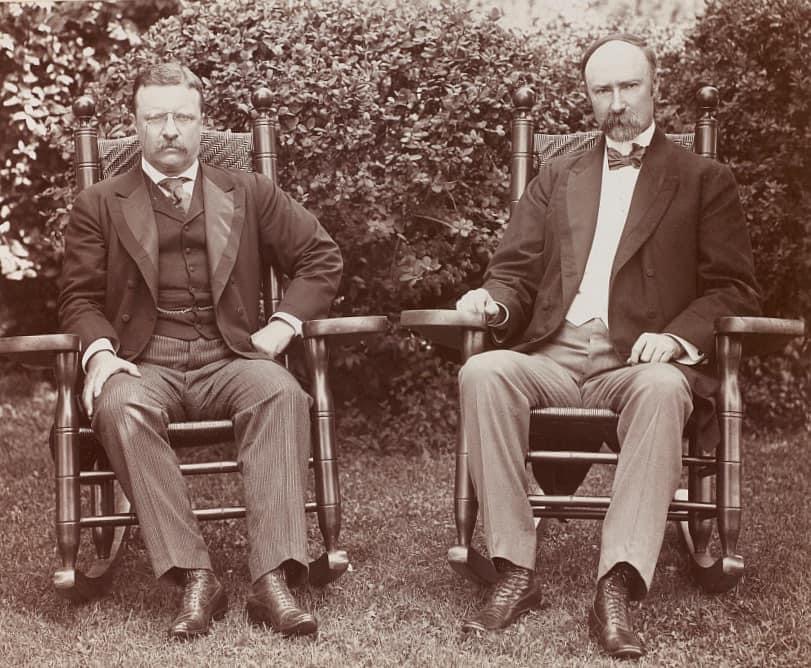
The Vice President in the Shadows: Fairbanks and the Rocking Chair
Charles Fairbanks, born May 11, 1852, served as Theodore Roosevelt’s cool, measured counterweight. In photographs of the two men seated in rocking chairs, their contrasting temperaments are unmistakable. Fairbanks — tall, reserved, and famously nicknamed the Indiana Icicle — offered a composed presence beside Roosevelt’s restless energy, a partnership defined as much by contrast as by cooperation.
Image of Theodore Roosevelt seated next to Charles Fairbanks both in rocking chairs via Wikimedia Commons, public domain
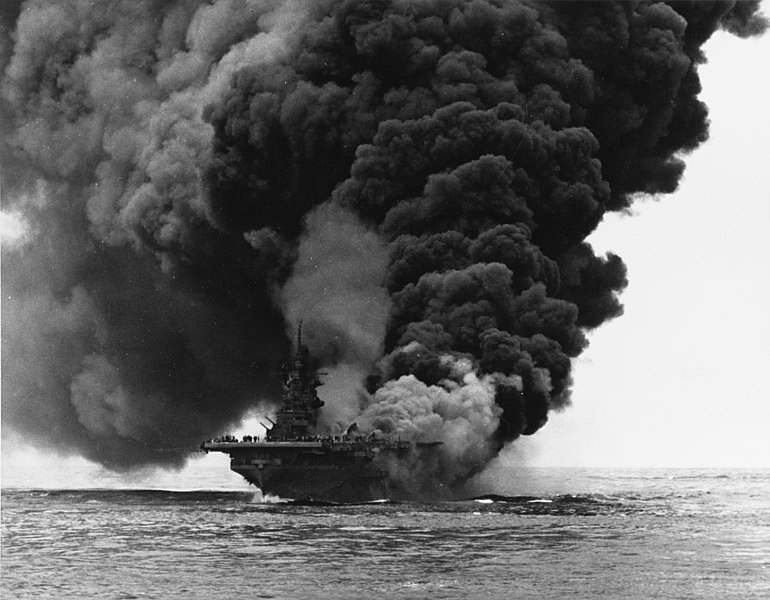
The Ordeal of the USS Bunker Hill: A Carrier’s Fight to Stay Afloat
The kamikaze attack on the USS Bunker Hill on May 11, 1945, remains one of the most devastating strikes on an American carrier. Two planes hit within half a minute, turning the flight deck into a burning maze of fuel and debris. Even so, the ship’s officers maneuvered hard to port to help sweep flames and wreckage overboard — a desperate tactic that, along with the crew’s relentless firefighting, kept the carrier upright long enough to save her.
Image from US Naval History & Heritage Command via Wikimedia Commons, public domain in the US
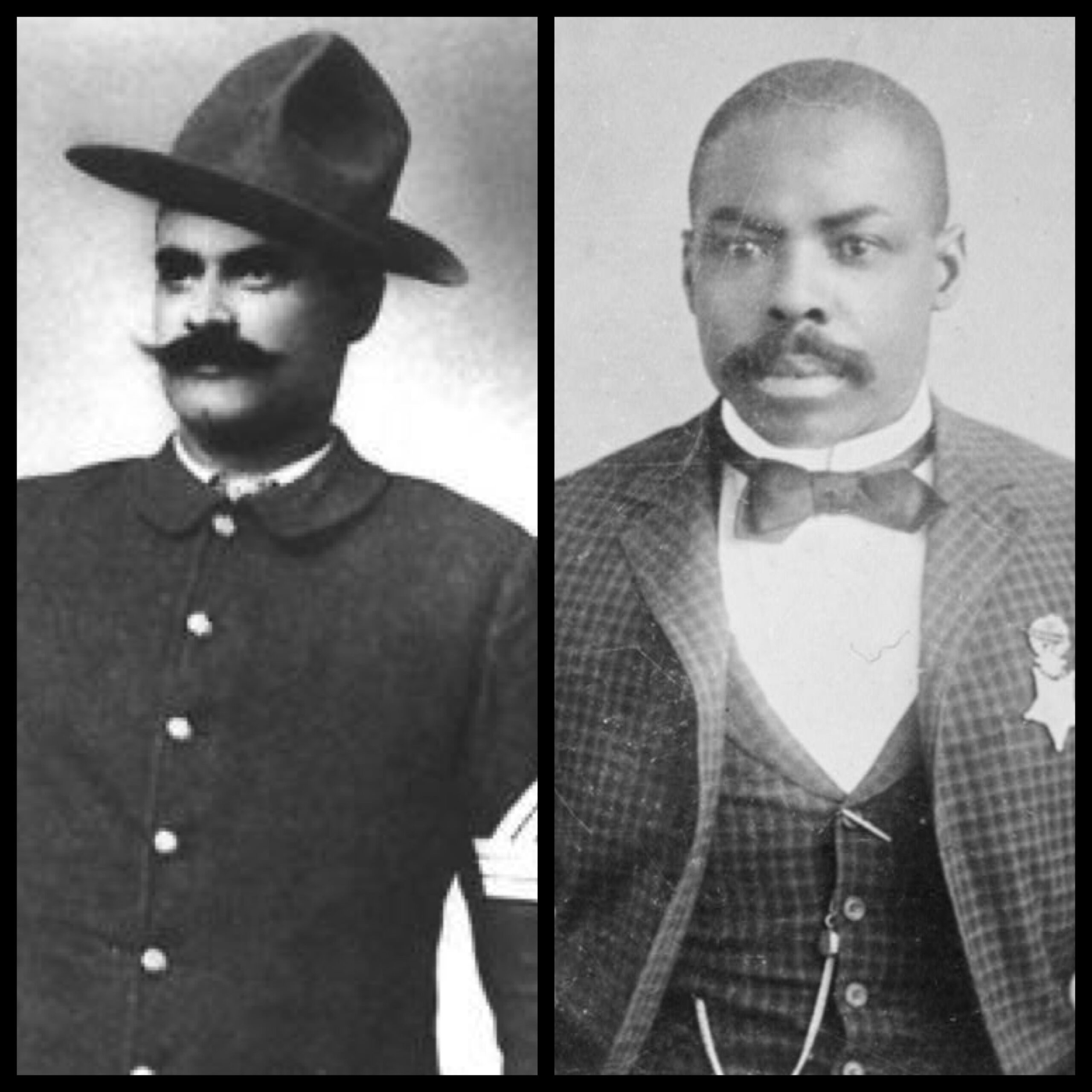
Bravery Under Fire: The Buffalo Soldiers of the Wham Robbery
Benjamin Brown and Isaiah Mays earned their Medals of Honor on May 11, 1889, during a desert ambush that played out like a Hollywood western. Even after being shot multiple times and with their commanding officer wounded, they crawled through open terrain to keep the bandits at bay, proving the legendary resilience of the Buffalo Soldiers against overwhelming odds.
Images via Wikimedia Commons, public domain

Finding the Great River: Gray’s Saltwater Clue
When Captain Robert Gray crossed the Columbia River bar on May 11, 1792, he did so guided by a subtle but telling sign: miles offshore, the ocean water shifted in color and taste, thinned by the outflow of a massive river he had not yet seen. That change convinced him he was approaching a major waterway — a hunch confirmed moments later when the breakers opened into the mouth of the Columbia.
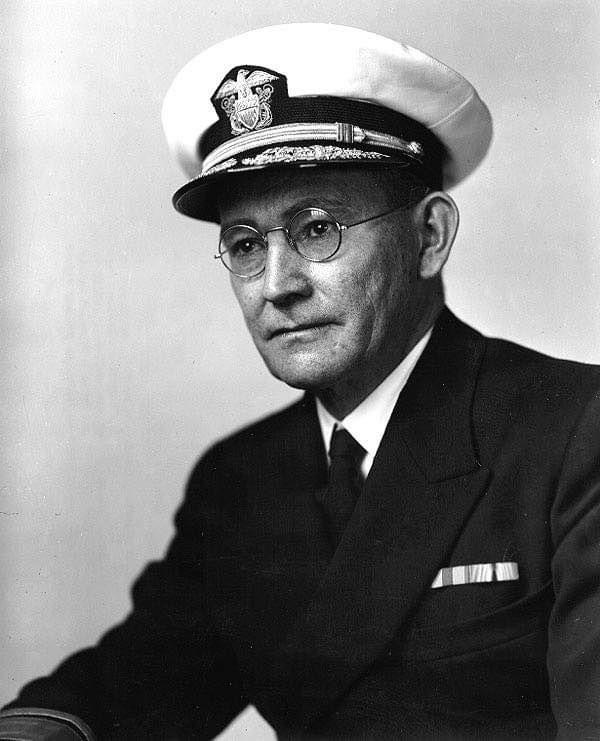
The Sharpshooter Admiral: Willis Lee’s Double Legacy
Born May 11, 1888, Willis Augustus Lee mastered precision long before he commanded a battleship. At the 1920 Olympics he earned seven medals in shooting, a testament to his uncanny aim. Two decades later, he brought that same discipline to naval warfare, leading the USS Washington at the night Battle of Guadalcanal — one of the first major surface actions in which radar-directed gunfire proved decisive.
Image: Rear Admiral Willis A. Lee, 1942 via Wikimedia Commons, public domain
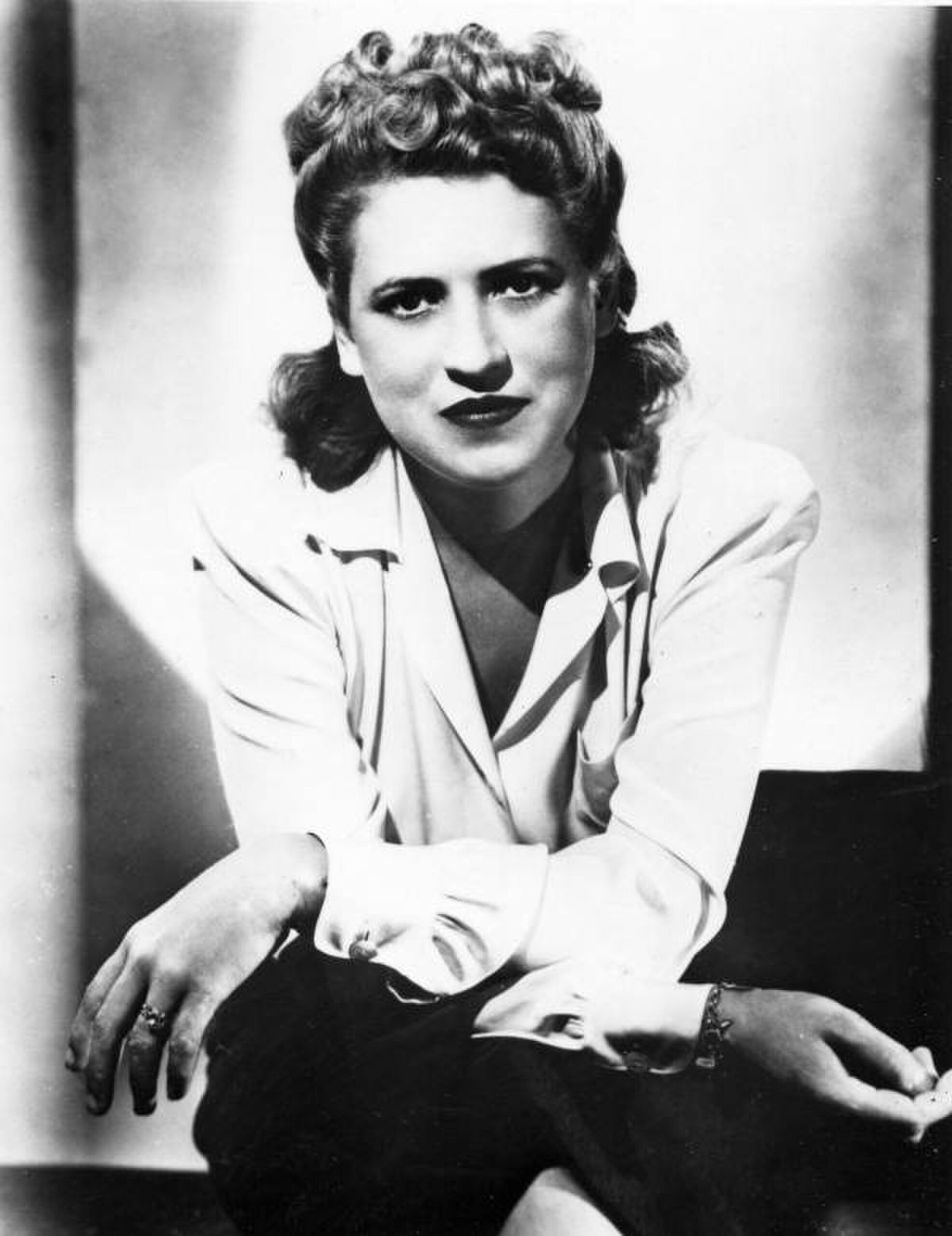
Breaking the Barrier: Jacqueline Cochran’s Need for Speed
Jacqueline Cochran, born May 11, 1906, spent her life pushing past limits others assumed were fixed. On May 18, 1953, flying an F‑86 Sabre with Chuck Yeager in chase, she became the first woman to break the sound barrier. Her achievements — from leading the Women Airforce Service Pilots to setting record after record — demonstrated that women could master the most advanced aircraft of their era and helped open the skies to generations who followed.
Image of Jacqueline Cochran c. 1940 via Wikimedia Commons, public domain

Glacier’s Ancient Trails: A Park of Seven Hundred Miles
Established on May 11, 1910, Glacier National Park contains more than 700 miles of trails — a network as long as the span from New York to South Carolina. Many of these routes trace far older paths used by the Blackfeet, Salish, and Kootenai peoples, meaning that today’s hikers often follow corridors shaped by thousands of years of travel through the mountains.
Image via Wikimedia Commons, public domain
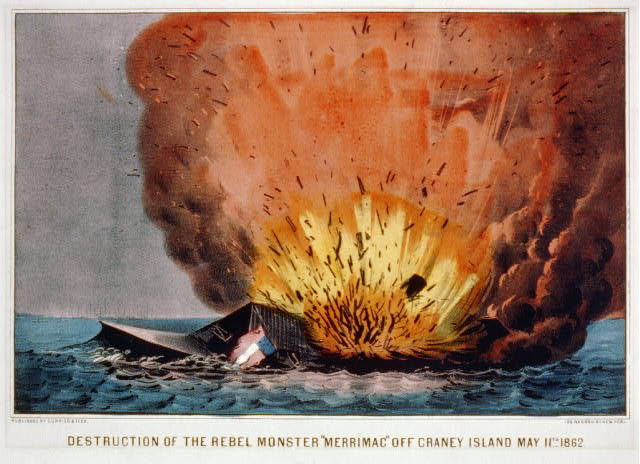
The Self-Destruction of the Merrimac: A Ship Without a Port
On May 11, 1862, the CSS Virginia, formerly the Merrimac, met a fiery end not by enemy fire, but by its own crew’s torches. Because the ironclad was built so heavily that it couldn’t sail into shallow river waters to escape the advancing Union Army, its own sailors had to blow it up to prevent the world’s most feared secret weapon from falling into Northern hands.
Image via LOC, no known restrictions
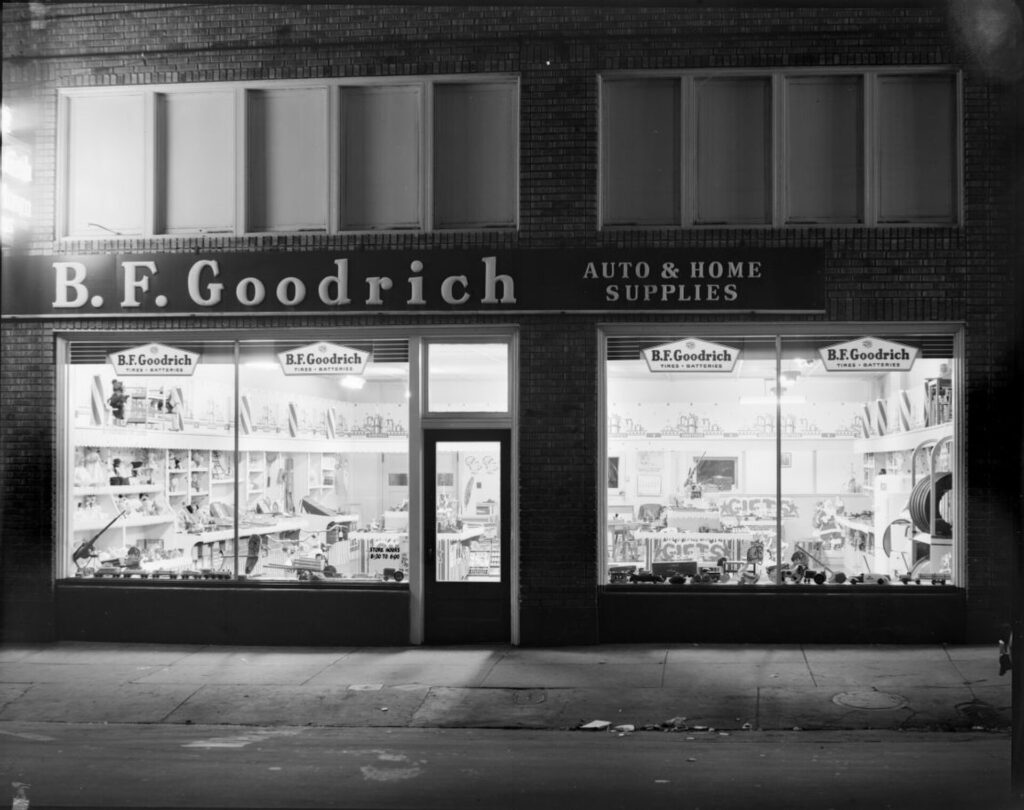
The First Tubeless Tire: A Revolution in Rubber
This B.F. Goodrich Auto & Home Supply Store, shown in the mid‑1940s, stood on the edge of a major shift.
On May 11, 1947, the company announced the tubeless tire — a design that built the air‑retaining liner directly into the casing and dramatically reduced the sudden failures common with inner tubes. Blowouts didn’t disappear, but they became far less frequent and far less violent, marking a quiet revolution in everyday road safety.
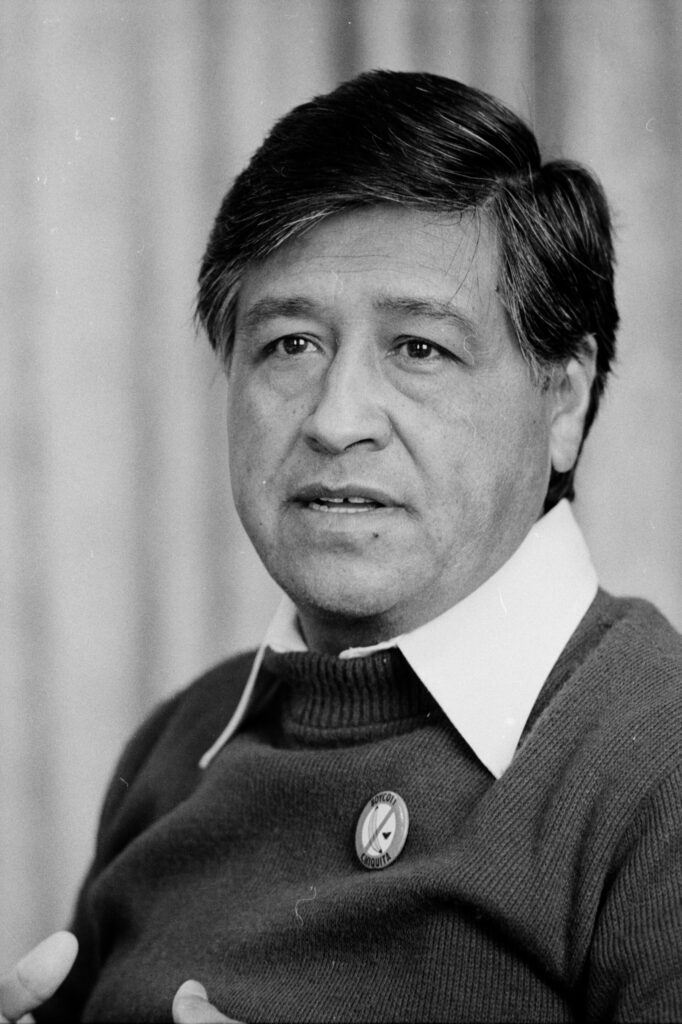
Cesar Chavez’s Hunger for Justice: The Arizona Protest
On May 11, 1972, Cesar Chavez began a 24‑day hunger strike in Phoenix to protest an Arizona law that sharply limited farmworkers’ ability to organize. He described the fast as an act of penance and moral appeal, a call for the nation to recognize the dignity of those who harvested its food. The vigil drew national figures — including Coretta Scott King — who stood with Chavez as his quiet protest reshaped the conversation around labor rights.
Image via Wikimedia Commons, public domain
