
The First American League Grand Slam
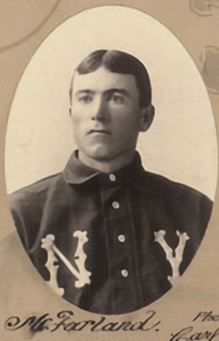
The American League saw its very first grand slam on May 1, 1901, when Herm McFarland (shown) of the Chicago White Sox cleared the bases during a massive 19-9 victory over the Detroit Tigers. It was a chaotic day in baseball history, as the Tigers committed a staggering 12 errors during the game, still one of the most error-prone performances in professional sports.
Image of McFarland when he played with the NY Highlanders, a few years later in 1903.
The Wizard of the Midway
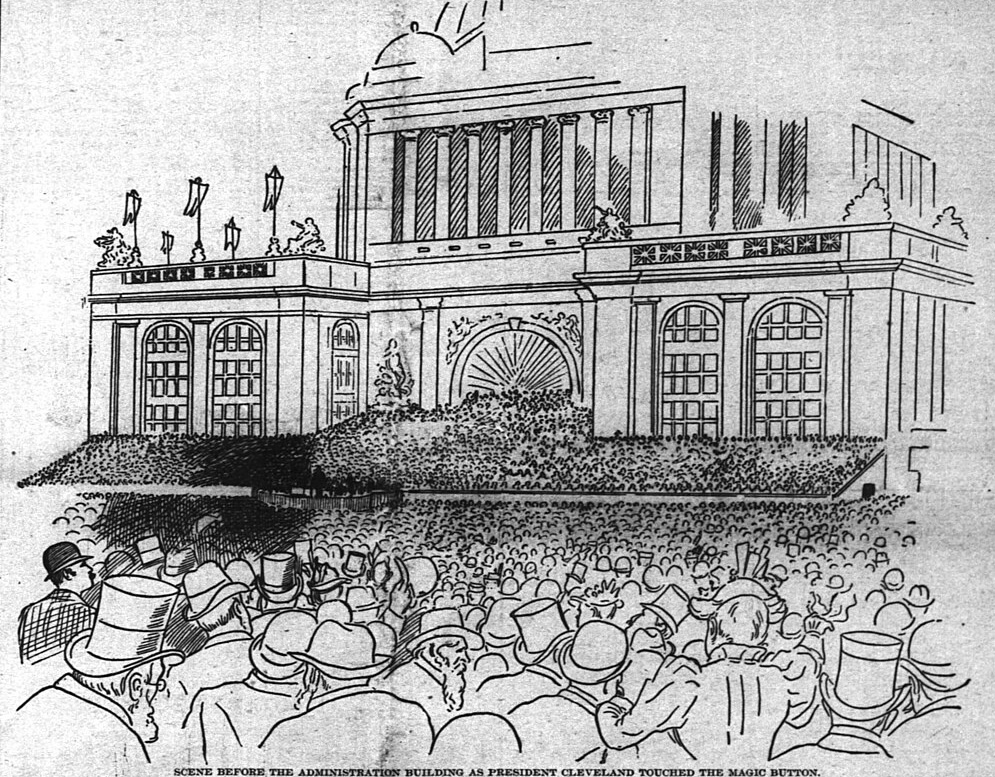
On May 1, 1893, President Grover Cleveland pressed a gold‑plated telegraph key to officially open the World’s Columbian Exposition in Chicago. The signal raced to Machinery Hall, where it set the great Allis‑Corliss engine and Westinghouse alternating‑current generators in motion, flooding the fairgrounds with electric light. It was the first World’s Fair powered by AC, and the sudden illumination of the White City became one of the defining spectacles of the age—an architectural and technological vision that helped shape the modern American imagination.
Springtime Serenade
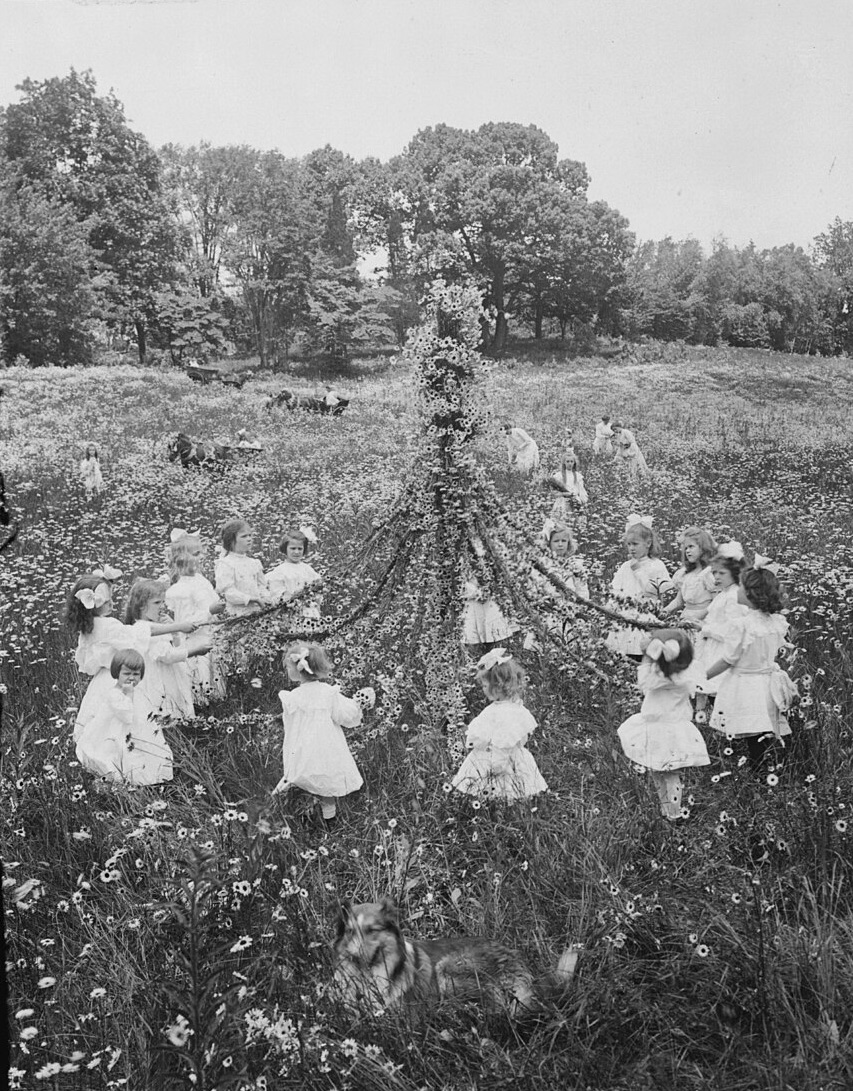
Girls in white dresses weave through spring wildflowers in 1905. In this era, May Day was a major community celebration, with children dancing around a Maypole and leaving small baskets of flowers on neighbors’ doorknobs as anonymous gifts.
Image from LOC via Wikimedia Commons, public domain in the US.
Soft Rock Sensations
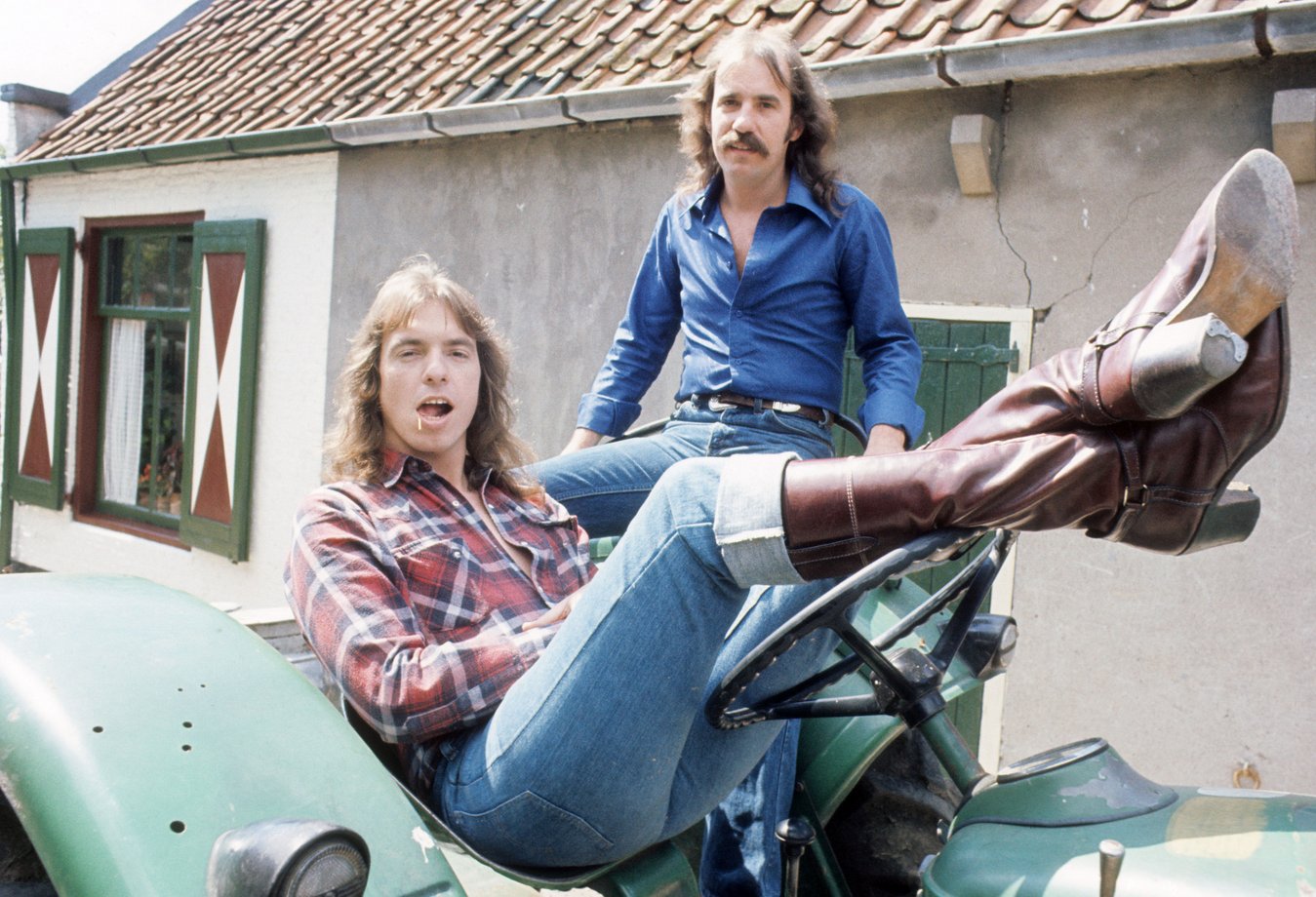
The Bellamy Brothers hit the top of the charts with Let Your Love Flow on May 1, 1976. Interestingly, the song was originally written by a roadie for Neil Diamond who didn’t think it fit his own style, leading the brothers to record what would become an international anthem of the decade.
Photo of the Bellamy Brothers in 1976 via Alamy
The First March on Washington
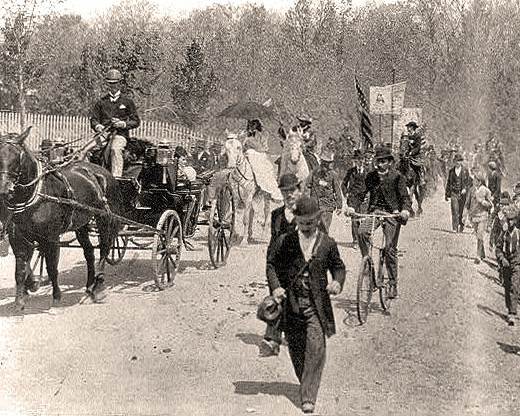
Jacob Coxey led the first significant protest march on Washington, arriving on May 1, 1894, to demand a public works program to help the unemployed. Upon arrival, Coxey was actually arrested for walking on the grass of the Capitol, but his movement paved the legal way for all future organized demonstrations in the seat of government.
Image from LOC via Wikimedia Commons, public domain in the US.
The World’s Tallest Lightning Rod
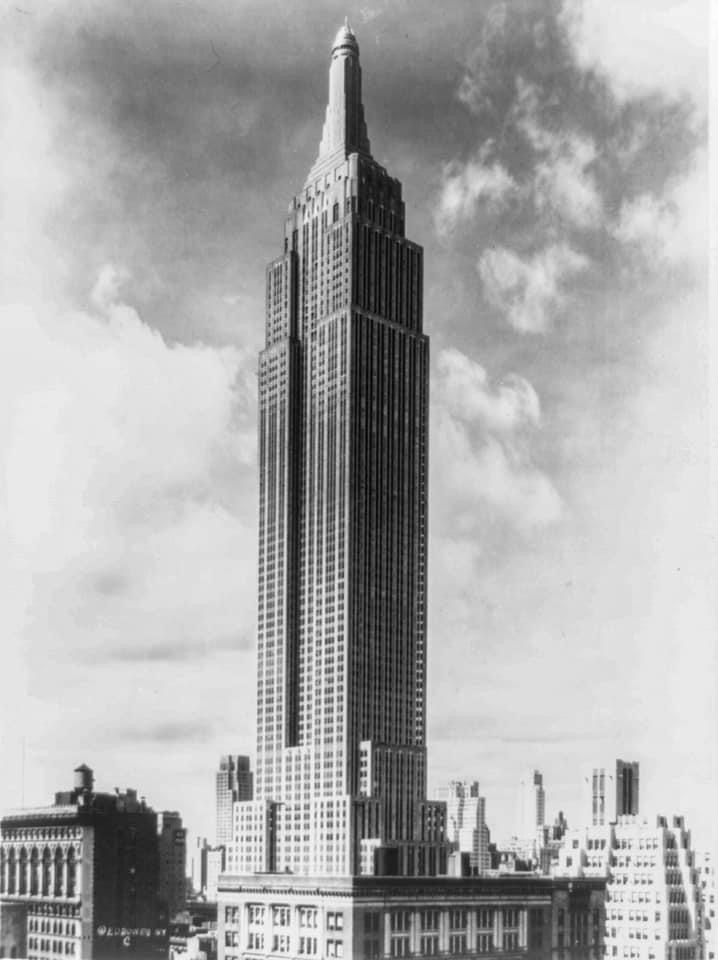
The Empire State Building opened its doors on May 1, 1931, standing nearly 400 feet taller than the Eiffel Tower. Because of its massive height and steel frame, the building is struck by lightning between 20 and 100 times every year, acting as a giant lightning rod for the city of Manhattan.
Image of the exterior of The Empire State Building in 1931 via Wikimedia Commons, public domain
A Brush with History
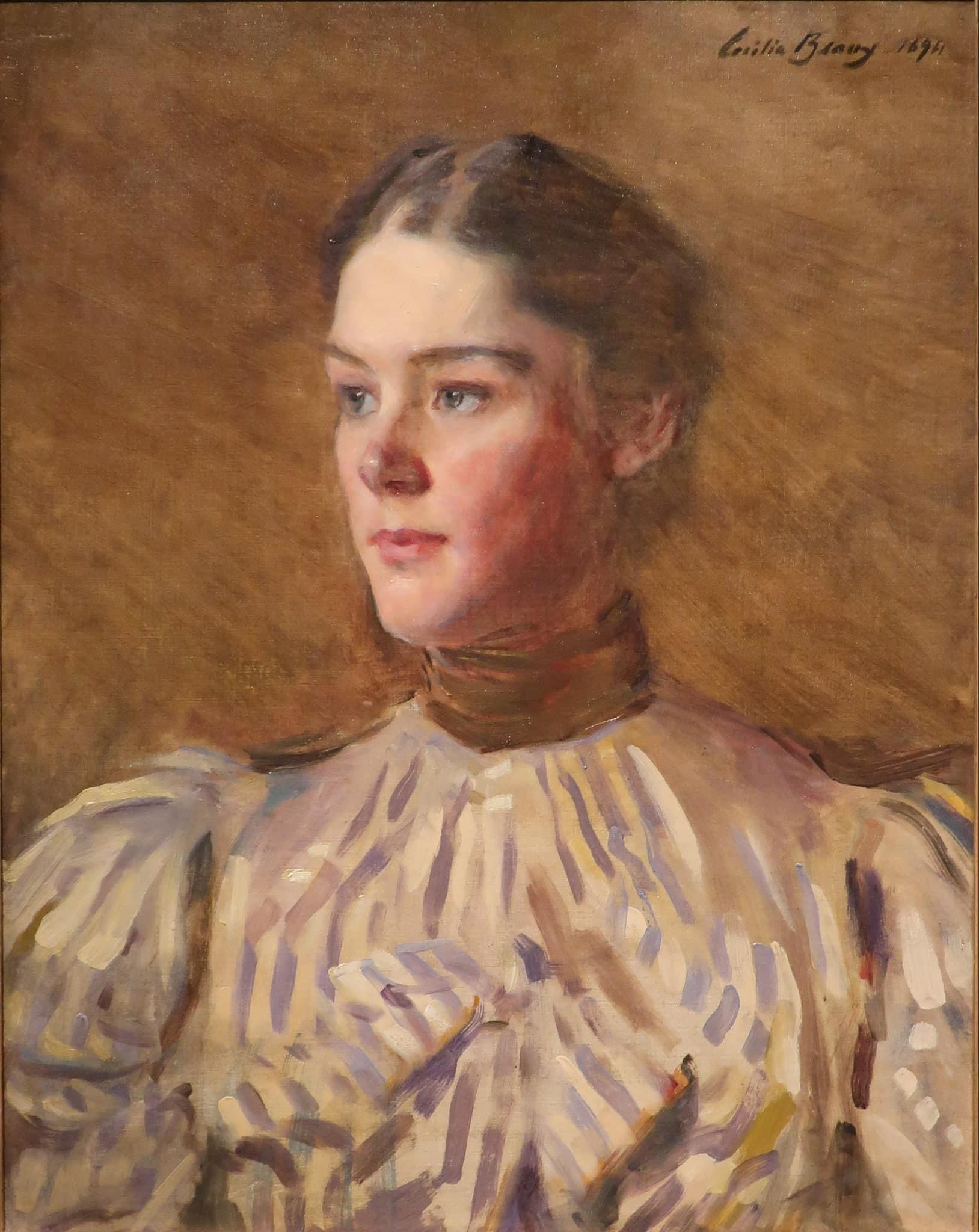
Cecilia Beaux, born May 1, 1855, was a trailblazing portraitist who became the first full-time female faculty member at the Pennsylvania Academy of the Fine Arts. She was so highly regarded in her time that she was commissioned to paint First Lady Edith Roosevelt and later became one of the few women to ever be invited to contribute a self-portrait to the famous Uffizi Gallery in Italy.
Image via Wikimedia Commons, public domain
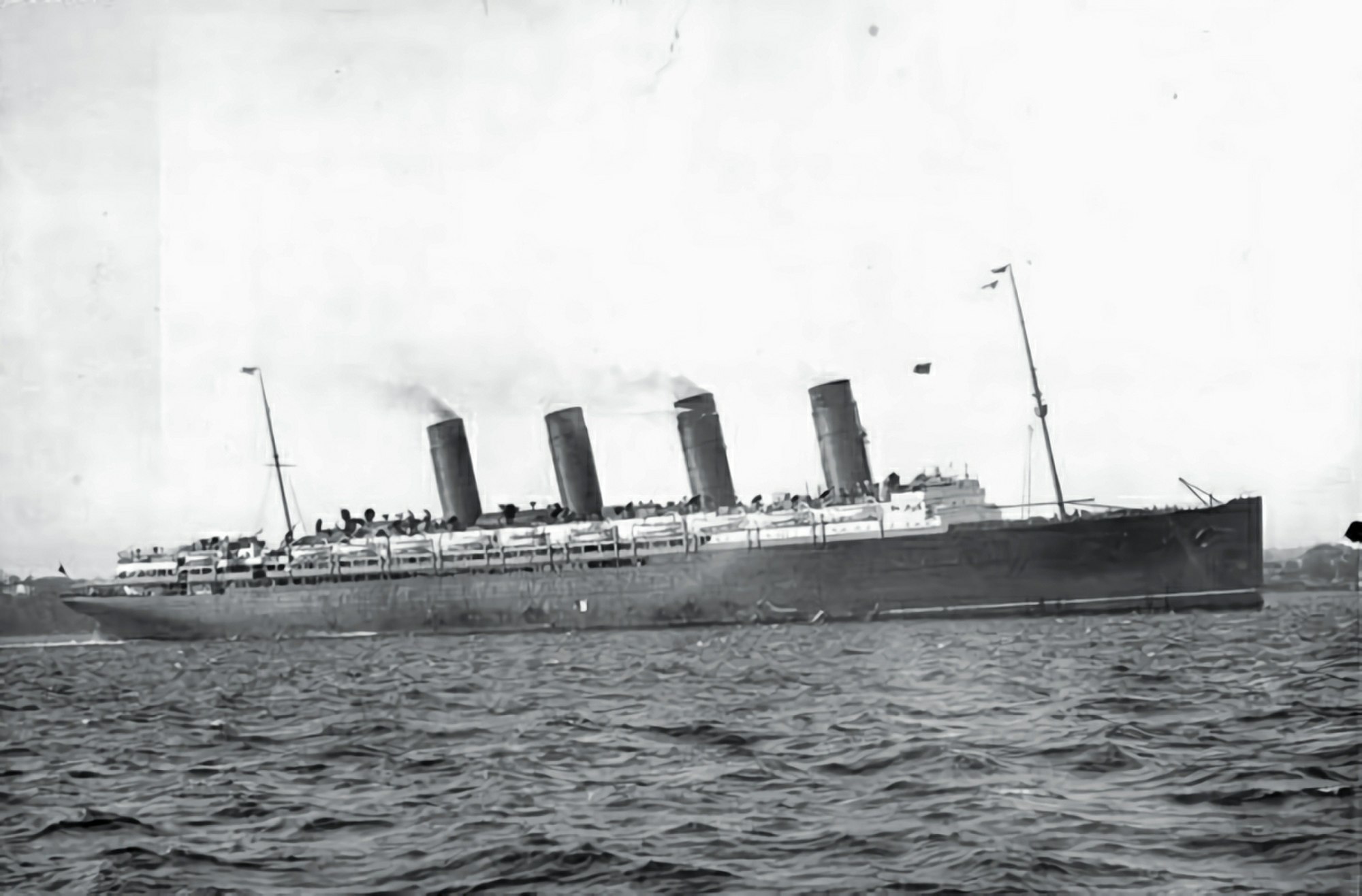
The Last Departure of the Lusitania
When the RMS Lusitania left New York for Liverpool on May 1, 1915, it was the fastest ship in the world. Despite the danger of the Great War, many passengers felt safe because the ship was equipped with 48 lifeboats, far more than the Titanic had carried just three years earlier, though even these proved insufficient when the torpedo struck.
Image: RMS Lusitania leaving New York Habor on May 1, 1915 via Wikimedia Commons, public domain
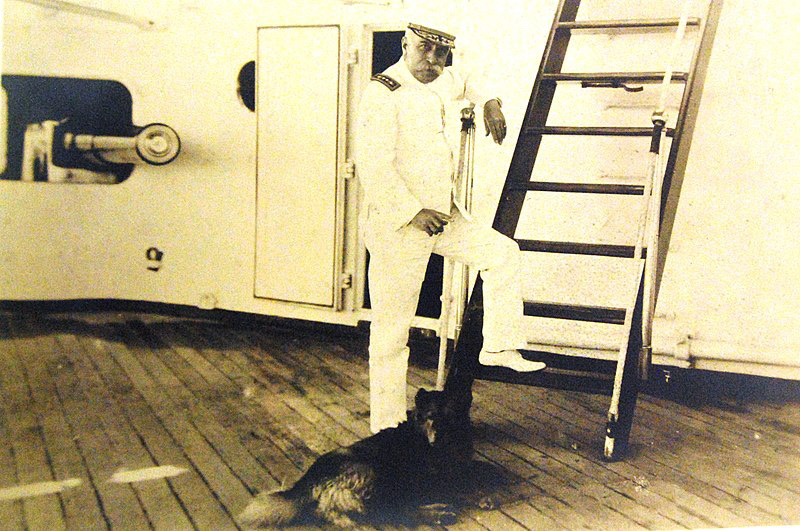
Victory in the Pacific
Commodore George Dewey secured a decisive naval victory at the Battle of Manila Bay on May 1, 1898. While he stood on the bridge of the USS Olympia giving orders, his faithful dog Bob remained by his side throughout the smoke and noise of the battle, eventually becoming a national celebrity alongside his master.
Image via Wikimedia Commons, public domain in the US
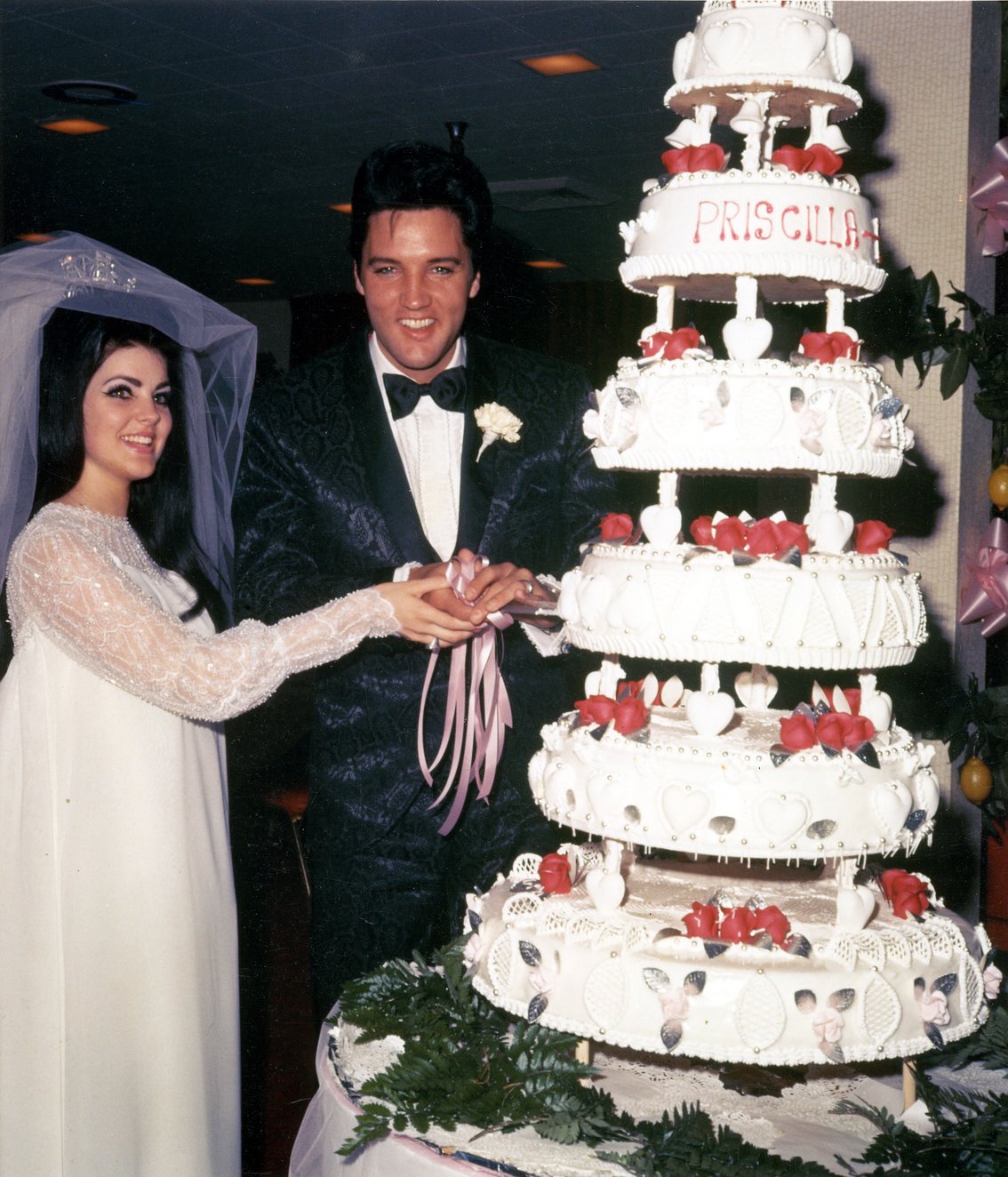
A Private Vegas Affair
Elvis Presley married Priscilla Beaulieu on May 1, 1967, in a ceremony that lasted only eight minutes. To avoid a media frenzy, the couple used a private jet owned by Frank Sinatra to fly into Las Vegas and held their wedding breakfast for just 100 guests, featuring a six-tier yellow sponge cake that cost more than most cars at the time.
Elvis Presley and Priscilla Beaulieu at the Aladdin Hotel in Las Vegas, Nevada on May 1, 1967. Image via Alamy
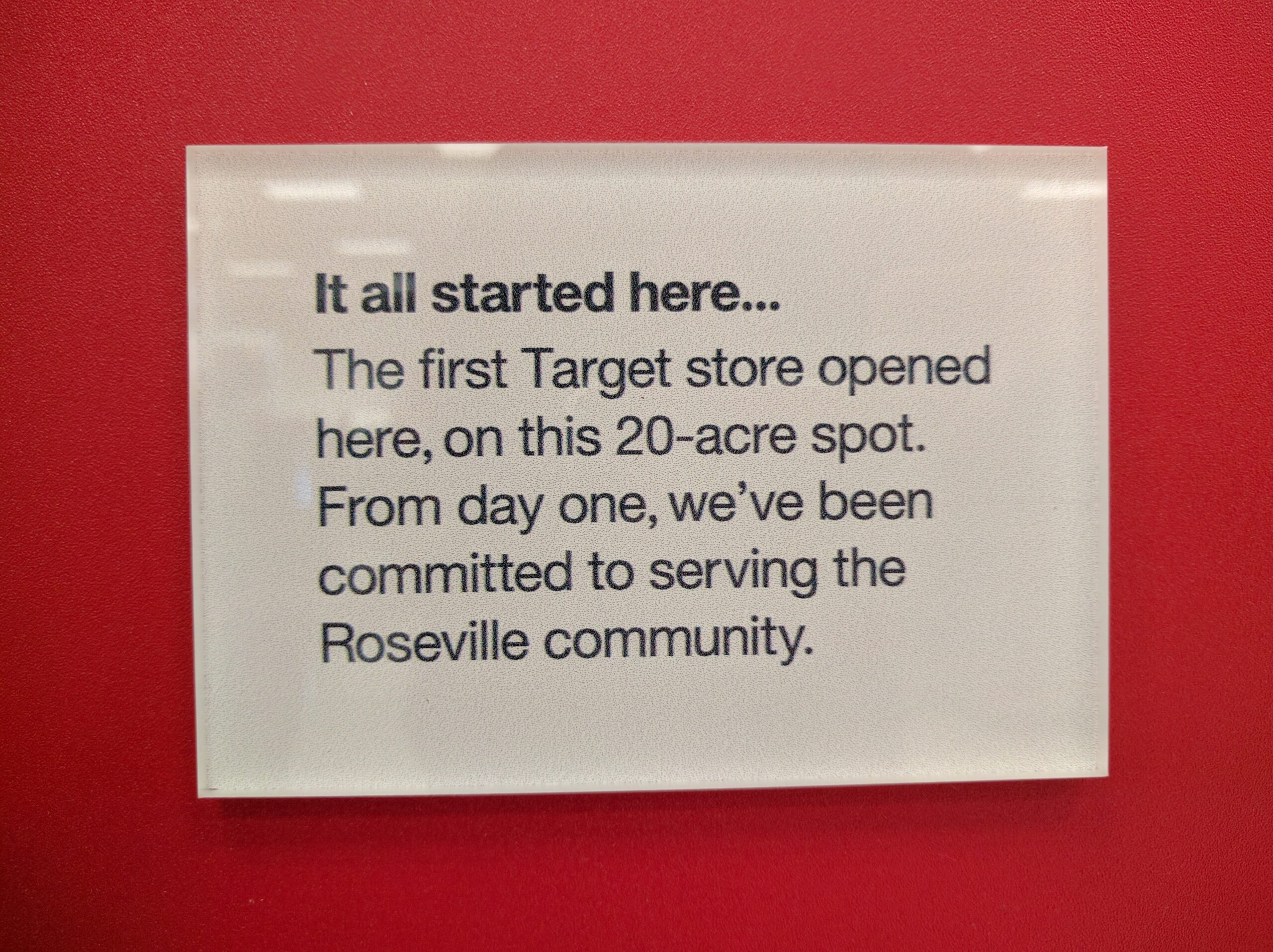
The Birth of a Retail Giant
The very first Target store opened in Roseville, Minnesota, on May 1, 1962. It was envisioned as a more upscale version of a traditional discount store, and the iconic bullseye logo was chosen out of 200 different designs because the creators wanted something that would be instantly recognizable from a great distance.
Image from Runner1928 via Wikimedia Commons, CC BY 3.0
The Premiere of a Masterpiece
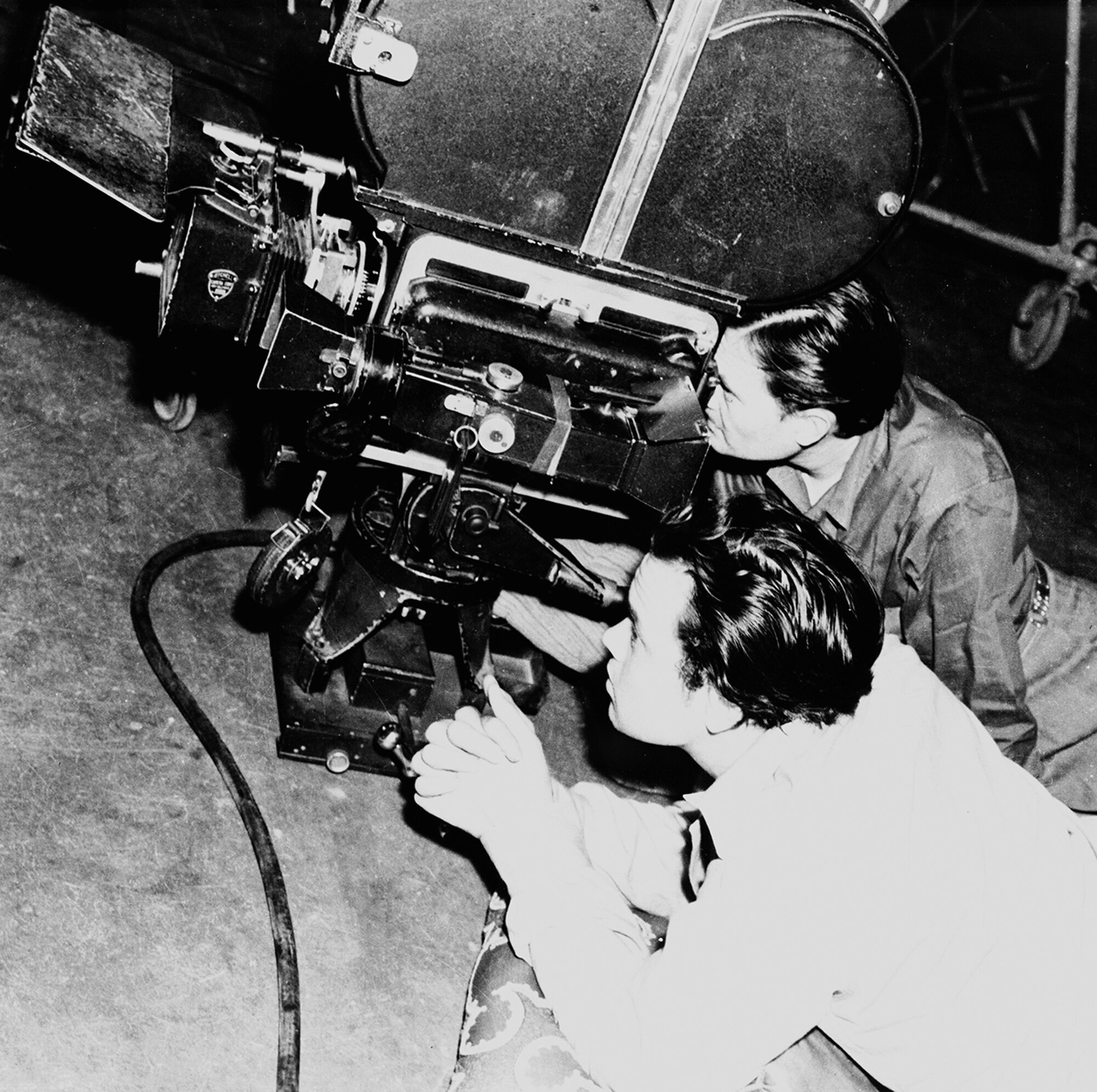
Citizen Kane made its world debut on May 1, 1941, introducing revolutionary techniques like deep focus and non-linear storytelling. Orson Welles was only 25 years old when he directed the film, and he was given the rare privilege of final cut, meaning the studio could not change a single frame without his permission.
Orson Welles and cinematographer Gregg Toland
for the 1941 film Citizen Kane. Image via Wikimedia Commons, public domain
Laughter in the Wards
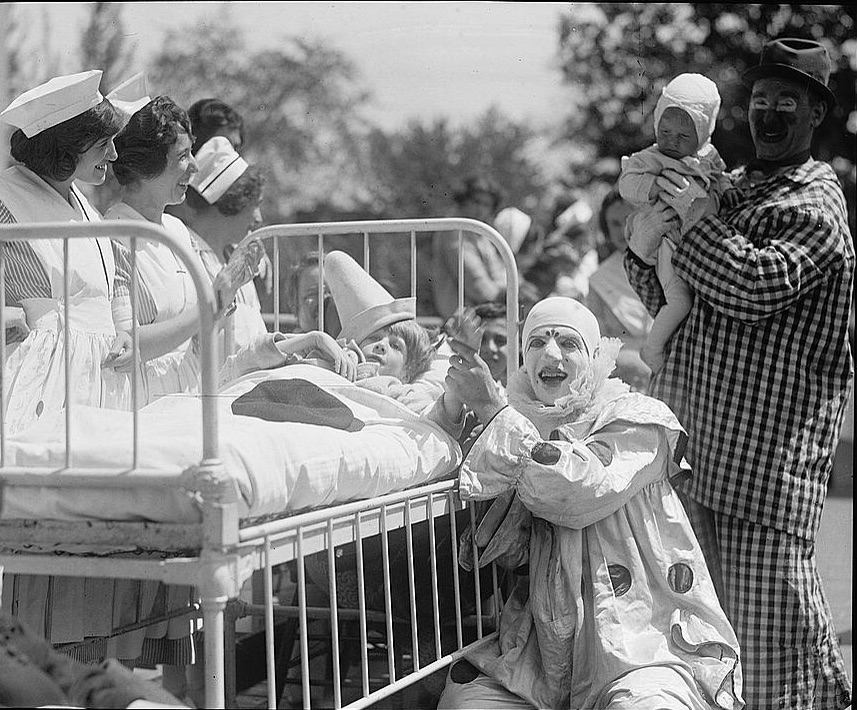
On May 1, 1923, a troupe of circus clowns visited a children’s hospital to bring joy to the young patients. This was an early example of therapeutic humor, a concept that evolved from the circus tradition of the walk-around, where clowns would leave the main ring to interact personally with those who couldn’t attend the big top show.
Image: Circus clowns entertaining children and staff at a children’s hospital on May 1, 1923 via LOC, no known restrictions
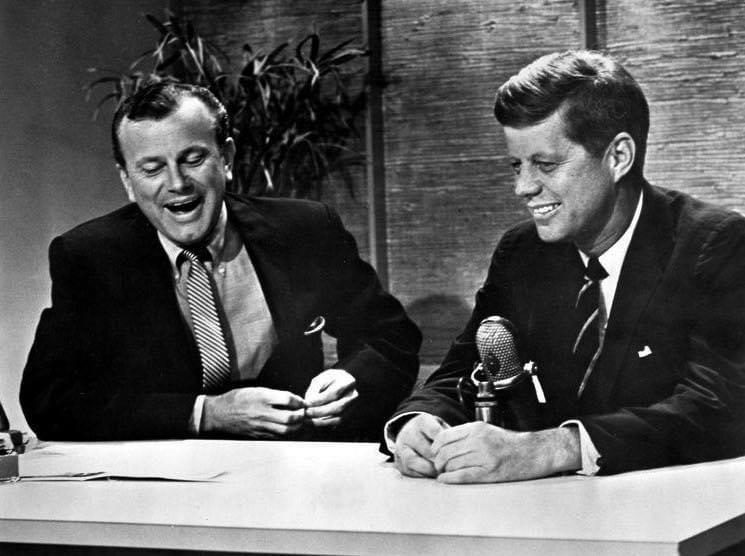
Jack Paar, born May 1, 1918, was famous for his emotional and unpredictable nature on the Tonight Show. He famously walked off the set in the middle of a live broadcast in 1960 to protest NBC’s censorship of a joke, leaving his announcer to fill the remaining time in a moment that shocked the nation.
Image: Jack Paar with John F. Kennedy on the Tonight Show, 1959 via Wikimedia Commons, public domain
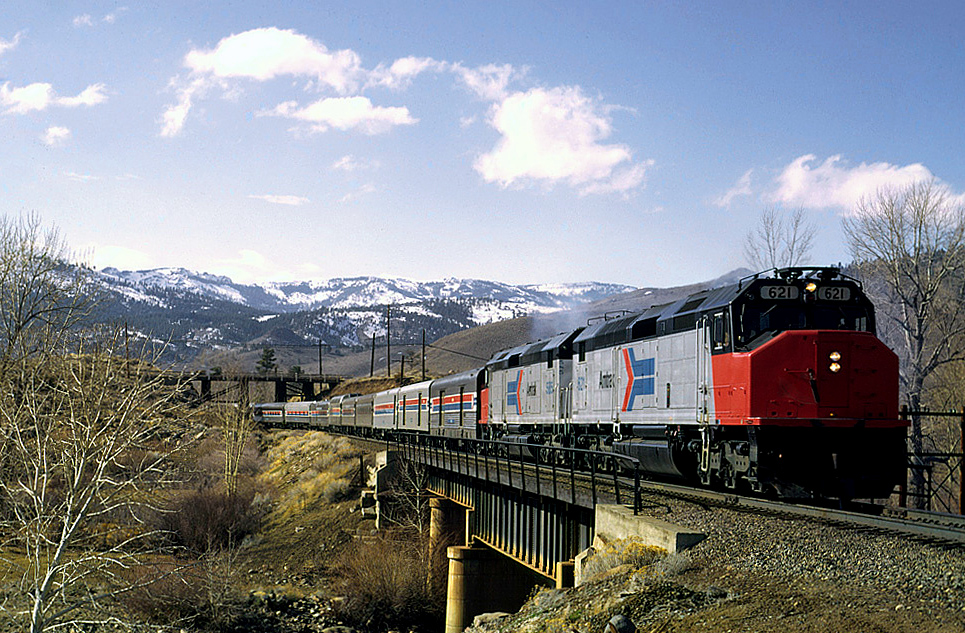
Amtrak launched its service on May 1, 1971, taking over passenger operations from private railroads that were struggling to stay afloat. While the first day was a logistical hurdle, the company inherited a bizarre collection of assets, including a fleet of vintage 1940s dining cars still stocked with the previous owners’ branded china and silverware, which led to years of passengers eating off a mismatched collage of railroad history.
Photo of an Amtrak 621 with the San Francisco Zephyr over the Truckee River in Verdi, Nevada in the mid 1970s. Image by Drew Jacksich via Wikimedia Commons, CC BY SA 2.0
The Father of Ufology
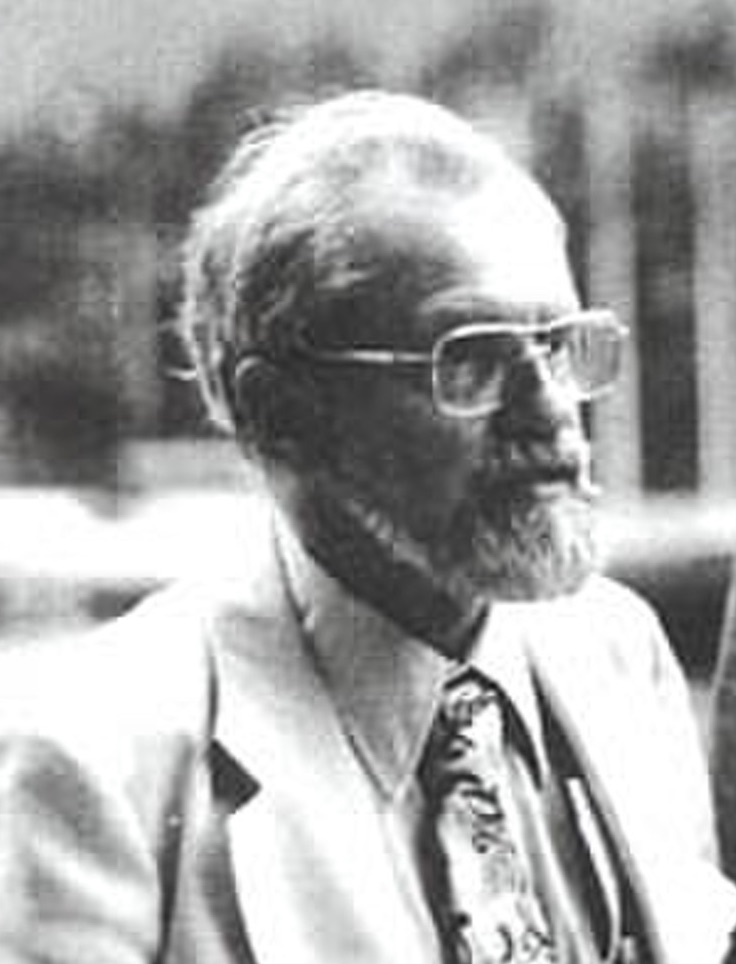
J. Allen Hynek was born May 1, 1910, and spent years as a scientific advisor to the Air Force’s Project Blue Book. Initially a skeptic, he eventually became convinced that some sightings were truly unexplainable, leading him to create the classification system that inspired the title of the famous film Close Encounters of the Third Kind.
Image via Wikimedia Commons, public domain
The Shape of Space Travel
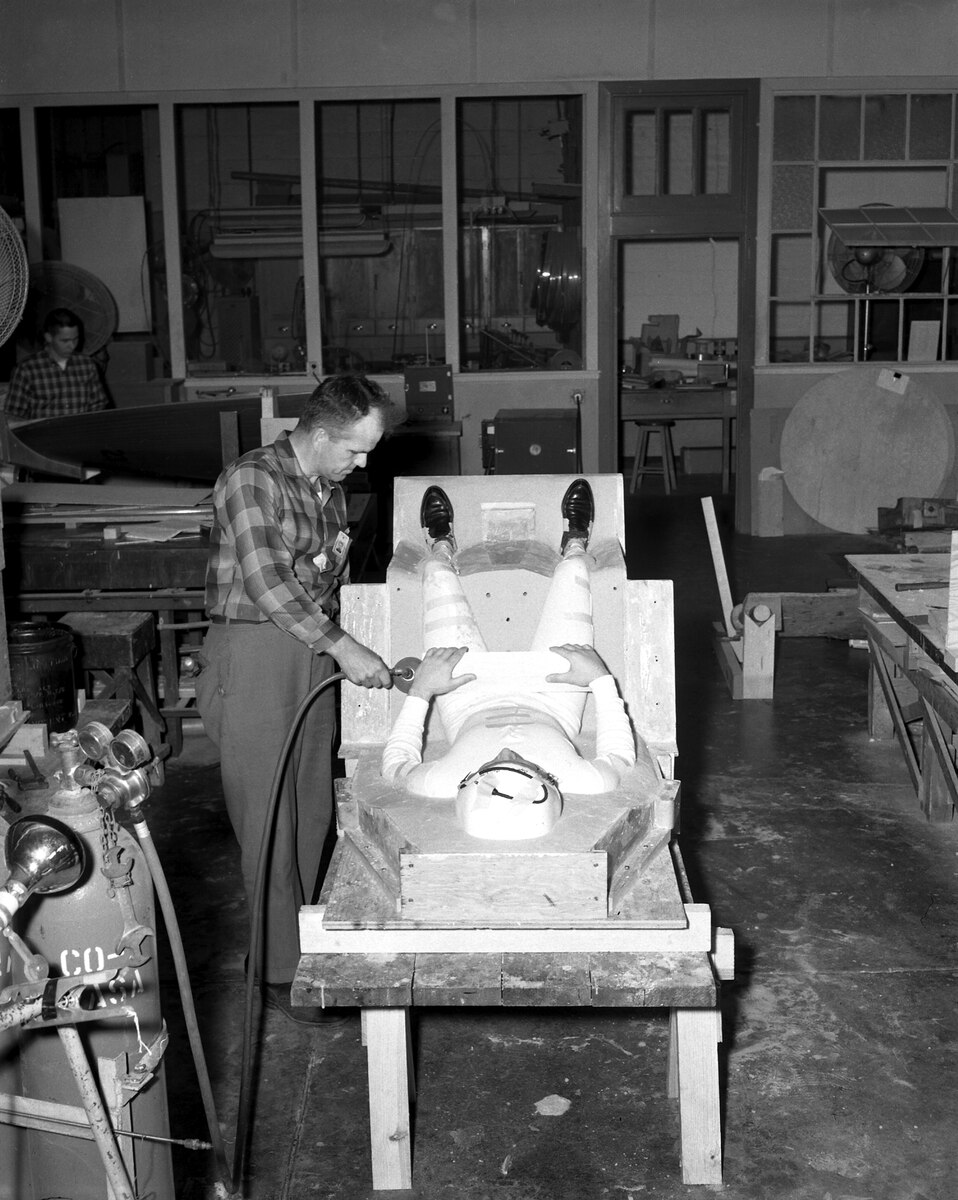
On May 1, 1959, engineers at NASA Langley worked on molding customized space couches for the first astronauts. Each couch was individually cast to fit the specific body shape of the Mercury Seven, ensuring that the intense forces of launch and reentry were distributed evenly across the pilot’s back to prevent injury.
Image from NASA via Wikimedia Commons, public domain
The Penny Post
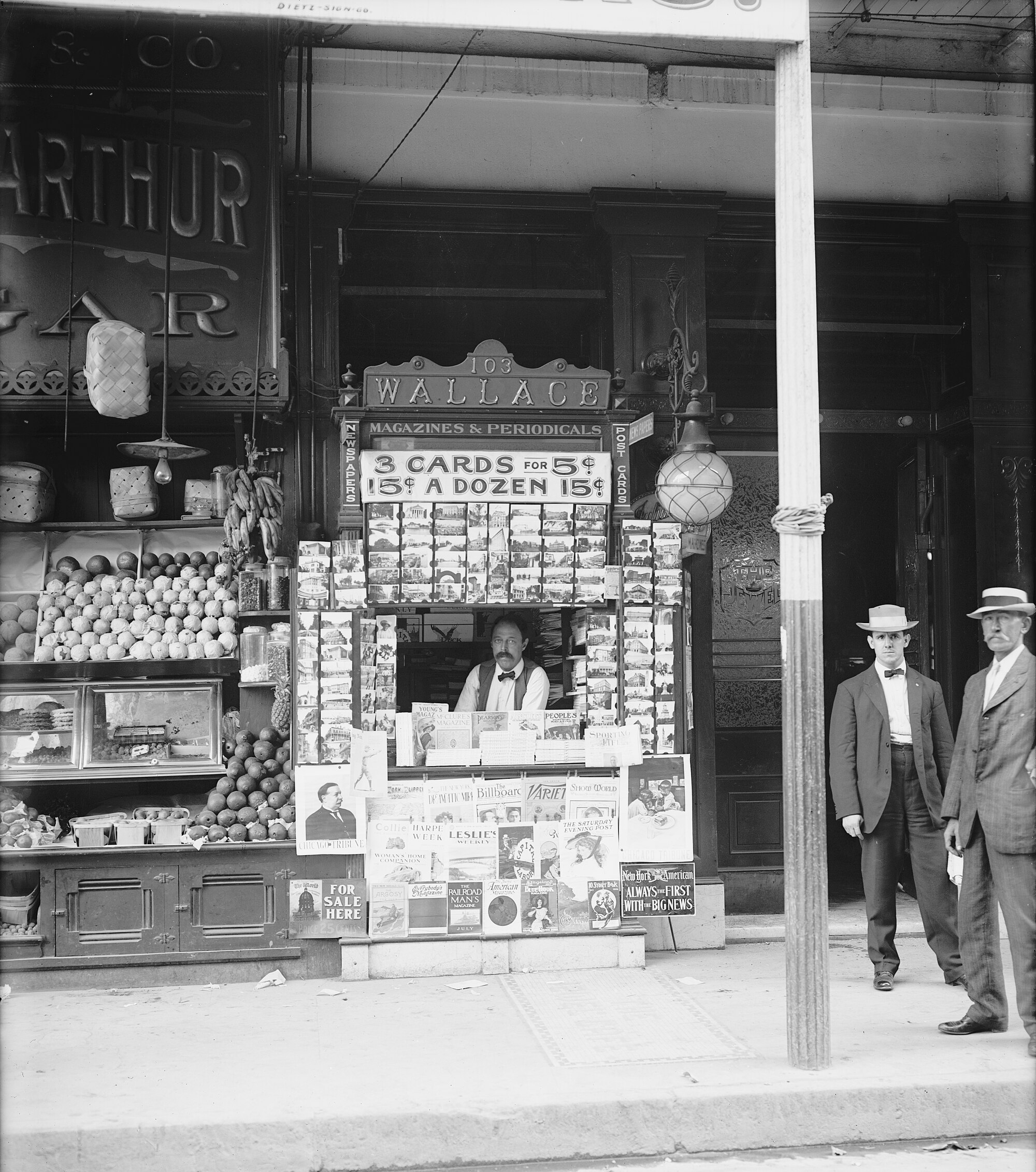
The first U.S. government postal cards went into circulation around May 1, 1873, providing a cheap way for people to send short messages. Before this, sending a letter was much more expensive, and these cards were so popular that 200,000 of them were sold in the city of Springfield, Massachusetts, in just the first few hours of their release.
Image:
“Smallest news & post card stand in New Orleans, La., 103 Royal Street” in 1908 via Wikimedia Commons, public domain
