
 Mystery March Is Here!

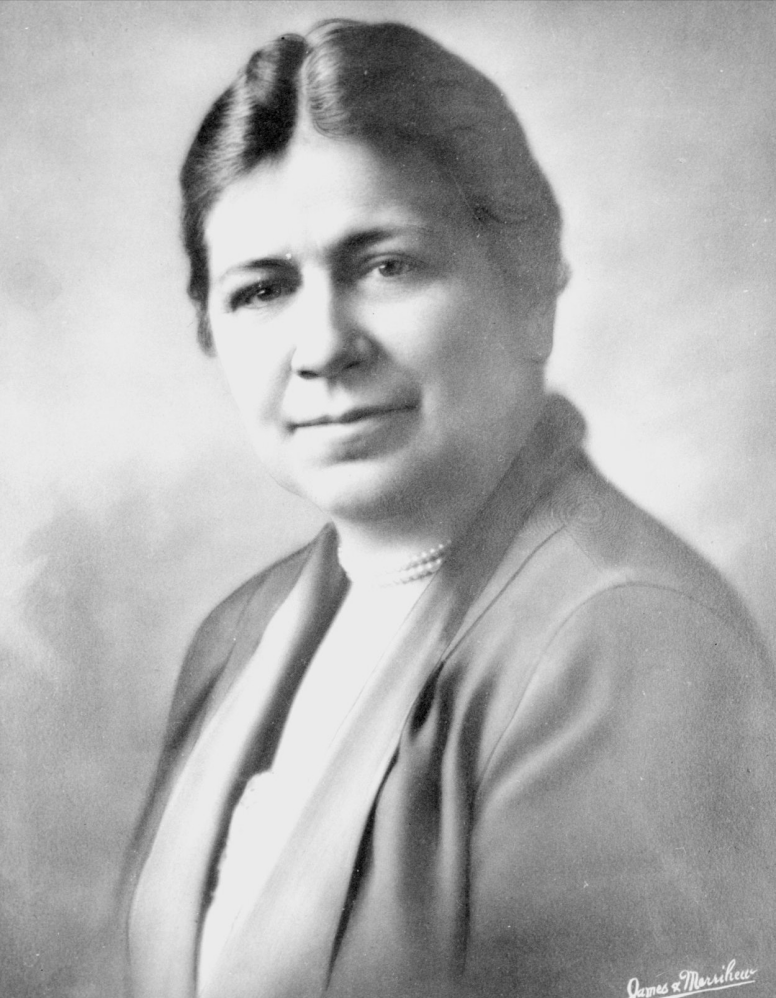
Seattle, March 9, 1926 — The day voters placed their confidence in Bertha Knight Landes, elevating her as the first woman to lead a major American city. Known for her disciplined approach to public service, she pressed for honest governance, public safety, and a city that lived up to its responsibilities. Her election on this date stands as a decisive moment when civic integrity prevailed through the steadiness of a leader who refused to look away from the work at hand. Image of Bertha Landes from Seattle Municipal Archives via Wikimedia Commons, CC BY 2.0
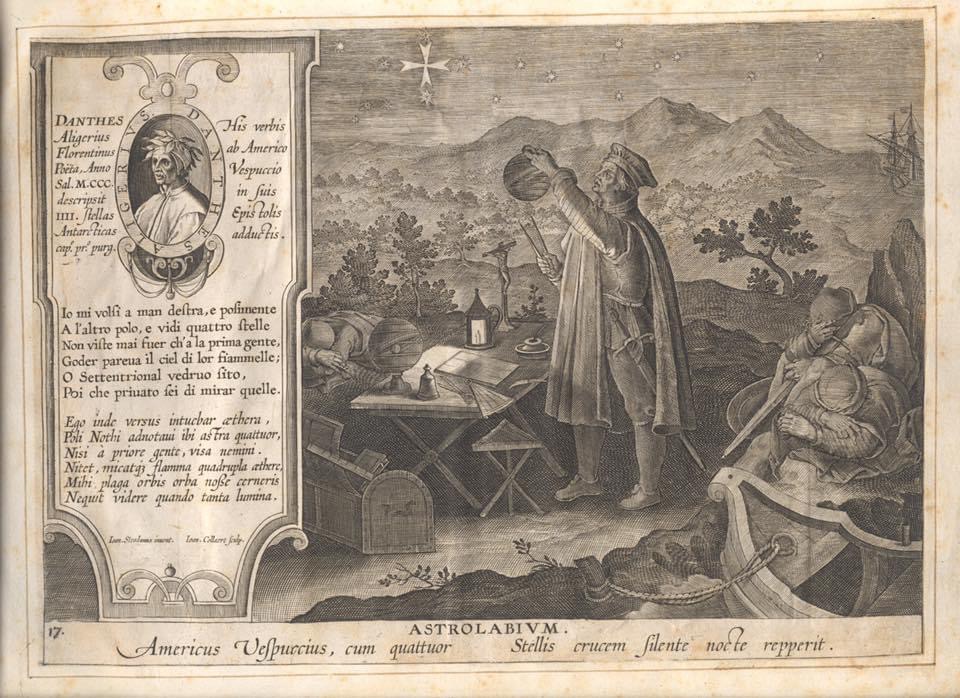
Amerigo Vespucci — the Florentine navigator whose name would eventually be given to two continents — was born on March 9, 1454 in Florence. His voyages along the coast of South America helped overturn Europe’s assumptions about the Atlantic world, arguing that these lands were not the edge of Asia but part of a previously unknown continent.
Image: An old engraving of Amerigo Vespucci discovering the southern cross with an astrolabium
via Wikimedia Commons, public domain
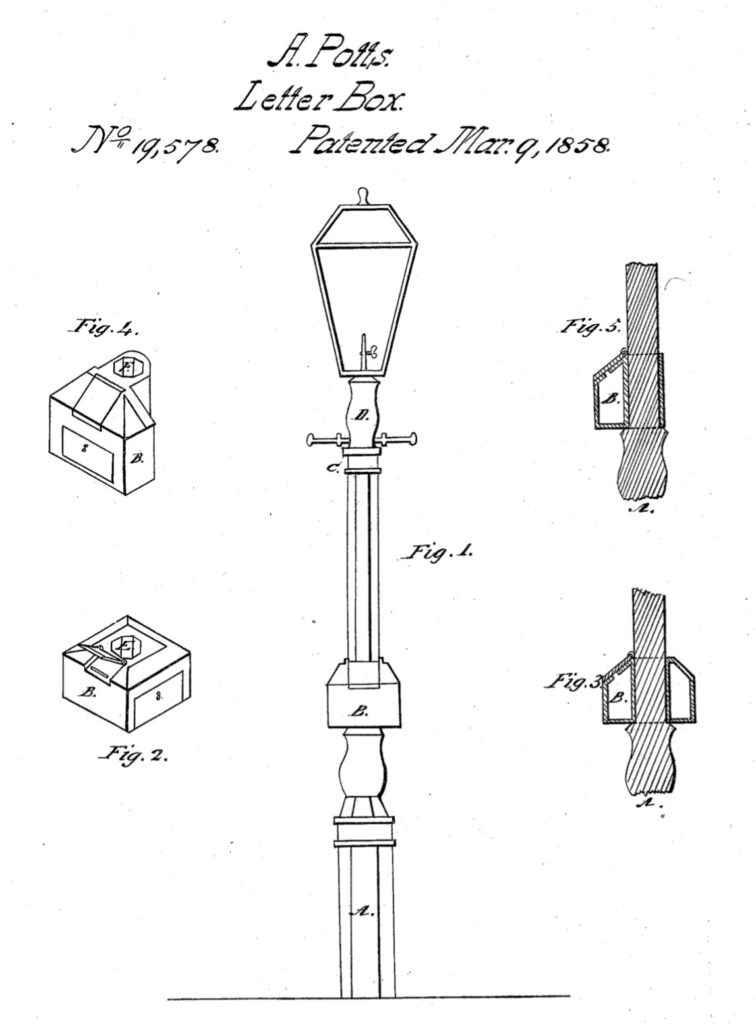
Albert Potts of Philadelphia received a U.S. patent on March 9, 1858 for his innovation combining a street‑mounted letter box with the city’s cast‑iron lamp posts. His design allowed a metal mailbox to slide securely over the tapered shaft of a lamp post once the ornamental top was removed. The box featured a protected slot for depositing letters, a locked door for retrieving mail, and optional sight holes so carriers could quickly see whether anything had been deposited.
Potts emphasized that this arrangement would give city residents easier access to mail collection at any hour and provide carriers with a more efficient system. His formal claim covered the creation of a mailbox with a central or side perforation that fit directly over a lamp‑post shaft — the defining feature of the first true street collection mailbox in the United States.
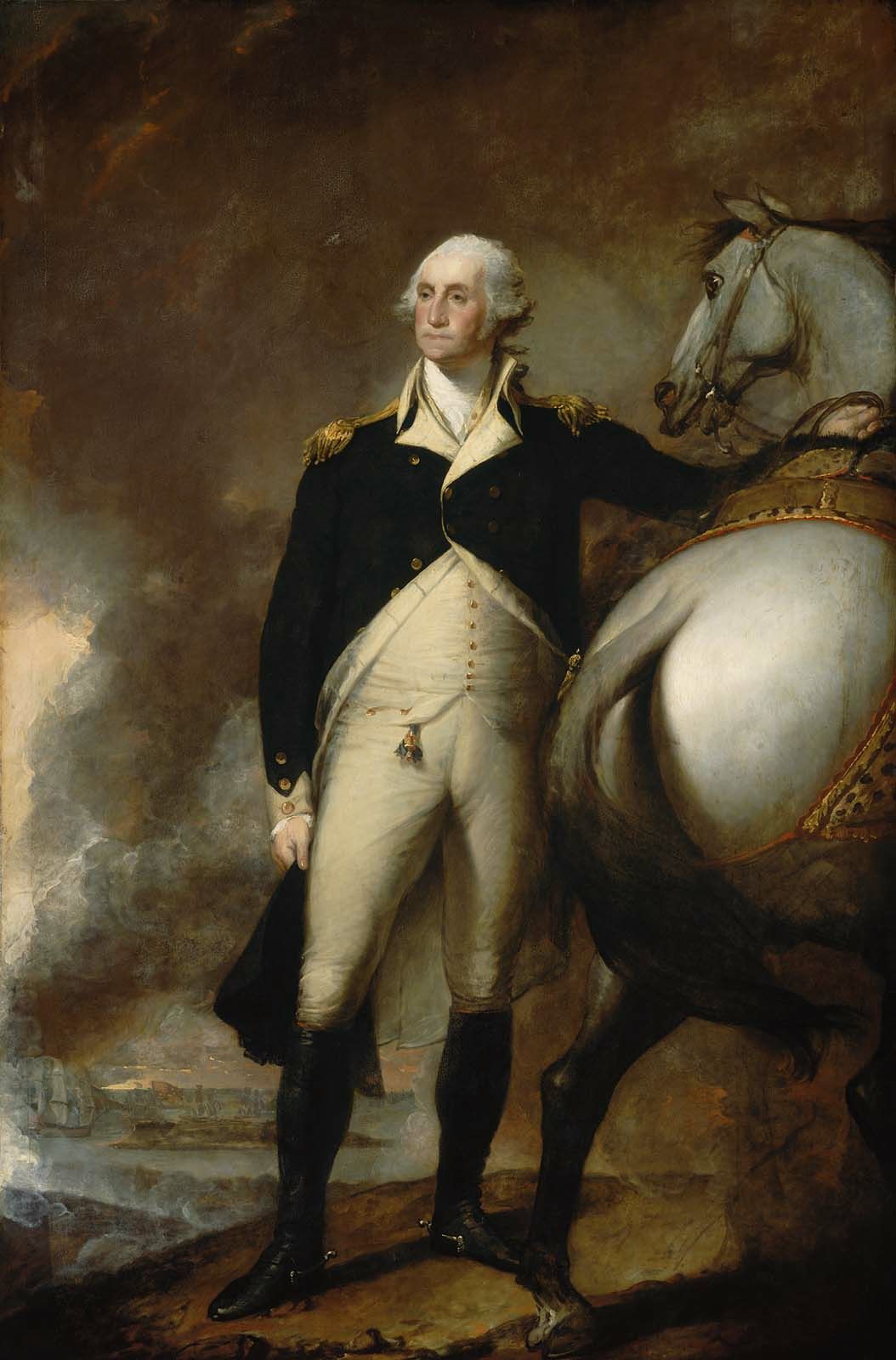
On March 9, 1776
“The Commander-in-chief through his “secret service” received information from the Selectmen of Boston of the preparations the British troops were making to embark. He placed a battery on Nook’s Hill, Dorchester Point, from which was sent a destructive fire. When the cannonade was opened, it caused great surprise and alarm in the town, as they did not know that the Continentals had mortars or shells. The British officers conceded that the shells were well directed, causing much injury and distress, as a large number of the cannon-balls passed through the houses.”
From: Washington Day by Day published in 1895
Image of George Washington at Dorchester Heights via Wikimedia Commons, public domain
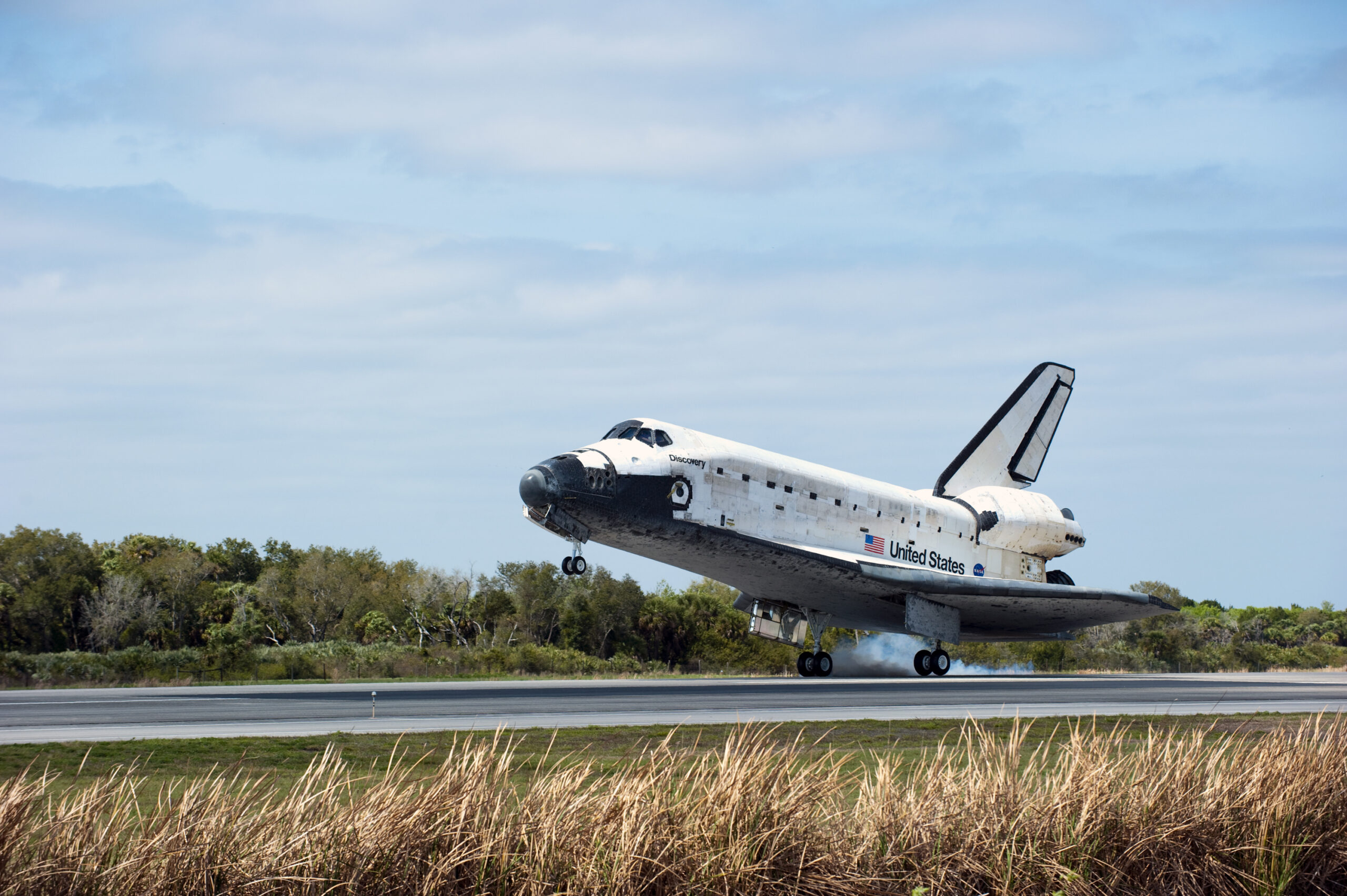
Landing of Space Shuttle Discovery on March 9, 2011
It was its 39th and final mission.
Image via Wikimedia Commons, public domain
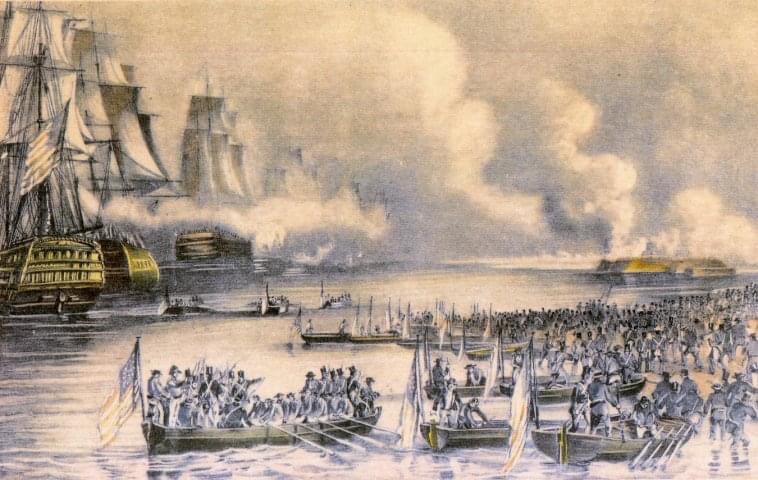
The amphibious landing of American forces during the Siege of Veracruz which began on
March 9, 1847.
(Mexican-American War)
Image via Wikimedia Commons, public domain
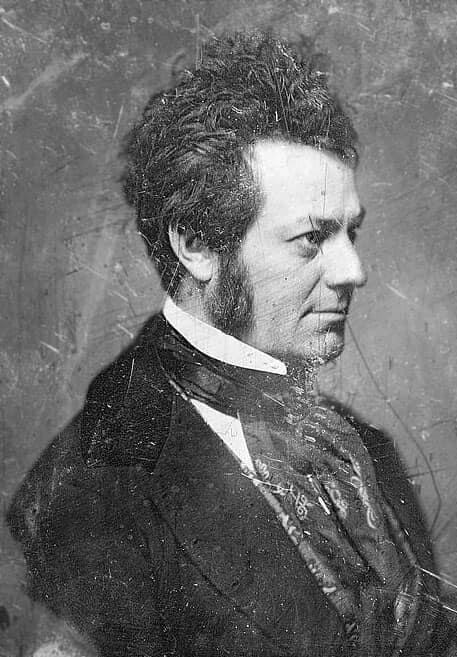
On March 9, 1806, American actor Edwin Forrest was born in Philadelphia, Pennsylvania.
A dispute between Forrest and an English performer by the name of William Macready was considered to be the catalyst of a deadly riot that took place in Manhattan in 1849. What caused their dispute? They each believed that they were better at performing Shakespeare.
Daguerreotype of Edwin Forrest via Wikimedia Commons, public domain
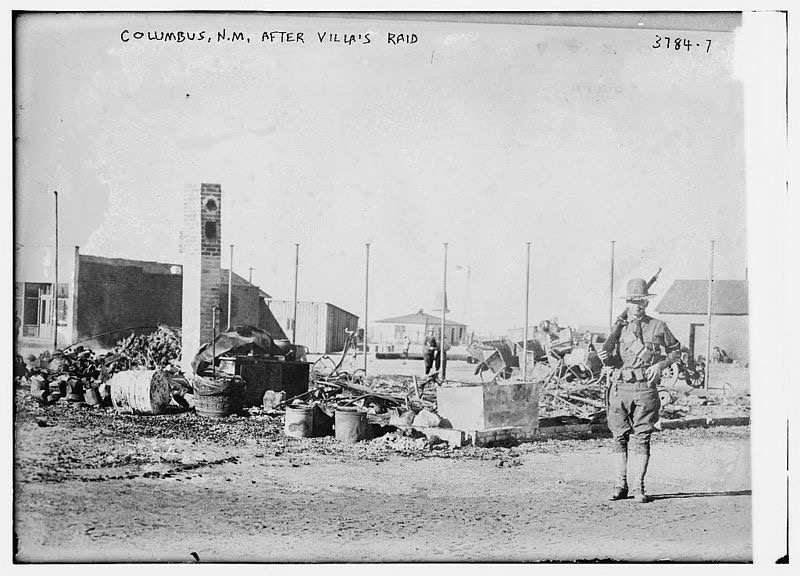
On March 9, 1916, Mexican revolutionary leader Pancho Villa sent a force across the border to attack Columbus, New Mexico. The Villistas expected about 30 US troops in town but the garrison was actually 340. The attack was repulsed with 18 Americans killed. Shown is a building burned during the raid.
LOC via Wikimedia Commons, public domain in the US.
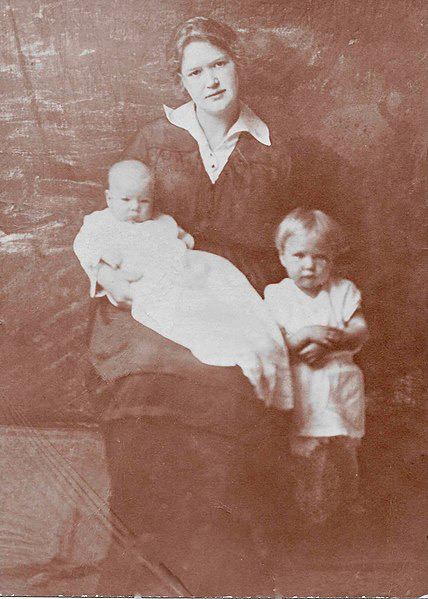
Telephone operator Mrs. Susie Parks – 19 years old, five months pregnant and with a toddler – stayed at her switchboard during the March 9, 1916 raid on Columbus, New Mexico. Despite being shot (she survived) Susie alerted a National Guard unit in Deming that Pancho Villa’s forces were attacking the town.
Image by Shannon Parks, CCA-SA 4.0 International via Wikimedia Commons.
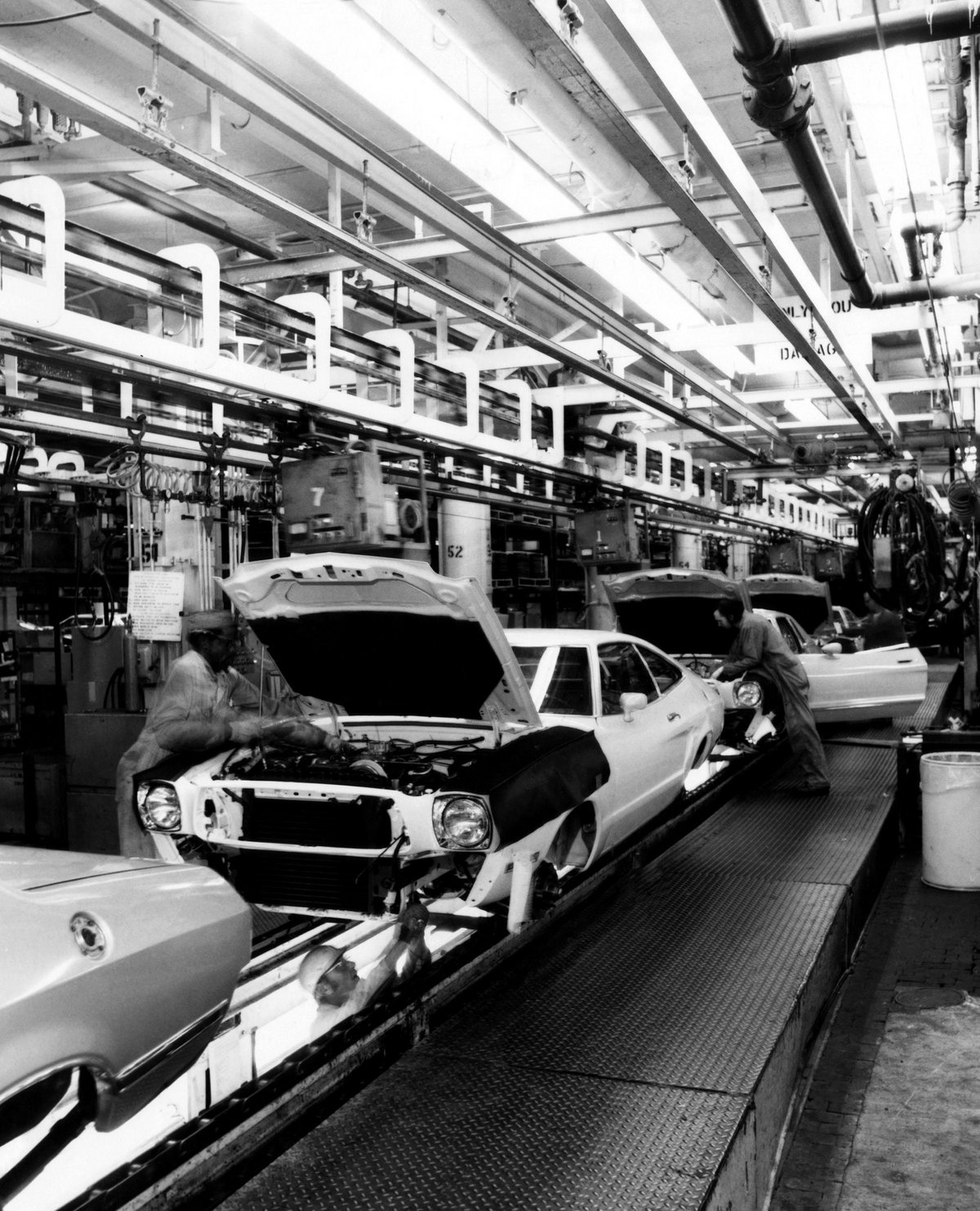
On March 9, 1964, production of the Ford Mustang began at the Ford plant in Dearborn, Michigan.
Image of workers assembling Ford Mustangs at the Ford plant in Dearborn, Michigan, twelve years later in 1976.
Image via Alamy
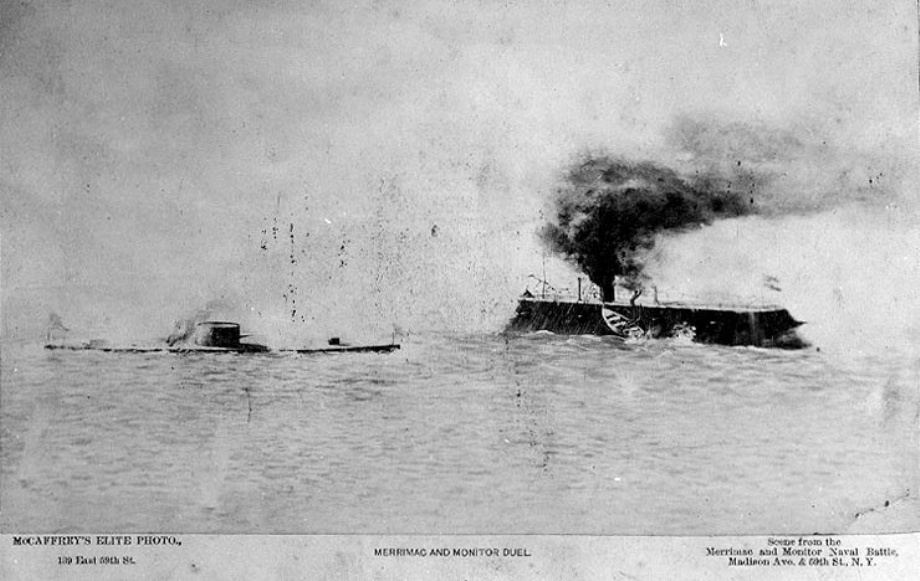
On March 9, 1862 the USS Monitor and the CSS Virginia (rebuilt from the USS Merrimack) clashed for the first time in the Battle of Hampton Roads in Virginia.
At 8 o’clock the fog completely dispersed. The ‘Merrimac,’ preceded by the ‘Jamestown’ and ‘Yorktown,’ stood for the Federal frigate. The lighter vessels commenced the attack, but the little black mass had put itself in motion and soon a cloud of smoke and the noise of two loud reports apprised the gunboats with whom they had to deal. They were then seen to abandon the attack and retire under the batteries of Sewell’s Point, leaving the ‘Merrimac’ to defend alone the honor of their young flag. The ‘Minnesota,’ occupied in efforts to get herself afloat, only took part in the fight at long intervals, and the action resolved itself into a veritable duel between two batteries. They engaged in the fight at first at loug range, but the two enemies were not slow in coming together, each one striving to find the weak spot in the armor of her adversary. In this contest of naval tactics, entirely in a narrow channel of little depth, the ‘Monitor,’ whose draft is not half that of the ‘Merrimac,’ had an enormous advantage over the latter. Sure of her workings she could run at full speed, approach or retire, as she judged best, without fear of running aground. The Confederate battery, on the contrary, could not move nor perform any evolutions except with the greatest precaution, in spite of the evident great skill of her pilot.
“At the commencement of the action she grounded and remained immovable for a quarter of an hour. However, the fight continued with an equal ardor. Several times in their evolutions the two adversaries fired upon each other at a distance of a few meters, and in spite of their powerful batteries the projectiles bounded off perfectly harmless, apparently.
“Once the ‘Merrimac’ ran into the ‘Monitor,’ but whether her ram had been completely broken the day before or whether it was placed too high, she struck her enemy at the water-line and produced only a slight depression on the powerful armor plating which protected that part. Shortly after, the flagstaff of the ‘Merrimac’ was shot away by a ball, and the tops in the Roads, as well as the ramparts of the fortress, saluted this accident with frantic hurrahs as a victory. But soon a sailor appeared on the gratings, showing at the end of a staff the flag which had for an instant disappeared.
“Two or three times the Ericsson battery drew near to the ‘Minnesota’ and stopped firing to cool her guns. The frigate then fired a broadside at the ‘Merrimac,’ which replied with energy, and one of her balls struck the boiler of the tugboat ‘Dragon,’ which, moored alongside of the stranded vessel, held herself in readiness to take her in tow. The boiler exploded, causing the ‘Dragon’ to sink, scalding and wounding several men. “At length, about 12:30, after four hours of fighting, the ‘Merrimac’ started for Sewell’s Point.
“The ‘Monitor’ came up to the ‘Minnesota’ and a little while after all the Confederate flotilla returned to Norfolk.
Source: The first iron-clad naval engagement in the world; history of the facts of the great naval battle between the Merrimac-Virginia, C. S. N. and the Ericsson Monitor, U. S. N., Hampton roads, March 8 and 9, 1862
https://archive.org/details/firstironcladnav00whit/page/n32/mode/2up
Image: Scene from Merrimack and Monitor Naval Battle
Honor & Remember
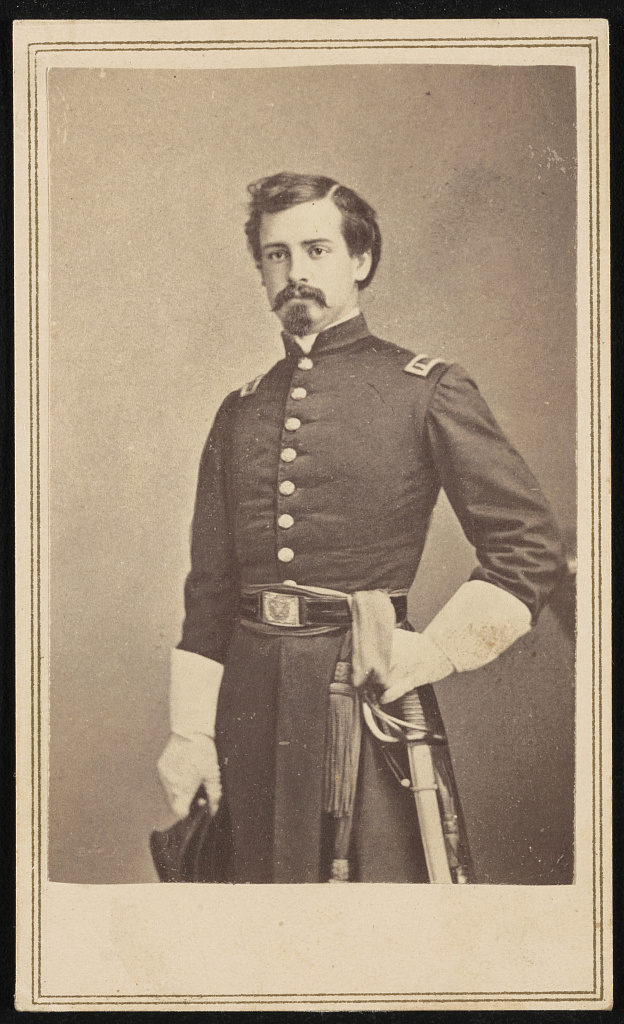
Image of First Lieutenant Henry B. Hidden of Co. H, 1st New York Cavalry Regiment in uniform with sword
Henry, who was killed on March 9, 1862, at Sangster’s Station, Virginia, is believed to be the first cavalry officer of the Army of the Potomac, who was killed in action.
Image via LOC, no known restrictions
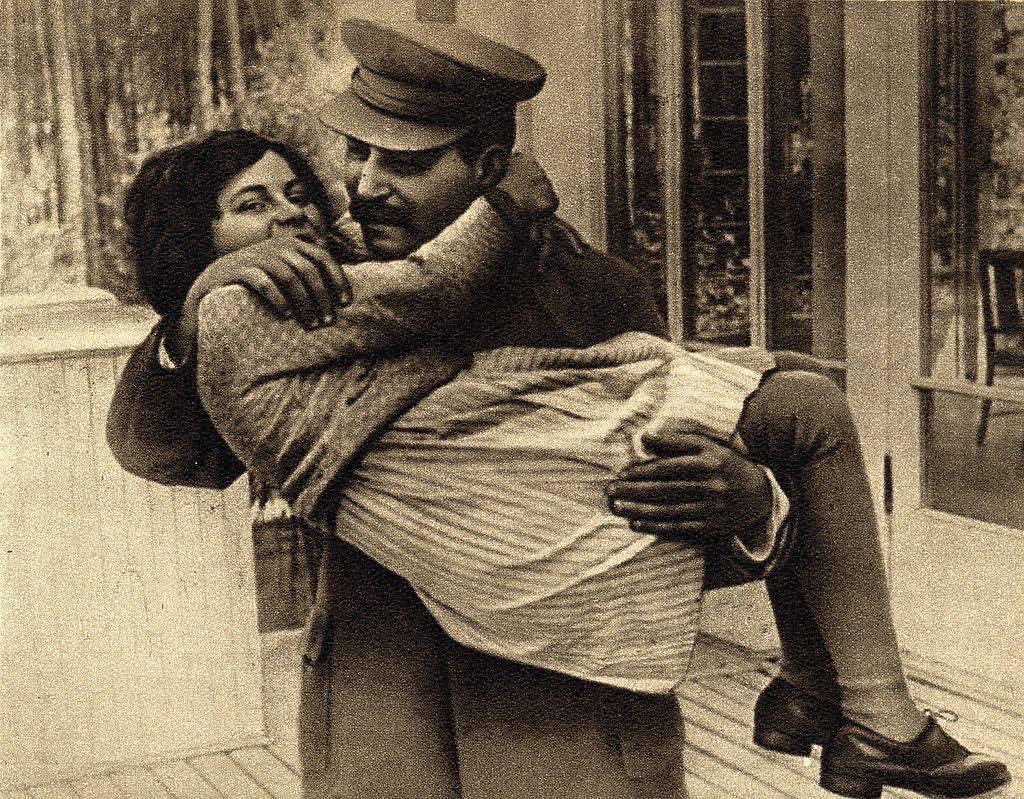
On today’s date March 9, 1967, the daughter of Joseph Stalin, Svetlana Iosifovna Alliluyeva (also known as Lana Peters) began her defection to the United States.
Photo: Joseph Stalin with daughter Svetlana, 1935 Public Domain via Wikimedia Commons

On March 9, 1959, the Barbie doll debuted in New York City.
Image from 2006 of a Barbie doll from around 1959 via Alamy
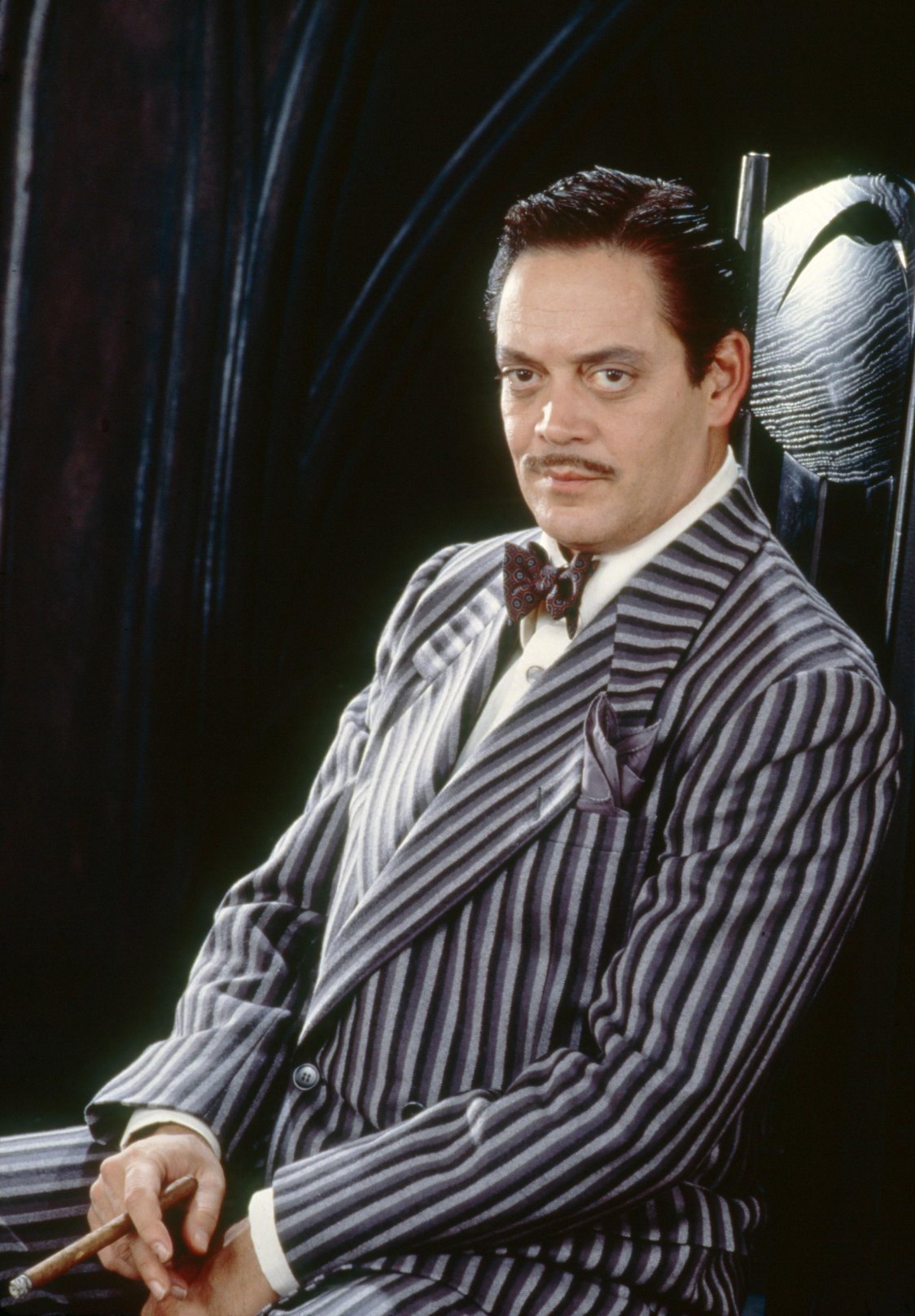
Born March 9, 1940 in Floral Park, Puerto Rico, Raul Julia’s acting talent took him from the New York Shakespeare Festival and Broadway to Sesame Street and then to Hollywood. He’s shown here in his role as Gomez Addams. Julia also devoted much effort to humanitarian causes like The Hunger Project.
Image c. 1991 via Alamy
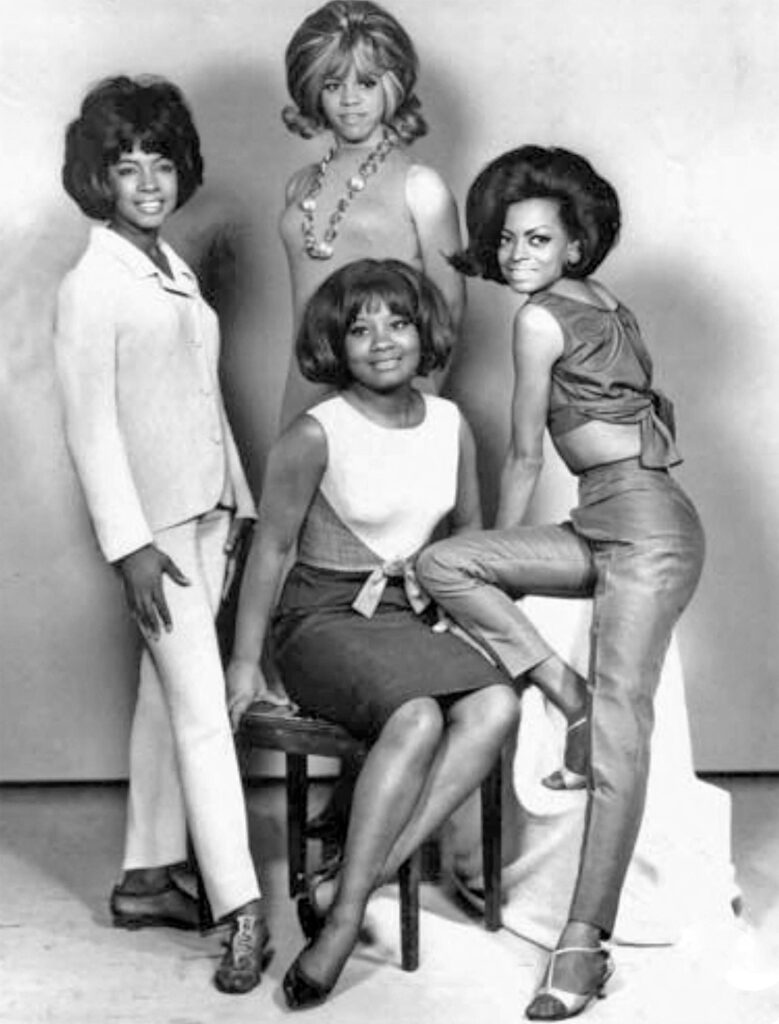
On March 9, 1961, Motown released “I Want a Guy,” the first single issued under the name The Supremes. In this early promotional moment, the group was still a quartet — Diana Ross, Florence Ballard, Mary Wilson, and Barbara Martin — four young Detroit singers standing at the threshold of a career that would soon reshape American pop music. Their harmonies were still raw, their fame still distant, but the sound that would define a decade was already beginning to take shape.
Image via Alamy
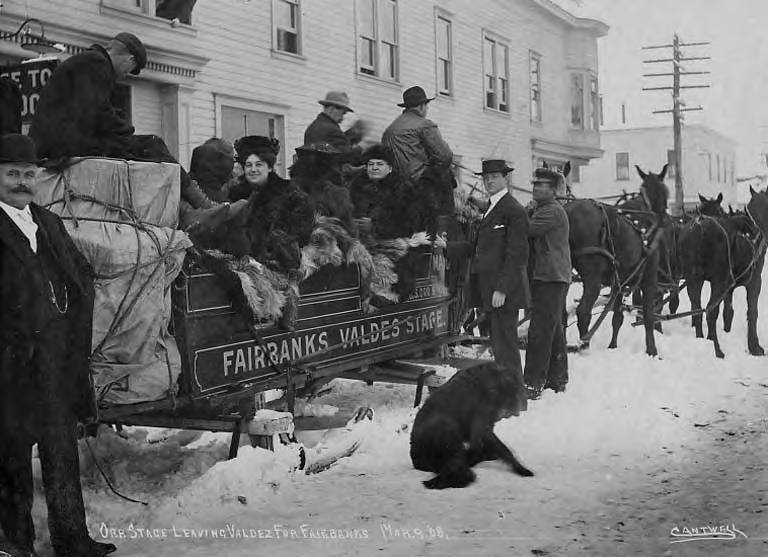
Edward S. Orr stage preparing to leave Valdez for Fairbanks, Alaska, March 9, 1908
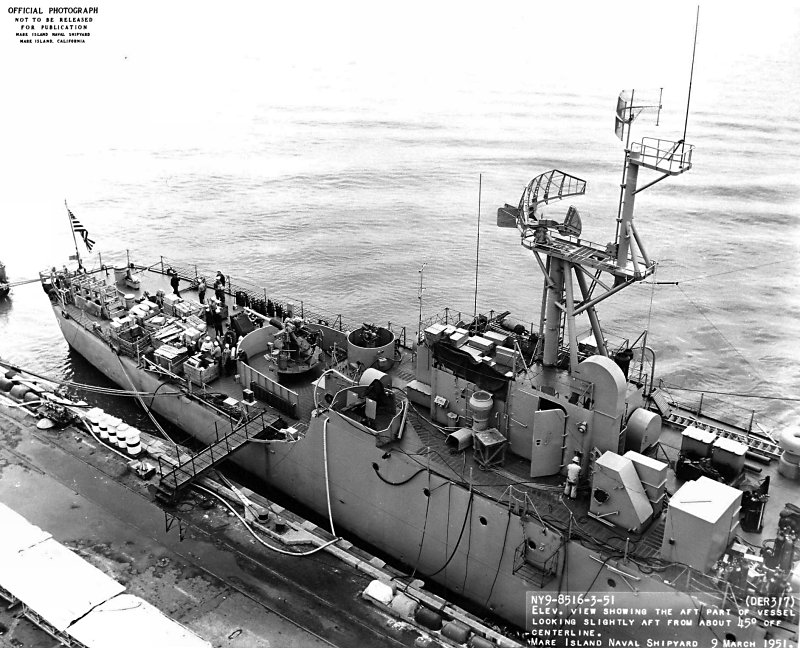
USS Joyce — March 9
This photograph of the USS Joyce, an Edsall‑class destroyer escort crewed by the U.S. Coast Guard, was taken on March 9, 1951 — exactly seven years to the day after the night that defined her wartime service. On March 9, 1944, the destroyer escort Leopold was torpedoed in the North Atlantic by U‑255, breaking apart and leaving her crew in freezing water. The Joyce reached the scene quickly but had to pull away under renewed torpedo fire before returning hours later to recover the only 28 survivors from a crew of 191.
Seen here in peacetime, the Joyce carries the weight of that earlier March night — a small escort ship whose Coast Guard crew made the difference between life and death.
