
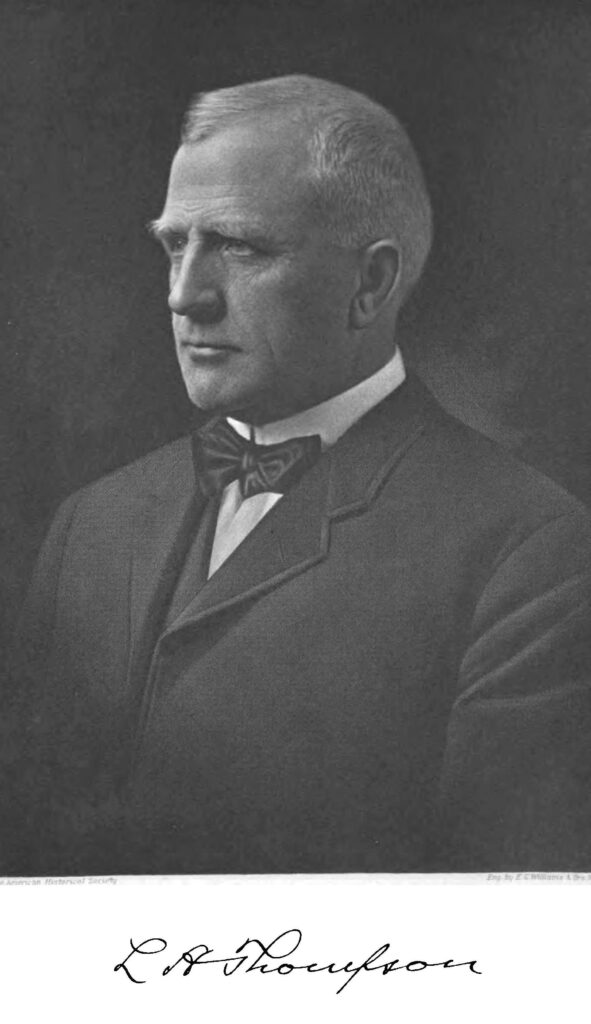
LaMarcus Adna Thompson — born March 8, 1848, in Jersey, Ohio — is remembered as the “Father of the American Roller Coaster.” A mechanical designer with a moral streak, Thompson believed New Yorkers needed wholesome thrills to counter the city’s 1880s temptations of brothels, beer gardens, and gambling halls. His answer was the Switchback Railway, a gentle gravity ride at Coney Island that offered excitement without vice.
The ride earned its name from its simple logic: passengers climbed a tower, coasted down one incline, then stepped out while workers pushed the car up a second hill for the return trip. Because the cars moved only about 6 mph, Thompson installed sideways‑facing bench seats so riders could enjoy sweeping views of the ocean — making the experience as much a scenic tour as a thrill ride.
Despite its modest speed, the Switchback Railway earned Thompson roughly $600 a day, proof that Americans were hungry for clean, exhilarating amusement. He went on to secure nearly 30 patents for coaster design and safety, laying the groundwork for an industry that would define American leisure for generations.
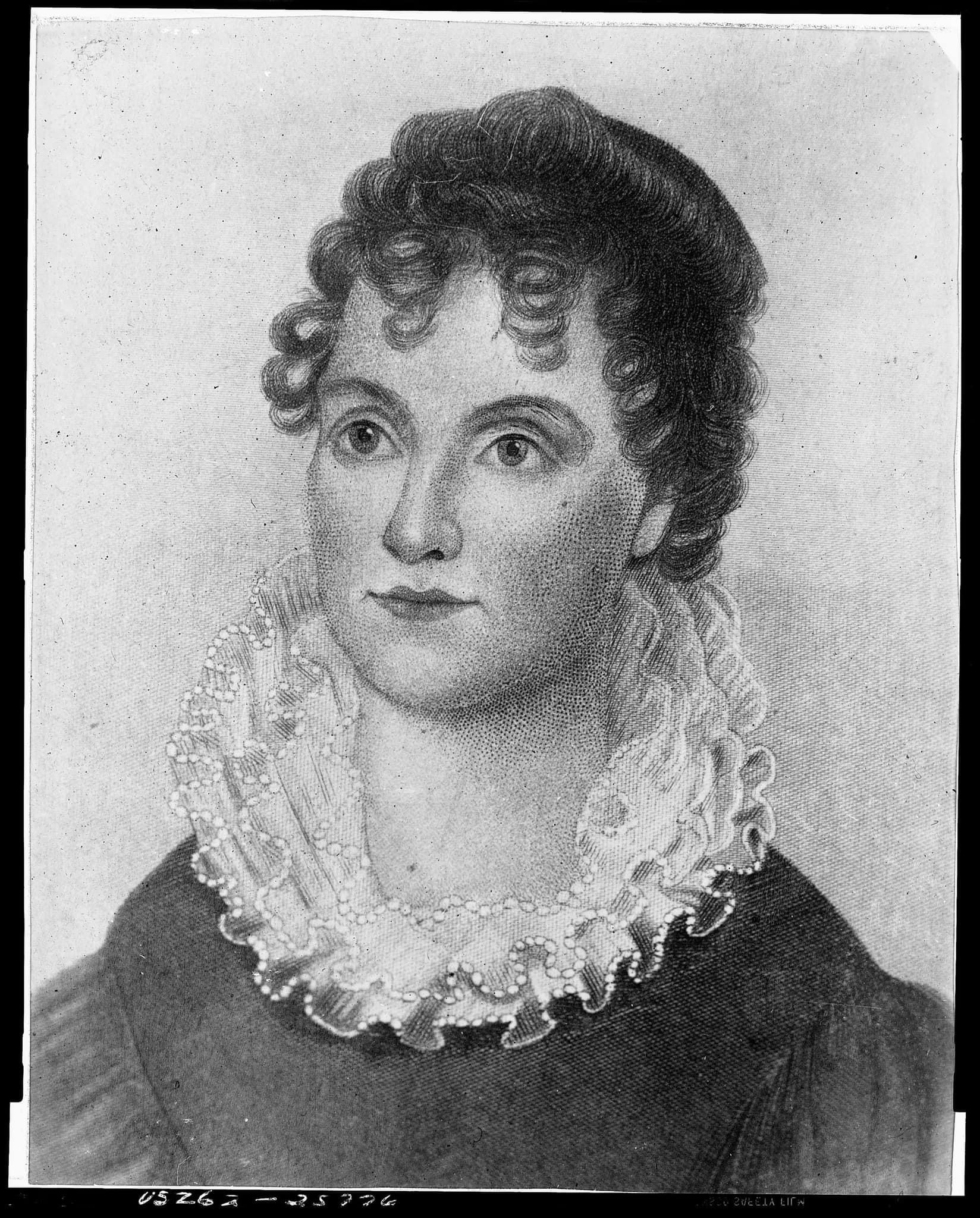
The childhood sweetheart and wife of Martin Van Buren, Hannah Hoes who was born on March 8, 1783 in Kinderhook, New York. She passed away at the age of 35, eighteen years before Van Buren became President.
Image via Wikimedia Commons, public domain
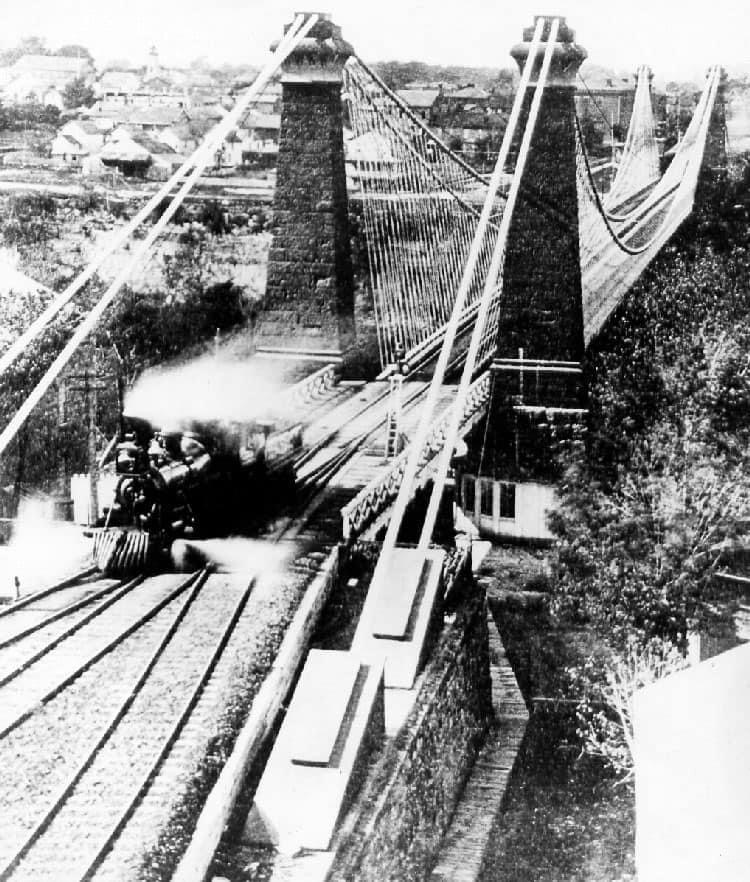
On March 8, 1855 John Augustus Roebling traveled over his Niagara Suspension Bridge in a trial train crossing made by a 23 ton engine.
During the crossing the heavy train created only a minor 1 inch depression over an area of 100 feet on the bridge’s deck.
At that moment the bridge became the world’s first operational railway suspension bridge.
Image of a train crossing The Niagara Suspension Bridge five years later in 1860 via Wikimedia Commons, public domain
Source: https://archive.org/details/paperspracticali00roeb/page/n12/mode/1up
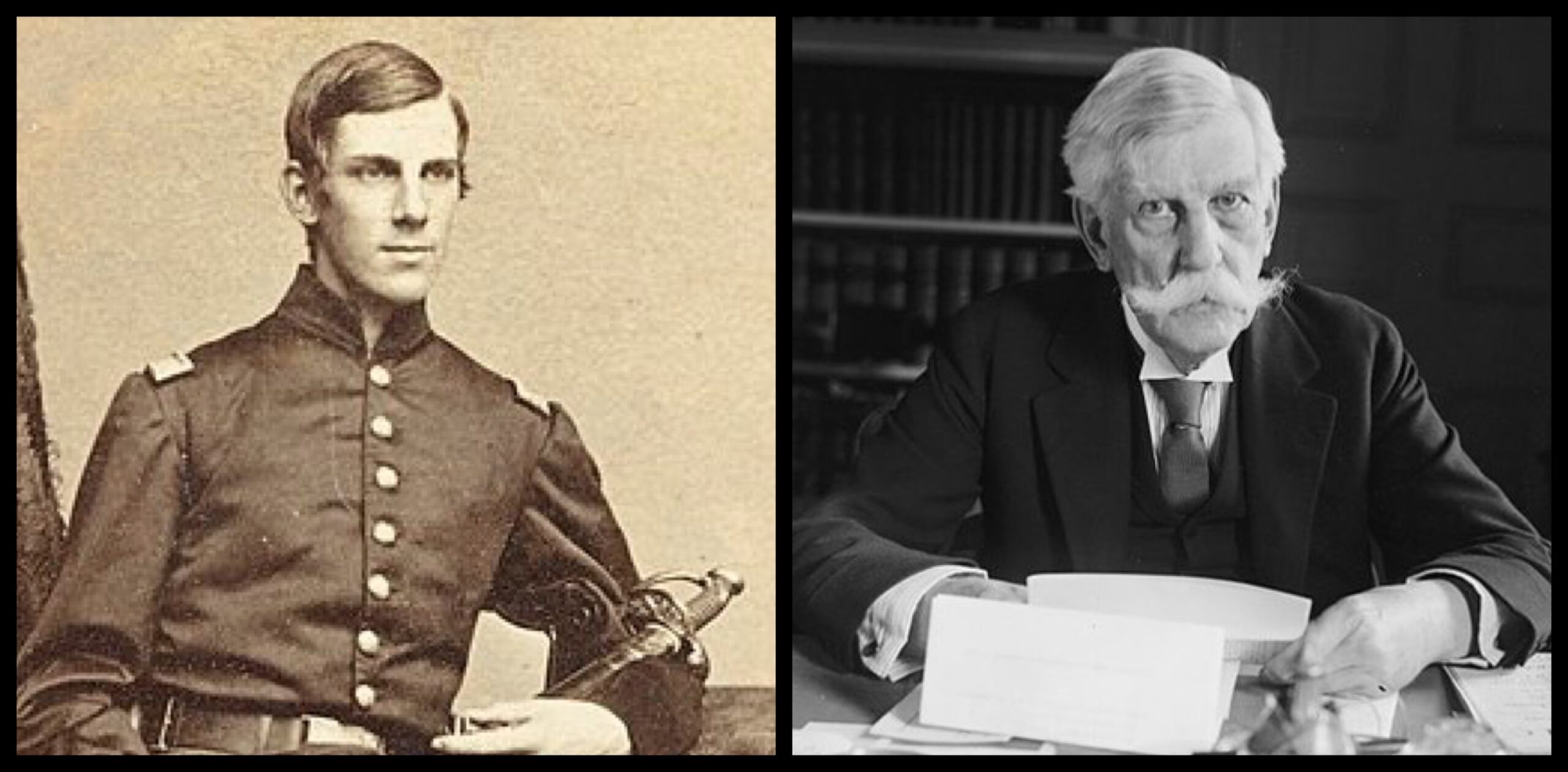
Born March 8, 1841 Supreme Court justice Oliver Wendell Holmes, Jr. was a lawyer and judge for 66 years. Prior to attending law school Holmes served as a Union officer in some of the Civil War’s largest battles and was wounded three times, rising to the rank of colonel. He rests in Arlington National Cemetery.
Image via Wikimedia Commons, no known copyright.

American actress and dancer
Cyd Charisse was born on March 8, 1922 in Amarillo, Texas.
While she was often paired with Fred Astaire and Gene Kelly in classic musical films, she didn’t make her Broadway debut until 1991.
Image of Cyd in 1949 via Wikimedia Commons, public domain
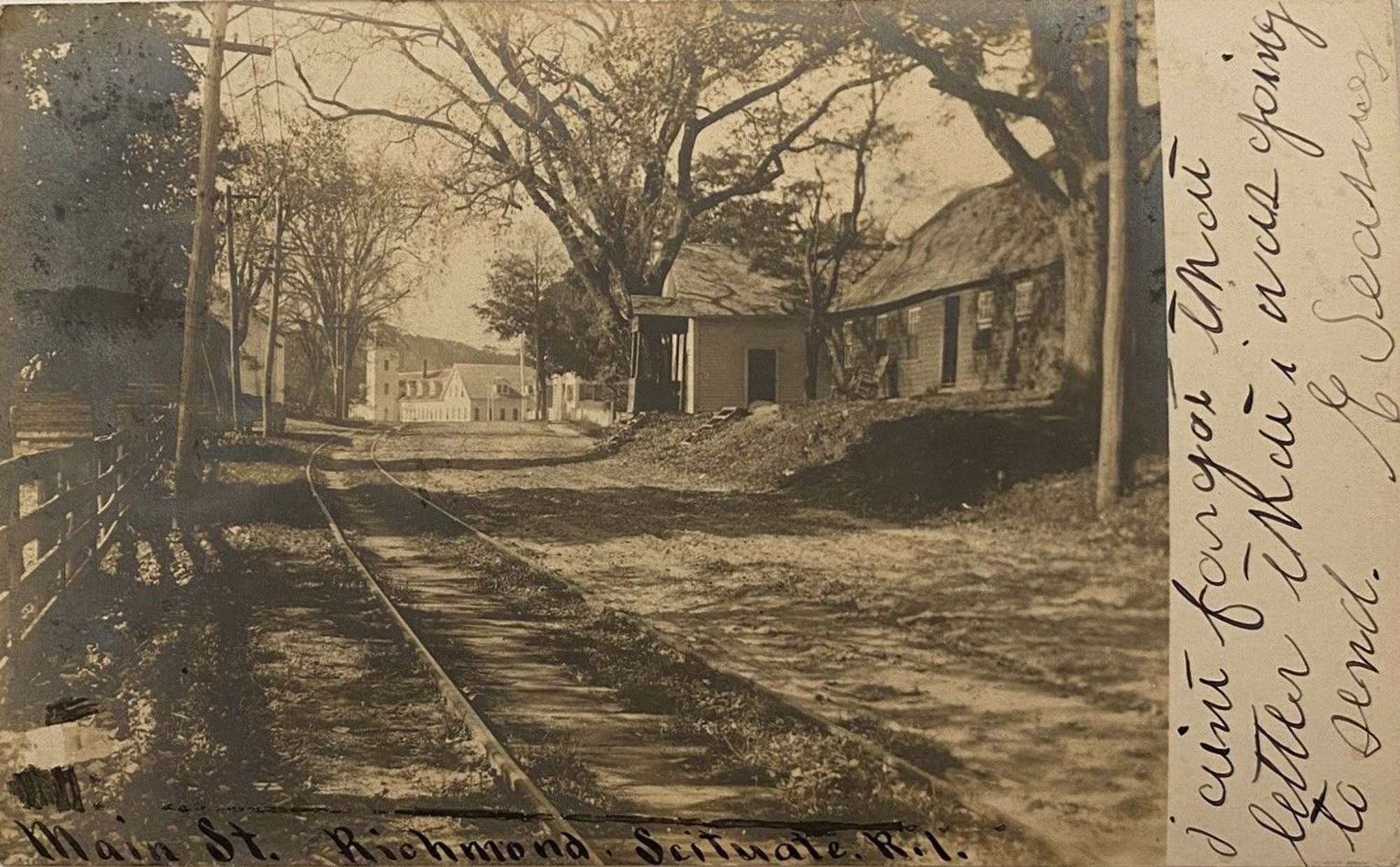
Richmond Village in Scituate, Rhode Island seen in a photo postcard sent on March 8, 1906.
Image via Wikimedia Commons, public domain
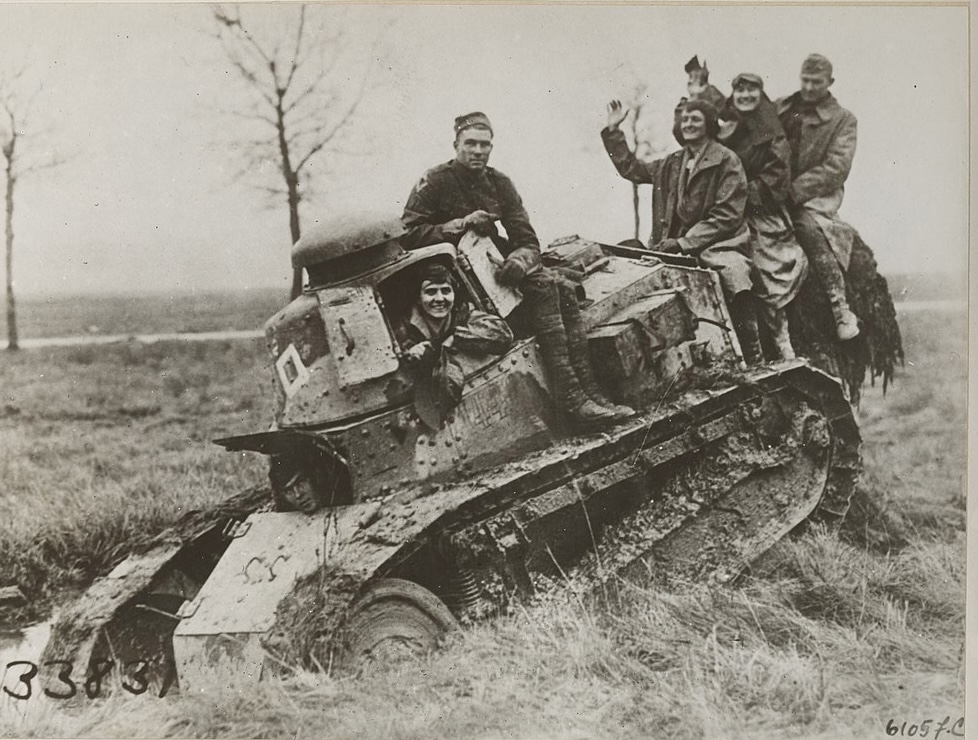
While providing humanitarian aid in France, female relief workers and students from Smith College, Northampton, Mass., joined soldiers for a ride on a tank belonging to the 331st Infantry.
March 8, 1919
Image via Wikimedia Commons, public domain
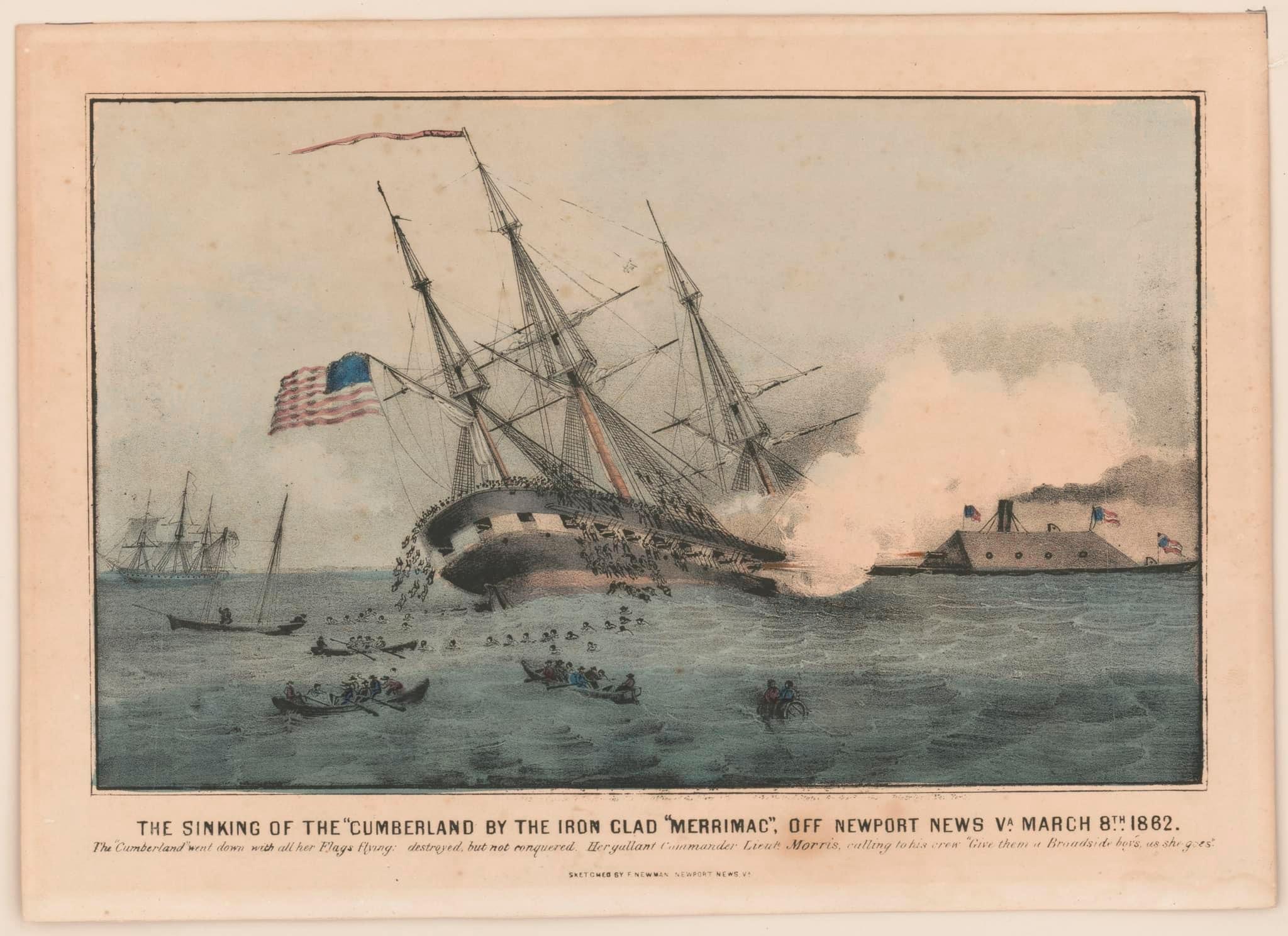
The sinking of the USS Cumberland by the CSS Virginia ironclad (after she was rebuilt from the USS Merrimack) off Newport News, Virginia on March 8, 1862.
Lithograph via Wikimedia Commons, public domain
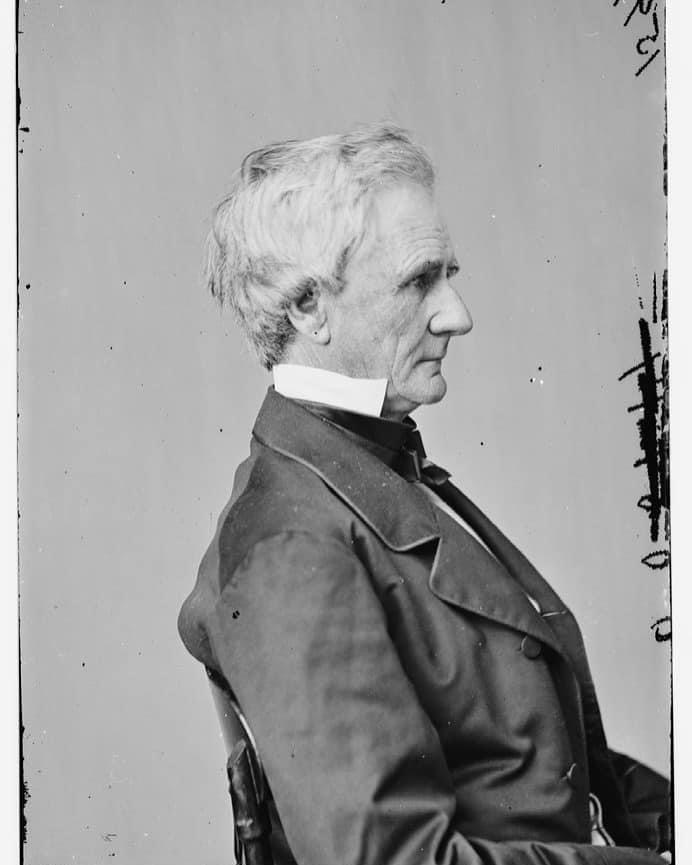
Portrait of Secretary of War Simon Cameron, officer of the United States government ⠀
⠀
Simon lost his brother James who was a Union officer who was killed during the First Battle of Bull Run at the age of 61 in 1861. ⠀
⠀
Simon Cameron was born on March 8, 1799 in Maytown, Pennsylvania.
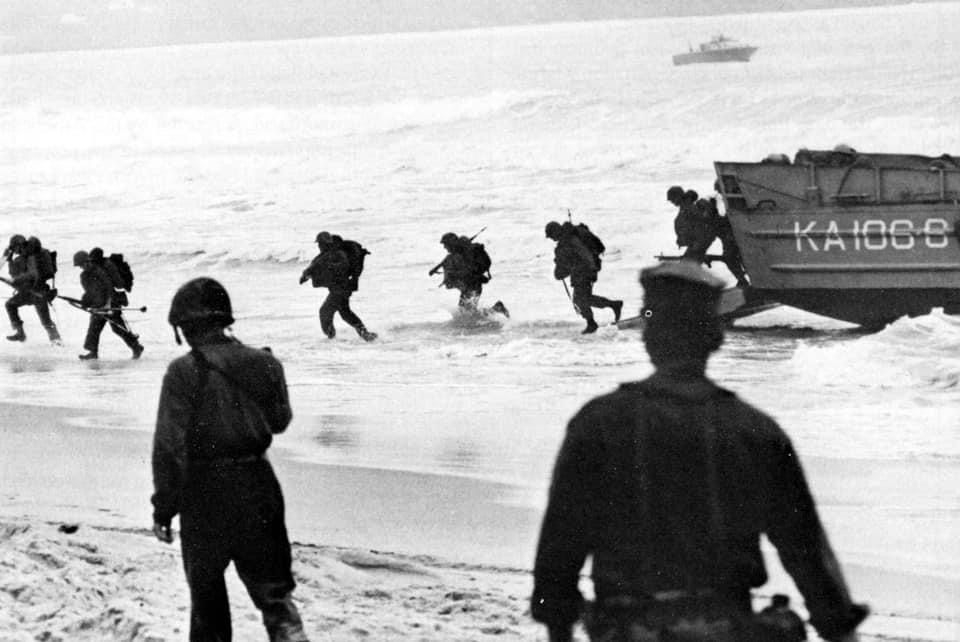
U.S. Marines landing in Da Nang, Vietnam on March 8, 1965.
Image via Wikimedia Commons, public domain
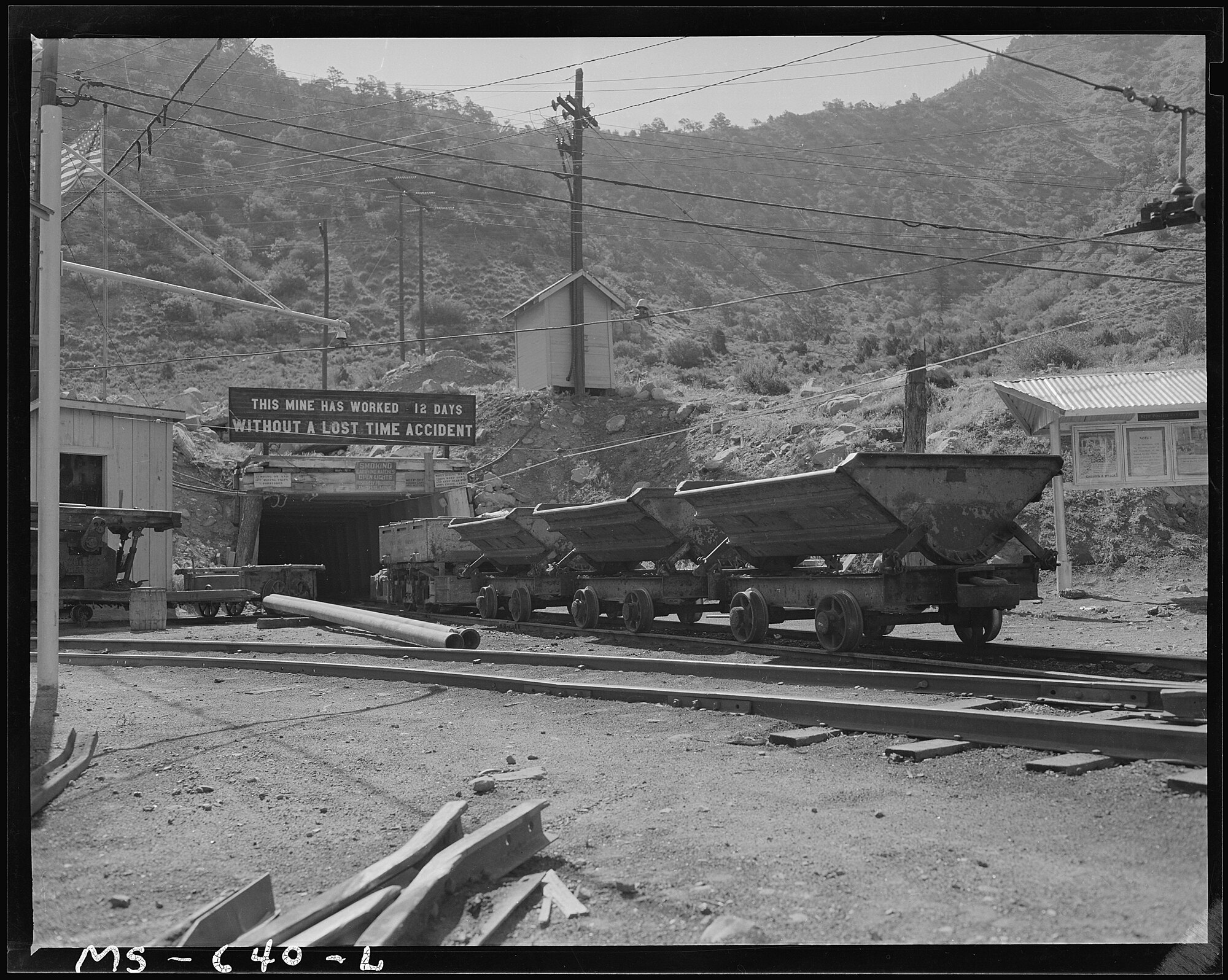
One of the worst mining disasters in U.S. history occurred when a series of explosions took place at the Castle Gate coal mine in Utah on March 8, 1924.
Debris could be found a mile from the mine.
More than 171 died in the tragedy.
Image of the mine from 1946 via Wikimedia Commons, public domain
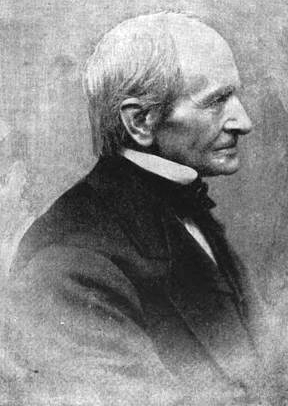
American telescope maker Alvan Clark was born on March 8, 1804 in Ashfield, Massachusetts.
When his company was in operation he and his sons were creating the largest telescope lenses in the world at that time.
Image via Wikimedia Commons, public domain
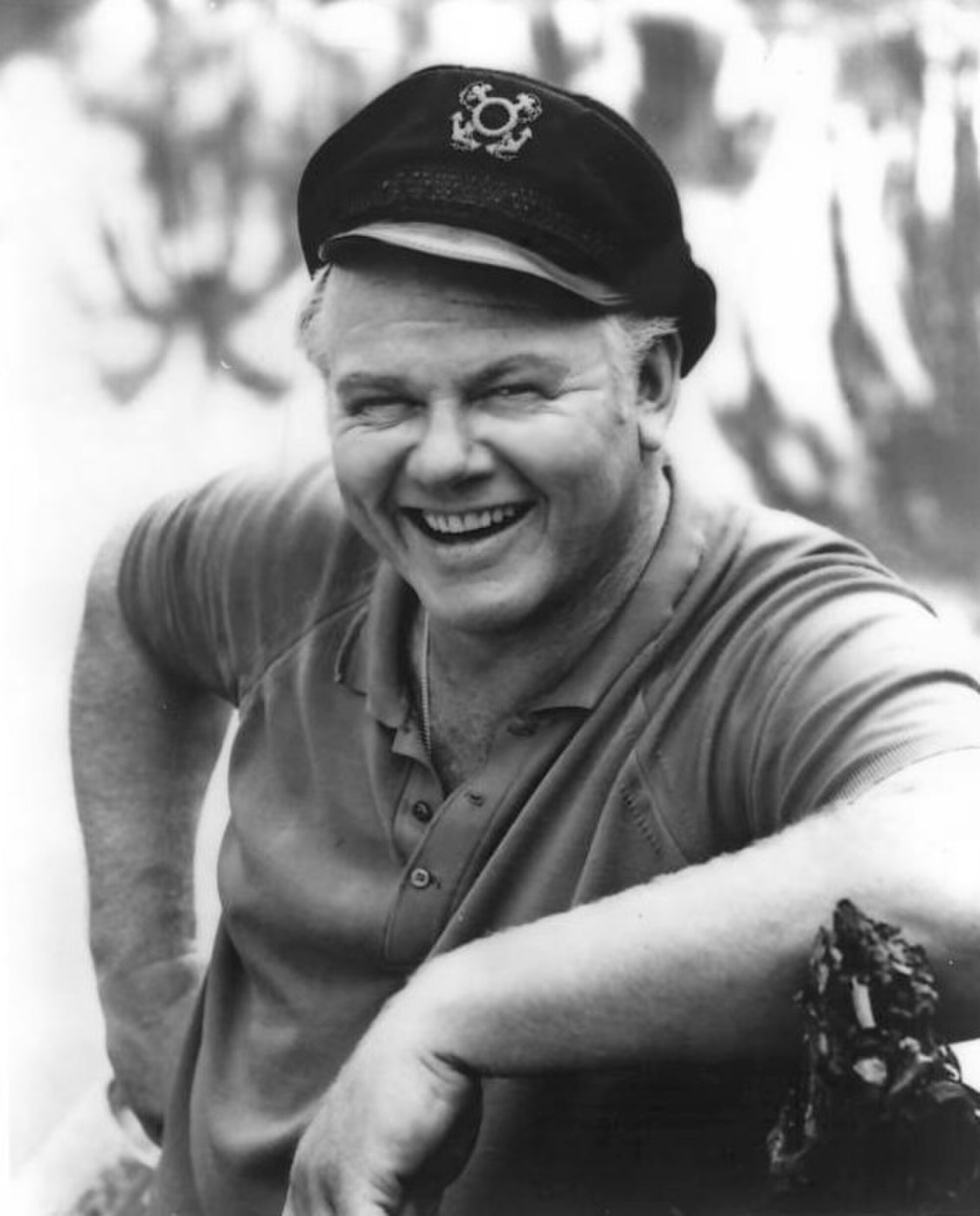
Alan Hale Jr. who played the role of The Skipper in Gilligan’s Island was born on March 8, 1921 in Los Angeles, California.
During WWII Alan served as a seaman in the U.S. Coast Guard.
Image via Wikimedia Commons, public domain
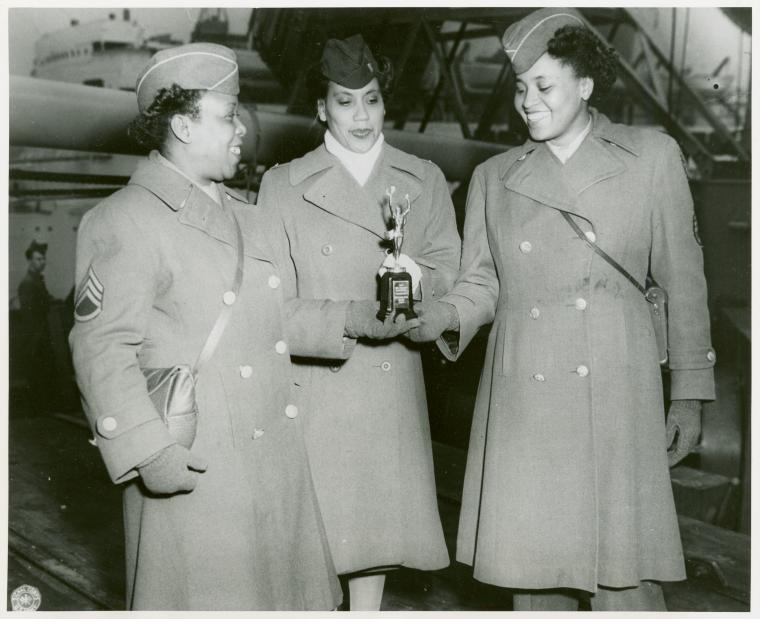
“Led championship team; The basketball team representing the 6888th Central Postal Directory, only African American WAC [Women’s Army Corps] unit to serve overseas, won the WAC Theater Basketball Championship of the ETO while stationed in Rouen, France; The last contingent of the 6888th returned to the States on Friday, March 8; with it left to right: Staff Sergeant Doris L. Paige, Ocean Springs, Mississippi, the team’s coach; First Lieutenant Mercedes Jordan, New York City, the unit’s Special Service Officer; and Technician Fifth Grade Gertrude Cruse, Cincinnati, Ohio, who captained the championship team; In addition to the trophy pictured above which was awarded the team, individual members were presented with self-winding wrist watches.”
1946
via NYPL Digital Collections, no known restrictions
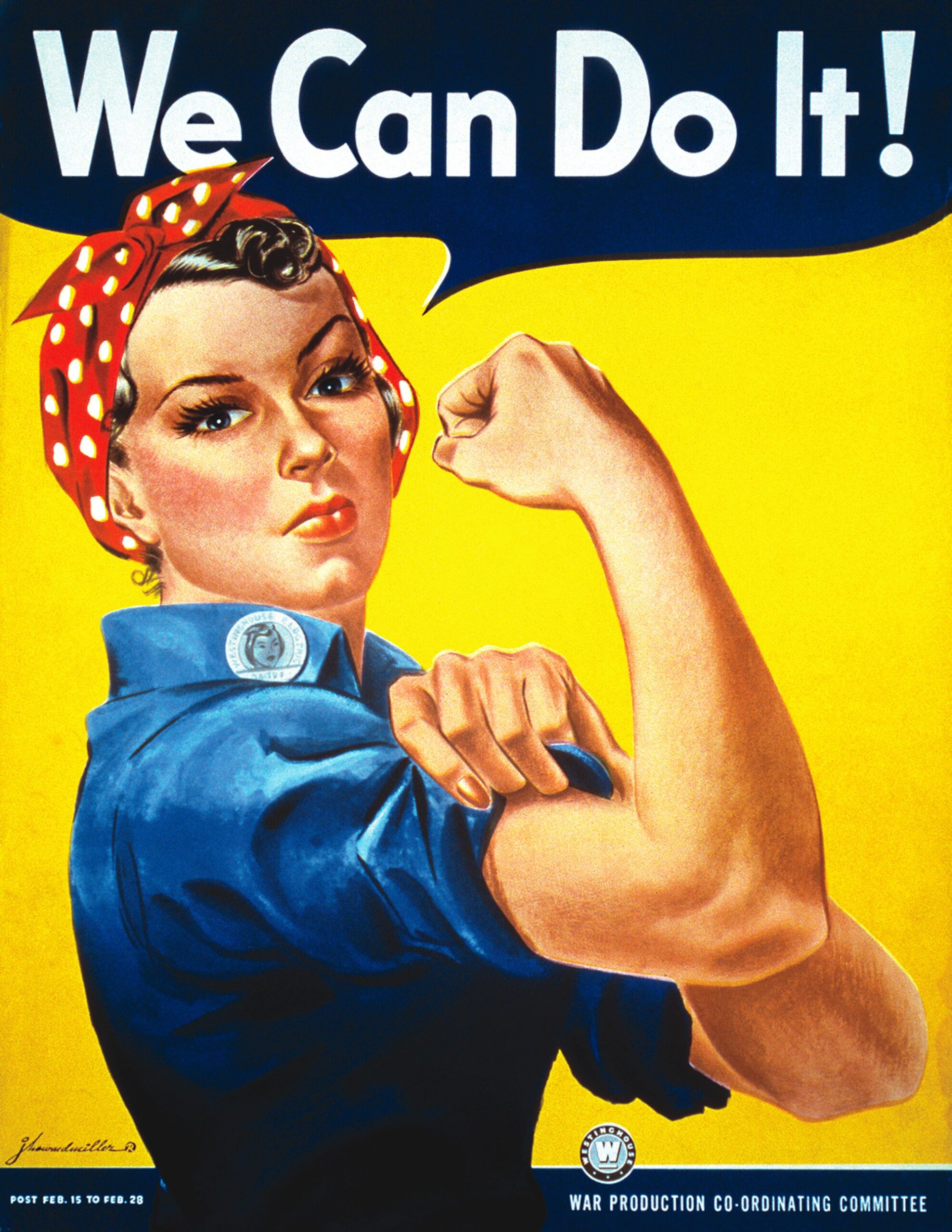
“We Can Do It”
poster from 1943
Happy International Women’s Day!
Image via Wikimedia Commons, public domain
March 8, 1979 — Eindhoven, Netherlands. In a small Philips demonstration room, engineers placed a reflective plastic disc into a prototype player and proved that music could be carried by light. Though the debut happened in Europe, it is often included in American timelines because the idea that made it possible began in the United States.
In 1965, physicist James T. Russell — a classical‑music lover frustrated by how quickly his vinyl records wore out — imagined a way to record sound without a needle or physical wear. Working at Battelle Memorial Institute in Richland, Washington, he designed a system in which a beam of light read microscopic digital patterns. Battelle held the patents, granted in 1970, that became the first legal and conceptual foundation for optical digital recording. Philips and Sony later engineered the commercial compact disc format, but they licensed Russell’s work to build it.
The 1979 demonstration set off a transformation in American culture. CDs would eclipse vinyl and cassettes, reshape the U.S. music economy, and lead to the first American‑made discs rolling off the line in Terre Haute, Indiana, in 1984 — beginning with Bruce Springsteen’s Born in the U.S.A..
The IEEE later recognized the March 8 demonstration as a milestone in electrical engineering — a global achievement rooted in an American spark.
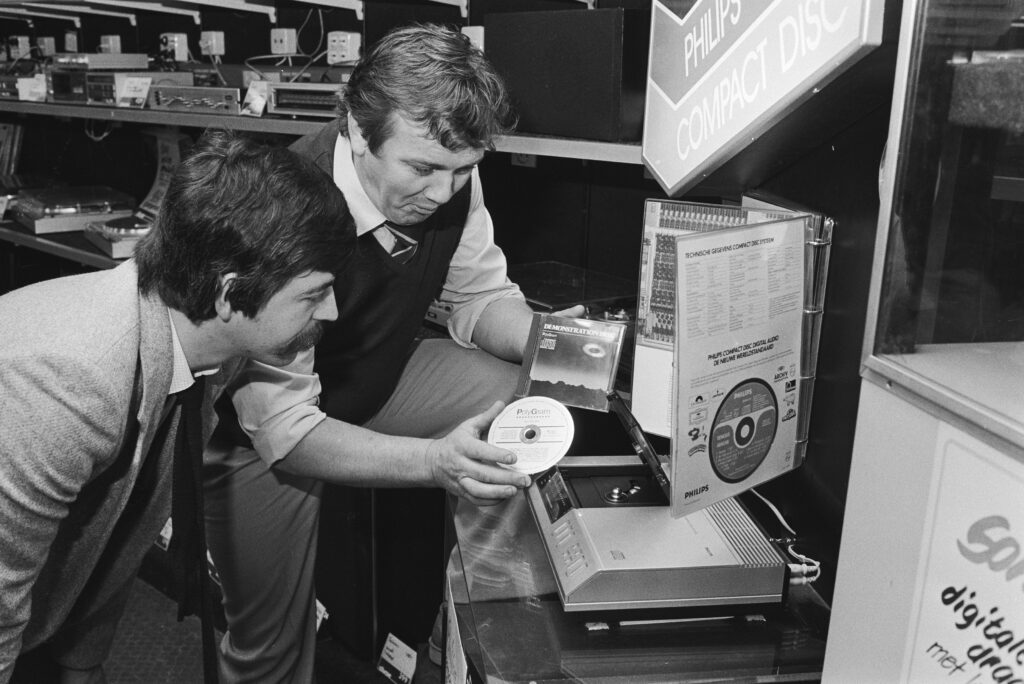
The image shown here is not from the 1979 prototype event. It captures a Philips dealer‑floor demonstration in the Netherlands in the early 1980s, when the company trained retailers and the public on how the new compact disc system worked. The PolyGram ‘Demonstration Disc’ and Dutch‑language technical materials were standard tools as the CD moved from laboratory breakthrough to commercial reality.
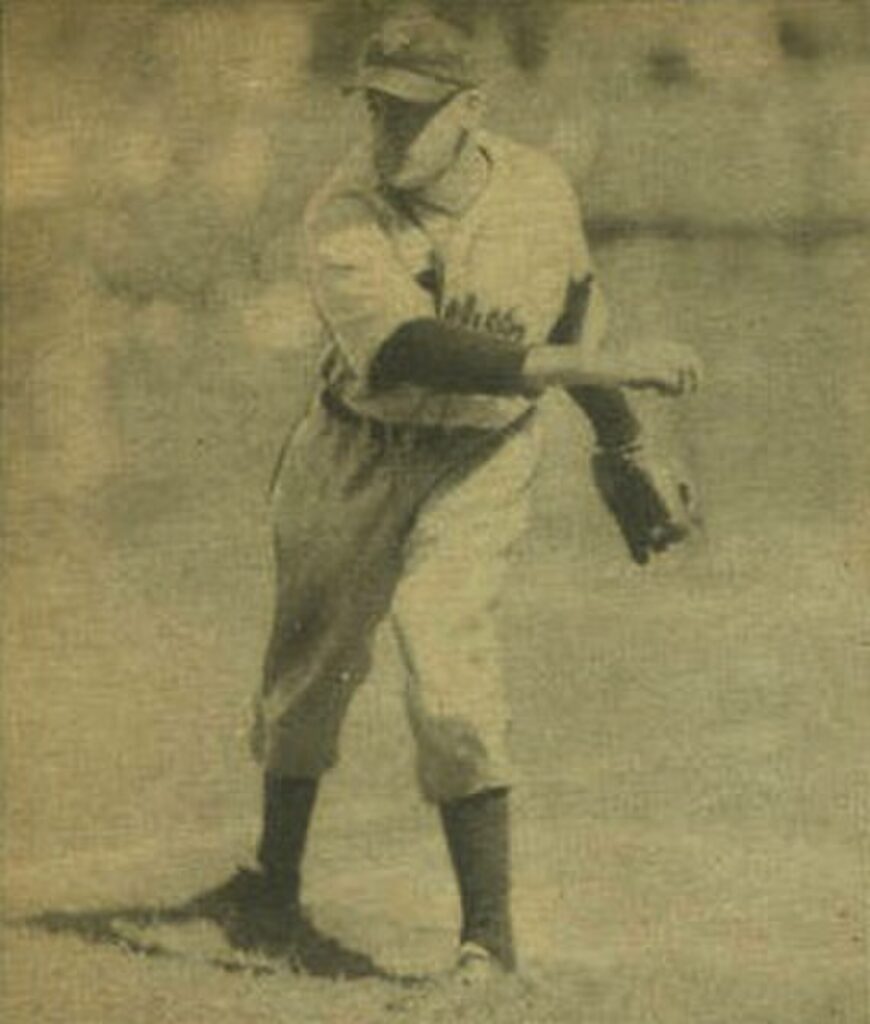
March 8, 1941 — Philadelphia Phillies pitcher Hugh Mulcahy becomes the first Major League regular drafted into military service for World War II.
While the nation was still months away from Pearl Harbor, Mulcahy’s induction signaled the end of “business as usual” for American pastimes. Nicknamed “Losing Pitcher” for his hard luck on a struggling team, Mulcahy famously quipped upon his draft, “My losing streak is over for the duration… I’m on a winning team now”. He would go on to serve 53 months, including combat in the Pacific, earning a Bronze Star for his service Mulcahy’s induction made headlines because it showed how far that mobilization had reached: even professional athletes were being called as the country quietly expanded its forces months before Pearl Harbor. Nicknamed “the first to go,” Mulcahy served nearly five years, his career paused as the United States braced for a conflict that soon became global.
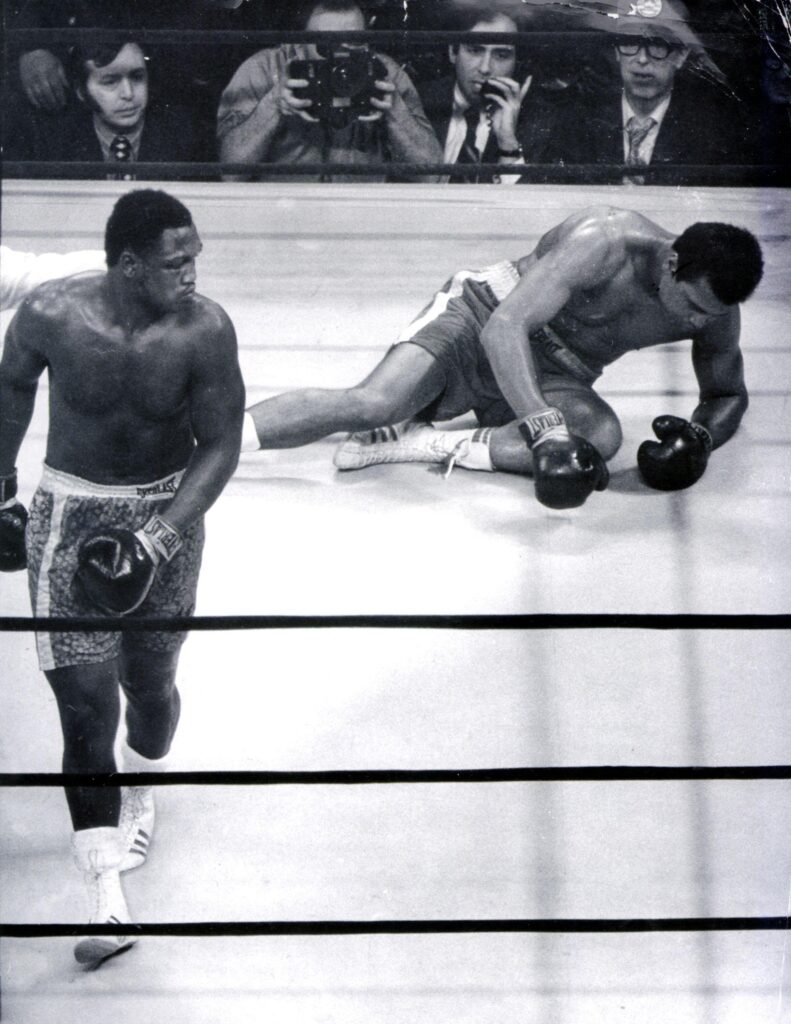
March 8, 1971 — Madison Square Garden. The “Fight of the Century” wasn’t just a boxing match; it was a cultural collision. Two undefeated champions entered the ring, but the world outside had already chosen sides. Ali, recently reinstated after refusing the draft, carried the weight of politics, protest, and the anti‑war movement. Frazier, the reigning champion, arrived with the backing of the establishment — even President Nixon reportedly listened from the White House.
The Garden was electric. Frank Sinatra worked the event as a photographer for Life magazine just to secure a ringside seat. Celebrities filled every row. Millions watched on closed‑circuit screens around the world. It was the first time two undefeated heavyweight champions had ever met for the title.
Inside the ropes, the fight was as tactical as it was brutal. Frazier’s relentless pressure forced Ali to fight at a pace he hadn’t faced since his exile. Ali’s jab snapped with brilliance early, but Frazier’s body work — thudding, patient, punishing — slowly drained the spring from Ali’s legs.
The climax arrived in the 15th round. With Ali visibly exhausted, Frazier uncorked his signature left hook — timed so perfectly that it sent Ali to the canvas for only the third time in his career. The image of Ali on the floor, legs splayed and eyes dazed, became the defining photograph of the night.
Frazier won by unanimous decision, handing Ali his first professional loss. The victory came at a cost — both men were hospitalized afterward, their bodies wrecked by the most intense heavyweight fight of their era. But the bout became legend, the opening chapter of a rivalry that would shape boxing for a generation.
Image via Alamy
