
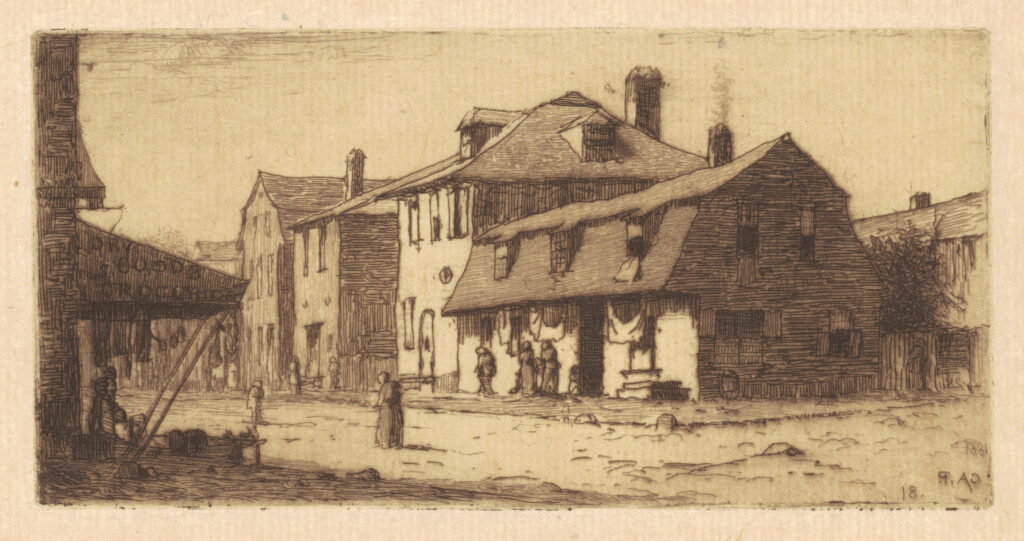
On March 7, 1781—just one day after his arrival in Newport, Rhode Island—General George Washington was honored at a grand ball in Mrs. Ann Cowley’s Assembly Rooms. Cowley, a well‑known Newport businesswoman, operated one of the city’s principal public venues, a set of spacious rooms attached to her tavern that had long hosted subscription dances and concerts.
The Assembly Rooms once stood in the heart of downtown Newport on or near Thames Street; the building itself has long since disappeared, but in 1781 it offered one of the city’s largest and most suitable spaces for formal gatherings. By the winter of 1780–81, it had become the natural meeting place for French officers quartered in the city.
That evening, Rochambeau, Chastellux, and the French general staff joined leading Newport families to welcome Washington. Martha Washington remained at Mount Vernon, and Lafayette was in Maryland, but the celebration still carried diplomatic weight—a moment of warmth and unity as the allied armies prepared for the campaign that would lead to Yorktown.
Image: Historic view of Thames Street in Newport, Rhode Island
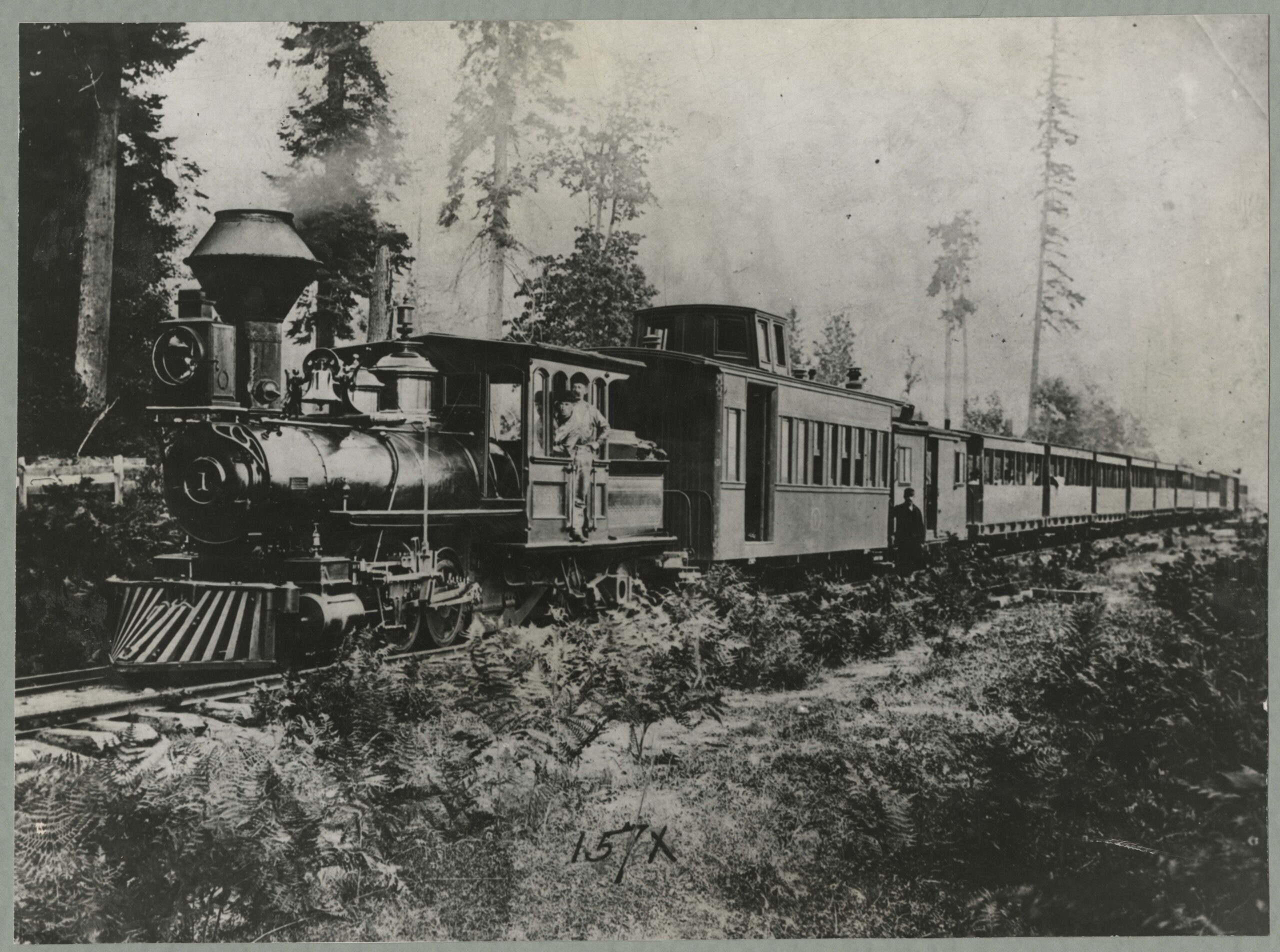
First trip of Seattle and Walla Walla Railroad
March 7, 1877
Image via Wikimedia Commons, public domain
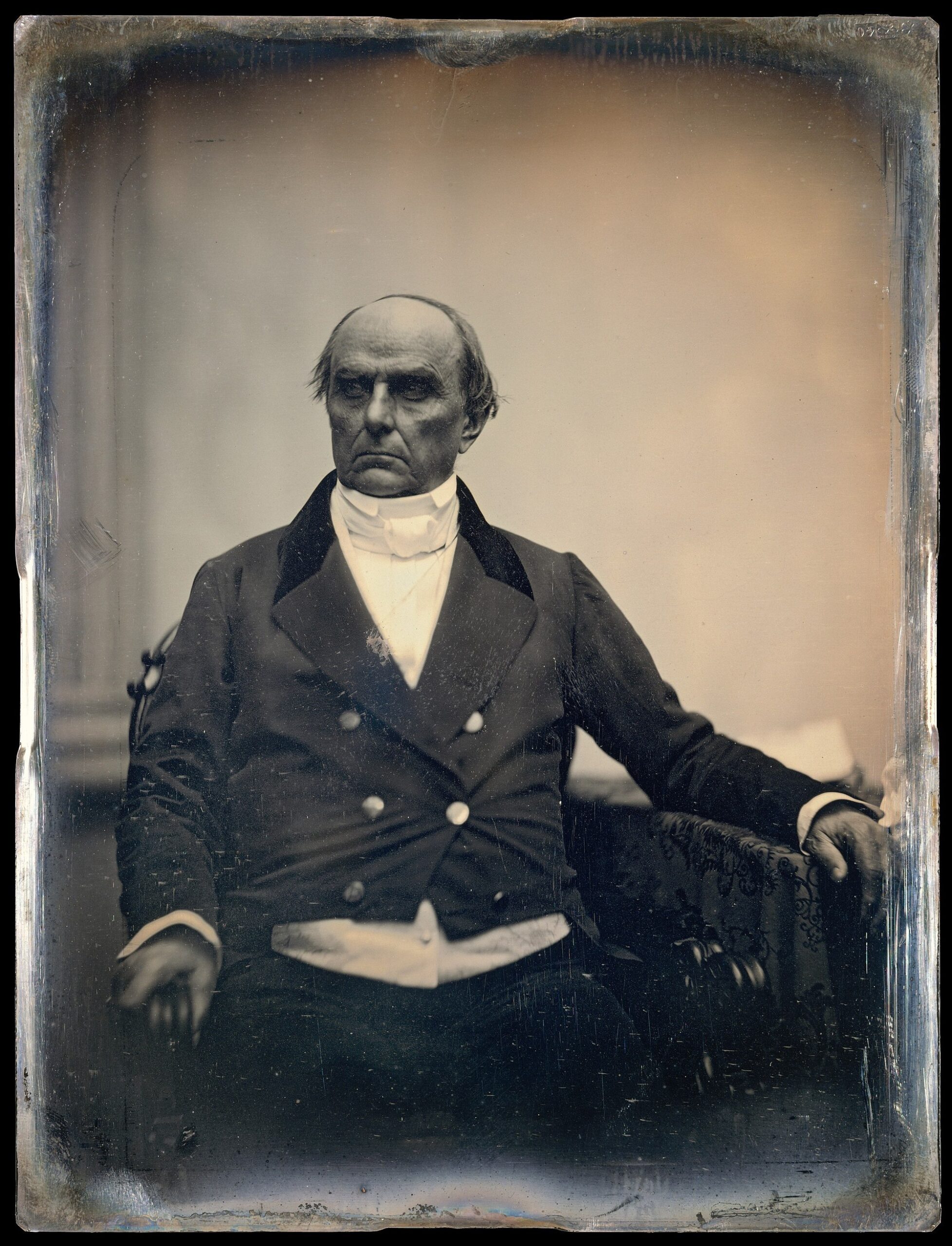
“I speak to-day for the preservation of the Union. ‘Hear me for my cause.’ I speak to-day, out of a solicitous and anxious heart for the restoration to the country of that quiet and harmonious harmony which make the blessings of this Union so rich, and so dear to us all.”
– Daniel Webster during his Seventh of March speech in favor of the Compromise of 1850
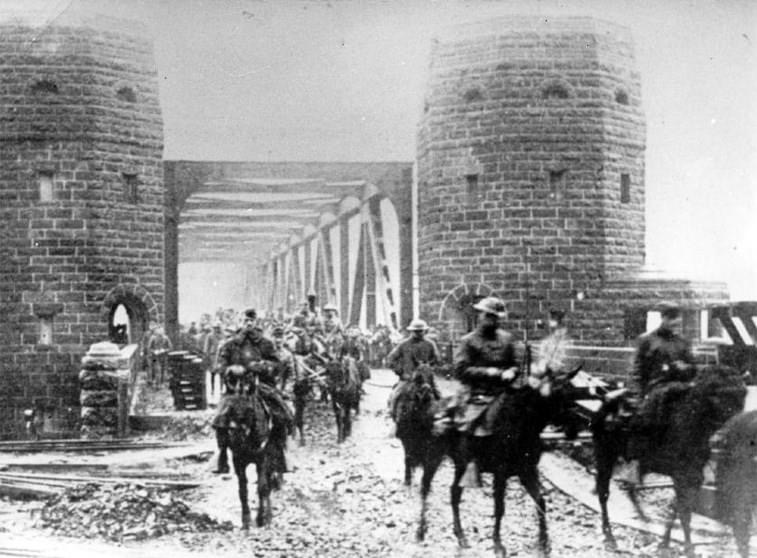
1918–1919 – Completed in the final months of World War I, the Ludendorff Bridge was used by American troops in December 1918 during the peaceful occupation of the Rhineland. Built by Germany to move men and materiel to the Western Front, it never saw combat during the war.
WWII – On March 7, 1945, nearly 27 years after those occupation crossings, American forces of the 9th Armored Division captured the bridge intact in a daring assault. It was the first and only permanent bridge across the Rhine taken by the Allies, giving U.S. forces a critical foothold that hastened the end of the war. Under relentless shelling and weakened by failed demolition charges, the bridge collapsed on March 17, 1945—ten days after its capture.
Image via Wikimedia Commons, public domain
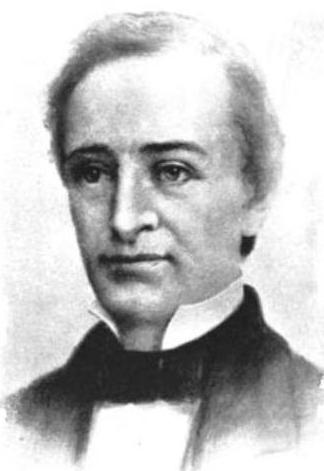
On March 7, 1843, Edward Kavanagh of Maine became the first Catholic governor of any U.S. state. The son of Irish immigrants from County Wexford, Kavanagh grew up in one of New England’s earliest Catholic families and was educated in Montreal and at Georgetown. His rise marked a significant milestone in a region long defined by anti‑Catholic sentiment, and he played a key role in defeating efforts to bar Catholics from public office during Maine’s constitutional debates.
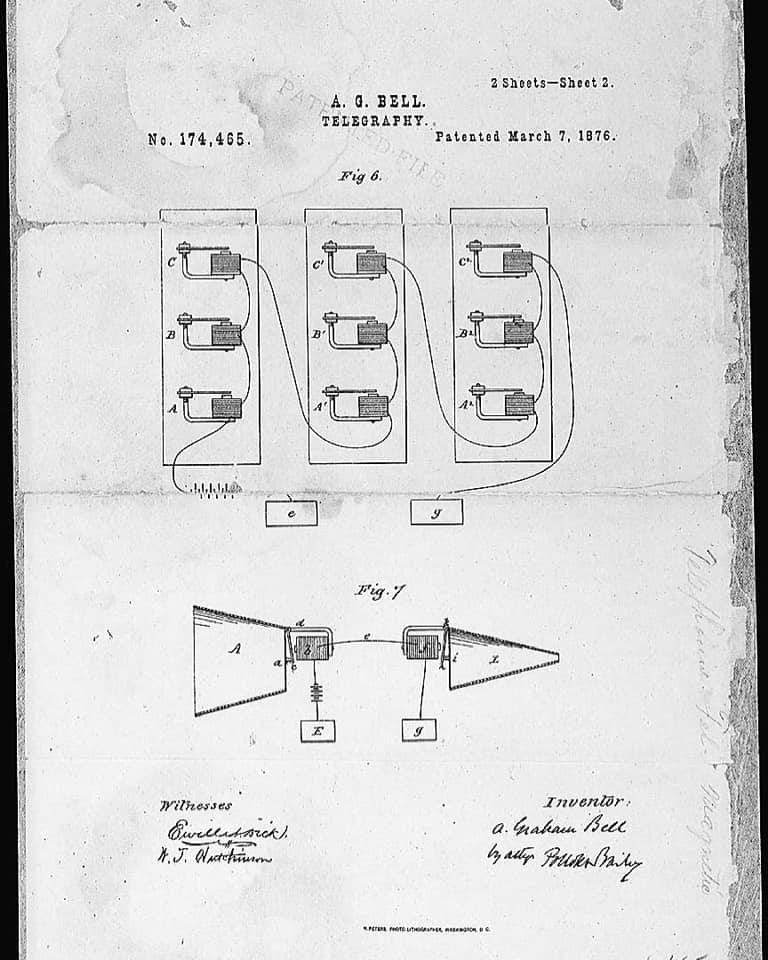
Alexander Graham Bell’s Telephone patent ⠀
⠀
Issued March 7, 1876 ⠀
⠀
via Wikimedia Commons, public domain
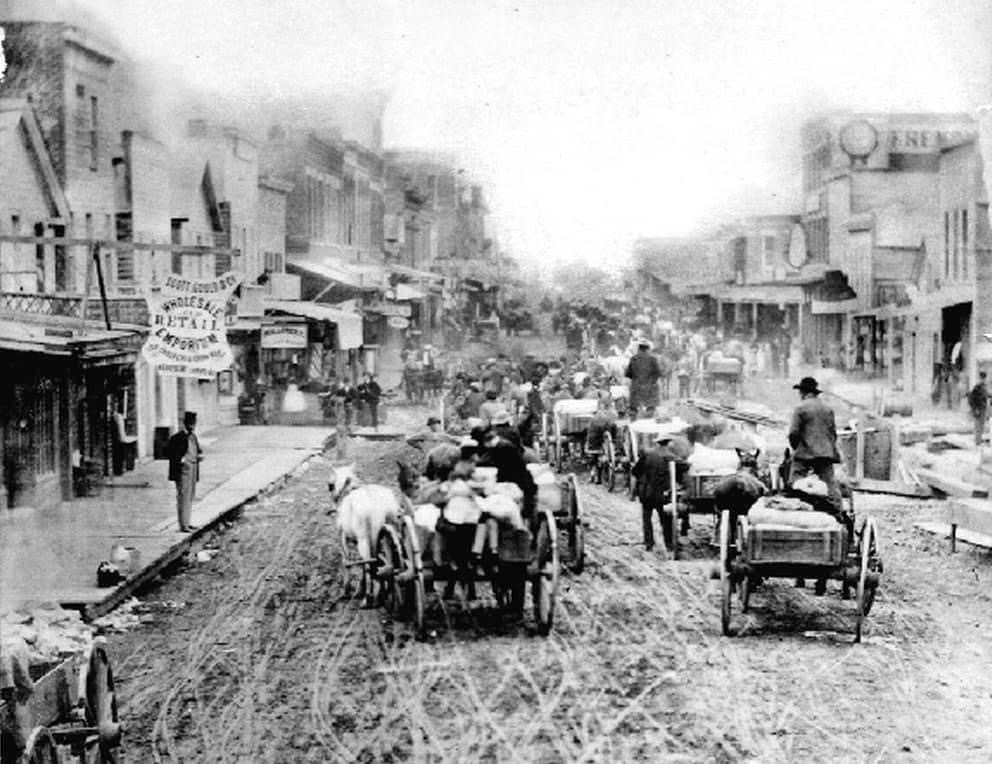
McGregor, Iowa in 1870 about 23 years after the Scotsman Alexander MacGregor, descendant of Rob Roy MacGregor, settled in the area.
On today’s date March 7, 1671 Rob Roy MacGregor
was born in Loch Katrine, Perthshire, Scotland.
Image via Wikimedia Commons, public domain
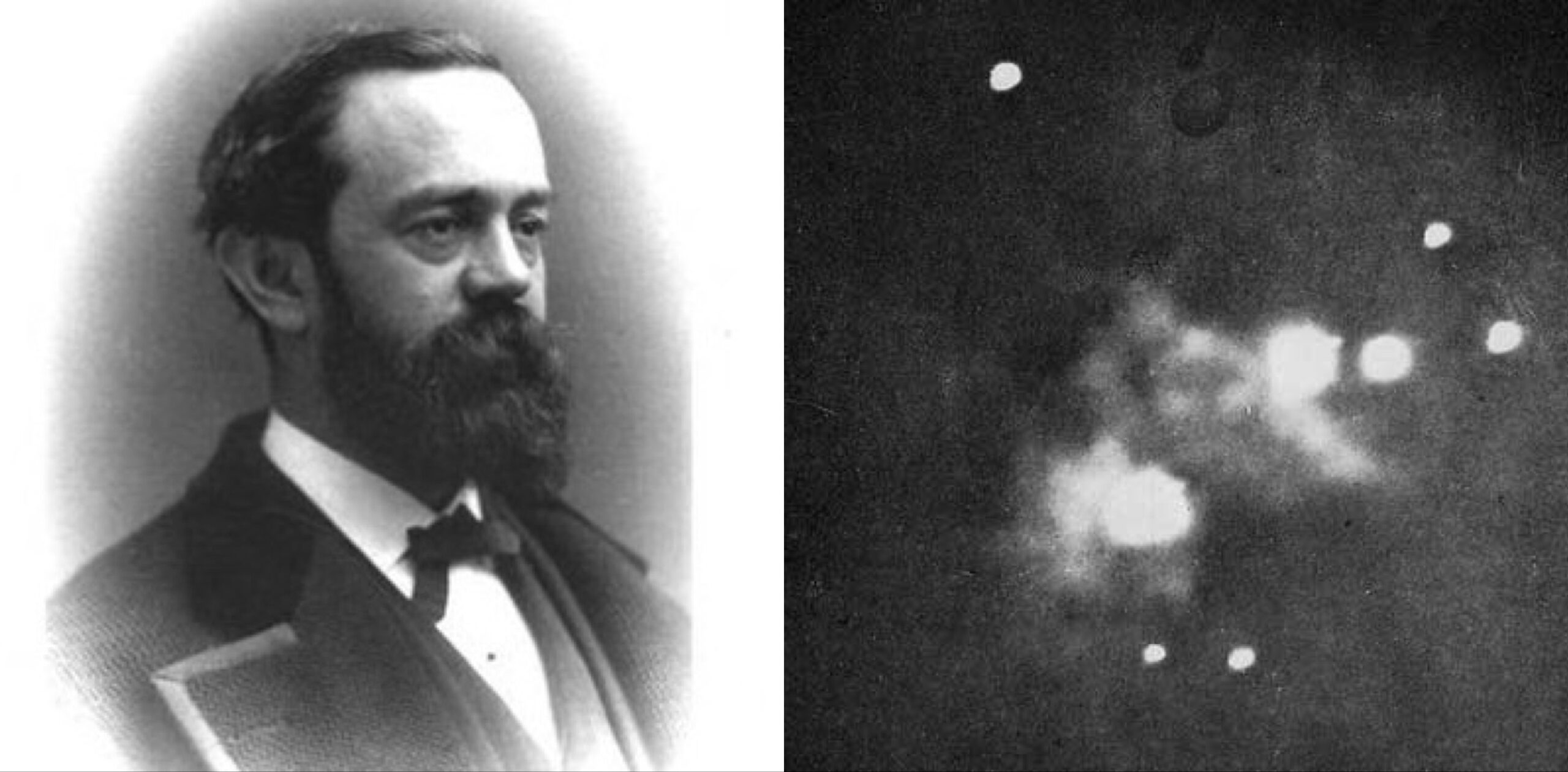
American physician and astrophotographer Henry Draper was born on March 7, 1837 in
Prince Edward County, Virginia. He was the first person to photograph the Orion Nebula (photo from 1880 is seen here.)
His father was also an astrophotographer and was the first person to photograph a detailed image of the moon using a telescope.
Images via Wikimedia Commons, public domain
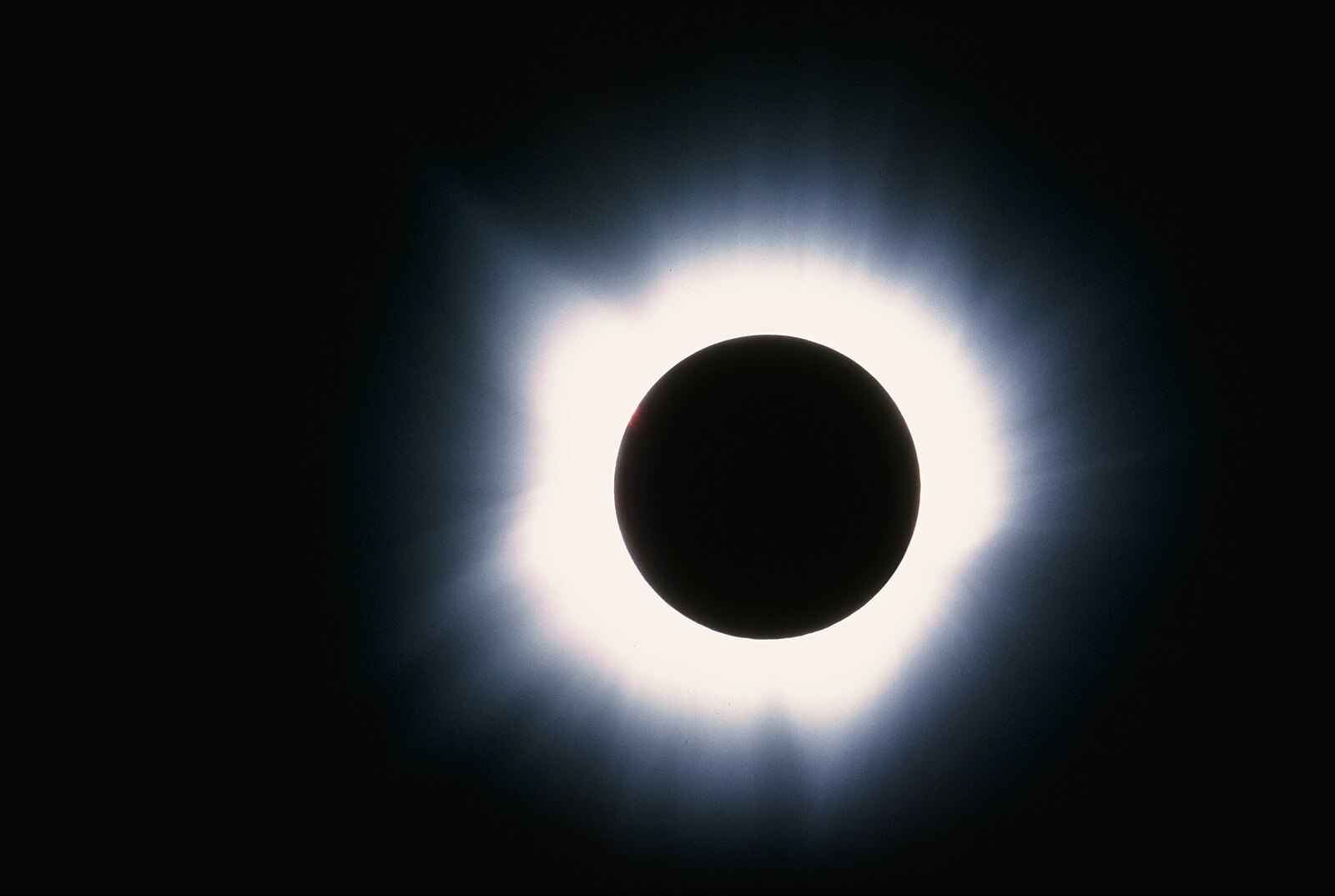
Total eclipse of the Sun
March 7, 1970
Image from National Optical-Infrared Astronomy Research Laboratory (NOIRLab) via Wikimedia Commons, CC BY 4.0
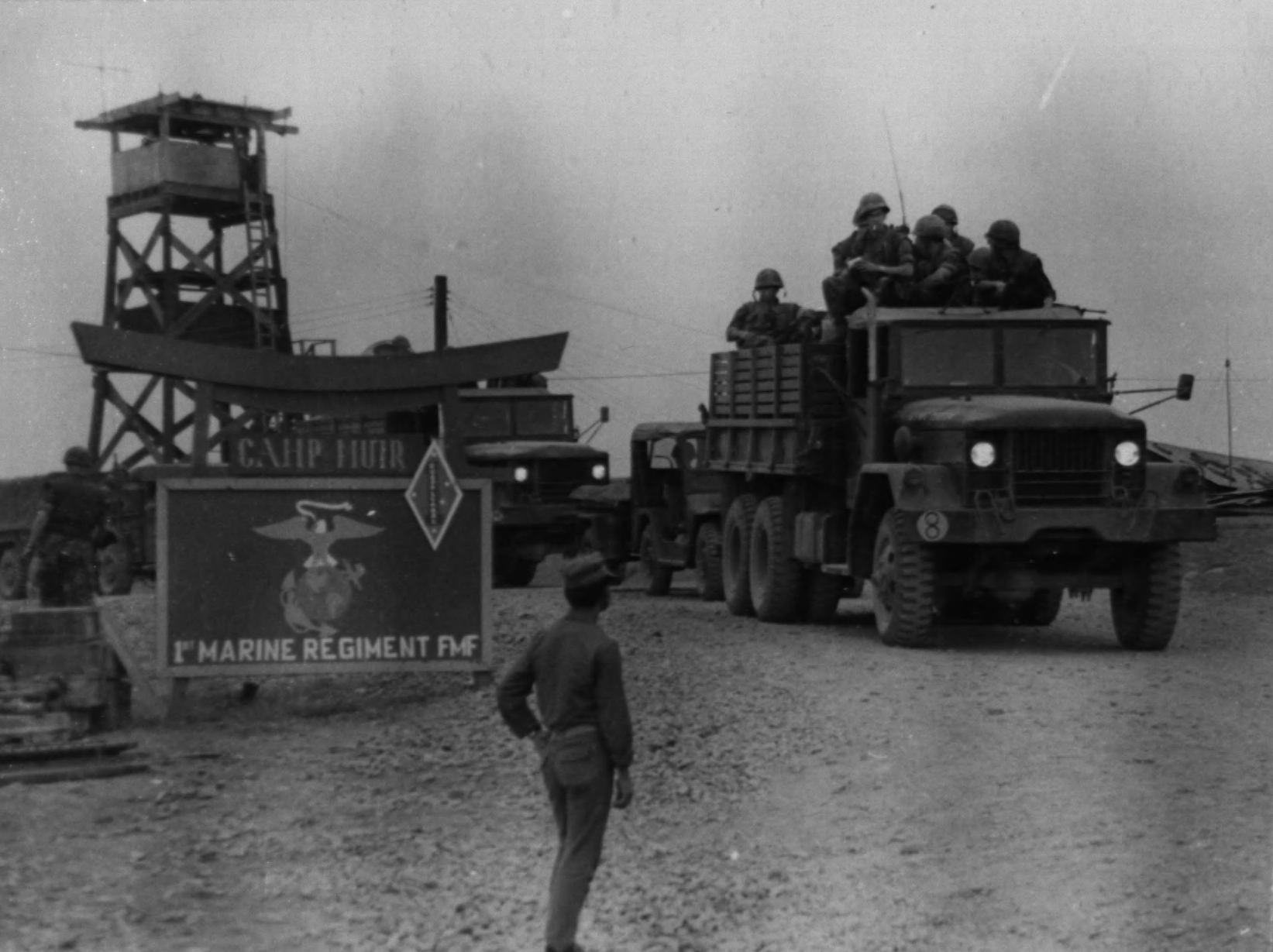
U.S. Marines departing Camp Muir on March 7, 1970
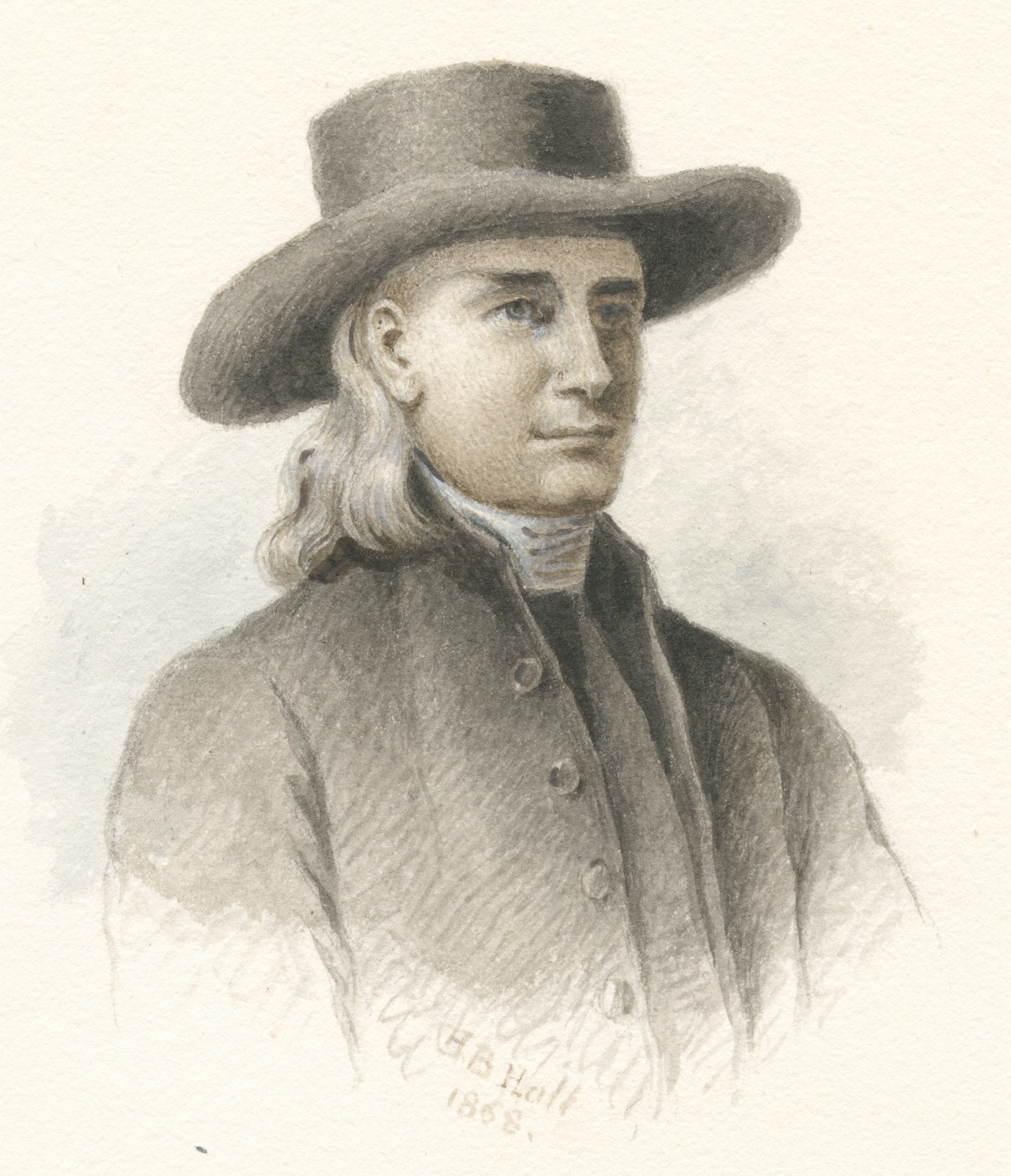
Founding Father of The United States, Stephen Hopkins, who was the 28th, 30th, 32nd & 34th Governor of the Colony of Rhode Island and Providence Plantations was born on March 7, 1707 in Providence.
At 69 years old Stephen signed The Declaration of Independence saying “My hand trembles, but my heart does not.”
His brother was Esek Hopkins, Commander in Chief of the Continental Navy.
Image via Wikimedia Commons, public domain
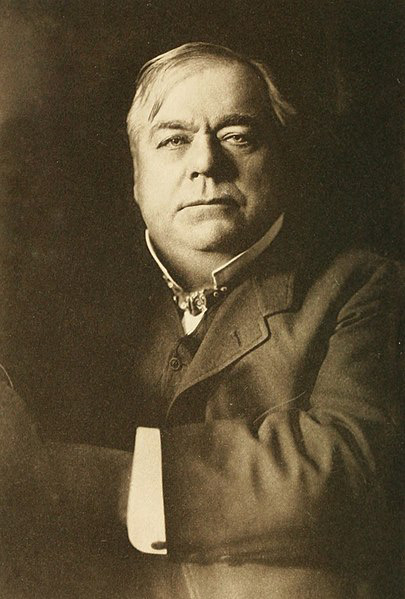
Publisher William Rockhill Nelson, born March 7, 1841 was co-founder of the Kansas City Star newspaper and left 6 million dollars to build the Nelson-Atkins art museum. He was called “The Colonel” but his editor, William Allen White wrote “Not that he was ever colonel of anything, he was just coloneliferous.”
Image via Wikimedia Commons, public domain in the US.
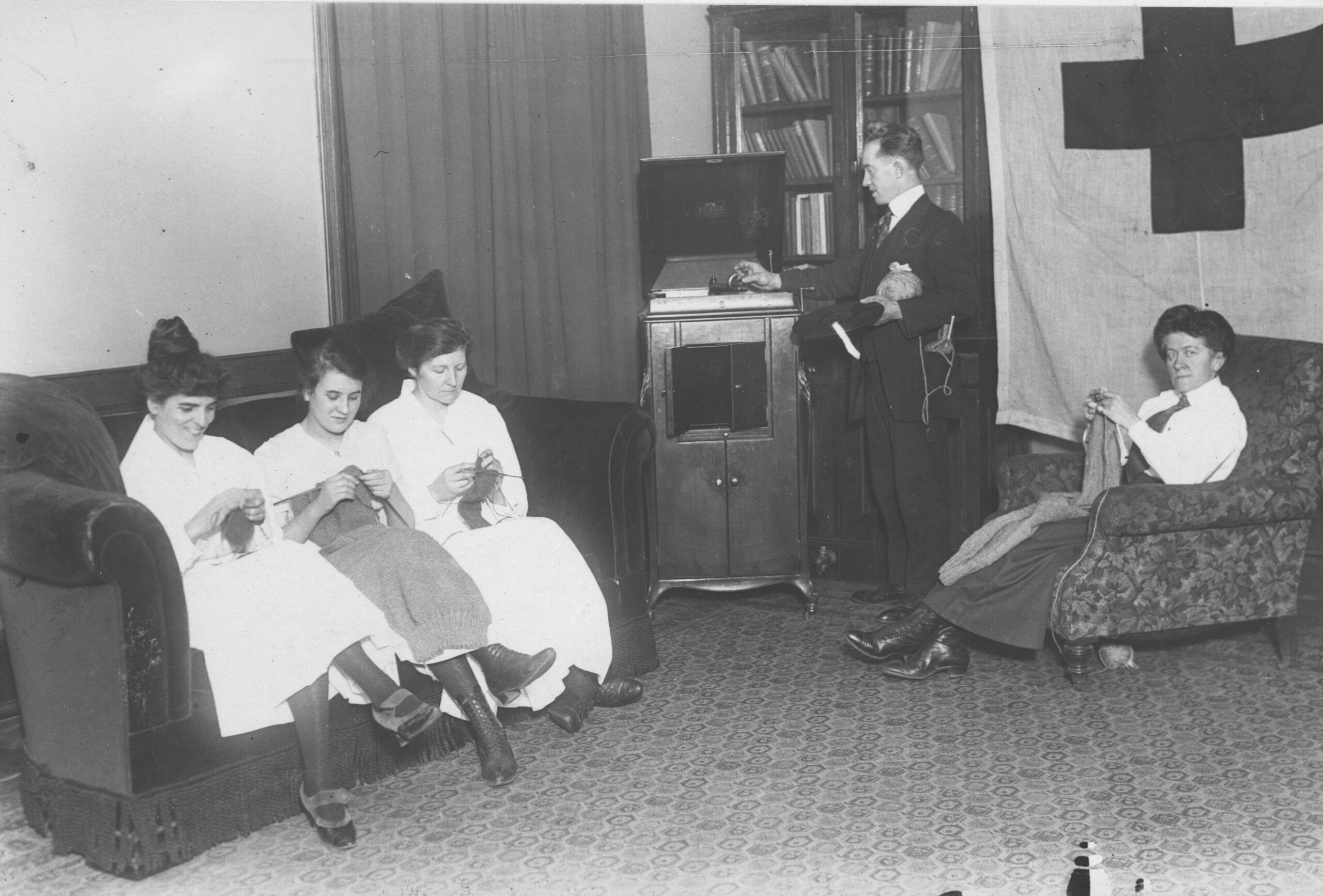
American Red Cross – Classes in Red Cross Work – Members of the Charles M. Schwab household staff busy in their sitting room in the Schwab residence on Riverside Drive, New York, knitting while they enjoy the music. The house of Charles M. Schwab was turned over in part to the Red Cross for a workroom, and many women made bandages and surgical dressings there every day
March 7, 1918
Image via Wikimedia Commons, public domain in the US.
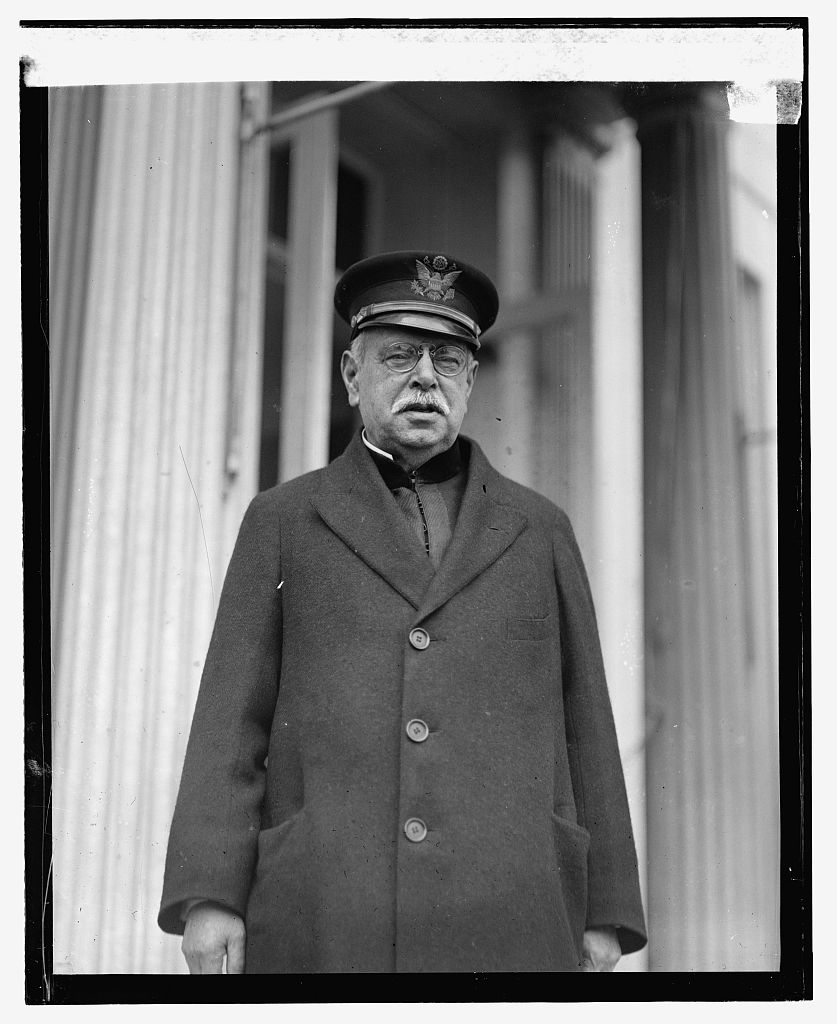
John Philip Sousa
– March 7, 1924
via Library of Congress, no known restrictions
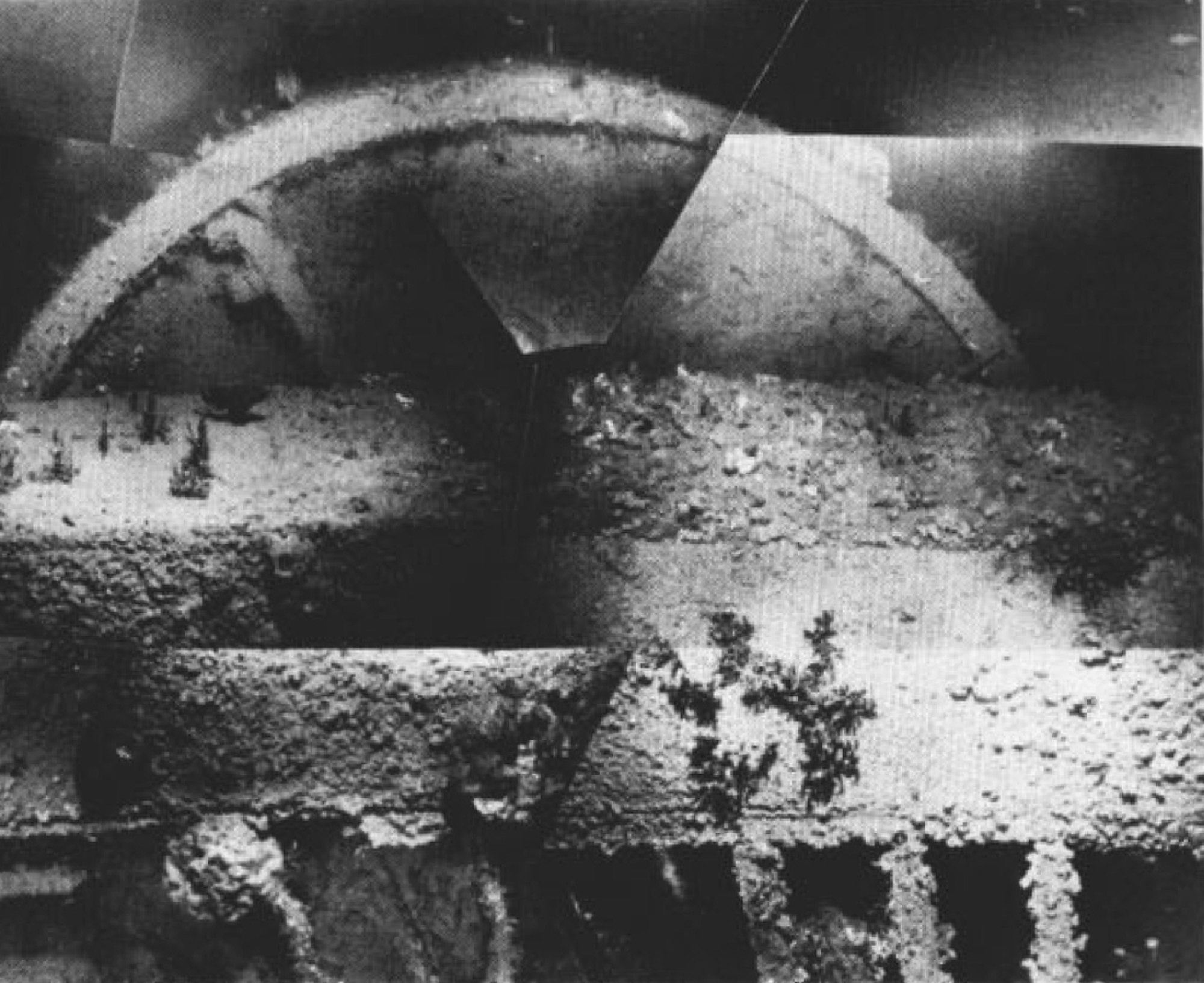
On March 7, 1974, John G. Newton, a researcher from Duke University, reported that he and his crew discovered the wreck of the USS Monitor ironclad off the Carolina coast. The USS Monitor sank during a storm off Cape Hatteras on New Year’s Eve 1862.
Image of the USS Monitor c. 1974 via Wikimedia Commons, public domain
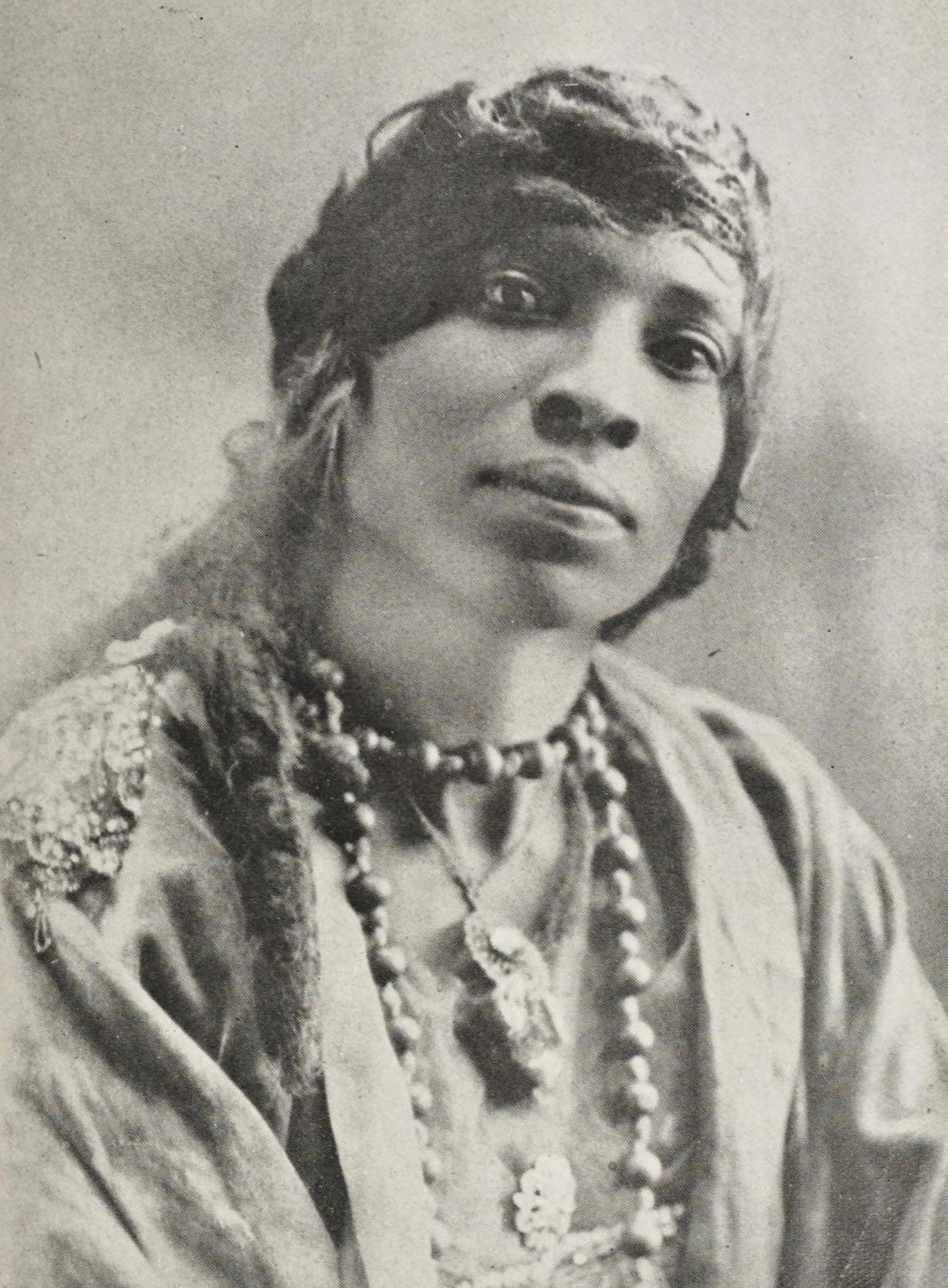
One of the first African American actress to receive a film contract from a major studio, Madame Sul-Te-Wan, was born on March 7, 1873 in Louisville, Kentucky.
In 1937 she played the role of Tituba in the Maid of Salem.
Image via Wikimedia Commons, public domain
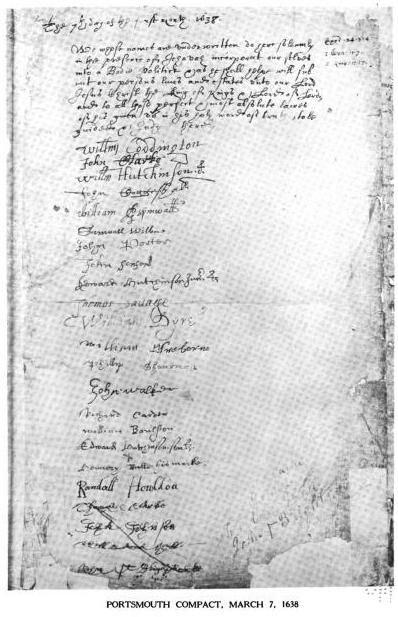
On March 7, 1638, the Portsmouth Compact was signed by a group of 23 Christians from the Massachusetts Bay Colony who were seeking religious freedom.
The document established Portsmouth, Rhode Island.
Image of the Portsmouth Compact via Wikimedia Commons, public domain
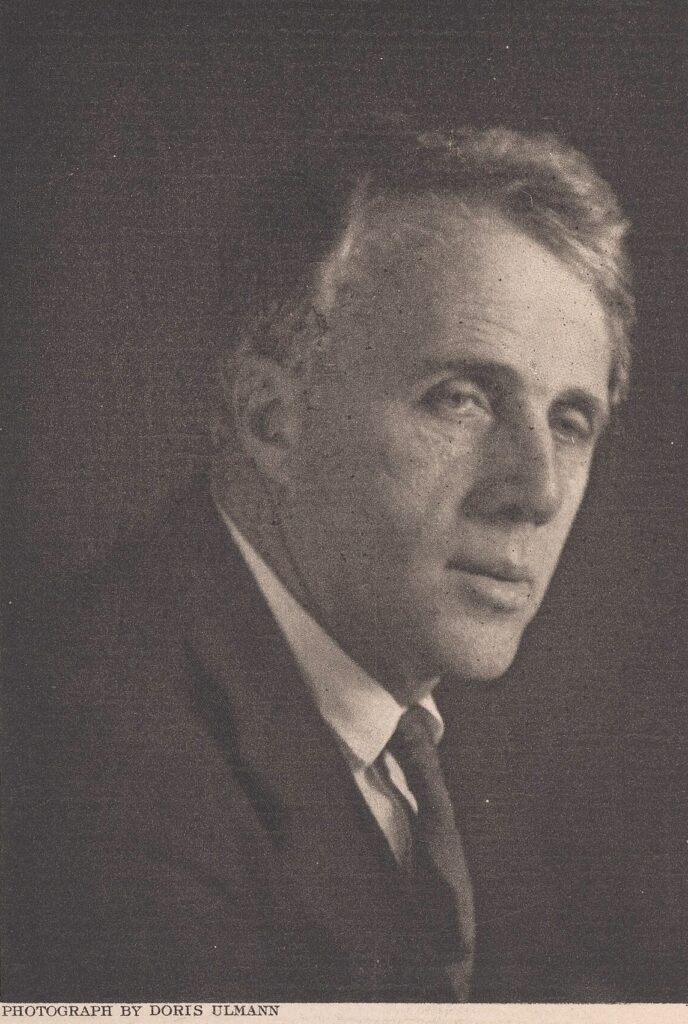
March 7, 1923 — Robert Frost’s “Stopping by Woods on a Snowy Evening” appeared for the first time in The New Republic. Written the previous summer, the New England meditation would become one of the most beloved poems in American literature.
