
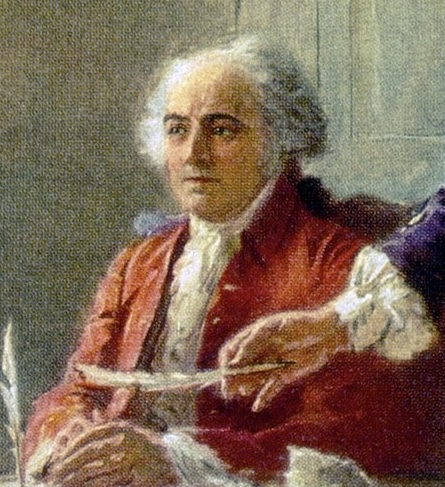
John Adams’ Diary — March 30, 1776
The moment he understood the future before the nation had words for it.
On this day, Adams wrote that the colonies must “assume the powers of government,” a private recognition that the break with Britain had already happened in substance. He had been in Philadelphia for months, pushing Congress through the slow, grinding work of shaping real governments while others still hoped for reconciliation.
The drafting committee hadn’t been formed. The grand language of Jefferson was still months away. While the public was reading Thomas Paine’s Common Sense, Adams was doing the heavy lifting in subcommittees, focused on the stubborn persistence of building a functioning state.
That’s what gives this entry its steady power. Adams wasn’t just waiting for a revolution — he was acknowledging a truth he could already feel beneath the debates: a people already governing themselves, defending themselves, and becoming something new. Independence had not yet been declared, but in his mind, the old world was already gone.
The Declaration would eventually give that reality its voice. Adams’s diary preserves the moment he realized the work had already begun.
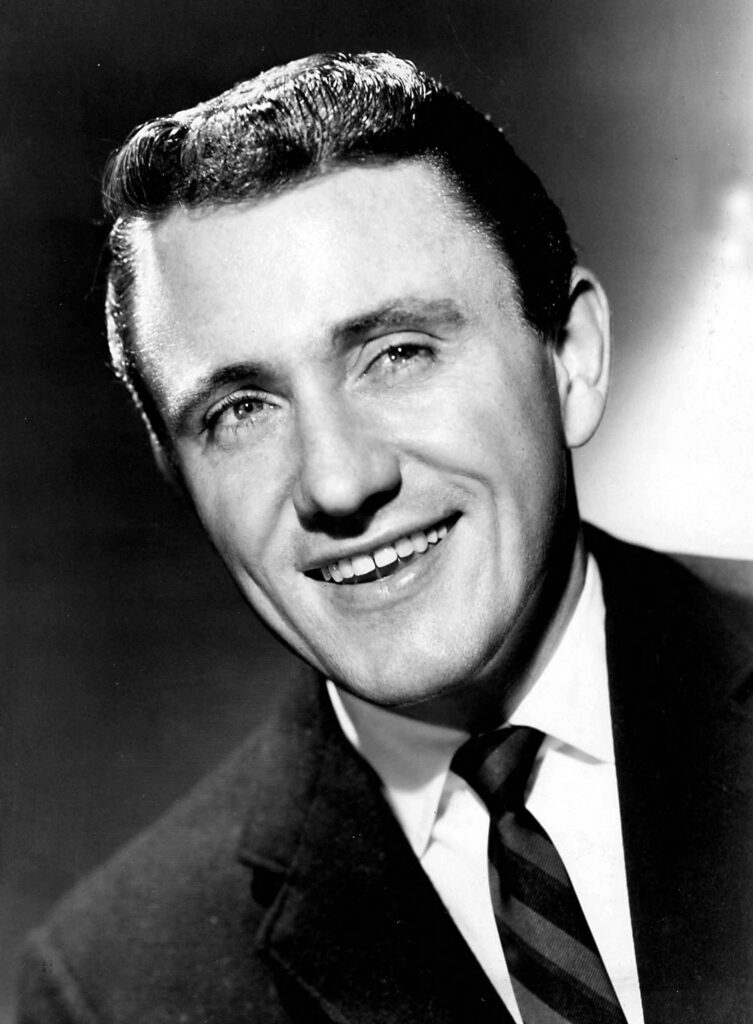
On March 30, 1964, Jeopardy! premiered and marked the moment Merv Griffin shifted from on-air personality to architect of a new television era. Having recently left his first talk show, Griffin was already laying the groundwork for the production empire he would build over the next decades. The young Griffin seen here stands at the threshold of that transition — just as he began creating the award-winning game-show formats that would become permanent fixtures of American broadcasting.
Image via Alamy
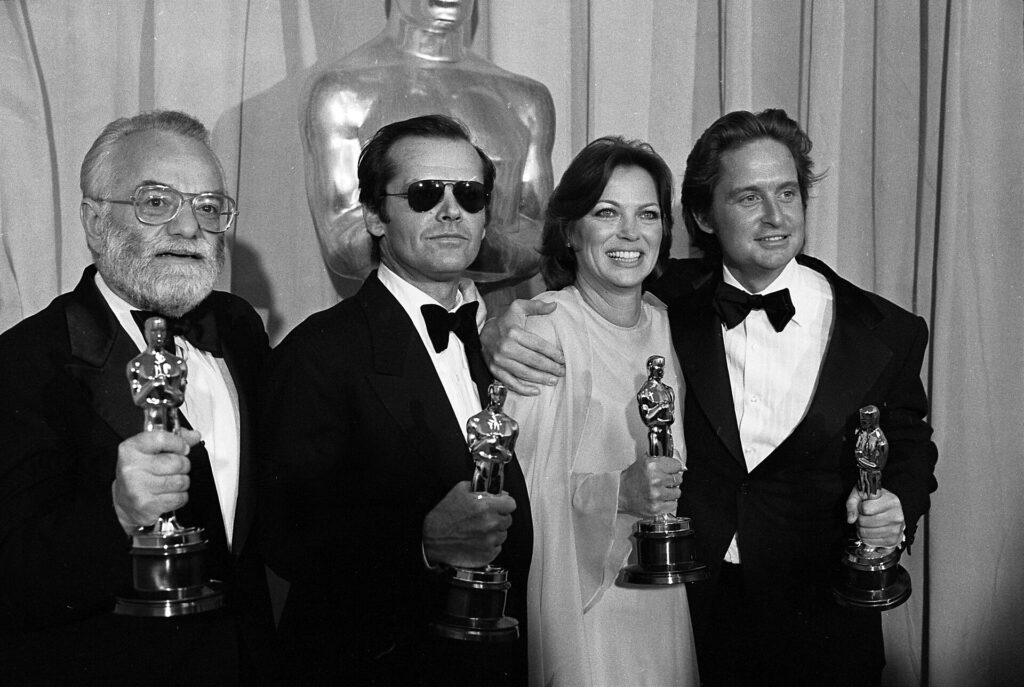
The “Big Five” Sweep — March 30, 1976
Saul Zaentz, Jack Nicholson, Louise Fletcher, and Michael Douglas at the 48th Academy Awards.
For millions of Americans on the East Coast watching the broadcast into the early hours of March 30, this was the moment One Flew Over the Cuckoo’s Nestcompleted its historic sweep. While Nicholson and Fletcher commanded the screen as R.P. McMurphy and Nurse Ratched, Zaentz and Douglas had spent years fighting to bring the “unmarketable” story to life from behind the camera.
Their four trophies in one frame mark the peak of a night where a gritty, independent drama became only the second film in Oscar history to win the “Big Five”: Best Picture, Actor, and Actress (shown here), along with Best Director for MilošForman and Best Adapted Screenplay. It was a feat that hadn’t been achieved since 1934 and wouldn’t be seen again for another 15 years.
Image from Los Angeles Times via Wikimedia Commons
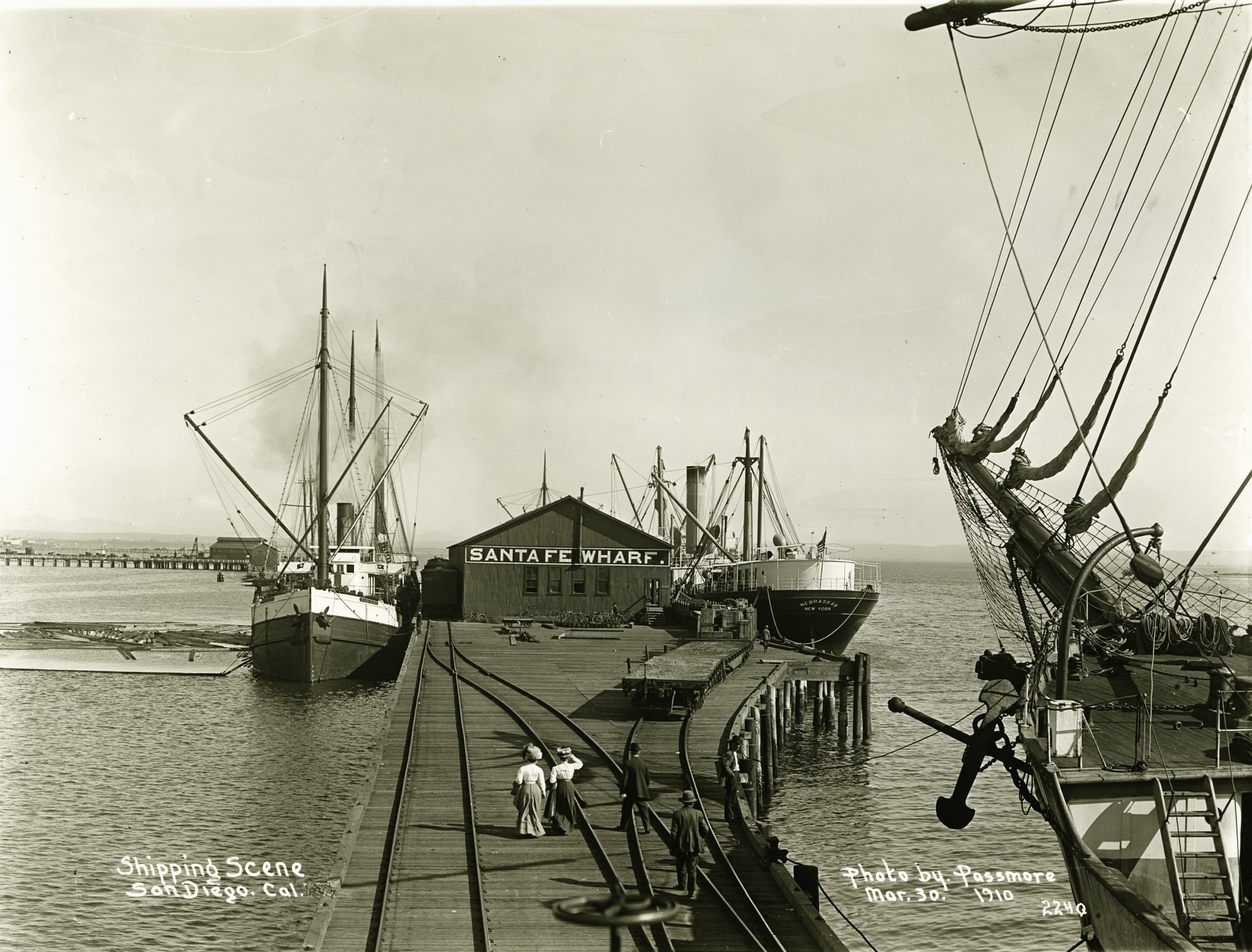
Shipping scene, West Santa Fe wharf, San Diego, CA
March 30, 1910
Image via Wikimedia Commons, public domain
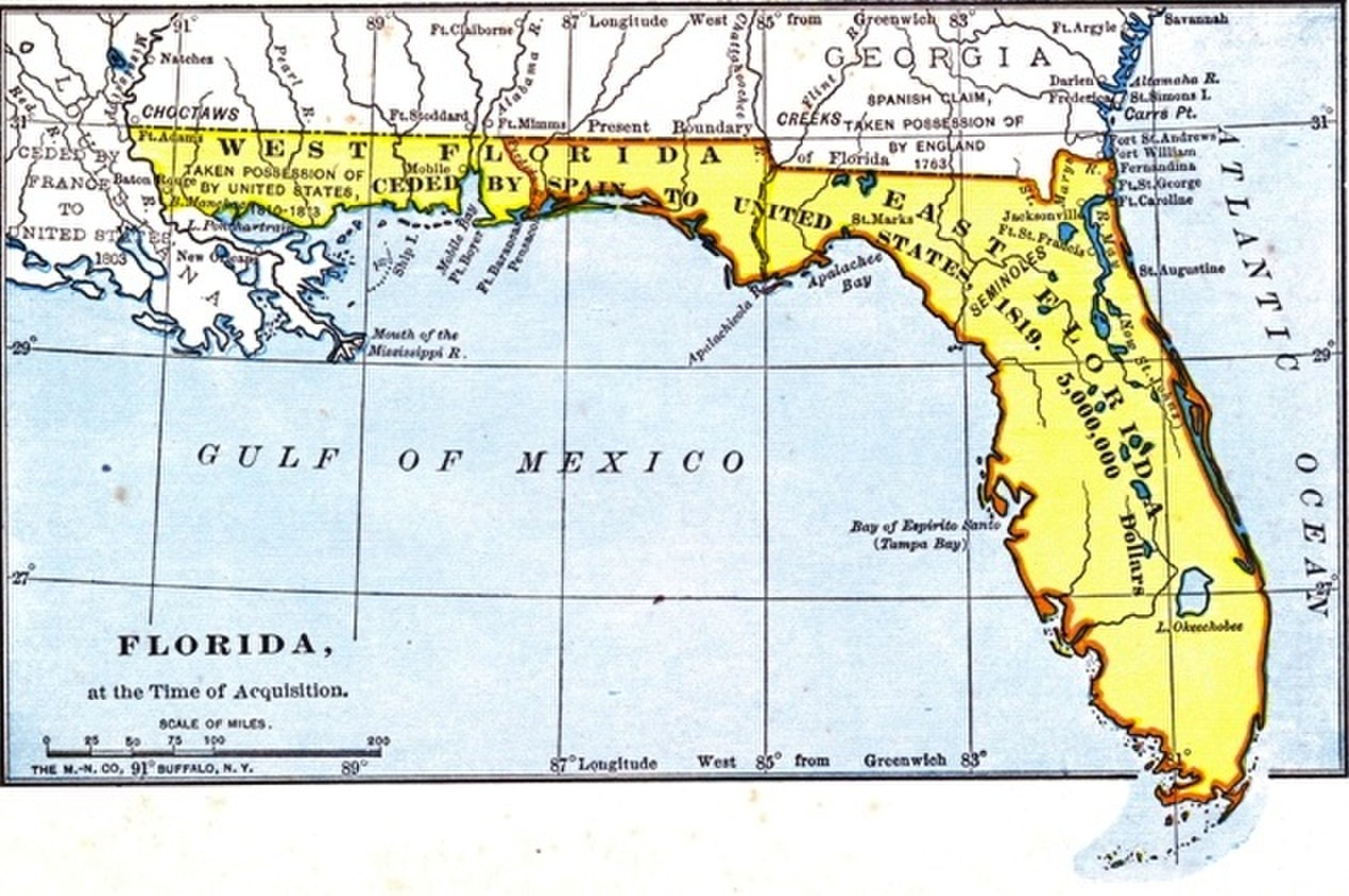
After Spain ceded both East Florida and West Florida in 1819 to the United States, the two areas were combined into the Florida Territory by the U.S. on March 30, 1822.
Image via Wikimedia Commons, public domain
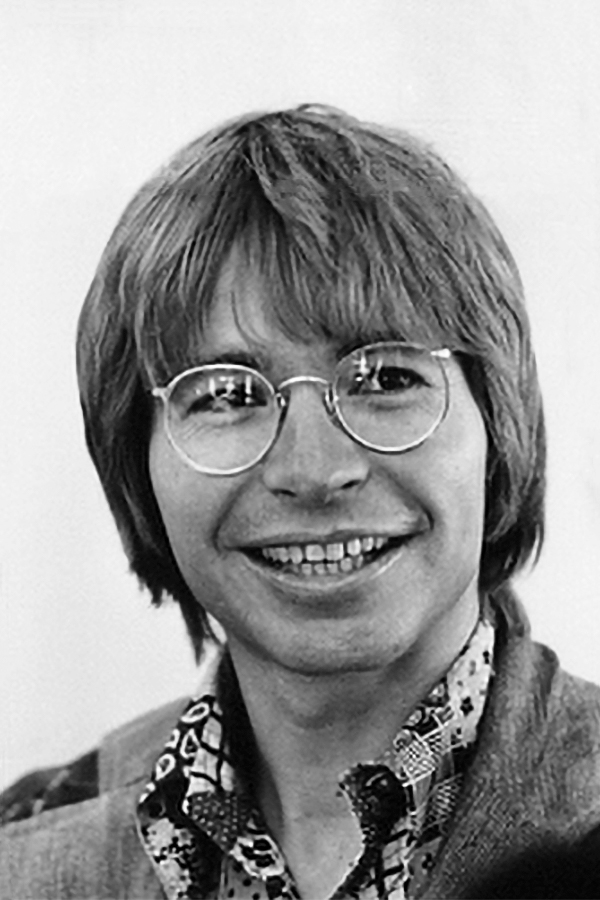
On March 30, 1974 “Sunshine On My Shoulders” by John Denver became the #1 song in America.
Image via Wikimedia Commons, public domain
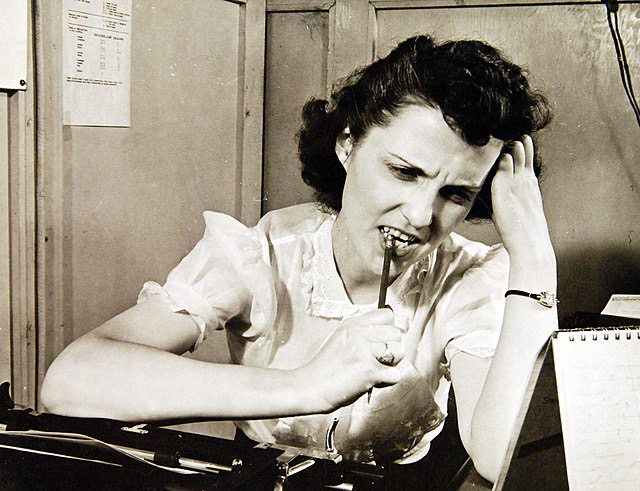
On March 30, 1858, Philadelphia stationer Hyman Lipman patented a pencil with an attached eraser. No image of Lipman is known to exist, so here is a 1942 poster with the caption “Stop destroying that eraser, young lady! Last year 180 tons of rubber was used in such erasers, enough to have made 200,000 Army gas masks.”
Image from National Museum of the US Navy via Wikimedia Commons, public domain in the US.
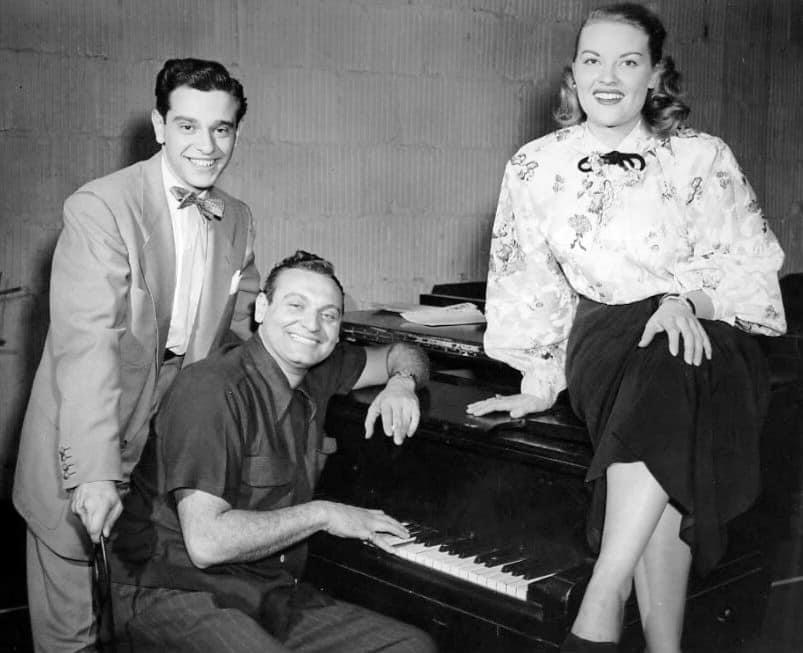
Frankie Laine at the piano, Patti Page sitting on the piano and Richard Hayes on the far left.
c. 1950s
On March 30, 1913 Frankie Laine, who was known for performing songs from a wide variety of musical genres, was born in Chicago, Illinois.
Image via Wikimedia Commons, public domain
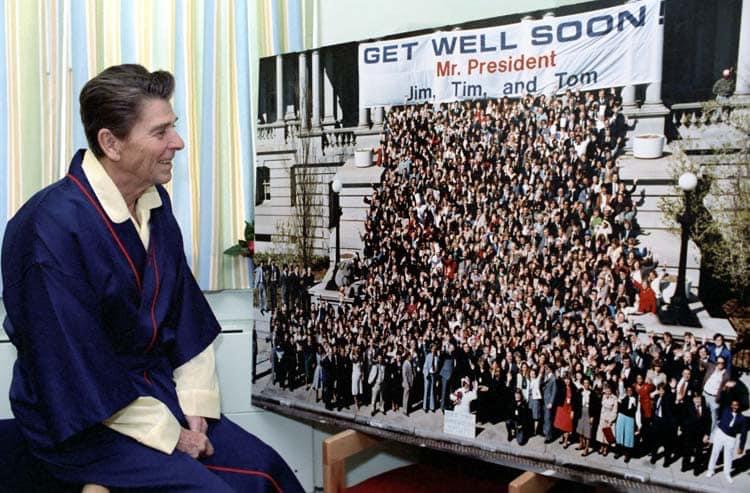
“Get Well Soon Mr. President”
Photo of President Ronald Reagan looking at a Get Well Soon image as he recovers a little more than week after an attempt was made to take his life on March 30, 1981.
Image from early April 1981 via Wikimedia Commons, public domain
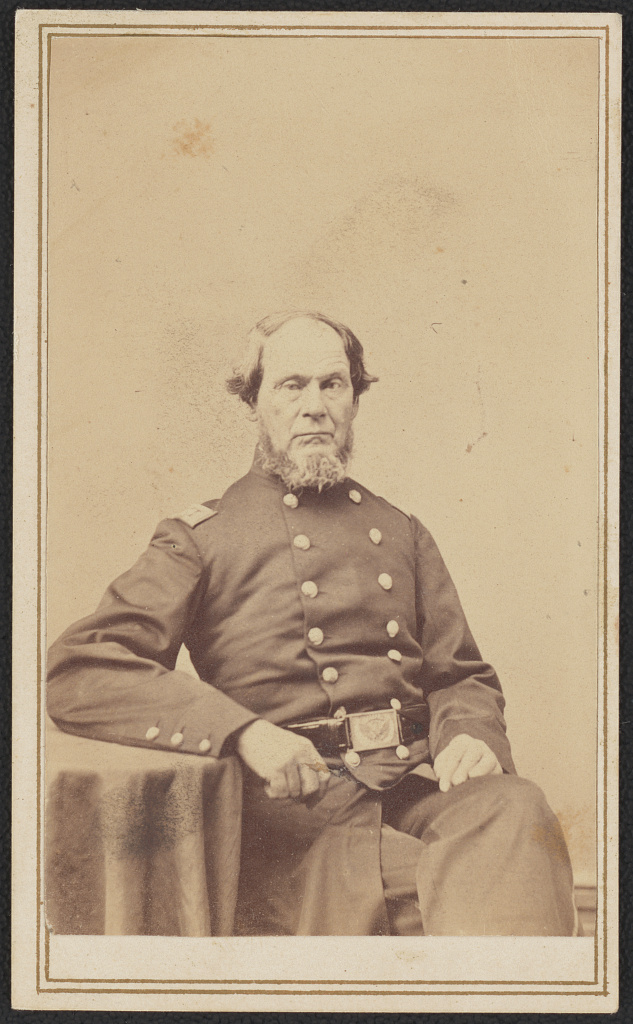
Alden Skinner was a local physician in Connecticut who decided to volunteer for the Union Army as a surgeon in his early 60s during the Civil War.
During a march near Port Hudson in Louisiana he came down with typhoid and died at a hospital in Baton Rouge on March 30, 1863.
Image via LOC, no known restrictions

John Allen Astin was born on March 30, 1930 in Baltimore, Maryland.
Image: Carolyn Jones & John Allen Astin in The Addams Family, 1964 by ABC Television via Wikimedia Commons, public domain
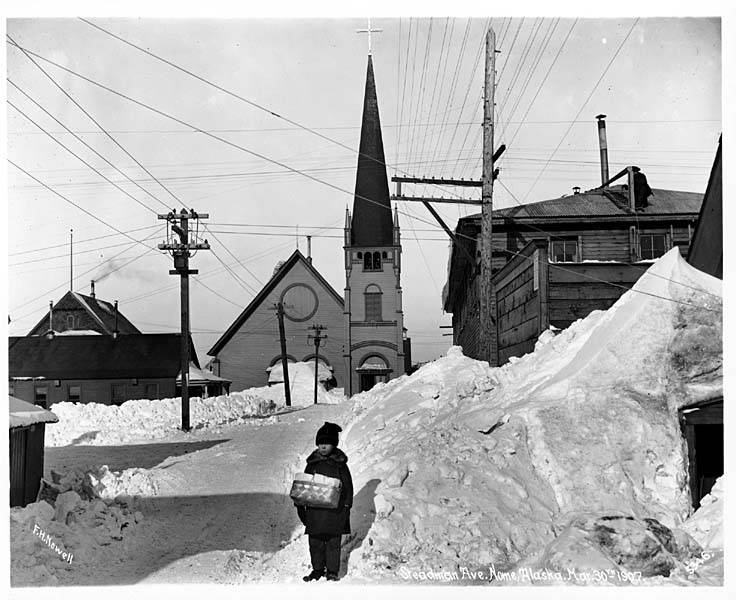
Child with basket standing on Steadman Ave., Nome,
March 30, 1907
via Wikimedia Commons, public domain
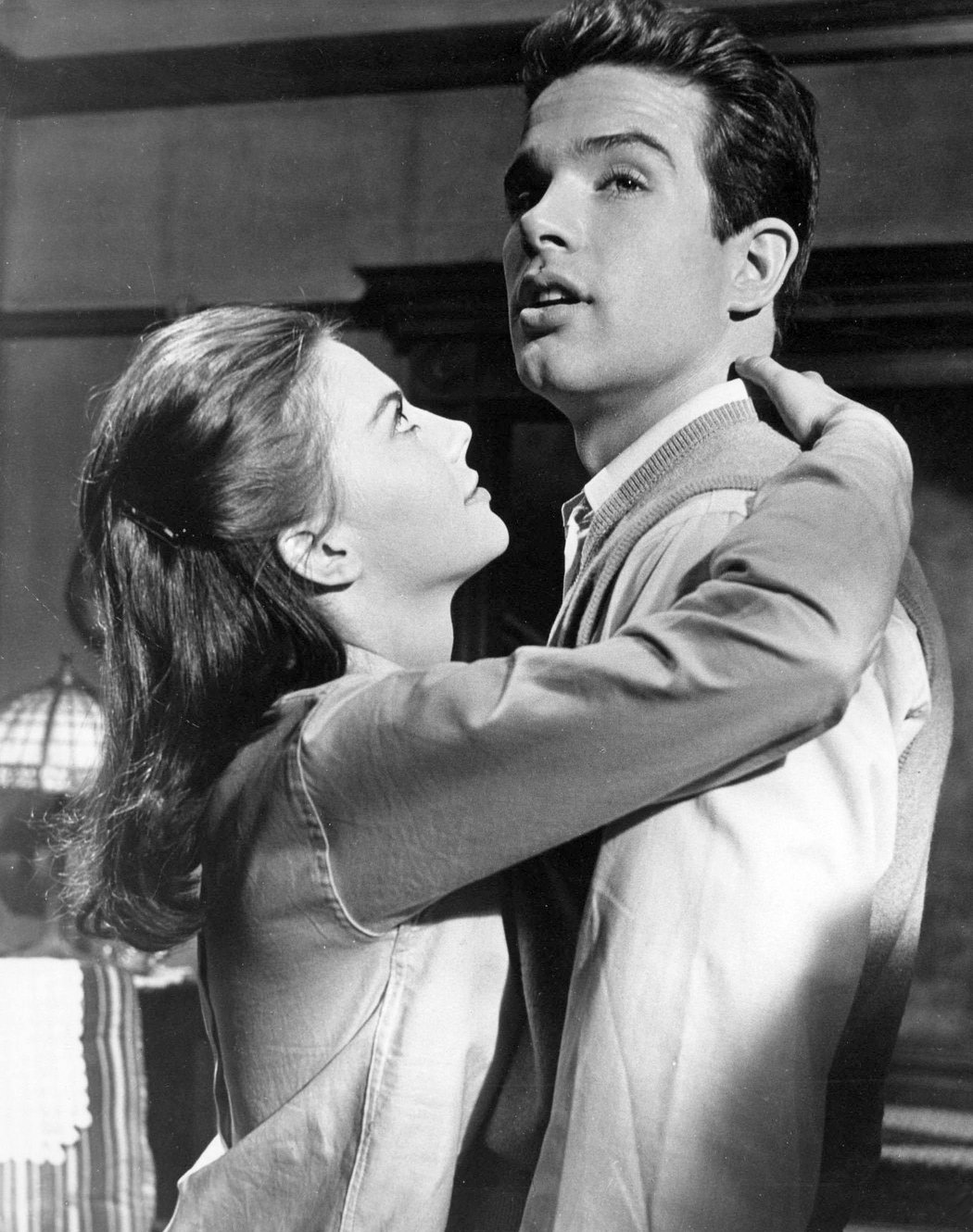
American actor and filmmaker Warren Beatty was born on March 30, 1937 in Richmond, Virginia.
He made his movie debut in the 1961 film Splendor in the Grass in which he costarred with Natalie Wood.
Image via Alamy
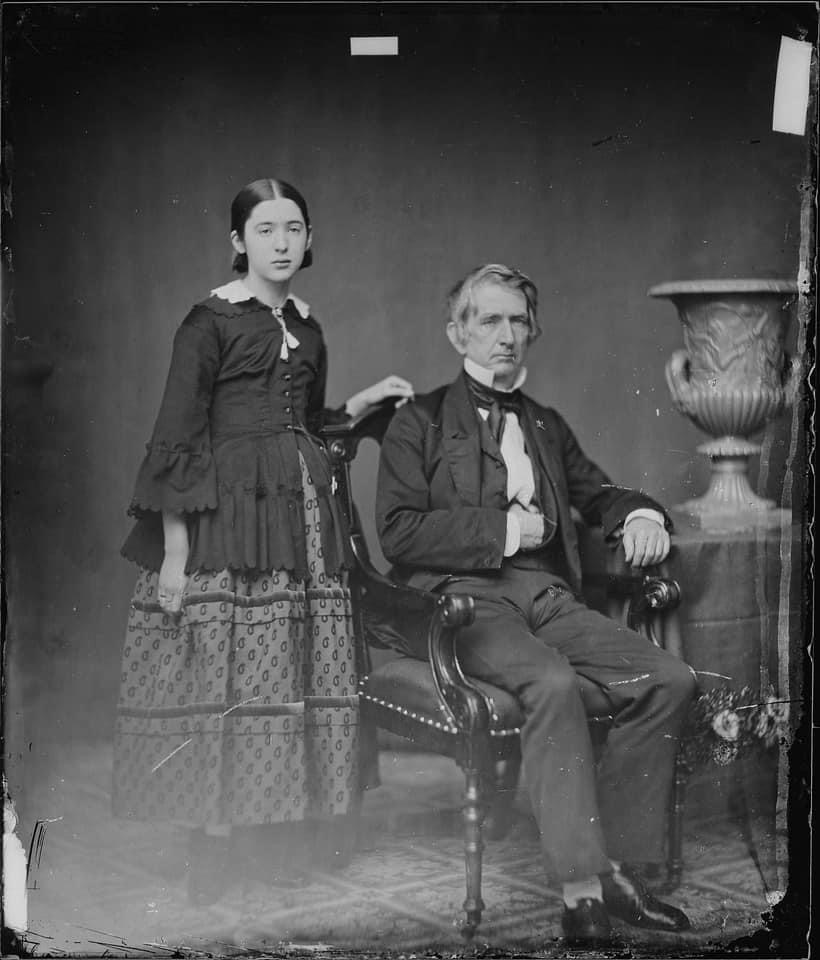
Photograph of William Seward with his daughter Frances Adeline Seward in 1861.
About 6 years later on today’s date March 30, 1867 William Seward established an agreement with Russia on a treaty to purchase Alaska for $7.2 million…just a few cents an acre.
Just 5 months before Seward makes the deal with Russia, his daughter Frances passed away at the age of 21 from consumption.
Image via Wikimedia Commons, public domain
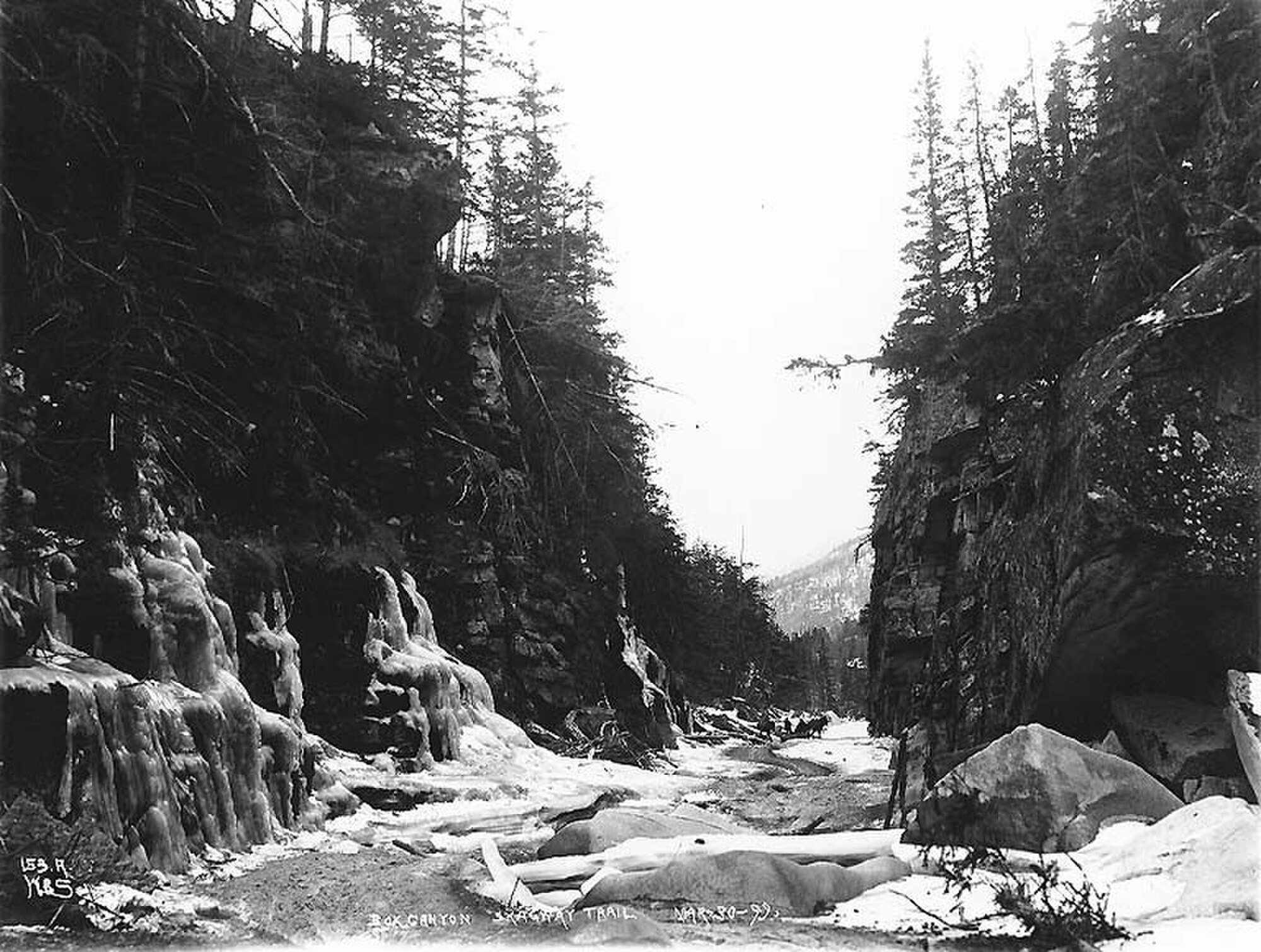
Box Canyon on the White Pass Trail, Alaska
March 30, 1899
Image via Wikimedia Commons, public domain
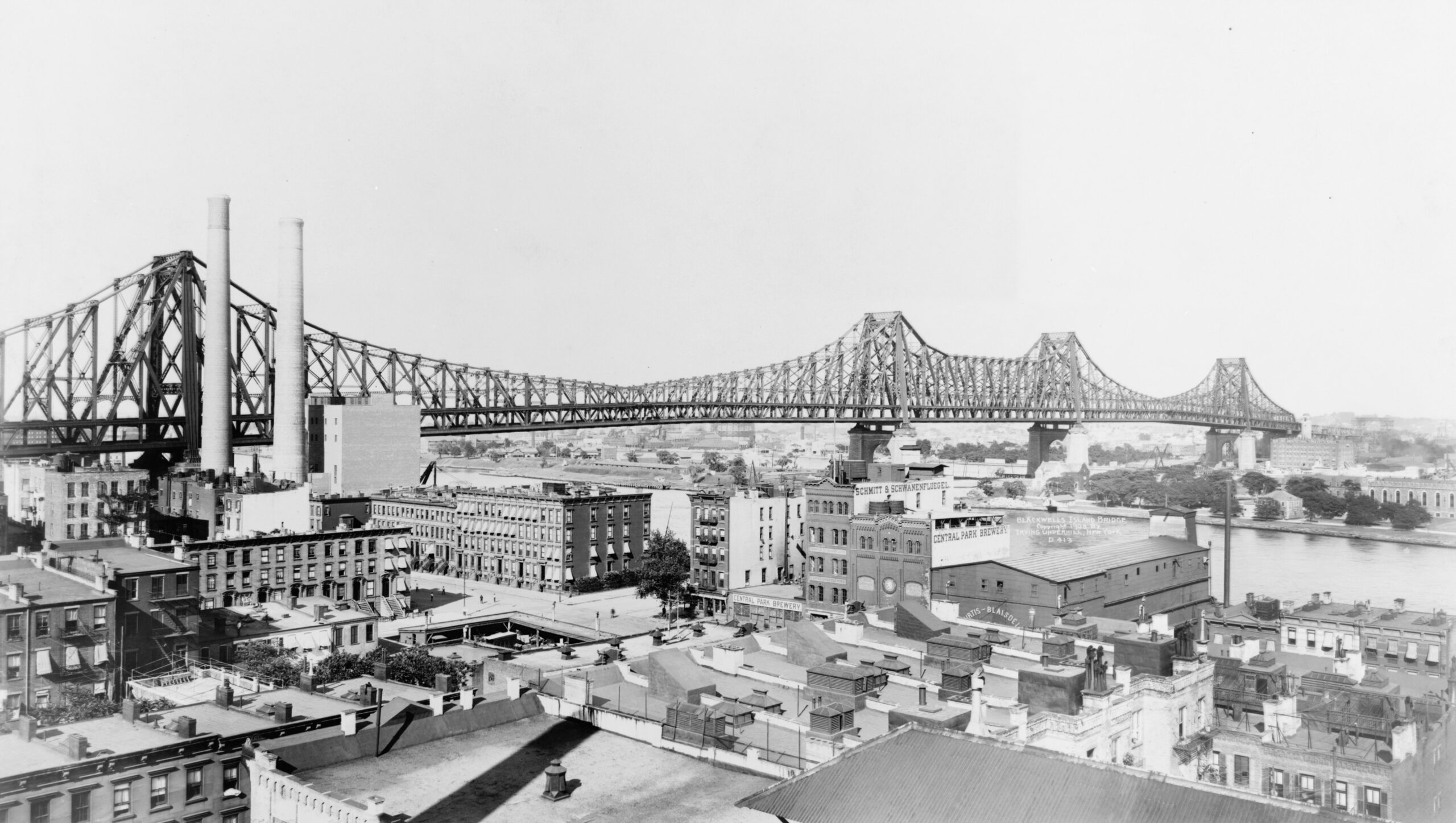
On March 30, 1909, The Queensboro Bridge which connects Long Island City in Queens with Manhattan was opened.
Image via Wikimedia Commons, public domain
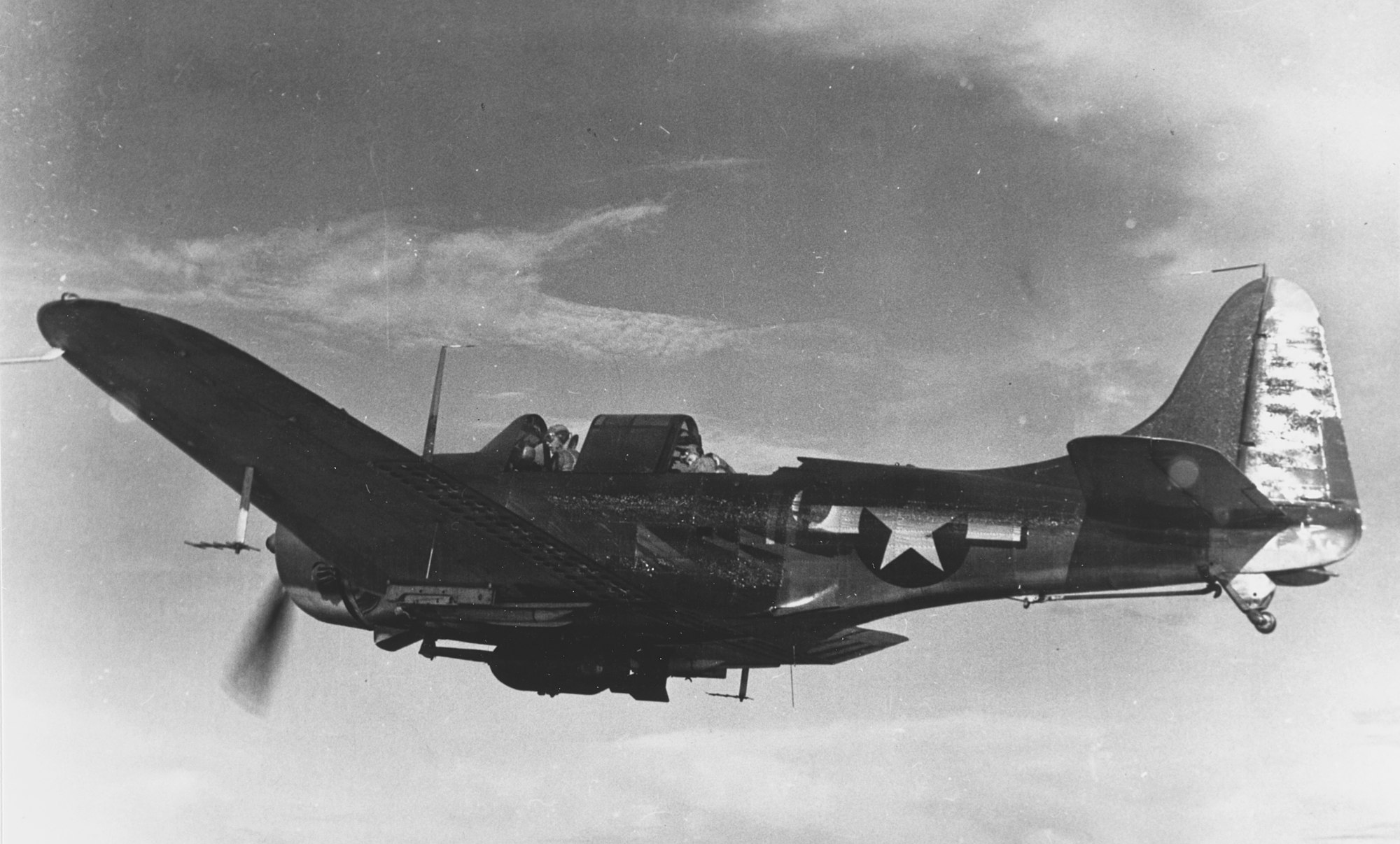
After getting hit by anti-aircraft gunfire over the Palau Islands, the gunner of a U.S. Navy Douglas SBD-5 Dauntless from the aircraft carrier USS Enterprise secures equipment as the pilot tries to release bombs, in preparation for ditching on
March 30, 1944.
After ditching, the crew was picked up by a task force 58 ship. Note oil, coating the upper fuselage and tail.
Image via Wikimedia Commons, public domain
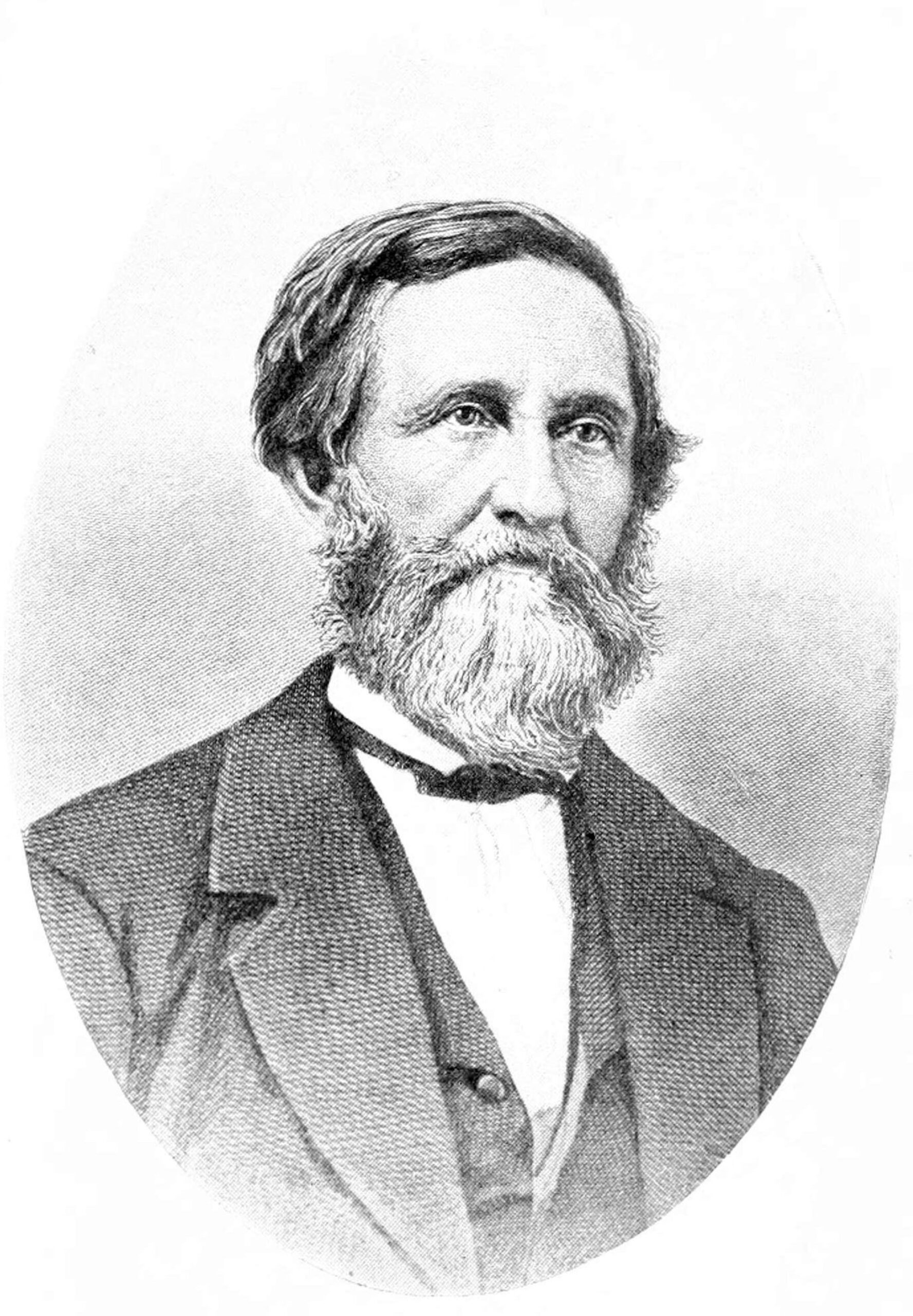
On March 30, 1842, Dr. Crawford Long of Georgia used ether as an anesthetic during surgery for the first documented time.
The surgery was to remove tumors from the neck of his patient.
Image via Wikimedia Commons, public domain

American musician Tracy Chapman was born on March 30, 1964 in Cleveland, Ohio.
Tracy Chapman released her self-titled debut album in 1988, featuring her breakout hit ‘Fast Car.’ The album received widespread acclaim for its heartfelt lyrics and rich, soulful tone, earning her multiple Grammy Awards. ‘Fast Car’ remains an iconic track, continuing to captivate audiences with its timeless appeal across generations
Image of Tracy in 1988 by Zoran Veselinovic • CC BY-SA 2.0 via Wikimedia Commons,
