
 Mystery March Is Here!
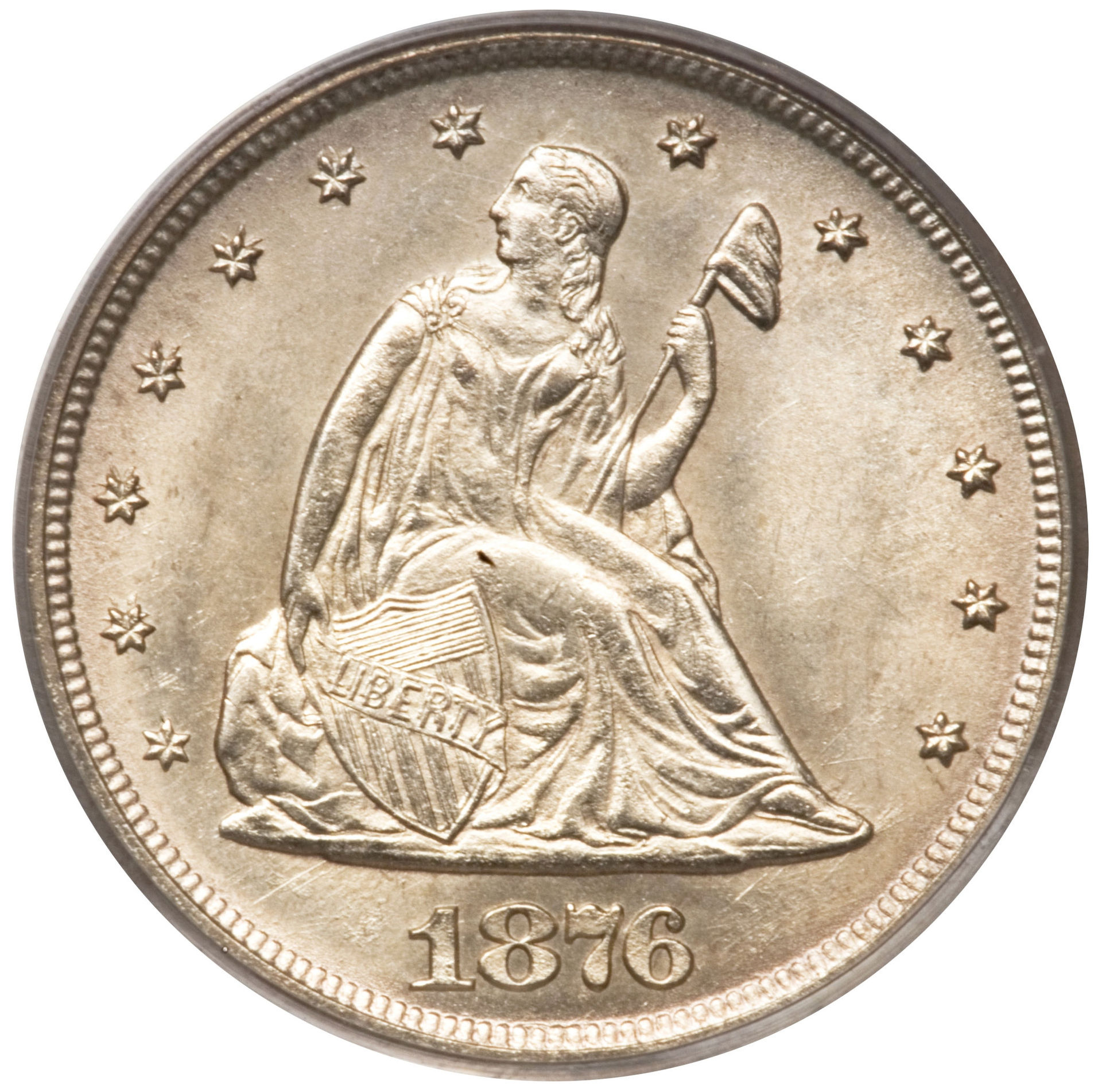
On March 3, 1875, President Ulysses S. Grant signed a bill authorizing the production of a twenty-cent piece.
Three years later U.S. Congress abandoned the coin and minting stopped.
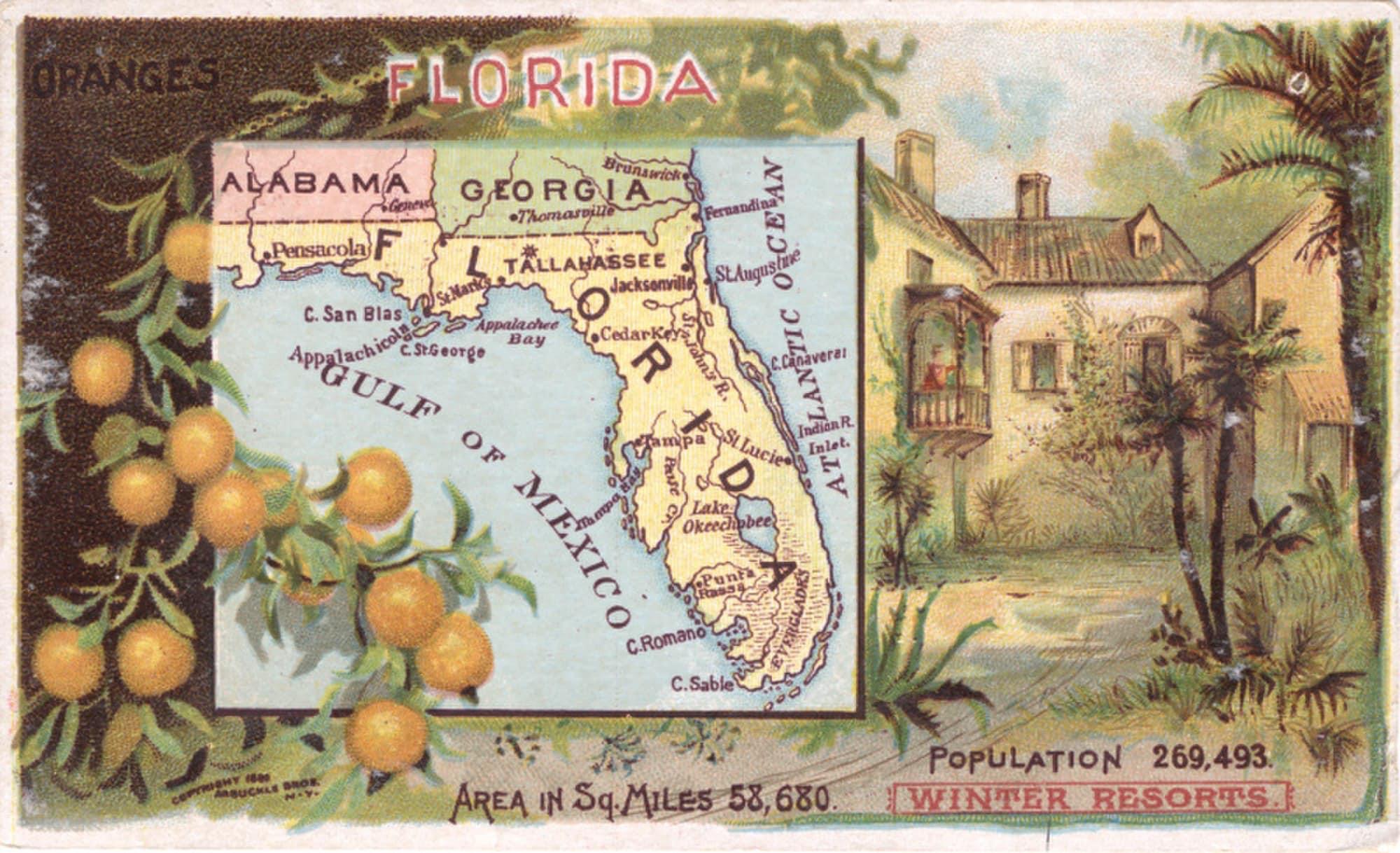
On March 3, 1845, Florida became the 27th state.
Image: Postcard from the 1880s featuring Florida with a population of less than 270,000 and “winter resorts”
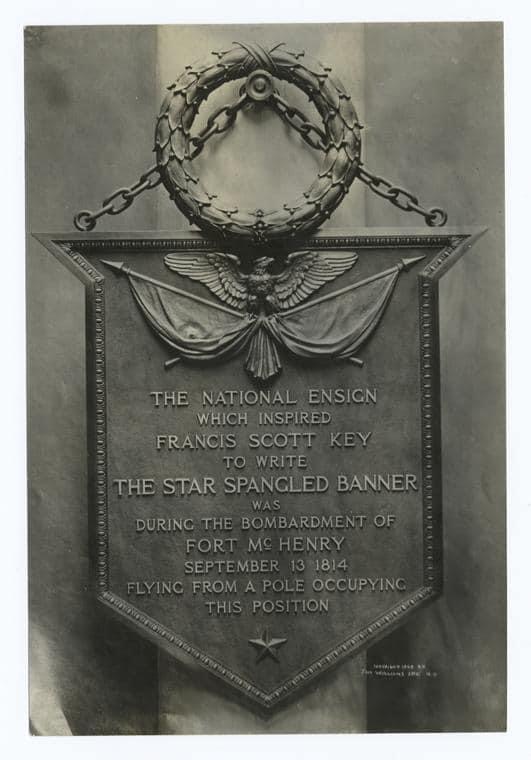
Tablet in remembrance of the pole from which America’s flag was flying during the bombardment of Fort McHenry, inspiring Francis Scott Key to write the Star-Spangled Banner
On March 3, 1931, the Star-Spangled Banner became the national anthem of The United States when President Hoover signed a bill (H.R. 14) into law.
Image via NYPL Digital Collections, no known restrictions
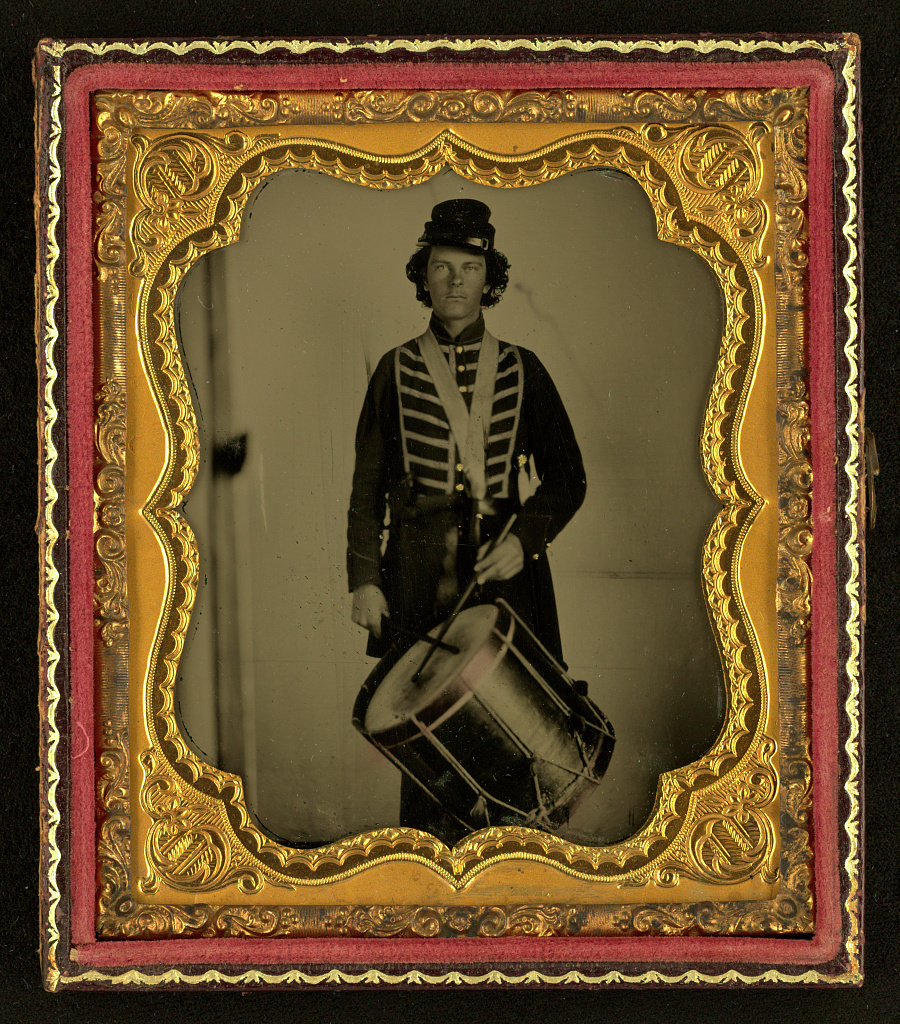
Musician Melvin A. Brown of Co. G, 122nd Illinois Infantry Regiment in uniform with drum
Died of disease at Corinth, Mississippi on March 3, 1863
Image via LOC, no known restrictions
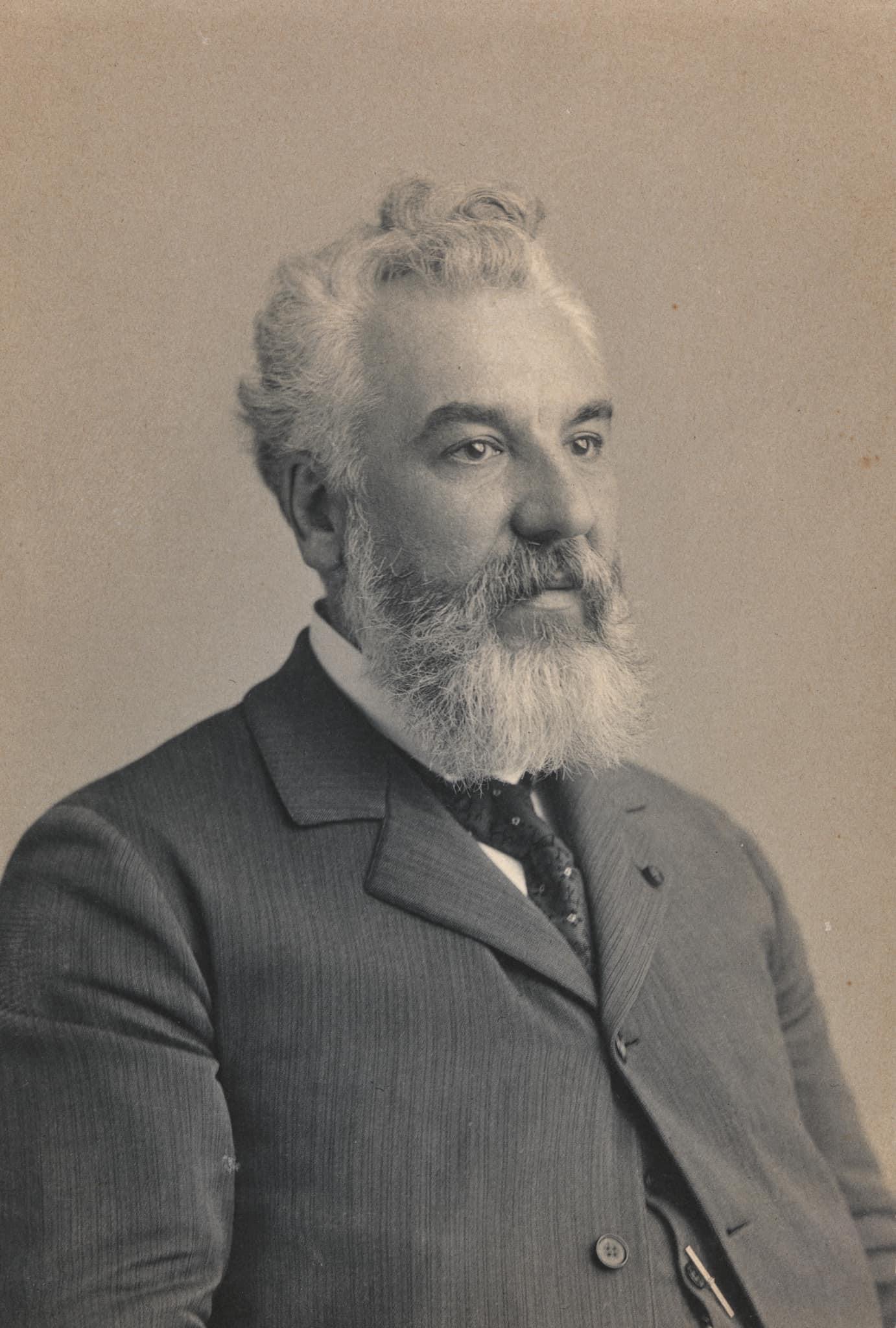
Born on March 3, 1847, Alexander Graham Bell spent his life chasing the mysteries of sound — shaped by a mother and a wife who could not hear it. He always insisted he was a teacher of the deaf first, an inventor second, even as the telephone patent awarded just four days after his 29th birthday remade the modern world. His restless mind never stilled: he devised an early metal detector in a desperate attempt to locate the bullet inside President James Garfield, helped found the National Geographic Society, advanced early sound recording, and pushed into new frontiers of flight and hydrofoils. When he died in 1922, every telephone in the United States fell silent for one minute in tribute to the man who transformed human connection.
“A man, as a general rule, owes very little to what he is born with — a man is what he makes of himself.”
Image of Alexander Graham Bell c. 1895 via National Portrait Gallery, Smithsonian Institution, no known restrictions
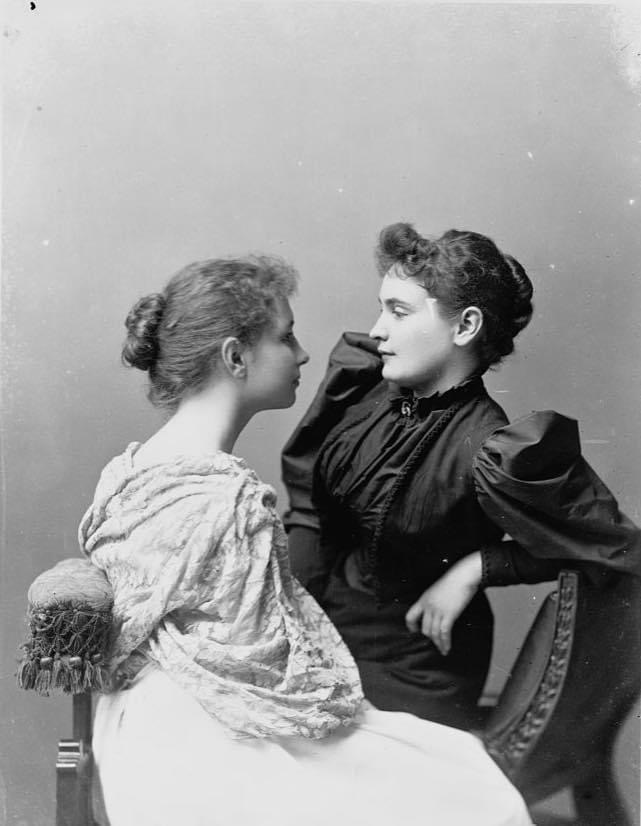
“The most important day I remember in all my life is the one on which my teacher, Anne Mansfield Sullivan, came to me.”
– Helen Keller from her autobiography The Story of My Life, published in 1903
Helen Keller was referring to March 3, 1887.
Image: Helen Keller and Anne Sullivan, three-quarter length portrait, seated in profile, 1893 via Library of Congress.
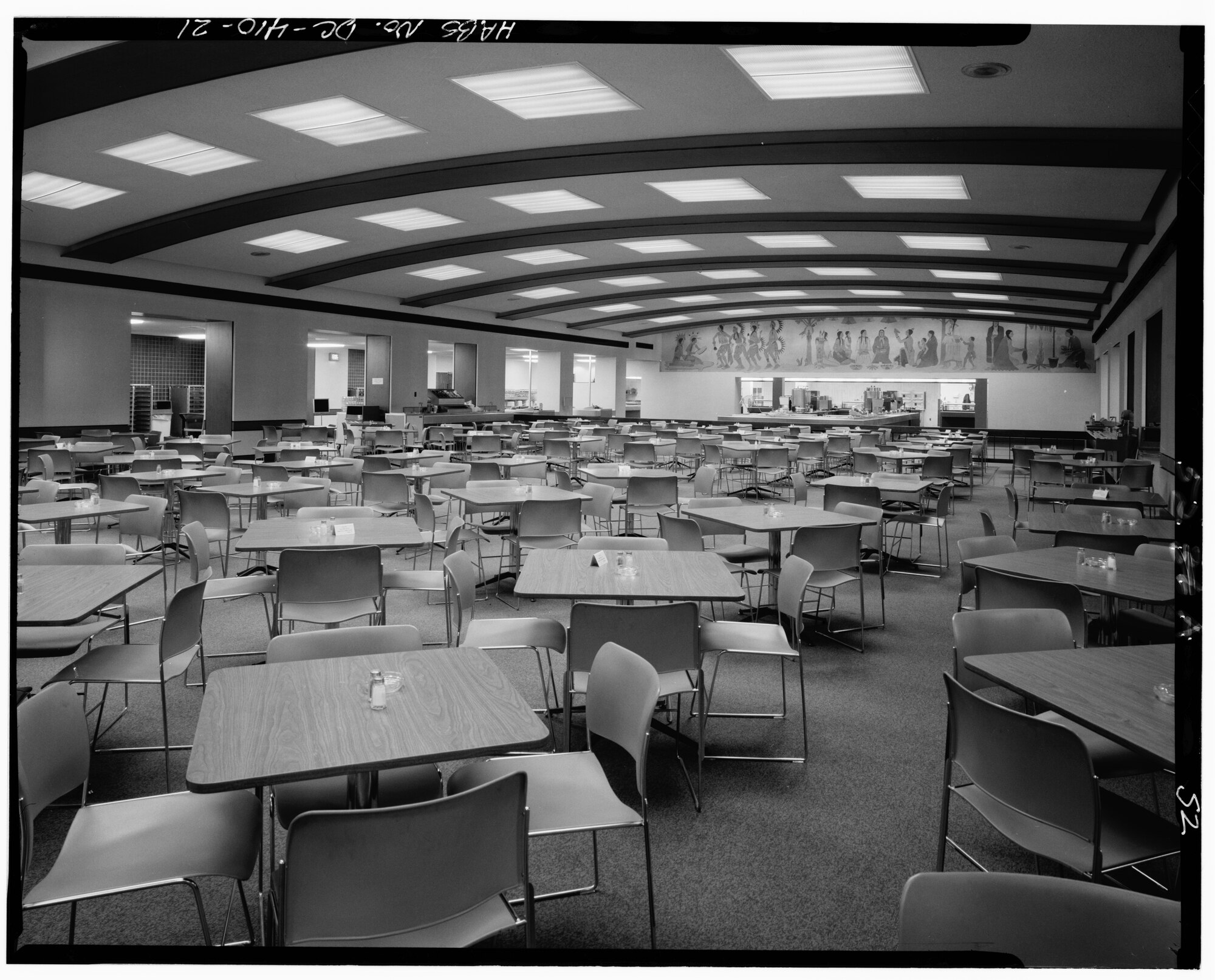
Basement Cafeteria of the U.S. Department of the Interior
Eighteenth and C Streets Northwest, Washington, District of Columbia c. 1976.
On March 3, 1849, the U.S. Department of The Interior was established.
Image via Wikimedia Commons, public domain
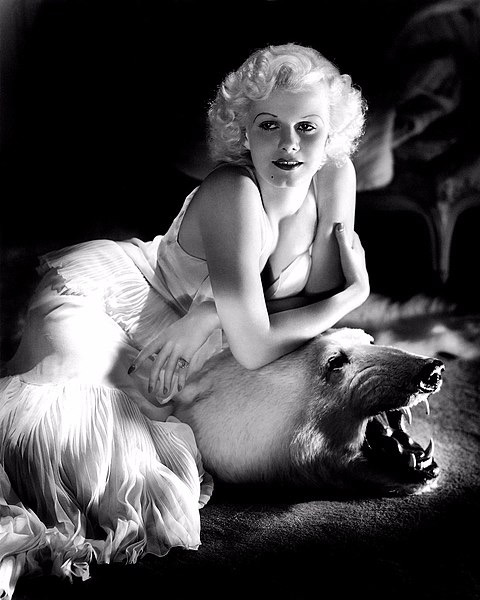
Born March 3, 1911, Harlean Harlow Carpenter acted as Jean Harlow throughout her nine year movie career. Her memorable roles include Hell’s Angels, Dinner at Eight, and Platinum Blonde and she co-starred with Hollywood legends Clark Gable, James Stewart, and Spencer Tracy. Harlow died at 26 of kidney failure.
Image via Wikimedia Commons, copyright not renewed, public domain in the US.
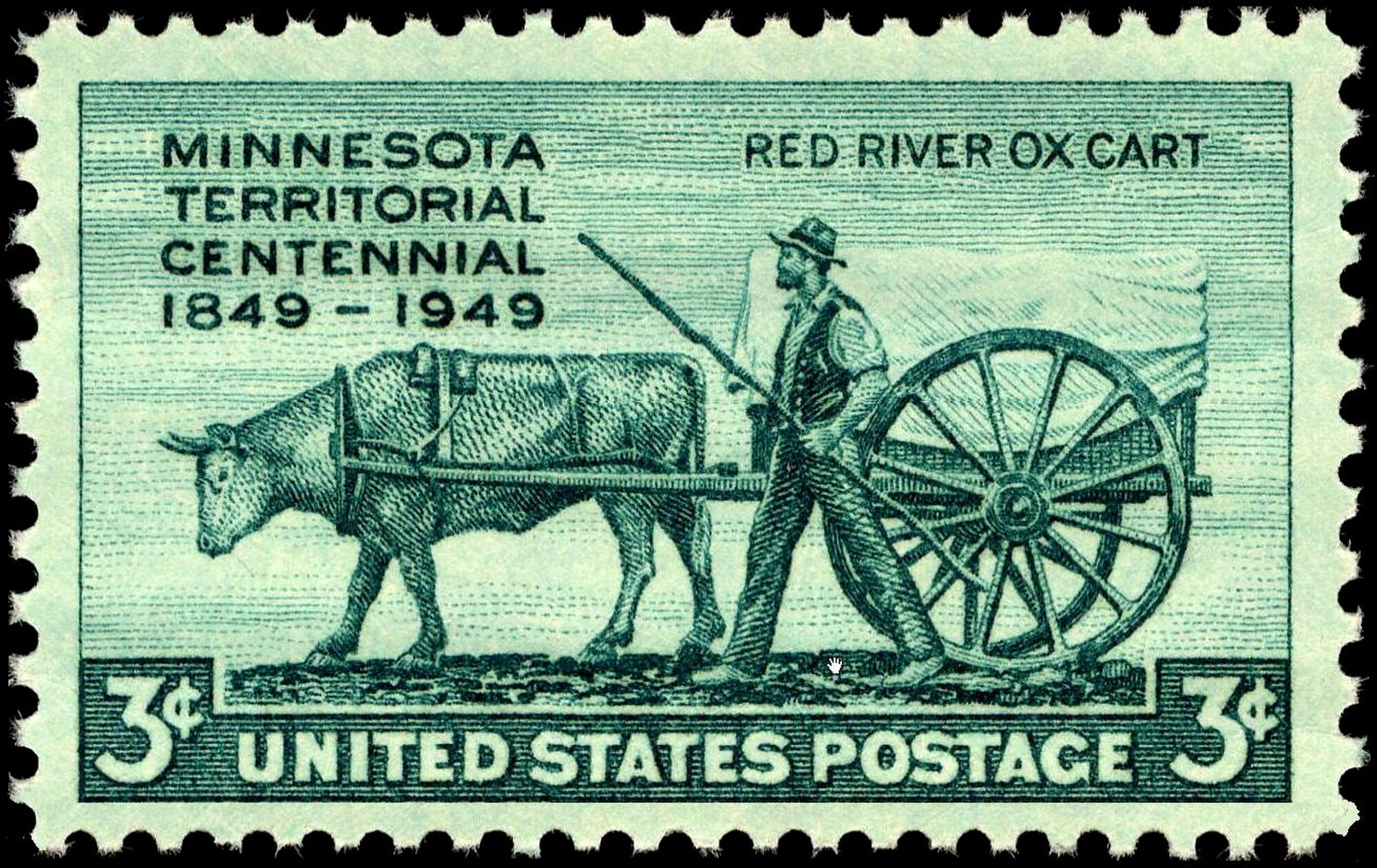
On March 3, 1849, the Minnesota Territory was formed.
It was comprised of present day Minnesota and portions of North & South Dakota.
Image of a 3 cent Minnesota Territory Centennial stamp from 1949 via Wikimedia Commons, public domain
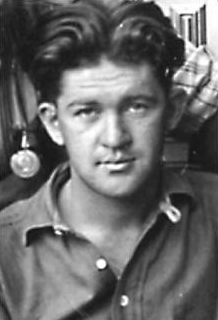
On March 3, 1917 a film named “The Tornado” was released. It was directed by a young man credited as “Jack” Ford.
In addition to directing the film, he also had the movie’s leading role.
Image of a young John Ford via Wikimedia Commons, no known restrictions
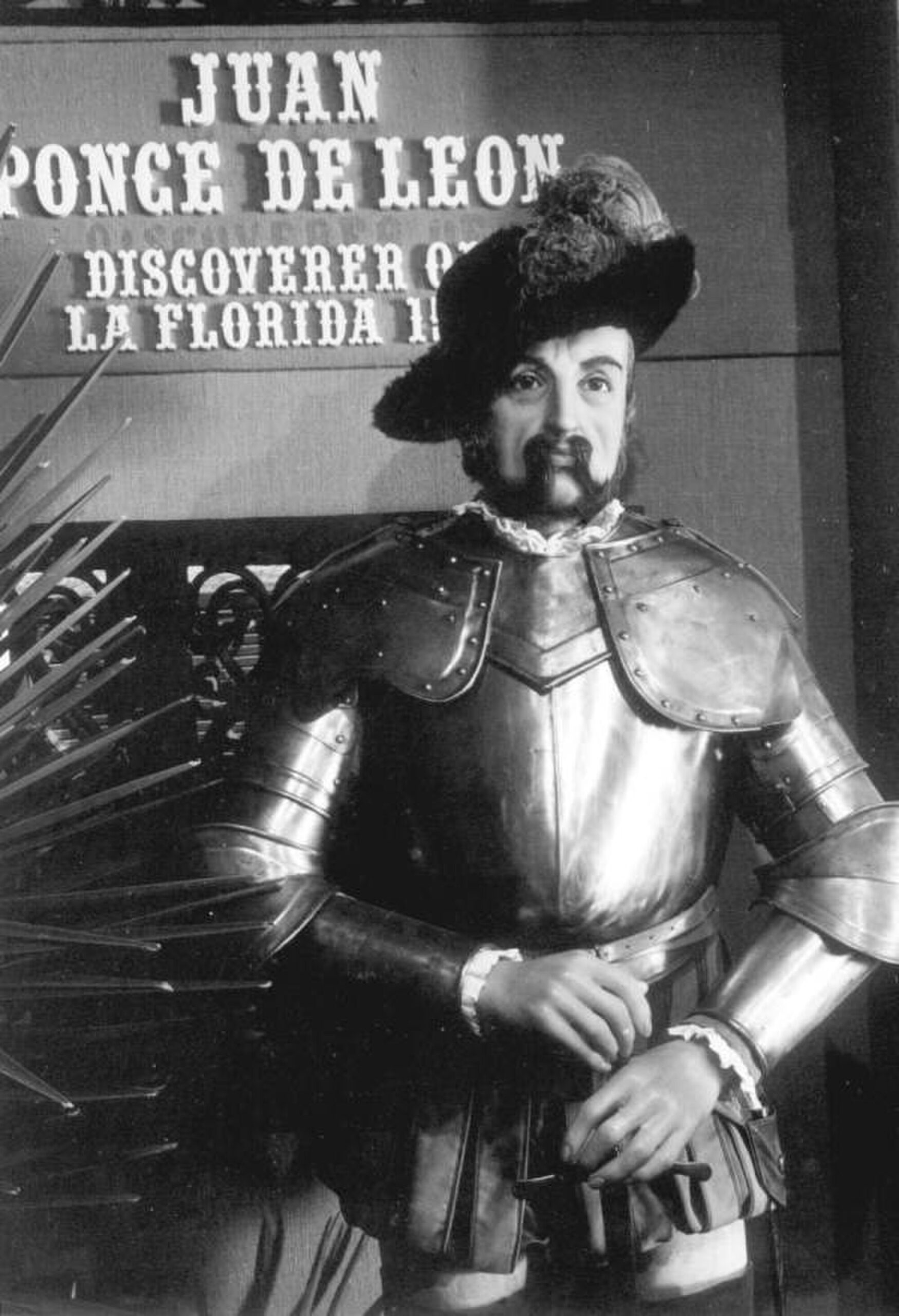
“It was on the third of March, 1512*, that Juan Ponce sailed with his three ships from the Port of St. Germain in the island of Porto Rico. He kept for some distance along the coast of Hispaniola, and then, stretching away to the northward, made for the Bahama islands, and soon fell in with the first of the group. He was favoured with propitious weather and tranquil seas, and glided smoothly with wind and current along that verdant ar chipelago, visiting one island after another, until, on the fourteenth of the month, he arrived at Guanahani, or St. Salvador’s, where Christopher Columbus had first put his foot on the shores of the new world.”
From: Voyages and discoveries of the companions of Columbus by Washington Irving. *Irving lists 1512 as the date of Ponce de Leon’s departure from Puerto Rico to Florida, but it was actually 1513.

On March 3, 1885, an act authorizing the use of Special Delivery postal stamps was approved by U.S. Congress. The stamps would become available in October of that year.
Image of Special Delivery stamps c. 1885-1895 via Wikimedia Commons, no known restrictions
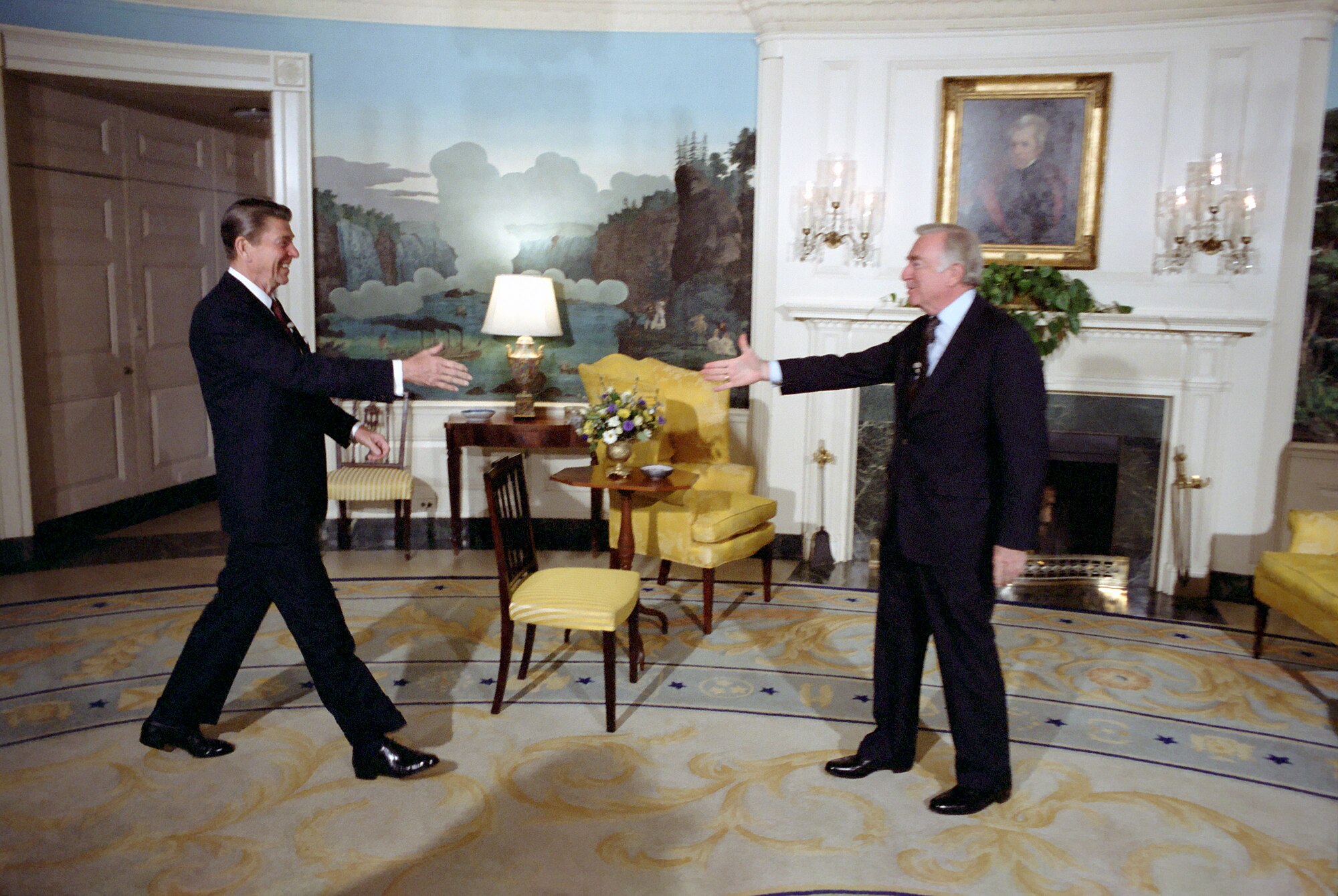
President Ronald Reagan Greeting Walter Cronkite for An Interview in The Diplomatic Reception Room
March 3, 1981
via Wikimedia Commons, public domain
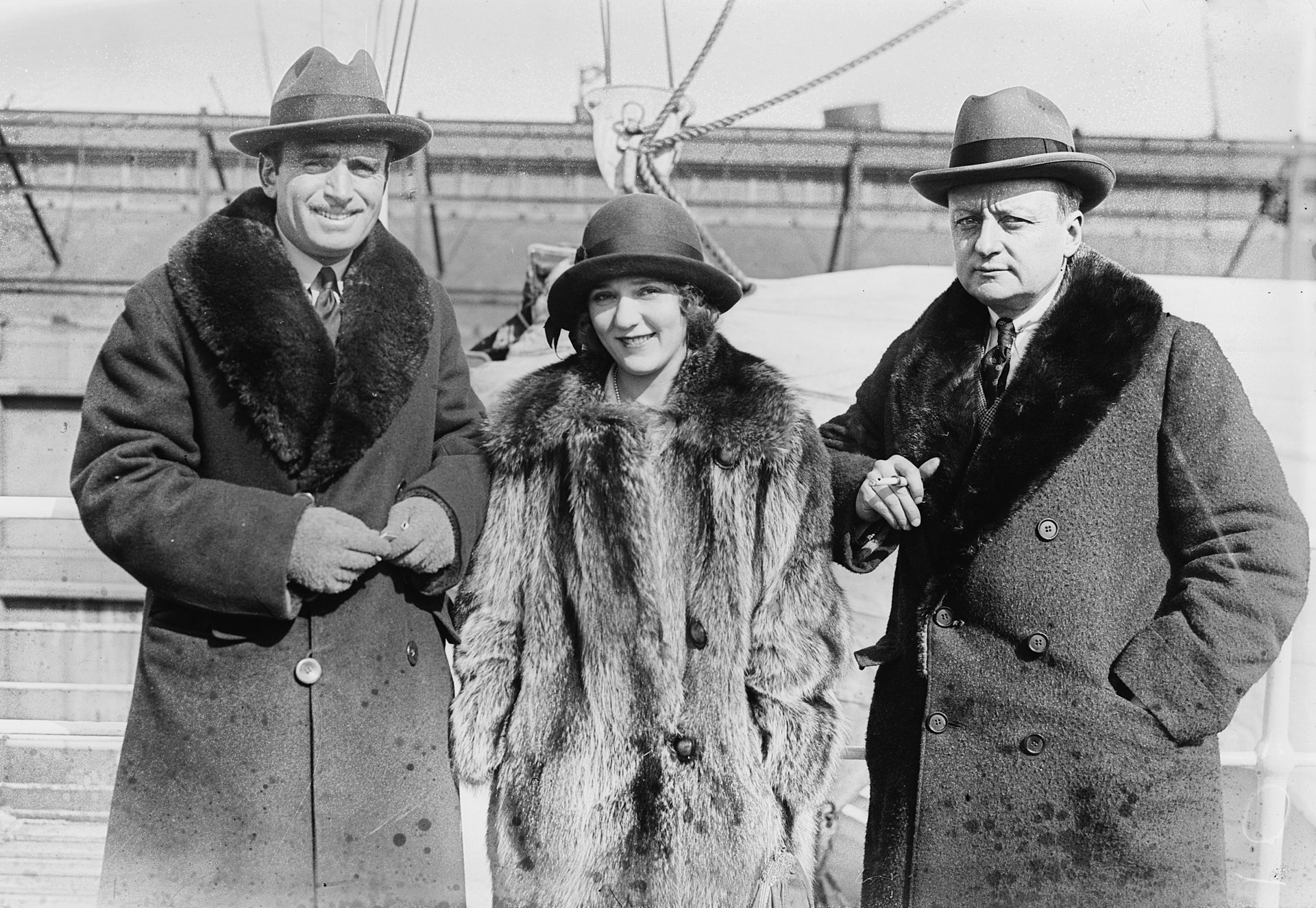
Fairbanks & Pickford with Edw. Knobloch
March 3, 1924
via Wikimedia Commons, public domain
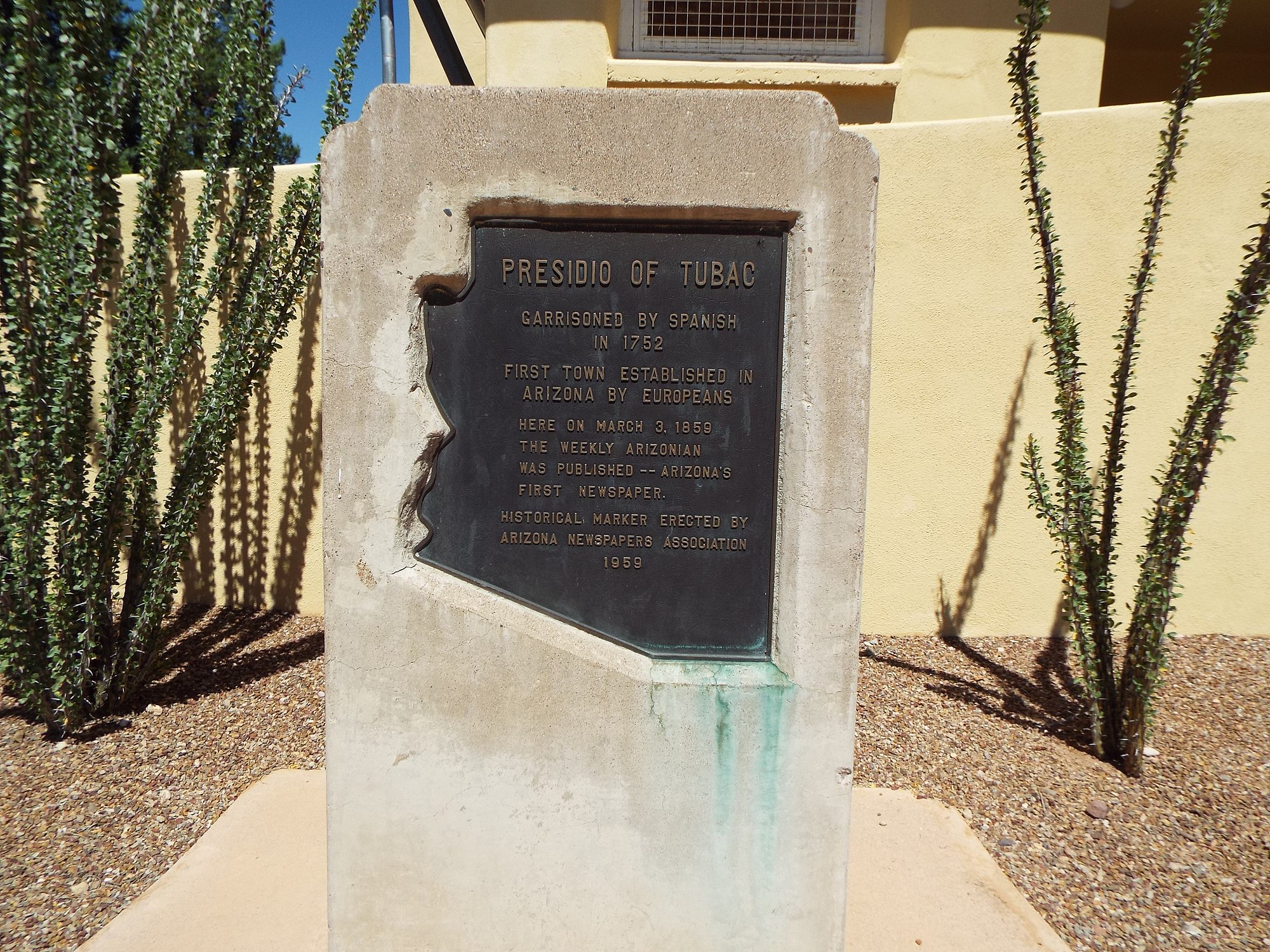
On March 3, 1859 the first newspaper in Arizona (The Weekly Arizonian) was published at Tubac.
Image by Marine 69-71 via Wikimedia Commons, CC BY SA 4.0
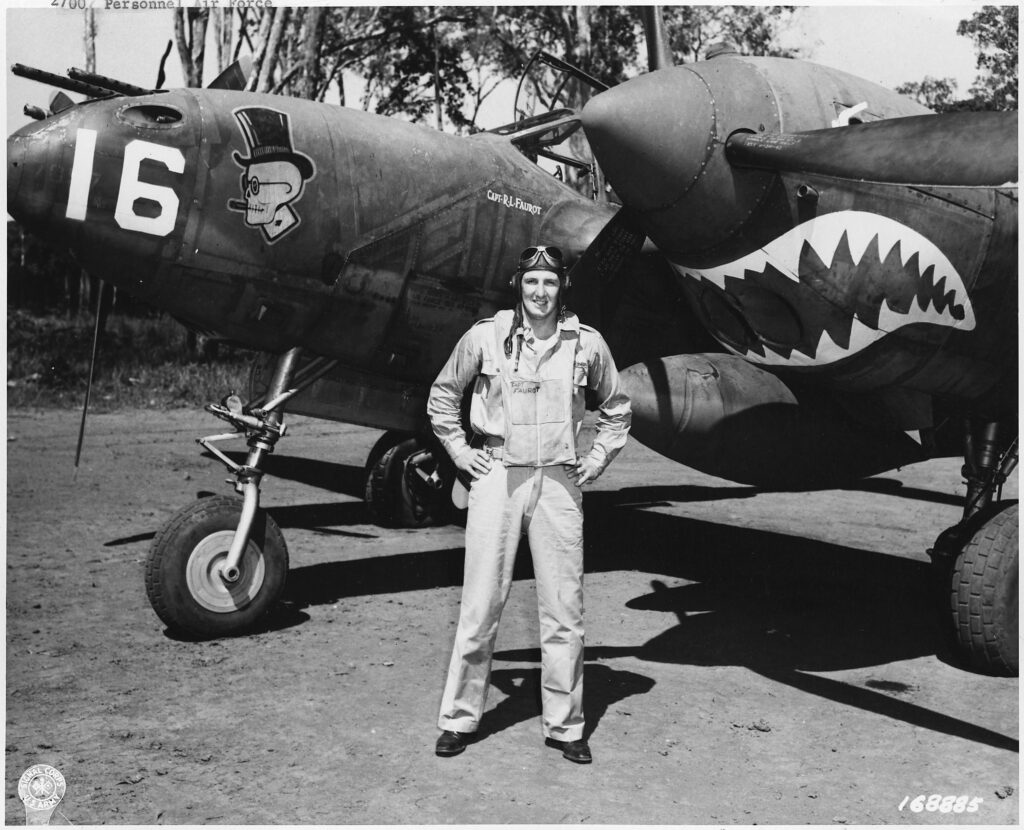
Captain Robert L. Faurot of the 39th Fighter Squadron flew into the Battle of the Bismarck Sea with the calm precision of an early American ace. In the heavy air over New Guinea, he pressed every attack—escorting bombers and engaging enemy fighters at close range with unbroken resolve. On March 3, 1943, while heroically defending downed comrades from enemy fire, Faurot’s aircraft was struck during a fierce engagement. He went down with his plane, giving his life in the same sky where his courage had already helped turn the tide in the Southwest Pacific. His service endures as a reminder of the young airmen whose skill and sacrifice shaped the course of history.
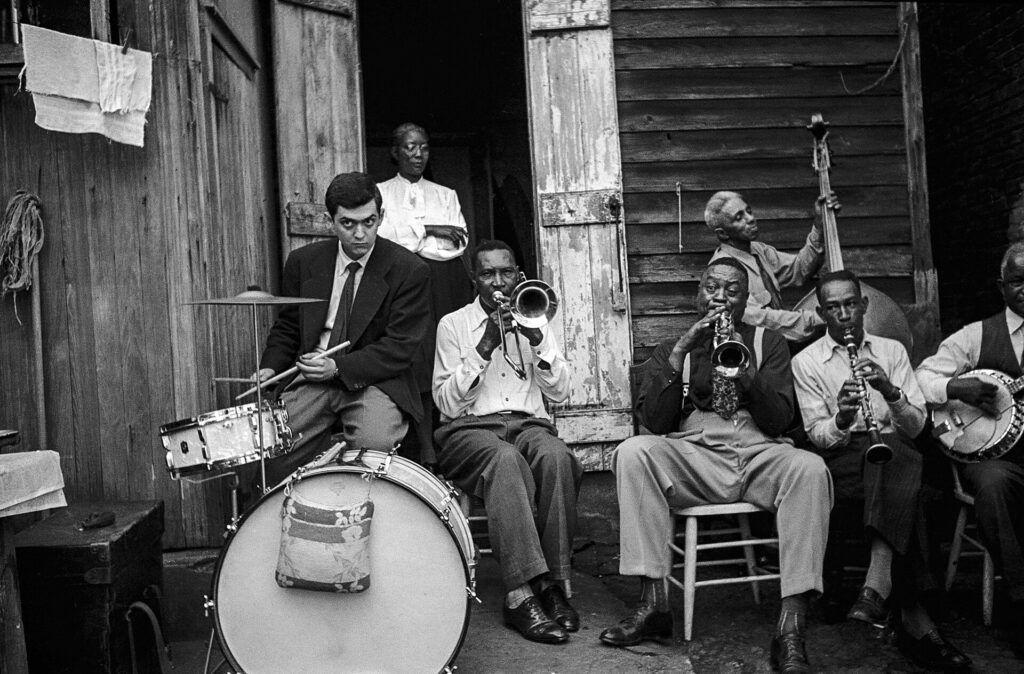
St. Philip Street, Tremé — March 3, 1950.
Before he ever stepped behind a movie camera, 21‑year‑old Look photographer Stanley Kubrick was learning America by living inside it. That afternoon he followed writer Joseph Roddy into the backyards where New Orleans jazz still spoke in its first language. George Lewis — the clarinetist whose tone carried the memory of Storyville — welcomed him not as a visiting reporter but as a fellow musician. Kubrick had been an avid drummer since high school, and Lewis invited him to sit in.
Kubrick took the drums for a few choruses. The band laughed, the afternoon hung warm, the music stayed unhurried. While the revival boomed in northern clubs, here at home the tradition survived on pride, side jobs, and the stubborn devotion of men like Lewis. Kubrick caught it all on film: the worn floorboards, the easy camaraderie, and a sound that simply refused to vanish.
It was one of his last major assignments before turning fully to filmmaking. But on this day, in this yard on St. Philip Street, he wasn’t a future director. He was a young American listening closely — learning that the truth of a place reveals itself only when you sit down inside the rhythm.
Image via Wikimedia Commons, public domain
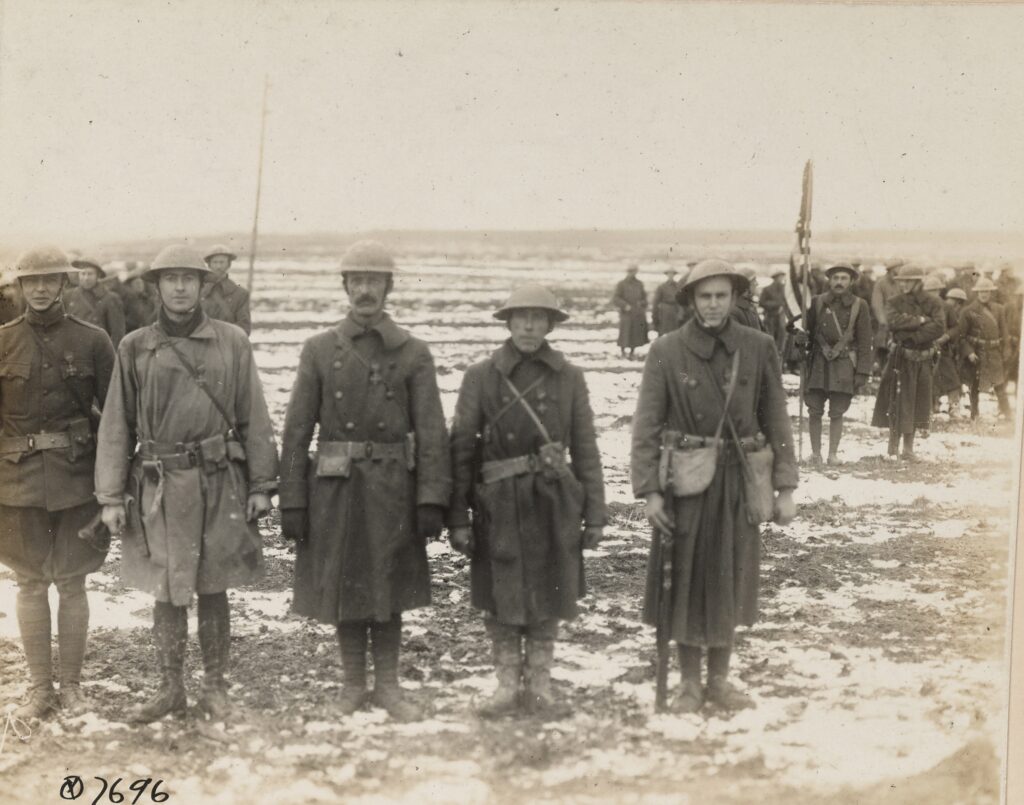
Ansauville Sector, St. Mihiel Front — March 3, 1918.
Two days after a predawn clash with German stormtroopers near Seicheprey, these men of the 18th U.S. Infantry Regiment stand together with the French Croix de Guerre newly pinned to their tunics. The mud of the Ansauville trenches is still on their boots, the strain of the night’s fighting still in their eyes, but the silver and bronze on their chests mark one of the first moments the world recognized American valor on the Western Front.
A U.S. Signal Corps photographer caught them just hours after the ceremony—young soldiers of the 1st Division, blooded in one of their earliest encounters with the enemy, standing in that narrow space between exhaustion and pride. The great battles of 1918 were still ahead, but on this cold March morning, the Big Red One had already begun to write its name into the war.
