

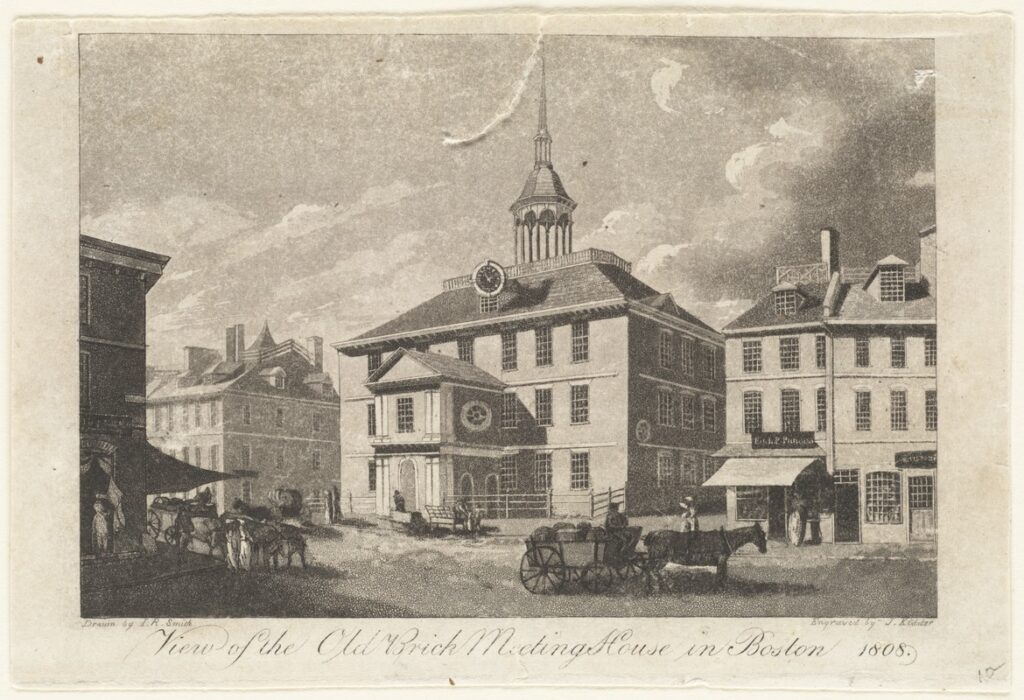
On March 28, 1776, George Washington and the leaders of Massachusetts gathered inside the Old Brick Meeting House for a thanksgiving sermon marking the end of the siege of Boston. This 1808 engraving captures the building in its final days — the same brick structure Washington entered, standing on the east side of Washington Street, just a short walk south of the Old South Meeting House that still stands today.
The meeting house was demolished later in 1808, its footprint absorbed into the commercial blocks that would become today’s Downtown Crossing. Nothing of the building survives, but the street still follows the line it once faced.
After the service, Washington and the Council walked down to the Bunch of Grapes on State Street for a public dinner — another landmark long since vanished.
Here on this spot, the landscape has changed completely — but the moment hasn’t.
Washington once moved along this same stretch of Washington Street, listening to a minister who had endured the occupation and sharing in a city finally free to breathe again.
Image via Digital Commonwealth Massachusetts, no known restrictions
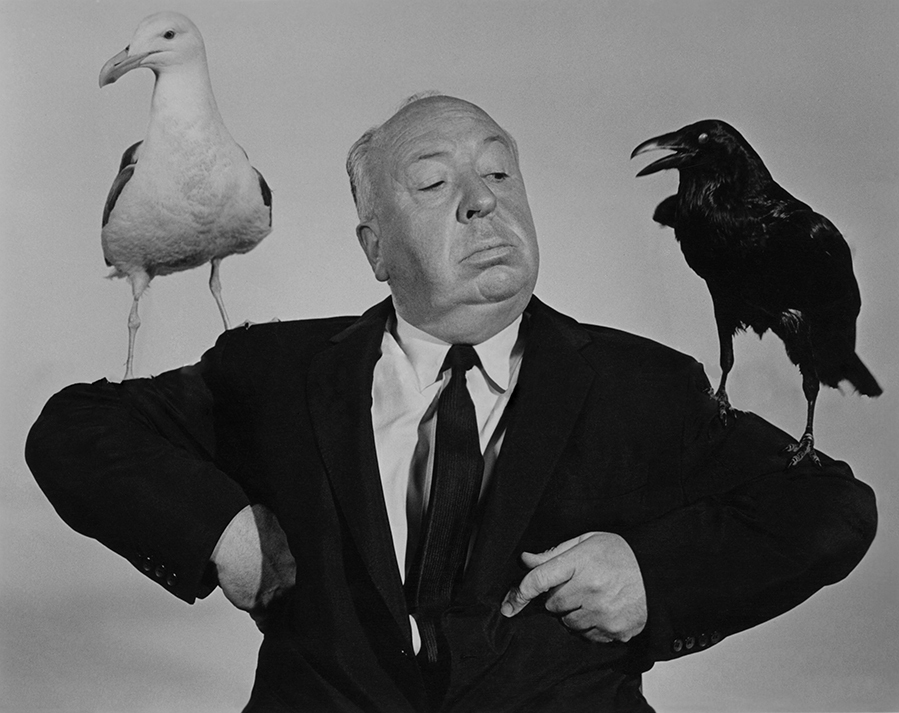
March 28, 1963 – Premiere of Alfred Hitchcock’s The Birds
Hitchcock didn’t choose birds because they were frightening—he chose them because they were everywhere. After reading Daphne du Maurier’s 1952 story and seeing 1961 news reports of “sooty shearwaters” crashing into homes in Santa Cruz, he became fascinated by a threat with no motive at all.
This photo captures the spirit of that decision: a gull behaving like a model citizen, a crow loudly disagreeing with the entire arrangement, and a man trying to look like this is standard procedure.
Hitchcock landed on a simple truth: the most unsettling stories don’t require monsters—just ordinary creatures acting in ways that make you rethink how close they’ve always been.
Image: Alfred Hitchcock with a crow and a seagull, 1963 – Universal Pictures, public domain via Wikimedia Commons
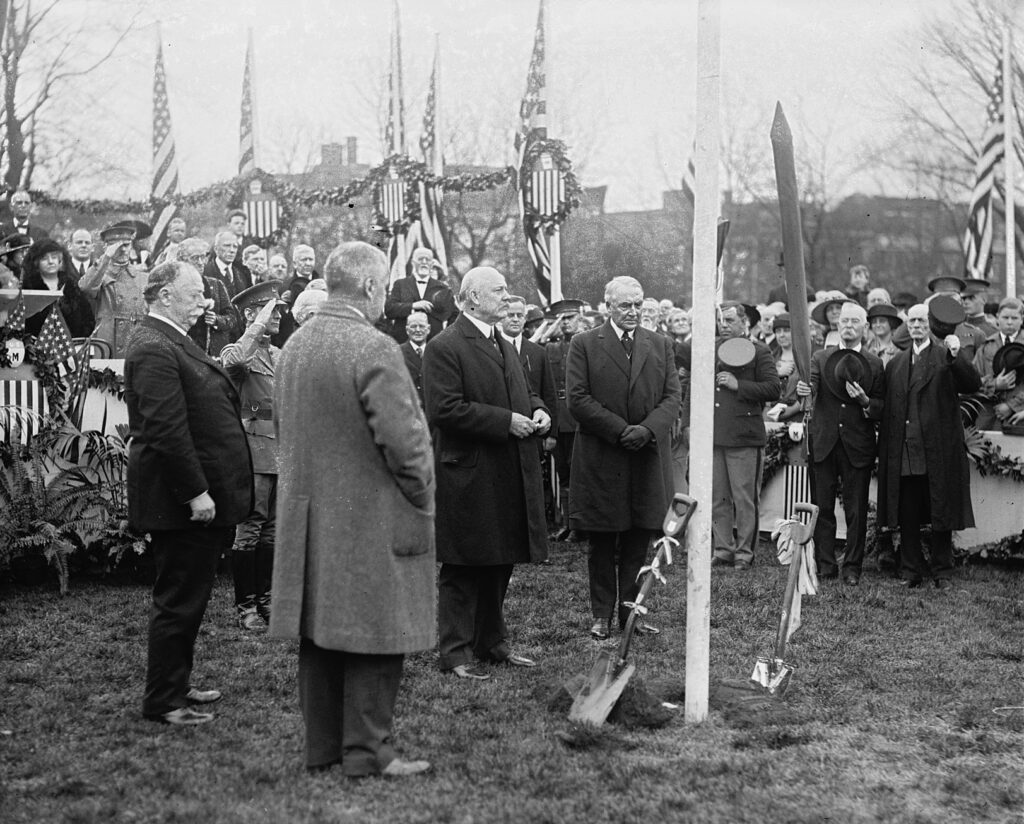
President Warren G. Harding turns soil at the future site of the George Gordon Meade Memorial on March 28, 1922, joining military leaders and civic groups in a ceremonial tree‑planting that signaled federal support for the project. The memorial—funded and presented by the Commonwealth of Pennsylvania to honor the “Victor of Gettysburg” in the nation’s capital—fit a broader post–World War I impulse to steady public memory by elevating Civil War figures whose reputations embodied unity, discipline, and national continuity during a period of social strain and rapid change. Five years later, in 1927, the completed bronze group by sculptor Charles Grafly was formally unveiled in Union Square near the Capitol. It remained there until 1969, when redevelopment of the area forced its removal and long-term storage. After more than a decade off the landscape, the memorial was reinstalled in 1984 on Pennsylvania Avenue NW, where it stands today.
image via LOC, no known restrictions
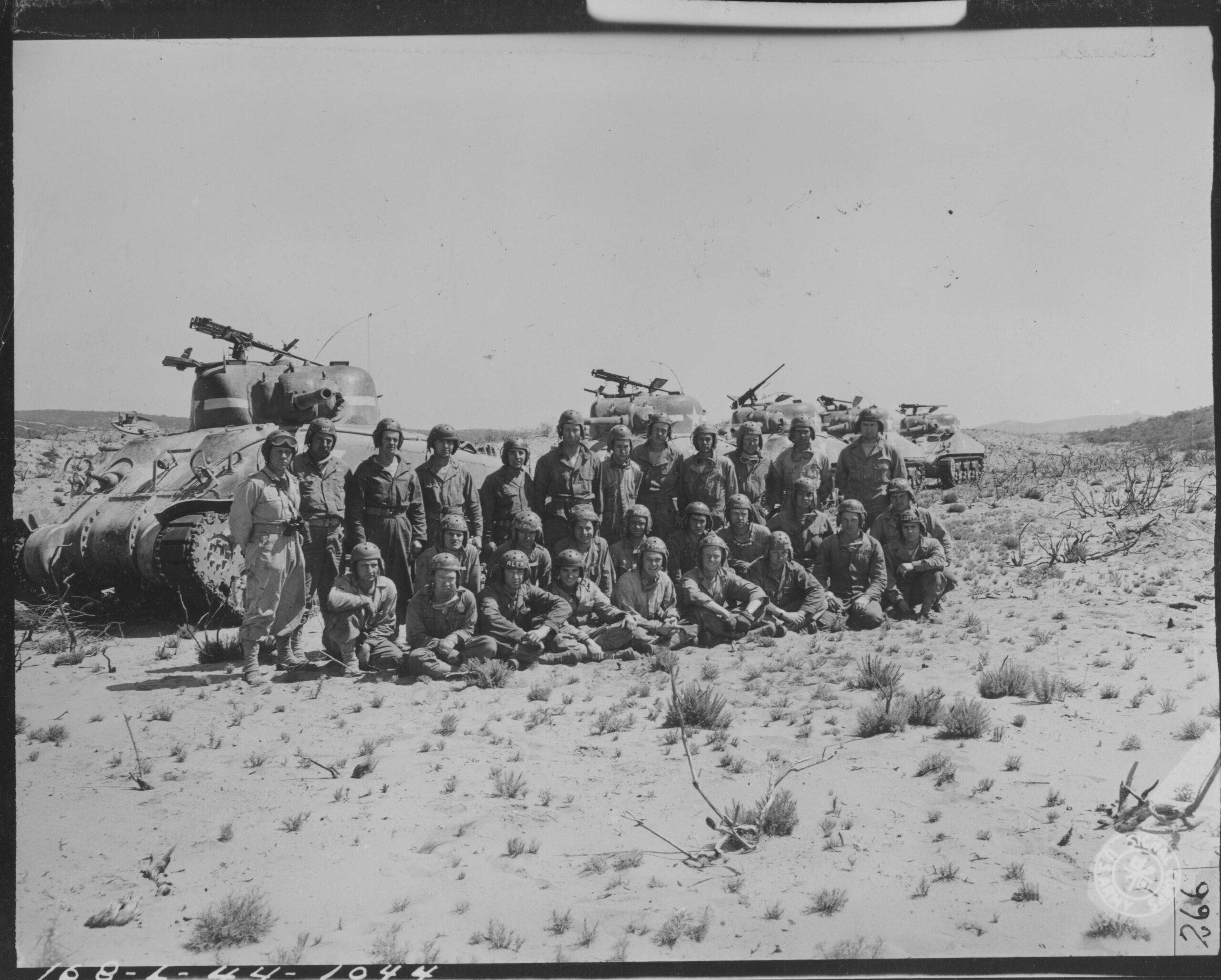
1st Platoon, Co. A, 710th Tank Bn., Camp Cooke, California, Group shot. During 7 day problem.
March 28, 1944
Camp Cooke in California is now Vandenberg Space Force Base.
Image via Wikimedia Commons, public domain
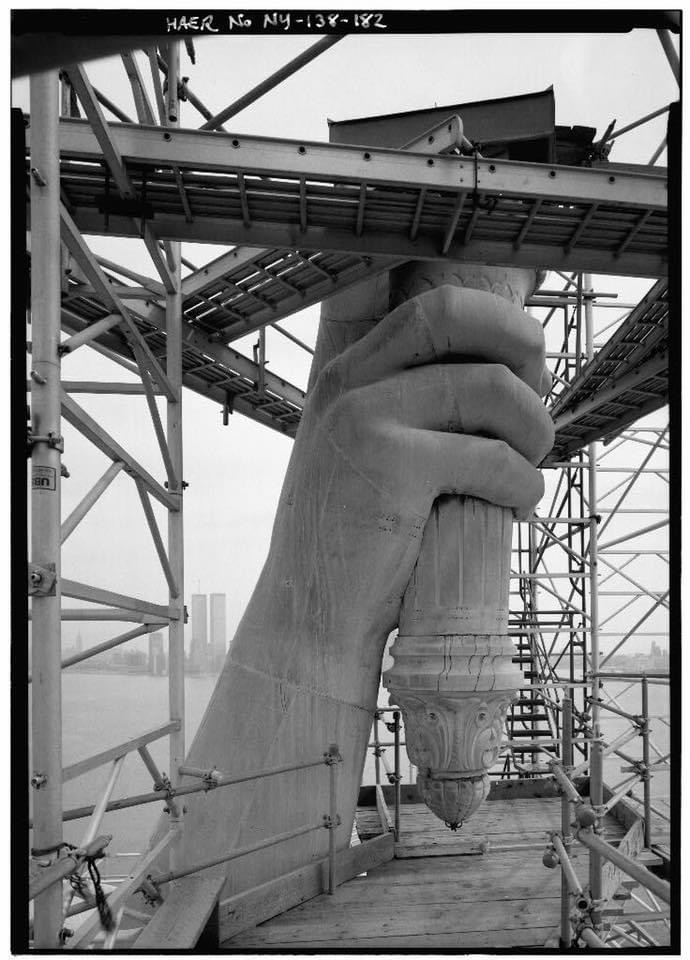
“Detail of hand without torch, March 28, 1985 – Statue of Liberty, Liberty Island…”
via Library of Congress, no known restrictions
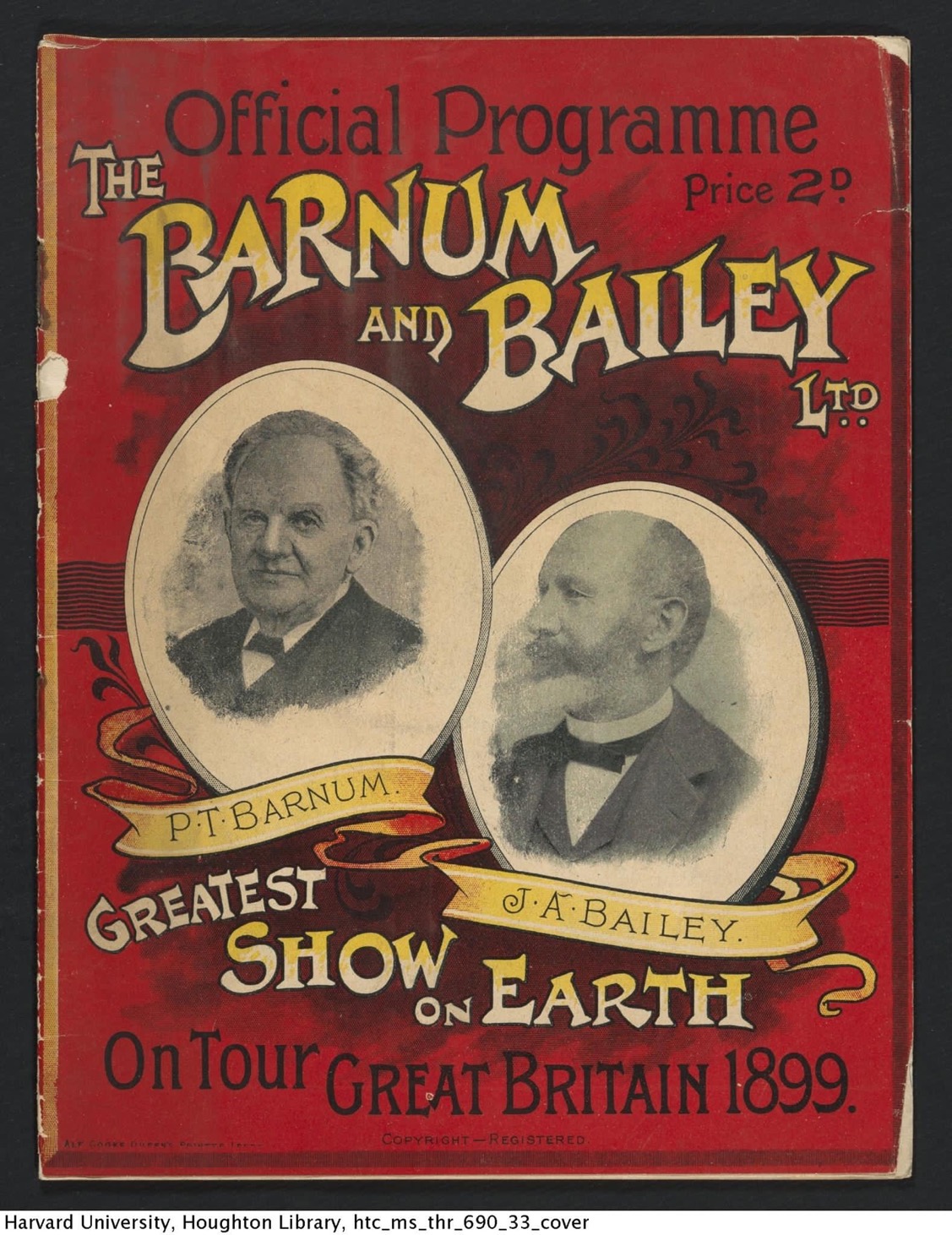
A Barnum and Bailey program from 1899
On March 28, 1881 P.T. Barnum partnered with James Anthony Bailey to combine their circus performances.
Image via Wikimedia Commons, public domain
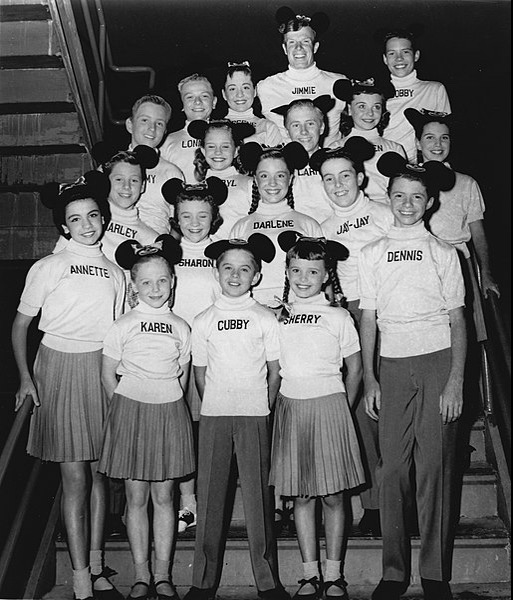
Born March 28, 1910 Jimmie Dodd (top, center) was the head Mouseketeer for the four season run of the original Mickey Mouse Club (1955 – 58). Jimmie wrote the theme song and often hosted short segments that encouraged young viewers to make good choices singing “Proverbs, proverbs, they’re so true . . .”
Image via Wikimedia Commons, copyright not renewed, public domain in the US.
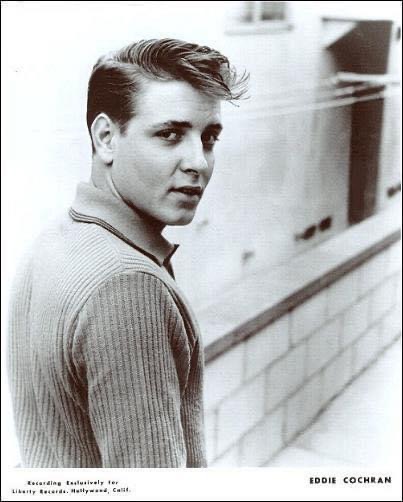
On today’s date March 28, 1958 American rock and roll legend Eddie Cochran recorded the hit song “Summertime Blues”
Image: Eddie Cochran in 1958 – Liberty Records, public domain via Wikimedia Commons
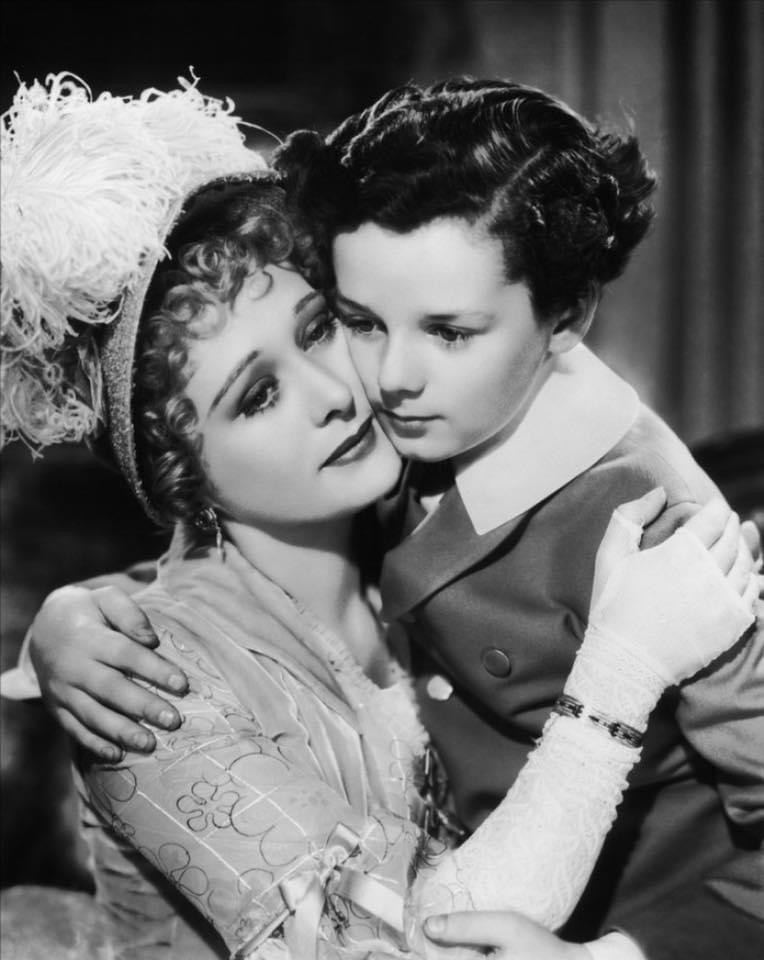
English-American actor Freddie Bartholomew was born on March 28, 1924.
Just a few months before his 19th birthday he enlisted with the U.S. Army Air Forces during WWII but was discharged nearly a year later after an injury from a fall.
Image: Dolores Costello and Freddie Bartholomew in the film Little Lord Fauntleroy – 1936
by Selznick International via Wikimedia Commons, public domain

“WESTERN FRONT TRENCHES REPRODUCED TO AID LIBERTY LOAN.
Capt. H.H. Barrous of the 302nd U.S. Engineers, and Sergt. J. Marten, of the 7th Engineers of France are superintending the digging of trenches in Central Park, New York. The trenches on the Western front were to be reproduced on the Park lawn to aid in the Third Liberty Loan, but the plan was not carried out.”
March 28, 1918
Image via Wikimedia Commons, public domain
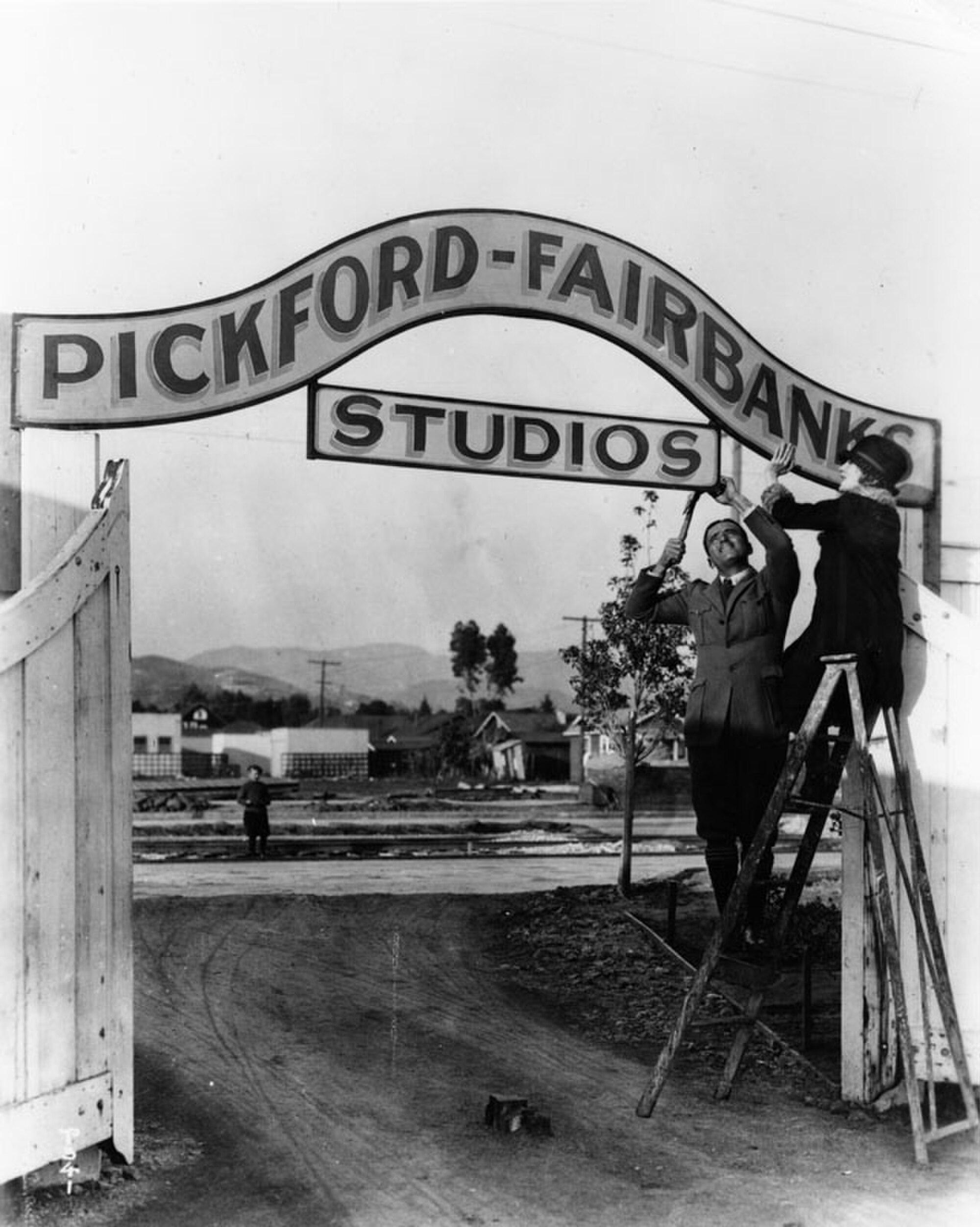
On March 28, 1920, Mary Pickford and Douglas Fairbanks were married.
Image of Douglas and Mary at the Pickford-Fairbanks Studios in West Hollywood.
via Wikimedia Commons, public domain
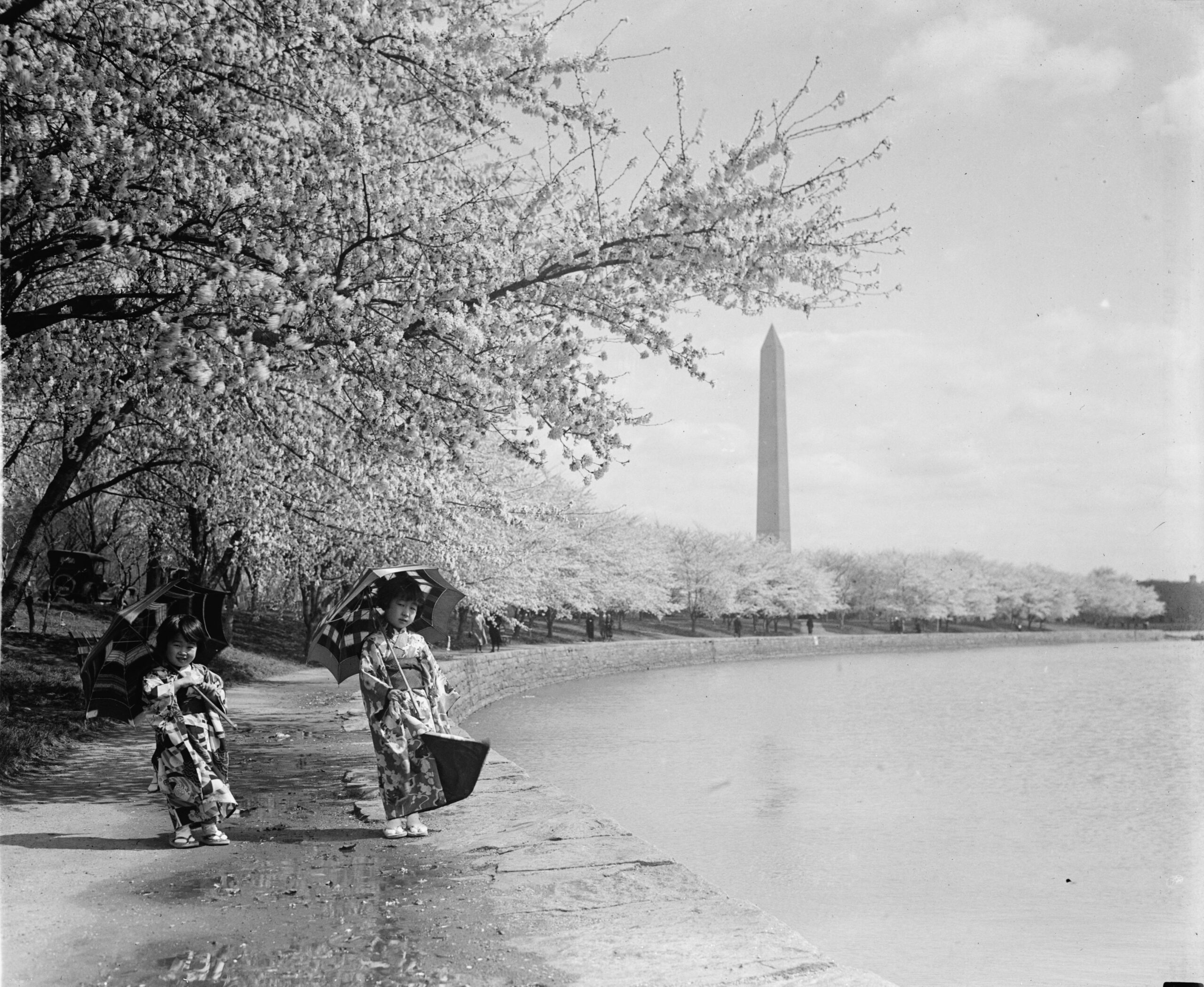
Sumi and Sada Tamura under the Cherry Blossoms in Washington, D.C.
March 28, 1925
via Wikimedia Commons, public domain
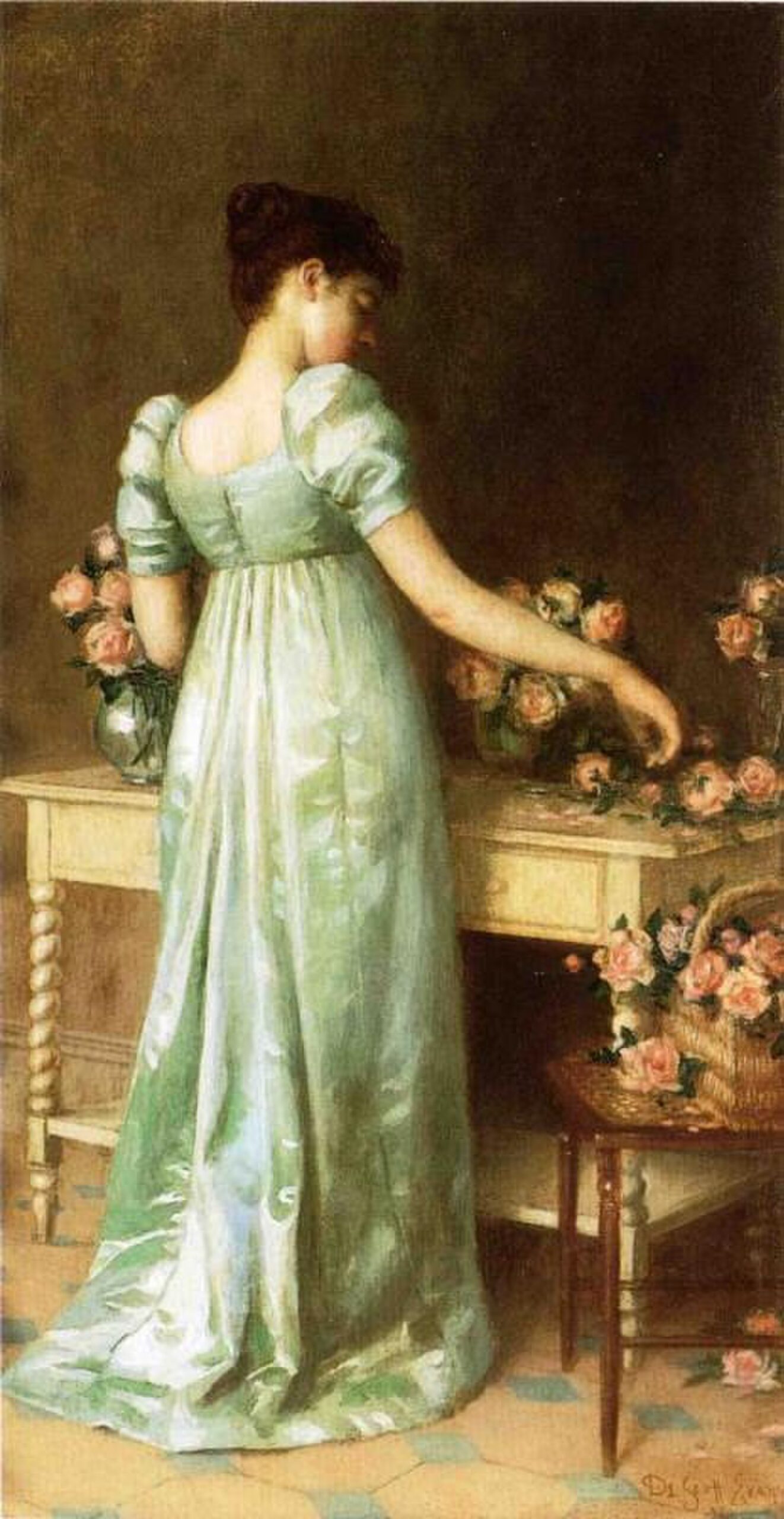
Arranging Pink Roses
– 1891
by American artist De Scott Evans who was born in Boston, Indiana on March 28, 1847.
Image via Wikimedia Commons, public domain
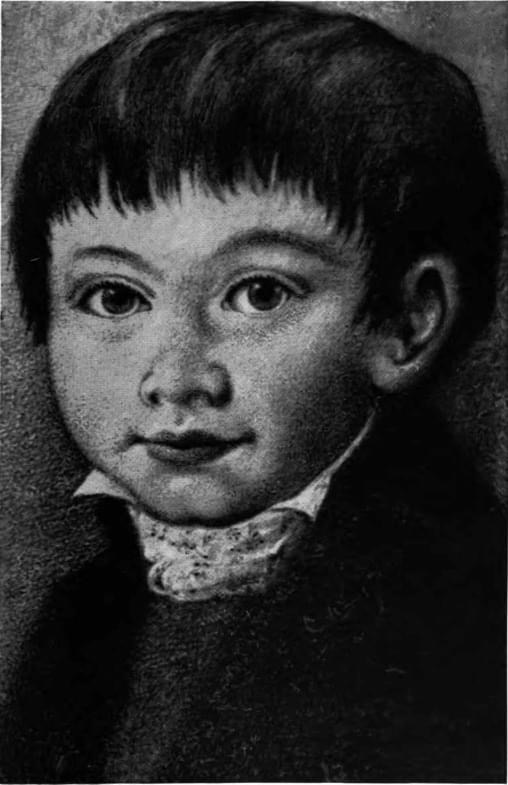
John Neumann, the only male U.S. Citizen who became a saint in the Roman Catholic Church, was born on March 28, 1811.
He was canonized in Rome on June 19, 1977.
Image of John Neumann at the age of 10 via Wikimedia Commons, public domain
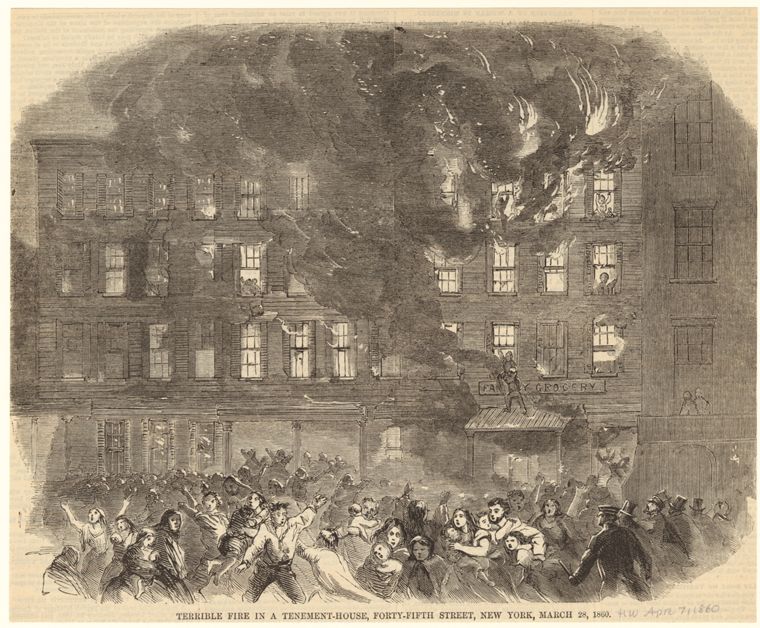
Terrible fire in a tenement-house, Forty-fifth Street, New York, March 28, 1860
via NYPL Digital Collections, no known restrictions
“We landed at every thing like a town, and bought milk, and eggs, and butter. Some times the Seneca Indians were passed, coming up stream in their immensely long pine canoes. There was perpetual novelty and freshness in this mode of wayfaring. The scenery was most enchanting. The river ran high, with a strong spring current, and the hills frequently rose in most picturesque cliffs.
1818. I do not recollect the time consumed in this descent. We had gone about three hundred miles, when we reached Pittsburgh. It was the 28th of March when we landed at this place, which I remember because it was my birthday. And I here bid adieu to the kind and excellent proprietor of the ark, L. Pettiborne, Esq., who refused to receive any compensation for my passage, saying, prettily, that he did not know how they could have got along without me.
I stopped at one of the best hotels, kept by a Mrs. McCullough, and, after visiting the manufactories and coal mines, hired a horse, and went up the Monongahela Valley, to explore its geology as high as Williamsport. The rich coal and iron beds of this part of the country interested me greatly; I was impressed with their extent, and value, and the importance which they must eventually give to Pittsburgh. After returning from this trip, completed my visits to the various workshops and foundries, and to the large glass works of Bakewell and of O’Hara.
I was now at the head of the Ohio River, which is formed by the junction of the Alleghany and Monongahela. My next step was to descend this stream; and, while in search of an ark on the borders of the Monongahela, I fell in with a Mr. Brigham, a worthy person from Massachusetts, who had sallied out with the same view. We took passage together on one of these floating houses, with the arrangements of which I had now become familiar. I was charmed with the Ohio; with its scenery, which was every moment shifting to the eye; and with the incidents of such a novel voyage. Off Wheeling we made fast to another ark, from the Monongahela, in charge of Capt. Hutchinson, an intelligent man. There were a number of passengers, who, together with this commander, added to our social circle, and made it more agreeable: among these, the chief person was Dr. Selman, of Cincinnati, who had been a surgeon in Wayne’s army, and who had a fund of information of this era. My acquaintance with subjects of chemistry and mineralogy enabled me to make my conversation agreeable, which was afterwards of some advantage to me.”
From: Personal memoirs of a residence of thirty years with the Indian tribes on the American frontiers: with brief notices of passing events, facts, and opinions, A. D. 1812 to A. D. 1842
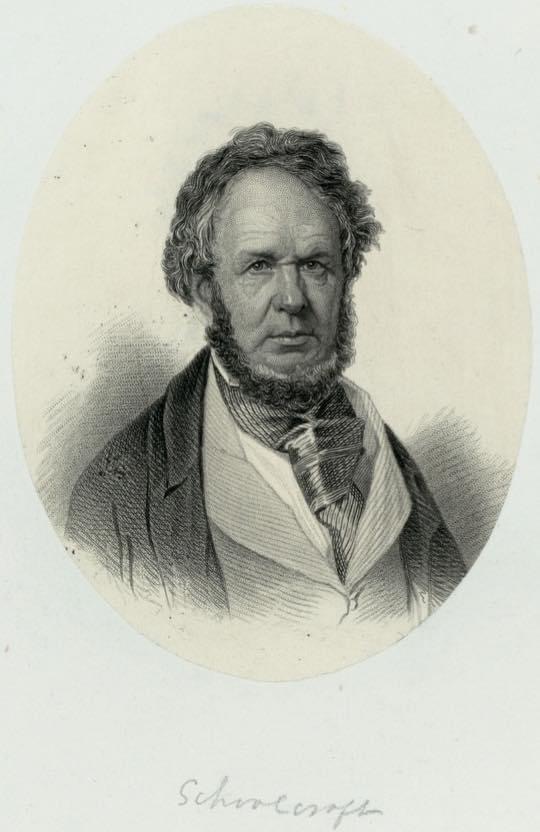
by Henry Rowe Schoolcraft, published in 1851
Source says not in copyright
https://archive.org/details/personalmem00schorich/page/20
Image: Henry Rowe Schoolcraft via Wikimedia Commons, public domain

On March 28, 1979, TMI-2, a reactor at Three Mile Island in Central Pennsylvania had a partial meltdown. Cleanup of TMI-2 began in the summer of that year and concluded at the end of 1993.
Image via Wikimedia Commons, public domain
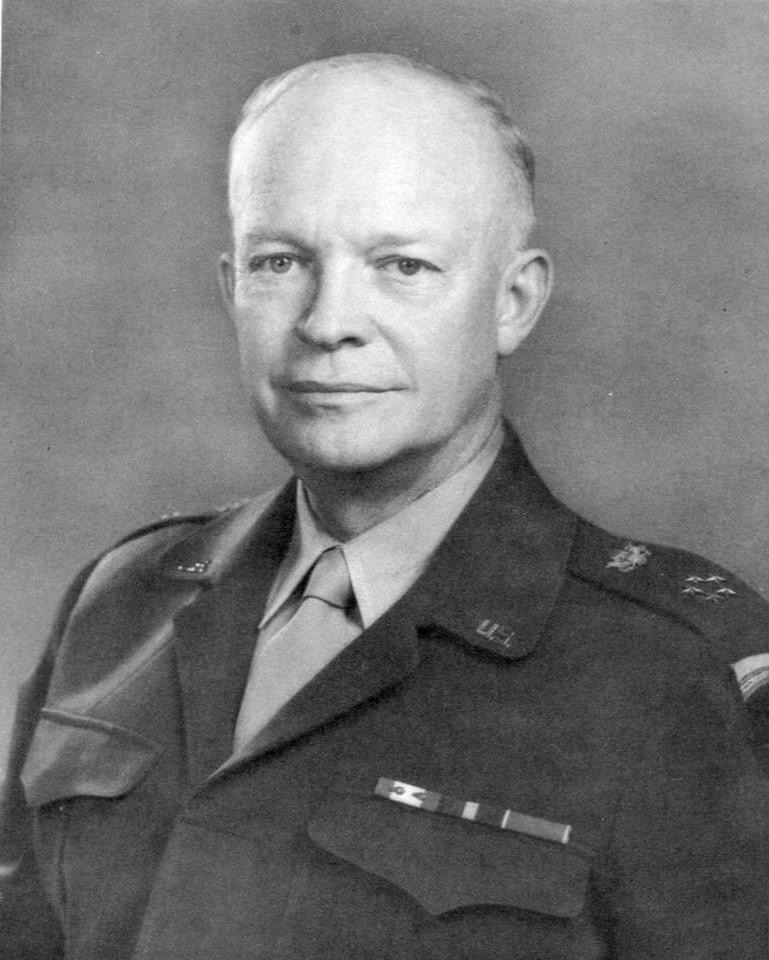
“May the turbulence of our age yield to a true time of peace, when men and nations shall share a life that honors the dignity of each, the brotherhood of all.”
– Dwight D. Eisenhower from his Second Inaugural Address in 1957
On March 28, 1969, Dwight D. Eisenhower passed away at the age of 78 at Walter Reed Army Medical Center in Washington, D.C.
Image via Wikimedia Commons, public domain
