
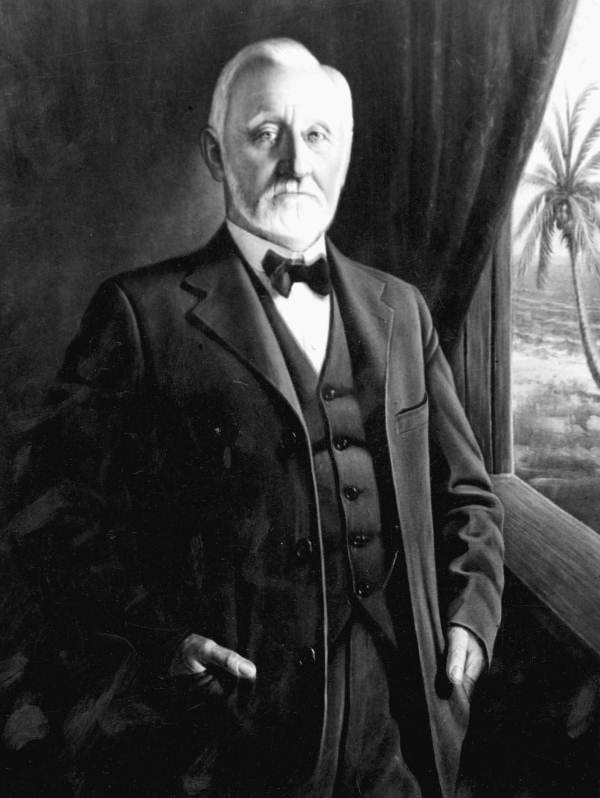
On March 26, 1915, the Florida Legislature formally incorporated the City of Miami Beach, giving legal shape to a project that had begun years earlier in the mind of John S. Collins (shown). A Quaker farmer from New Jersey, Collins arrived on a mangrove‑covered barrier island in the early 1900s with the improbable idea of turning it into a thriving agricultural colony. He cleared land for avocado and coconut groves, cut a canal to move his crops to market, and—when the work outgrew the limits of the waterway—set out to build a bridge across Biscayne Bay. The wooden Collins Bridge, completed in 1913 with financial help from Carl G. Fisher, became the longest wooden bridge in the world and the first reliable link between the island and the mainland. That connection transformed the landscape, opening the door to settlement, investment, and the early stirrings of tourism. When Miami Beach was incorporated on March 26, it marked the moment Collins’ years of labor, risk, and quiet persistence became a city—one built on the unlikely conviction that a stretch of mangroves could become a community with a future.
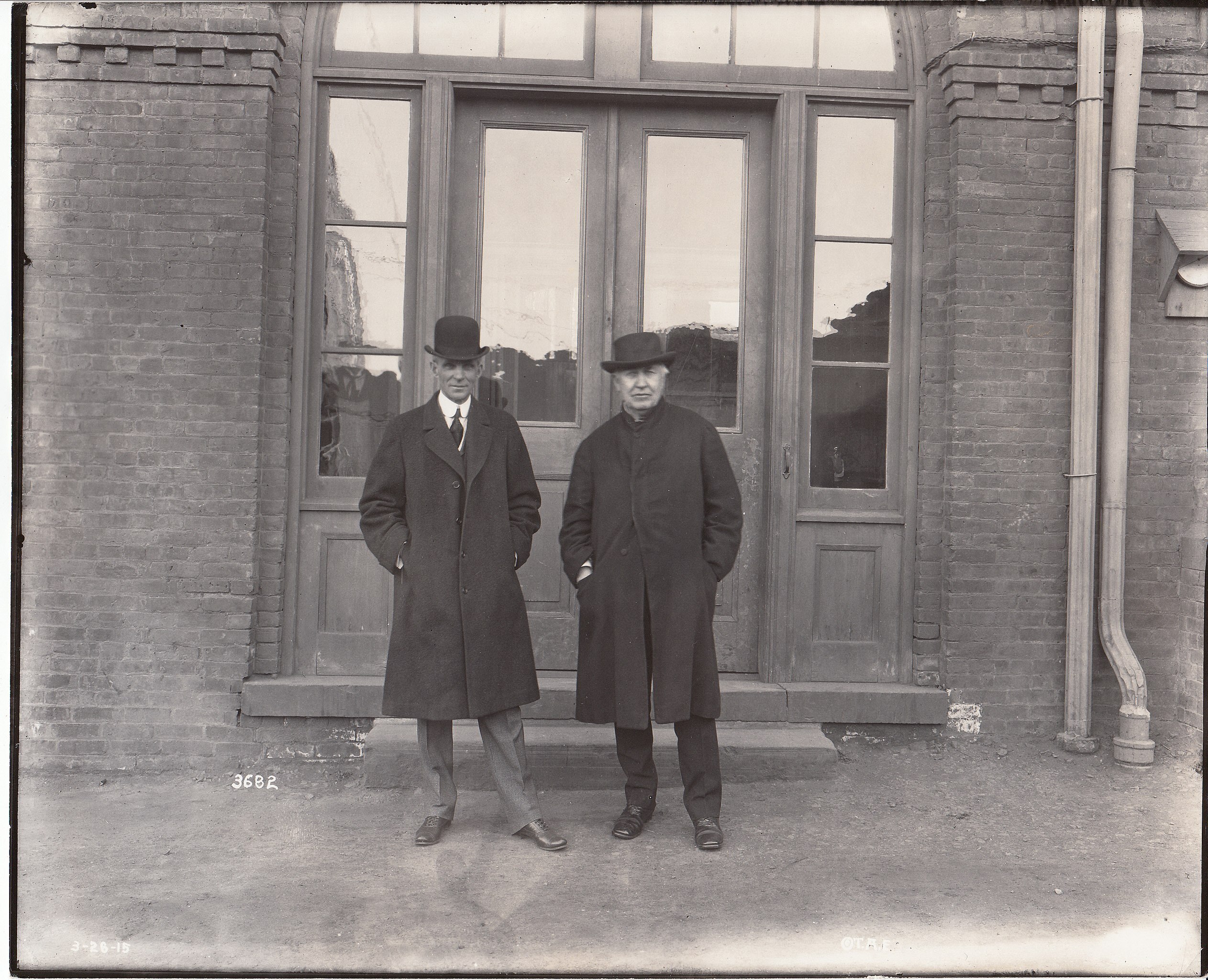
Henry Ford and Thomas Edison in front of Building 5 at Edison’s West Orange Laboratory.
March 26, 1915
Twenty-four years earlier, in 1891, Ford joined the Edison Illuminating Company in Detroit as an engineer.
It was during this time, in Ford’s early career, that he met Edison.
The two would eventually develop a lifelong friendship.
Image via Wikimedia Commons, public domain
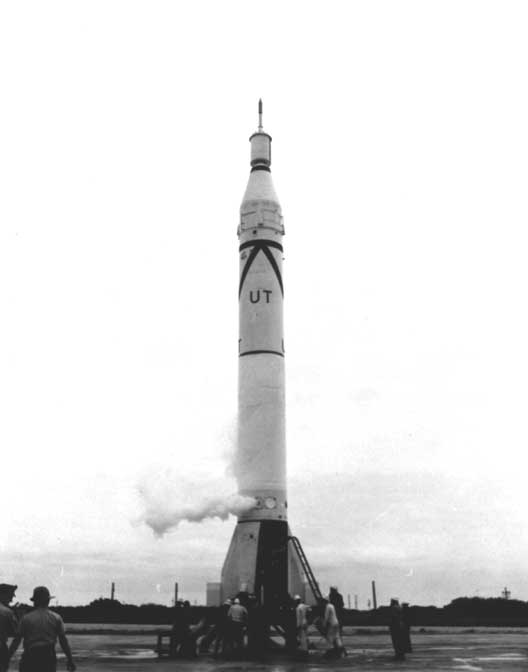
About four months before NASA was founded, the U.S. Army launched the Explorer III satellite from Cape Canaveral on March 26, 1958.
Three months later, before experiencing orbital decay, Explorer III confirmed the existence of the Van Allen radiation belts in the Earth’s magnetosphere.
Image via Wikimedia Commons, public domain
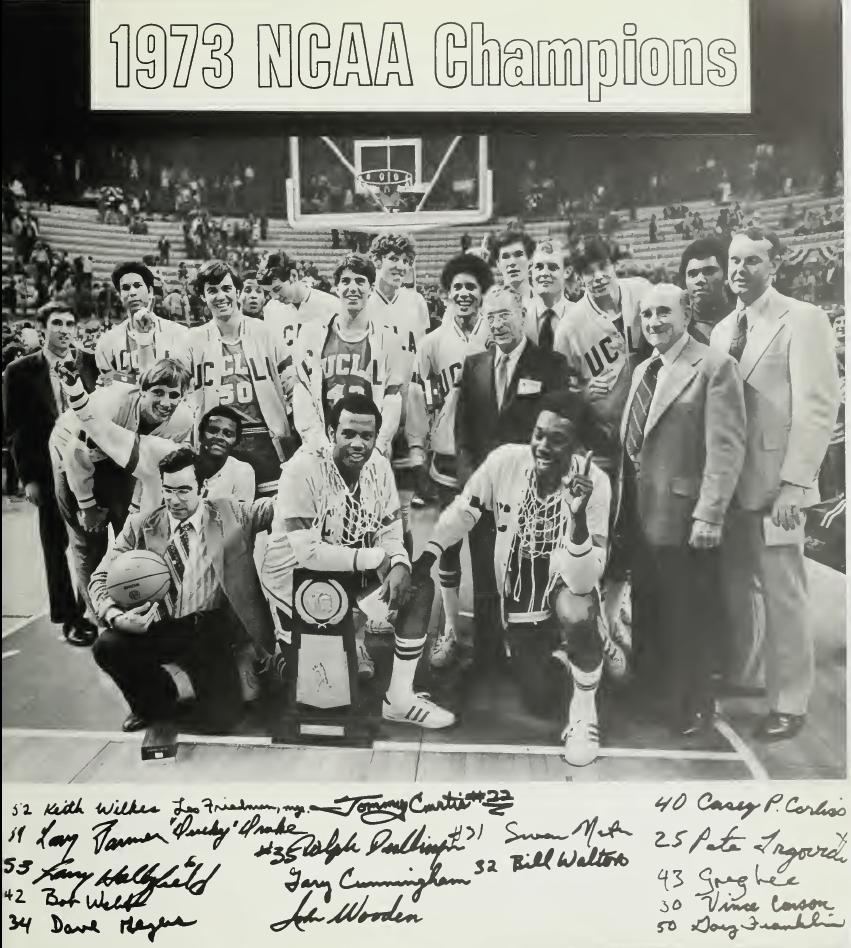
On March 26, 1973, the UCLA Bruins Men’s Basketball Team won their seventh consecutive NCAA Championship.
Image via Wikimedia Commons, public domain
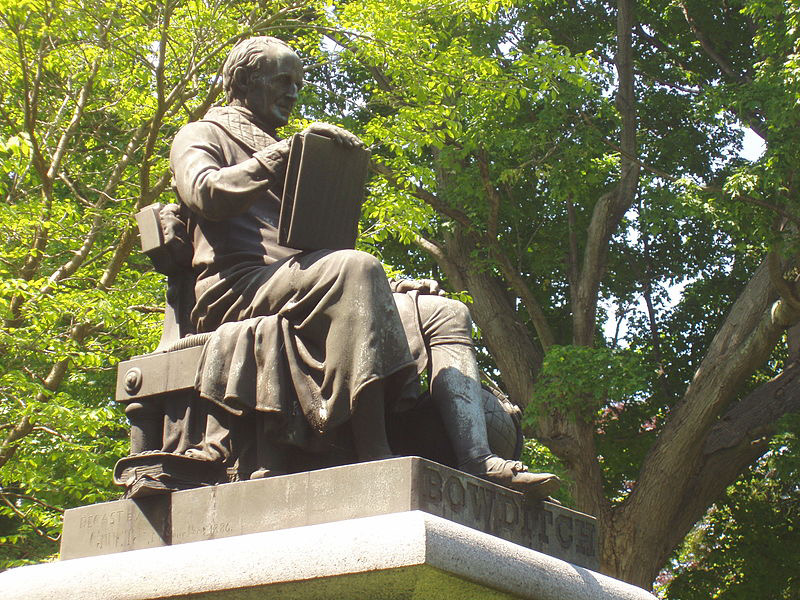
Born March 26, 1773 in Salem, Massachusetts Nathaniel Bowditch was a largely self-taught mathematician and astronomer. In 1802, after several sea voyages he wrote “The New American Practical Navigator,” a book of maritime navigation. A copy of Bowditch’s book is still carried aboard every US Naval vessel.
Image by Daderot at en. wikipedia, CCA-SA 3.0 Unported.
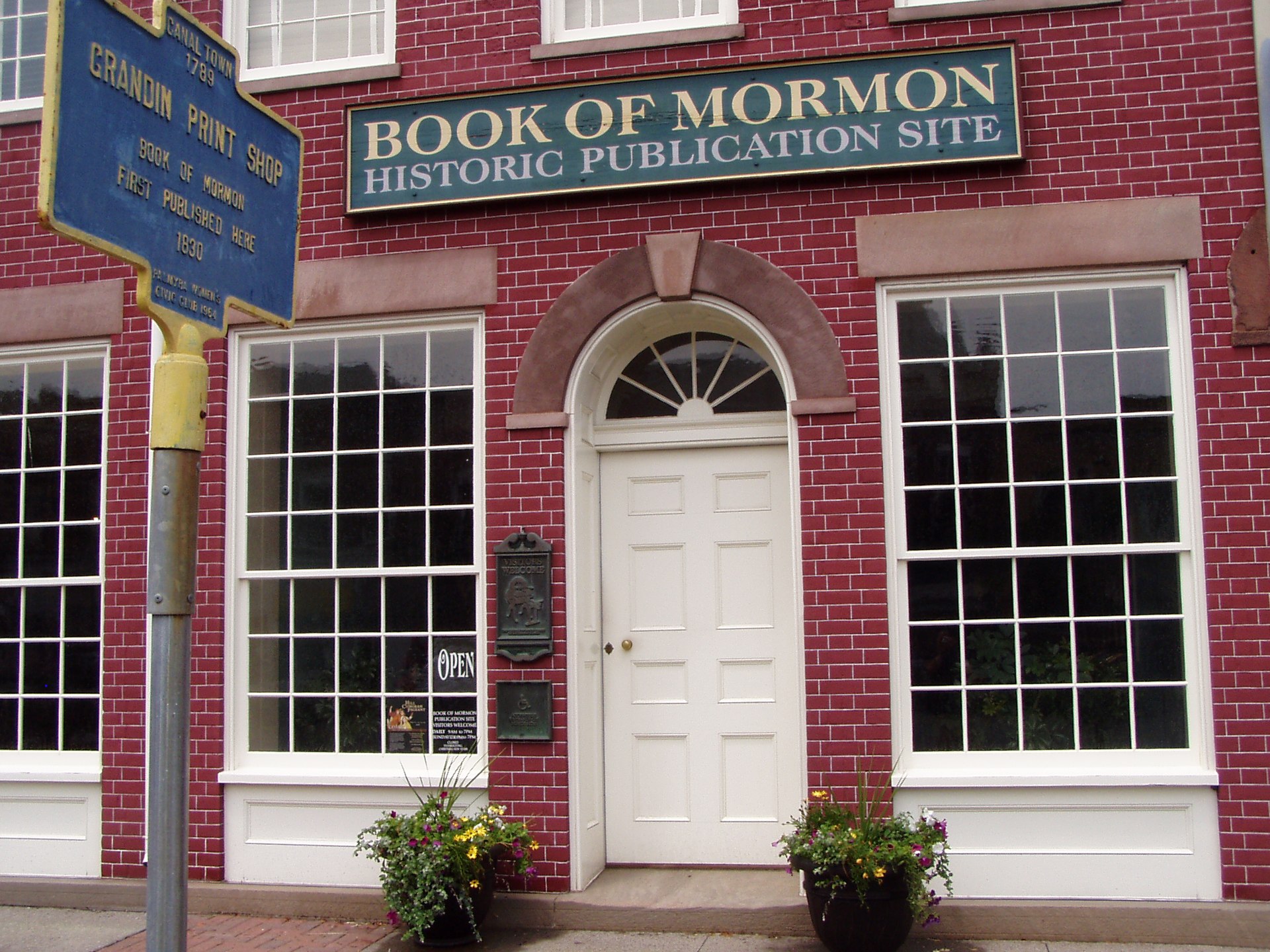
On March 26, 1830, the Wayne Sentinel reported that the Book of Mormon was available at E.B Grandin’s bookstore in Palmyra, New York.
Photo of the Book of Mormon historic publication site in Palmyra, New York from auburnxc via Wikimedia Commons, CC BY-SA 2.0
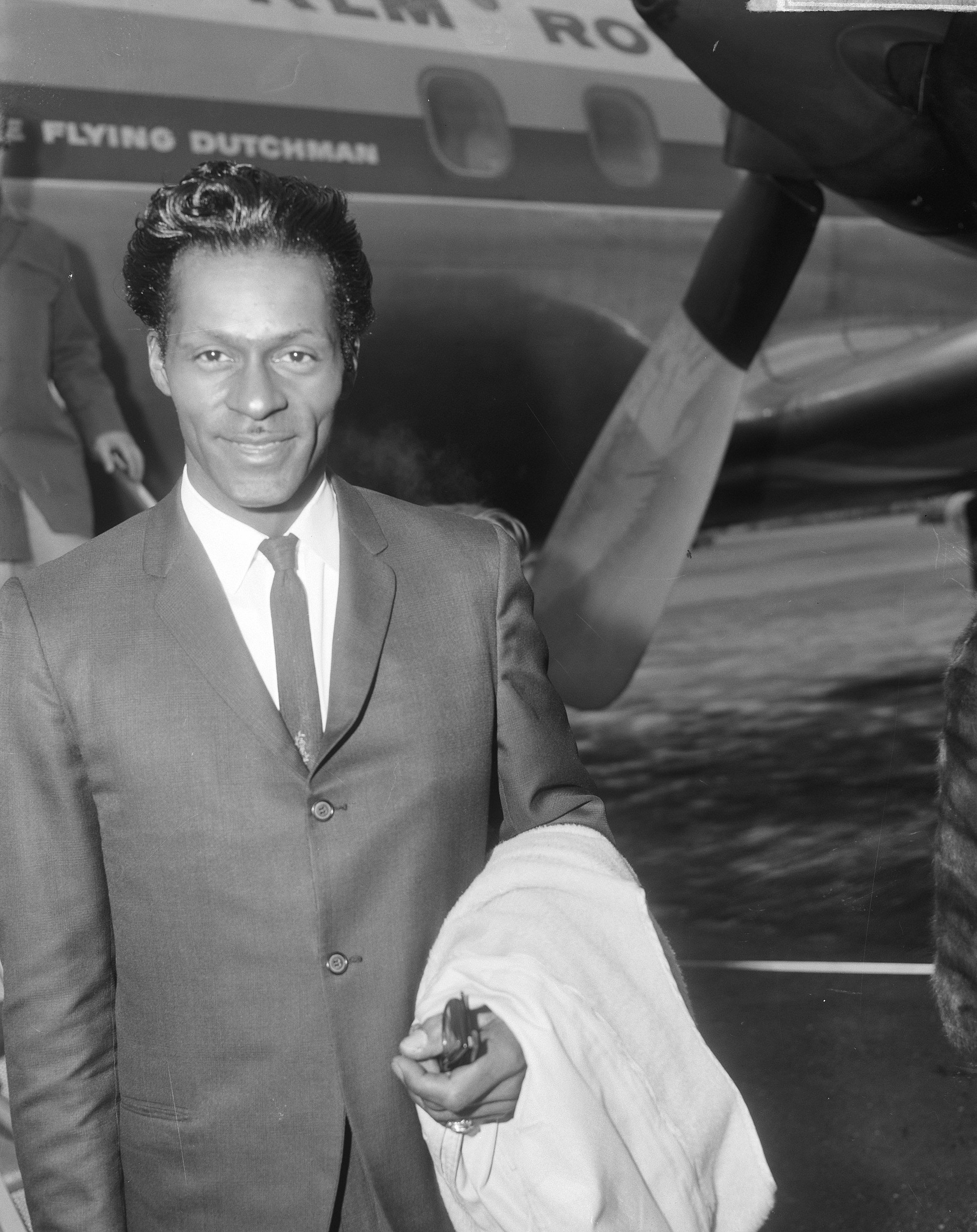
Chuck Berry recorded his hit song No Particular Place To Go on March 26, 1964, in Chicago, Illinois.
Photo of Chuck at Schiphol Airport in Amsterdam the following year via Wikimedia Commons, public domain
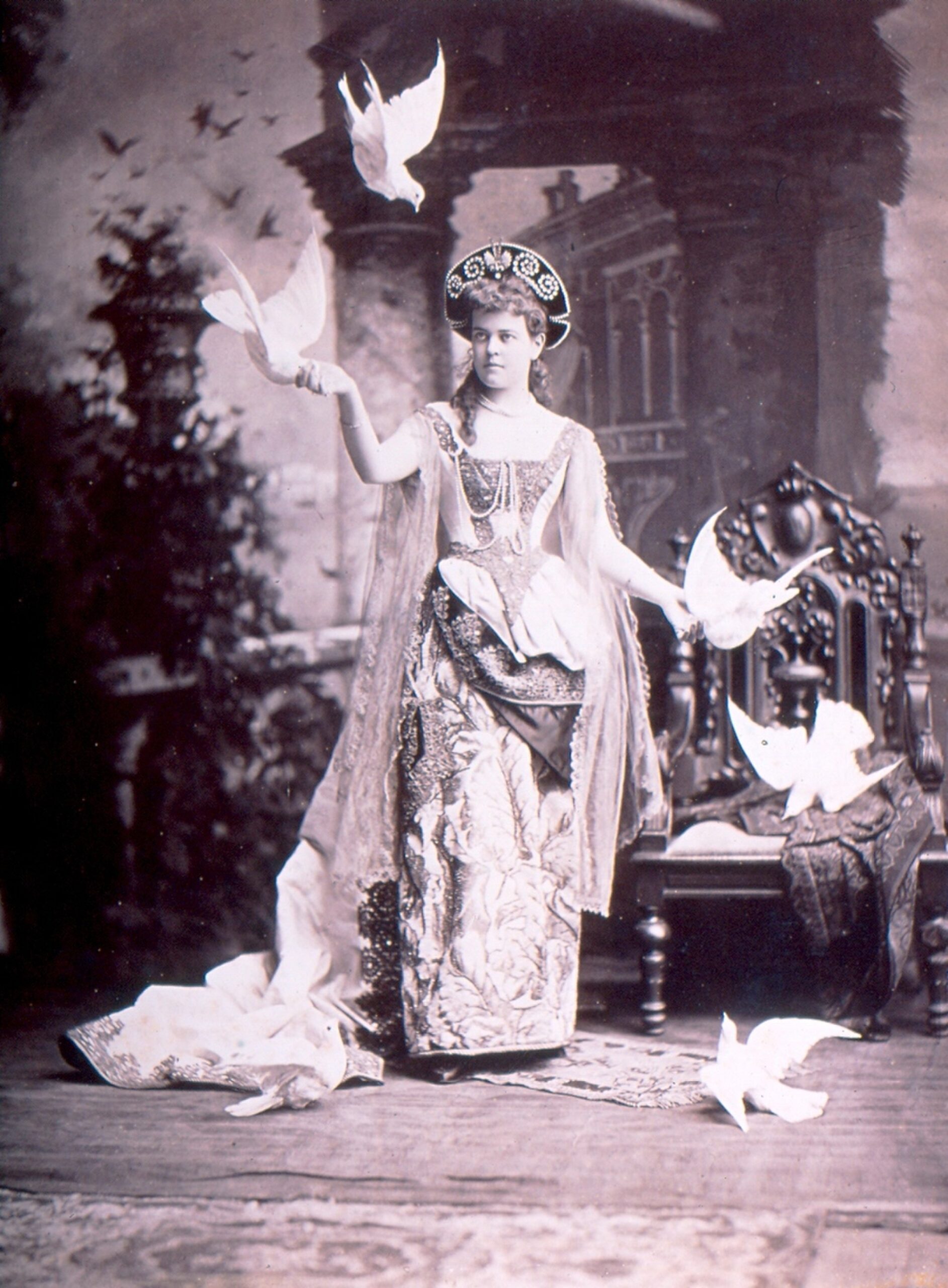
Mrs. Alva Vanderbilt wearing her Venetian style dress for a masquerade ball that she threw on March 26, 1883 in celebration of her newly built Fifth Avenue chateau in New York City. It’s estimated that hundreds of thousands of dollars were spent on the event (more than five million dollars today.)
Image via Wikimedia Commons, public domain
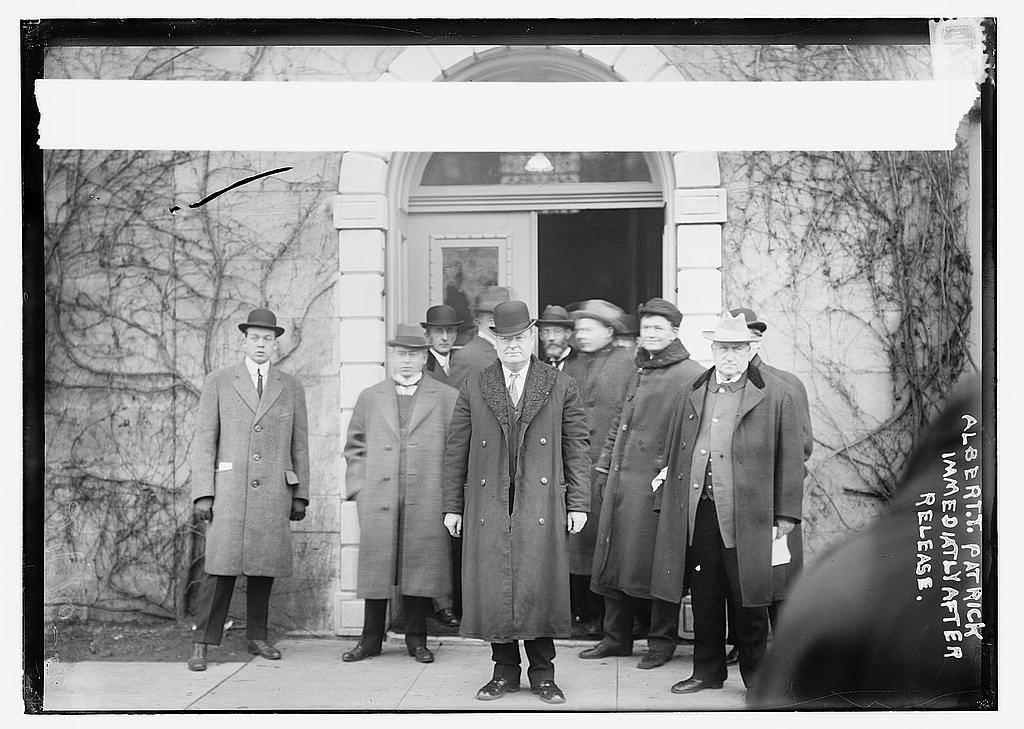
The man who you see in the center of this photograph is Albert T. Patrick, an attorney who was convicted of murder on March 26, 1902 for his role in plotting the death of William Marsh Rice, the namesake of Rice University.
Patrick’s sentence was death by electrocution at Sing Sing Prison, but four years later his sentence was commuted to life in prison. He was eventually released (image shown) and went back to practicing law for several years before being disbarred in 1930.
Image via Wikimedia Commons, public domain
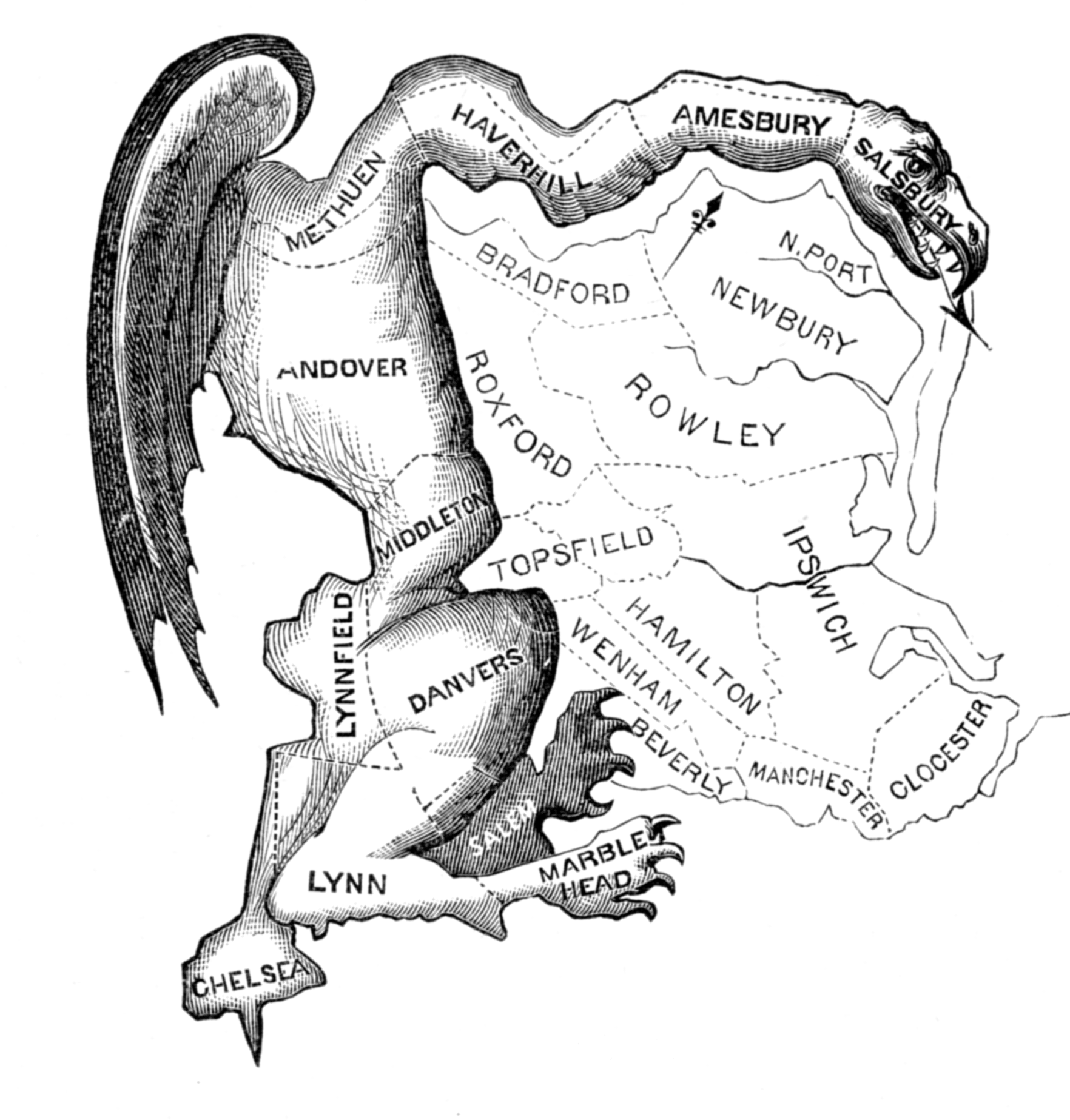
The term “gerrymander” was first used on March 26, 1812, in the Boston Gazette in Massachusetts. It combines the name of Governor Elbridge Gerry and “salamander,” inspired by the shape of one of the oddly drawn election districts created under his administration. Although Gerry personally disapproved of the tactic, he signed a bill that redistricted the state to favor the Democratic-Republican Party. The unusual shape of one district resembled a mythical salamander, leading to the creation of the term.
Image via Wikimedia Commons, public domain
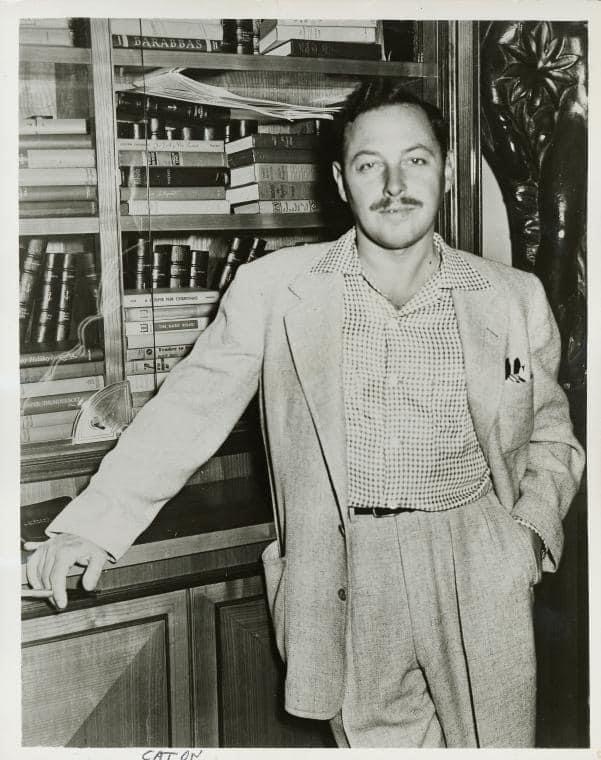
American playwright Tennessee Williams was born on March 26, 1911 in Columbus, Mississippi.
Image: Publicity photo of Tennessee Williams to promote Cat on a Hot Tin Roof c. 1955 via NYPL Digital Collections, no known restrictions
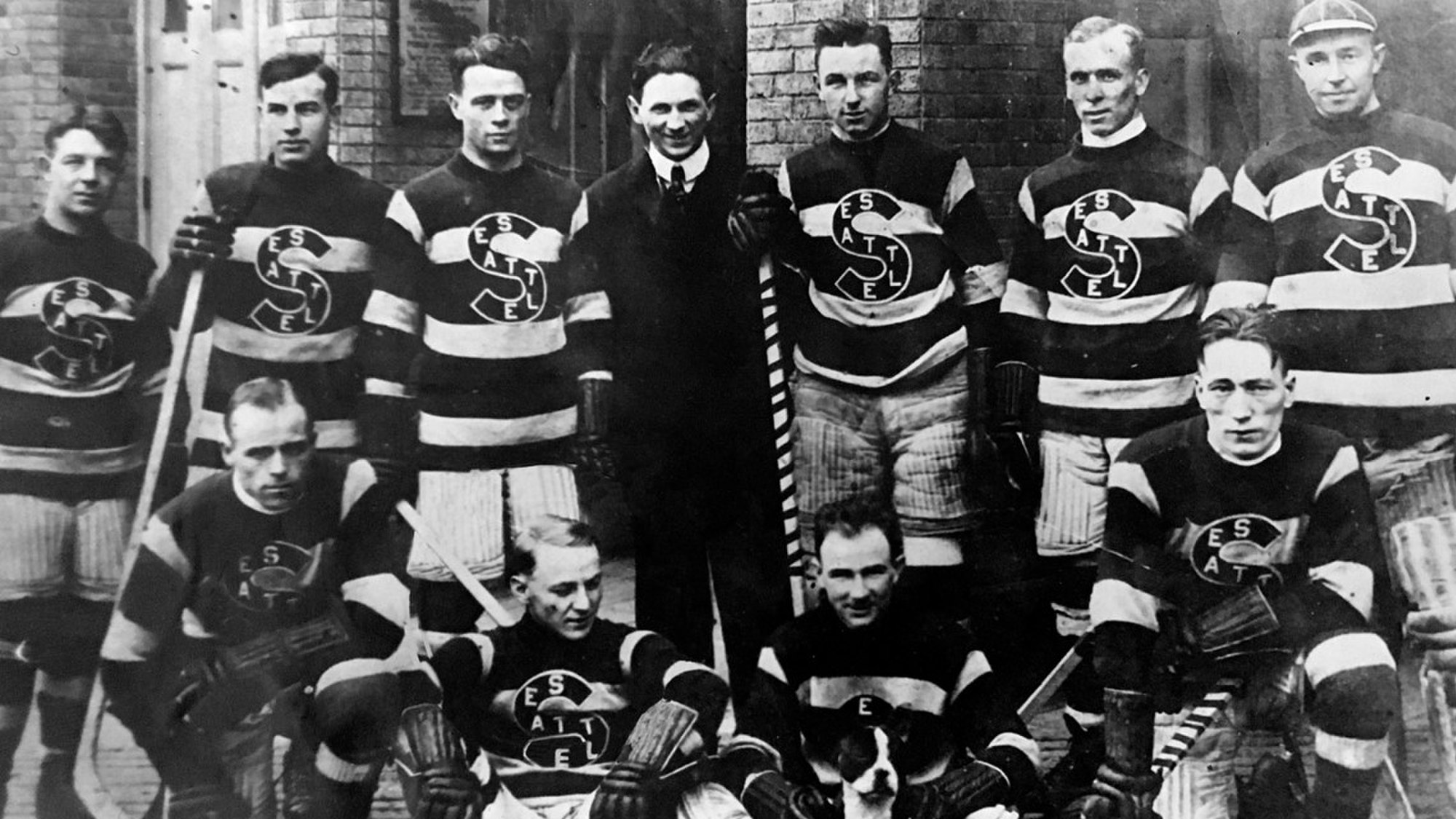
After losing Game 1 to the Montreal Canadiens on St. Patrick’s Day in 1917, the Seattle Metropolitans would win the next three consecutive games and become the first American ice hockey team to win the Stanley Cup on March 26, 1917.
Image via Wikimedia Commons, public domain
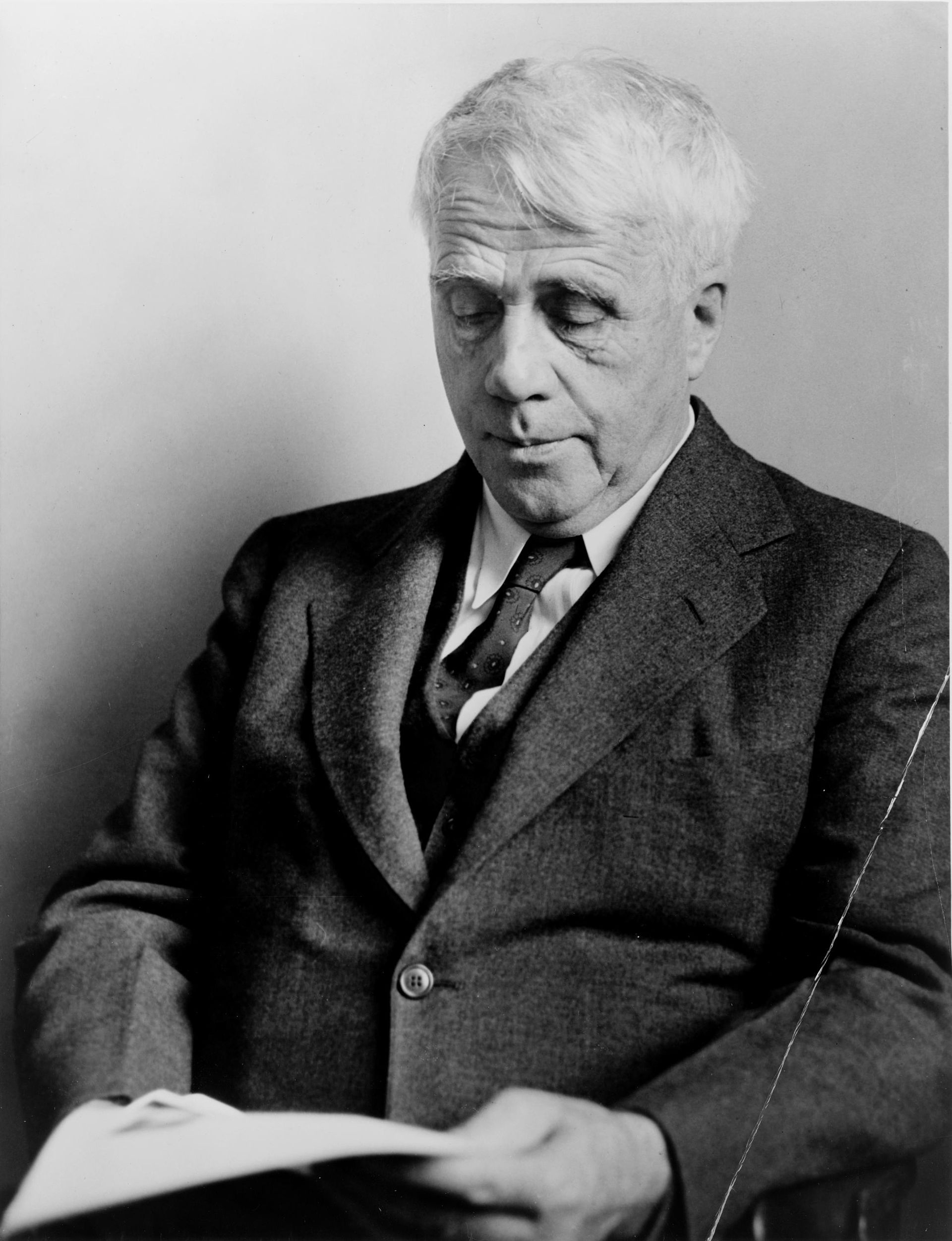
On today’s date March 26, 1874 American poet Robert Frost was born in San Francisco, California.
One of his works is this octave (a poem with eight lines) titled…
“Nothing Gold Can Stay”
Nature’s first green is gold,
Her hardest hue to hold.
Her early leaf’s a flower;
But only so an hour.
Then leaf subsides to leaf.
So Eden sank to grief,
So dawn goes down to day.
Nothing gold can stay.
Image of Robert Frost via Wikimedia Commons, public domain
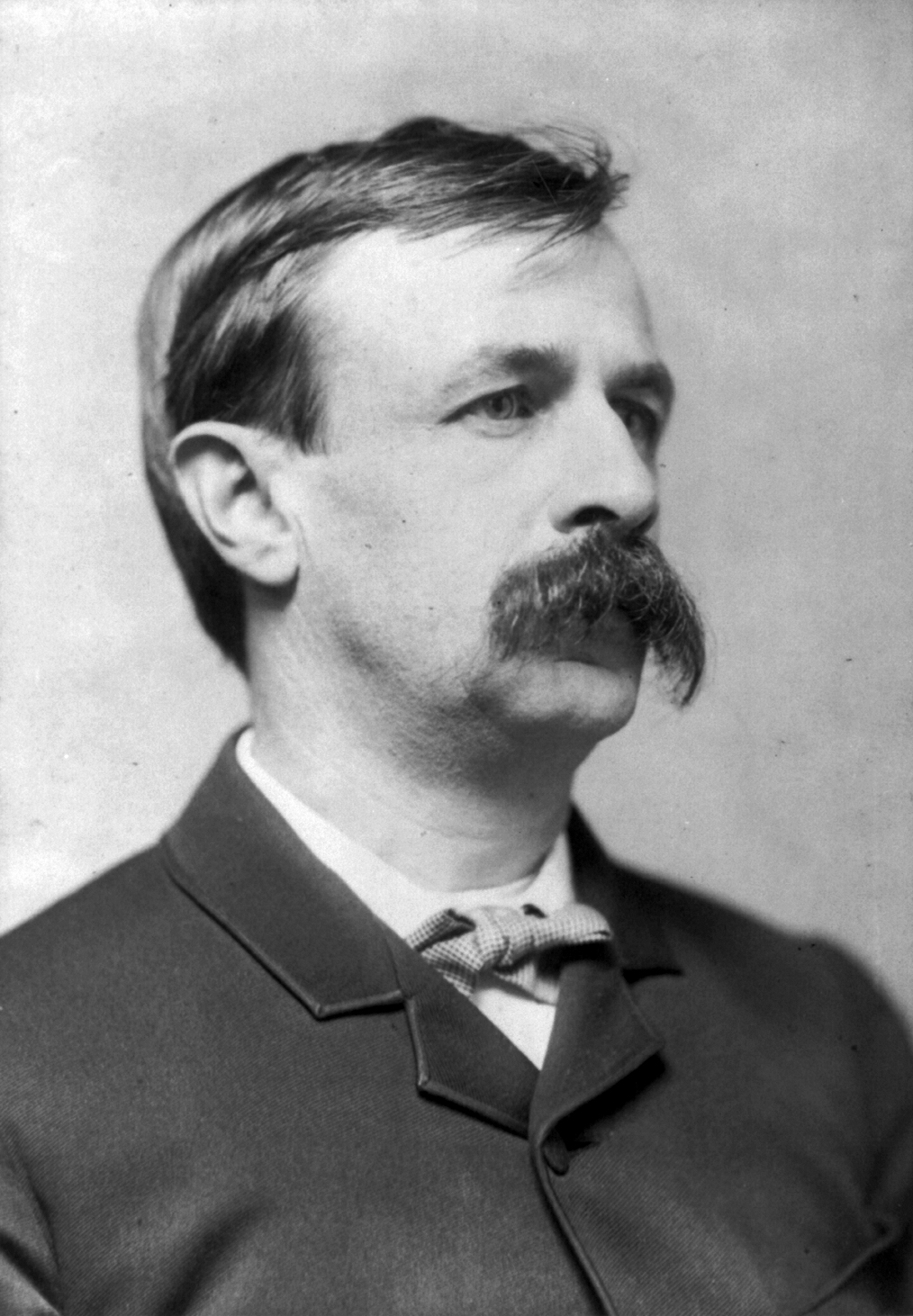
American writer Edward Bellamy was born on March 26, 1850 in Chicopee, Massachusetts. His novel “Looking Backward” was one of the best selling books of the 19th century.
Bellamy’s fictional novel tells a story of a man who falls asleep in Boston and wakes up over 100 years later, in the same place, in the year 2000. The person who awakes finds himself in a world of utopia filled with equality.
Bellamy’s cousin was Francis Bellamy who wrote the original version of the Pledge of Allegiance in 1892.
Image via Wikimedia Commons, public domain
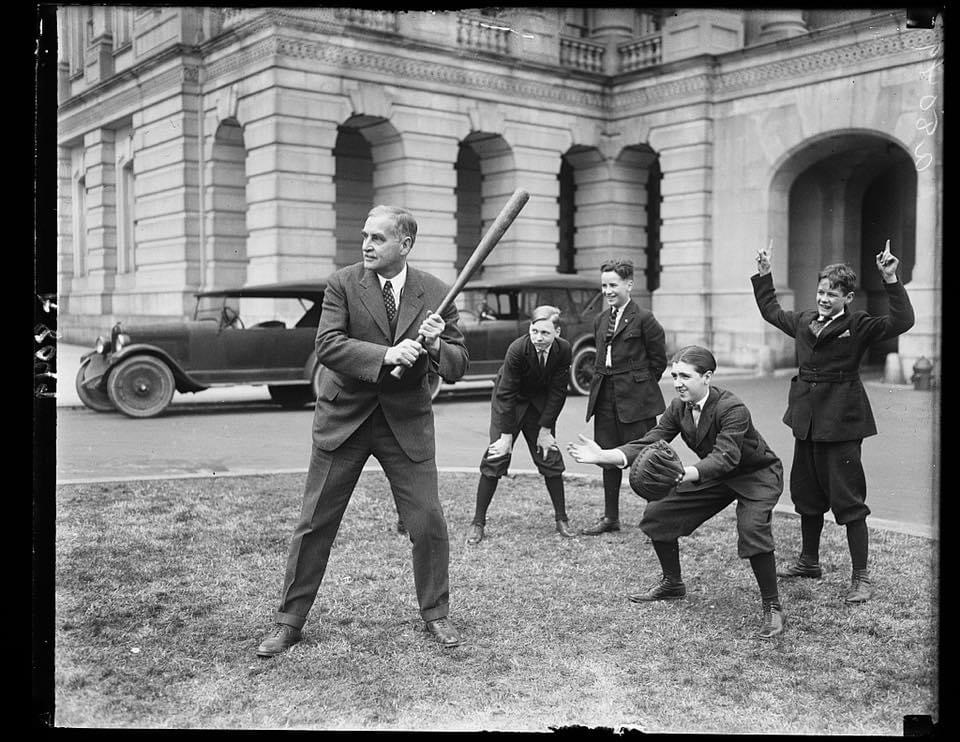
“Sen. Pepper of Pa. got into baseball practice with the Senate Pages March 26 on the Capitol grounds. Sen. Pepper at bat”
– March 26, 1924
via Library of Congress, no known restrictions

Boy watching construction on Brooklyn Avenue, Seattle, Washington
March 26, 1956
Image: Seattle Municipal Archives from Seattle, WA, CC BY 2.0
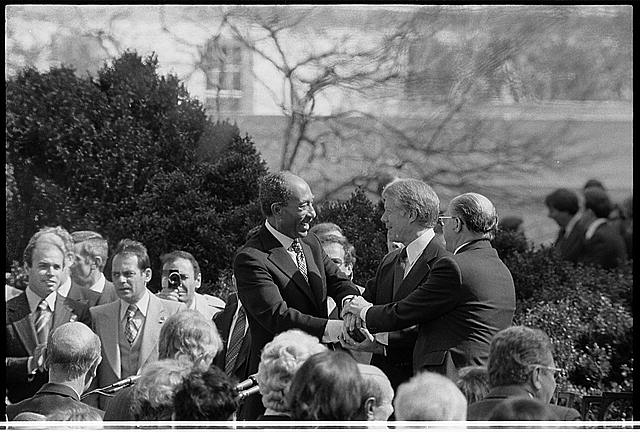
On March 26, 1979, U.S. President Jimmy Carter welcomed Egyptian President Anwar Sadat and Israeli Prime Minister Menachem Begin to the White House, where they signed the Egypt-Israel Peace Treaty, the first peace agreement between Israel 🇮🇱 and an Arab nation.
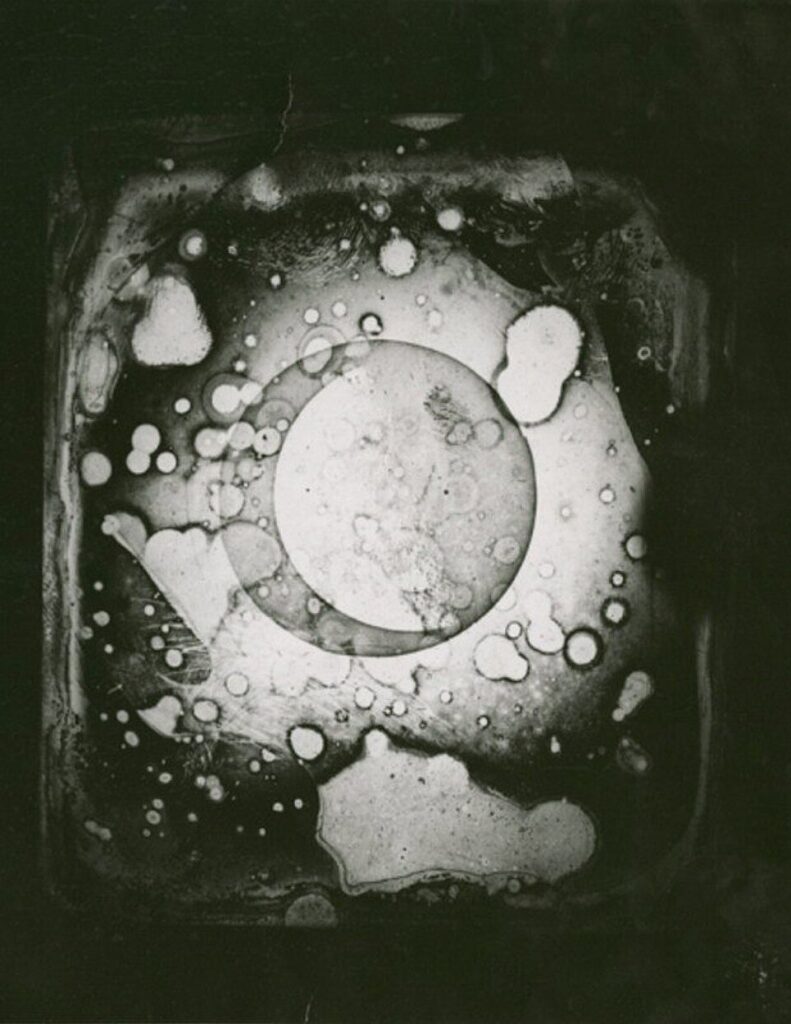
On March 26, 1840, John W. Draper climbed to the rooftop observatory at NYU and set out to prove a radical idea: that the light of a celestial body could be fixed to a silvered plate. His small, ghostly image of the Moon — coaxed through a telescope and developed in mercury vapor — became the earliest surviving astronomical photograph and the first demonstration that the heavens could be recorded by chemistry rather than memory.
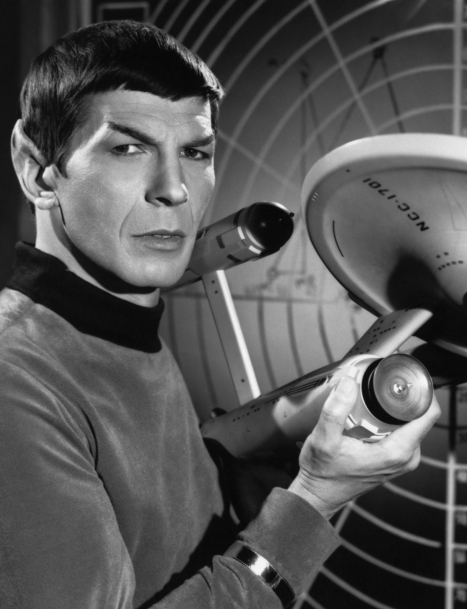
Born on March 26, 1931, Leonard Nimoy grew up in Boston’s old West End, the son of Ukrainian Jewish immigrants who carried the memory of the Old World into a neighborhood alive with new American possibility. Their lessons—work hard, stay curious, honor where you come from—shaped him long before he ever stepped onto a stage.
In 1953, Nimoy enlisted in the U.S. Army Reserve, serving eighteen months and rising to Staff Sergeant while stationed at Fort McPherson in Georgia. He worked in the Army Special Services division, supporting personnel programs and emceeing shows for servicemembers. The experience left him with a lifelong respect for discipline, duty, and the quiet professionalism of military life—values that later informed the calm, principled bearing of the character he would make famous.
When Star Trek arrived, Nimoy brought more than acting skill to Mr. Spock. He reached back to a moment from his childhood synagogue, when he first saw the ancient Priestly Blessing performed with fingers parted to form the Hebrew letter Shin, symbol of Shaddai, the Almighty. That sacred gesture became the Vulcan salute—an unexpected bridge between Jewish tradition and science fiction, carrying a message of peace across cultures and generations.
Nimoy’s creative life stretched far beyond the bridge of the Enterprise. He wrote memoirs, poetry, and reflections on identity and belonging; published photography collections that explored faith, vulnerability, and the human form; and released five music albums between 1967 and 1970, embracing the era’s spirit of experimentation with a sincerity that made the work unmistakably his.
And in 1987—a year that showcased his range—Nimoy directed Three Men and a Baby, the highest‑grossing film in America that year. Its success confirmed what his fans already knew: his talents behind the camera were every bit as enduring as the character he helped define.
On his birthday, we remember Leonard Nimoy as a soldier, storyteller, photographer, poet, director, and cultural bridge‑builder—a man who carried his family’s immigrant hopes into a career that helped millions “live long and prosper.
