
John Chupco: The “Long John” of the Union Army
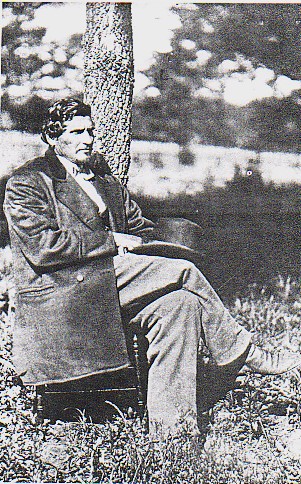
A First Sergeant in the Union Army’s Indian Home Guard, John Chupco—nicknamed “Long John” for his towering 6’7” stature—became a symbol of unbroken loyalty when the Civil War split the Seminole Nation. In the bitter winter of 1861, he emerged as a key leader in the harrowing “Trail of Blood,” guiding thousands of pro‑Union Creeks and Seminoles through freezing snow, starvation, and Confederate ambushes as they fled to Kansas.
By March 21, 1866, Chupco stood in Washington, D.C., as the recognized Principal Chief of the Seminole Nation, facing the impossible task of resolving the chaos the war had left behind. In a grueling negotiation, he was compelled to cede more than two million acres of ancestral land to the U.S. government for just fifteen cents an acre—securing, in return, a new and unified homeland for his people. The treaty he signed that day did more than end the war for the Seminoles: it formally abolished slavery within the nation and granted full citizenship to Seminole Freedmen, laying the foundation for a reconstructed sovereign nation that Chupco would lead for the next fifteen years.
Image via Wikimedia Commons, public domain.
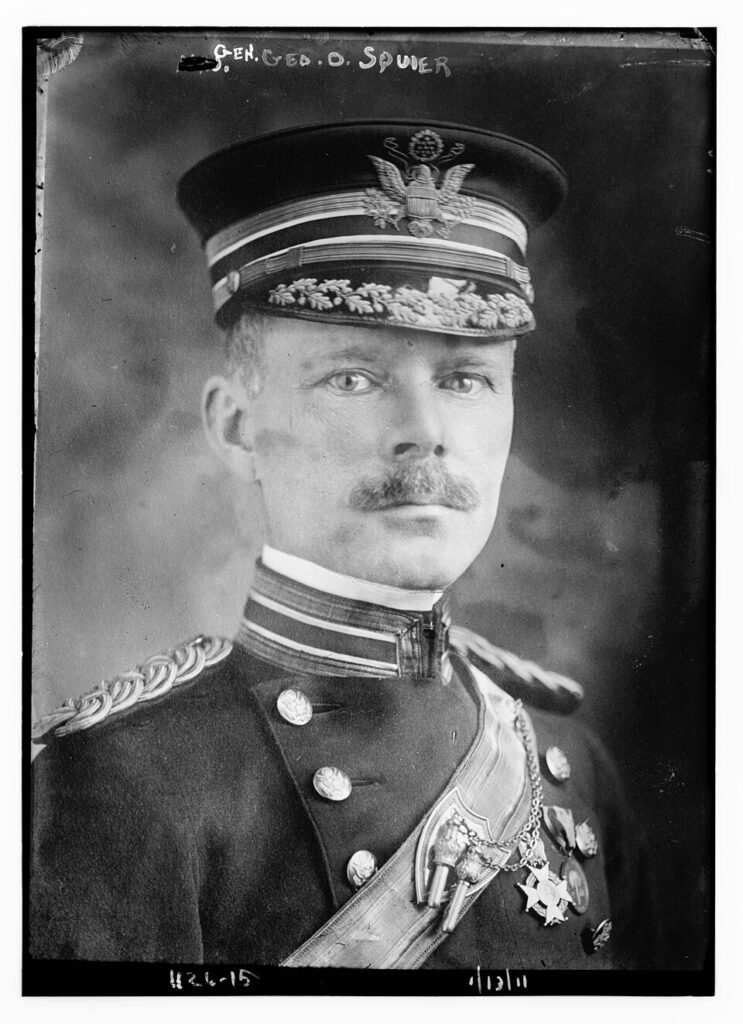
Born March 21, 1865—just weeks before the Civil War’s end—George Owen Squier grew up in a country learning to rebuild, and imagined a new way to connect it through invisible sound. His experiments became Muzak, the engineered blend of music and psychology that filled America’s offices, factories, elevators, and public spaces for most of the twentieth century

Technicians carefully tend to the Wright R-2600 ‘Twin Cyclone,’ a robust engine that epitomized WWII aviation engineering. This 14-cylinder, twin-row radial powerhouse drove legendary aircraft like the B-25 Mitchell bomber, the A-20 Havoc, and the TBF Avenger into history.
Photo taken on March 21, 1943
Image via Wikimedia Commons, no known restrictions.
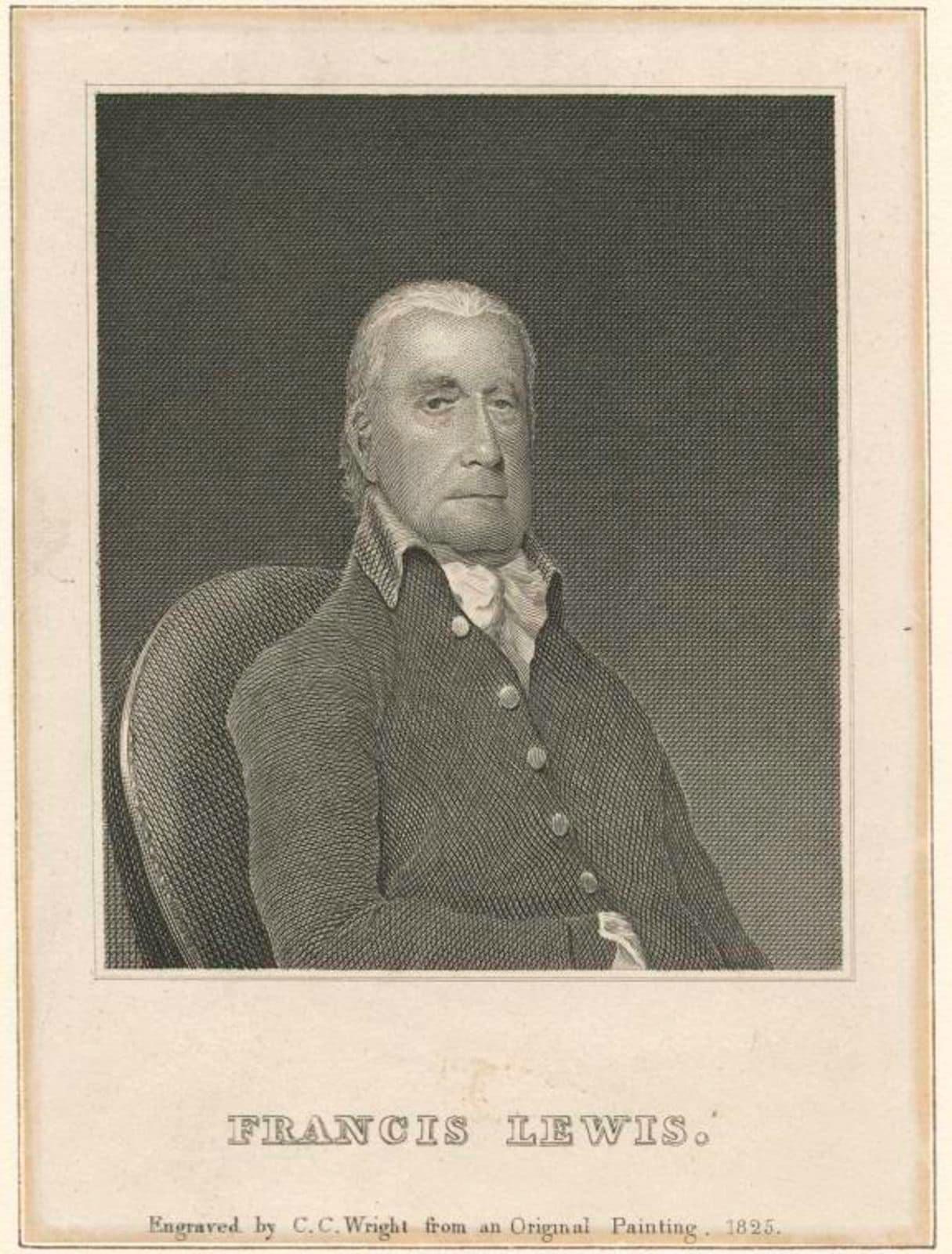
On March 21, 1713 Founding Father of The United States, Francis Lewis, was born in Wales.
He signed The Declaration of Independence and the Articles of Confederation.
As a young merchant during The French and Indian War he was taken prisoner, sent to France and spent years in jail before returning to the American colonies in the 1760s.
Image via NYPL Digital Collections, no known restrictions
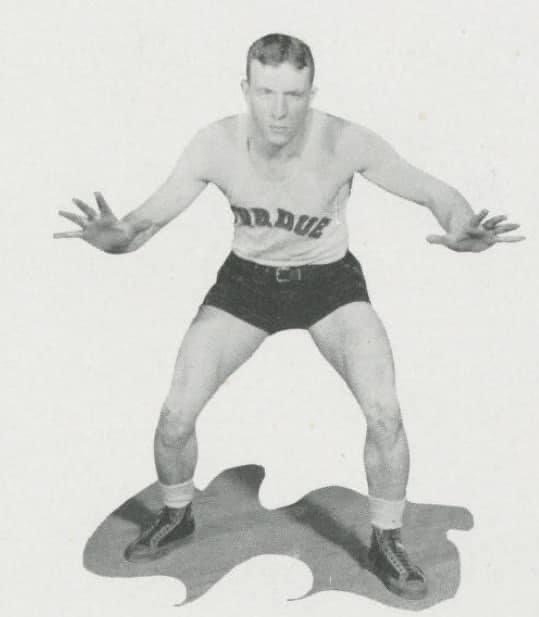
Image of John Wooden c. 1931-1932 when he played college basketball for Purdue.
On March 21, 1970 Coach Wooden led his UCLA Bruins to a 4th consecutive NCAA men’s basketball Championship.
Image via Wikimedia Commons, public domain
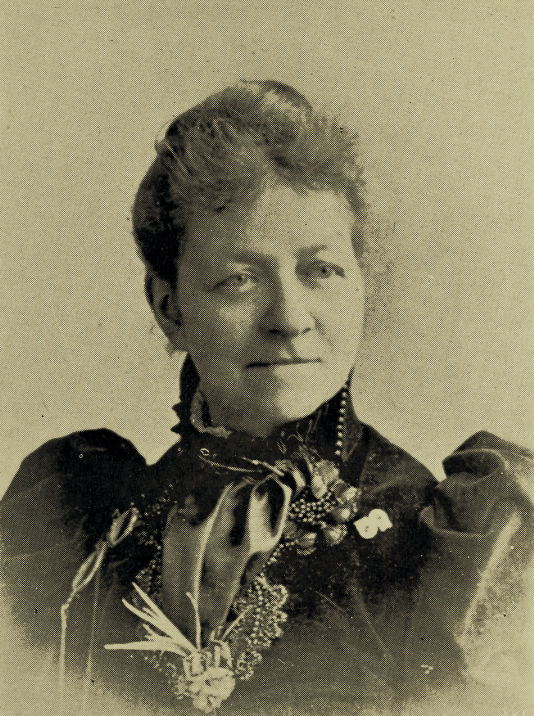
Image of pioneer journalist Jane Cunningham Croly who started the first professional women’s club in the United States (Sorosis) on March 21, 1868.
Jane married her husband David on Valentine’s Day in 1856.
Image via Wikimedia Commons, public domain
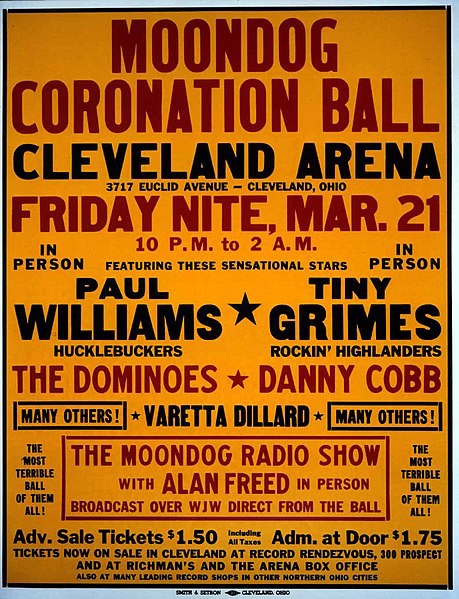
On March 21, 1952 disc jockey Alan Freed of Cleveland radio station WJW organized and hosted the Moondog Coronation Ball at the Cleveland Arena. Music historians consider the event to be the first rock and roll concert.
Image via Wikimedia Commons, no known copyright, public domain in the US.
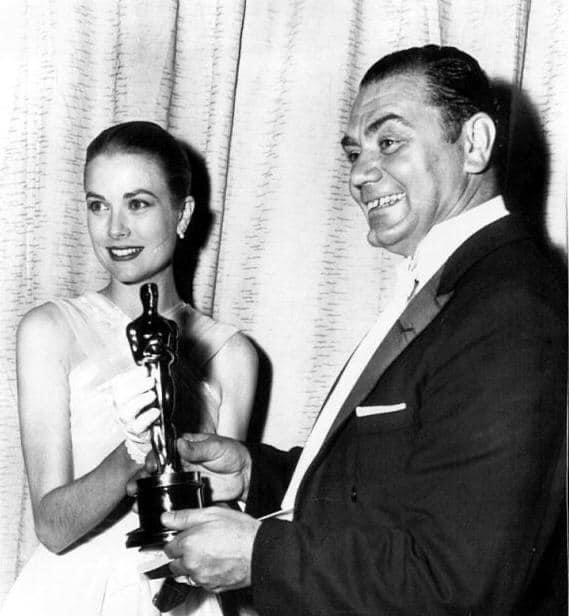
Photo of Ernest Borgnine receiving the Academy Award from Grace Kelly for the 1955 film Marty
– March 21, 1956
via Wikimedia Commons, public domain
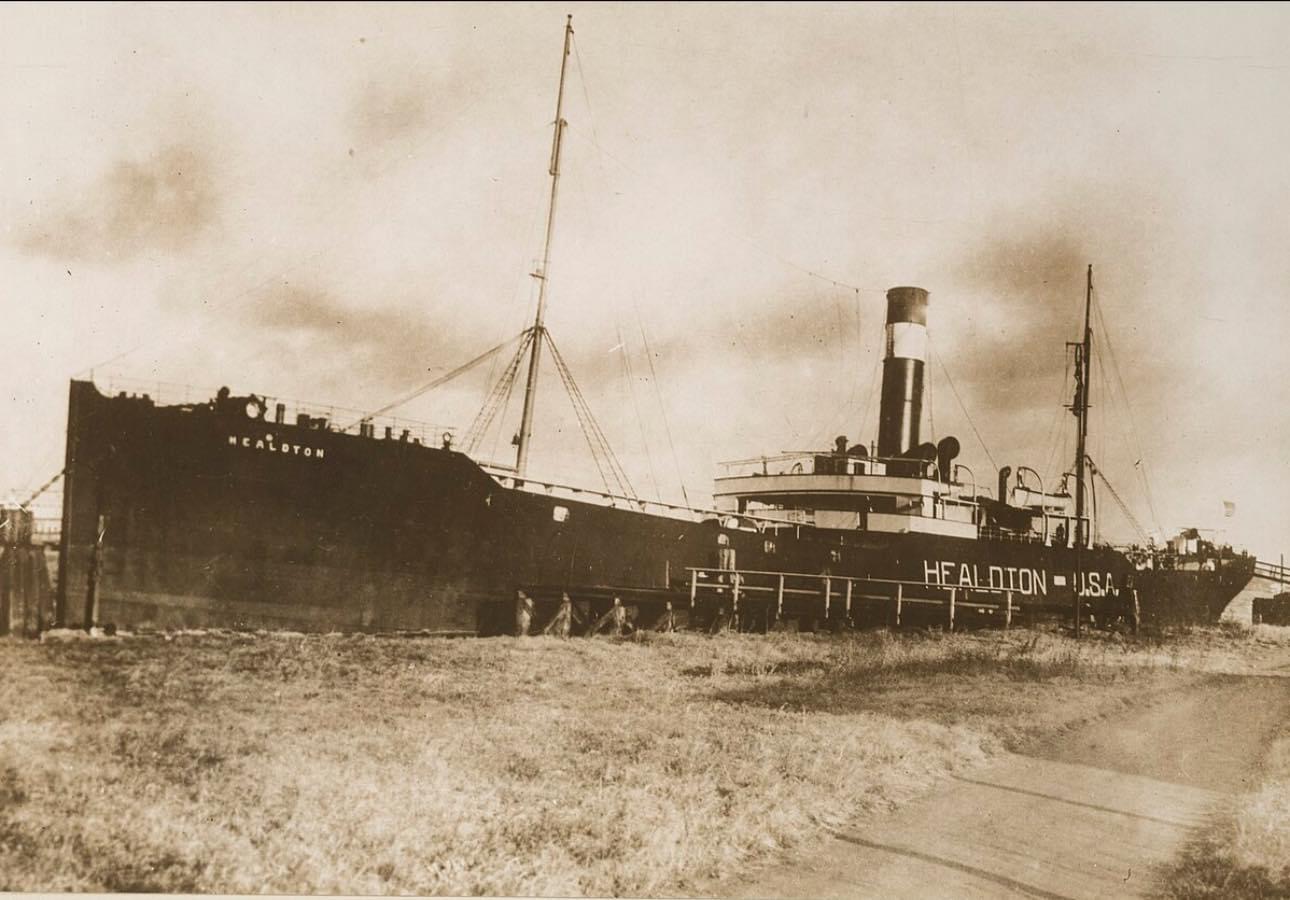
S.S. HEALDTON, Standard Oil tanker which was torpedoed 25 miles in the middle of what had previously been known as one of the “safety zones” in the barred area on March 21, 1917. The crew included 13 Americans of whom only six were reported among the survivors.
via Wikimedia Commons, public domain
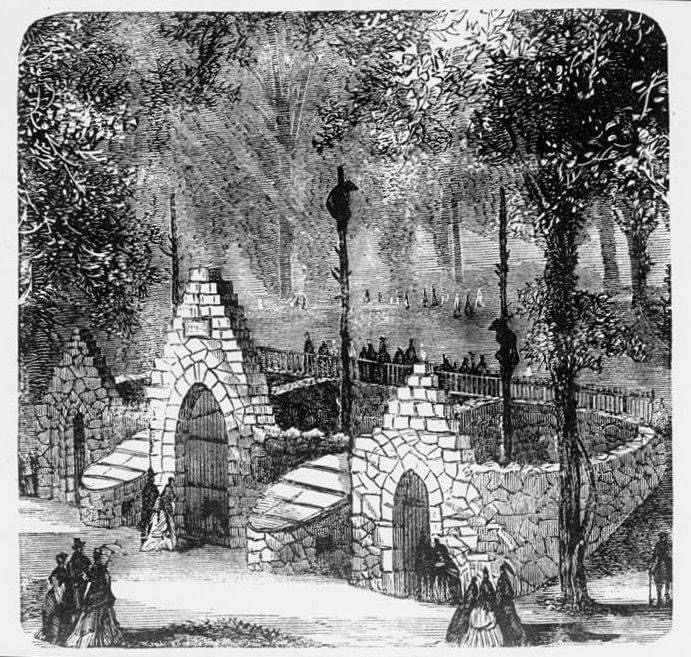
On today’s date March 21, 1859: The first zoological society in America was incorporated in Philadelphia. The opening of the zoo did not occur until July 1874, over nine years after the American Civil War.
https://archive.org/stream/officialguideboo00west#page/188/mode/2up/search/+Zoological
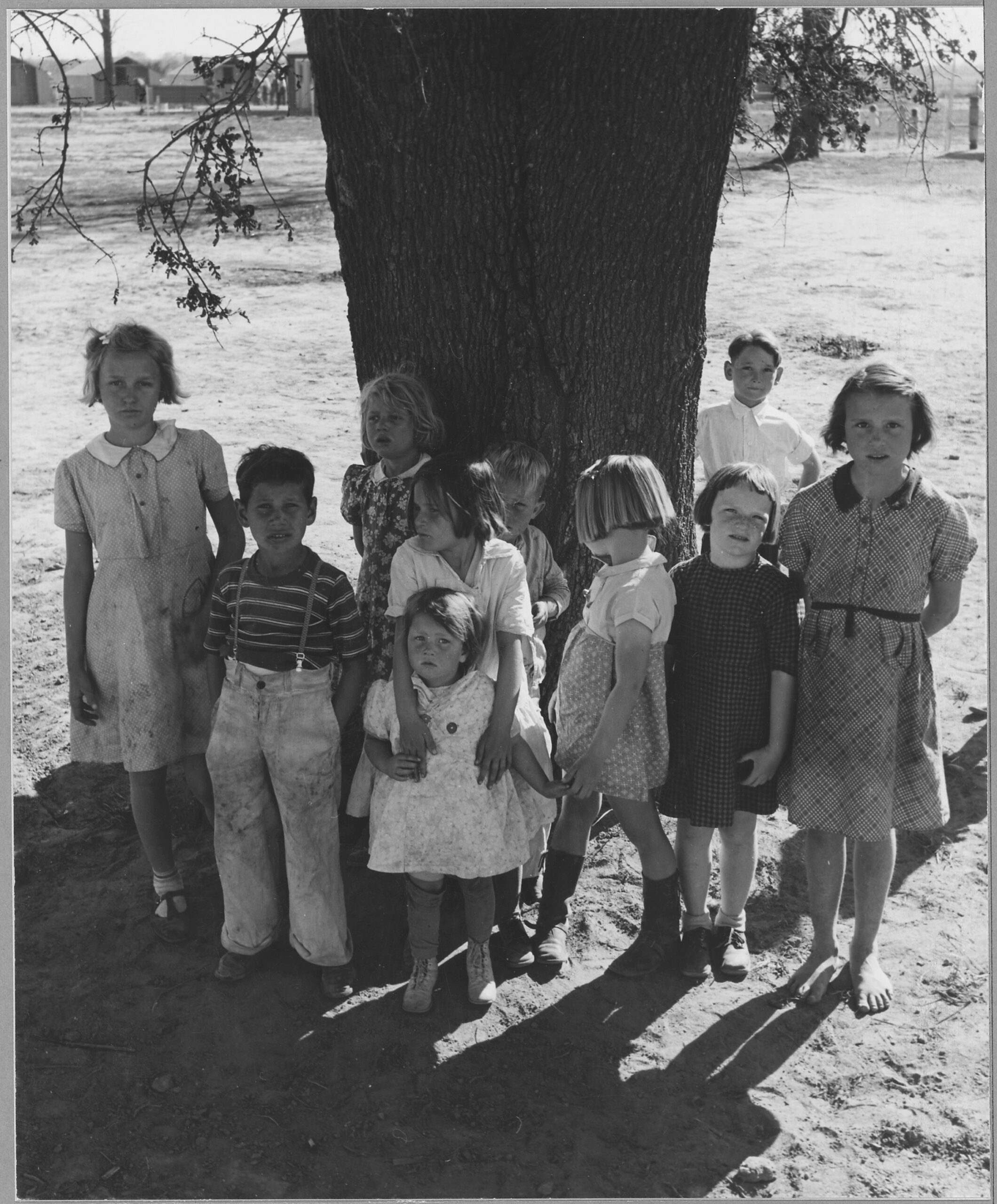
Near Yuba City, California. Children of migrant workers in Yuba City Agricultural Farm Workers Community. Spring afternoon, after school.
March 21, 1940
via Wikimedia Commons, public domain
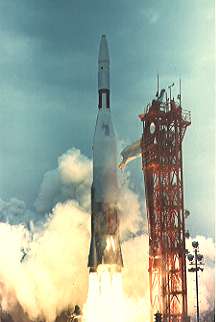
Ranger 9, the lunar probe, was launched on March 21, 1965. The probe took numerous images of the moon which were broadcast to millions of American viewers before it crashed into Alphonsus crater. The mission lasted about 2 & 1/2 days.
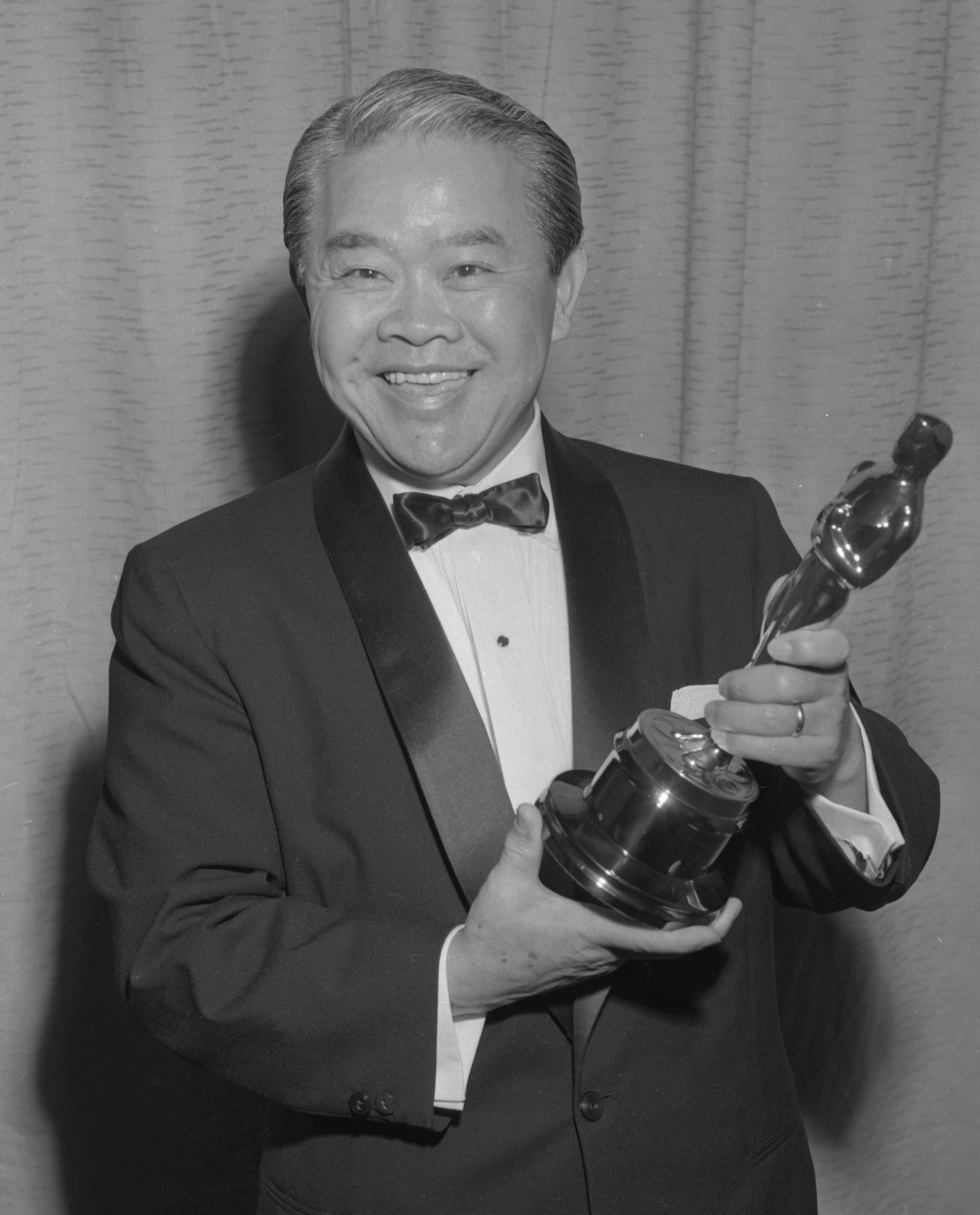
On March 21, 1956, James Wong Howe made history as the first Asian American to win an Academy Award. He earned the Oscar for Best Cinematography (Black & White category) for his masterful work on the 1955 film *The Rose Tattoo.*
Interestingly, the Academy continued awarding a separate Oscar for Black & White Cinematography for another 11 years, until 1967.
Image via Wikimedia Commons, public domain
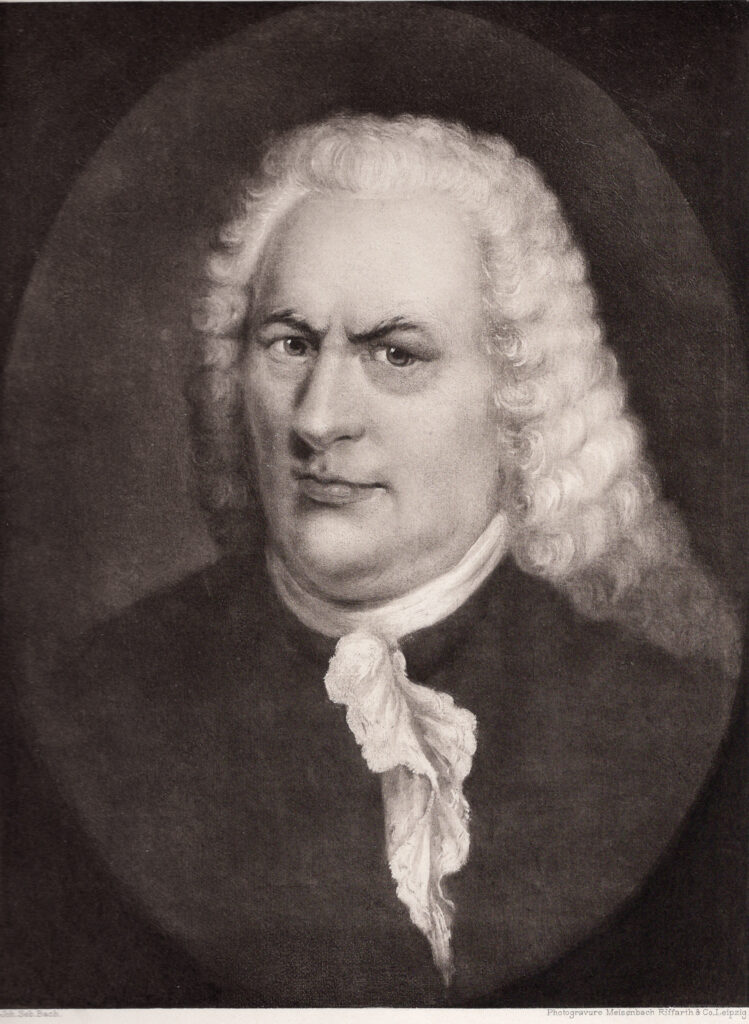
Born on March 21, 1685, Johann Sebastian Bach never set foot in America—yet Americans spent centuries chasing his sound. Moravian musicians in Bethlehem, Pennsylvania—figures like Johann Friedrich Peter—carried his sacred tradition into the colonies before the Revolution. Charles Theodore Pachelbel moved through Boston, Newport, New York, and Charleston, bringing with him the German keyboard lineage that shaped Bach himself. In the nineteenth century, Americans such as Lowell Mason crossed the Atlantic to study Bach’s scores firsthand, while composers like John Knowles Paine and Horatio Parker trained in Germany to absorb his counterpoint at the source. By the time the United States built conservatories, modern organs, and its own musical identity, Bach had become a cornerstone of America’s sacred, academic, and cultural life.
Even in World War II, when Leipzig was scarred by Allied bombing, the church where Bach worked and is buried endured — a reminder of how his music outlasted the destruction of the city around it.
Editor’s Note: Bach’s birthday is traditionally recognized as March 21, 1685, the date recorded in his original baptismal documents under the Julian calendar used in German states at the time.
