
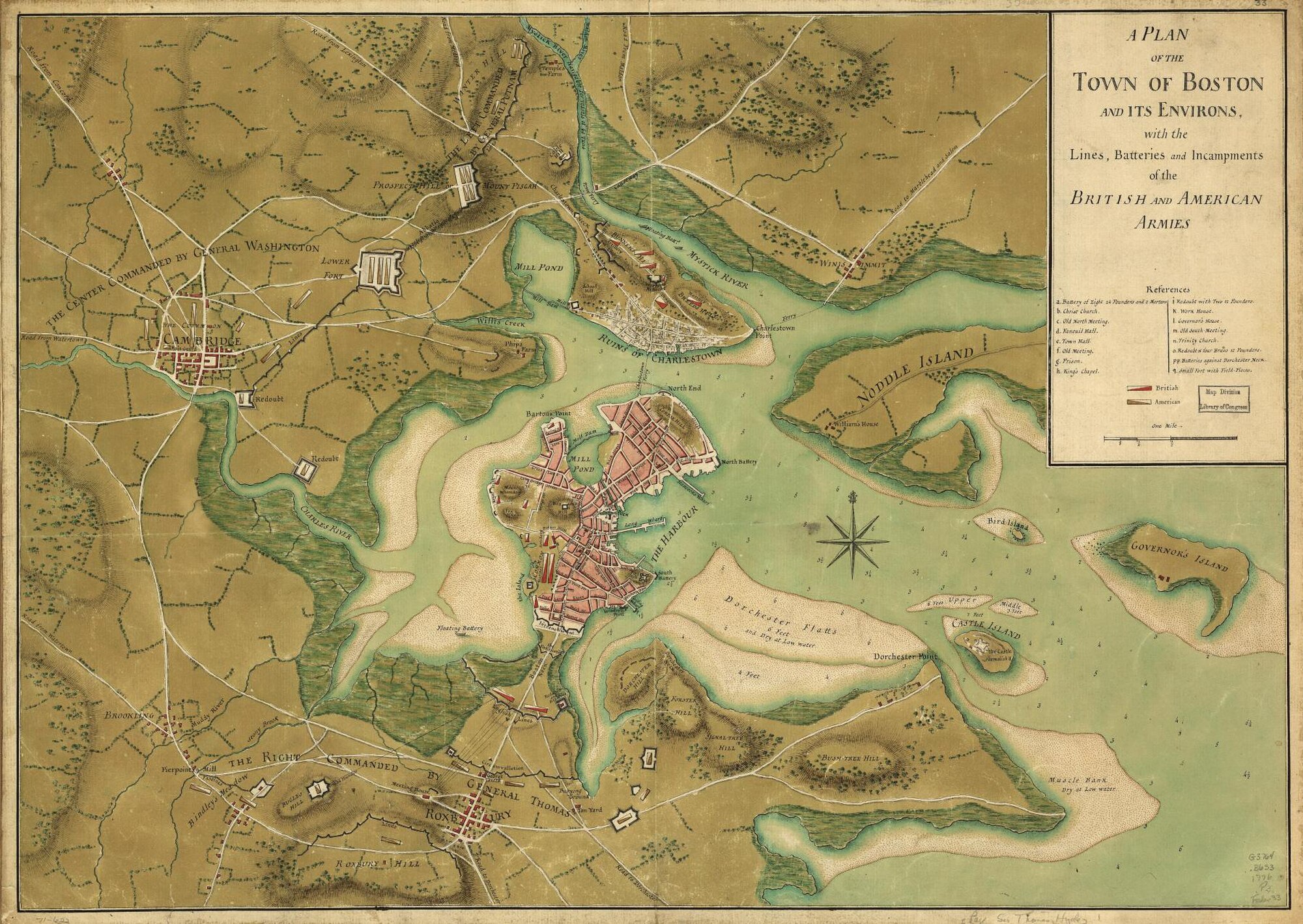
Artillery brought from Fort Ticonderoga under Henry Knox began arriving in Cambridge in late January 1776, giving George Washington—for the first time—the heavy guns needed to pressure British forces in Boston. On the evening of March 2, 1776, the Continental Army opened a sustained bombardment of the city from Cobble Hill and Lechmere’s Point. The British answered with their own cannon fire as both sides braced for the decisive move Washington would make two nights later on Dorchester Heights.
Image via Wikimedia Commons, public domain
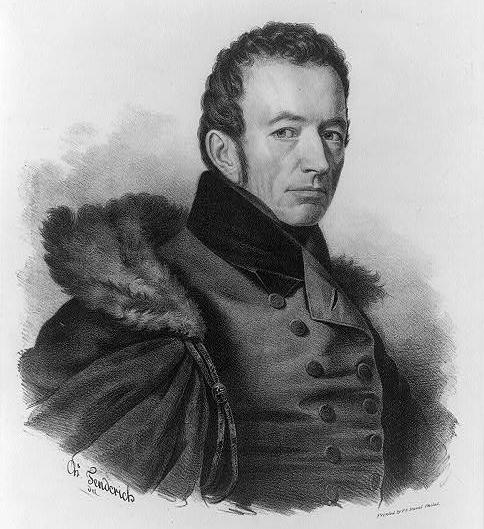
Joel Roberts Poinsett, the first U.S. Minister to Mexico, was born on March 2, 1779 in Charleston, S.C.
While in Mexico he sent samples of a colorful flower to the U.S. which became known as the poinsettia.
Image via Wikimedia Commons, public domain
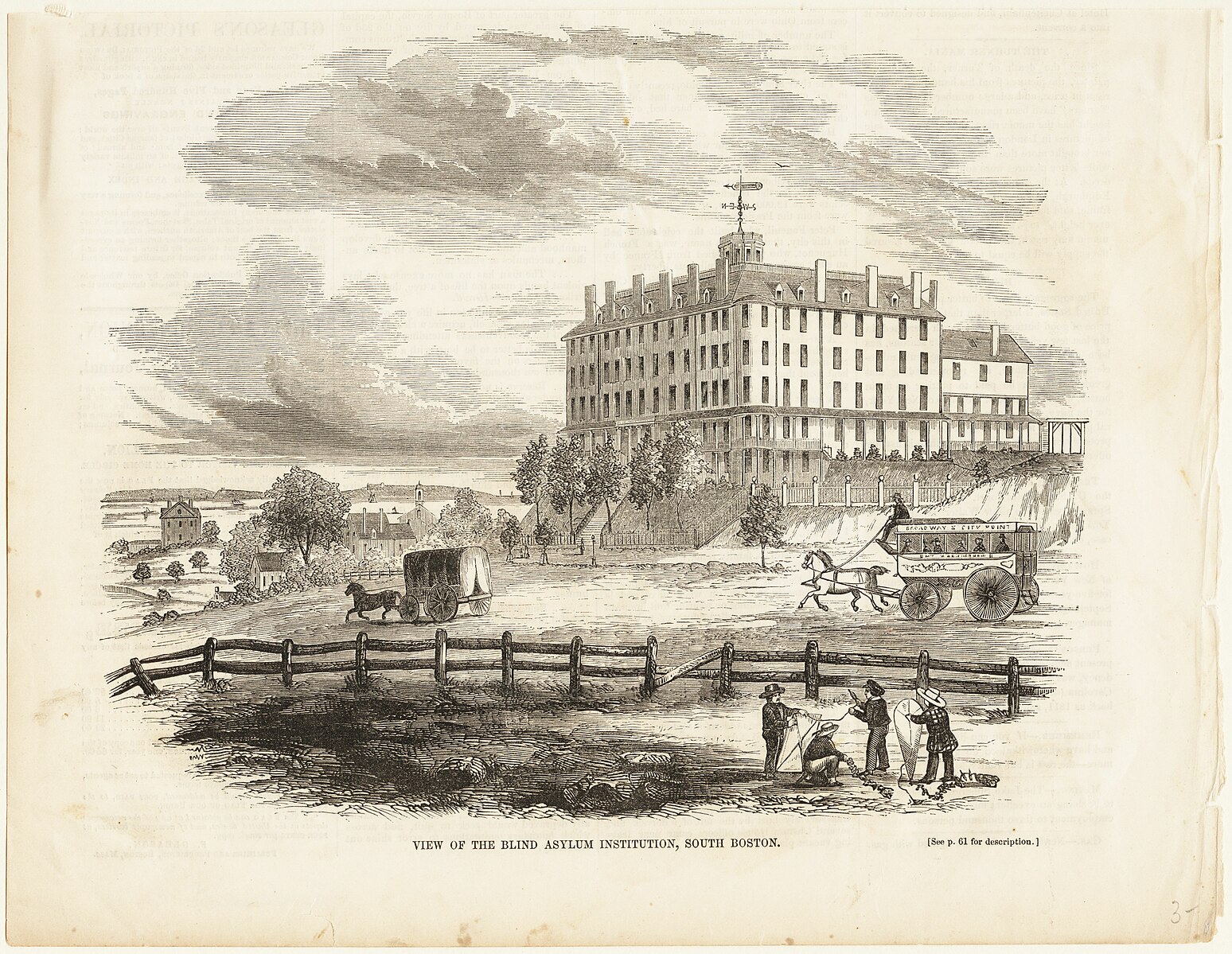
The first school for the blind in the United States, the New England Asylum for the Blind (now known as Perkins School for the Blind) in Boston, was incorporated on March 2, 1829.
Image via Wikimedia Commons, public domain
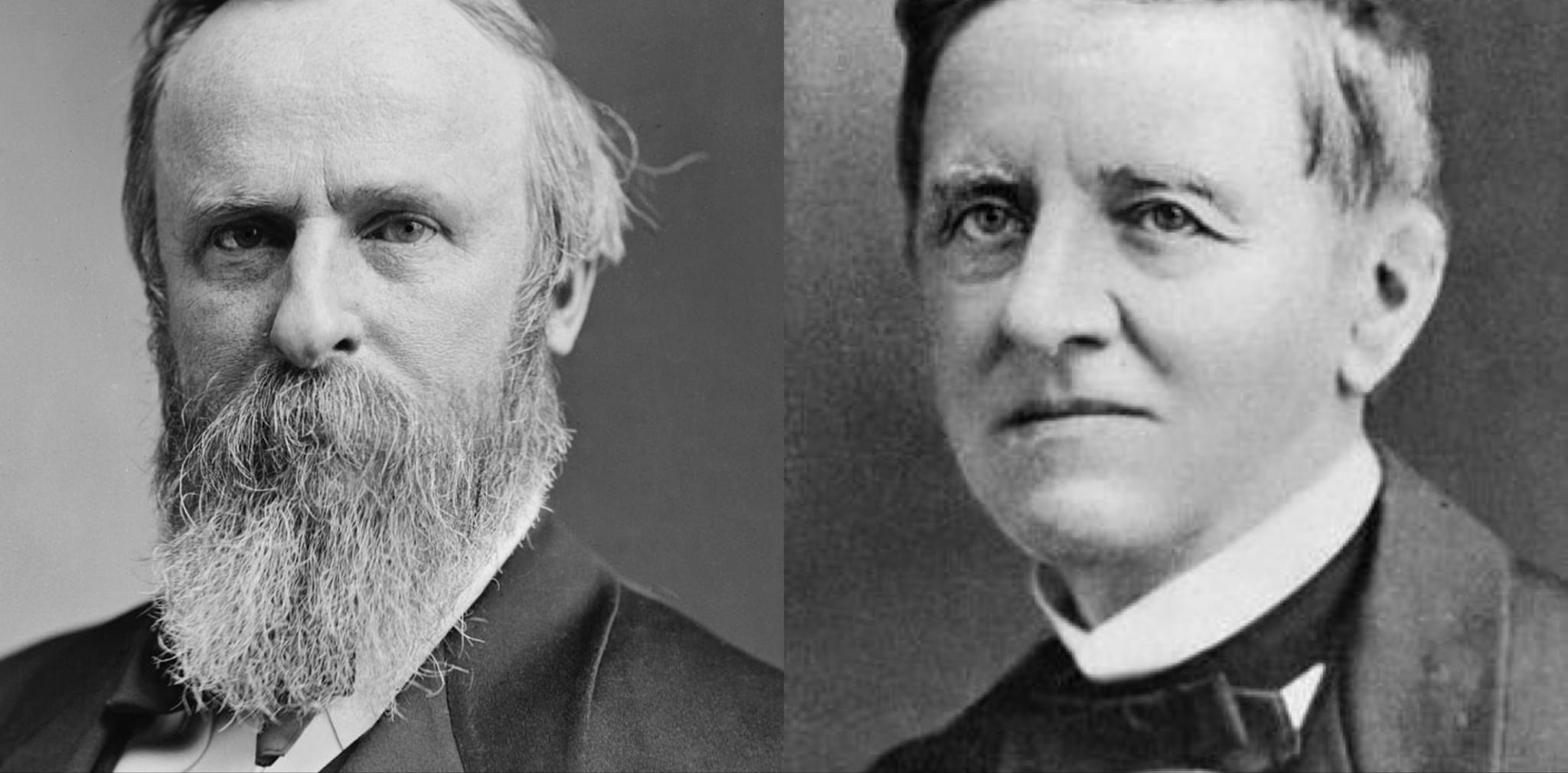
On March 2, 1877, Rutherford B. Hayes was declared the winner of the Presidential Election of 1876 by the narrowest margin of electoral votes in American history (just one.)
185 (Hayes) vs. 184 (Tilden) electoral votes
Images via Wikimedia Commons, public domain
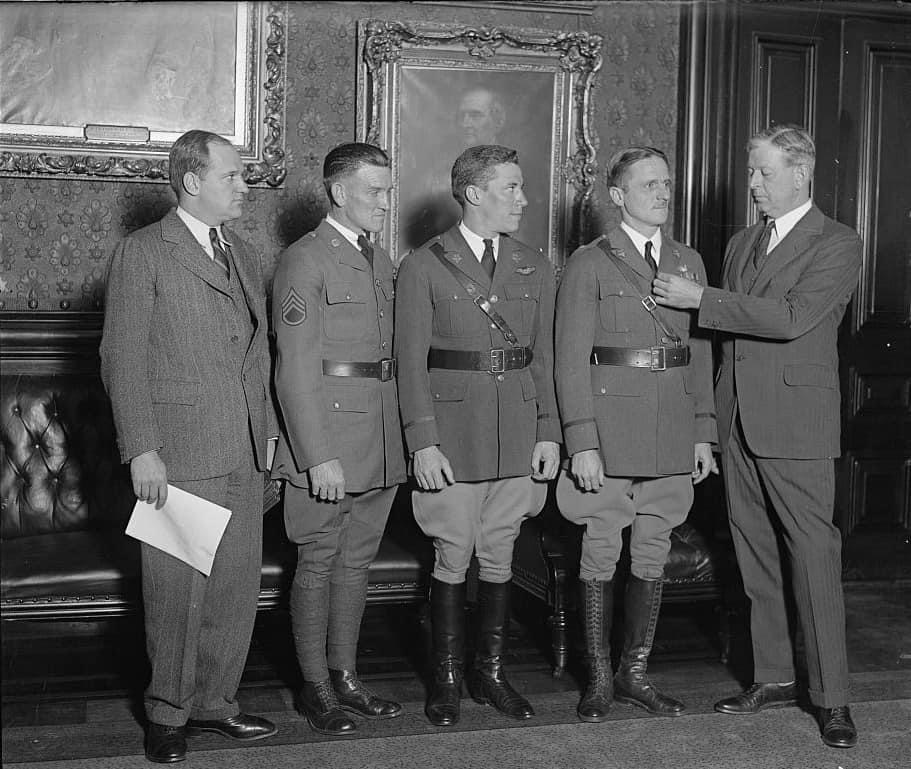
Secty. Davis decorating crew of The Question Mark on March 2, 1929
The Question Mark was an endurance aircraft that broke aviation records during the interwar period between WWI and WWII.
Image via Library of Congress, no known restrictions
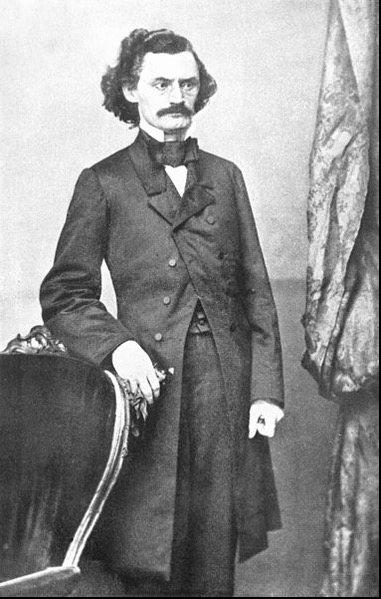
Born March 2, 1829, German immigrant Carl Schurz led a remarkable American life as a Senator from Missouri, a Union general whose service stretched from Second Bull Run through Chancellorsville and the desperate first day at Gettysburg, and later as Secretary of the Interior. A social reformer who opposed U.S. imperialism, he declared, “My country right or wrong; if right, to be kept right; and if wrong, to be set right.”
Image by Mathew Brady, Wikimedia Commons, public domain in the US.
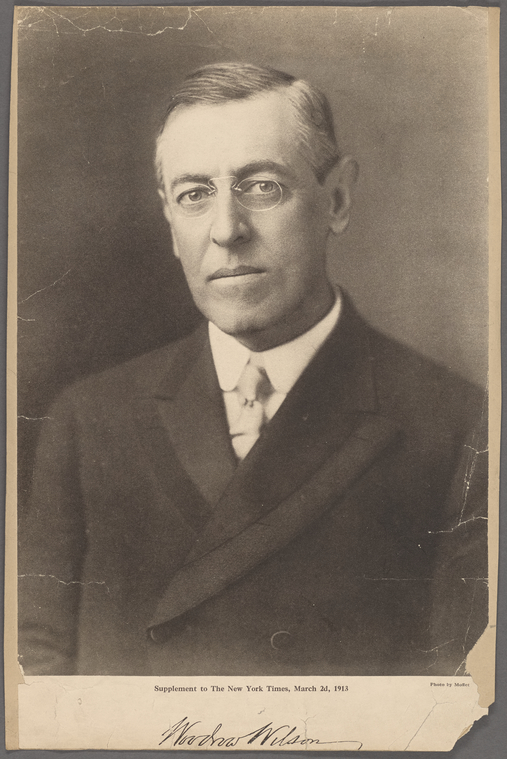
A photograph of Woodrow Wilson that was published on March 2, 1913, just a few days before he took office as President of The United States
Image via NYPL Digital Collections
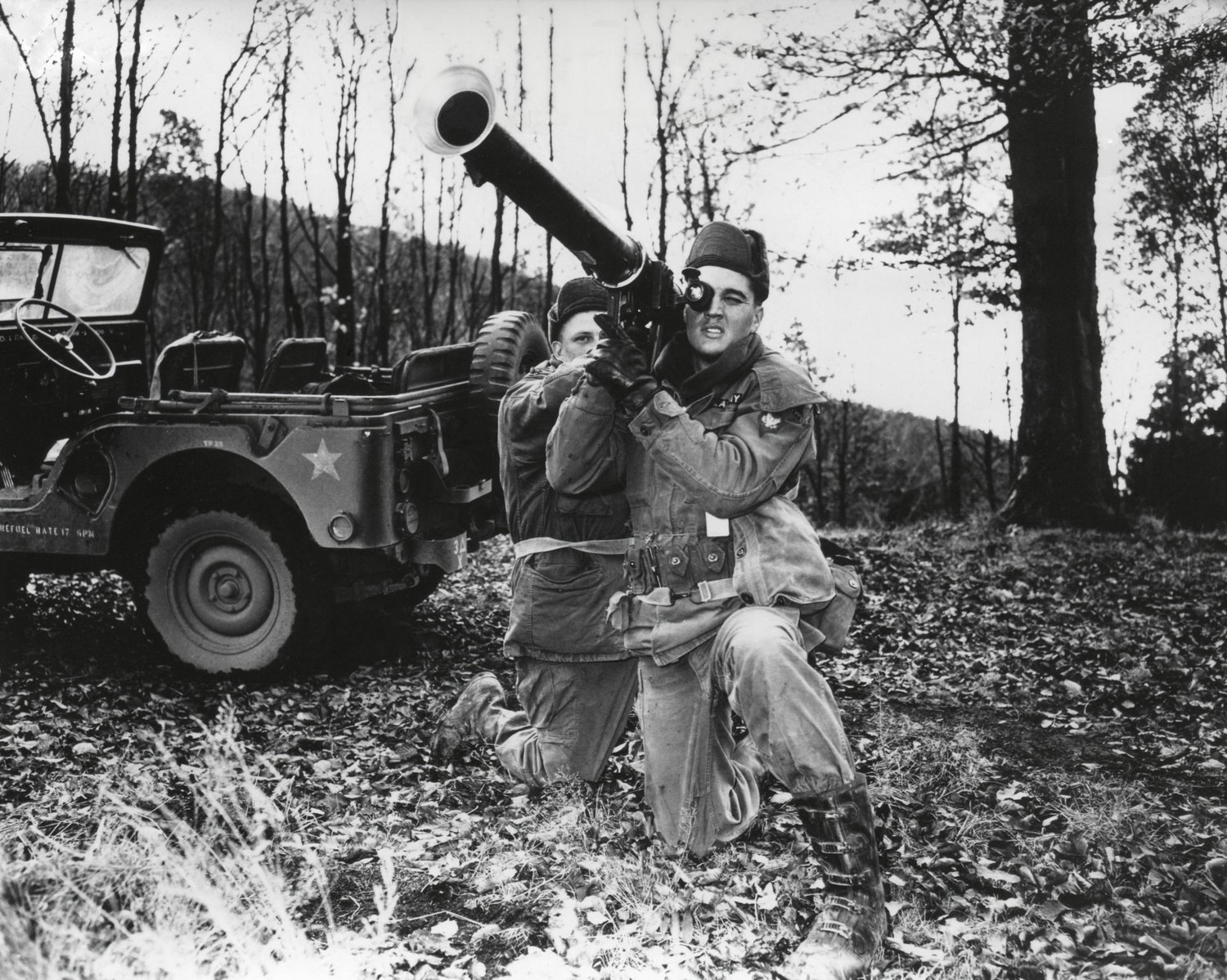
Elvis Presley training with a bazooka while on maneuvers in Germany. He served in Germany from October 1, 1958, until March 2, 1960, with 1st Medium Tank Battalion, 32d Armor, 3d Armored Division
Image c. 1959 via Alamy
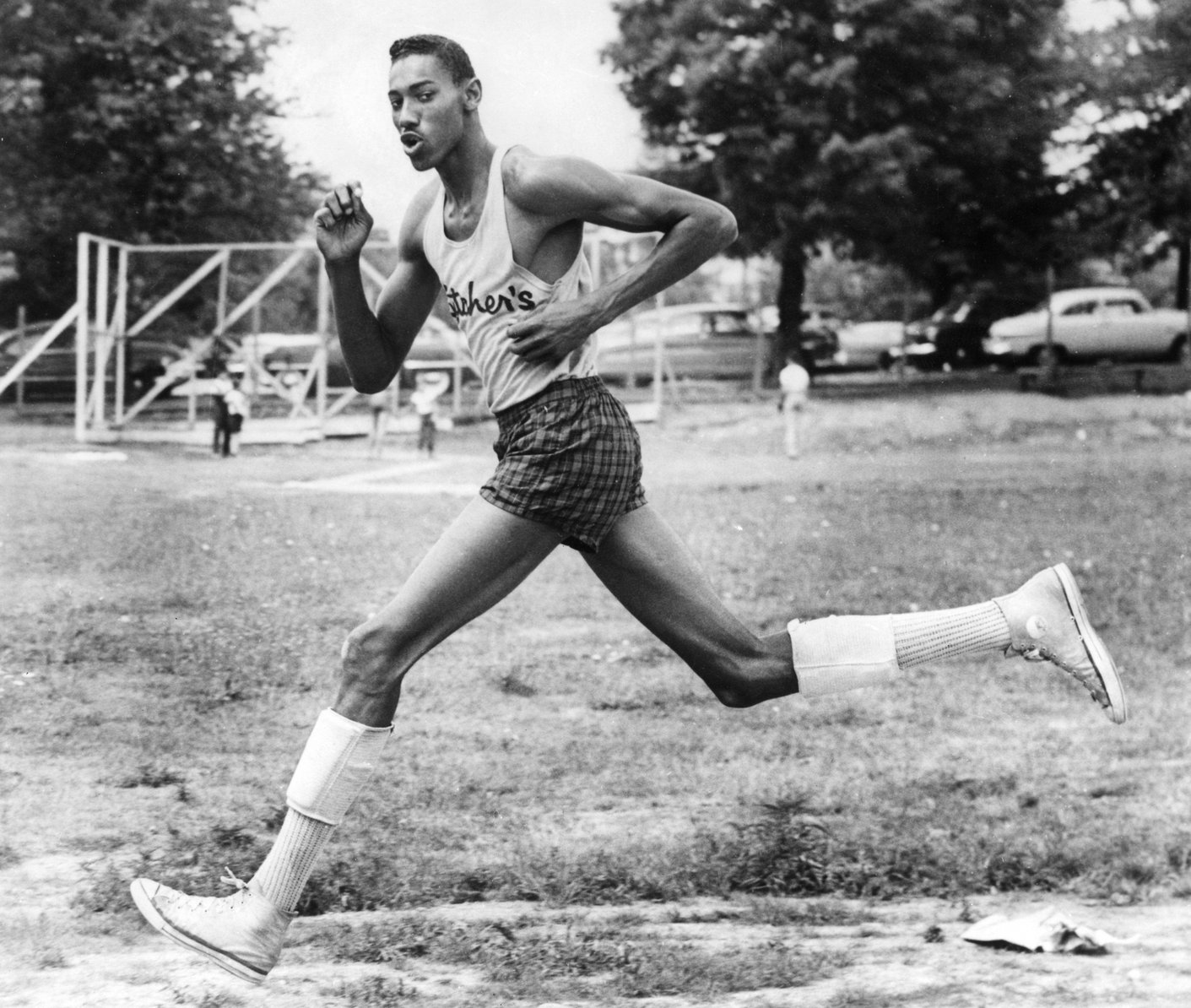
On today’s date March 2, 1962, Philadelphia Warrior Wilt Chamberlain scored 100 points in Hershey, Pennsylvania.
Wilt Chamberlain Pictured at age 17 when he was a senior at Philadelphia Overbrook High School when he was an athletic prospect in 1954 via Alamy

Born on March 2, 1950, in New Haven, Connecticut, Karen Carpenter emerged first as a drummer with impeccable timing before becoming one of the most distinctive vocalists in American popular music. Her clear, unforced voice—paired with the musical architecture she built alongside her brother Richard—helped define the sound of 1970s pop. Over time she became a cultural touchstone, her artistry enduring long after her early death and her life prompting a national reckoning with the pressures placed on performers. The recordings she made remain among the most recognizable and emotionally direct in modern American music.
Image of Karen and her brother Richard of the musical duo the Carpenters in 1974 via Wikimedia Commons, public domain
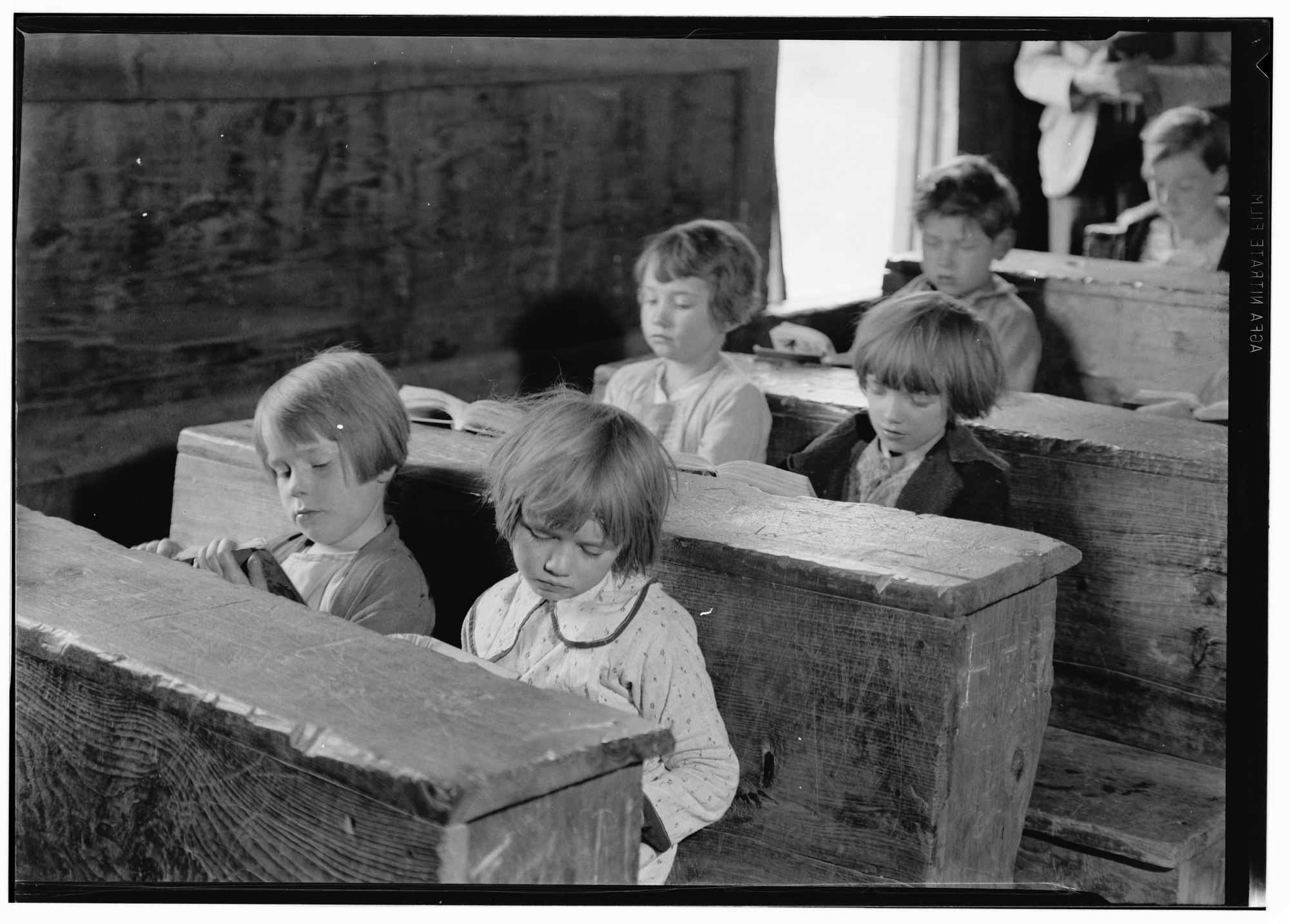
Little Greenbrier School and Church House, Wears Valley, Sevier County, TN
March 2, 1936
via Wikimedia Commons, public domain
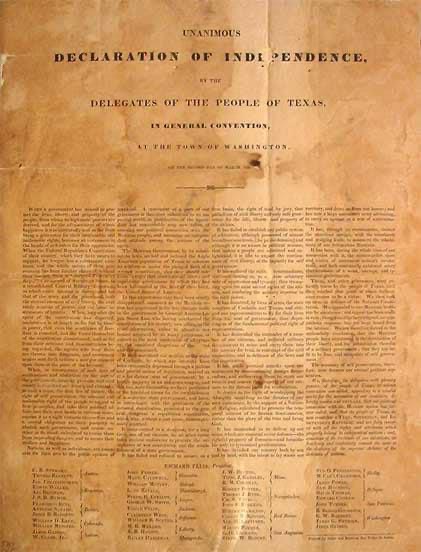
On March 2, 1836, the Republic of Texas was created when delegates signed the Texas Declaration of Independence (from Mexico).
Sam Houston was one of the signatories.
Image via Wikimedia Commons, public domain
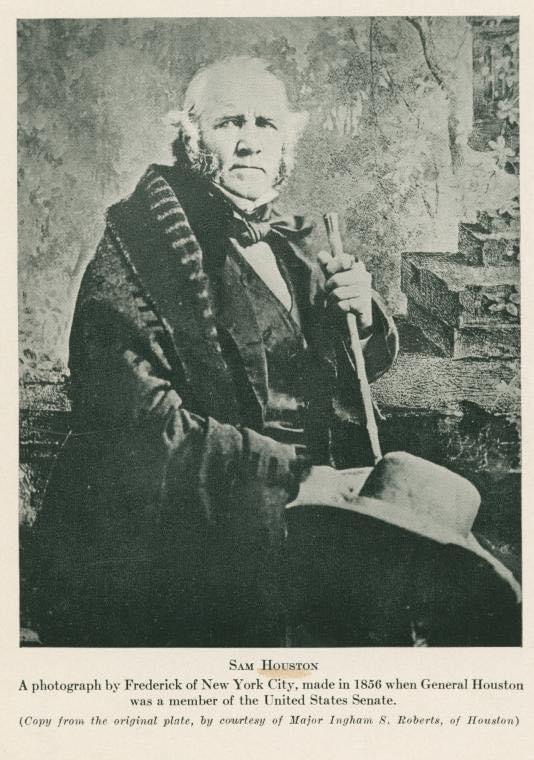
“Gen. Sam Houston was born the 2d of March, 1793, in Rockbridge County, Virginia, seven miles east of Lexington, at a place known as Timber Ridge Church. The day of his birth he was, many years afterwards, to celebrate as the anniversary of the birth of a new republic — for it was on his natal day that Texas declared herself free and independent.
His ancestors, on his father’s and mother’s side, are traced back to the Highlands of Scotland. They are there found fighting for “God and liberty,” by the side of John Knox. During those times of trouble, they emigrated with that numerous throng of brave men and women, who were driven away from their Highland homes to seek a refuge in the north of Ireland. Here they remained till the siege of Derry, in which they were engaged, when they emigrated to Pennsylvania. For more than a century these families seemed to have kept together in all their wanderings, and at last a union was formed between them, by the marriage of his parents, who had been sometime settled in Virginia, when the birth of the subject of this book took place.
His father was a man of moderate fortune; indeed, he seems to have possessed the means only of a comfortable subsistence. He was known only for one passion, and this was for a military life. He had borne his part in the Revolution, and was successively the Inspector of Gen. Bowyer’s and Gen. Moore’s Brigades. The latter post he held till his death, which took place in 1801, while he was on a tour of inspection among the Alleghany Mountains. He was a man of powerful frame, fine bearing, and indomitable courage. These qualities his son inherited, and they were the only legacy he had to leave him.
His mother was an extraordinary woman. She was distinguished by a full, rather tall, and matronly form, a fine carriage, and an impressive and dignified countenance. She was gifted with intellectual and moral qualities, which elevated her, in a still more striking manner, above most of her sex. Her life shone with purity and benevolence, and yet she was nerved with a stern fortitude, which never gave way in the midst of the wild scenes that chequered the history of the frontier settler. Her beneficence was universal, and her name was called with gratitude by the poor and the suffering. Many years afterwards, her son returned from his distant exile, to weep by her bedside when she came to die.
Such were the parents of this man.”
From The Life of Sam Houston. The hunter, patriot, and statesman of Texas
by C. Edwards Lester, published in 1866
https://archive.org/details/lifeofsamhouston00les/page/17
Source says not in copyright
The Miriam and Ira D. Wallach Division of Art, Prints and Photographs: Print Collection, The New York Public Library. “Portraits” New York Public Library Digital Collections.
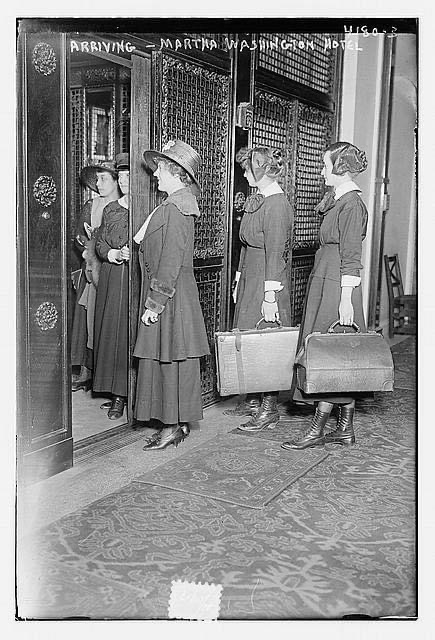
On today’s date March 2, 1903, the Martha Washington Hotel located at 29 East 29th Street opened. It was the first hotel solely for women in New York City.
Image of women arriving at the hotel c. 1915-1920 via LOC, no known restrictions
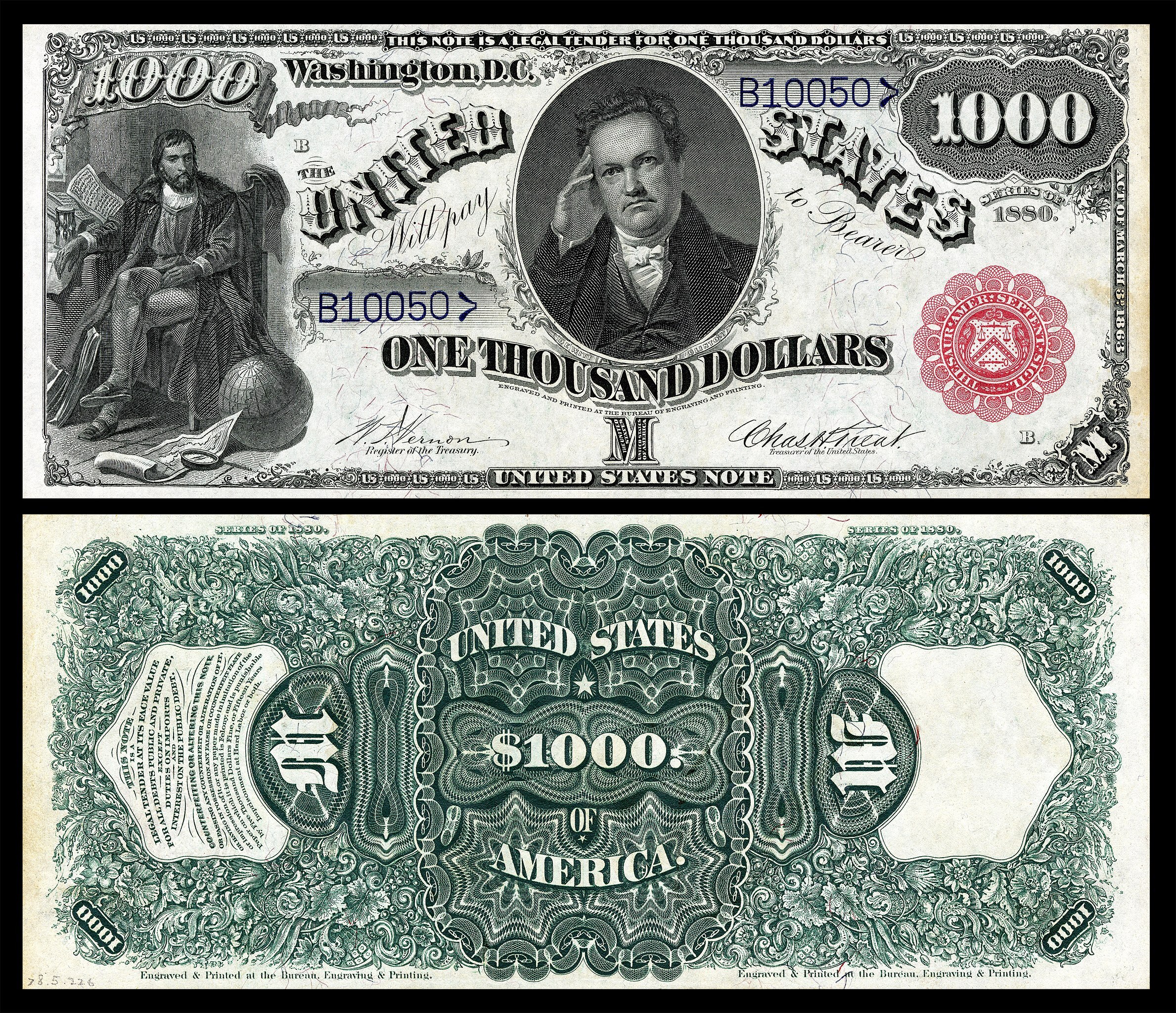
Born on March 2, 1769, in Little Britain, New York, DeWitt Clinton became one of the most consequential public figures of the early republic—a statesman whose political reforms, civic planning, and sweeping vision for internal improvements reshaped both New York and the nation. As mayor, senator, and governor, he pushed for public education, public health initiatives, and a more orderly, modern city. But his greatest legacy was the Erie Canal, a project that transformed American commerce, opened the interior of the continent, and announced New York’s rise as the country’s economic center. His portrait later appeared on the $1,000 Legal Tender note of the late 19th century, a reminder of how fully his name had become synonymous with the state’s ambition, engineering audacity, and political reach.
Image via Wikimedia Commons, public domain
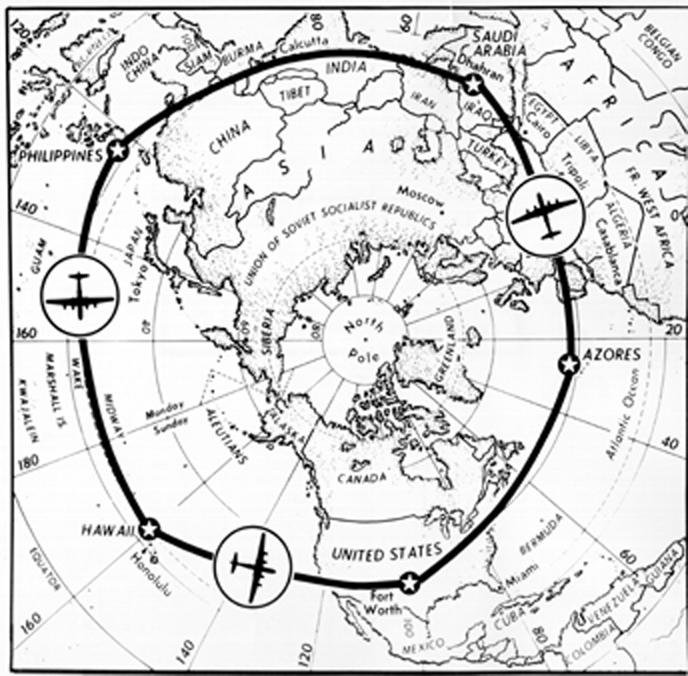
Lucky Lady II makes historic round-the-world flight
On March 2, 1949, a B-50 Superfortress named “Lucky Lady II” made the first round-the-world nonstop flight when it landed at Carswell Air Force Base near Fort Worth, Texas. The trip took just over 94 hours.
Image: Lucky Lady II flight map via Wikimedia Commons, public domain
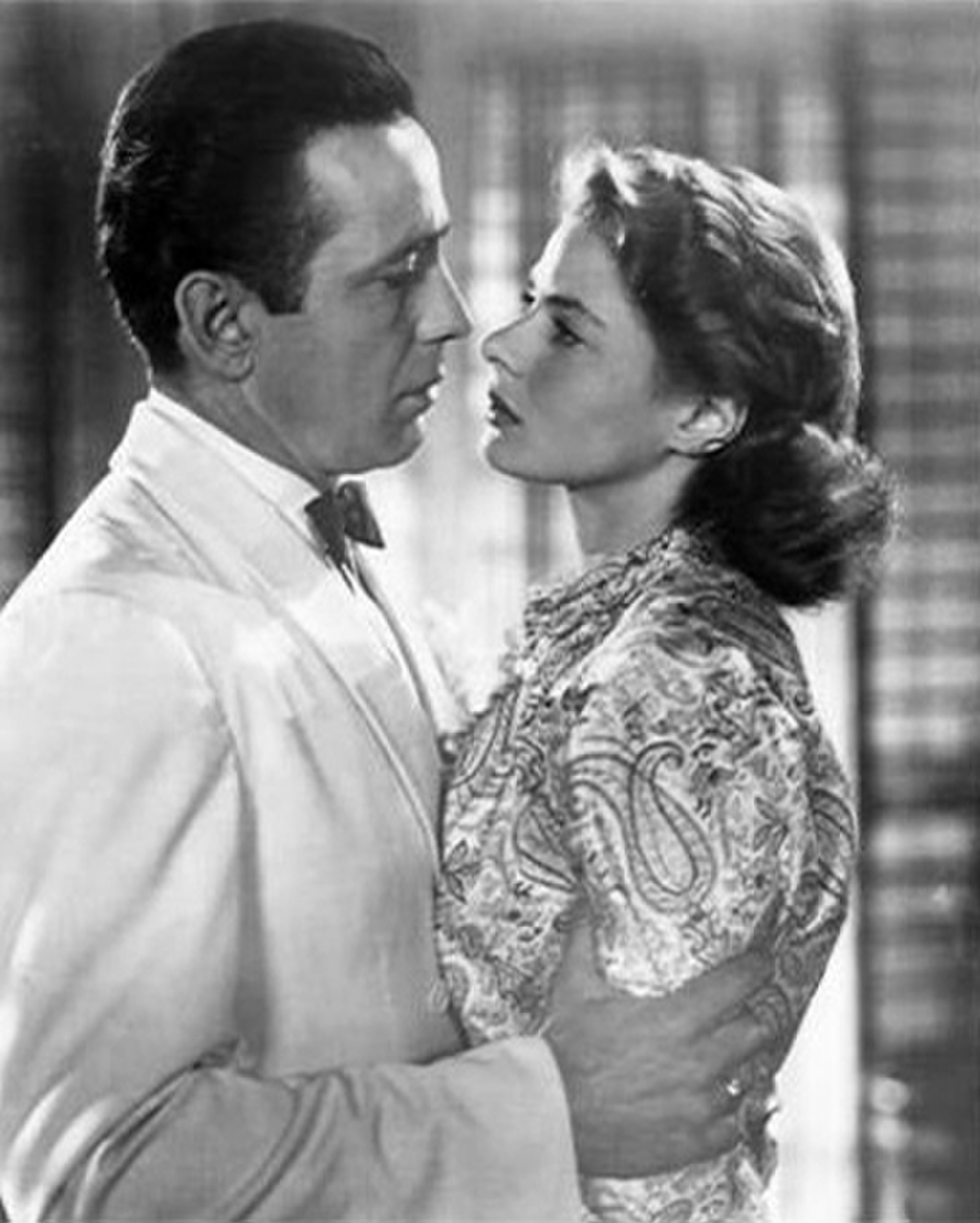
When Casablanca won Outstanding Motion Picture on March 2, 1944, it affirmed the film’s unusual achievement: a studio picture made under pressure, with a script rewritten almost daily, that nonetheless produced some of the most enduring performances in American cinema. Bogart and Bergman’s restrained intensity gave the film its lasting emotional weight.
Image via Wikimedia Commons, public domain
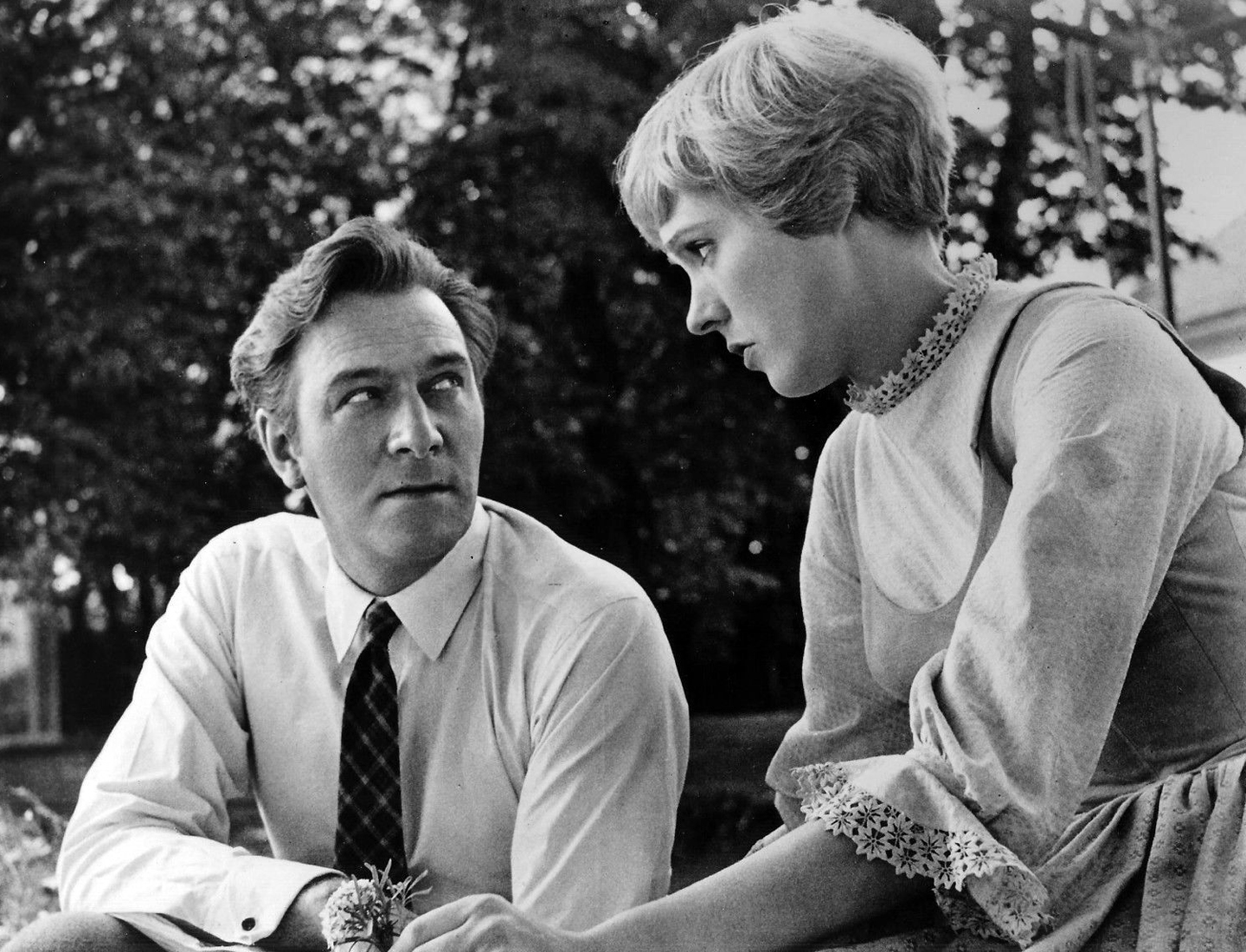
On March 2, 1965, The Sound of Music premiered at the Rivoli Theater in New York City.
Image via Wikimedia Commons, public domain
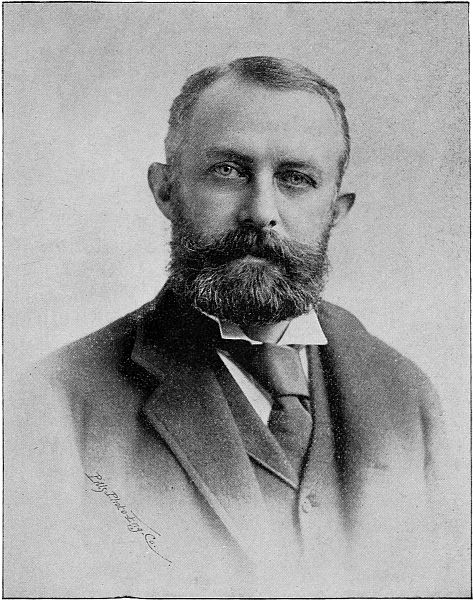
On March 2, 1901, J.P. Morgan finalized the creation of the United States Steel Corporation—the world’s first billion-dollar company and a defining force in American industry. A key architect of this merger was Henry Clay Frick (shown), the uncompromising chairman of Carnegie Steel whose control over coke (the purified, high-carbon coal used to fuel blast furnaces) provided the essential foundation for Morgan’s empire.
However, Frick’s industrial success was inseparable from a legacy of deep conflict. Nearly a decade before U.S. Steel’s formation, his hardline stance during the violent 1892 Homestead Strike—where he survived a dramatic assassination attempt—cemented his reputation as a polarizing figure. While his resilience and efficiency enabled a global ‘industrial colossus,’ his tactics also sparked a struggle for workers’ rights that is still debated today.
