
 Mystery March Is Here!
In March 1493, as the Niña crept toward the Portuguese coast after a storm‑torn Atlantic crossing, Columbus finished the letter that would race across Europe faster than the man who wrote it.
The earliest printed edition dates it to March 14—a number many historians now suspect was a printer’s slip—but the uncertainty only deepens the moment’s haze. Somewhere in those days, with land rising on the horizon, he drafted two reports: a formal account for Ferdinand and Isabella, and a more urgent, conversational version for Luis de Santángel, the royal finance minister who had backed the voyage.
It was the Santángel letter—brisk, vivid, and written with the energy of a man seeking continued support—that printers seized upon. In it, Columbus described the islands he believed lay on the far edge of Asia, spoke of “the Indies,” of gold glimpsed and promised, and of peoples he thought lived under the distant authority of the Great Khan, the medieval ruler whose empire had shaped European imagination since Marco Polo. He still believed he was approaching Asia’s outskirts, not stepping into a hemisphere unknown to him. That misunderstanding gives the letter its strange electricity: a man convinced he had reached the world he expected, sending home a report that Europe would soon interpret as something far larger.
Within weeks, presses in Barcelona, Rome, Basel, and Paris were producing editions—copied, translated, and pirated—making it the first mass‑circulated news of his voyage. By the time Columbus reached Spain, his own words had already outrun him, stirring monarchs into competition, accelerating Spain’s imperial ambitions, and opening the door to an era of Atlantic conquest whose consequences would transform Indigenous homelands and, centuries later, shape the nation that would rise from the upheaval.
A single letter, written aboard a weather‑beaten caravel off Portugal—its date uncertain, its geography mistaken, its impact unmistakable.
The Missing Face
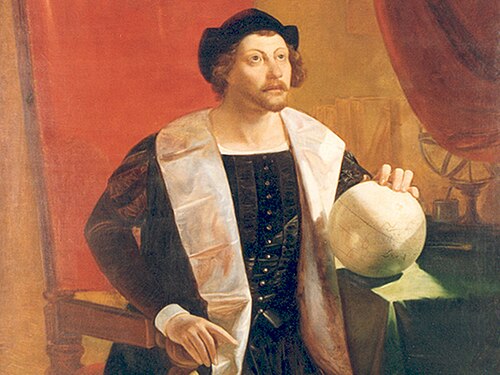
It is a historical irony that the man who reshaped the maps of the world left no map of his own face. Every famous portrait is simply “supposed to be him,” created by artists decades or centuries after his death. No authenticated likeness of Columbus exists from his lifetime.
Image: Cristóbal Colón by Alejandro Cicarelli, c. 1849
Painted 340 years after his death, this is a 19th-century artist’s interpretation, not a true likeness.
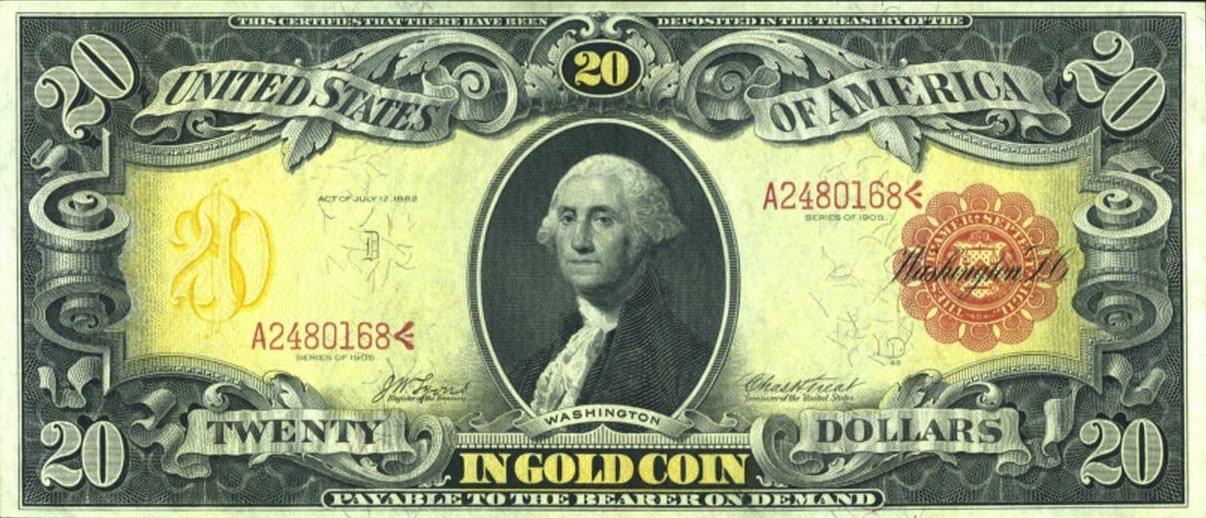
$20 U.S. Gold Certificate
c. 1905
On March 14, 1900, President William McKinley signed the Gold Standard Act
Image via Wikimedia Commons, public domain
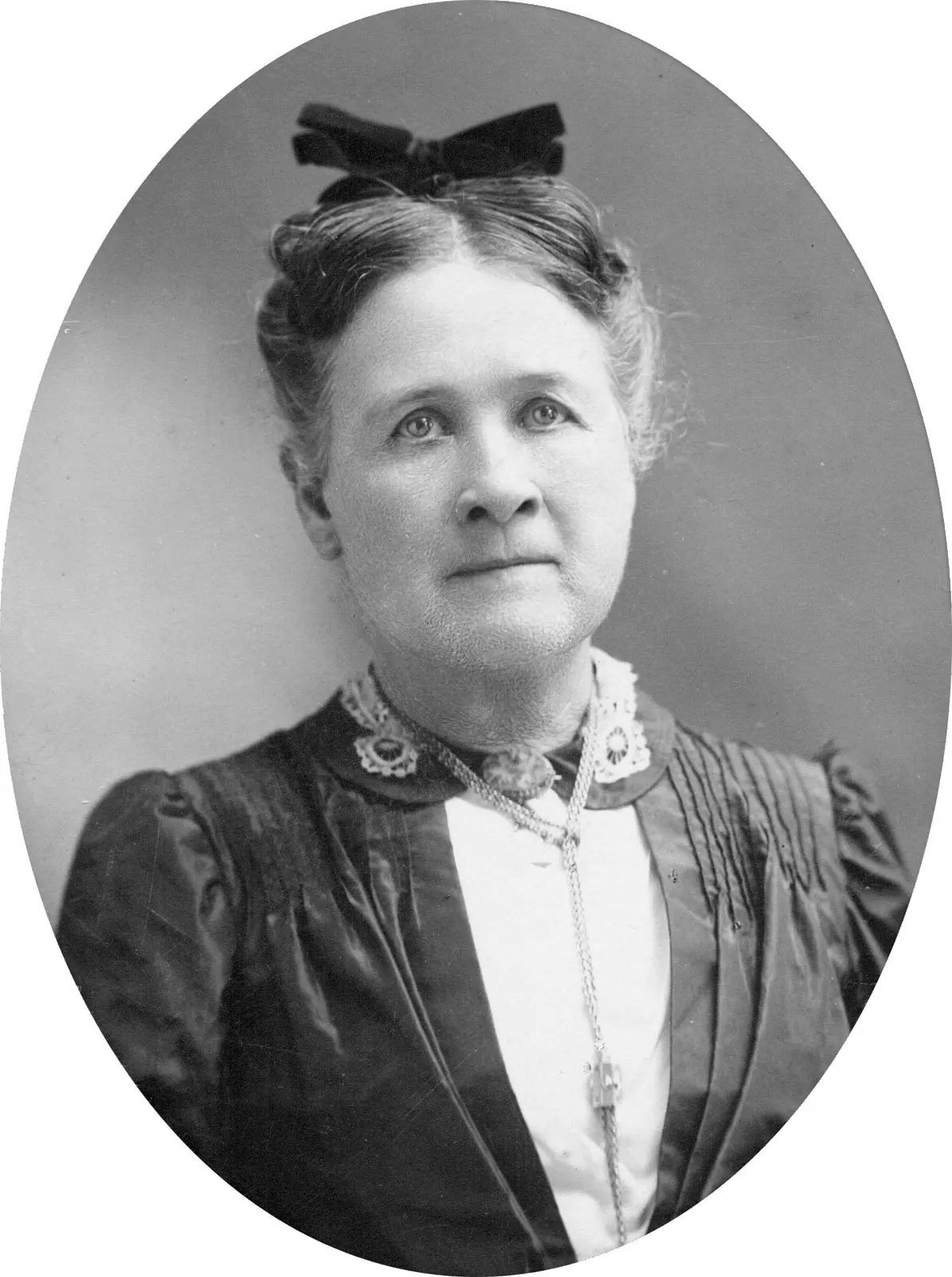
On today’s date March 14, 1833: Lucy Hobbs Taylor was born in Constable which is on the Canadian-United States border in Franklin County, New York. In 1866 she became the first woman in the world to graduate from dental school and receive a D.D.S. degree.
Photo: Dr. Lucy Hobbs Taylor D.D.S. c. 1903 via Wikimedia Commons, public domain
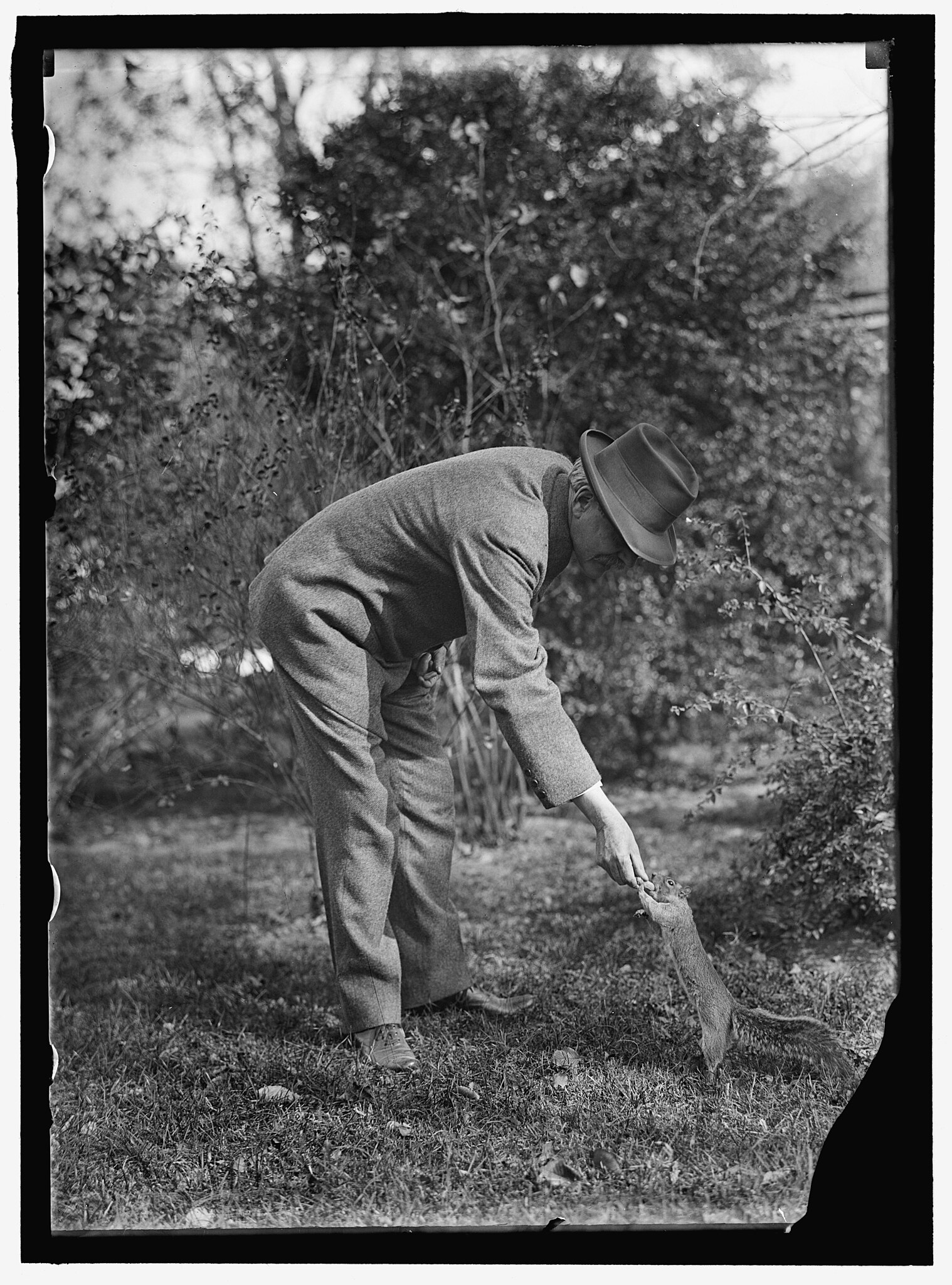
28th Vice President of The United States Thomas Riley Marshall feeding a squirrel.
On March 14, 1854, Thomas Riley Marshall was born in North Manchester, Indiana.
Image via Wikimedia Commons, public domain
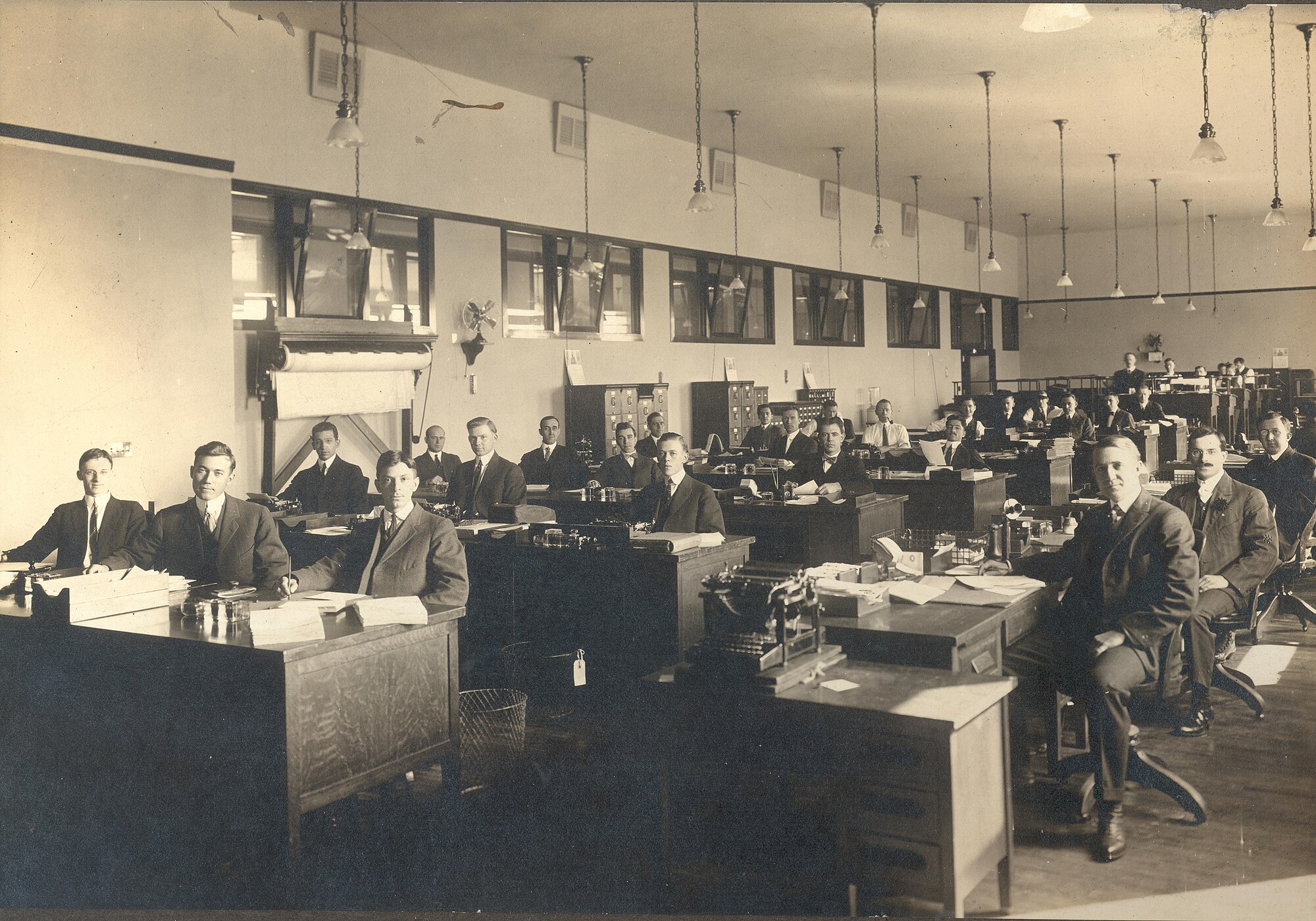
On March 14, 1966, the U.S. Senate passed legislation formally ending the United States Postal Savings System.
Established in 1911, the system allowed Americans to open savings accounts at their local post offices, with limits on the maximum amount that could be deposited. Initially, depositors earned a 2% annual interest rate, which was increased to 2.5% in 1934 to remain competitive.
At its height in 1947, the Postal Savings System held over $3.4 billion in deposits, reflecting its widespread use and trust among Americans.
The system was phased out due to the growing popularity of commercial banks and changes in financial habits following World War II.
After the system was abolished in 1966, account holders were given until 1985 to reclaim their funds. Despite this extended period, many accounts went unclaimed, and approximately $60 million was ultimately transferred to the U.S. Treasury.
Image of employees at a U.S. Postal Savings office in New York City in 1914 via Wikimedia Commons, public domain
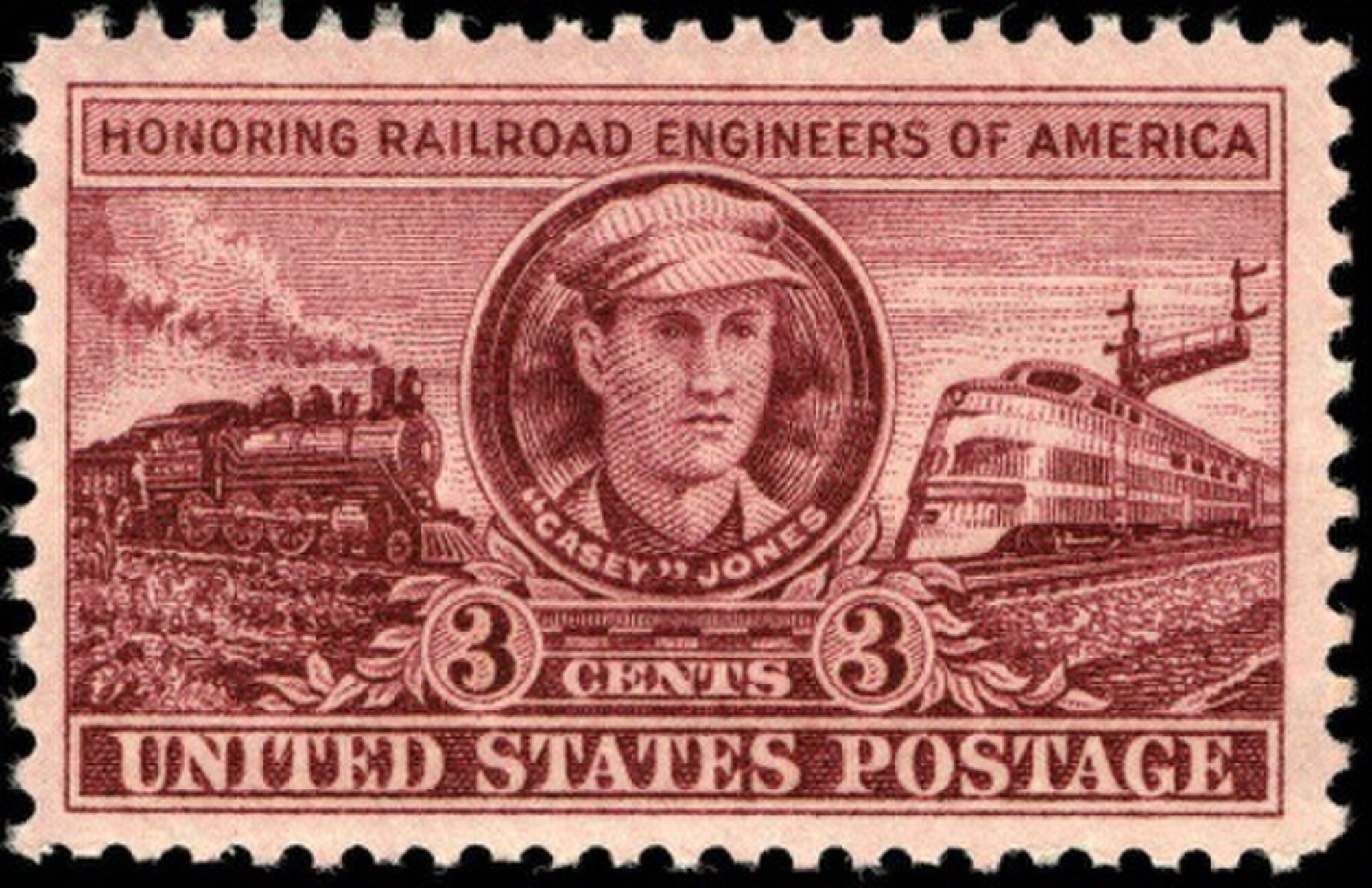
American railroad engineer “Casey” Jones who was immortalized in song by numerous artists was born on March 14, 1863 in southeast Missouri.
Before the tragic train wreck that claimed his life, Jones saved a little girl who was on the rails. As the story goes, he hurried to the front cowcatcher, held tightly and leaned forward so he could pull the girl from the tracks.
Image via Wikimedia Commons, public domain
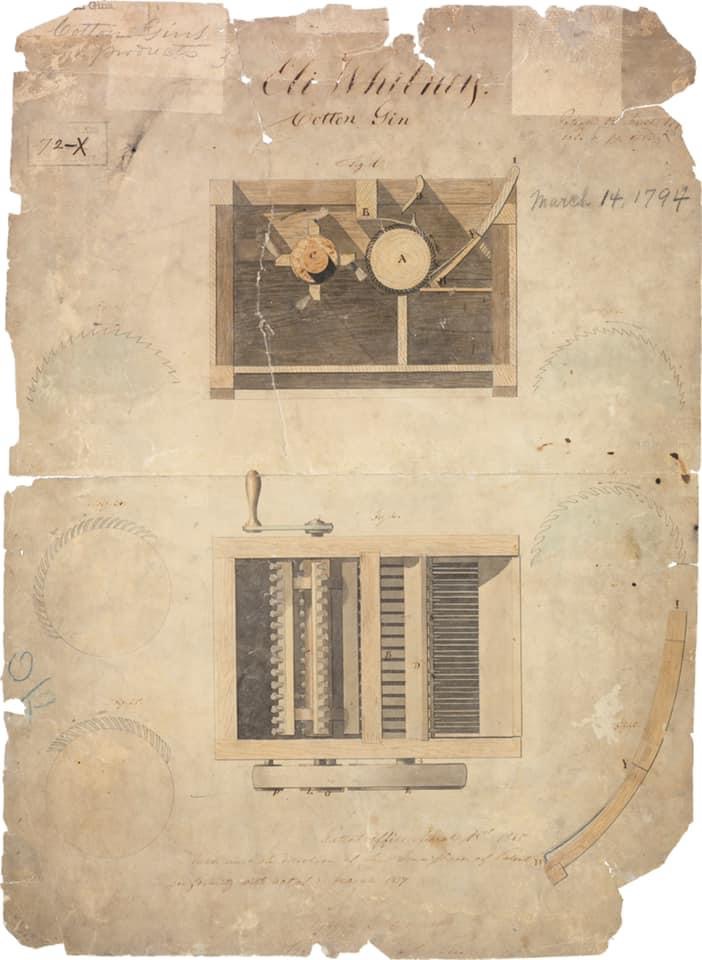
The patent for Eli Whitney’s Cotton Gin
Dated March 14, 1794
via Wikimedia Commons, public domain
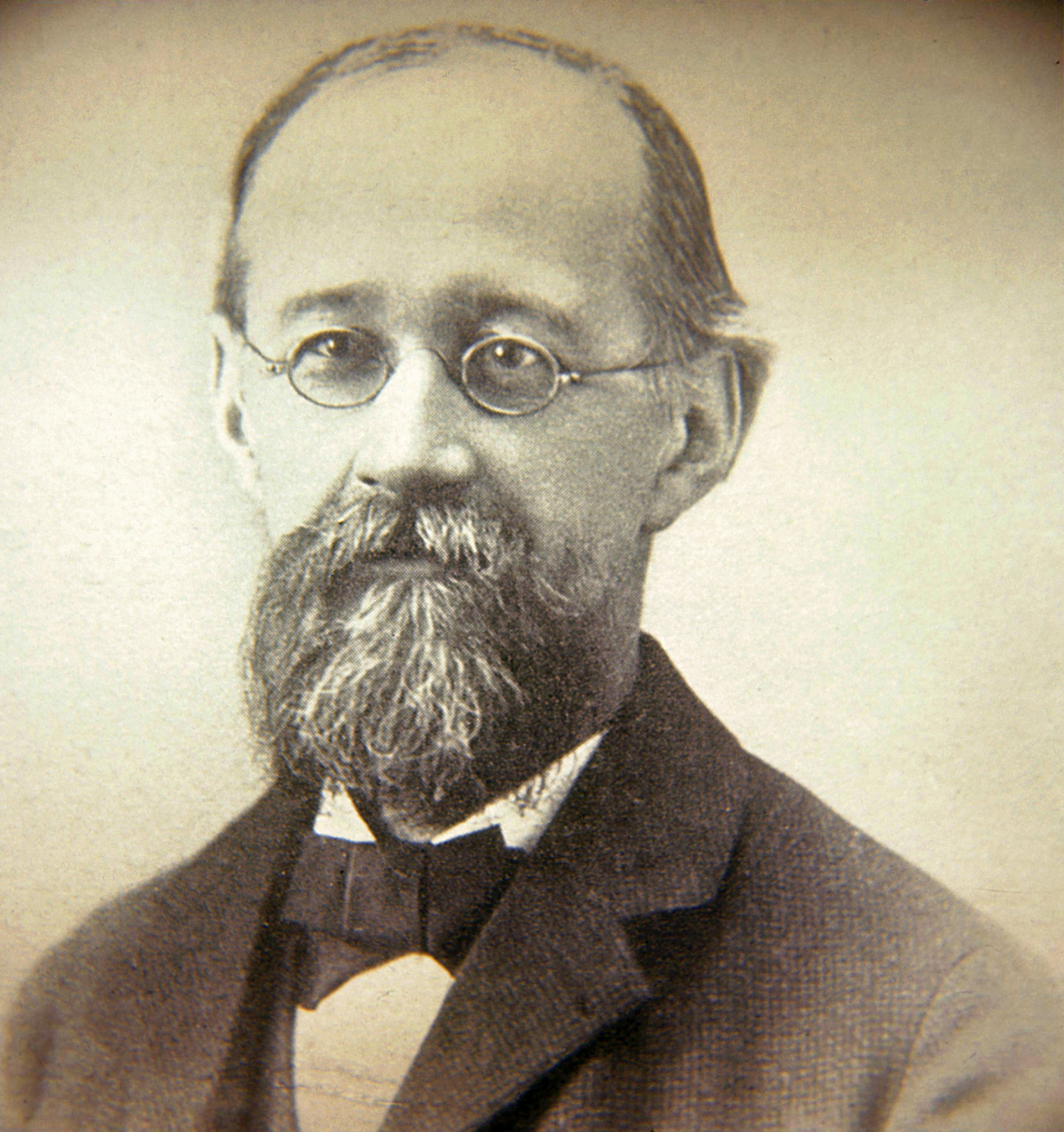
When you visit a library and see books arranged on shelves by classification numbers and grouped with others on the same topic, you can thank Charles Ammi Cutter. He developed the system that became known as the Cutter Expansive Classification System, a groundbreaking method for organizing library collections.
Cutter was born on March 14, 1837, in Boston, Massachusetts.
Image via Wikimedia Commons, public domain
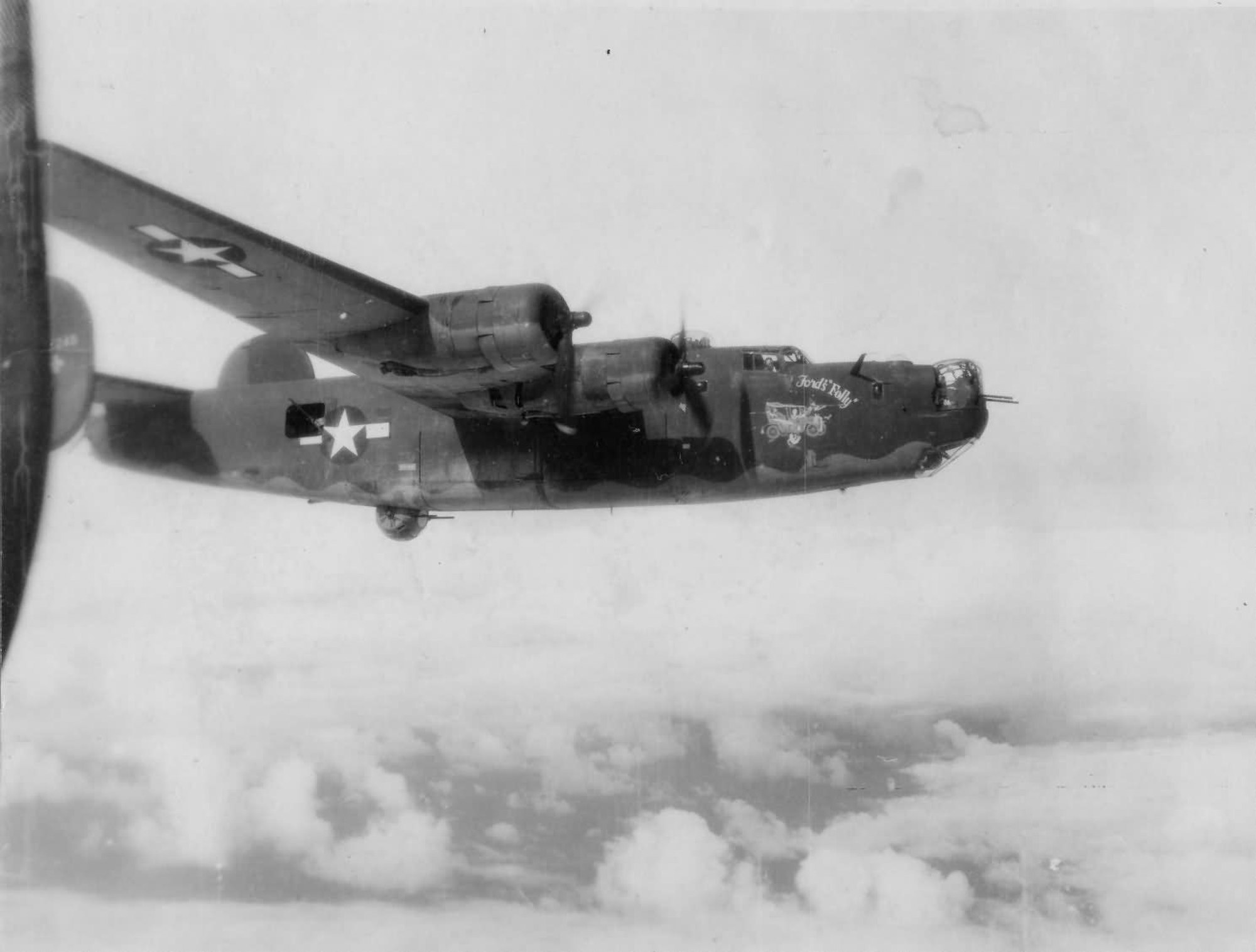
Consolidated B-24H Liberator “Fords Folly” in flight
March 14, 1945
via Wikimedia Commons, public domain
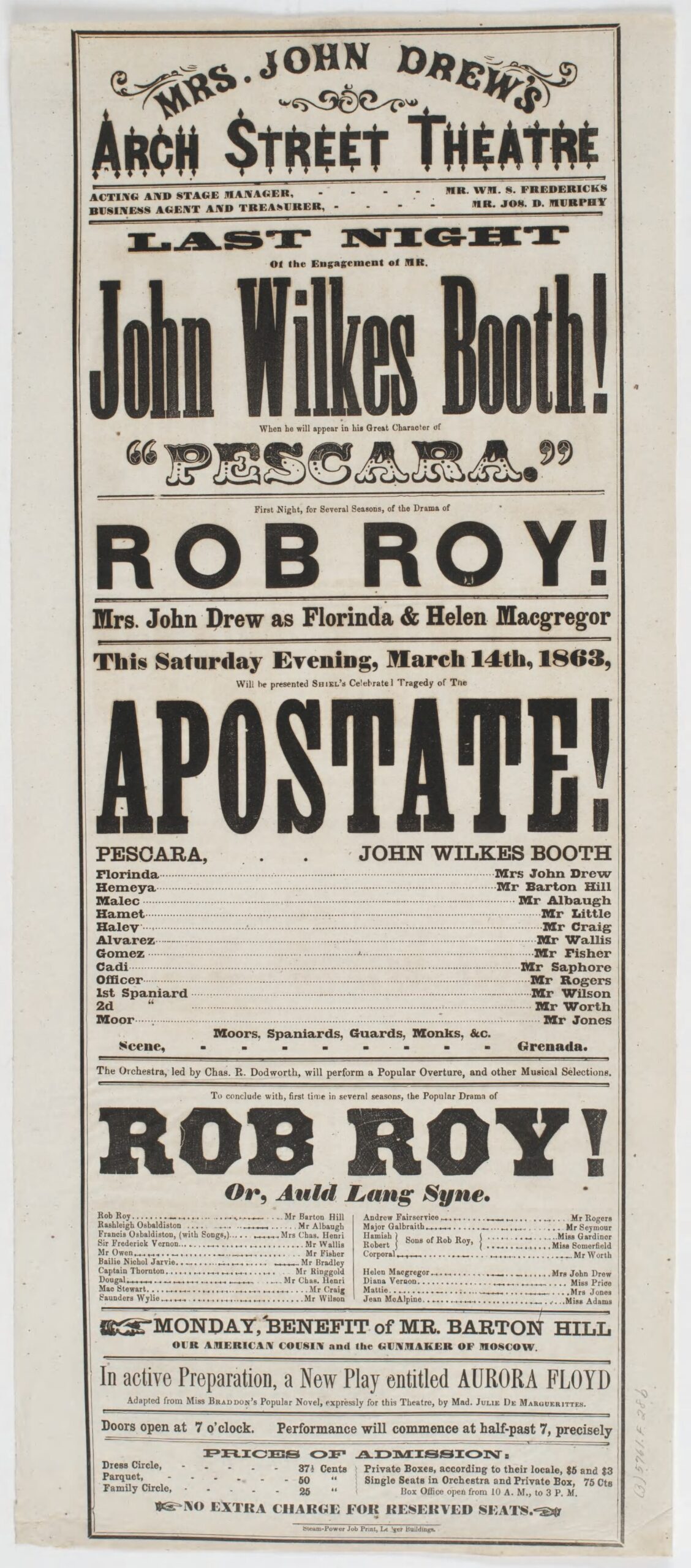
Last night of the engagement of Mr. John Wilkes Booth when he will appear in his great character of “Pescara.”
at the Arch Street Theater in Philadelphia on March 14, 1863.
Image via Wikimedia Commons, public domain
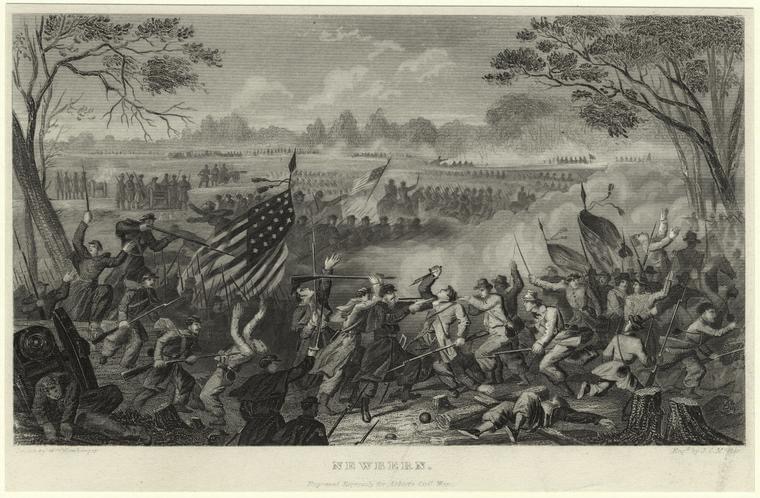
“New Bern was the next place in North Carolina to be occupied, and General Burnside lost no time in organizing an expedition for the occupation of that ancient town.
Detachments were meanwhile sent to places in the vicinity, to destroy munitions of war, and to divert the attention of the Confederates. It was the 11th of March before the fleet was ready to sail, and an order from General Burnside was distributed among those on board, assuring them that the movement about to be commenced would “greatly demoralize the enemy, and contribute much to the success of the Army of the Potomac.”
An important point for keeping open the communication between the Confederate capital and the South Atlantic States, New Bern had been strongly fortified, heavily armed, and abundantly manned. Yet General Burnside did not hesitate to attack it with an infantry force, without siege guns, or any artillery, in fact, except two rifled twelve- pound navy guns, and six boat howitzers, each drawn and served by twelve sailors.
The transports on which the troops had embarked, escorted by a flotilla of fourteen armed steamboats under the command of Commander Rowan, sailed across Pamlico Sound and up the Neuse River, until they reached Slocum’s Creek, about fifteen miles below the city of New Bern. On Thursday morning, the 13th, the troops were landed, and marched up the bank of the river, over a road ankle-deep in mud, in a driving rain. Reaching the enemy’s line of defenses, the column was halted, and bivouacked. The men, wet through, fatigued, and muddy, crowded around the campfires, and passed an uncomfortable night, to be ordered under arms at an early hour the next morning. It was very foggy, and impossible to see the entrenchments and other defenses which obstructed the road leading to New Bern. But General Burnside did not falter or hesitate. He knew the men of his command, and he proposed, with an audacity that was invincible, to “move on the enemy’s works” and to capture them.
The order of advance was in three columns, General Foster’s brigade forming the right, and General Reno’s the left, with General Parke’s forming a central column, ready to support either of the others, as circumstances should demand. The engagement commenced at 7:30 in the morning, the artillery and infantry behind the earth-works pouring forth a destructive fire, which was returned from the advancing regiments. Several desperate charges were made by the Union regiments, but were repulsed, when Colonel Rodman, at the head of the Fourth Rhode Island Regiment, managed to effect an entrance into one end of the enemy‘s works, and fought his way along its entire length, successively capturing nine guns. This unexpected appearance of a Union regiment within their own lines demoralized the rebels, while it assured the Union troops. When General Burnside was told that the Fourth Rhode Island was within the enemy’s lines, and saw its flag moving steadily along, he said: “Know that flag. It is just what I expected. Thank God! the day is ours!” Soon after, he entered the captured battery, from which the Confederates had fled in precipitate haste. The remaining obstacles were soon swept away, and the defenders of New Bern were soon fleeing to Goldsboro by the railroad, burning the bridges after they had passed, to prevent pursuit.
Having occupied the city and made provision for the care of the wounded, both Union and Confederate, General Burnside issued the following orders : (HEADQUARTERS DEPARTMENT OF NORTH CAROLINA, NEW BERN, March 16th, 1862.)
General Orders, No. 11
The general commanding congratulates his troops on their gallant and hard-won victory of the 14th. Their courage, their patience, their endurance of fatigue, exposure, and toil, cannot be too highly praised. After a tedious march, dragging their howitzers by hand through swamps and thickets; after a sleepless night passed in a drenching rain, they met the enemy in his chosen position, found him protected by strong earth-works, mounting many and heavy guns, and, although in an open field themselves, they conquered.
With such soldiers advance is victory.
The general commanding directs, with peculiar pride, that, as a well-deserved tribute to valor in this second victory of the expedition, each regiment engaged shall inscribe on its banner the memorable name. New Bern.”
– By command of Brig. Gen. A. E. BURNSIDE.”
Source: The life and public services of Ambrose E. Burnside, soldier–citizen–statesman by Benjamin Poore, published in 1882
https://archive.org/details/lifepubambrose00poorrich/page/136/mode/1up?q=North+Carolina
Says not in copyright
Image of The Battle of New Bern, North Carolina on March 14, 1862 from NYPL Digital Collections, no known restrictions
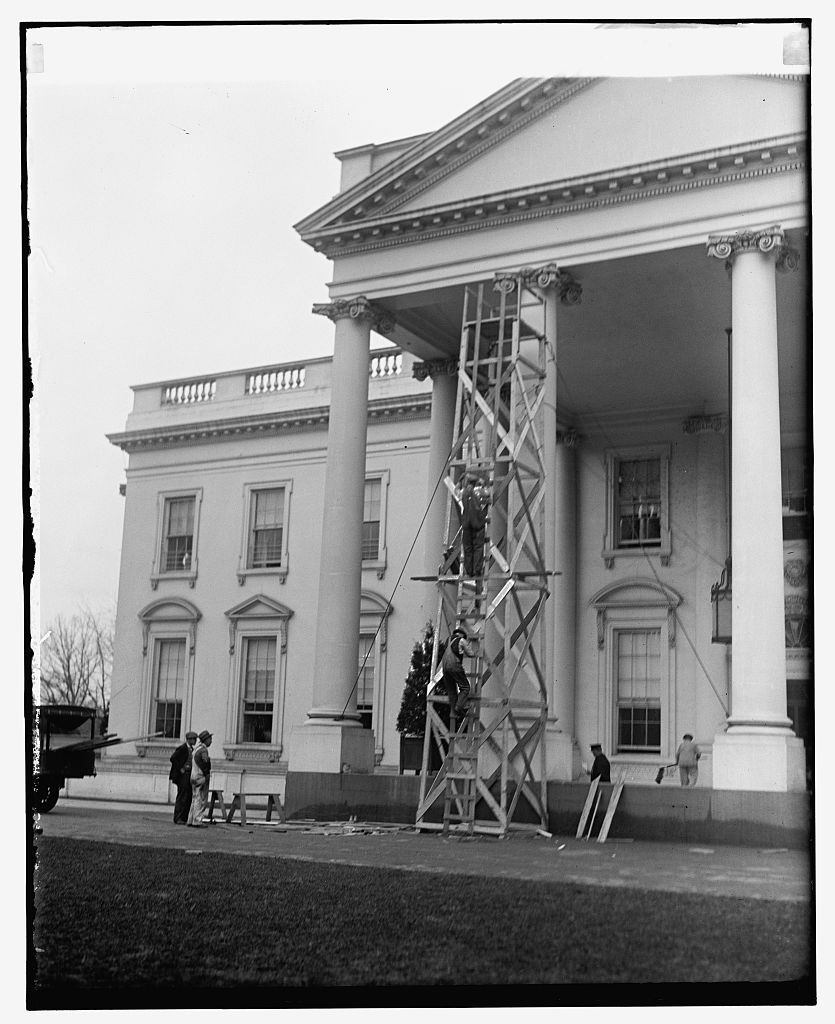
Making repairs to the White House
– March 14, 1929
Image from LOC, no known restrictions
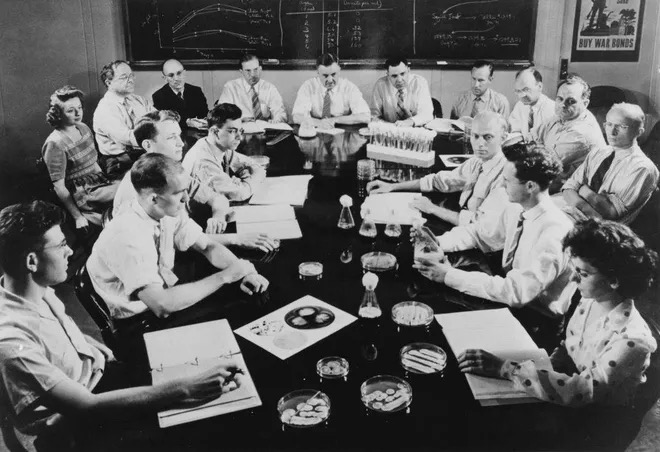
On March 14, 1942 new mother Anne Miller was the first patient in the US cured by the penicillin prescribed by her doctors, Orvan Hess and John Bumstead. Mrs. Miller lived another 57 years and Dr. Hess went on to help develop the fetal heart monitor. Shown is a US government penicillin research team in 1944.
Image from USDA via Wikimedia Commons, public domain in the US.

Happy Birthday Billy Crystal who was born on March 14, 1948 in New York City
Image of Billy from the TV series Soap, 1977 via Wikimedia Commons, public domain
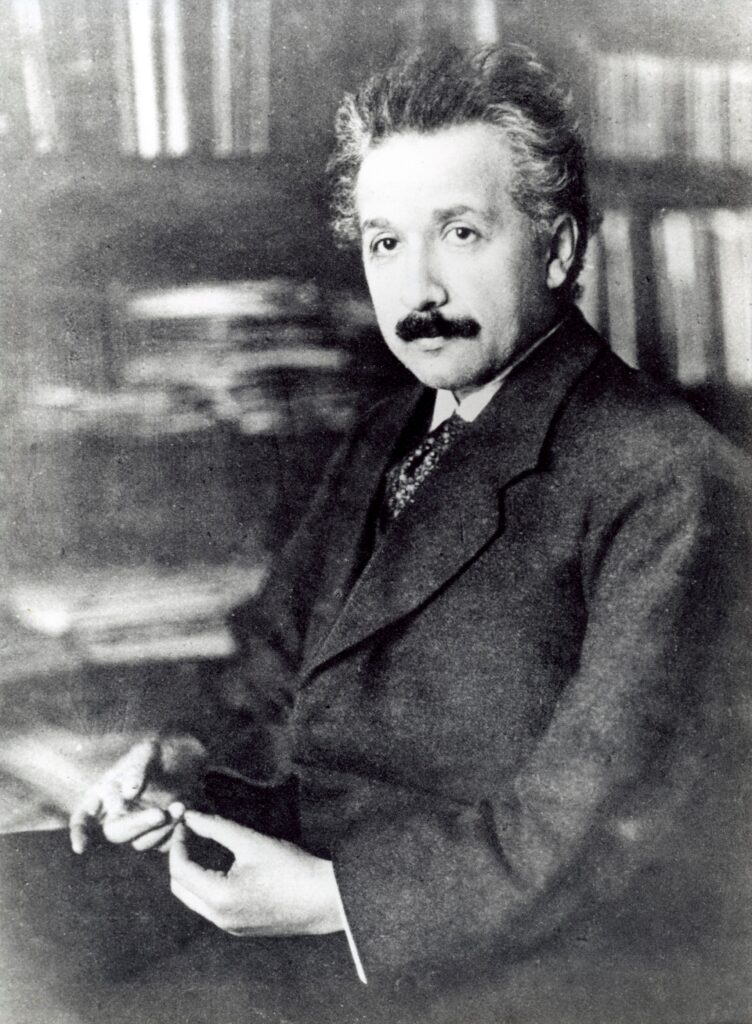
Born on March 14, 1879, Einstein lived by a simple, profound conviction: “Only a life lived for others is a life worthwhile.” To him, genius carried a responsibility. Having arrived in America as a refugee with a bounty on his head in Nazi Germany, he spent his years in Princeton personally vouching for others fleeing persecution and helped found the International Rescue Committee. His legacy on this day isn’t just the math of the stars, but the persistent humanity of a man who believed the greatest discovery one could make was the capacity to help a fellow human being.
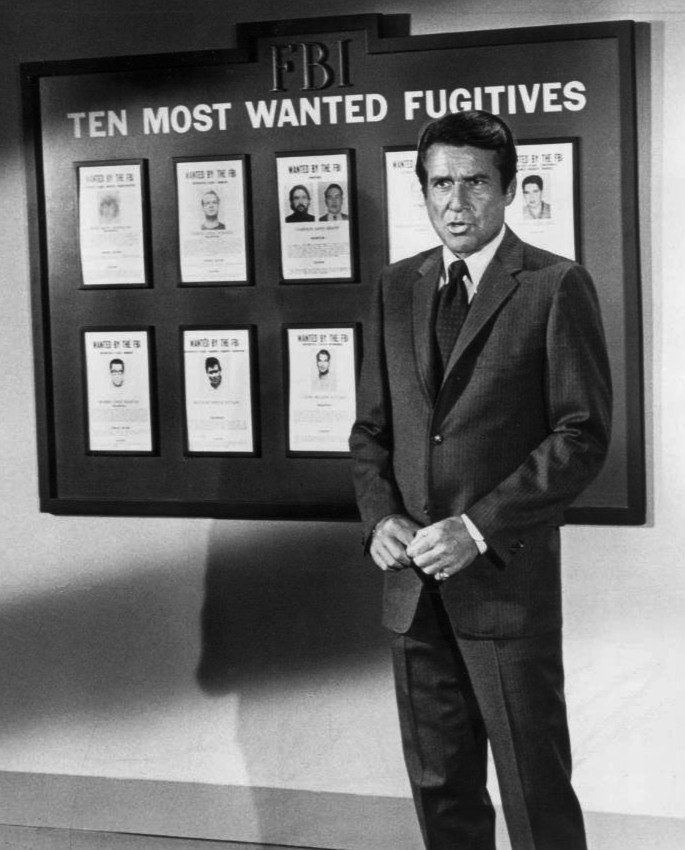
On this day, March 14, 1950, the FBI launched a program that turned the pursuit of justice into a national conversation. It began with a simple newspaper profile of the “toughest guys” the Bureau was trailing, leading to the first official list topped by bank robber Thomas James Holden. Over the decades, the program has maintained a staggering success rate—locating over 500 fugitives—with nearly a third of those captures credited to ordinary citizens who recognized a face from a poster. What began as an experiment in public coordination has become a permanent fixture of American law enforcement.
The image above comes from 1969, when actor Efrem Zimbalist, Jr. closed certain episodes of The F.B.I. with a real “Ten Most Wanted” segment. Standing beside the actual fugitives then being sought, he helped carry the Bureau’s public‑awareness mission into millions of American living rooms — a cultural extension of the program first launched on March 14, 1950.
