
 Mystery March Is Here!
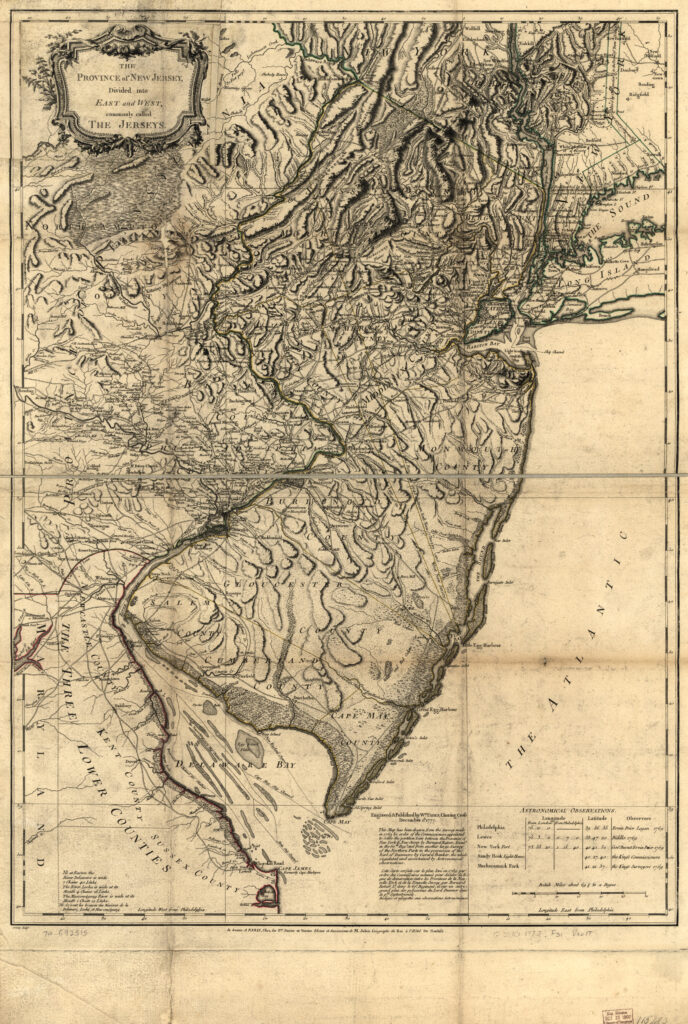
On March 12, 1664, King Charles II granted the land between the Delaware and Hudson Rivers to the Duke of York — the founding act that set New Jersey’s political identity and its contested boundaries in motion. Exactly ninety‑one years later, on March 12, 1755, the colony marked a very different beginning: the Schuyler Copper Mine in North Arlington activated the first steam engine in the American colonies to drain its flooding shafts, launching New Jersey into the industrial age.
Published in the 1770s, this map captures the province at a pivotal moment. It reflects the resolution of the decades‑long “Line War,” the bitter struggle between East and West Jersey proprietors over where the colony’s internal boundary truly lay. The Lawrence Line of 1743 — preserved here — was the final survey that ended a century of overlapping land claims, rival maps, and periodic armed confrontations. By the time this map was engraved, those foundational borders were fixed, and the industrial era was beginning to reshape the very landscape it records.
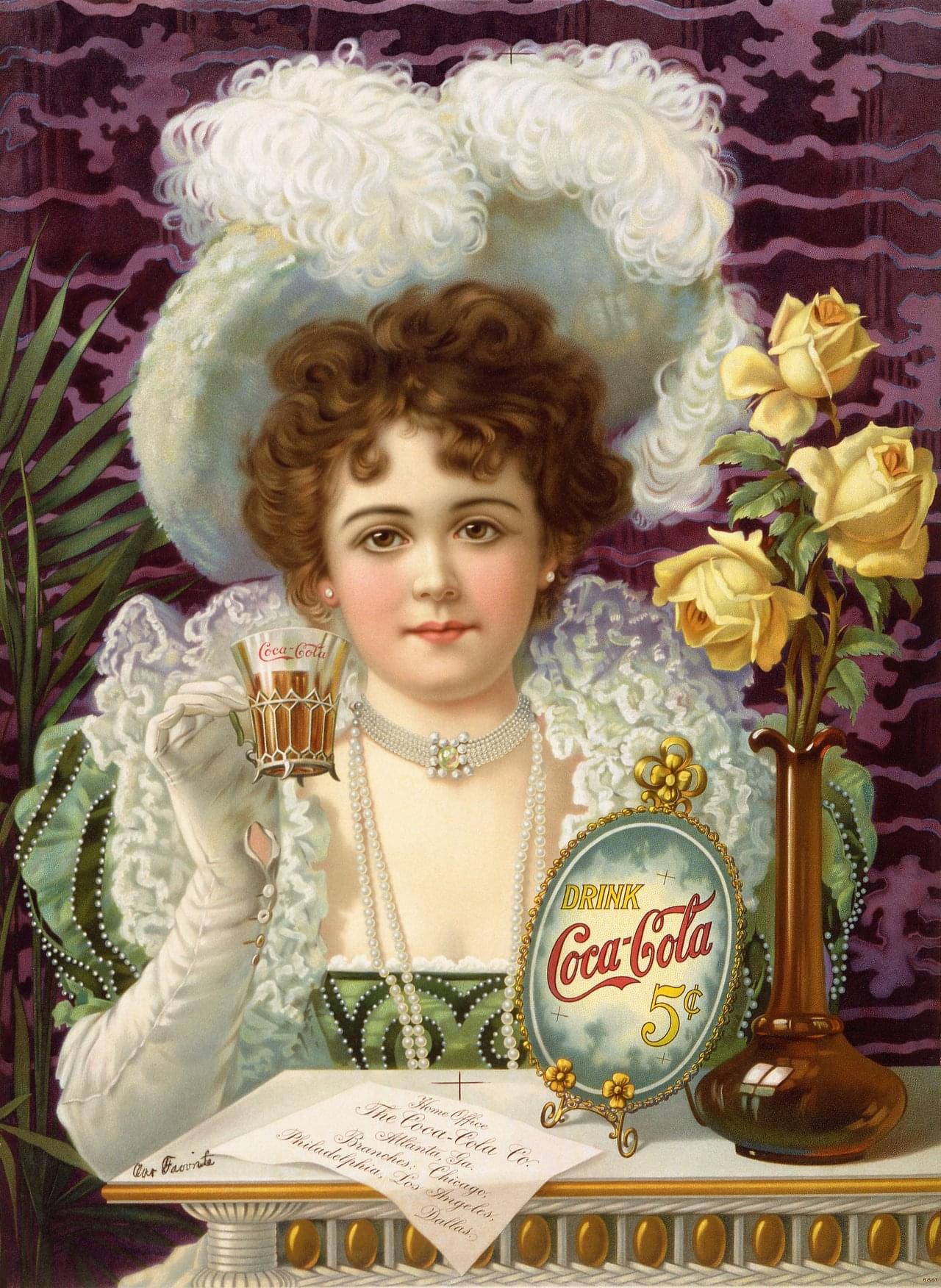
March 12, 1894…the date when a very popular American soft drink was first bottled in Vicksburg, Mississippi by a 29 year old named Joseph A. Biedenharn.
The refreshment was invented nearly eight years prior.
Image:”Drink Coca-Cola 5¢” advertisement c. 1890s
Artist not credited, derivative work (restoration): Victorrocha public domain via Wikimedia Commons
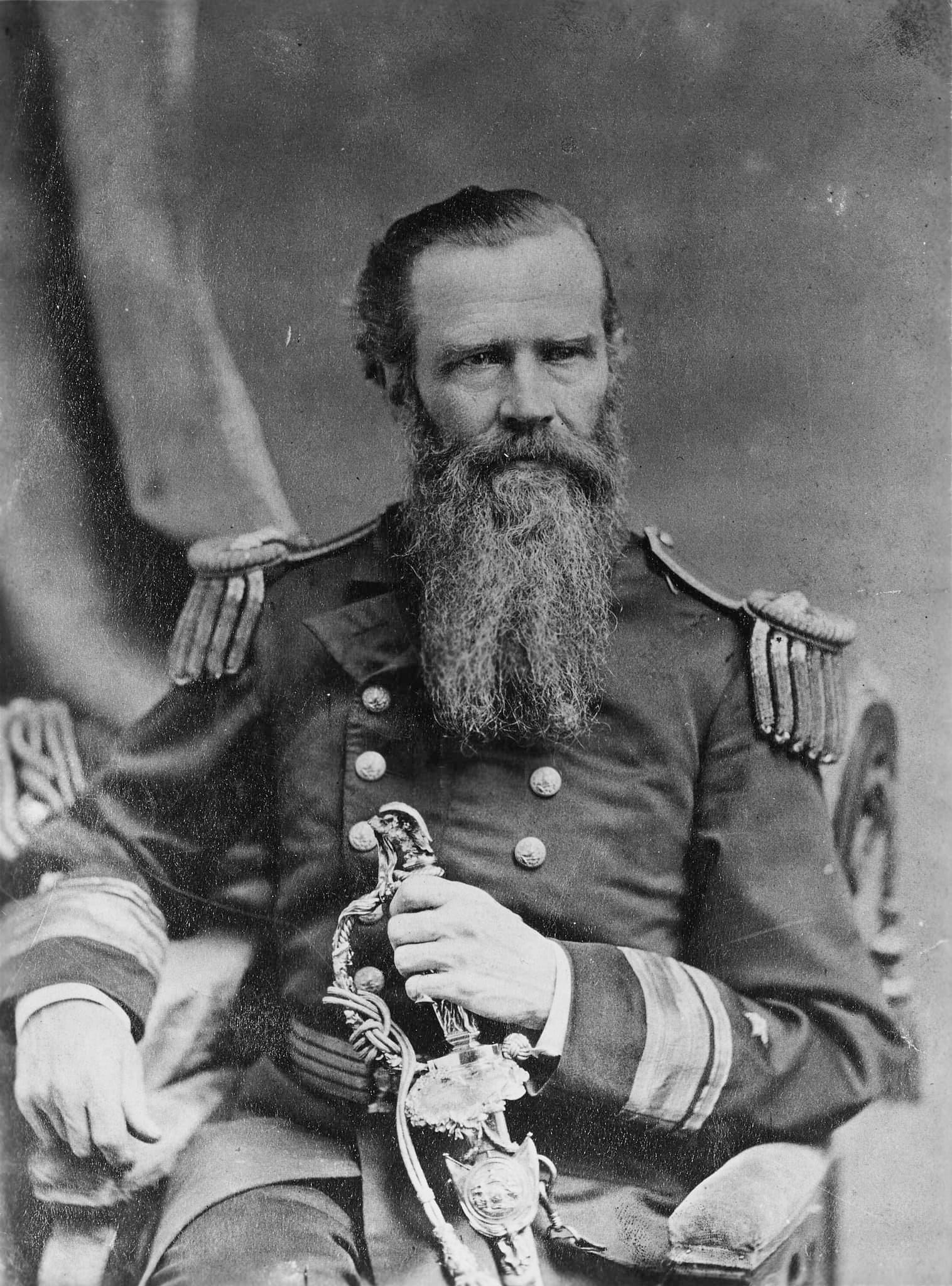
Admiral John Lorimer Worden of the US Navy who commanded the USS Monitor against the Merrimack was born on March 12, 1818 in Mount Pleasant, New York.
He had an exquisite sword made by Tiffany & Co. that was given to him by the state of New York.
After his death the sword was stolen from Annapolis in 1931 but about 70 years later it was recovered by the FBI and returned to the US Naval Academy.
Image via Wikimedia Commons, public domain
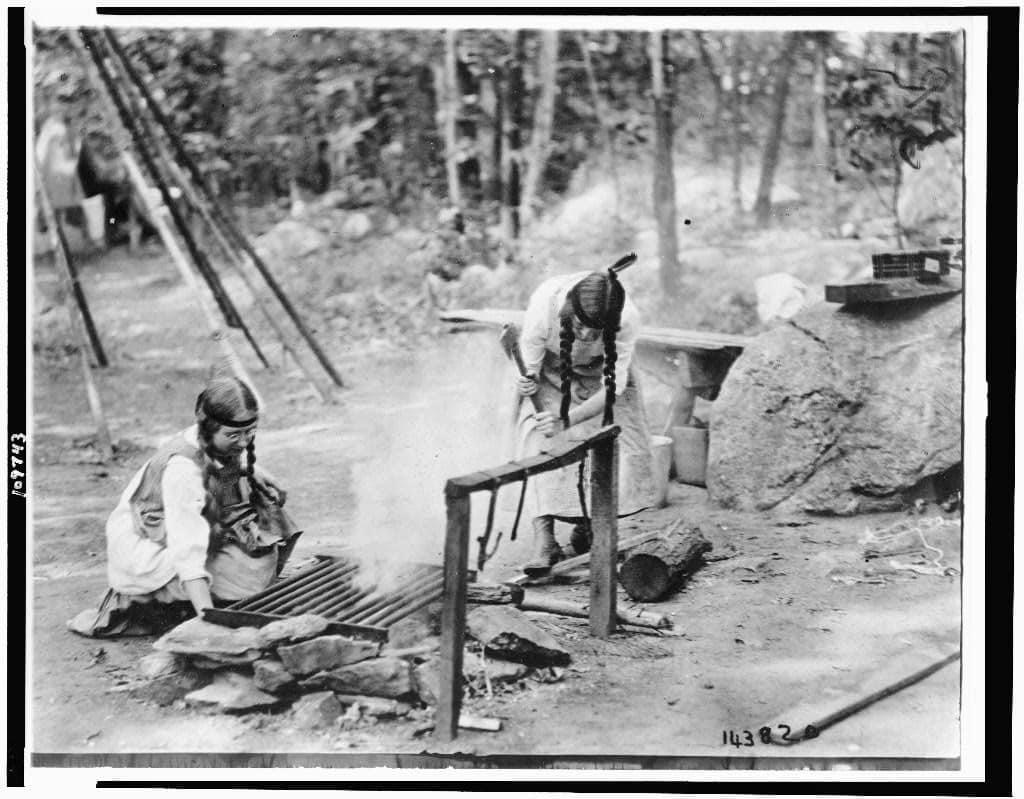
On today’s date March 12, 1912, Juliette Gordon Low organized the first Girl Guide troop meeting in America which took place in Savannah, Georgia. The group later became known as The Girl Scouts of America.
Image: Two Girl Scouts building a fire in camp in 1912
via Wikimedia Commons, public domain
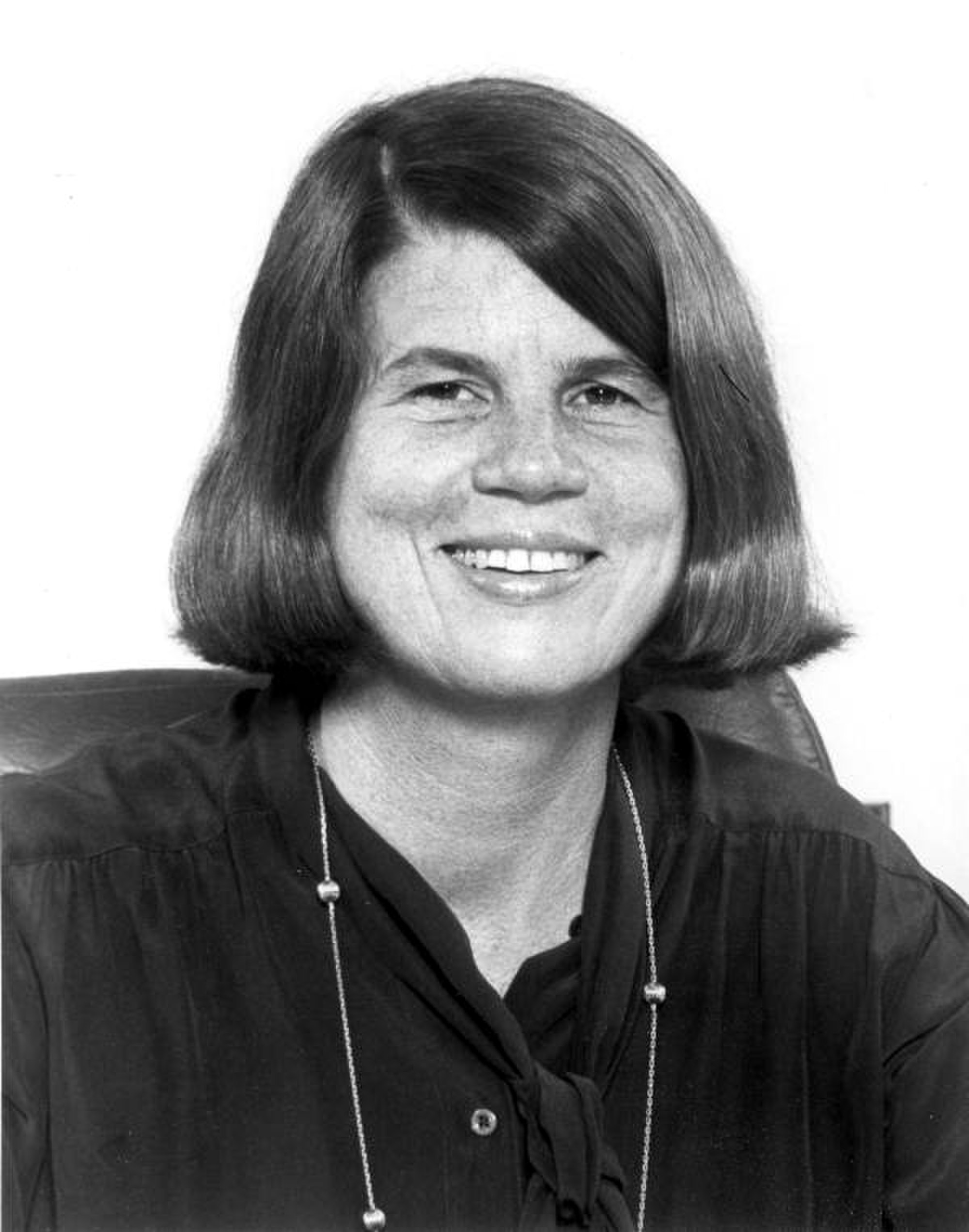
On March 12, 1993, Janet Reno became the first female U.S. Attorney General.
Image of Janet when she became Florida’s first State Attorney in 1978 via Wikimedia Commons, public domain
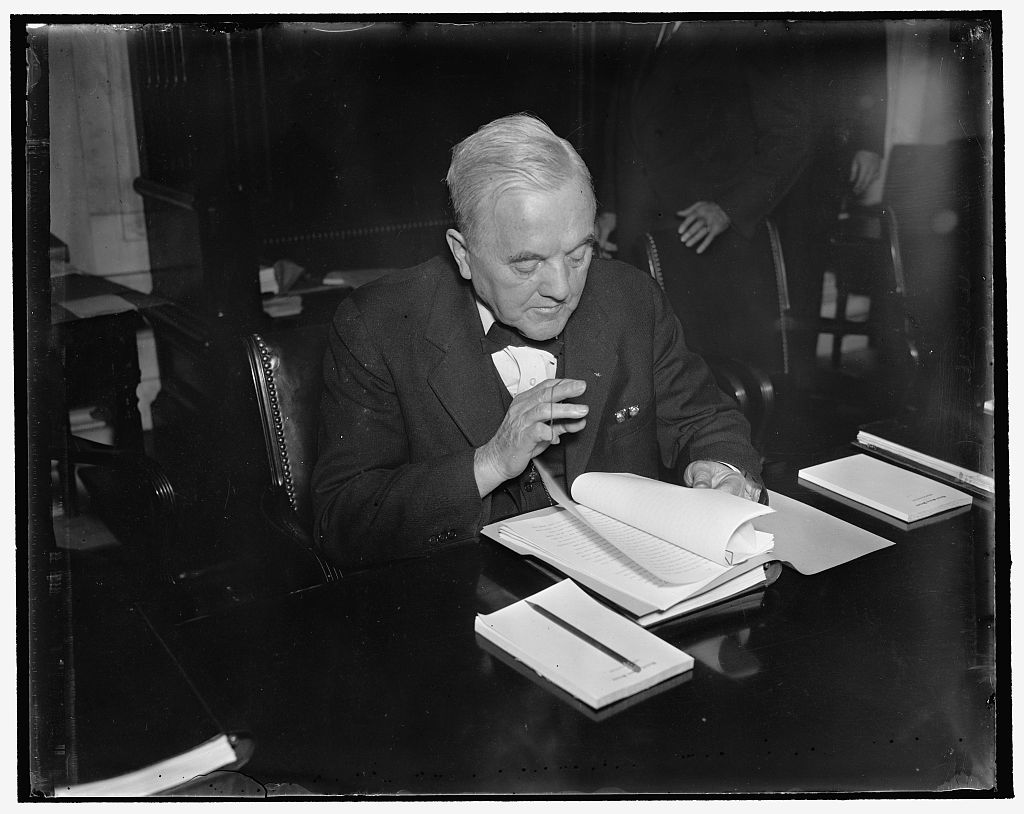
“Rubber band snapper Norris. Washington, D.C., March 12. The whang, whang, of a heavy rubber band in the hands of Senator George Norris, of Nebraska today interrupted the proceedings at the Senate Judiciary Supreme Court hearing, the noise reverberated in the marble caucus room. Finally Chairman Ashurst stood up and said: “However, I should like to ask the audience to quit shuffling around, to cease fiffling papers and stop snapping rubber bands.” Norris flushed, scowled and put his hands in his pockets, Norris is shown with his rubber band during the lull…”
March 12, 1937
via LOC, no known restrictions
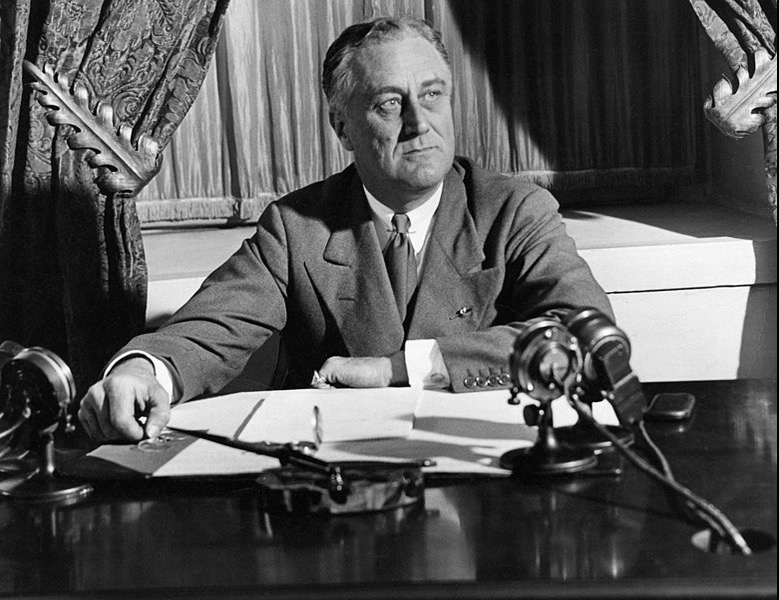
On March 12, 1933, President Franklin Roosevelt made the first of his radio “fireside chats” from the White House. FDR had been president only eight days when he explained to an audience of over 60 million the steps that had recently been taken to stabilize a banking system shaken by the Depression.
Image from NARA via Wikimedia Commons, public domain in the US.
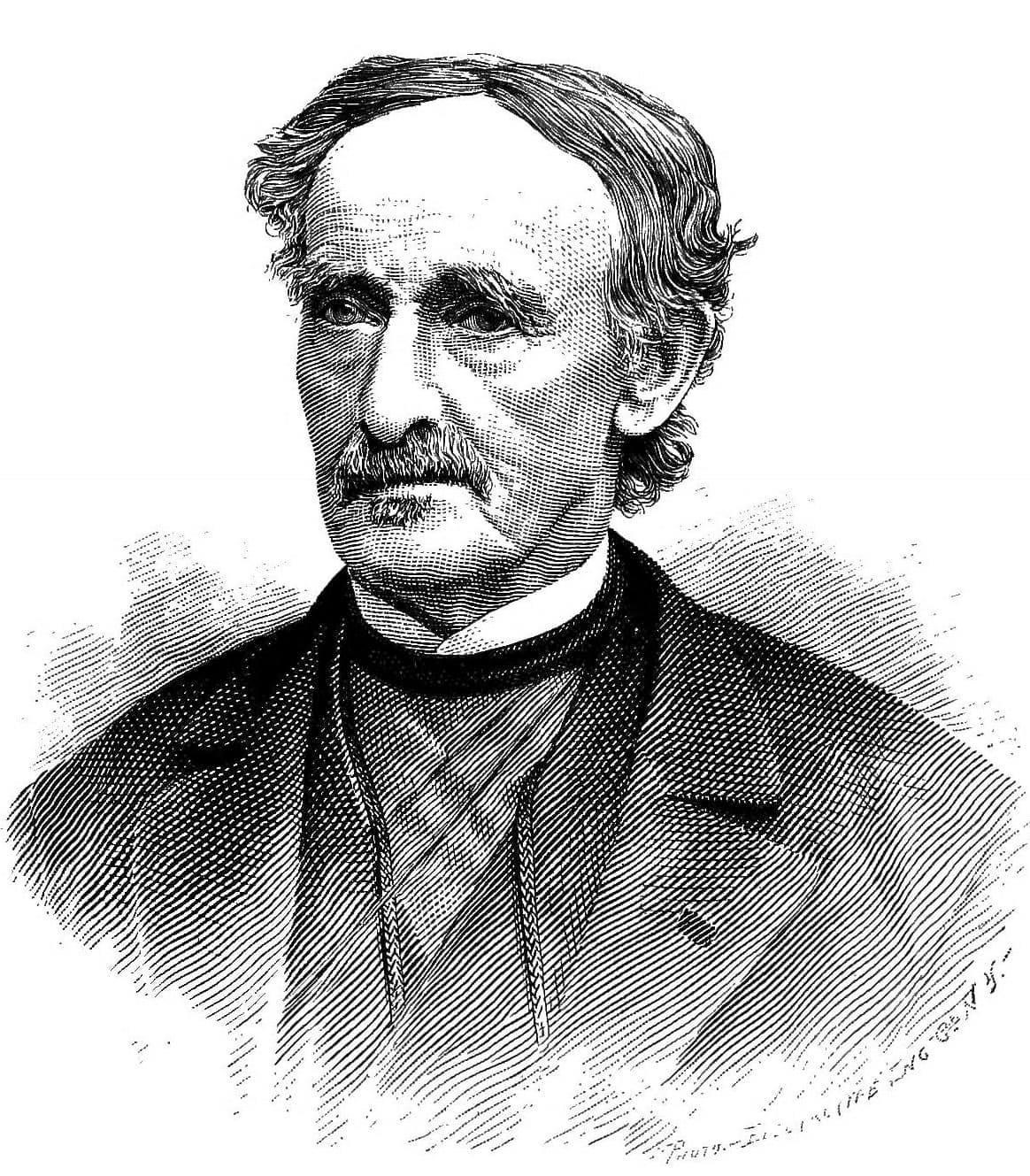
American inventor Joseph Francis who invented the life-car made of metal and the first to use iron in lifeboats was born on March 12, 1801 in Boston, Massachusetts.
Image via Wikimedia Commons, public domain
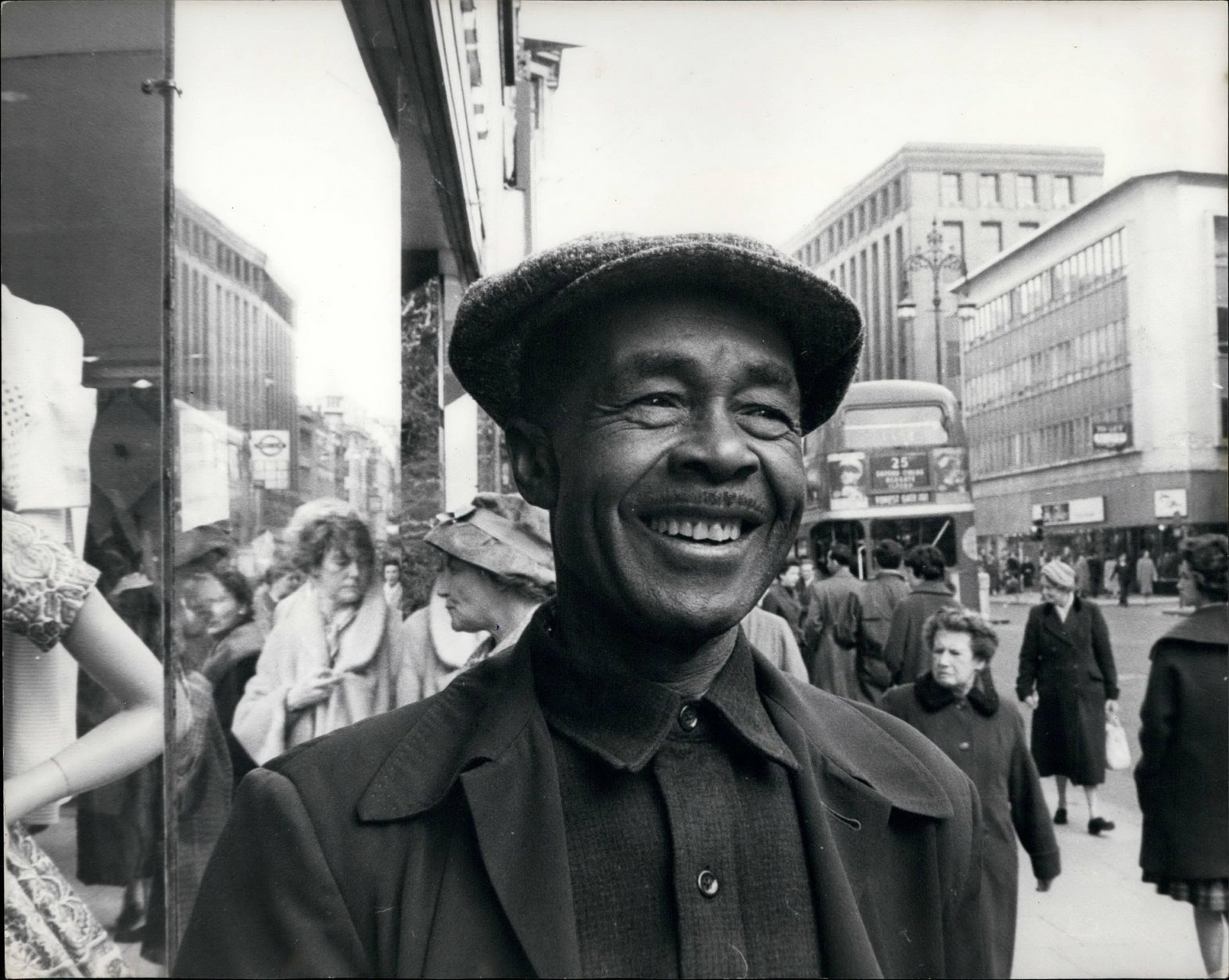
American one-man band musician, Jesse Fuller, was born in March 12, 1896 in
Jonesboro, Georgia.
In the 1920s he became friends with Douglas Fairbanks while operating a hot dog stand in Southern California. During WWII Jesse became a welder at a shipyard.
Photo shows Jesse, a singer of ”Happy Blues” numbers, who accompanies himself on a one-man band traption which he calls “Fotdella.”
Jesse Fuller arriving at London Jazz Club about a week before his 64th birthday in March 1960.
Image via Alamy
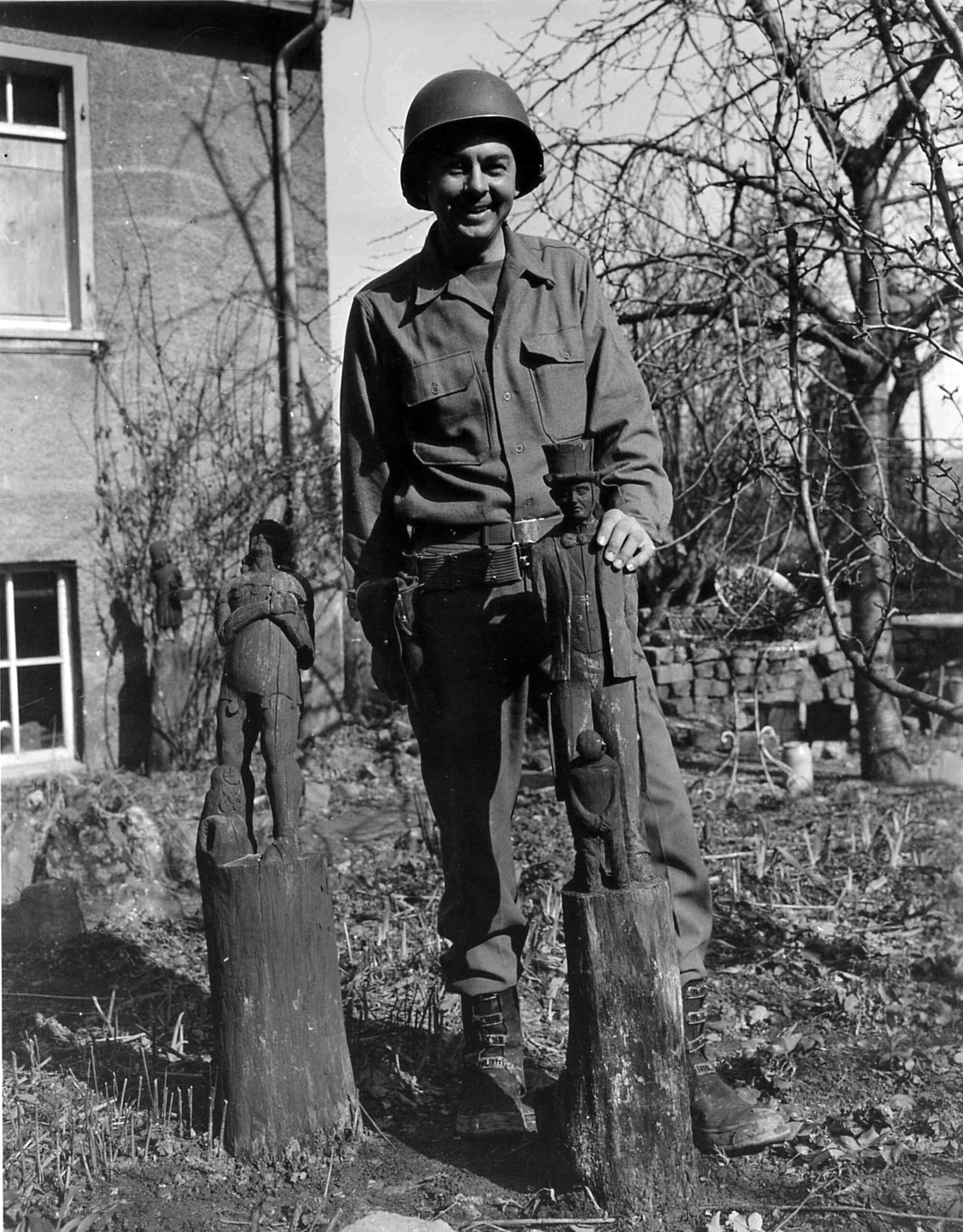
“Sgt. Walter S. of Memphis, Tenn., stands between hand-carved figures made by local German artisan in Mayen, Germany. At right is tall figure of Abraham Lincoln with small [illegible] at his feet, both carved out of a former fence-post. Sergeant S. is with U.S. Army Signal Corps.”
March 12, 1945
via Wikimedia Commons, public domain
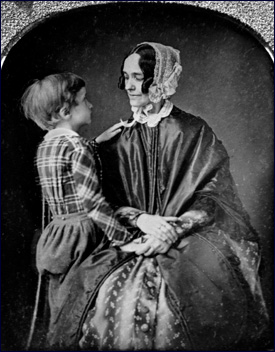
MRS. PRESIDENT FRANKLIN PIERCE.
“Mrs. Jane Means Pierce…was the daughter of President Appleton, D. D., of Bowdoin College, Me., and born March 12, 1806. She married Mr. Pierce, 1834, and with him entered the White House in March, 1853. As one has well said: “It is no disparagement to others to claim for her there unsurpassed dignity and grace, delicacy and purity in all that pertains to public life. There was a Christian home, quietly and constantly maintained in the Executive Mansion while she was its mistress.” She died in Andover, Mass., in 1863, saying among her last words: “Jesus, Lover of my Soul, let me to thy bosom fly.”
America’s best mother-mind,
Most ethical and most ornate,
Most feminine and most refined,
Most studious of her moral state,
Most helpful to her husband’s heart,
Most flexile in afflictions fierce, —
Until she panted to depart —
That “Mother-Mind” was Madame Pierce!
Not that she was all mind-ethereal;
Though intellectual, she lived to los’e.
With model form of fine material,
And beaming eyes, like Edward’s, lit above.
And yet those eyes had shed full shares of tears;
From infancy she’d often been bereft,
Had buried children in their budding years,
Till loving “Bennie’s” all that they have left.
And when at last, they to the White House went,
They had yet this one treasure more to yield,
To fit Frank Pierce in full for President —
They laid “fond Bennie” in the buried field!
The people gave them the best gift they had.
But coming to it caused this keenest grief,
It took the life of that as loving lad
As e’er was born of sanctified belief
Hence Pierce’s bold Inaugural began
By speaking of this “bitter sorrow” borne
When on their way to this last gift of man —
Full many tears there fell with them to mourn.
‘Twas in such sorrow — not a soul could know —
When Mrs. Pierce made her appearance where
Some souls had lately suffered nearly so —
‘Twas thus she came and served her country there!
Through wearisome ordeals this woman went,
The Peerless Wife of a proud President!”
From: Our presidents’ mothers, wives and daughters, and some Washington sermons
by Thomas Nelson Haskell, published in 1901
https://archive.org/details/ourpresidentsmot00hask/page/n51/mode/1up
Source says no known restrictions
Image: Daguerreotype of Jane Pierce with her son Benjamin who perished in a train accident when he was only 11 years old.
via Wikimedia Commons, public domain
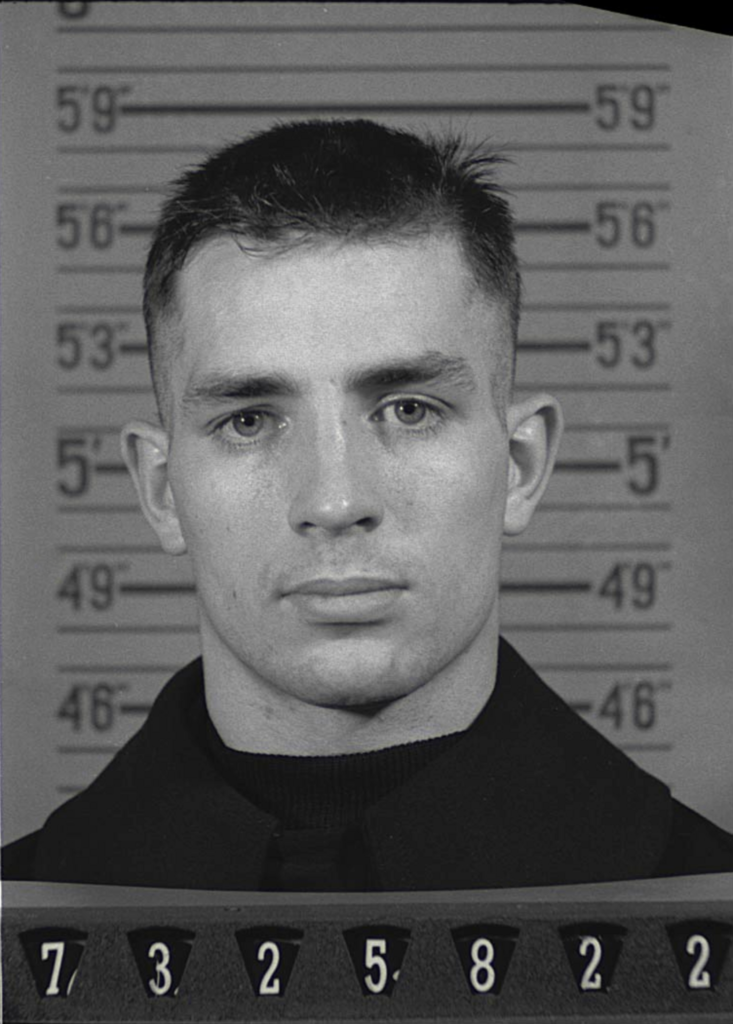
Jack Kerouac was born in Lowell on March 12, 1922. In 1943 he enlisted in the Navy, but the fit was brief; military structure clashed with his temperament, and he was discharged after psychiatric evaluation. A decade later he published On the Road, the novel that reshaped postwar American literature. Kerouac typed its first draft on a single 120‑foot scroll of taped‑together paper, writing for three weeks with almost no sleep—an early sign of the restless intensity that defined his life.
Image: Jack Kerouac Naval Reserve Enlistment photo, 1943
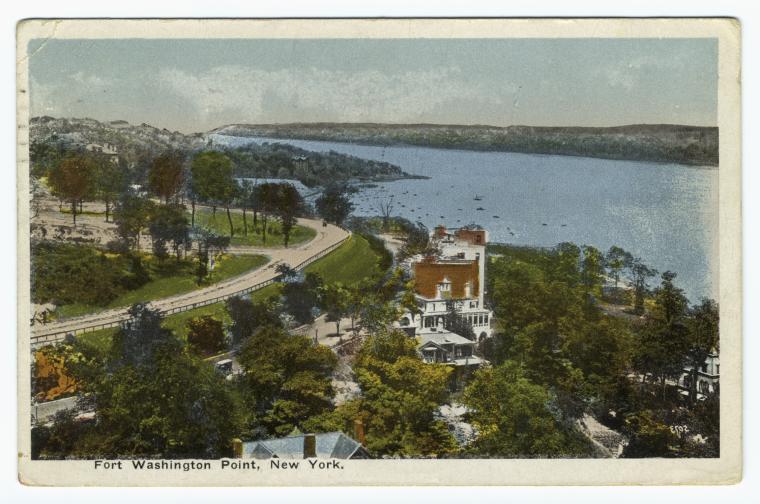
On March 12, 1926, the Port Authority’s Hudson River Bridge Advisory Committee approved plans for a massive suspension span linking Fort Lee to Manhattan. Budgeted at $50 million, the project—soon known as the George Washington Bridge—set in motion one of the most ambitious engineering feats of its era.
Fort Washington Point, captured here in 1918, marks the exact Manhattan shoreline where the bridge would rise just a decade later. Before construction began in 1927, this was a quiet bend in the Hudson—parkland, footpaths, and steep bluffs facing the Palisades—seen here in its final years before the riverfront was transformed forever.
