
 Mystery March Is Here!
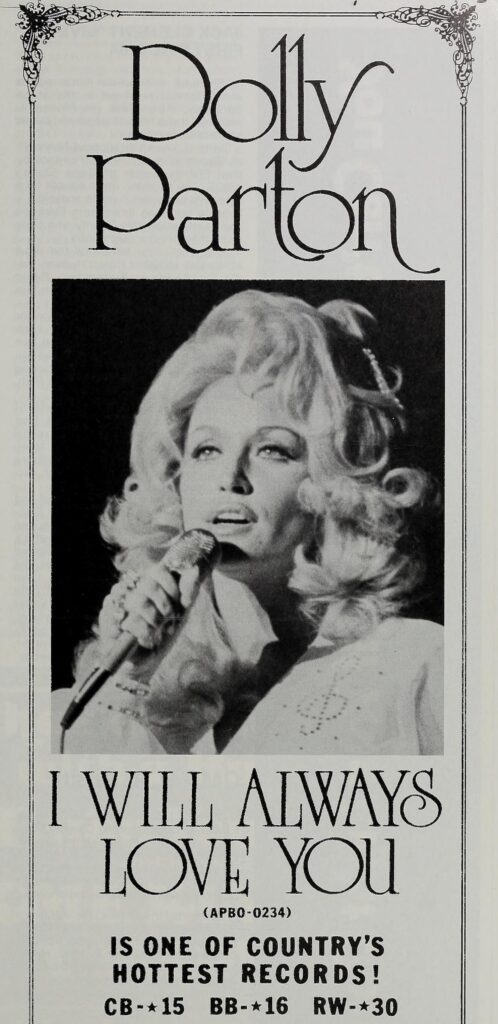
March 11, 1974: Dolly Parton released “I Will Always Love You,” the song she wrote as a graceful farewell to her mentor and collaborator Porter Wagoner. Their bond was creative, not romantic — a partnership built on opportunity, strain, and deep mutual regard. Dolly composed it during the same burst of inspiration that produced “Jolene,” then played it for Porter in his office, where he reportedly wept and told her, “That’s the prettiest song I ever heard — and you can go, provided I get to produce that record.”
Before it became a global anthem, the song stood as her way of leaving with honesty and respect, a bridge they returned to even as lawsuits and hard feelings followed. It remains one of the rare goodbyes that carried both truth and grace.
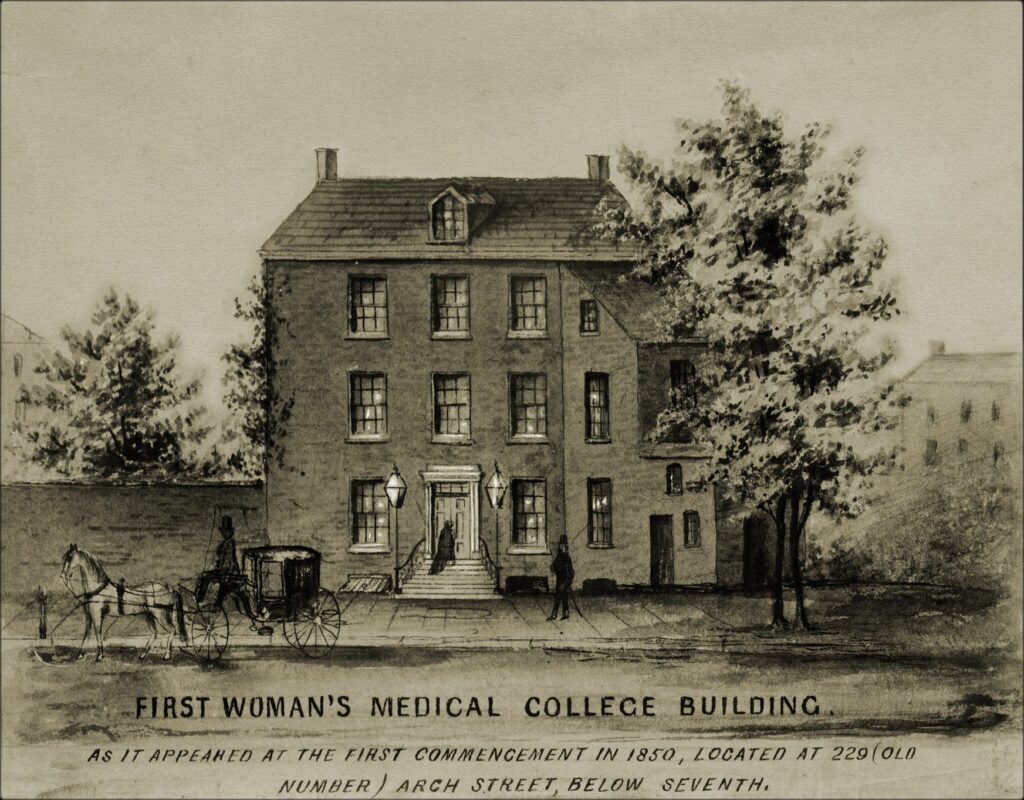
On March 11, 1850, a modest brick building on Arch Street in Philadelphia became home to the first medical school in the world created and authorized to grant M.D. degrees to women. Elizabeth Blackwell had earned her own degree the year before at Geneva Medical College in upstate New York—an extraordinary exception in a male institution.
The new college on Arch Street transformed that exception into a principle, training women whose achievements reshaped medicine: Rebecca Cole, the second African American woman physician in the nation and a pioneer in public‑health outreach; Anandibai Joshee, the first woman from India to earn a Western medical degree; Keiko Okami, the first Japanese woman to do the same; and Susan La Flesche Picotte, the first Native American woman physician, who founded a hospital on the Omaha Reservation. Over the decades the school evolved into the Medical
College of Pennsylvania, later merging with Hahnemann and ultimately becoming part of Drexel University College of Medicine, where its legacy endures.
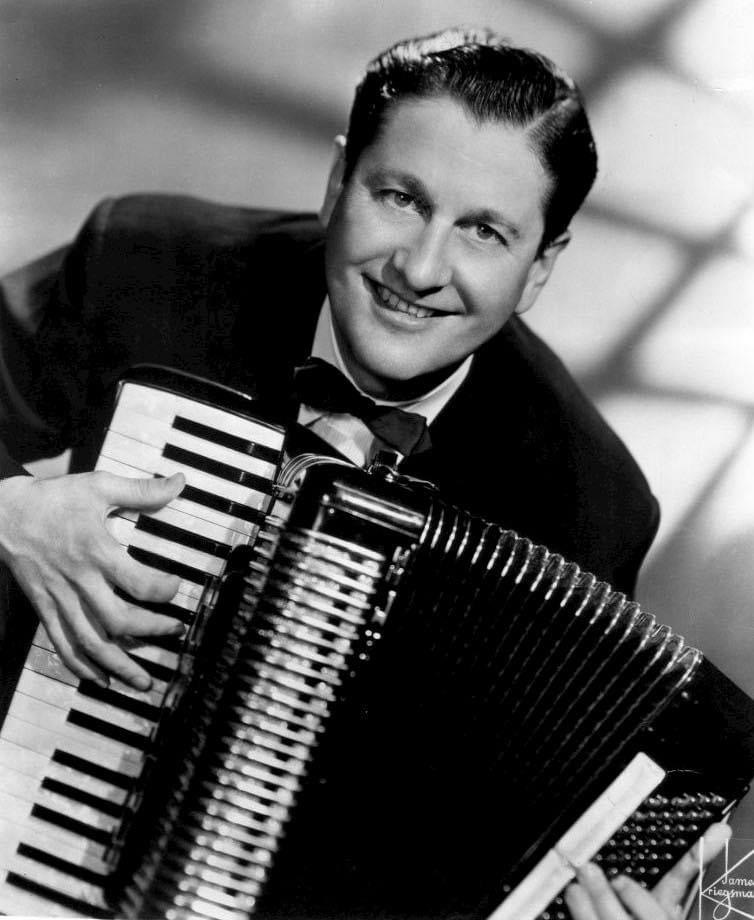
American musician Lawrence Welk was born on March 11, 1903 in Strasburg, North Dakota.
Image of Welk c. 1956 via Wikimedia Commons, public domain
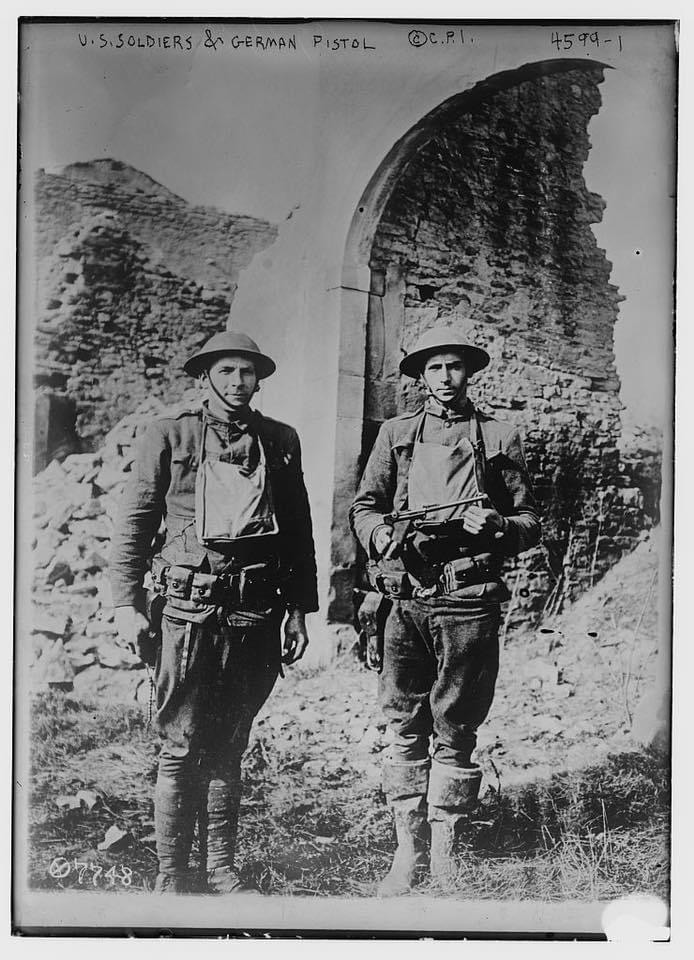
“U.S. soldiers & German pistol”
Photo was taken on March 11, 1918
via Library of Congress, no known restrictions
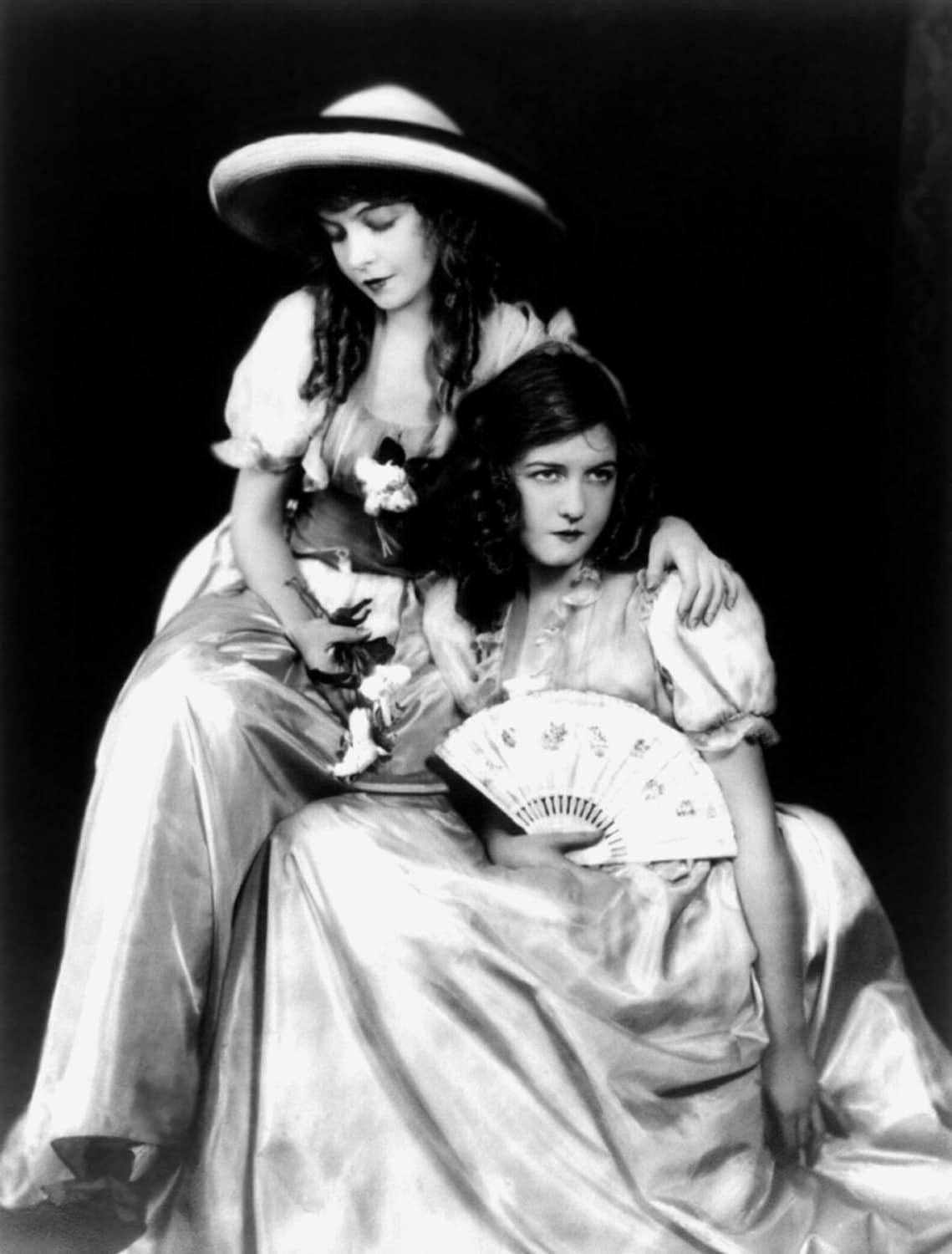
Lillian and Dorothy Gish in 1921
On March 11, 1898 Dorothy Gish was born in Dayton, Ohio
Image via Wikimedia Commons, public domain
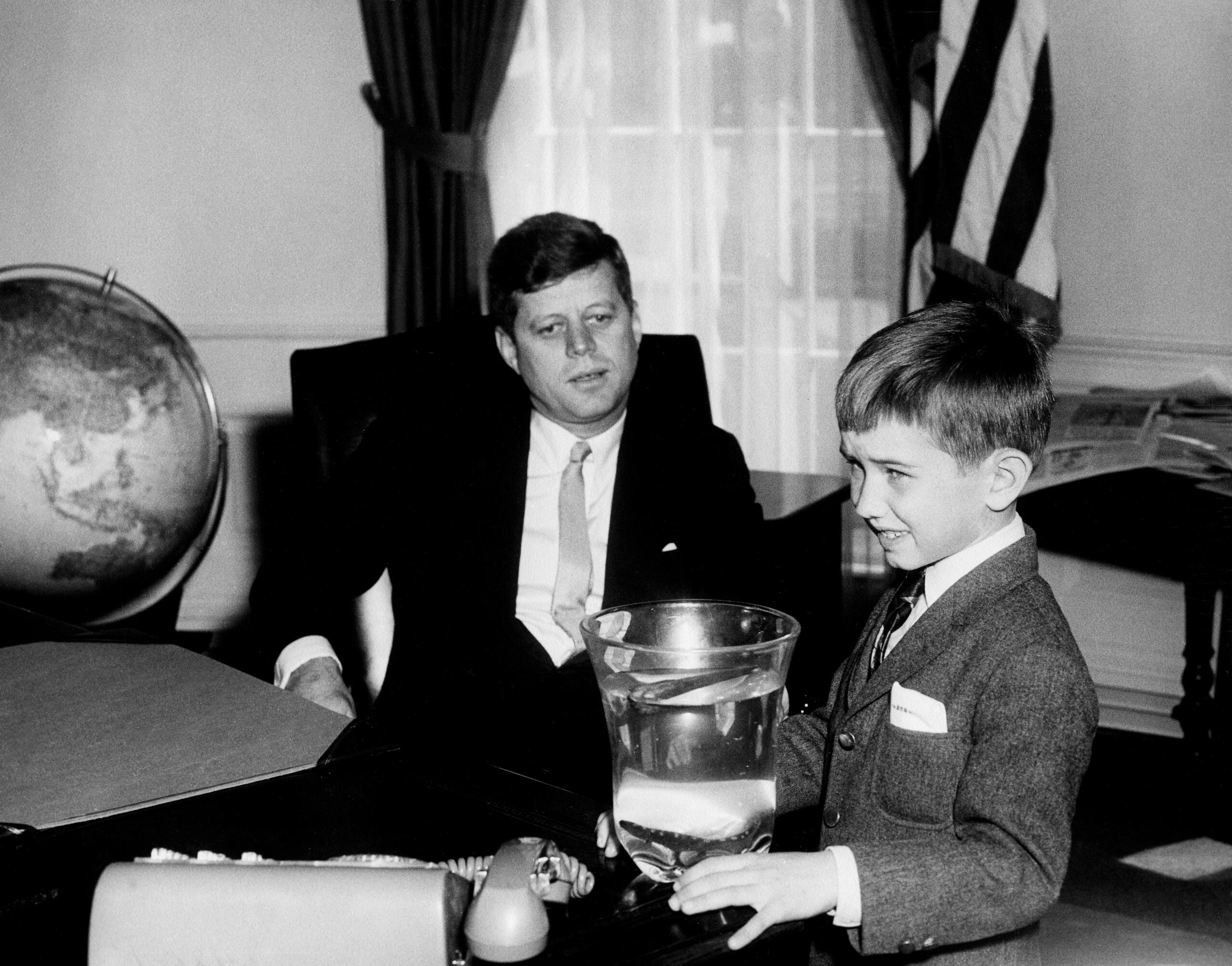
President John F. Kennedy and his nephew, Robert F. Kennedy, Jr. (RFK, Jr.) and presented his uncle with a salamander, “Shadrach” in the White House Oval Office, Washington, D.C. on March 11, 1961
Image via Wikimedia Commons, public domain
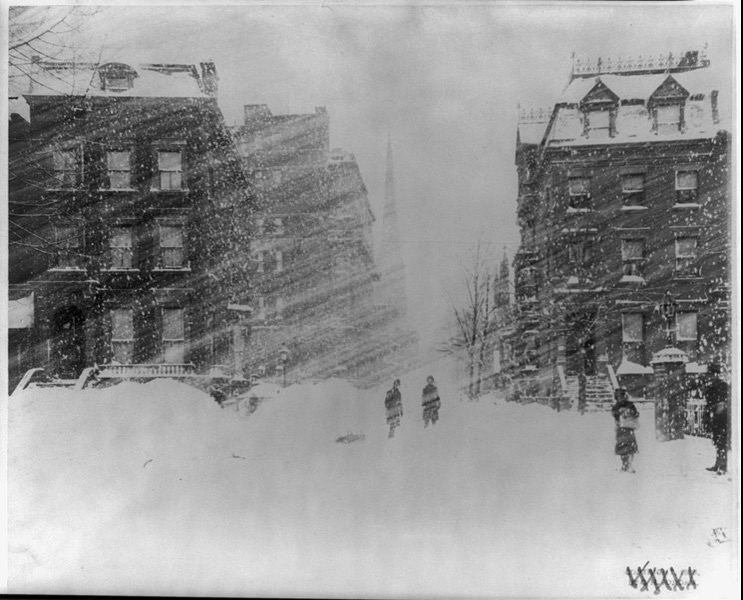
Starting March 11 the Great Blizzard of 1888 was a three-day East Coast snow storm that stretched from Chesapeake Bay to Canada’s Atlantic Provinces. 10 to 60 inches of snow fell but high winds piled up drifts 30 feet high in some places. Rail travel and communication systems were severely impacted. Shown is New York City during the blizzard.
Image via LOC, Wikimedia Commons, public domain in the US.
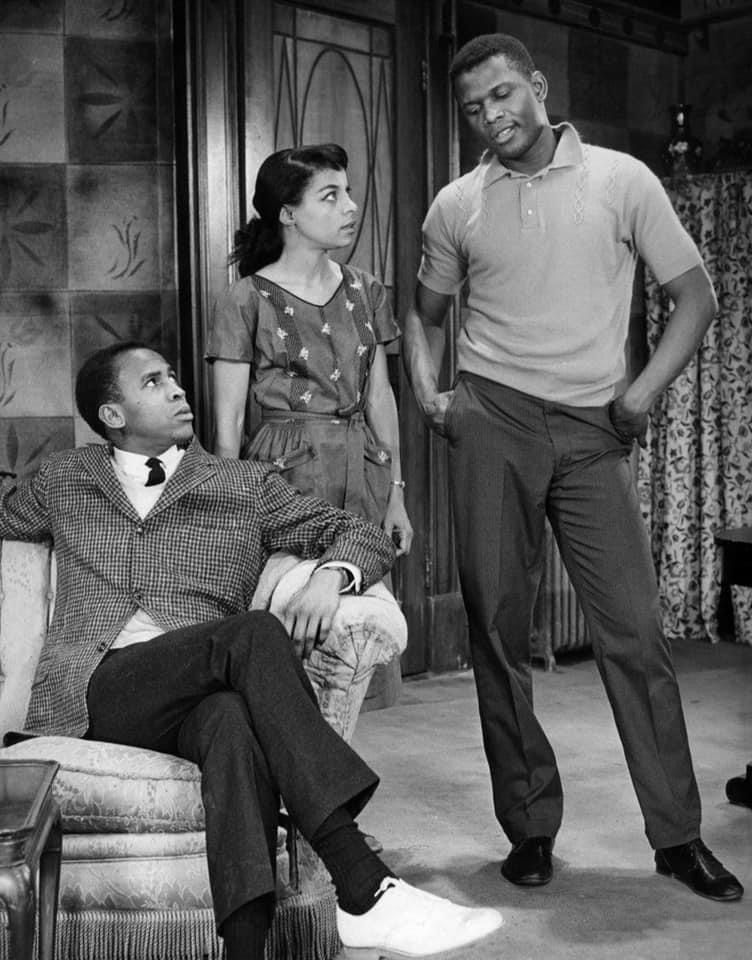
Louis Gossett, Ruby Dee and Sidney Poitier in A Raisin in The Sun.
The Broadway play premiered on March 11, 1959
Image via Wikimedia Commons, public domain
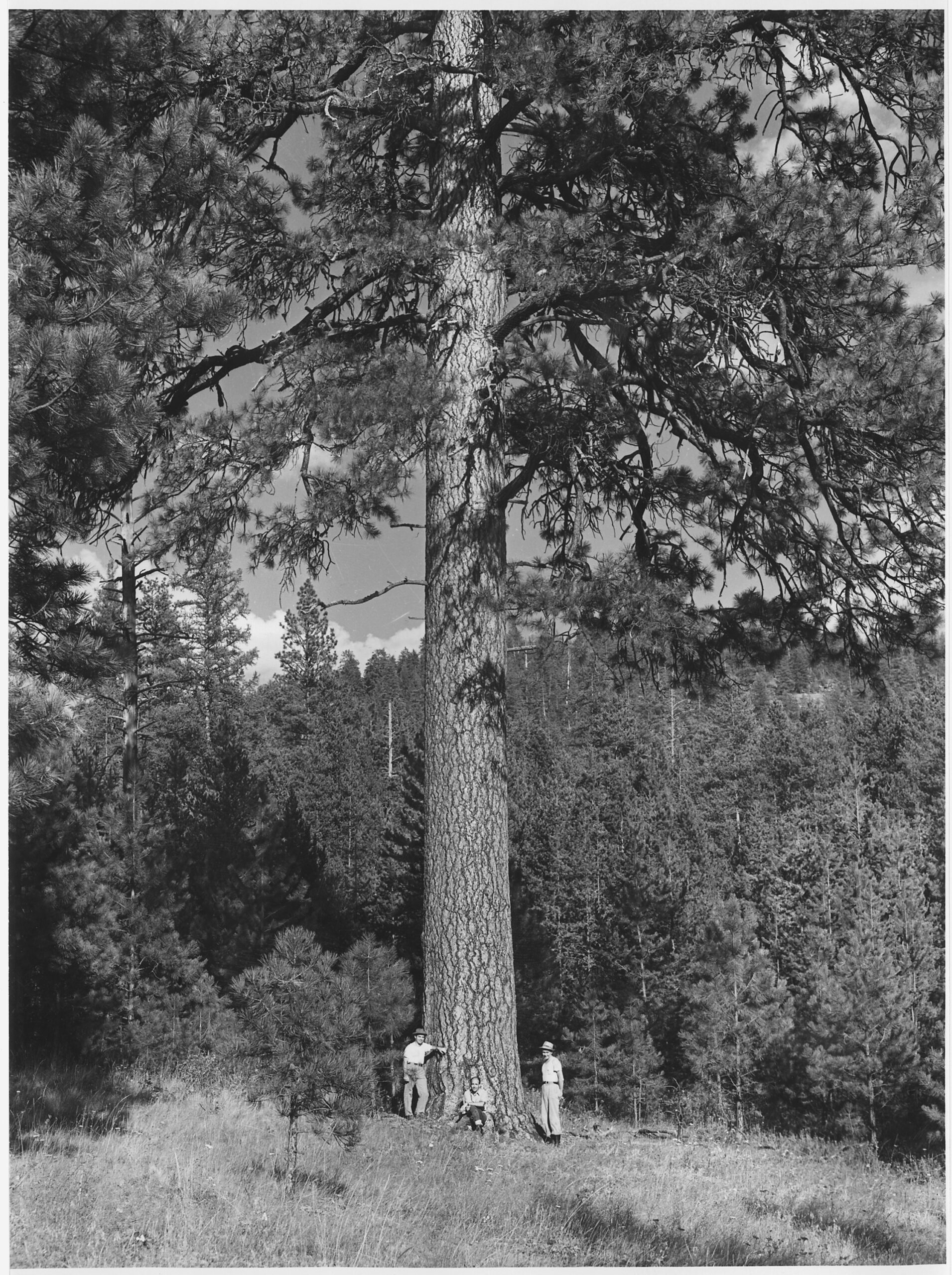
One of the largest ponderosa pines on the Colville Indian Reservation (Washington state.) Photo taken at the edge of Moses Meadow c. 1941
On March 11, 1824 the Bureau of Indian Affairs was formed. Image via Wikimedia Commons, public domain
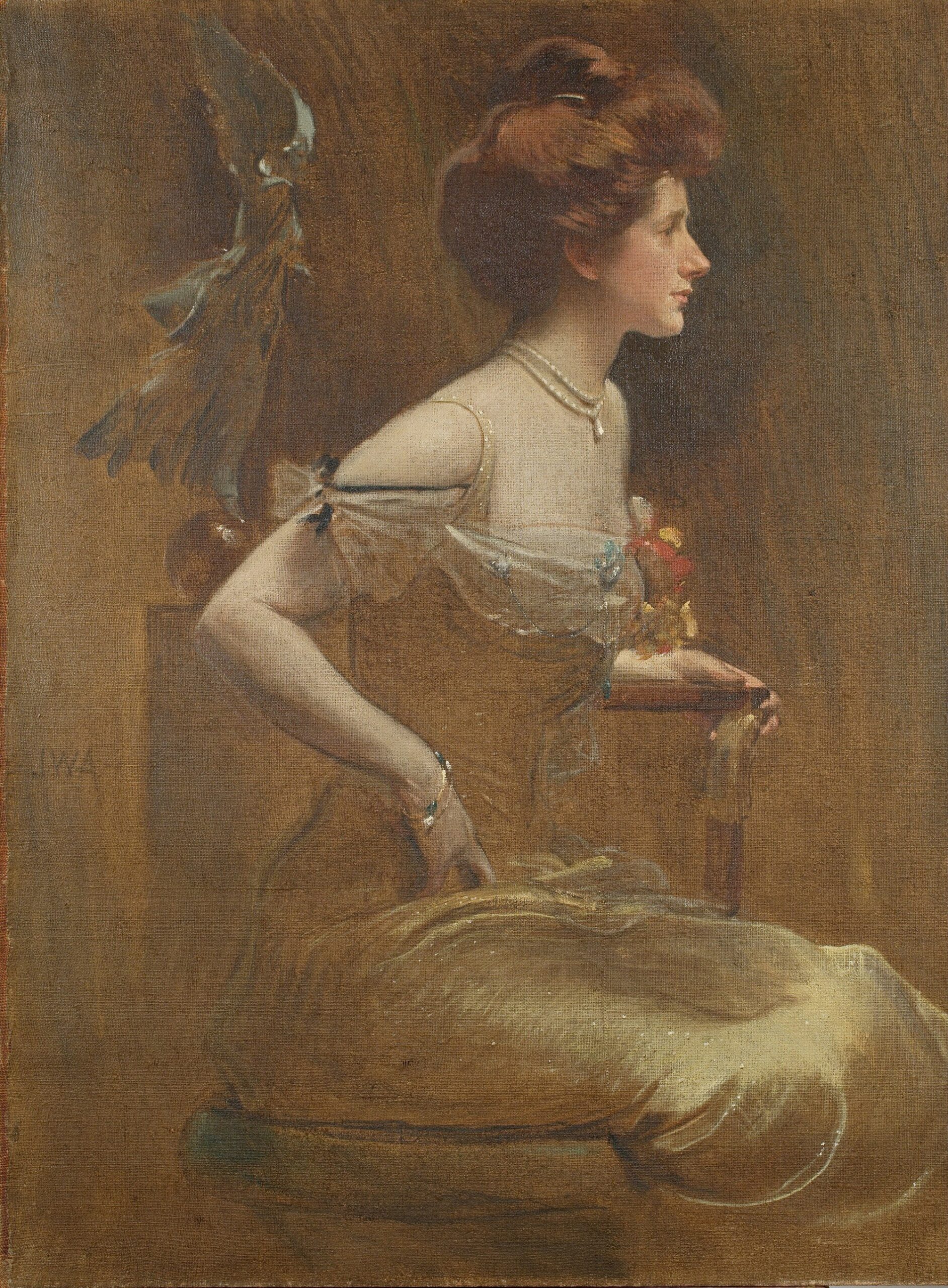
On March 11, 1860, American architect Thomas Hastings was born in New York City. He worked for the prestigious architectural firm Carrère and Hastings that designed the New York Public Library Main Branch.
In 1900, Hastings married this beautiful woman named Helen Benedict of Greenwich, Connecticut. At the wedding Helen wore a dazzling diamond necklace, a veil that was secured by diamond sunbursts and carried a bouquet of wild orchids.
Image of Mrs. Thomas Hastings c. 1901 painted by John White Alexander via Wikimedia Commons, public domain
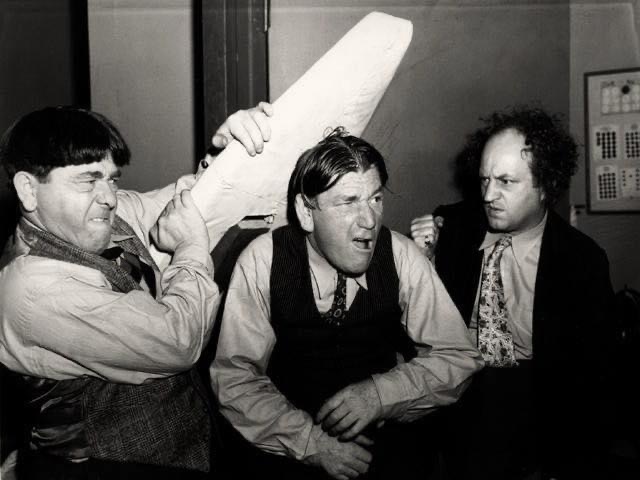
March 11, 1895: Shemp Howard (born Samuel Horwitz) was born in New York City. A founding member of The Three Stooges, he eventually found success as a solo film actor before returning to the comedy trio in 1946 to replace his brother, Curly.
Image: Columbia Pictures via Wikimedia Commons, public domain
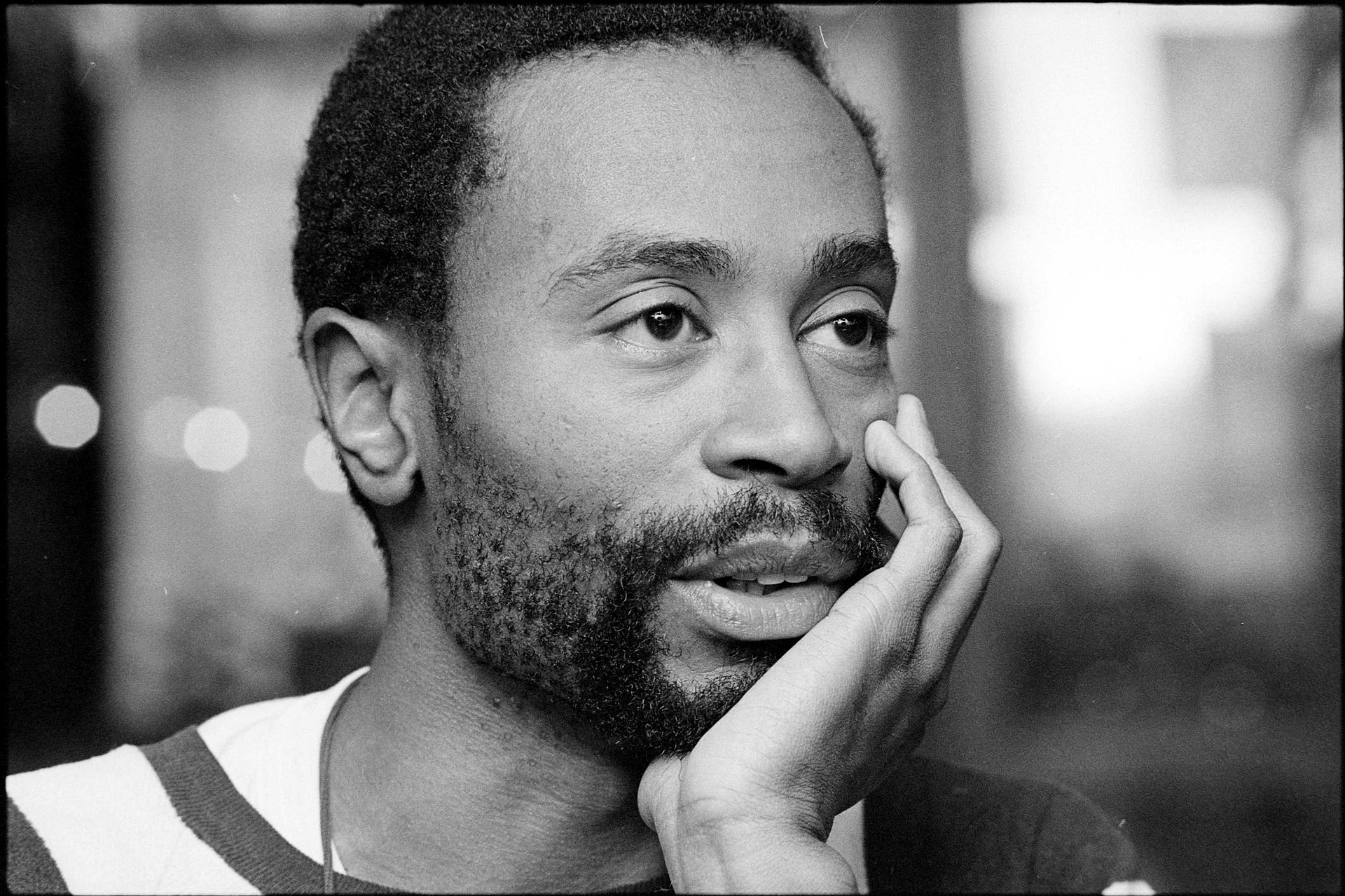
American singer and songwriter Bobby McFerrin was born on March 11, 1950 in Manhattan, New York City.
Image of Bobby from 1982 about six years before he recorded “Don’t Worry, Be Happy” via Wikimedia Commons, public domain
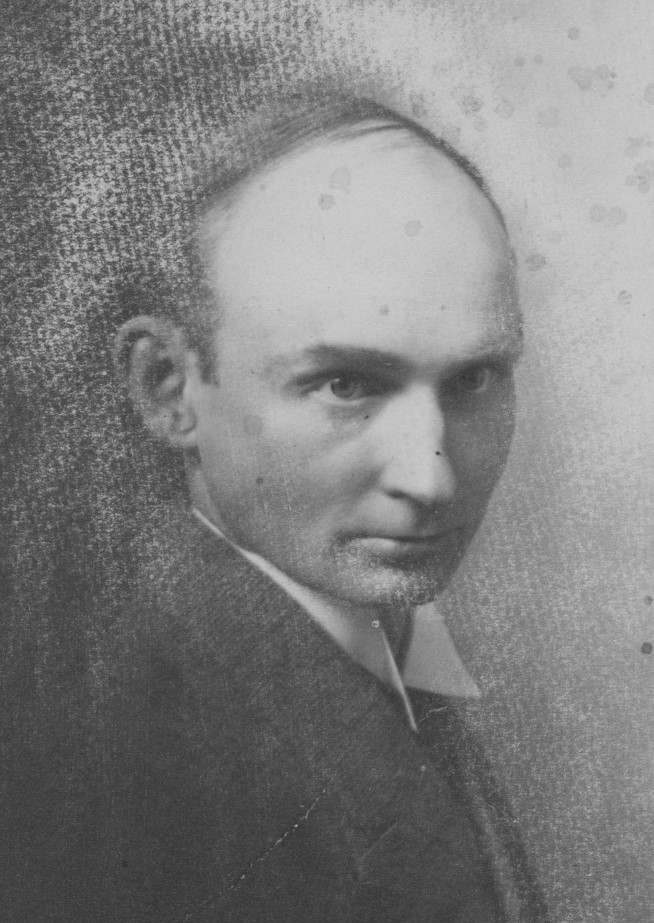
American modernist music composer, Carl Ruggles, was born on March 11, 1876 in Marion, Massachusetts.
As a six year old boy he made his own violin out of a cigar box.
Despite not having any formal musical education or studying music theory, Ruggles is considered one of the composers known as The American Five.
“Sun-Treader,” “Men and Mountains” and “Toys” are considered some of his greatest works.
His final work “Exaltation” was dedicated to his wife.
Image via Wikimedia Commons, public domain
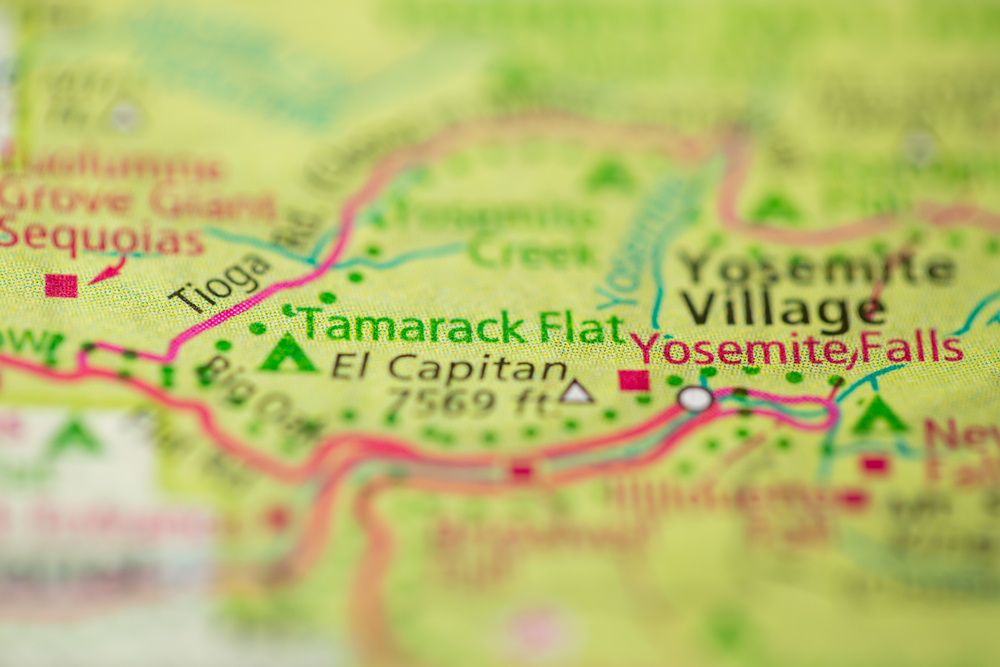
The greatest snow depth ever recorded in the continental U.S. occurred on March 11, 1911 at Tamarack Flat in Yosemite National Park, California.
The measurement was more than 450 inches or over 37 feet!
Image via Shutterstock
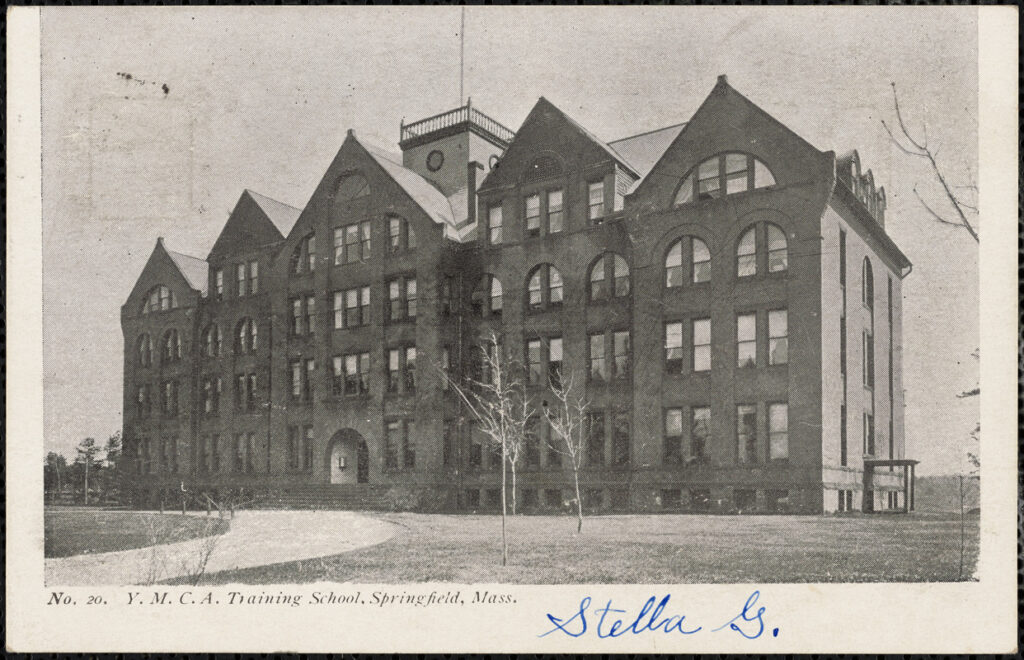
The first public basketball game, played on March 11, 1892 at the International YMCA Training School in Springfield, Massachusetts, introduced spectators to James Naismith’s new winter pastime. Students defeated the faculty 5–1, with Edward Ruggles scoring four baskets and Amos Alonzo Stagg providing the lone faculty point. Nearly 200 onlookers crowded the gallery as players passed a soccer ball toward peach baskets with intact bottoms—each score requiring a ladder and a pause in play.
Image: Y.M.C.A. Training School, Springfield, Mass. via Digital Commonwealth Massachusetts, no known restrictions
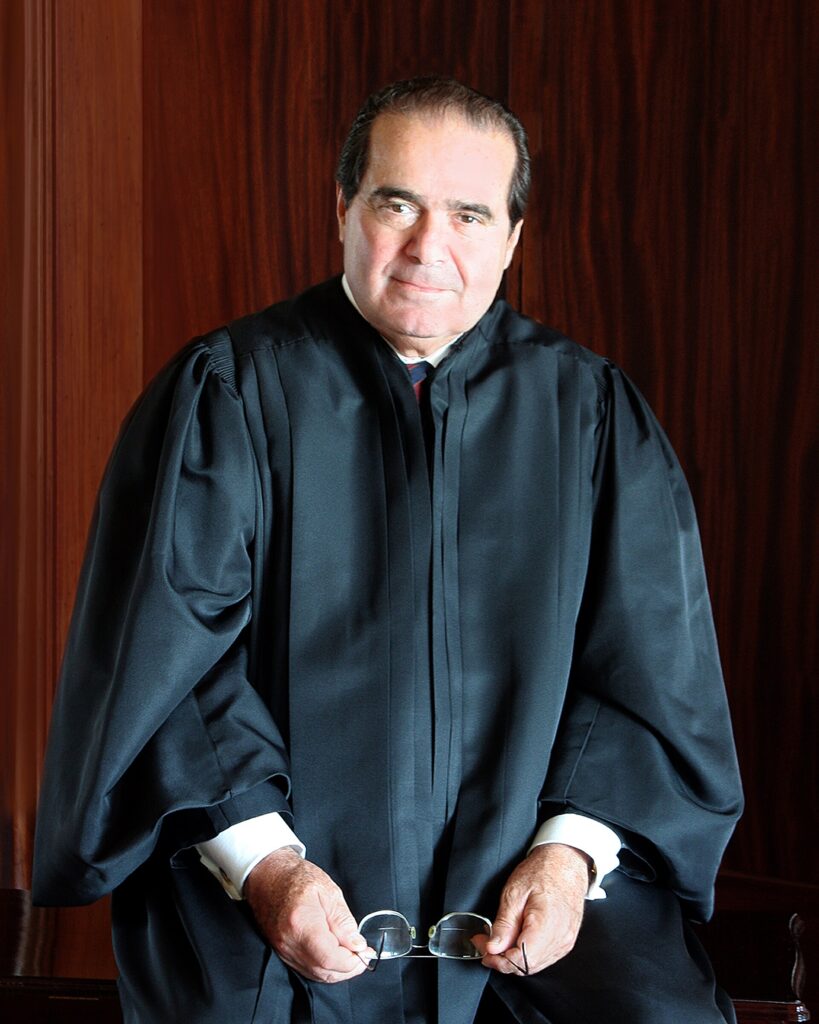
March 11, 1936: Antonin Scalia was born in Trenton, New Jersey. He would become the Court’s most forceful advocate of originalism, the principle that the Constitution’s meaning is fixed by the understanding of those who framed and ratified it. In a commencement address, he reminded students: “Brains and learning… are articles of commerce. The only thing in the world not for sale is character.”
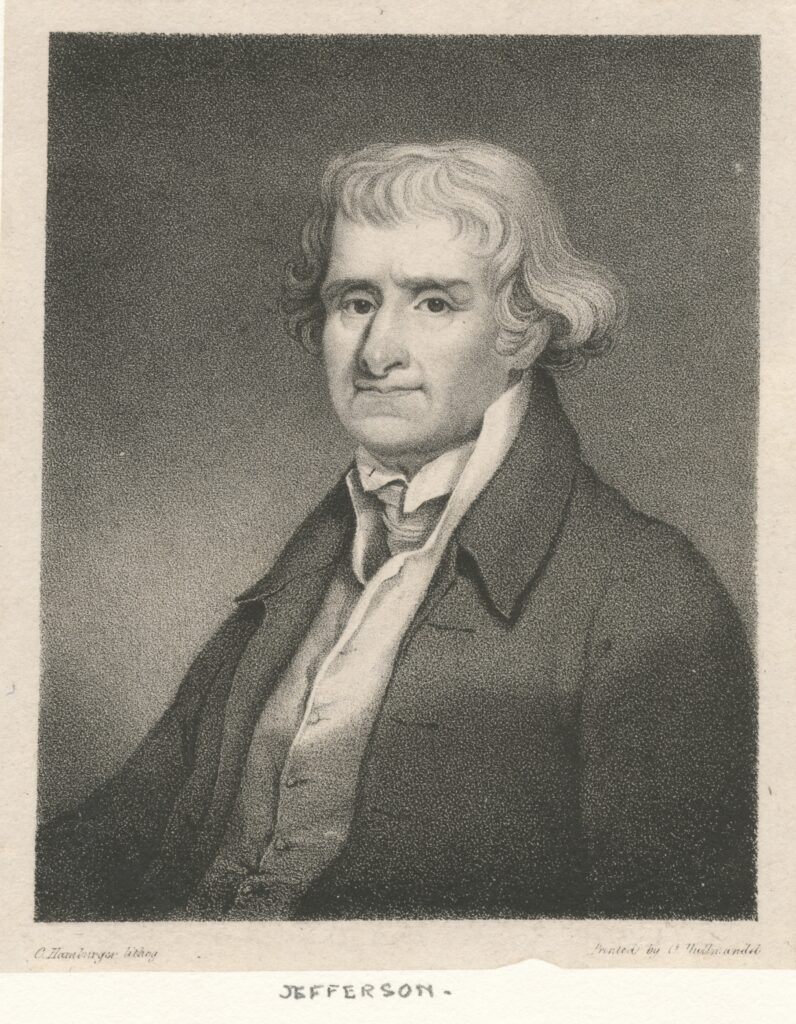
March 11, 1791: In the young Republic, the nation’s patent system was overseen directly by Secretary of State Thomas Jefferson, who examined every application by hand under the Patent Act of 1790. On this date, the Patent Office issued four patents to a single inventor — Philadelphia craftsman Samuel Mulliken — marking the first multi‑patent grant in United States history. Mulliken’s inventions ranged from machines for threshing grain and processing hemp to devices for polishing marble and raising a nap on cloth, a sweep of practical ingenuity that reflected the country’s early industrial ambitions.
Each patent cost $3.70, covering 50 cents to file the petition, $2.00 for the certificate, and $1.20 for the Great Seal. Modest as the fee was, the moment signaled a growing demand for legal protection of American invention — and Jefferson’s hands‑on role in shaping the system that would govern it.
