
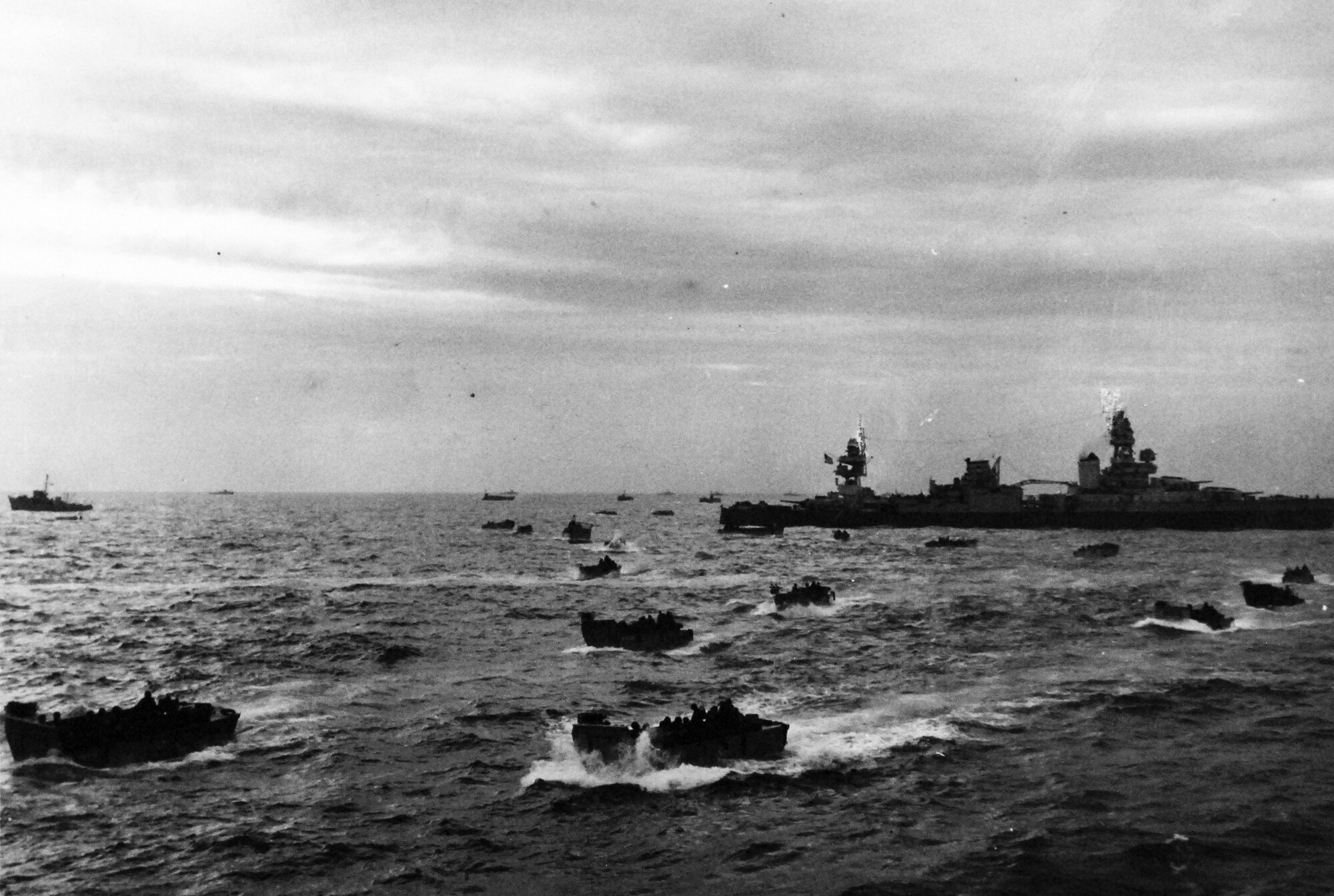
Normandy Invasion, U.S. Navy Ships, June 6, 1944. USS Augusta (CA-31) off the French invasion coast, likely near Omaha Beach, providing naval support during the historic D-Day landing operations. Small landing craft, loaded with determined Allied troops, speed toward shore under a cloudy sky, ready to engage in one of the most pivotal battles of World War II. The vast expanse of ocean serves as a backdrop for this monumental military effort, showcasing the immense coordination and bravery of the Allied forces as they fight to liberate Europe from Nazi occupation.
via Wikimedia Commons, public domain
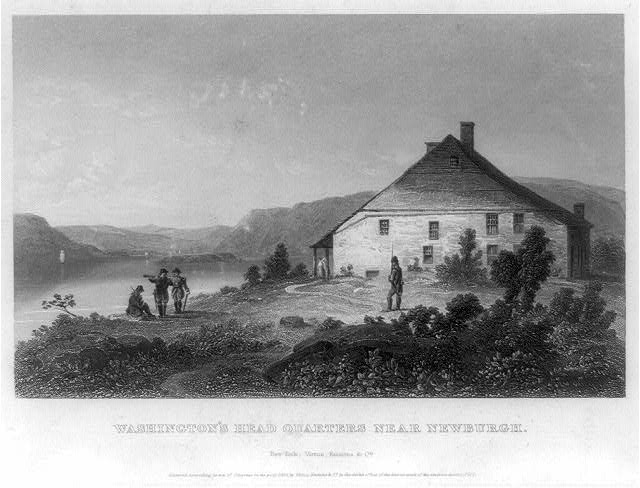
On June 6, 1783, months after delivering the famous Newburgh Address, General George Washington reassured Continental Army officers in Newburgh, New York, that Congress would address their unpaid wages. As soldiers prepared for furlough, tensions over financial grievances remained high, but Washington urged patience, recognizing the young nation’s economic struggles. His steady leadership once again helped prevent unrest during the critical post-war transition, averting a potential crisis.
via Wikimedia Commons, public domain
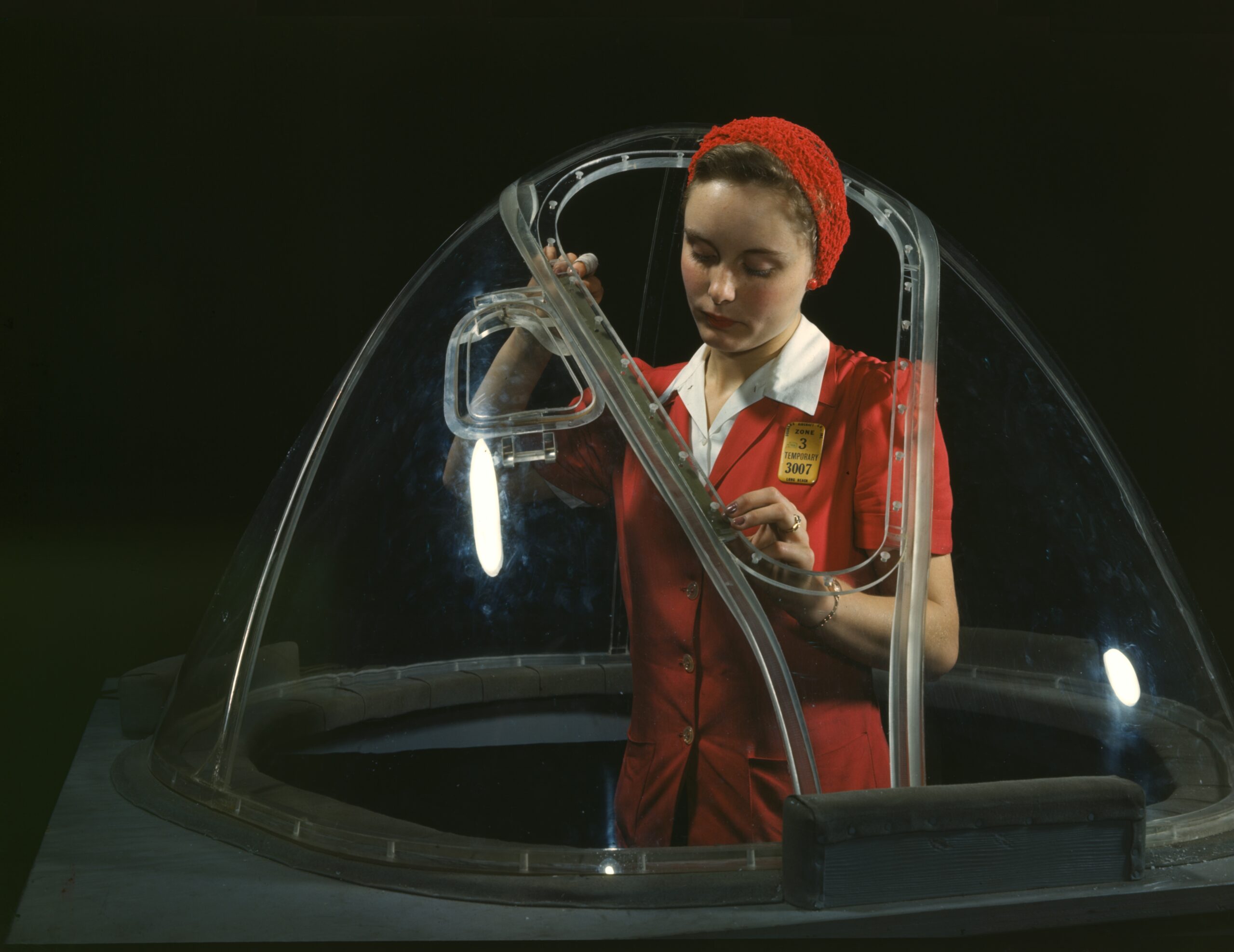
This young American lady is putting finishing touches on the bombardier nose section of a B-17F bomber in Long Beach, California.
Of the nearly 13,000 Allied aircraft used during D-Day, over 2,200 of them were bombers.
Of the over 2,200 Allied bombers that were used during D-Day, about 800 of them were B-17s.
via Wikimedia Commons, public domain
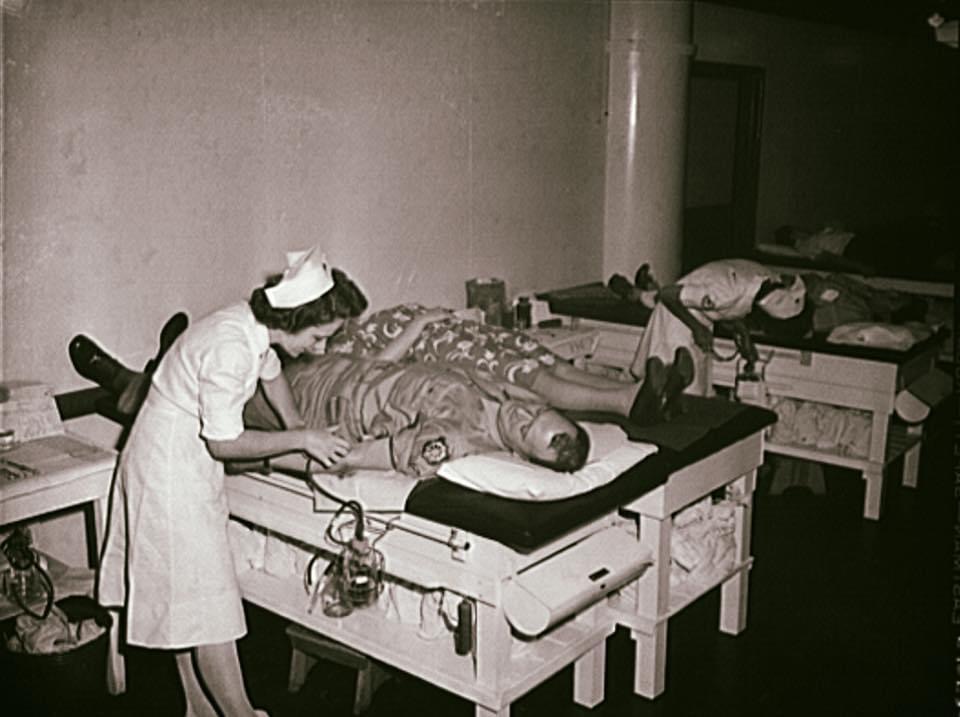
“New York, New York. June 6, 1944. Blood donors on D-day”
via Library of Congress, no known restrictions
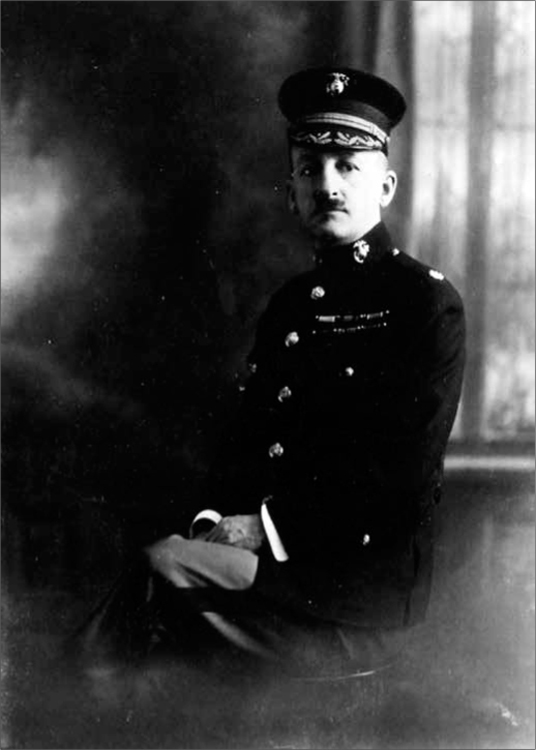
Major Julius S. Turrill U.S.M.C. of Vermont who fearlessly led an attack on Hill 142 with fixed bayonets across an open wheat field in the direction of enemy machine gunfire during the Battle of Belleau Wood on June 6, 1918
Image via Wikimedia Commons, public domain in the US.
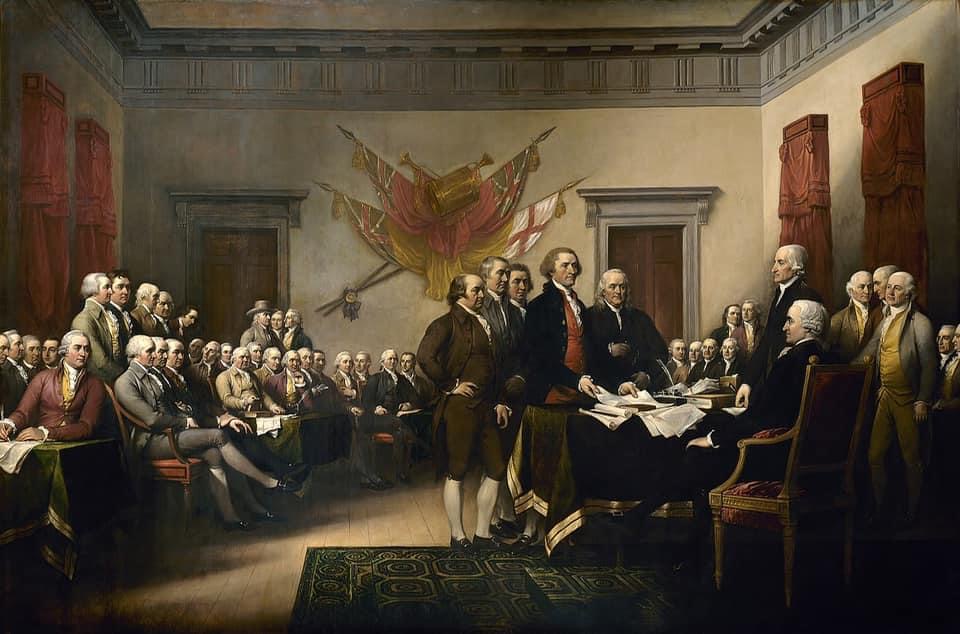
American artist John Trumbull was born on June 6, 1756.
Among his numerous paintings is this famous work which depicts Benjamin Franklin, Thomas Jefferson, John Adams, Roger Sherman and Robert Livingston submitting their draft of The Declaration of Independence.
Image via Wikimedia Commons, public domain
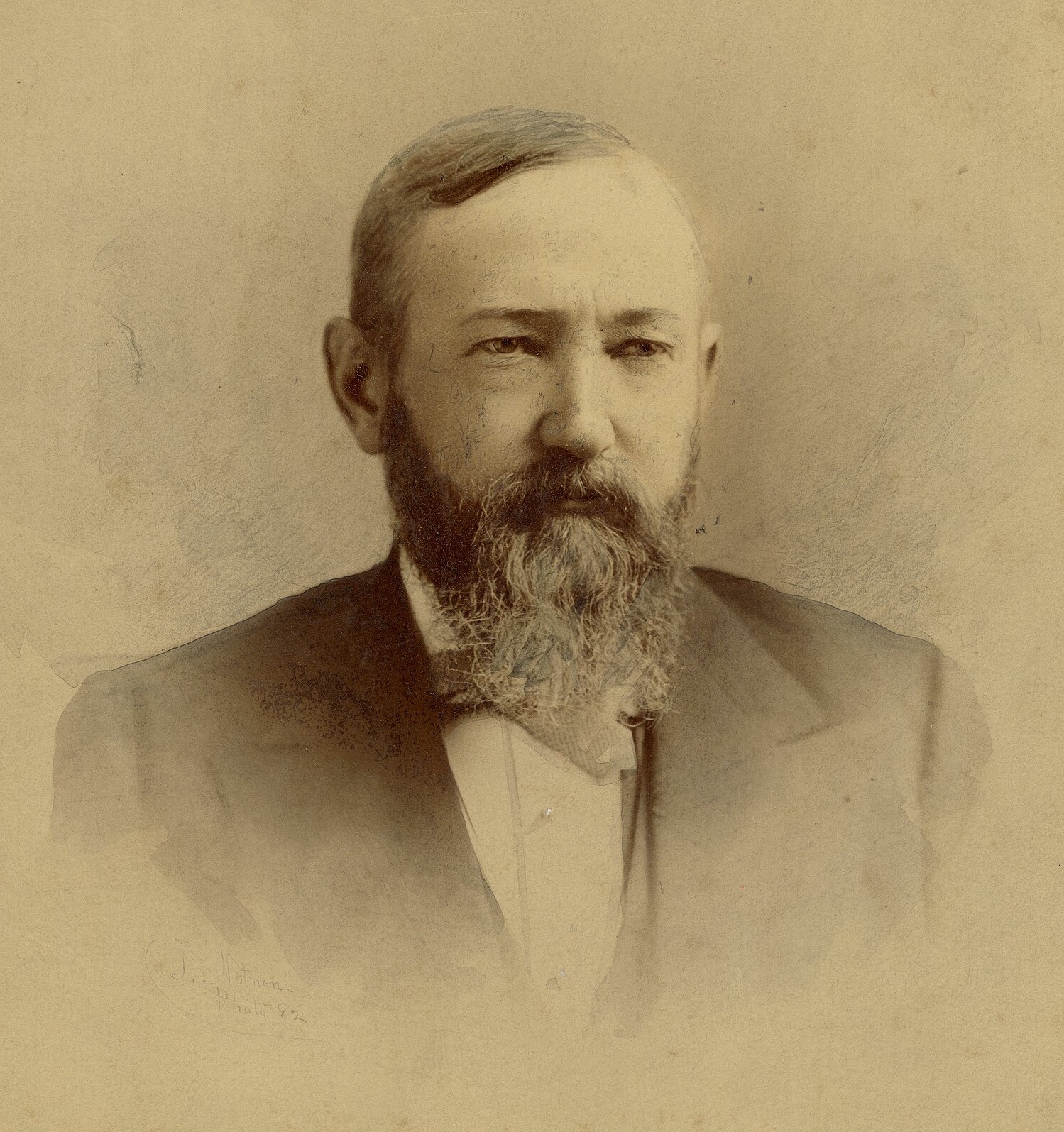
On June 6, 1892, Benjamin Harrison became the first sitting President to attend a Major League Baseball game when he watched the Cincinnati Reds defeat the Washington Senators (7-4) in 11 innings.
The game was the 26th win for the Reds that season and capped a 5-game winning streak.
How many were in attendance on June 6, 1892 at the now obsolete wooden ballpark called Boundary Field (became Griffith Park in 1911) in D.C.? Just a little under 1,700.
The place where Boundary Field was located is now a hospital.
Image via Wikimedia Commons, public domain
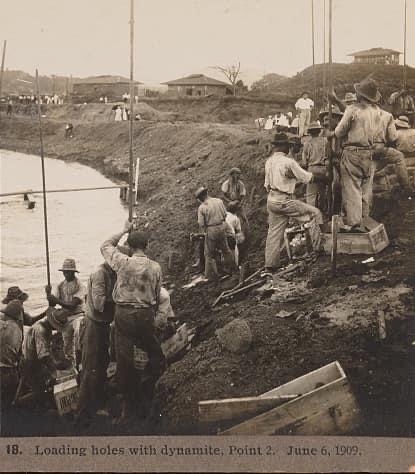
Loading holes with dynamite during construction of the Panama Canal
– June 6, 1909
Image via Library of Congress, no known restrictions
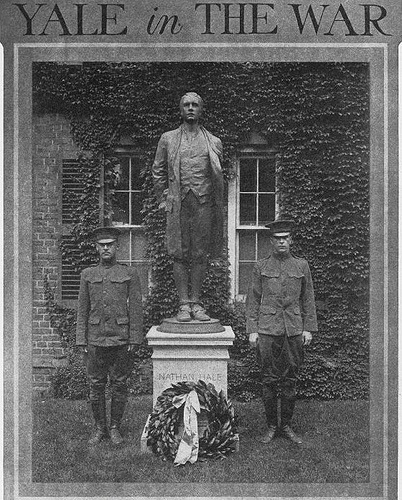
Born June 6, 1755 Captain Nathan Hale answered General Washington’s call for volunteers to go behind enemy lines and report British troop movements in New York. Found guilty of spying, Hale was executed in 1776. There are statues of him in several places, like Yale, his alma mater and at CIA headquarters in Virginia.
Image via Wikimedia Commons, public domain in the US.
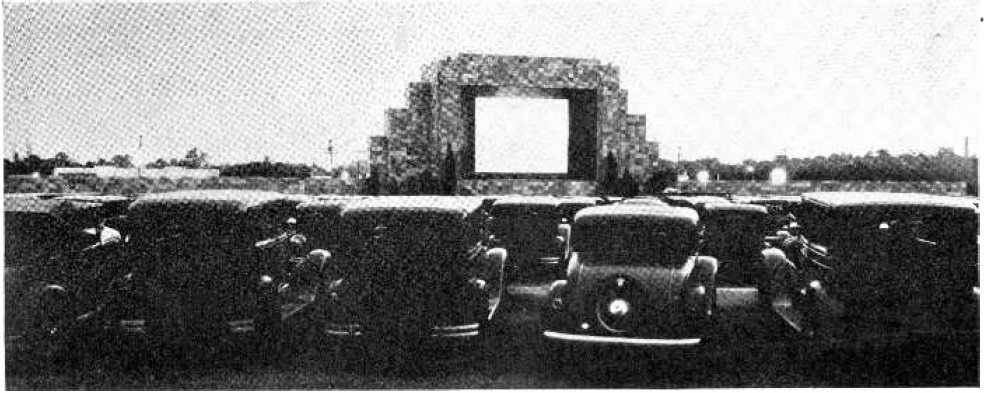
On June 6, 1933, Richard Hollingshead opened his Drive-In Theater in Pennsauken, New Jersey.
It’s considered the first drive-in theater.
Image via Wikimedia Commons, public domain
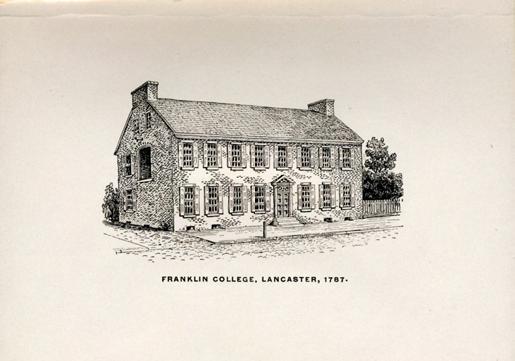
Founded on June 6, 1787, in Lancaster, Pennsylvania, Franklin College was named in honor of Benjamin Franklin, who supported its establishment. Marshall College, originally located in Mercersburg, Pennsylvania, was founded in 1836 and named after Supreme Court Chief Justice John Marshall. Tensions over abolitionist activism led to the Mercersburg Riot of 1837, where Marshall College students clashed over anti-slavery discourse. The college struggled with financial instability, leading to its merger with Franklin College in 1853.
Today, Franklin & Marshall College remains in Lancaster, serving as a beacon of excellence and tradition in liberal arts education.
Image via Wikimedia Commons, public domain
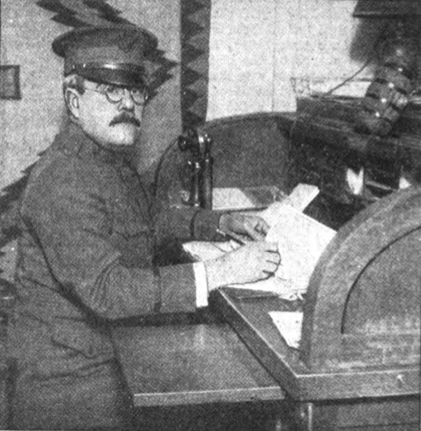
David T. Abercrombie who founded the upscale clothier Abercrombie Co. that later became Abercrombie & Fitch Co. was born on June 6, 1867 in Baltimore, Maryland.
Image of David T. Abercrombie when he was Major in the Quartermaster Reserve Corps during WWI via Wikimedia Commons, public domain
