
 Mystery March Is Here!
June 27, 1776 — Spies, Suspicion, and a General’s Intuition
While Congress debated liberty and drafted the words that would reshape a continent, George Washington was playing a quieter but no less pivotal game, one of shadows and suspicion.
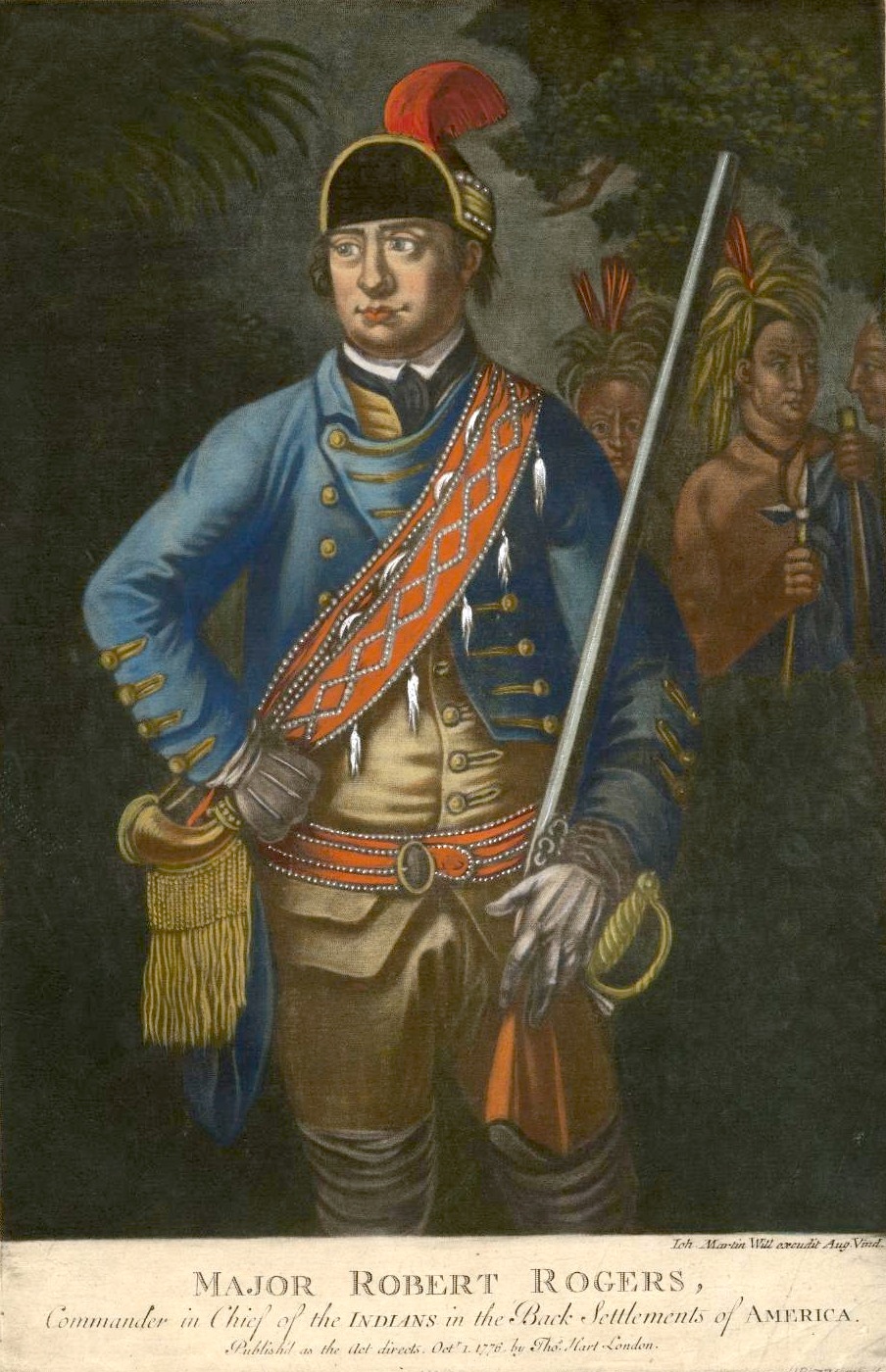
On this day, Washington wrote to John Hancock, President of the Continental Congress, about a man he had just ordered detained: Major Robert Rogers, once the legendary leader of Rogers’ Rangers during the French and Indian War. Rogers claimed he wanted to serve the American cause, but Washington wasn’t convinced. His route was odd, his company questionable, and his timing—just days before the colonies would sever ties with Britain—far too convenient.
Lacking firm evidence and bound by the limits of military authority, Washington allowed Rogers to travel to Philadelphia under escort. He warned Congress but did not detain the man indefinitely—an uneasy balance between caution and the very liberties the Revolution sought to defend. Congress soon forwarded Rogers to New Hampshire to be handled with appropriate scrutiny.
Washington’s instinct, however, proved right. Rejected by the Revolution, Rogers joined the British, raising the Queen’s Rangers, a Loyalist unit that would go on to capture American spy Nathan Hale. But his star didn’t rise with the empire. Alcoholism, illness, and erratic behavior marred his later years. By the war’s end, he was a shadow of his former self—penniless in London, dead by 1795.
On June 27, as parchment dried in Philadelphia, Washington made a decision not just about a man, but about loyalty, risk, and the fragile foundation of a cause barely born.
Image via Wikimedia Commons, public domain
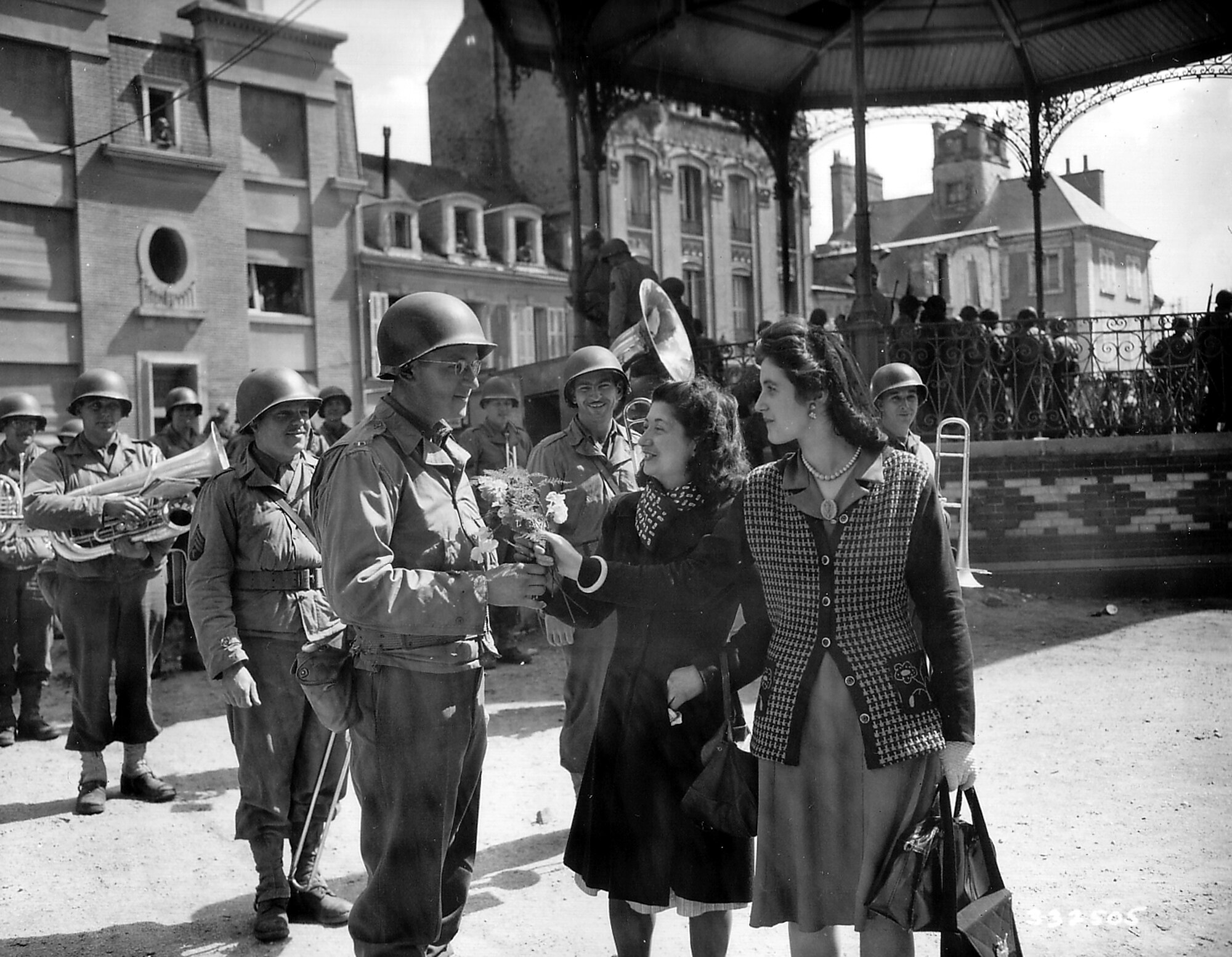
Two French women give flowers to an American soldier during a ceremony that was held after the liberation of Cherbourg, France on June 27, 1944
Image via Wikimedia Commons, public domain
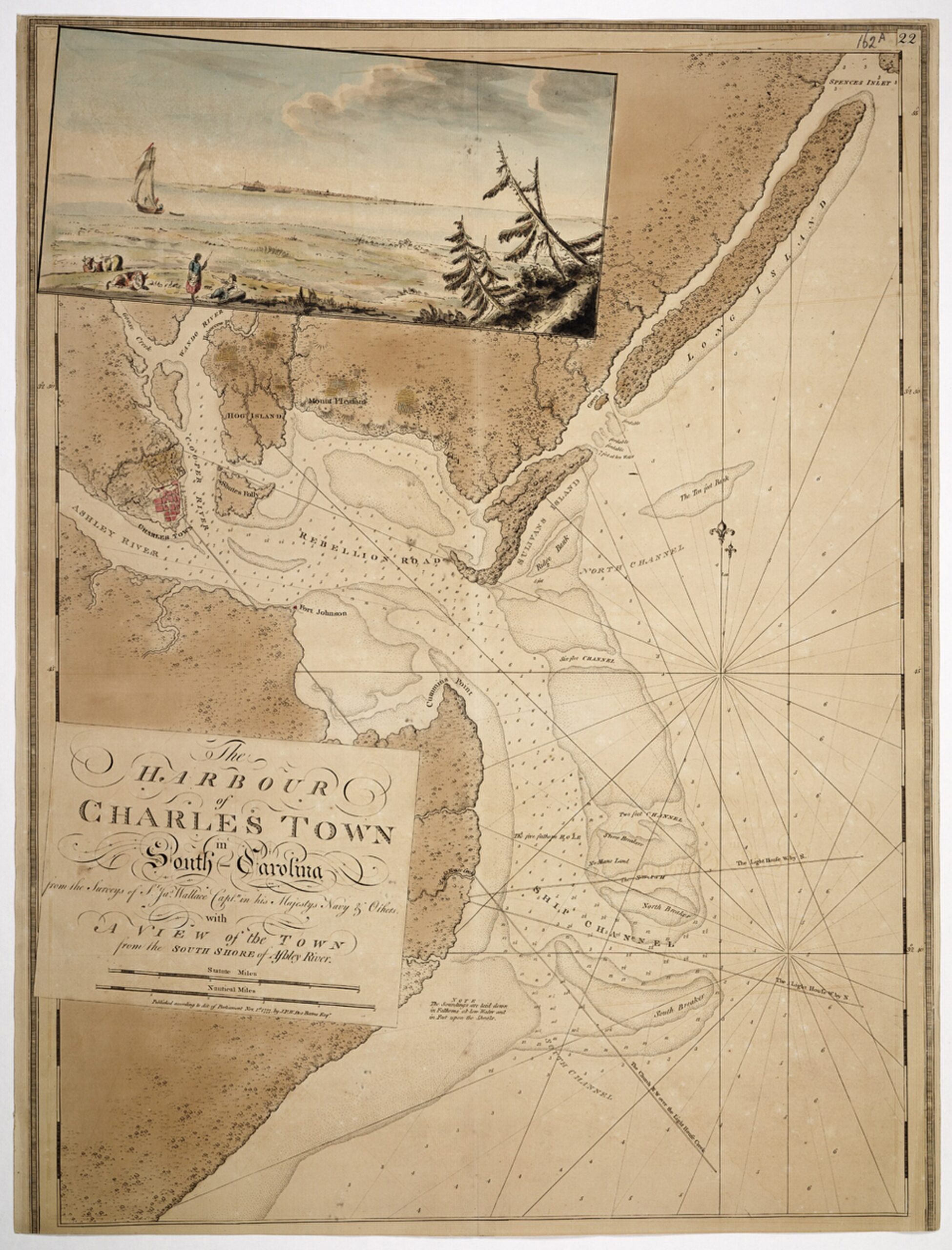
On June 27, 1777, James Parsons became the second and last “Vice President” of South Carolina. This was before the title was changed to Lieutenant Governor.
James was born in Ireland and came to South Carolina in 1750.
He was a colonel during the American Revolution.
Image: Map of Charleston in 1777 when it was still the state capital of S.C. before moving to Columbia in 1786 via Wikimedia Commons, public domain
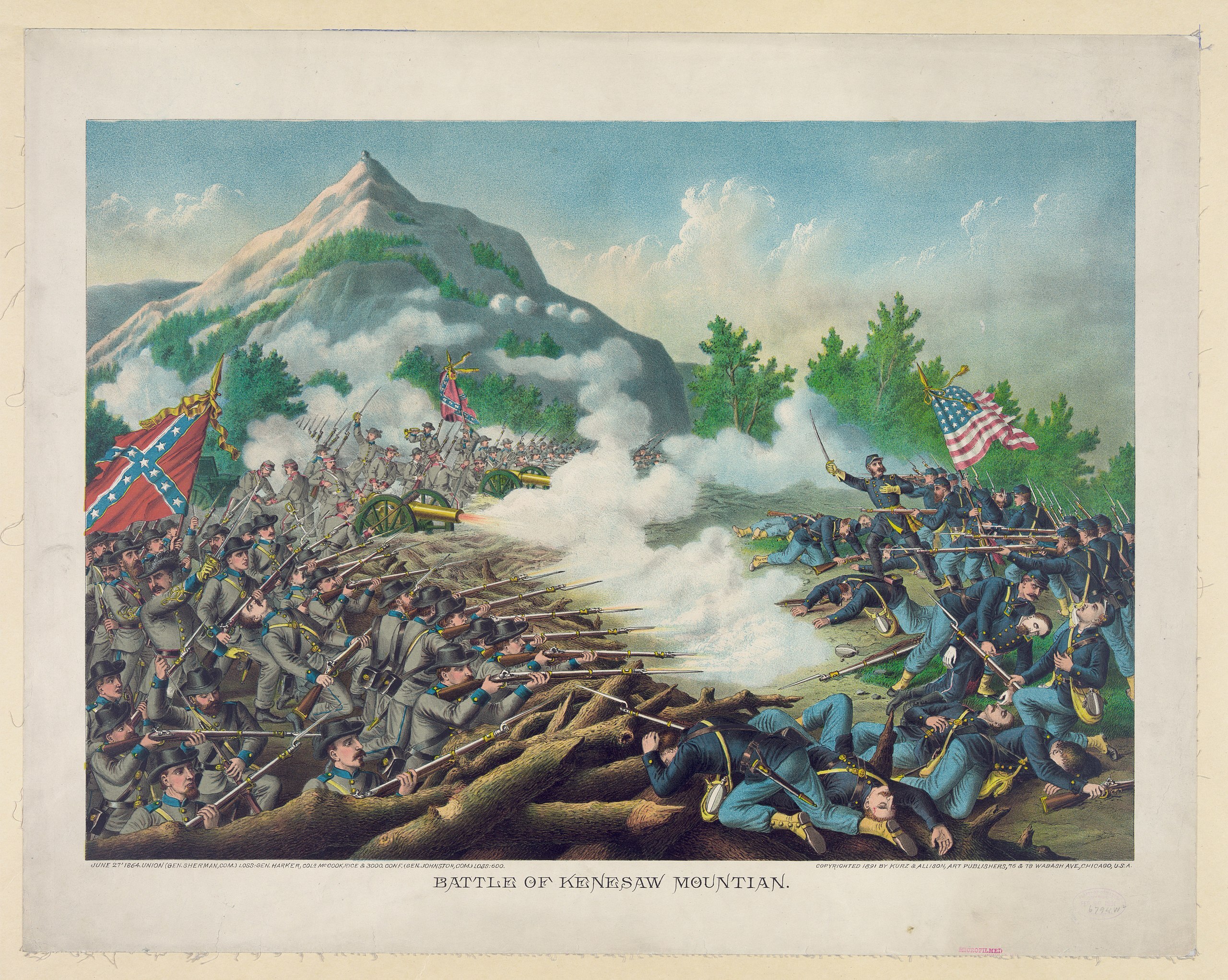
June 27, 1864 – Battle of Kennesaw Mountain
Beneath the red clay hills of Georgia, Union General William T. Sherman ordered a rare frontal assault on Confederate lines fortified by General Joseph E. Johnston. Fierce fighting at Pigeon Hill and Cheatham Hill yielded high Union losses. Though a tactical defeat for Sherman, the march toward Atlanta pressed on.
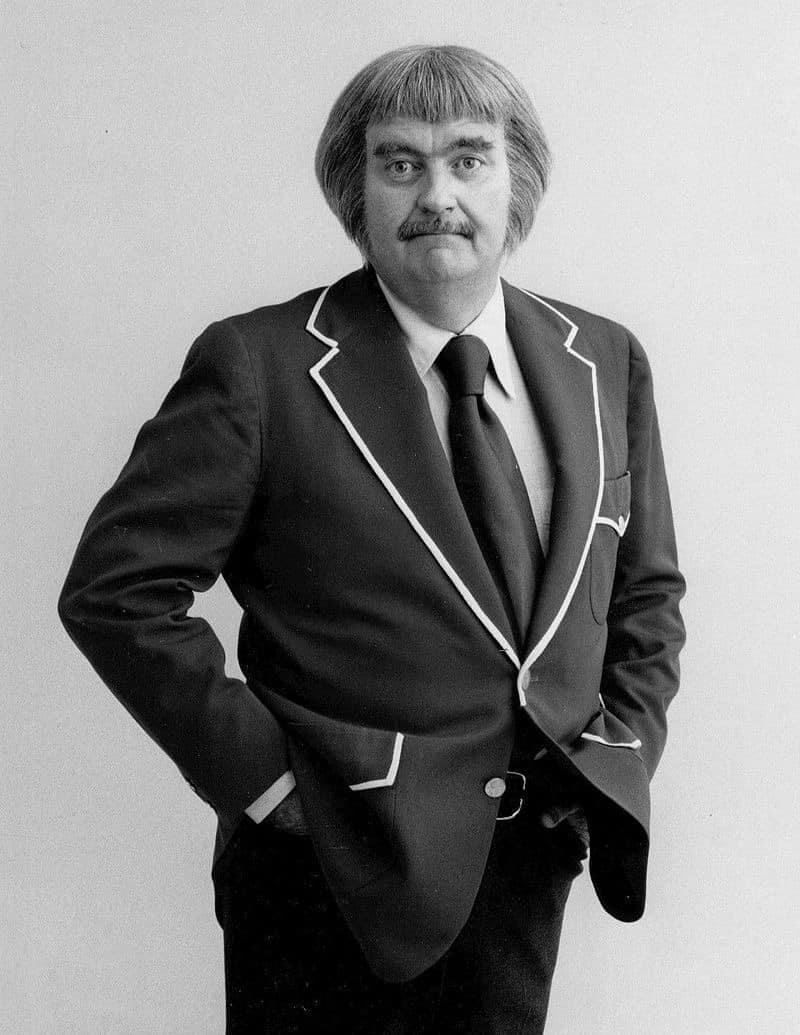
Born June 27, 1927, Bob Keeshan won several Emmy awards during the 29 years he appeared on TV as Captain Kangaroo. From 1948 to 1952 he appeared on The Howdy Doody Show, playing Clarabelle the Clown. Keeshan and Mr. Rogers were good friends, appearing on each other’s shows.
Image via Wikimedia Commons, public domain in the US
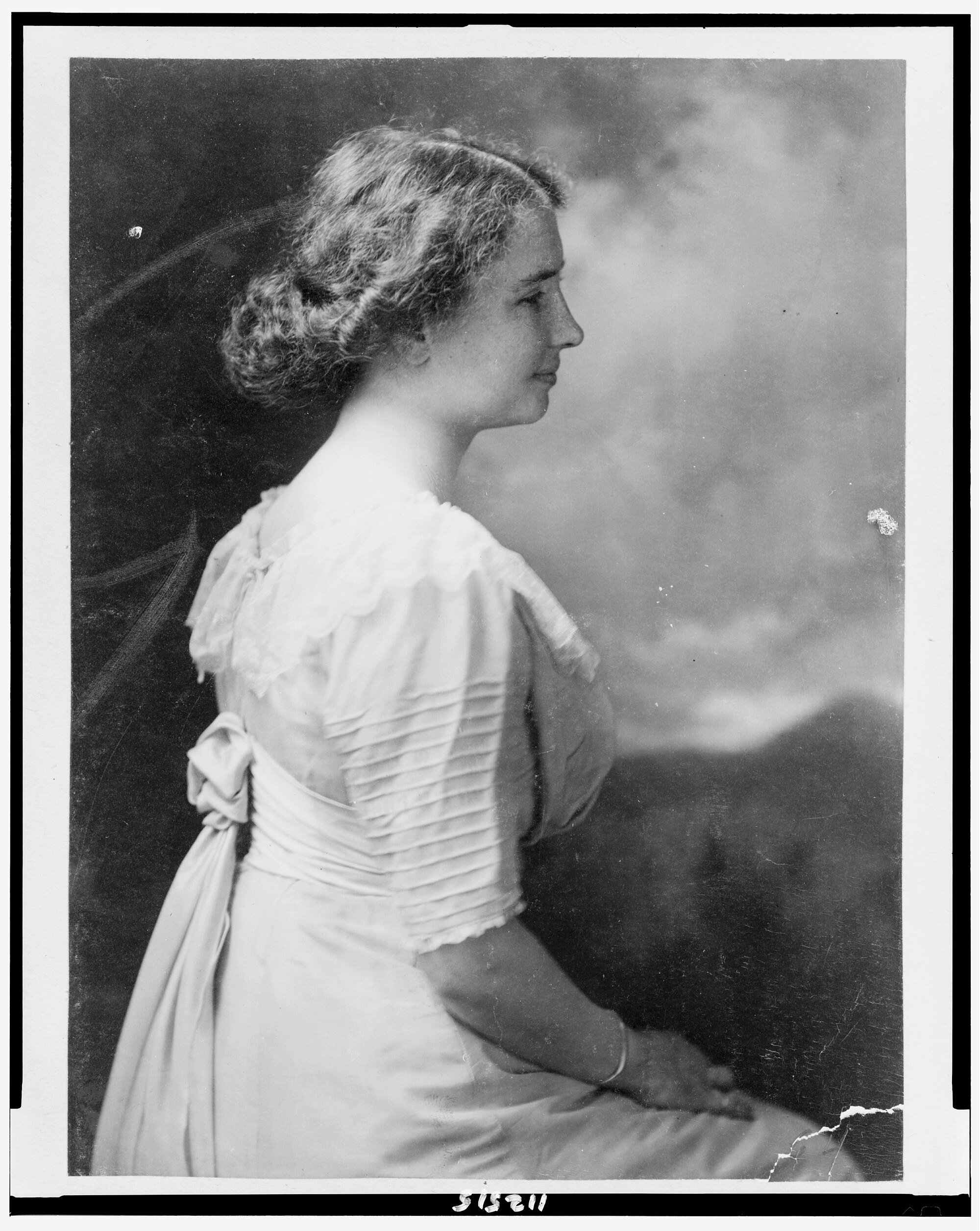
“Once I knew the depth where no hope was, and darkness lay on the face of all things. Then love came and set my soul free…”
– Helen Keller who was born on June 27, 1880 in Tuscumbia, Alabama
Image of Helen from 1909 via Wikimedia Commons, public domain
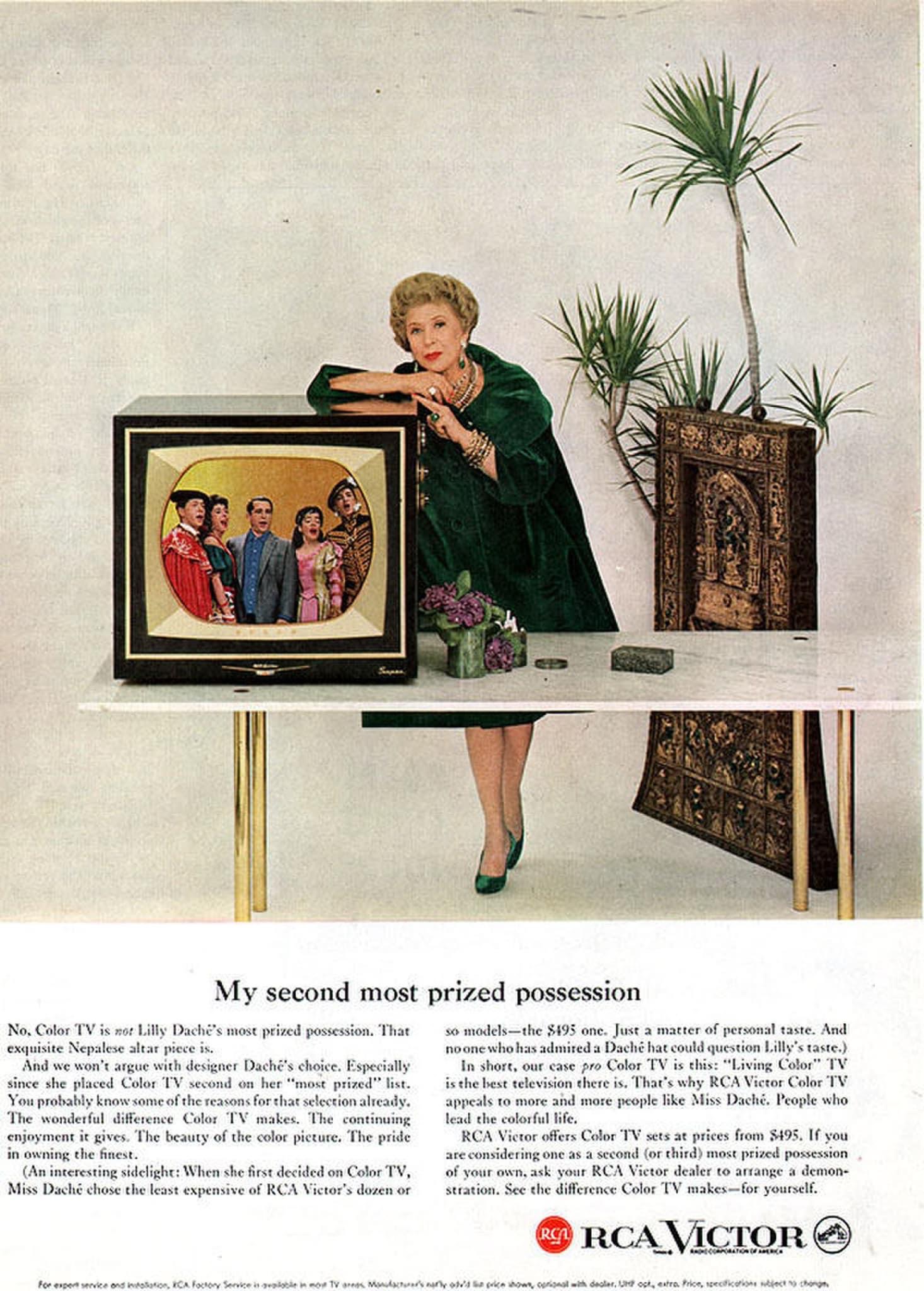
An advertisement for RCA Victor color television 1959
Thirty years prior, on June 27, 1929 the first color television was displayed in New York City.
Image via Wikimedia Commons, public domain
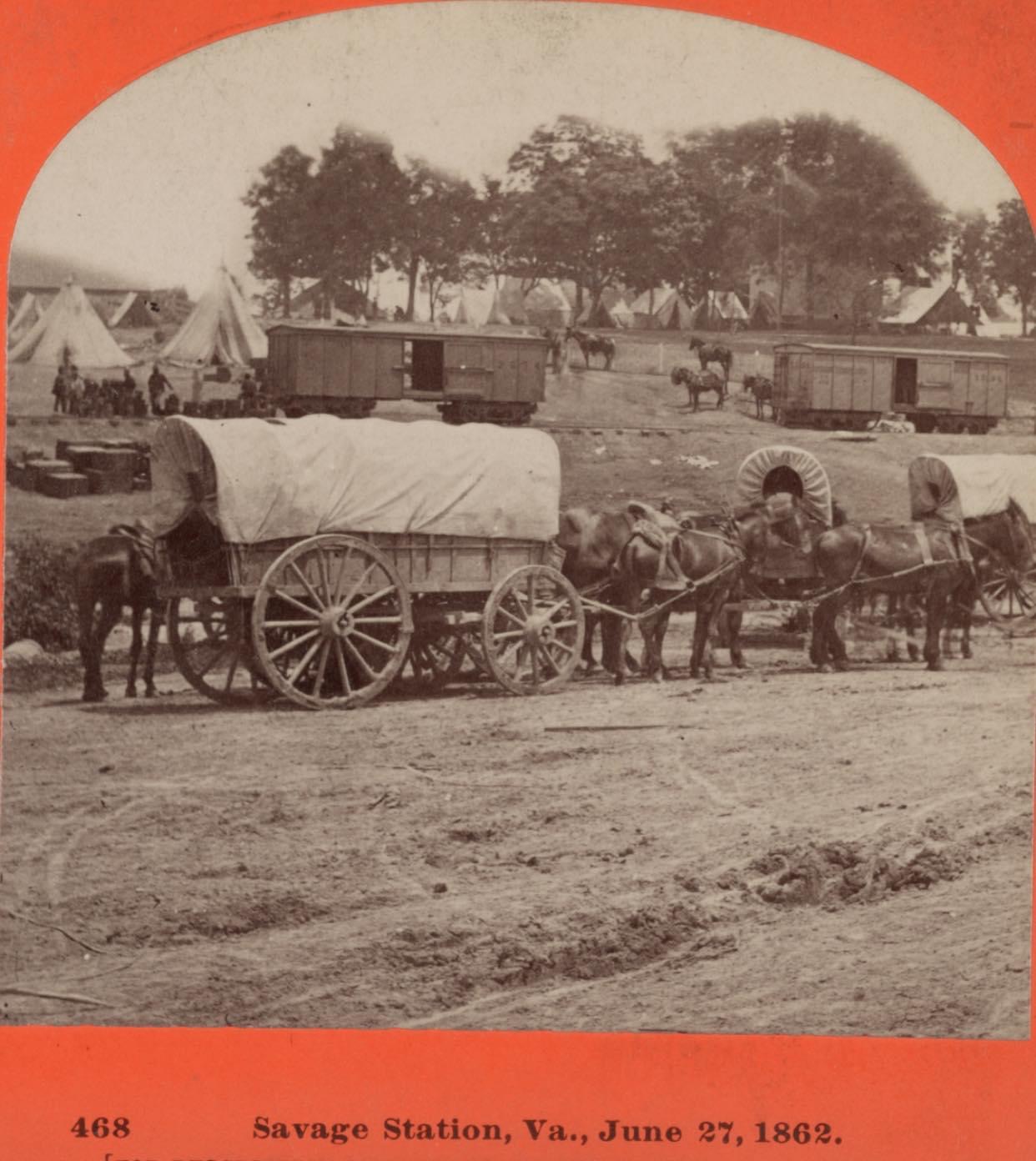
Savage Station, Virginia
– June 27, 1862
via Library of Congress, no known restrictions
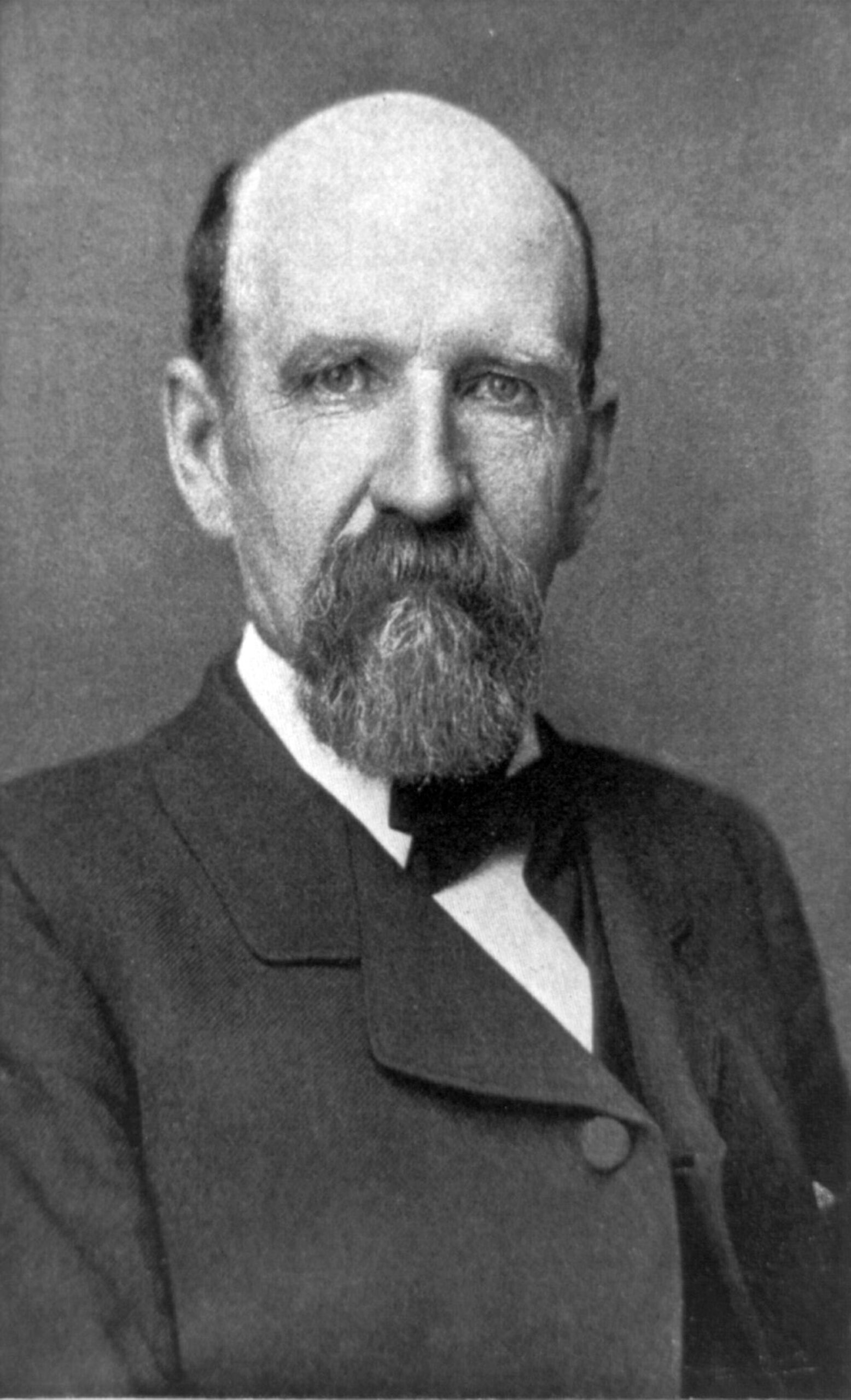
On June 27, 1898 Joshua Slocum became the first person to single-handedly sail around the world.
He did so without learning how to swim.
Image via Wikimedia Commons, public domain
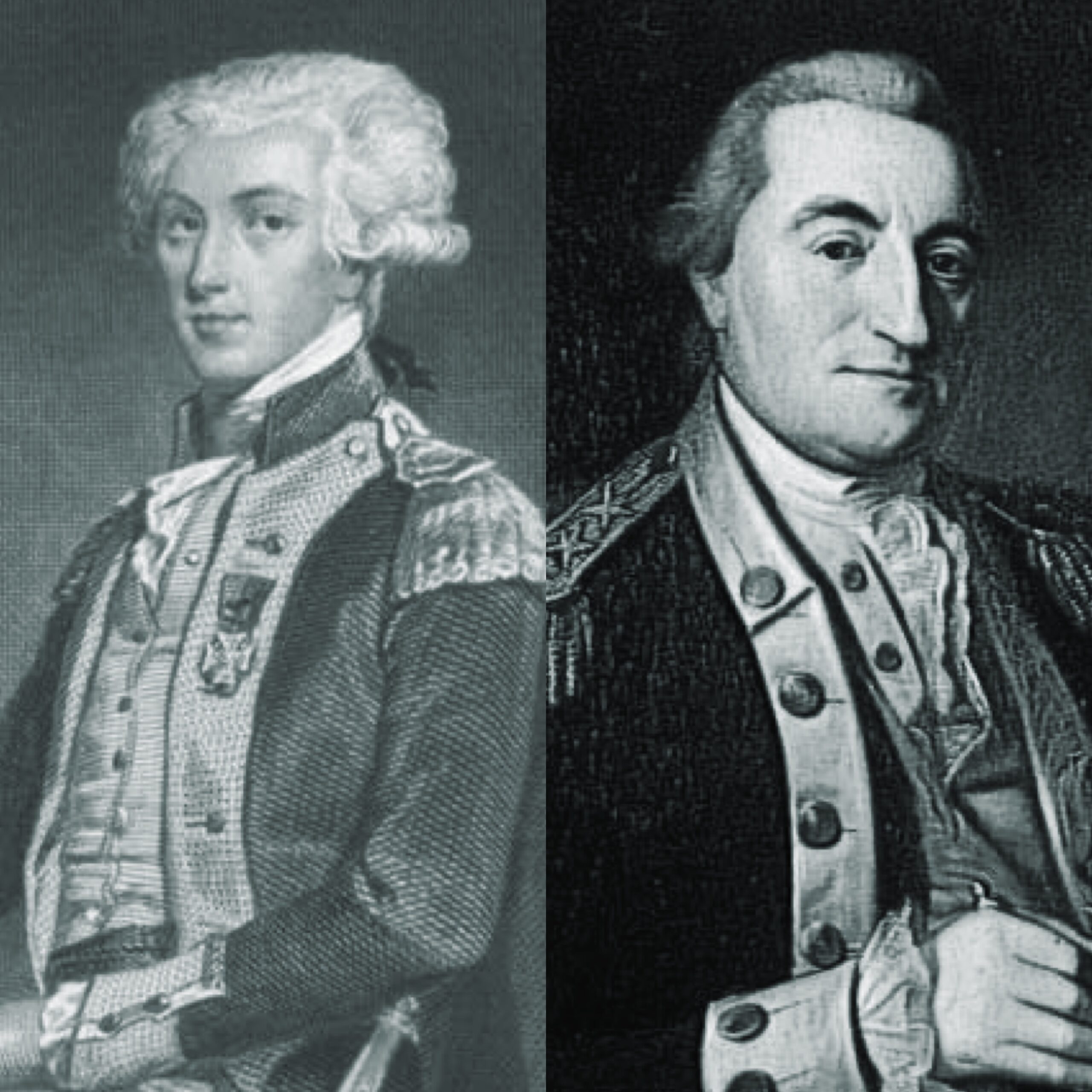
“The preparations for the overland journey north occupied full ten days. Kalb, Lafayette, Dubuysson, Gimat, Bedaulx, and Brice, set out on the 27th of June. As the heat of the weather compelled them to make short stages, they were more than a month in getting to Philadelphia, where Congress was then sitting. On the 18th of July they reached Petersburg, Virginia, and on the 23d of the same month, Annapolis. Here Kalb and Lafayette alone arrived in good health; they therefore left their companions behind, and entered Philadelphia on the 27th of July.
On presenting themselves to the President of Congress on the following day they were received with great coolness, and referred to Lovell, the chairman of the Committee on Foreign Affairs, to whom they handed their letters and recommendations.”
From: The life of John Kalb, major-general in the revolutionary army by Friedrich Kapp, published in 1884
https://archive.org/details/lifeofjohnkalbma00kappiala/page/110
Source says not in copyright

“Gen. U.S. Grant writing his memoirs, Mount McGregor, June 27, 1885”
via Library of Congress, no known restrictions
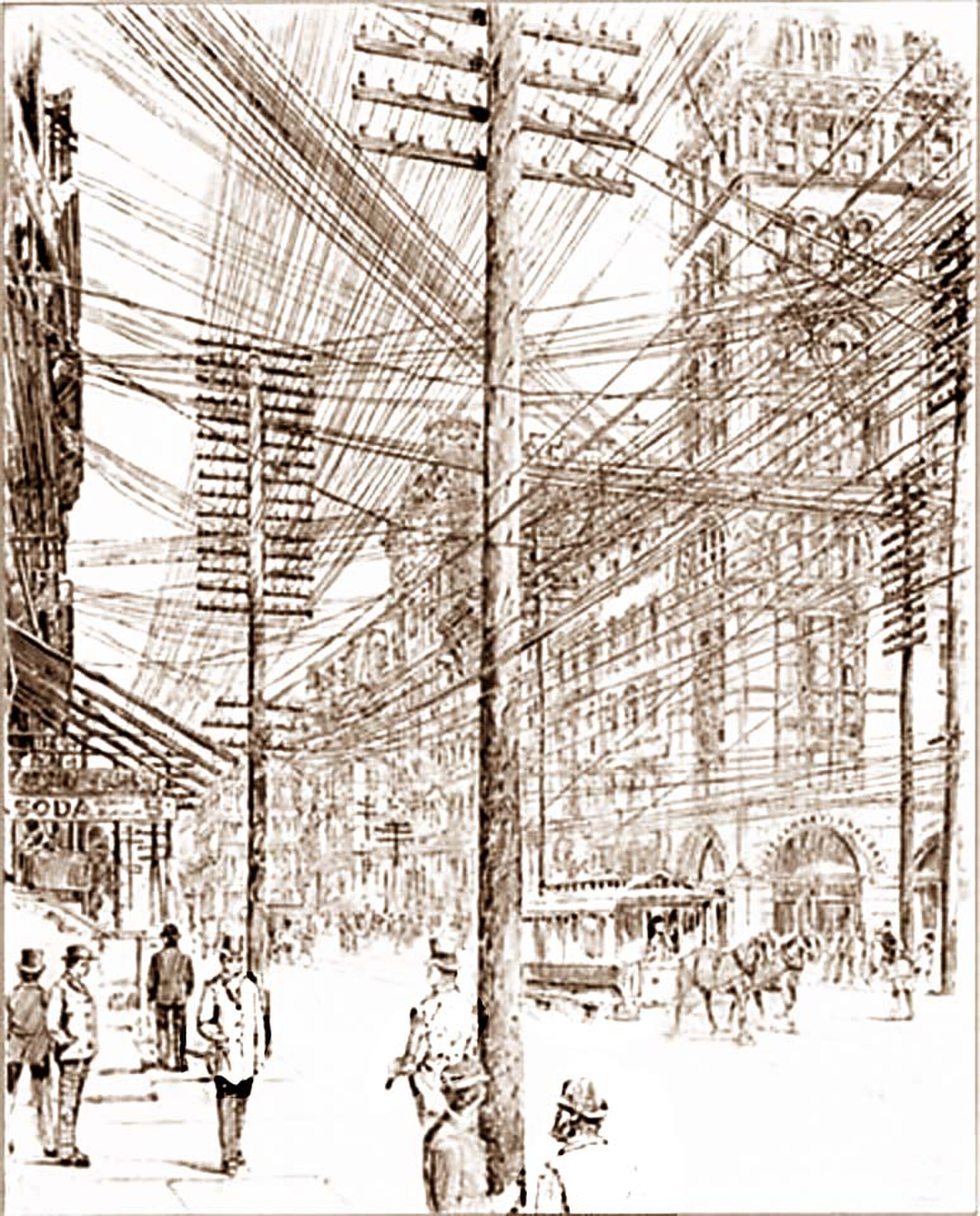
On June 27, 1847 — Telegraph Connects New York and Boston
The New York and Boston Magnetic Telegraph Company completed a direct telegraph line between the two cities, marking a breakthrough in near-instant communication. This development built on the work of Samuel Morse and Alfred Vail, whose 1844 demonstration proved long-distance telegraphy possible. Fueled by demand from merchants, newspapers, and stockbrokers, the line enabled messages to travel in minutes, dramatically improving the speed of commerce and journalism.
While the precise endpoints in each city remain uncertain, historical evidence points to New York’s Wall Street district and Boston’s School Street area as fitting locations for a line that helped usher in the age of connected information.
Image of overhead utility lines in New York City, decades later c. 1890
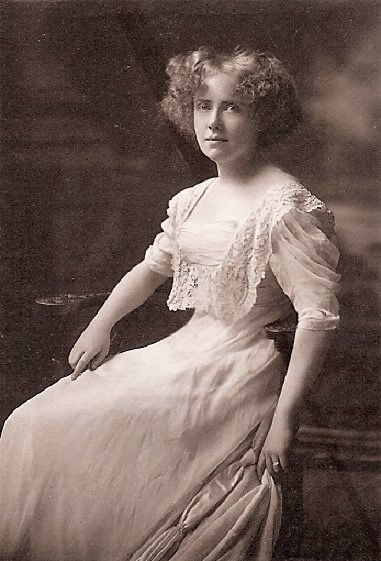
Born June 27, 1888 Antoinette Perry was acting on New York stages by 18, and then went on to be a director and producer. She was also a driving force behind the Stage Door Canteens of WW2. Helen Hayes called her “one of the best directors the American theater has produced” and Broadway’s Tony Awards are named for her.
Image by Theodore Marceau via Wikimedia Commons, public domain in the US.
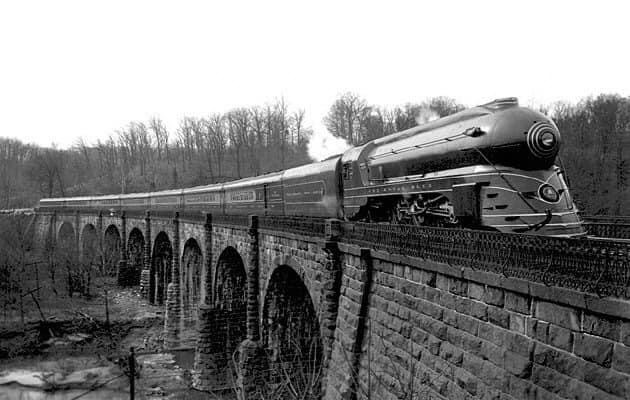
On June 27, 1895 engines of the Baltimore & Ohio Railroad’s Royal Blue passenger line are changed from steam to electric for service from Washington, DC to New York. A 1937 picture shows a B&O streamlined engine of the line crossing Maryland’s
Thomas Viaduct, built in 1835 and still in use.
Image via Wikimedia Commons, public domain in the US
MORTALITY
Ashes to ashes, dust unto dust,
What of his loving, what of his lust?
What of his passion, what of his pain?
What of his poverty, what of his pride?
Earth, the great mother, has called him again:
Deeply he sleeps, the world’s verdict defied.
Shall he be tried again? Shall he go free?
Who shall the court convene? Where shall it be?
No answer on the land, none from the sea.
Only we know that as he did, we must:
You with your theories, you with your trust,—
Ashes to ashes, dust unto dust!
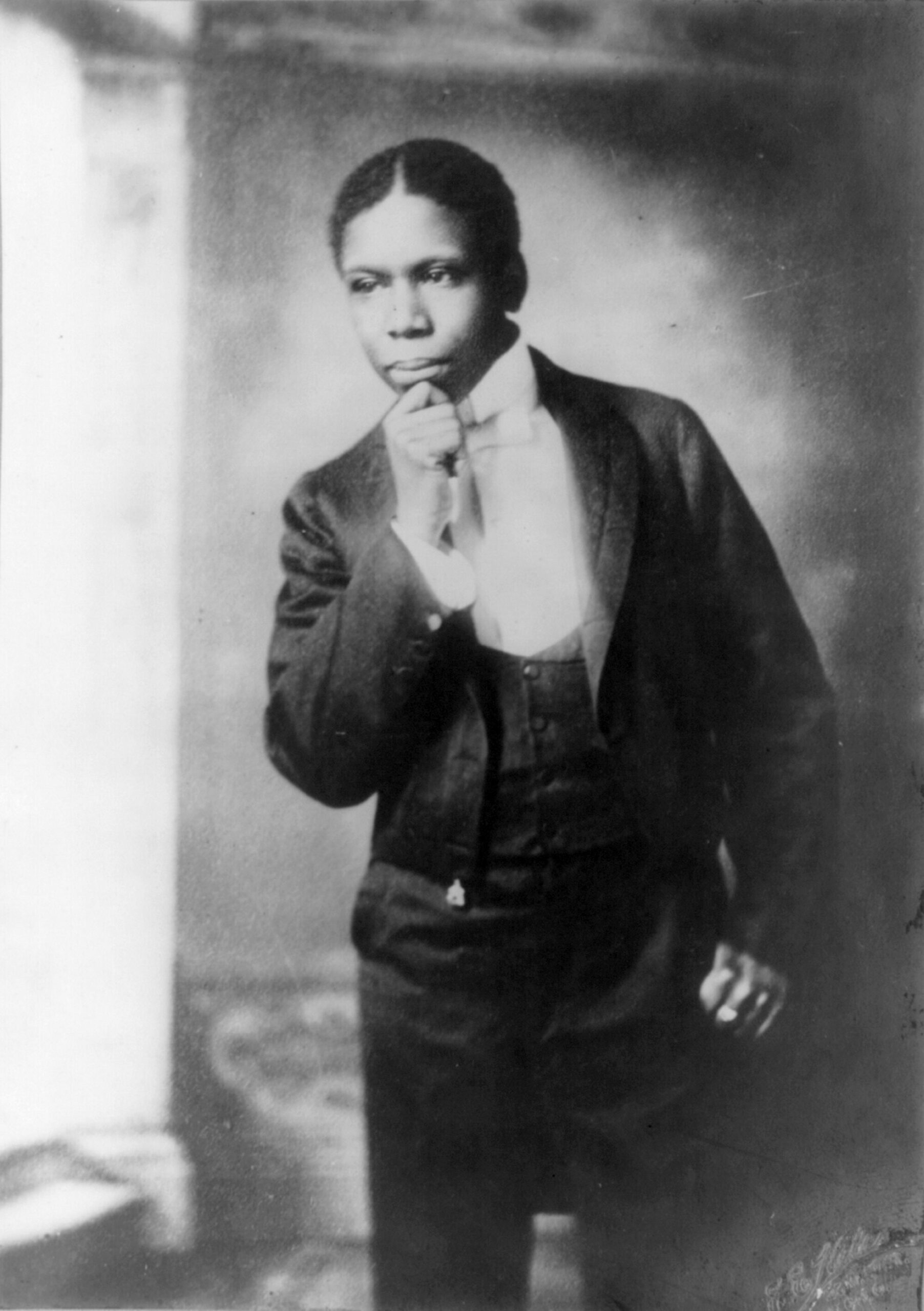
by American writer Paul Laurence Dunbar who was born on June 27, 1872 in Dayton, Ohio.
