
 Mystery March Is Here!
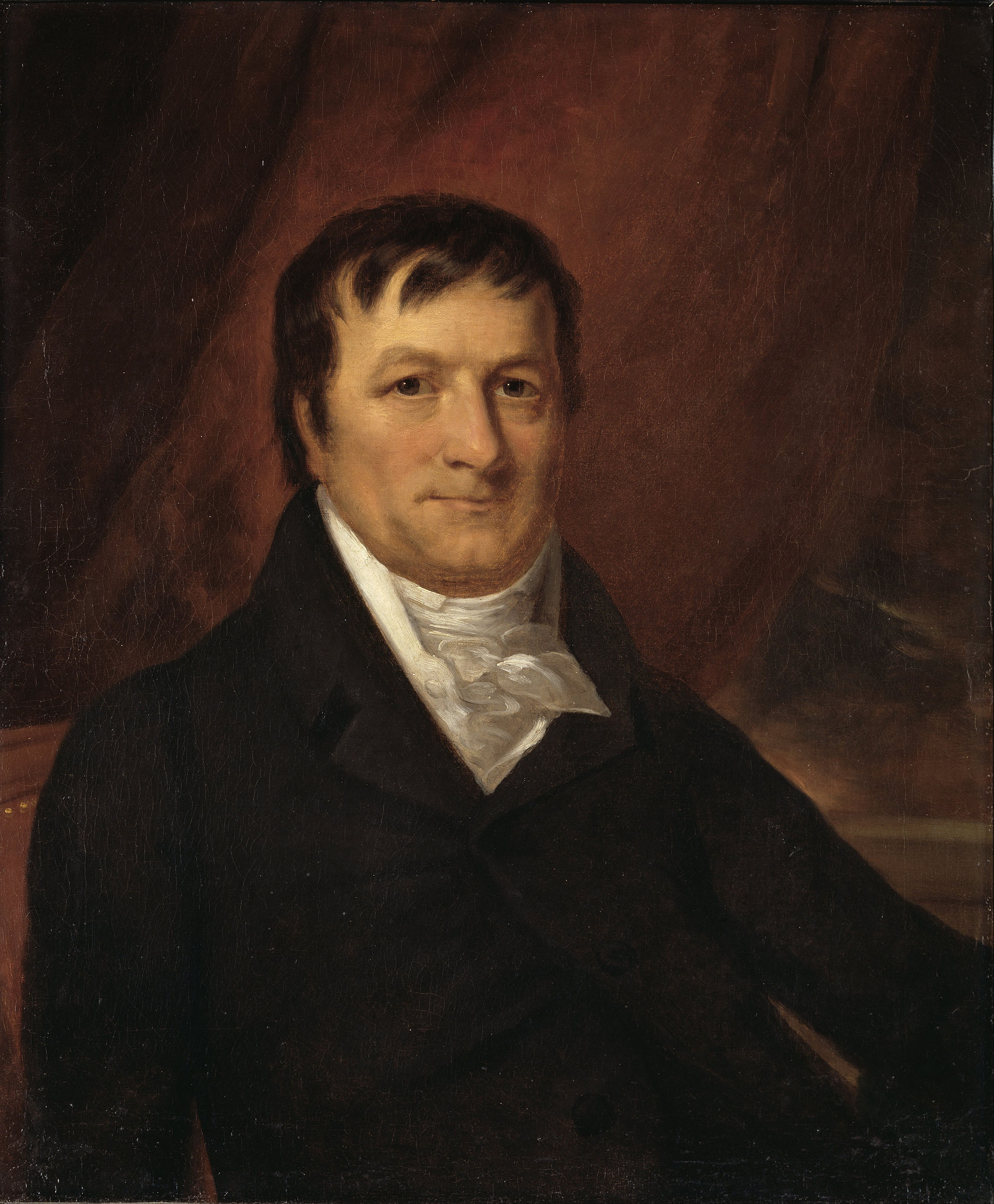
On June 23, 1810, German-American entrepreneur John Jacob Astor and his partners signed the provisional agreement for the Pacific Fur Company in New York City. Though Fort Astoria, the company’s Pacific outpost, wouldn’t rise until 1811, the venture marked a bold step toward transcontinental trade, linking the American interior to Asian markets. Short-lived but significant, the company helped lay early U.S. claims to the Northwest and opened overland routes like the South Pass, vital to future westward migration. Yet with the war straining U.S. military resources far from the Pacific Coast, the isolated fort was sold in 1813 to British rivals from the North West Company, effectively ending America’s first Pacific enterprise. Astor’s vision would make him America’s first multi-millionaire and a pioneer of global capitalism in the young republic.
Image via Wikimedia Commons, public domain
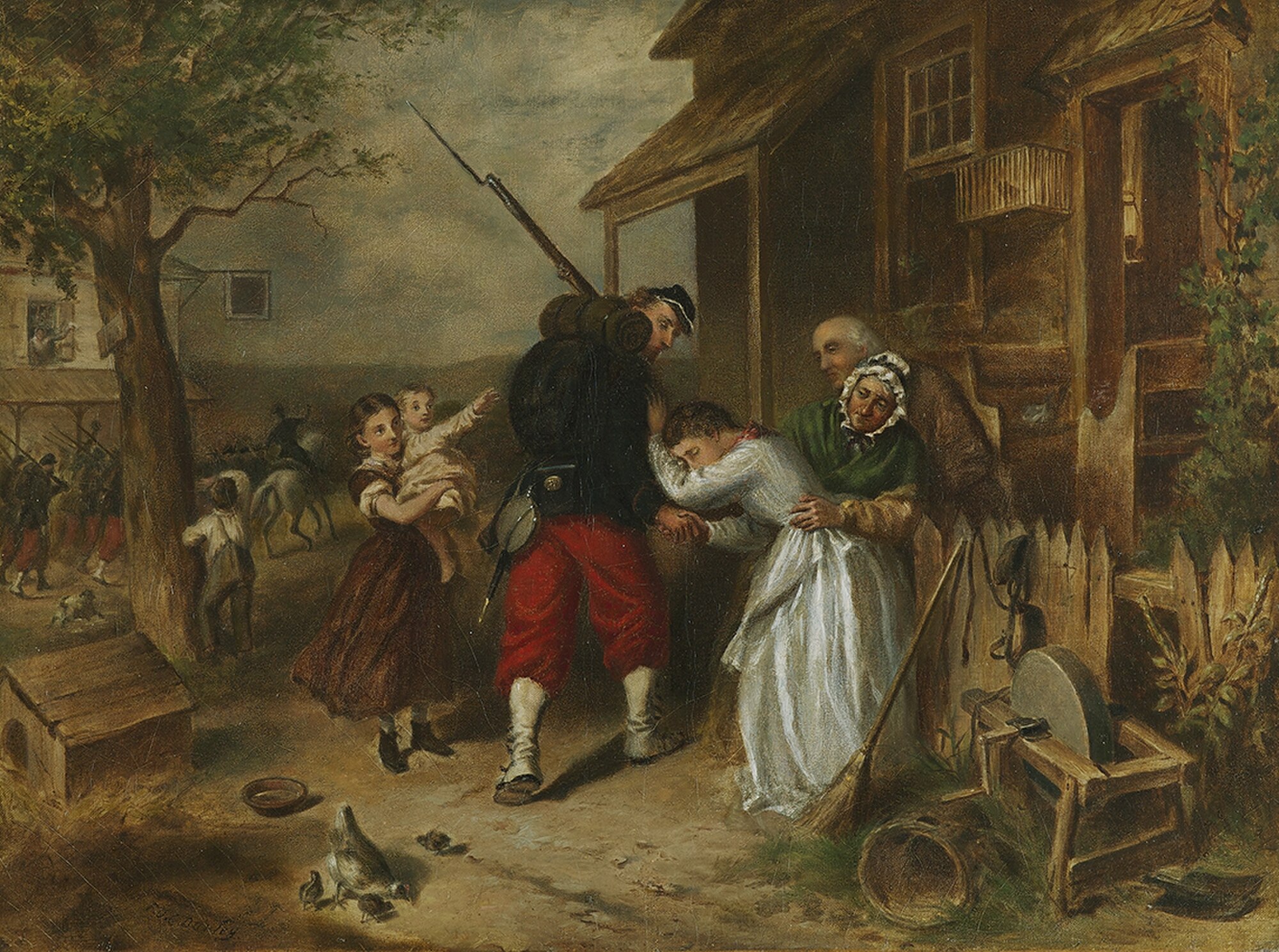
“The Departure of The Volunteer” c. 1865
by American artist F. O. C. Darley who was born on June 23, 1822 in Philadelphia, Pennsylvania.
Image via Wikimedia Commons, public domain
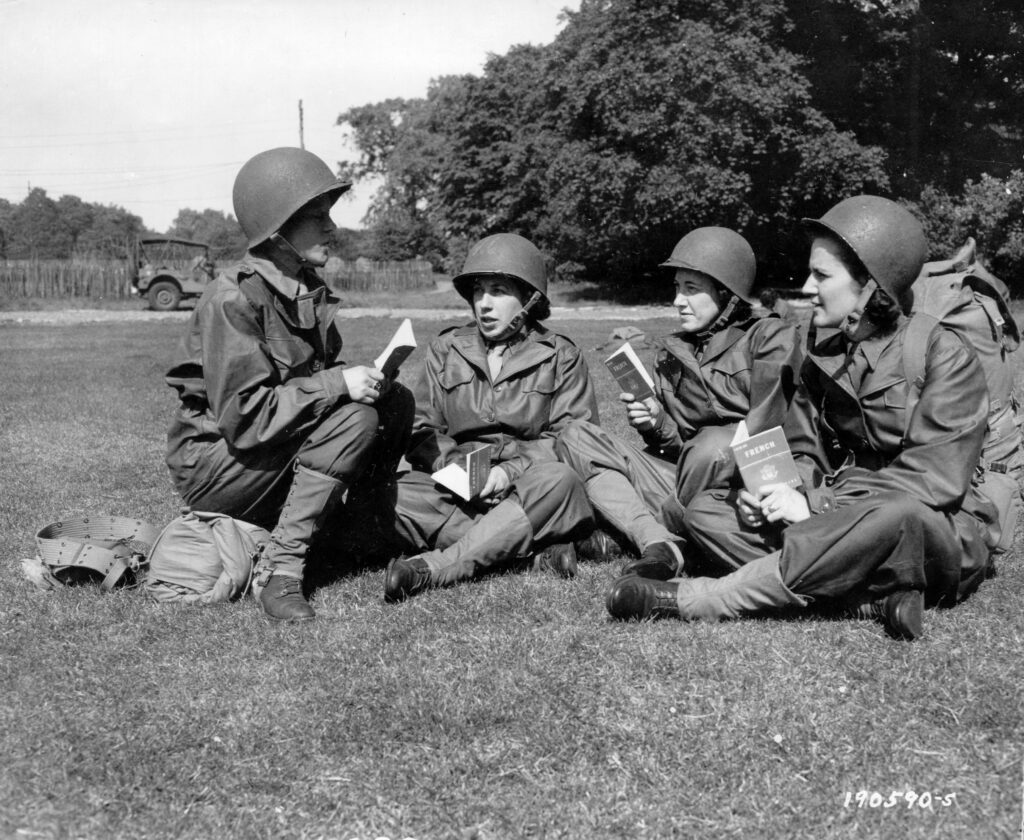
WACs (Women’s Army Corps) studying French. Their instructor, also a WAC, previously lived in a boarding school in France.
June 23, 1944
Image via Wikimedia Commons, public domain
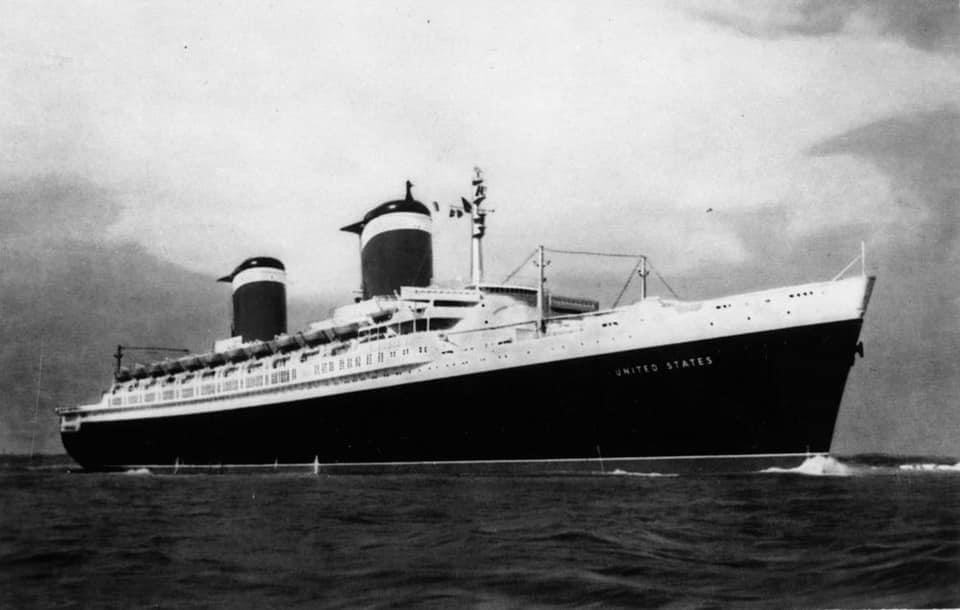
On June 23, 1951 the ocean liner SS United States, built entirely in America, was launched. A little over a year later she made her maiden voyage between New York and the Isles of Scilly near Cornwall, England. She completed the transatlantic journey in less than 3 & 1/2 days and set a new speed record.
Image: SS United States in the 1950s via Wikimedia Commons, public domain
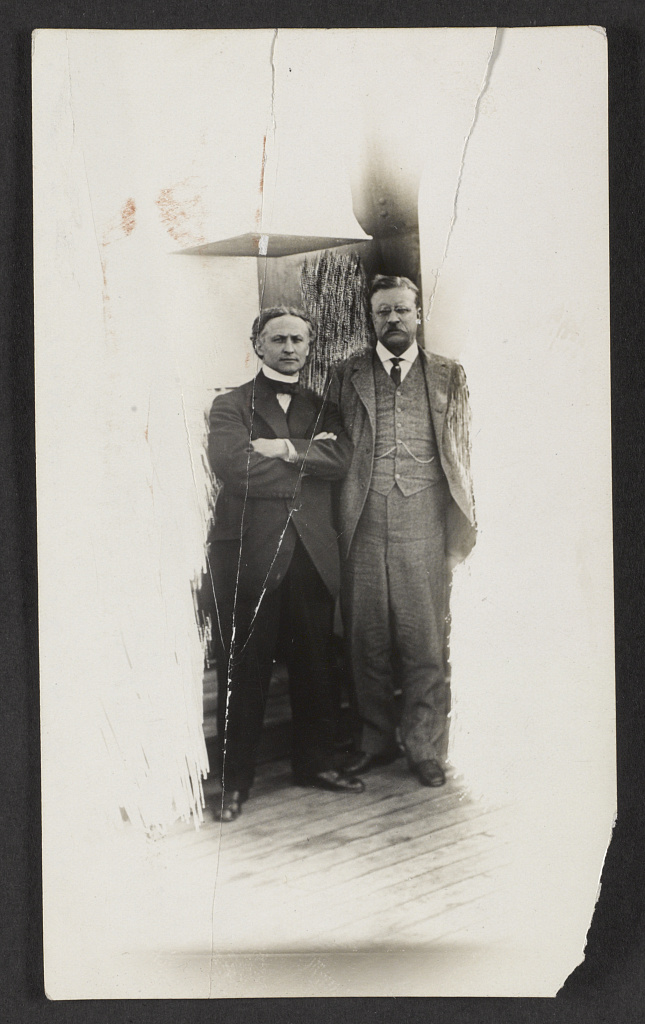
Houdini with Theodore Roosevelt
Taken on board the Hamburg American liner “Imperator” in mid-ocean June 23, 1914
via Library of Congress, no known restrictions
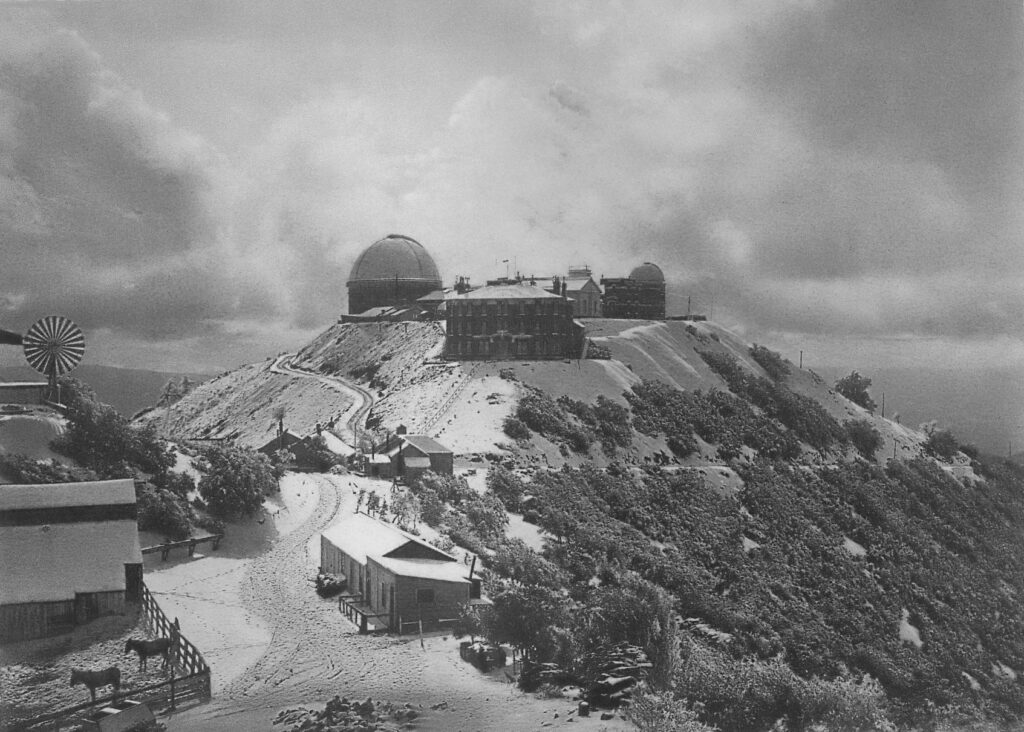
Photograph of the Lick Observatory on Mount Hamilton near San Jose, California.
While he was Astronomer of the Lick Observatory; Ohio born William Hussey announced that he discovered one hundred double stars on June 23, 1904.
Image via Wikimedia Commons, public domain
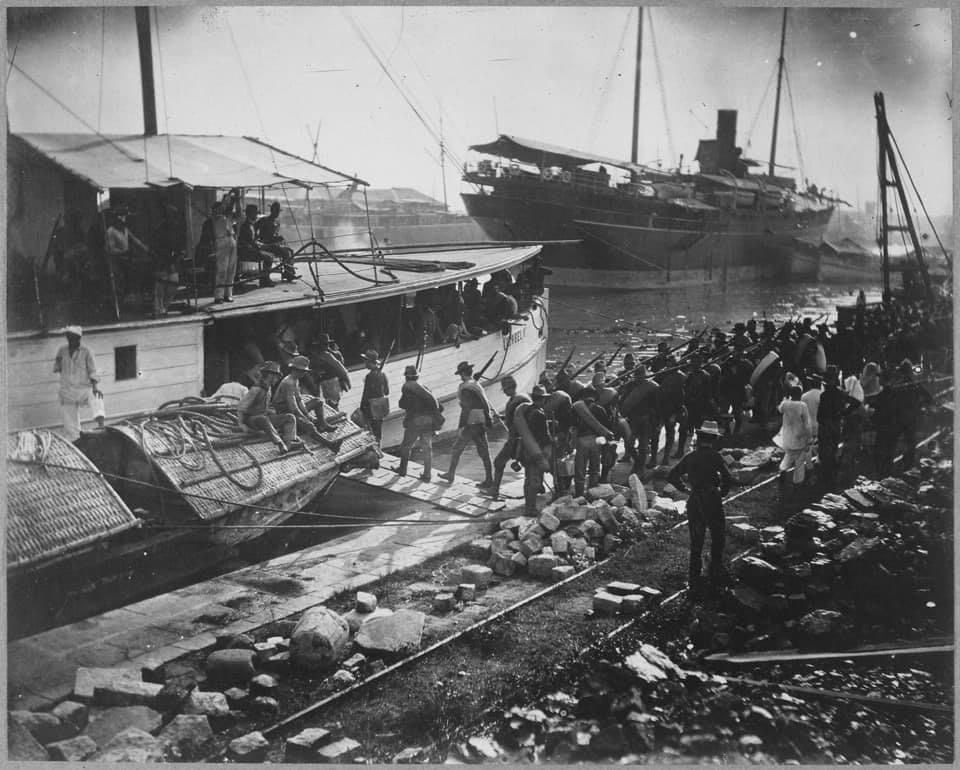
Embarkation of Nebraska Volunteers, June 23, 1899.
Pasig, Manila.
via Wikimedia Commons, public domain
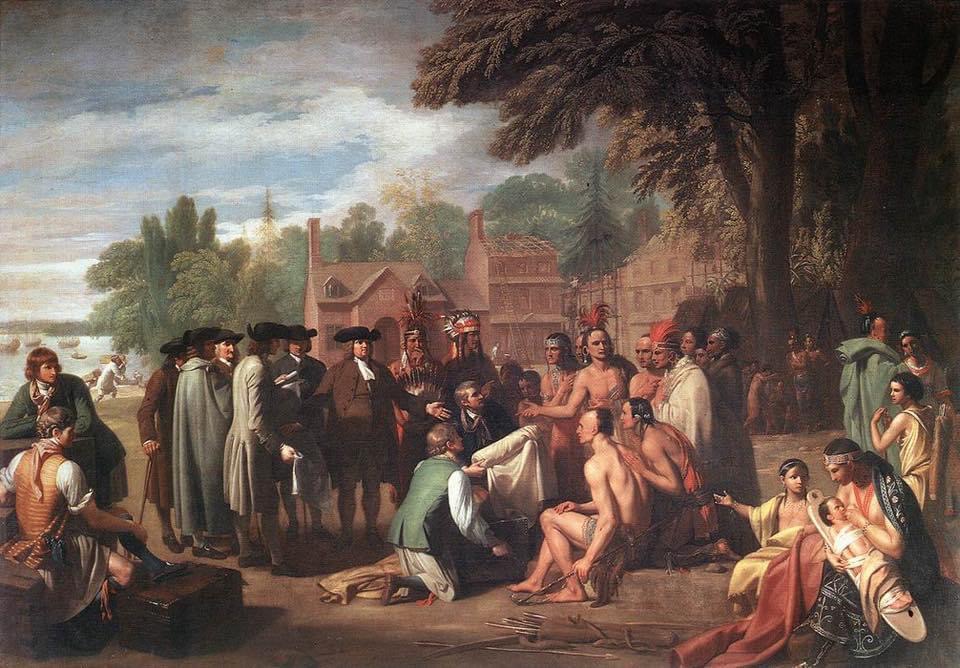
“In June of this year, 1683, it is probable that he (William Penn) made the treaty with the Indians which has become so famous. There were two treaties or purchases of land made with them that month, one on the 23d, and one on the 25th, and there was also a third one on July 14. It was probably the one on June 23 which has aroused the tradition on which so much imagination has been expended. The document or words of the treaty have not been preserved. In fact, the treaty, so called, was like most of Penn’s dealings with the Indians, merely a purchase of land at which certain things were said. He thought nothing of it at the time, for he had adopted the principle of dealing fairly with the Indians and pay-ing them a full and fair price for all their land as he or his province wanted it; and he carried out this principle in all his negotiations with them.
The usual description of this treaty as a formal
function, at which the chiefs assembled under the
great elm at Kensington on the river-shore just
above Philadelphia, Penn appearing with a sky-blue
sash around his waist, and all making wonderful
speeches, conscious that they were doing a great
thing, is all pure imagination and fiction. There is
no record or proof whatever of anything of the
kind. The speech usually assigned to Penn on
that occasion is now known to have been made
twenty years afterwards. If such a treaty was
made as is supposed to have been made, it was a
mere business transaction in the purchase of land,
like many that were made about that period and
afterwards.
Benjamin West’s painting of the scene, which has
been so often reproduced, is largely responsible for
the growth of this treaty myth. Writers have taken
the picture as a fact and written up to it. Historically considered, the picture is all wrong. West merely guessed or supposed that there had been such a scene. Penn, who at that time, according to all the accounts we have of him, was a vigorous young man of thirty-eight, is represented as fat, short, and old; and he and his companions are dressed in clothes which were not worn until nearly half a century afterwards.
On one point, however, there is no question. The
Indians always retained a distinct tradition of a
treaty of some sort with Penn, or rather of some
promises he had made which he always kept; and
his keeping them was the great point. It is supposed that Penn refers to these promises in his letter to the Free Society of Traders, written August 16, of that year, 1683, about two months after the land purchase of June 23:
“When the purchase was agreed, great promises passed between us, of kindness and good neighbourhood, and that the Indians and English must live in love as long as the sun gave light: which done, another made a speech to the Indians, in the name of all the Sachamakan, or kings, first to tell them what was done; next, to charge and command them to love the Christians, and particularly live in peace with me and the people under my government. That many governors had been in the river, but that no governor had come himself to live and stay here before; and having now such an one that had treated them well, they should never do him or his any wrong. At every sentence of which they shouted, and said, Amen, in their way.”
We have the records of speeches made by the
Indians at treaties many years afterwards, in which
they refer to these promises made of old by Penn;
and their description of the promises closely resembles what Penn describes in his letter to the Society of Traders. The Indians said that they often assembled in the woods and spread out a blanket,
on which they laid all the words of Penn, that they
might go over them and refresh their memories.
By this they meant that they laid on the blanket the
belts of wampum, each of which represented a
clause of the promises or treaty. Each belt had
been originally given to an Indian, with the clause
he was to remember; and it was in this way that
they preserved what civilized nations preserve in
documents.
The substance of the promises was merely that the
Indians were to be treated fairly and not defrauded.
There was nothing wonderful in this. Such treaties
had been made before with Indians of all sorts from the dawn of history. Almost thirty years before Penn’s arrival, when the Swedes controlled the Delaware, their governor, Rising, had made a treaty with the Indians with similar promises. Soon afterwards the Quakers of Burlington, New Jersey, made the same sort of treaty of friendship. Penn was doing nothing remarkable, nothing which required a formal celebration or the exhibition of himself in a sky-blue sash; and no one at the time thought of these land purchases or treaties as in anyway wonderful.
It was after-events and not the treaty itself which
made it famous. The Indians had often before and
often after heard fair promises. But Penn kept his,
not merely in his own opinion or in the opinion of
his followers, but in the opinion of the Indians. As
ten, fifteen, twenty, and thirty years rolled by, and
the Indians found every word of the treaty fulfilled
by Mignon, as the Delawares called him, or Onas,
as he was called by the Iroquois, the fame of the one white man and Christian who could keep his faith with the natives…”
From: The true William Penn by Sydney George Fisher, published in 1900
https://archive.org/details/truewilliampenn00fish/page/241
Source says not in copyright
Image: The Treaty of Penn with the Indians by Benjamin West, painted between 1771-1772 via Wikimedia Commons, public domain

The first Scholastic Aptitude Test (now known as the SAT) was administered on June 23, 1926.
Image of the SAT from 2015 via Wikimedia Commons, public domain
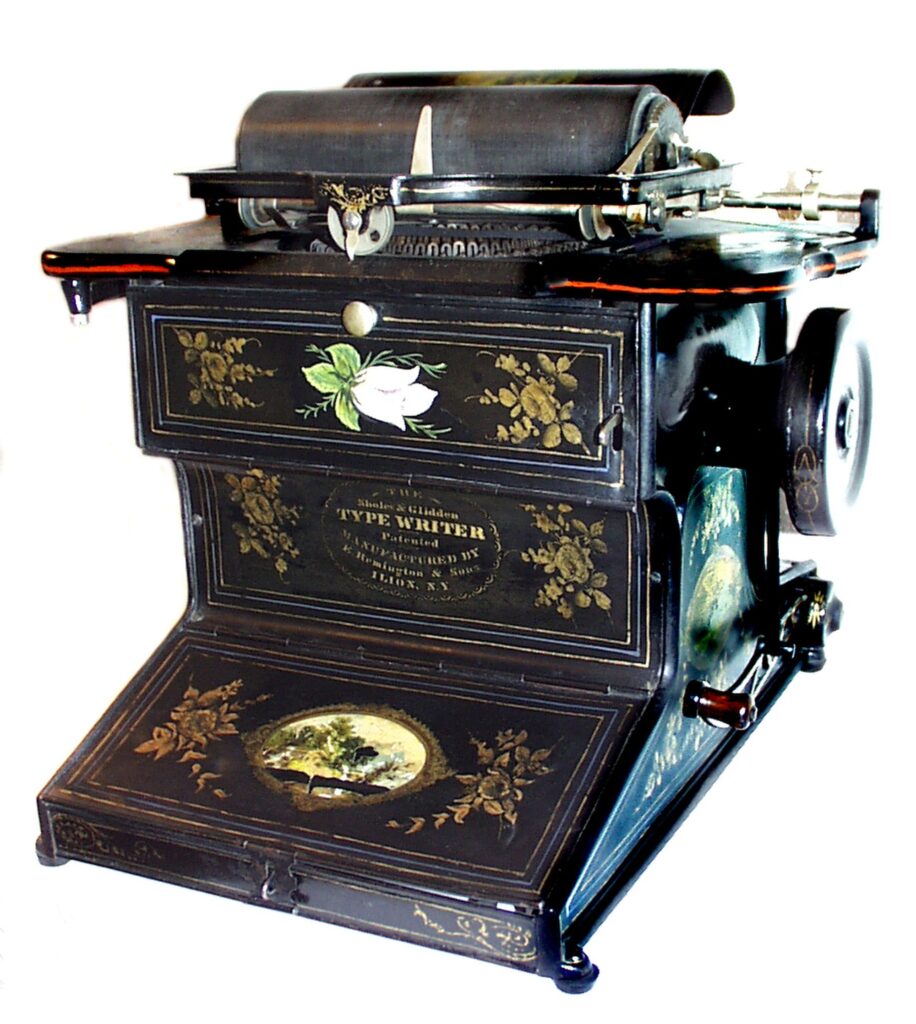
On June 23, 1868 inventors Christopher Latham Sholes, Carlos Gliddin and Samuel W. Soule received a patent for their first practical “type writing machine.”
Image from Kosmopolitat CC BY SA 3.0 via Wikimedia Commons
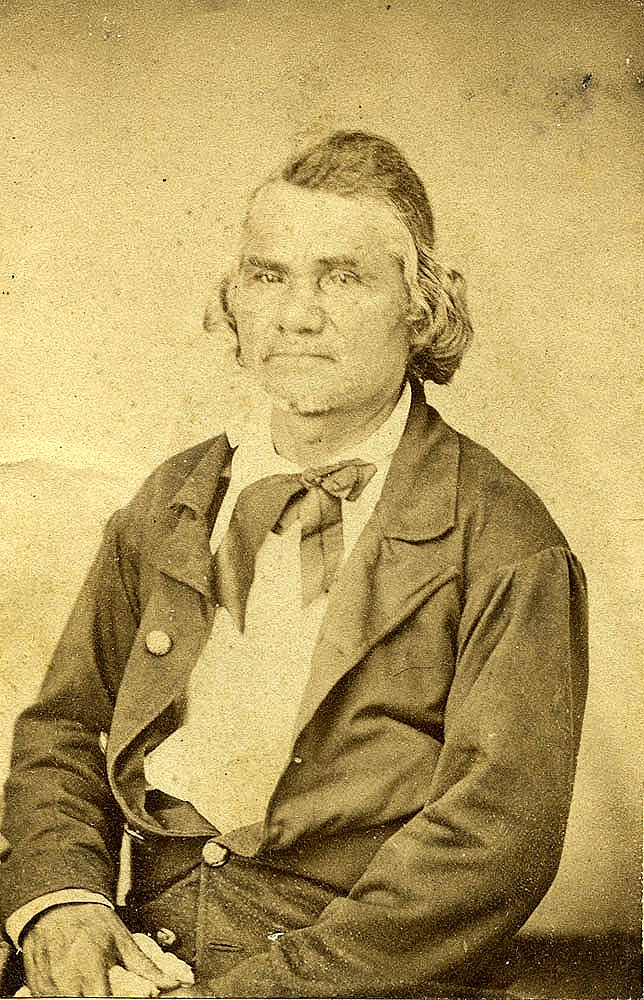
On June 23, 1865, nearly two and half months after Lee’s surrender at Appomattox,
Chief Stand Watie became the last Confederate general to surrender to the Union.
Image via Wikimedia Commons, public domain
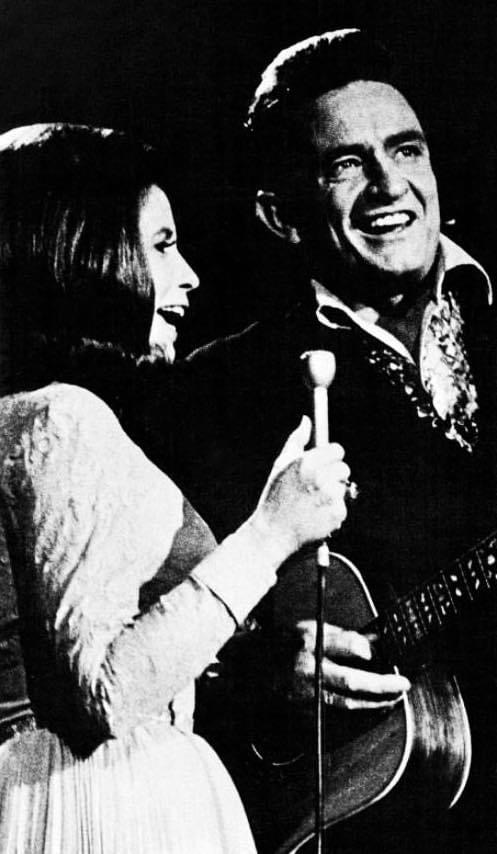
June Carter Cash was born on June 23, 1929 in
Maces Spring, Virginia.
Image: Johnny Cash and June Carter Cash in 1971 via Wikimedia Commons, public domain
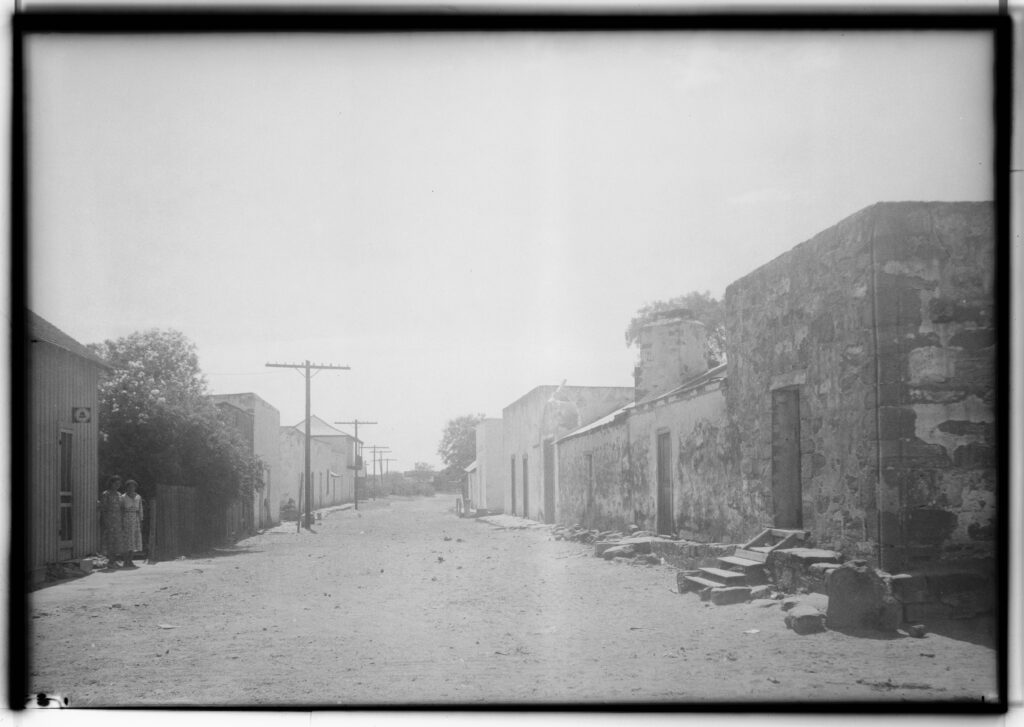
This photograph taken on June 23, 1936 captures the enduring presence of the Treviño–Uribe Rancho in San Ygnacio, Texas, originally northern Mexico until the Treaty of Guadalupe Hidalgo in 1848 redrew the U.S. border at the Rio Grande. Built in 1830 by Jesús Treviño and expanded by Blas María Uribe, the stone compound anchored a frontier town profoundly shaped by the Mexican-American War. Though not a battlefield, San Ygnacio became a riverine outpost in contested territory, its residents navigating shifting sovereignties and cultural identities. Decades later, the town would again find itself in the crosshairs during the 1916 Raid on San Ygnacio, underscoring its lasting role in the turbulent history of the borderlands.
Image via Wikimedia Commons, public domain
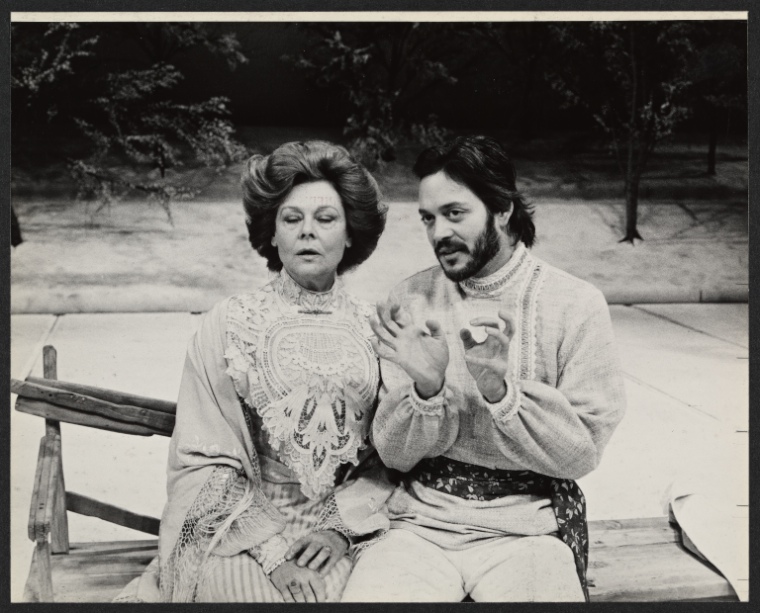
Born on June 23, 1916, Irene Worth emerged as a commanding force on Broadway and beyond, known for her regal presence and fierce emotional clarity. After honing her craft with the Old Vic and Royal Shakespeare Company, she returned to New York stages in the 1970s with towering performances, including her portrayal of Ranevskaya in the Lincoln Center revival of The Cherry Orchard opposite Raúl Juliá. That same decade, she won a Tony Award for Sweet Bird of Youth and captivated audiences in Hedda Gabler and The Seagull. Though the stage was her home, Worth left a lasting impression on film: winning a BAFTA for Orders to Kill (1958), portraying the Queen Mother in Nicholas and Alexandra (1971), conjuring comic menace in Deathtrap (1982), and reprising her Tony-winning role in Lost in Yonkers (1993). Her selective screen roles only deepened the mystique of an artist whose greatest magic unfolded under the lights of the stage.
Image: Irene Worth and Raúl Juliá in the stage production The Cherry Orchard in the 1970s via NYPL Digital Collections, no known restrictions
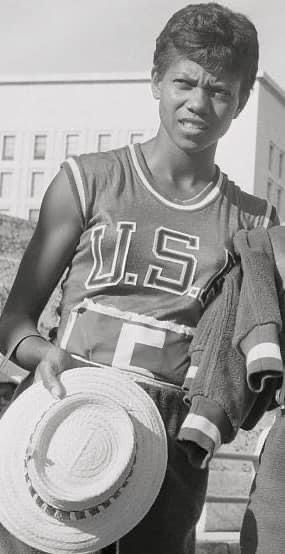
American Olympic champion Wilma Rudolph was born on June 23, 1940 in Saint Bethlehem, Tennessee.
At the 1960 Olympic Games held in Rome, Italy she won three Gold medals in track and field.
Image: Wilma Rudolph in Rome, 1960 via Wikimedia Commons, public domain
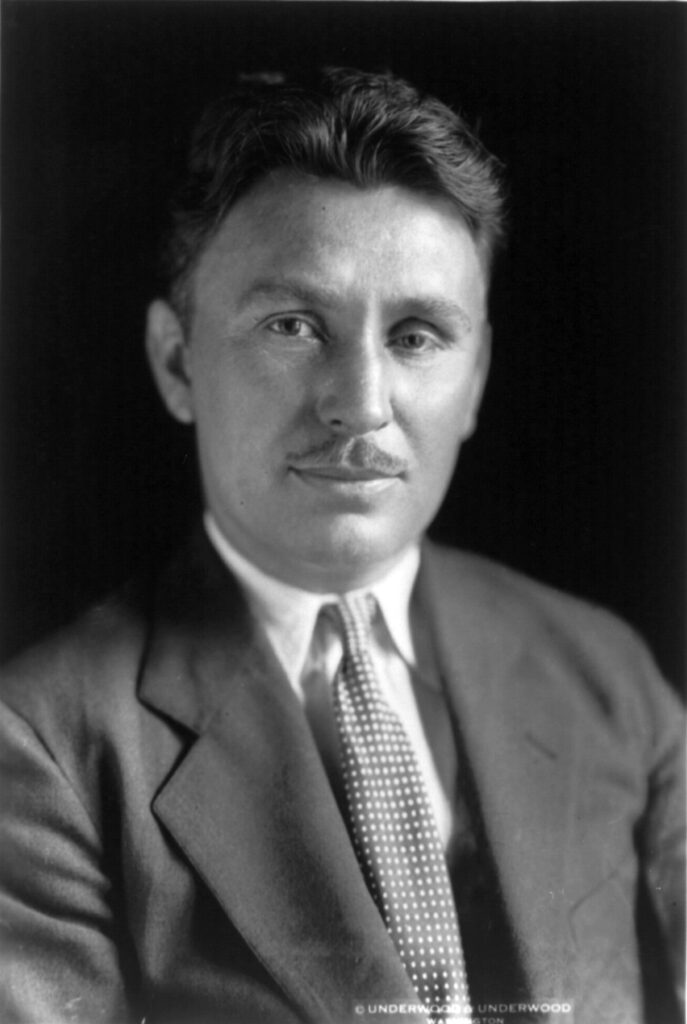
On June 23, 1931 an American pilot named Wiley Post (shown) along with an Australian navigator, Harold Gatty, took off in their plane called the Winnie Mae. 8 days, and nearly 16 hours later they became the first to complete aerial circumnavigation of the globe in a single-engined monoplane.
Image via Wikimedia Commons, public domain
