
 Mystery March Is Here!
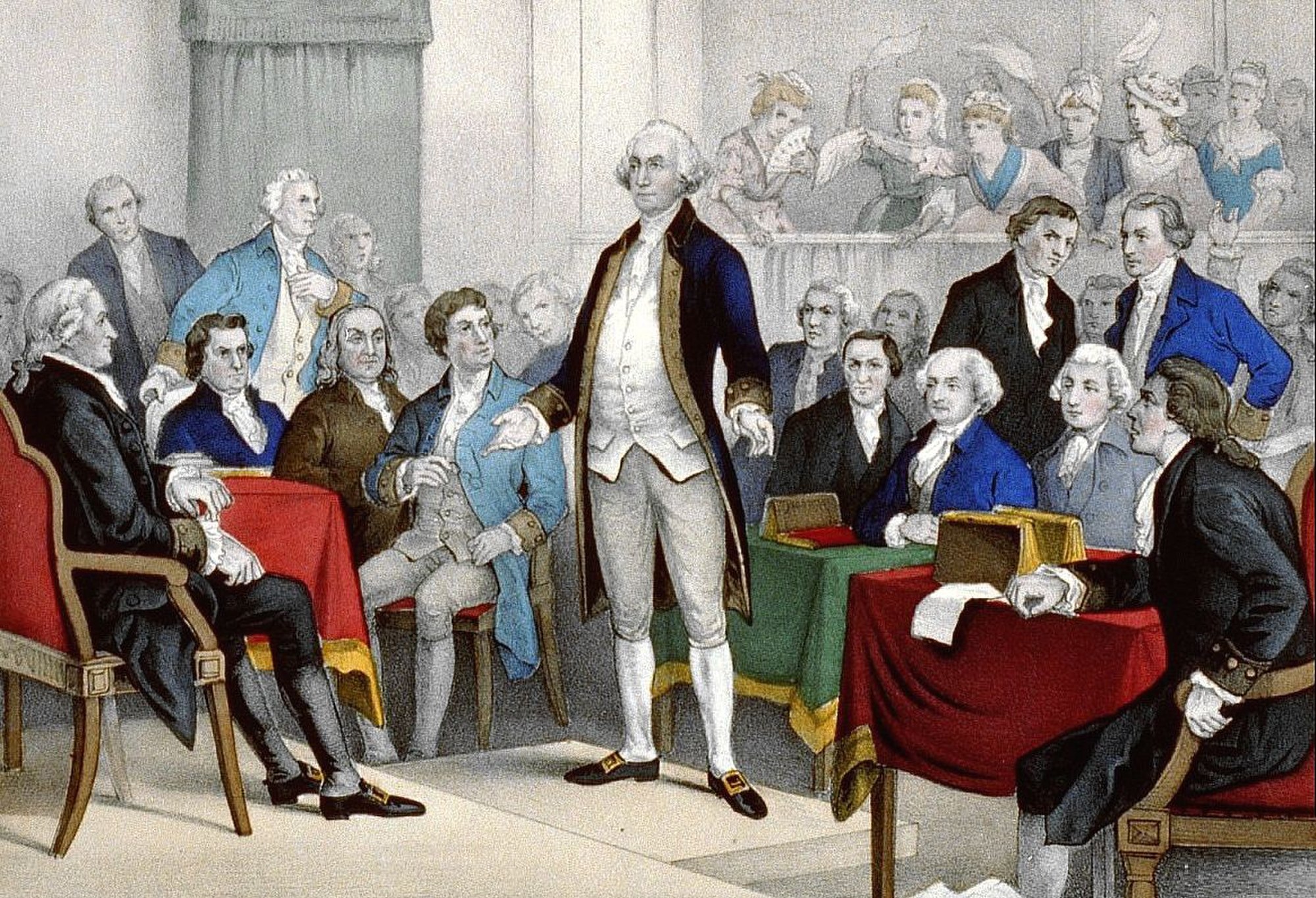
On June 15, 1775, George Washington was unanimously elected as commander in chief by Congress to lead the Continental Army during the Revolutionary War.
Image via Wikimedia Commons, public domain
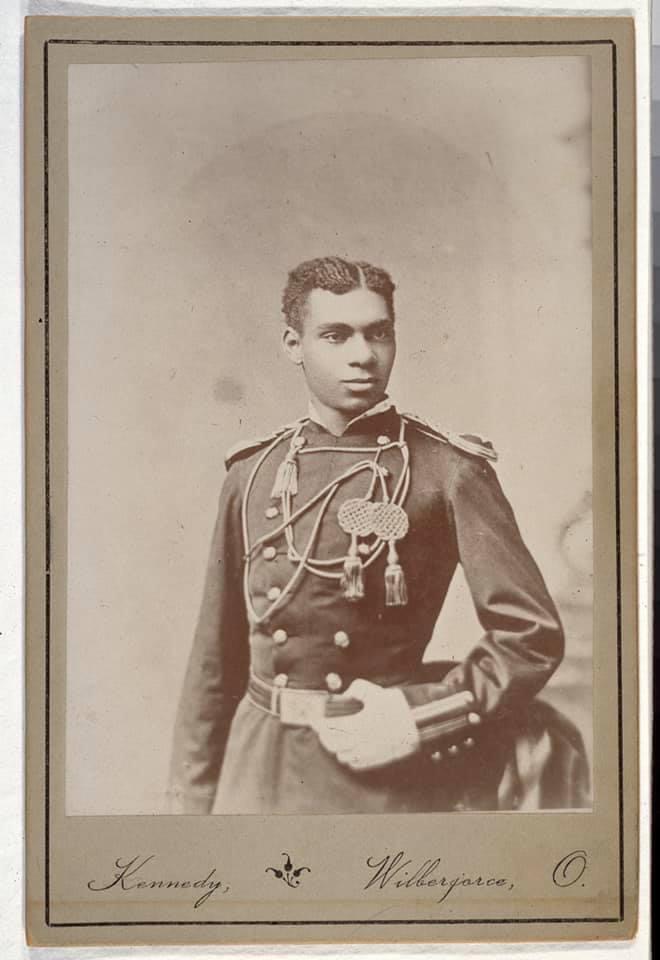
Lt. Henry O. Flipper
On June 15, 1877, Henry became the first African American to graduate from the U.S. Military Academy at West Point.
Image via Wikimedia Commons, public domain
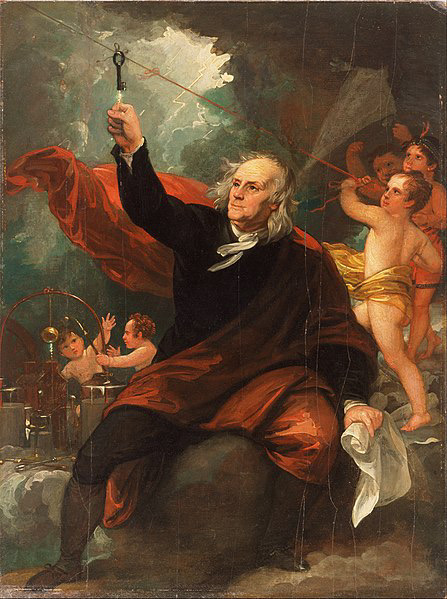
Benjamin Franklin didn’t note on which day in June, 1752 he performed his kite experiment but historians believe it was the 15th. Franklin was trying to prove that lightning was a form of electricity. Historians also agree that he was assisted by his son and not several cherubs, as shown in this allegorical painting by Benjamin West.
Image from Philadelphia Museum of Art, Google Art Project via Wikimedia Commons, public domain in the US.
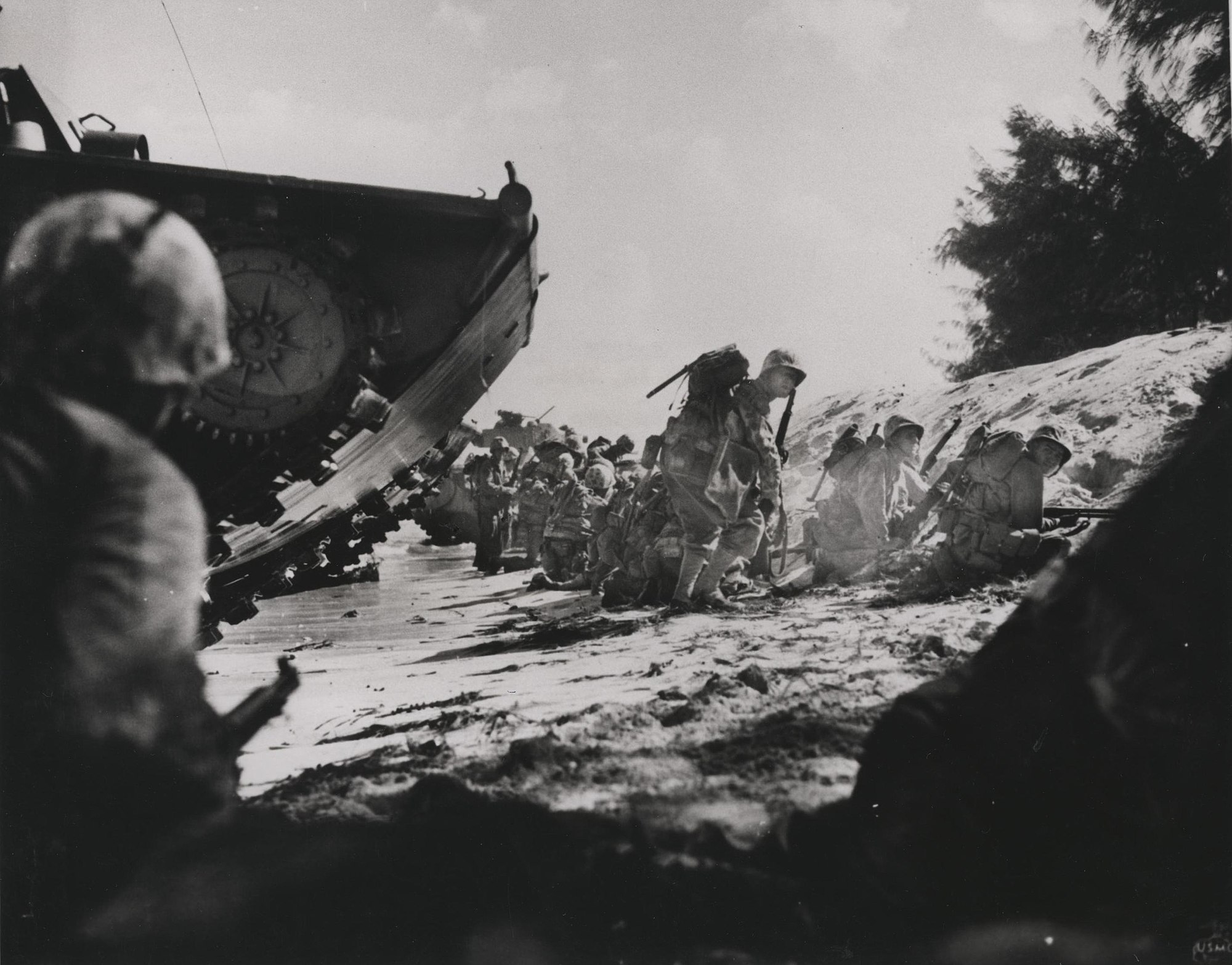
The first wave of Marines to hit the Saipan beach, take cover behind a sand dune while waiting for supporting waves to land and start the drive inland.
June 15, 1944
From USMC Archives via Wikimedia Commons, CC BY 2.0
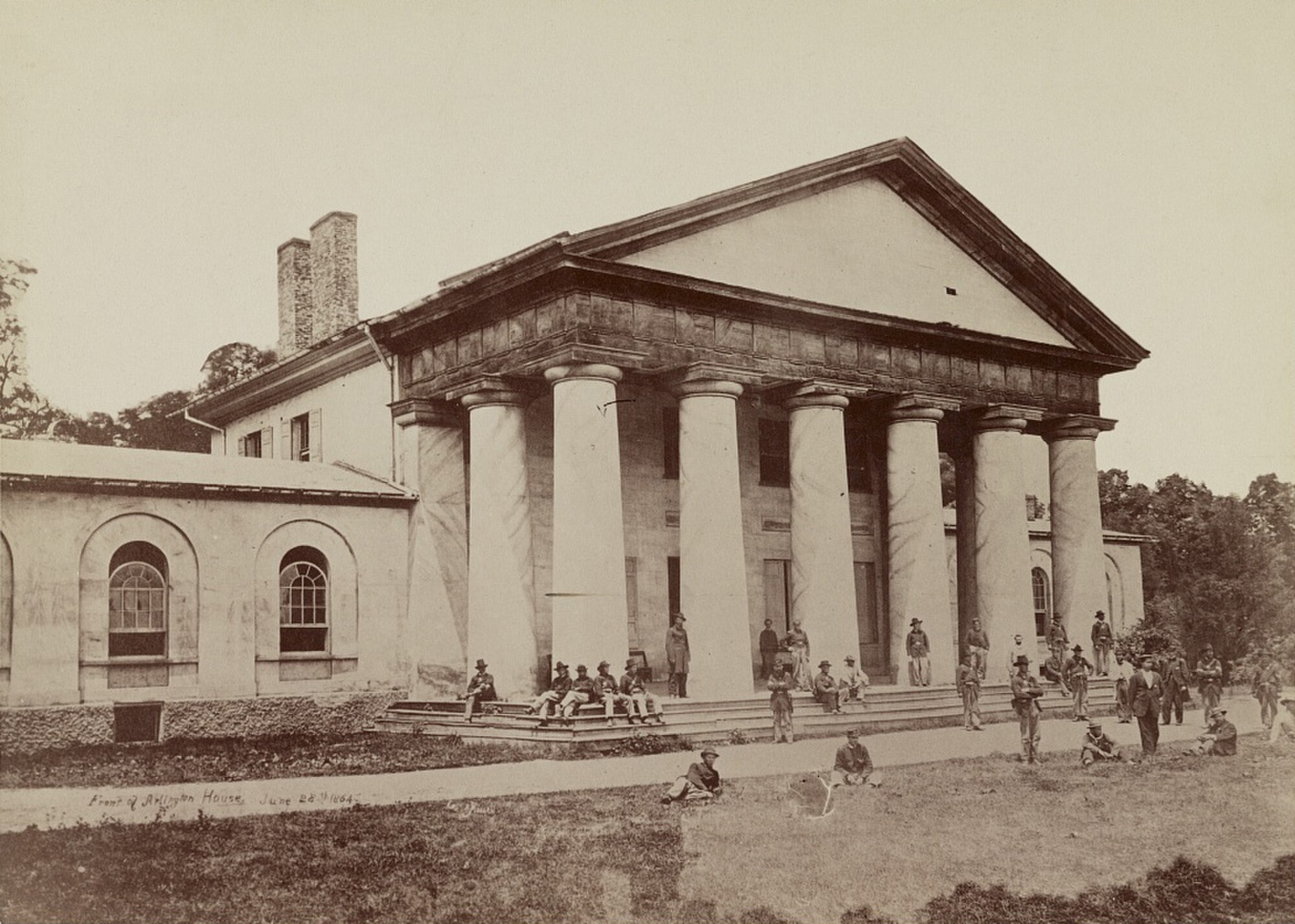
On June 15, 1864, Arlington was officially designated a national cemetery, marking a profound shift in the estate’s identity. More than five months earlier, the federal government had acquired the property at a public auction for $26,800, after rejecting a $92.07 tax payment sent by Mary Custis Lee, wife of Robert E. Lee, because she did not appear in person. By the time Union soldiers began to be buried there in May (the month prior), the estate had effectively become federal ground—its symbolism unmistakable. Nearly two decades later, in 1882, the Supreme Court ruled in favor of George Washington Custis Lee, who had sued for the return of the family property. Rather than reclaim it, he sold the estate to the U.S. government in 1883 for $150,000, formally transferring title to land that had already become a national shrine.
Image of Arlington House, Va. in 1864 via Wikimedia Commons, public domain
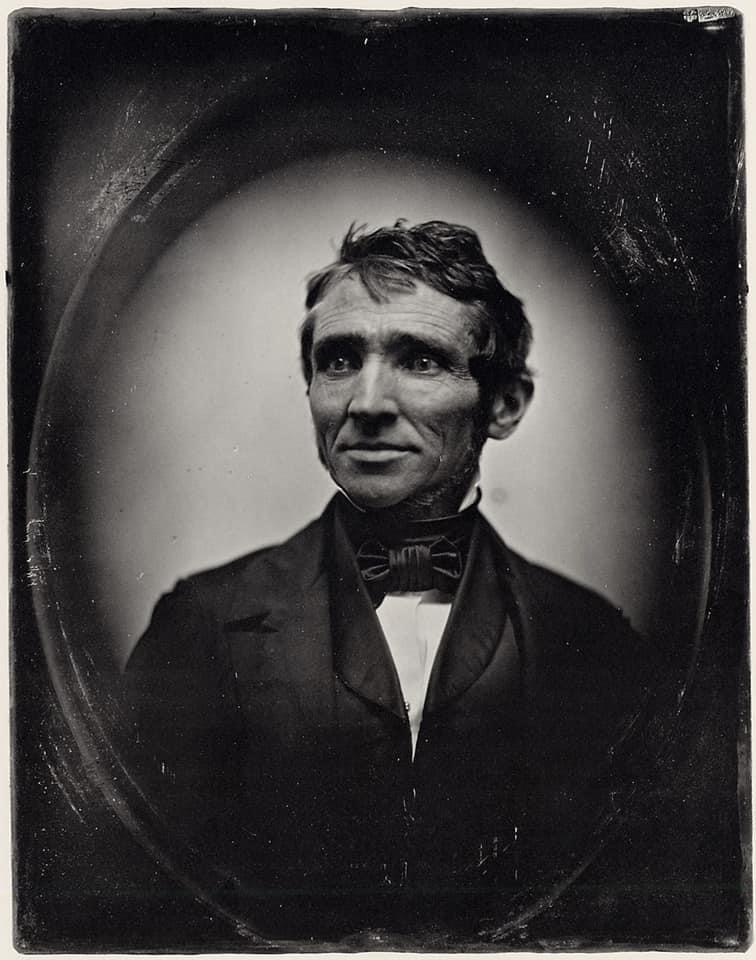
On June 15, 1844, Charles Goodyear received a patent for vulcanized rubber.
Daguerreotype of Charles Goodyear via Wikimedia Commons, public domain
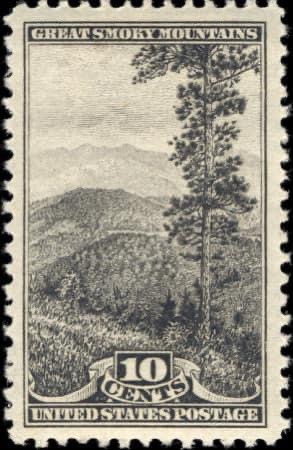
10 cent stamp featuring the Great Smoky Mountains from 1934
On June 15, 1934 The Great Smoky Mountains National Park was established.
Image via Wikimedia Commons, public domain
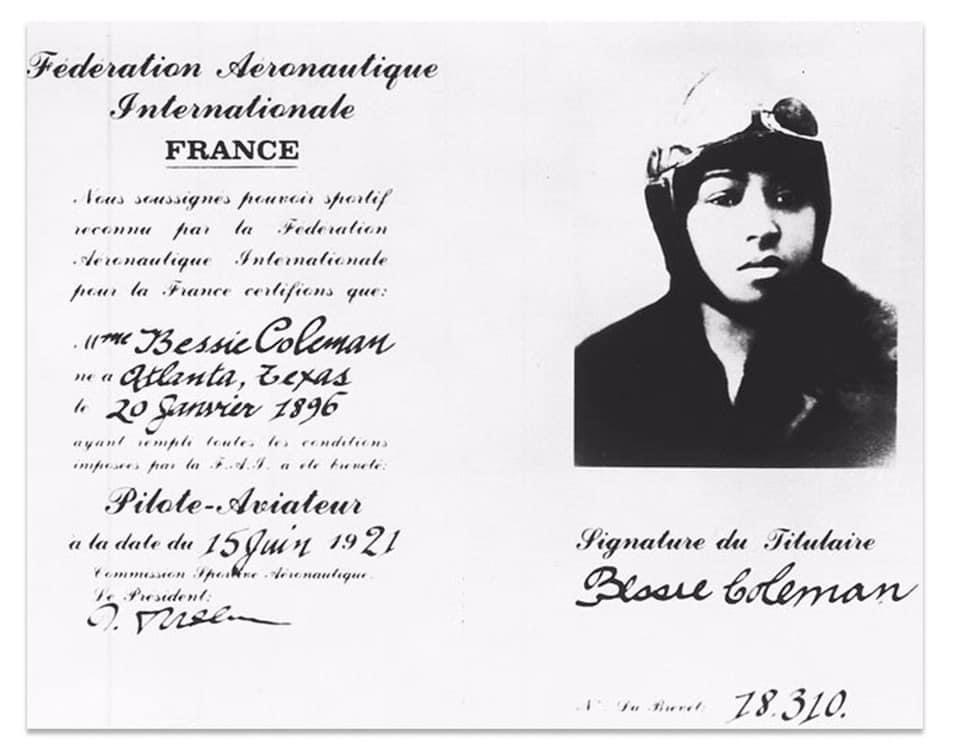
On June 15, 1921, Bessie Coleman became the first African American woman and first Native American to receive a pilot’s license.
Image via Wikimedia Commons, public domain
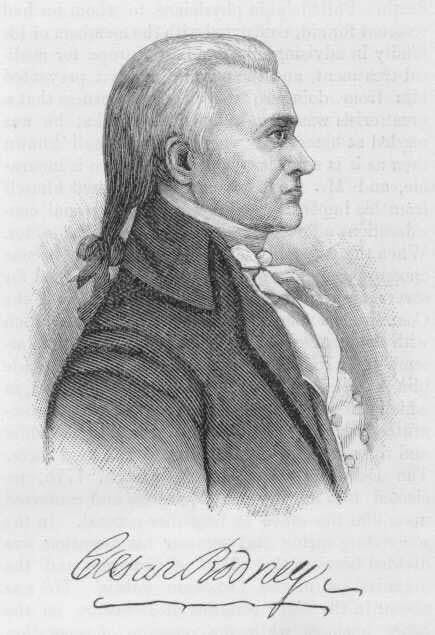
Founding Father Caesar Rodney of Delaware who on June 15, 1776 persuaded The Assembly of Delaware to separate from Pennsylvania and from British rule.
He also signed the Declaration of Independence.
Image via Wikimedia Commons, public domain
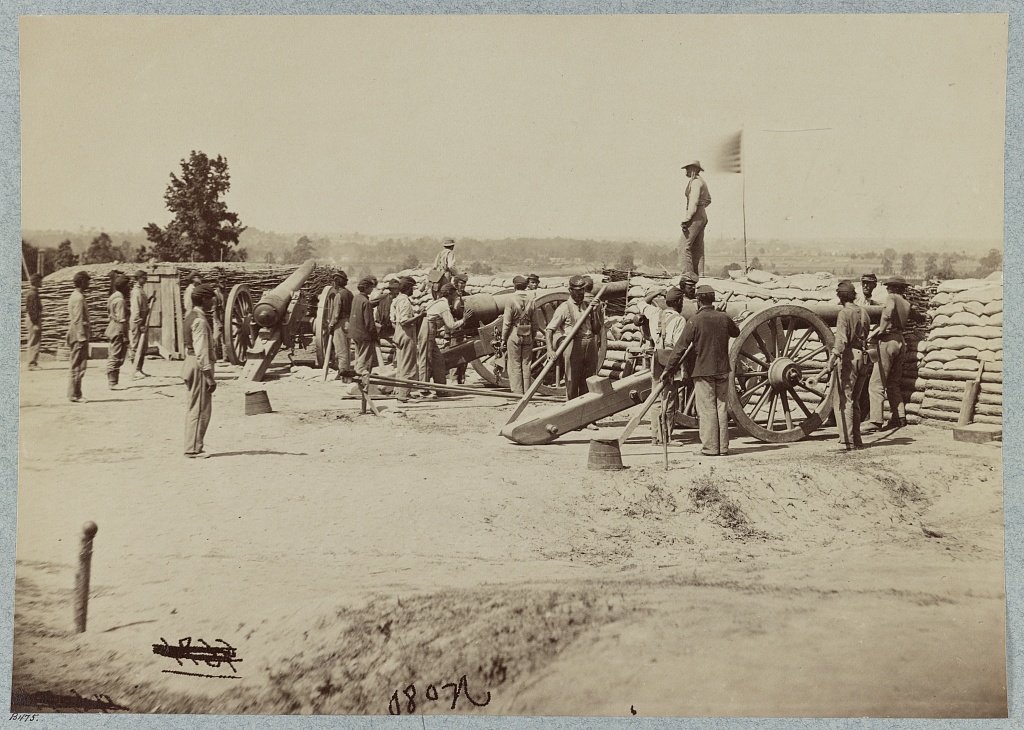
Outer lines of Confederate fortifications, in front of Petersburg, Va. captured by 18th Army Corps, June 15, 1864
via LOC, no known restrictions
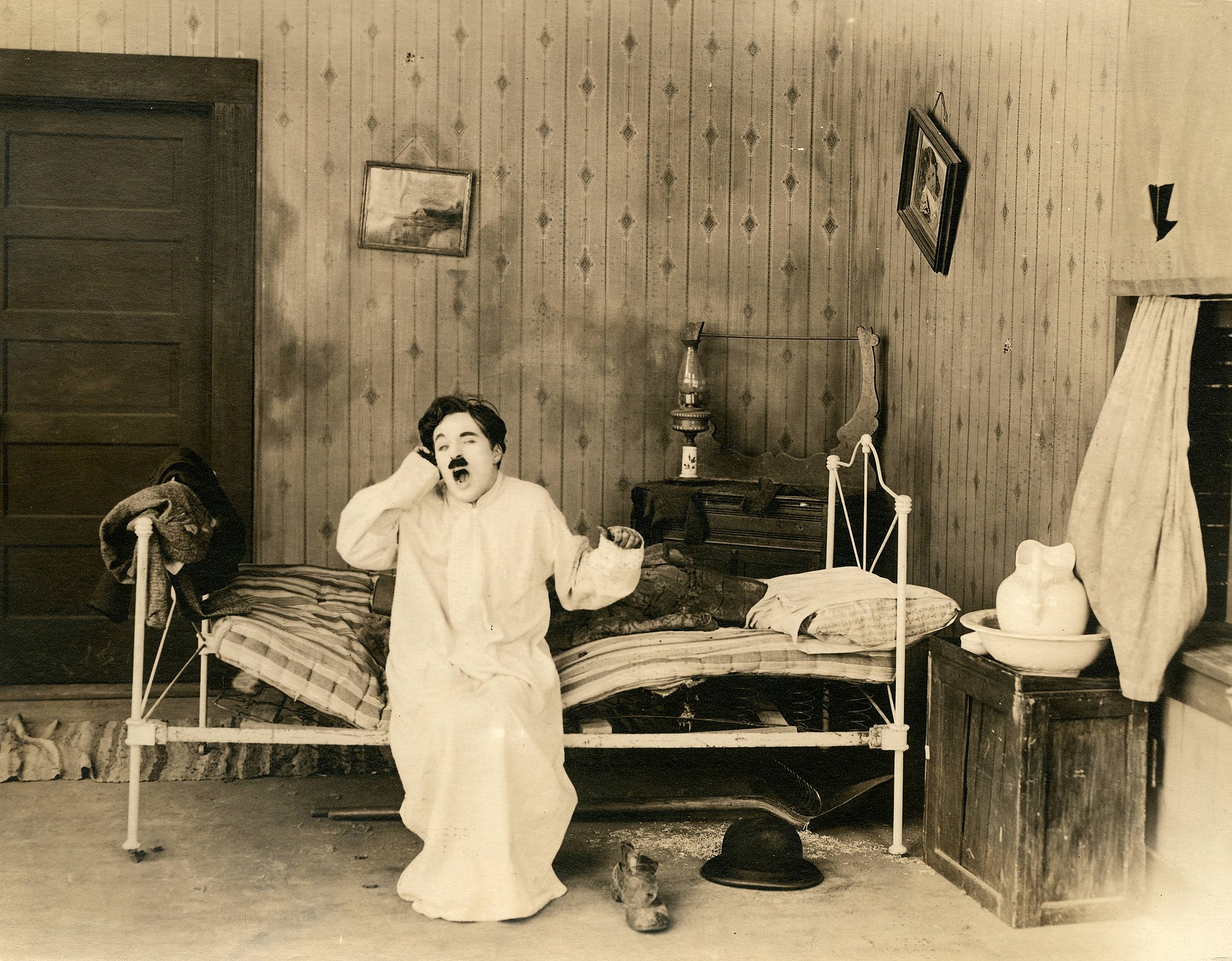
Sunnyside, a 34-minute silent short film that was written, directed, edited by, and starring Charlie Chaplin, was released on June 15, 1919.
It was his third film for First National Pictures and features Edna Purviance as his co-star.
Image via Wikimedia Commons, no known restrictions
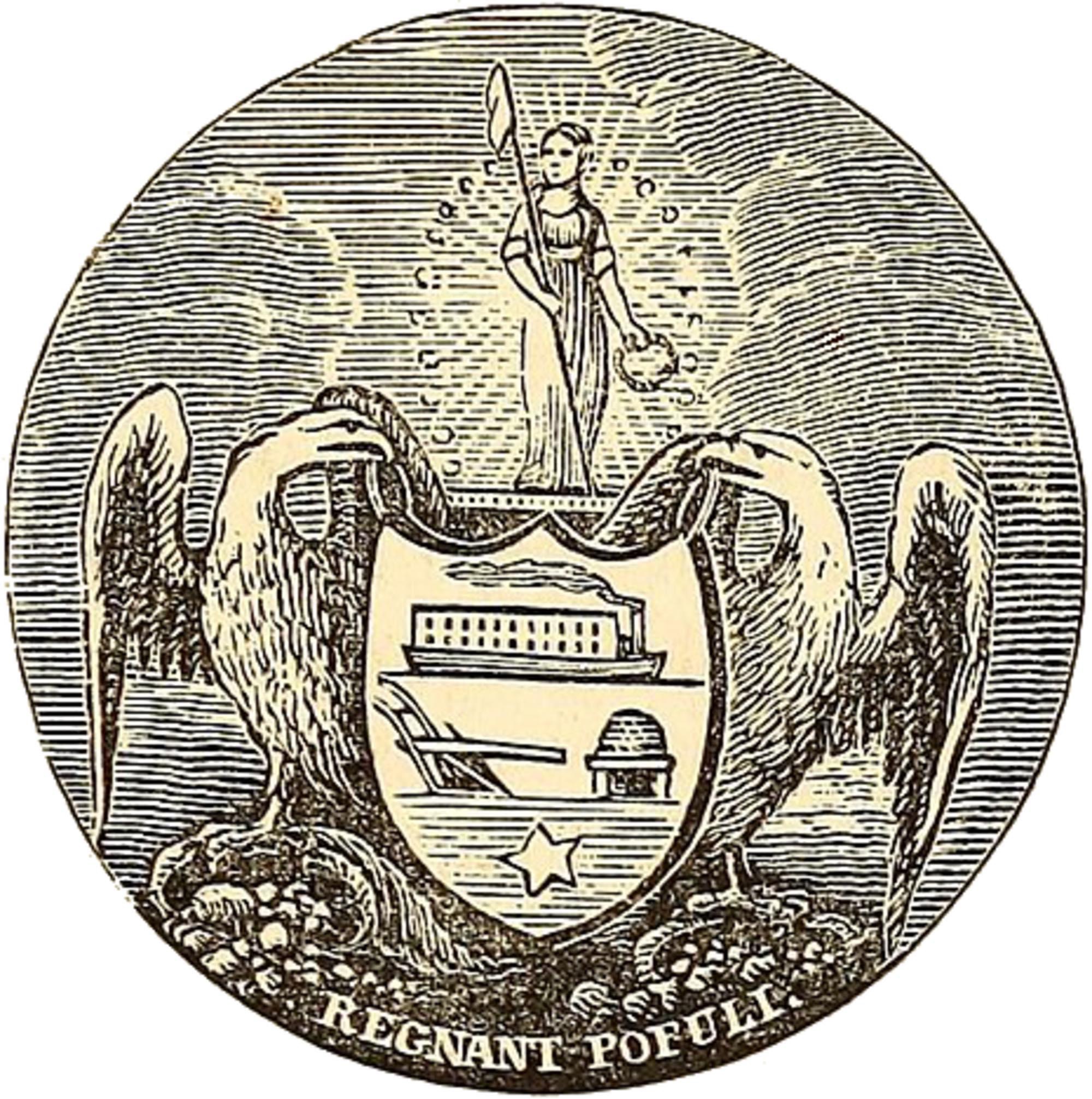
On June 15, 1836, Arkansas became the 25th state.
Image of the historical seal of the state of Arkansas c 1853
via Wikimedia Commons, public domain
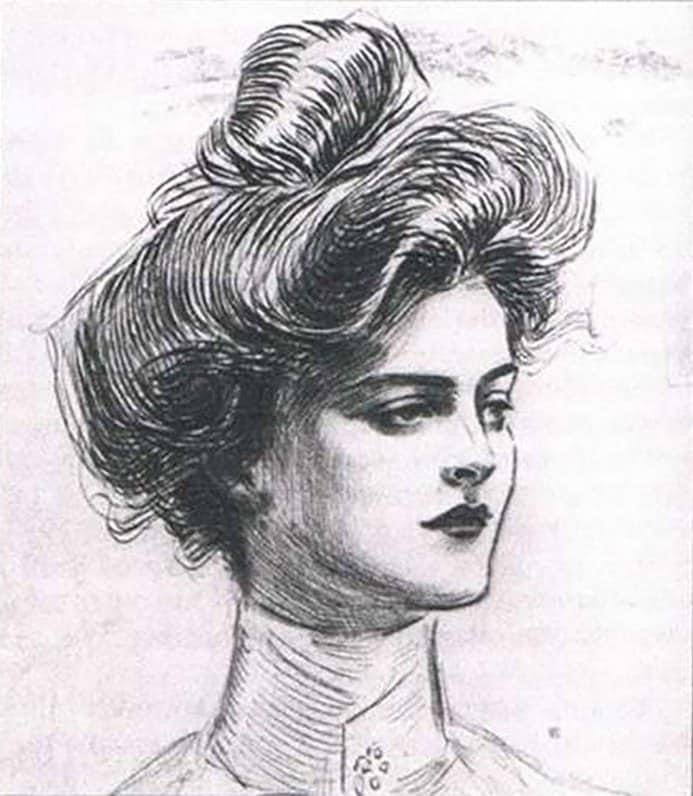
American golfer Margaret Abbott was born on June 15, 1878.
She was the first American woman to become an Olympic champion.
Image via Wikimedia Commons, public domain
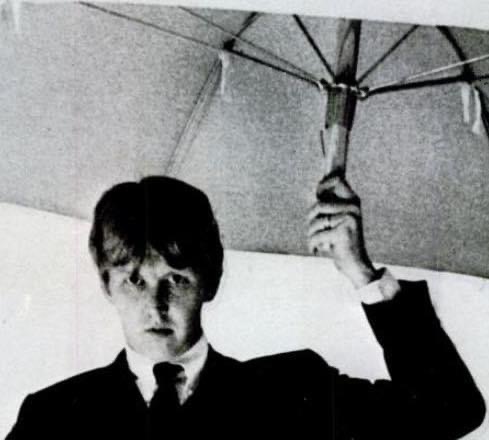
American musician Harry Nilsson was born on June 15, 1941 in Brooklyn, New York.
Image from 1967 by RCA Victor, the same year he recorded the hit song “Everybody’s Talkin’” via Wikimedia Commons, public domain
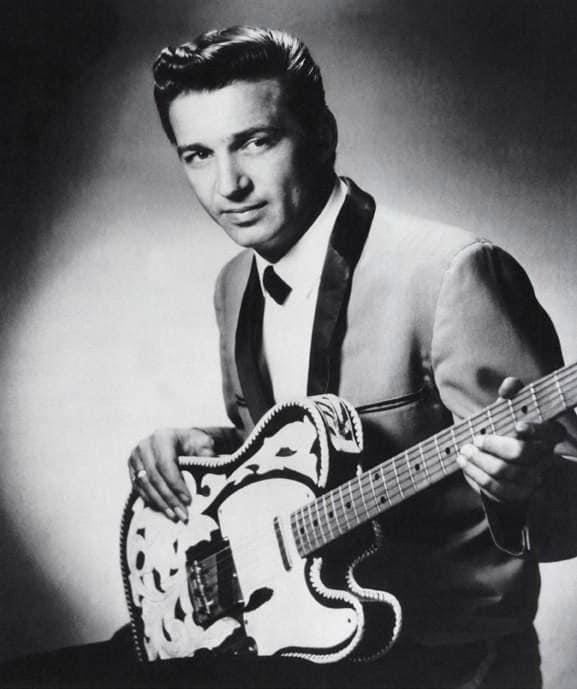
Waylon Jennings was born on June 15, 1937 in Littlefield, Texas.
Image via Wikimedia Commons, public domain
